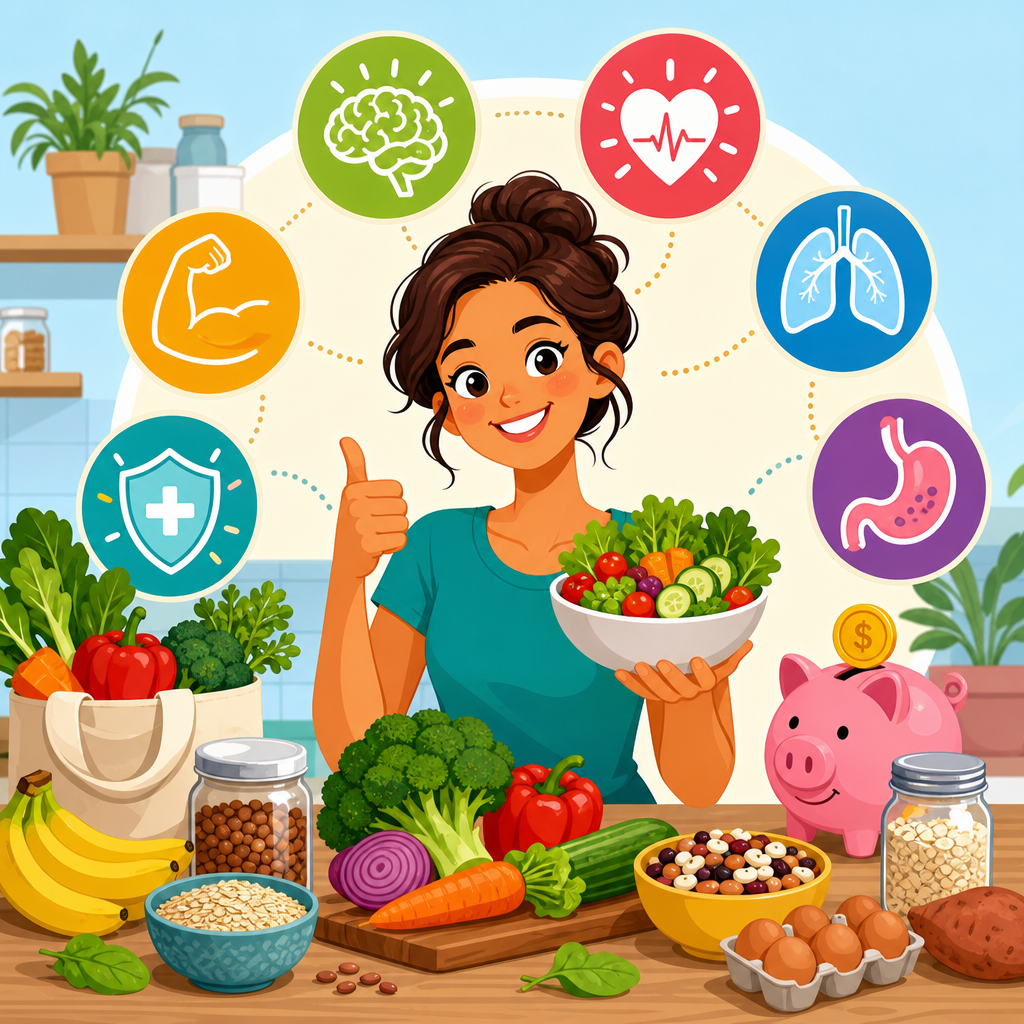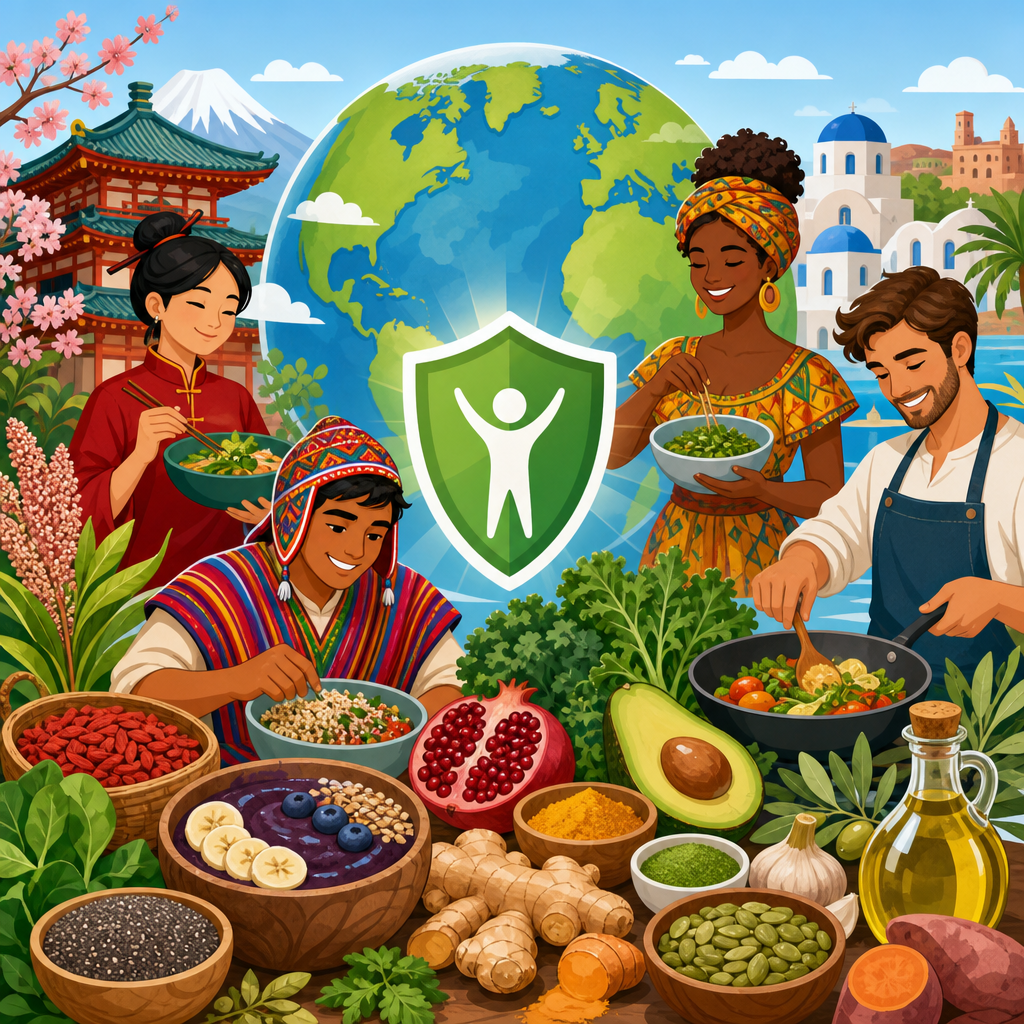
International superfoods and recipes can strengthen disease prevention when they are used consistently, prepared well, and matched to everyday eating habits rather than treated as miracle ingredients. In practical nutrition work, I have seen the biggest health gains come from patterns: a breakfast built around oats and berries, a lunch with legumes and olive oil, a dinner centered on vegetables, fish, spices, and fermented foods. The term “superfood” is not a scientific classification, but it is a useful shorthand for foods with unusually high concentrations of protective compounds such as fiber, polyphenols, carotenoids, omega-3 fats, probiotics, vitamins, minerals, and sulfur compounds. Disease prevention refers to reducing the risk of chronic conditions including cardiovascular disease, type 2 diabetes, certain cancers, fatty liver disease, cognitive decline, and osteoporosis through long-term dietary choices.
What makes international superfoods especially valuable is diversity. Different food cultures solved nutrition problems in different ways long before modern public health existed. Mediterranean kitchens leaned on olive oil, beans, fish, and herbs. East Asian traditions integrated soy, sea vegetables, green tea, mushrooms, and fermented foods. Latin American diets built resilience through beans, squash, tomatoes, cacao, and ancient grains. South Asian cooking paired pulses, yogurt, turmeric, ginger, and cruciferous vegetables. West African and Middle Eastern food traditions emphasized millet, sorghum, okra, chickpeas, sesame, dates, and deeply spiced stews. When these traditions are studied together, the common pattern is striking: plant-forward meals, moderate portions, minimal ultra-processing, and recipes designed to make nutrient-dense foods enjoyable enough to eat repeatedly.
This matters because disease prevention is influenced more by routine than by isolated nutrients. The World Health Organization and large cohort studies consistently connect higher intake of whole grains, fruits, vegetables, legumes, nuts, and unsaturated fats with lower cardiometabolic risk. At the same time, diets high in refined starches, excess sodium, processed meats, and sugary beverages are linked with inflammation, hypertension, and insulin resistance. A global recipe approach helps people avoid the boredom that often derails healthy meal planning. It also expands the nutrient spectrum on the plate. A person who rotates kimchi, lentil dal, Greek bean salad, miso soup, shakshuka, black bean stew, and salmon with herbs is not just eating interesting food. They are exposing the body to a wider set of protective compounds that support the gut microbiome, blood vessel function, immune signaling, and metabolic control.
As a hub for international superfoods and recipes, this guide explains which foods matter most, how they work, which dishes deliver them effectively, and how to build meals that support long-term health without becoming complicated or expensive. It is designed for readers planning family meals, home cooks expanding their repertoire, and anyone asking a practical question: which globally rooted foods are worth buying if the goal is disease prevention?
Why International Superfoods Matter for Disease Prevention
The strongest evidence in nutrition favors dietary patterns, but individual foods still matter because they contribute specific mechanisms. Beans and lentils lower LDL cholesterol partly through soluble fiber. Extra-virgin olive oil supplies monounsaturated fats and polyphenols that improve endothelial function. Fatty fish such as sardines, salmon, and mackerel provide EPA and DHA, which reduce triglycerides and support brain and eye health. Cruciferous vegetables like bok choy, cabbage, and broccoli contain glucosinolates that break down into isothiocyanates, compounds associated with detoxification pathways and lower cancer risk. Fermented foods like kefir, yogurt, kimchi, miso, and tempeh can support microbiome diversity, though effects vary by product and dose.
International cuisines are useful because they package these compounds into proven eating formats. Consider a Japanese-style meal of grilled salmon, brown rice, miso soup, and sautéed greens. It combines omega-3 fats, fermented soy, minerals, and fiber in one plate. A Mediterranean chickpea salad with tomatoes, cucumber, parsley, feta, and olive oil delivers legumes, lycopene, herbs, calcium, and unsaturated fat. A South Asian red lentil dal with turmeric, garlic, spinach, and yogurt adds resistant starch, polyphenols, spices, and probiotics. In real kitchens, recipes determine adherence. People do not sustain “eat more magnesium” as a habit; they sustain flavorful meals.
Another benefit is risk distribution. No single food prevents disease on its own, but multiple protective foods used across the week create redundancy. If one person dislikes fish, they may still get benefits from walnuts, flaxseed, soy, and olive oil. If dairy is limited, calcium can come from sesame, tofu set with calcium sulfate, sardines with bones, and leafy greens. A globally informed meal plan expands options, which improves consistency and makes nutrition advice more realistic.
Core Superfoods Across Global Cuisines
The most useful international superfoods are not exotic powders; they are staple foods with strong evidence and broad culinary uses. Legumes rank near the top. Chickpeas, black beans, lentils, soybeans, and peas are inexpensive, high in fiber, rich in plant protein, and associated with better glycemic control and lower heart disease risk. Whole grains such as oats, barley, quinoa, teff, sorghum, and brown rice provide fiber, B vitamins, and minerals, with barley and oats standing out for beta-glucan, a soluble fiber that helps lower cholesterol.
Vegetables and fruits remain foundational. Tomatoes, berries, citrus, leafy greens, sea vegetables, alliums, mushrooms, sweet potatoes, and cruciferous vegetables each bring different protective compounds. Berries contain anthocyanins linked to vascular and cognitive benefits. Tomatoes are rich in lycopene, especially when cooked with oil. Garlic and onions contain organosulfur compounds studied for cardiometabolic support. Mushrooms provide ergothioneine and, when UV-exposed, vitamin D. Orange vegetables such as pumpkin and sweet potato supply beta-carotene, important for immune and eye health.
Healthy fats and fermented foods complete the picture. Olive oil, avocado, nuts, seeds, tahini, and fatty fish support inflammation control and nutrient absorption. Fermented foods can aid digestion and bring beneficial microbes or fermentation byproducts, although products high in sodium should be balanced carefully. Green tea, cocoa, coffee, and spice blends like turmeric with black pepper also deserve mention because they add polyphenols without requiring major diet changes. The key is context: these foods work best inside balanced meals, not as isolated supplements.
| Superfood | Region commonly associated | Main protective components | Recipe example | Potential disease-prevention role |
|---|---|---|---|---|
| Lentils | South Asia, Middle East | Fiber, folate, polyphenols, plant protein | Red lentil dal | Supports blood sugar control and heart health |
| Extra-virgin olive oil | Mediterranean | Monounsaturated fat, polyphenols | Greek bean salad | Improves lipid profile and vascular function |
| Salmon or sardines | Nordic, Japanese, Mediterranean | EPA, DHA, vitamin D, selenium | Grilled fish with herbs | Helps lower triglycerides and supports brain health |
| Kimchi | Korea | Fermentation compounds, probiotics, garlic, chili | Rice bowl with tofu and kimchi | May support gut diversity, though sodium can be high |
| Berries | Nordic, North American, European | Anthocyanins, vitamin C, fiber | Yogurt with berries and oats | Supports vascular and cognitive health |
How Signature International Recipes Deliver Protective Nutrients
Recipes matter because preparation changes bioavailability, satiety, and long-term adherence. Mediterranean dishes often combine vegetables with olive oil, which improves absorption of fat-soluble carotenoids. A simple ratatouille, for example, concentrates tomatoes, eggplant, zucchini, onion, and herbs into a fiber-rich meal that can be paired with beans or fish. Hummus adds chickpeas and tahini, contributing fiber, calcium, and unsaturated fat. Shakshuka places eggs in a tomato and pepper sauce, making it an accessible breakfast or dinner that can be strengthened further with white beans or spinach.
East Asian recipes often combine fermented foods, vegetables, and soy in ways that are particularly useful for metabolic health. Miso soup with tofu, wakame, mushrooms, and scallions offers protein, iodine, fermentation byproducts, and fluid with relatively low calories. Stir-fried bok choy with garlic preserves texture and nutrients while keeping cooking time short. A rice bowl topped with edamame, salmon, pickled vegetables, and sesame creates a practical weeknight meal that covers protein, fiber, healthy fat, and micronutrients. The caution is sodium: soy sauce, miso, and kimchi are beneficial ingredients, but portion awareness matters for anyone managing blood pressure.
South Asian and Middle Eastern dishes show how spices and pulses can make plant-based eating satisfying. Chana masala, mujadara, lentil soups, and yogurt-based sauces rely on chickpeas, lentils, onions, cumin, coriander, turmeric, and garlic. These are not just flavorful; they are metabolically useful. Pulses slow digestion, spices can increase palatability without extra sugar, and yogurt contributes protein and live cultures. Latin American cooking offers black bean soups, bean-and-squash stews, tomato salsas, ceviche, and cacao-based sauces, all of which can fit a prevention-oriented meal plan when sodium and added fats are managed. Traditional recipes usually outperform trendy “health” bowls because they were refined over generations to be affordable, seasonal, and repeatable.
Building a Preventive Meal Plan With Global Foods
An effective meal plan for disease prevention should answer four questions: where is the fiber, where is the protein, where is the color, and where is the healthy fat? If a meal covers all four, it usually lands in a strong nutritional range. In practice, I suggest building around one legume or whole grain, one major vegetable, one protein source, and one flavor system from a specific cuisine. For example, Monday might be a Mediterranean farro bowl with roasted vegetables, cannellini beans, olives, and lemon. Tuesday could be tofu and broccoli stir-fry with brown rice. Wednesday could be salmon with barley, dill yogurt, and cucumber salad. Thursday might be lentil curry with spinach and a side of plain yogurt. Friday could be black bean tacos with cabbage slaw, avocado, and pico de gallo.
Batch cooking makes this sustainable. Cook a pot of lentils, brown rice, or barley once; roast two trays of vegetables; blend one sauce such as tahini-lemon, chimichurri, or yogurt-herb dressing; then repurpose ingredients across cuisines. The same chickpeas can become a Greek salad topping, a curry ingredient, or a tray-baked crunchy snack. Frozen berries, canned sardines, plain yogurt, rolled oats, canned beans, and extra-virgin olive oil are particularly strong pantry anchors because they are affordable, shelf-stable or long-lasting, and consistently linked with health benefits.
Portion balance matters too. Even nutrient-dense foods can be undermined by excess calories, sodium, or added sugar. Dried fruit, granola, coconut milk, and restaurant sauces are common examples. A preventive approach is not restrictive; it is deliberate. Use richly flavored ingredients like pesto, gochujang, harissa, miso, and tahini in moderate amounts, then surround them with vegetables, beans, seafood, or whole grains so the meal stays balanced.
Common Mistakes, Tradeoffs, and How to Choose Better Recipes
The biggest mistake is assuming that any recipe containing a superfood is automatically healthy. Blueberry muffins made with refined flour and large amounts of sugar are still dessert. A kale salad buried in creamy dressing and fried toppings can carry more calories and sodium than expected. Imported “superfood” snack products often rely on halo marketing while adding syrups, starches, or seed oils in large amounts. Read labels. For packaged foods, compare sodium, added sugar, and ingredient length, and favor options that still resemble the original food.
Another mistake is ignoring cultural context. Traditional recipes often include protective ingredients, but modernized versions may distort them. Mediterranean eating is not unlimited pasta and wine. Japanese eating is not deep-fried takeout several nights a week. Indian food is not only butter chicken and naan. To choose better recipes, prioritize dishes centered on legumes, vegetables, seafood, fermented dairy or soy, herbs, and whole grains. Look for cooking methods such as simmering, steaming, grilling, braising, and quick stir-frying instead of heavy breading or deep frying.
Finally, personalize intelligently. Kidney disease, celiac disease, hypertension, food allergies, IBS, and medication interactions all affect recipe selection. Seaweed can be useful, but excessive iodine may be a problem for some thyroid conditions. Grapefruit can interfere with certain drugs. Fermented foods may aggravate symptoms in some people sensitive to histamine. The right answer is not to abandon global superfoods; it is to adapt recipes with medical guidance when needed.
International superfoods and recipes support disease prevention because they make healthy eating broader, more enjoyable, and easier to sustain over years, which is the only timeline that truly matters. The evidence is clear on the essentials: diets rich in legumes, whole grains, vegetables, fruits, nuts, seeds, fish, fermented foods, and unsaturated fats are consistently associated with better cardiometabolic outcomes and lower chronic disease risk. Global cuisines offer practical ways to put those foods on the table without repeating the same meals or relying on expensive specialty products.
The best strategy is to think in patterns, not miracles. Build meals around fiber-rich staples, add colorful produce, use healthy fats, and borrow flavor structures from Mediterranean, East Asian, South Asian, Middle Eastern, Latin American, Nordic, and African food traditions. Choose recipes that preserve the core strengths of those traditions: beans instead of refined starches, olive oil instead of heavy processed fats, seafood or soy instead of processed meat, spices and herbs instead of excess sugar, and fermented foods in sensible portions. Small repeated choices matter more than perfect purity.
If you are building a smarter meal plan, start with three international recipes this week: one bean-based dish, one fish or tofu dish, and one fermented or yogurt-based side. Stock the pantry with oats, lentils, canned beans, olive oil, frozen berries, garlic, spices, and whole grains, then expand from there. Use this hub as your starting point for deeper recipe guides and meal-planning ideas, and turn disease prevention into something practical: dinner.
Frequently Asked Questions
What does the term “superfood” really mean in the context of disease prevention?
The word “superfood” is popular, but it is not a formal scientific category. In practice, it usually refers to foods that are especially rich in nutrients and protective plant compounds, such as fiber, vitamins, minerals, healthy fats, and antioxidants. Examples from around the world include berries, oats, lentils, chickpeas, leafy greens, olive oil, turmeric, garlic, soy foods, fermented vegetables, seaweed, fatty fish, nuts, seeds, and green tea. These foods can support disease prevention because they help improve overall diet quality and contribute to better metabolic, digestive, and cardiovascular health.
The most important point is that no single food prevents disease on its own. What matters most is the eating pattern built around these ingredients. A breakfast of oats with berries and seeds, a lunch based on legumes and olive oil, and a dinner centered on vegetables, fish, herbs, spices, and fermented foods creates a consistent intake of protective nutrients over time. That kind of pattern can help lower chronic inflammation, support healthy blood sugar control, improve cholesterol balance, and nourish the gut microbiome, all of which are linked to lower risk for conditions such as heart disease, type 2 diabetes, and some forms of cancer.
So, in a practical nutrition sense, “superfoods” are best understood as useful building blocks, not miracle ingredients. Their value comes from regular use, smart preparation, and how well they fit into everyday meals that people can actually maintain.
How do international superfoods and traditional recipes help protect long-term health?
International superfoods become especially powerful when they are part of traditional recipes, because recipes provide structure, balance, and repeatability. Many global eating patterns that are associated with longevity and lower disease risk are not built around isolated health foods. They are built around complete meals: Mediterranean dishes with beans, vegetables, olive oil, and fish; Japanese meals featuring soy foods, seaweed, vegetables, and green tea; South Asian dishes that use lentils, turmeric, ginger, garlic, and a wide range of vegetables; Latin American meals based on beans, corn, avocado, tomatoes, and herbs; and fermented food traditions found across Europe, Asia, and Africa.
These dietary patterns support disease prevention in several ways. First, they increase intake of fiber, which helps regulate digestion, cholesterol, and blood sugar while feeding beneficial gut bacteria. Second, they provide anti-inflammatory and antioxidant compounds that may reduce cellular stress. Third, many traditional recipes naturally combine foods that improve nutrient absorption and satisfaction, such as pairing fat-soluble nutrients in vegetables with olive oil, or combining legumes and grains for a more complete protein profile.
Another advantage of traditional recipes is that they tend to make healthy eating more sustainable. A bowl of lentil soup, a vegetable-rich curry, a bean stew, or grilled fish with herbs and fermented sides is not just nutritious; it is filling, flavorful, and realistic for repeat use. That consistency is what drives health benefits. The protective effect comes less from trying unusual ingredients once in a while and more from repeatedly eating balanced meals that are rooted in nutrient-dense foods from diverse culinary traditions.
Can adding a few superfoods to my diet prevent chronic diseases like heart disease or diabetes?
Adding a few nutrient-dense foods can absolutely improve your diet, but by itself it is usually not enough to prevent chronic disease. Disease prevention depends on the overall pattern of eating and living. If someone adds chia seeds or turmeric to a diet that is still heavy in ultra-processed foods, excess sugar, low fiber, and inconsistent meal habits, the benefits will be limited. On the other hand, when superfoods are used to replace less helpful foods and improve meal quality across the day, they can make a meaningful difference.
For example, replacing a refined breakfast with oats, berries, and nuts can support healthier cholesterol and more stable energy. Swapping processed lunch options for a meal built around lentils, vegetables, and olive oil can improve fiber intake and satiety. Choosing fish, beans, vegetables, and fermented foods more often at dinner can support heart health, metabolic health, and gut health. These shifts may help reduce risk factors such as elevated LDL cholesterol, poor blood sugar control, high blood pressure, and excess inflammation.
It is also important to remember that chronic disease prevention is cumulative. Small daily decisions matter more than occasional “perfect” meals. The goal is not to chase a short list of trendy ingredients, but to create a routine that includes a variety of plant foods, healthy fats, quality protein sources, and minimally processed staples. Superfoods can be part of that strategy, but they work best as part of a broader lifestyle that includes physical activity, sleep, stress management, and regular medical care.
What are the best ways to prepare superfoods so they actually deliver health benefits?
Preparation matters more than many people realize. A nutrient-dense food can lose some of its practical benefit if it is heavily sweetened, deep-fried, or served in portions that crowd out more balanced foods. In general, the most effective approach is to prepare superfoods in ways that preserve nutrients, improve absorption, and make them enjoyable enough to eat regularly. That usually means simple cooking methods such as steaming, simmering, roasting, sautéing with healthy oils, fermenting, and combining ingredients in whole-food recipes.
There are several useful examples. Tomatoes may offer more available lycopene when cooked, especially with olive oil. Turmeric is often better used in cooked dishes and can be paired with black pepper and fat to support absorption. Legumes become more digestible and practical when soaked, cooked well, and seasoned in soups, stews, curries, and salads. Fermented foods such as yogurt, kefir, kimchi, or sauerkraut can support gut health when included regularly in moderate portions. Fatty fish is generally more beneficial when baked, grilled, or poached rather than fried. Berries, leafy greens, seeds, and oats are easy to use in breakfasts and snacks without overprocessing them.
Balance also matters. A recipe should not rely on one “star” ingredient while ignoring the overall meal. Pairing foods is often where health benefits become more realistic: vegetables with olive oil, legumes with whole grains, spices with protein and produce, fermented foods alongside fiber-rich meals. The best preparation method is the one that protects nutritional value and helps the food become a normal, repeatable part of your routine.
How can I realistically include international superfoods and recipes in everyday meals without making my diet complicated?
The easiest way is to think in patterns, not projects. You do not need a complete diet overhaul or a pantry full of expensive imported items. Start by upgrading meals you already eat with globally inspired ingredients that are versatile, accessible, and easy to repeat. Oats with berries, cinnamon, and seeds can become a stronger breakfast. Grain bowls with chickpeas, olive oil, greens, and herbs can simplify lunch. Dinners can be built around vegetable-forward stir-fries, lentil soups, fish with roasted vegetables, bean stews, or curry-based dishes that use garlic, ginger, turmeric, tomatoes, and leafy greens.
It also helps to focus on a few foundational categories rather than chasing long superfood lists. Try to keep legumes, whole grains, colorful produce, fermented foods, healthy fats, herbs, and spices in regular rotation. From there, use international recipes as templates. A Mediterranean-style plate might feature beans, tomatoes, cucumbers, yogurt, and olive oil. A Japanese-inspired meal could include salmon, rice, seaweed, miso soup, and vegetables. A South Asian-inspired dinner might combine lentils, spinach, turmeric, cumin, and brown rice. A Latin American-style bowl could bring together black beans, avocado, corn, tomatoes, and salsa.
The real key is consistency and fit. Choose recipes that match your schedule, skill level, budget, and taste preferences. Batch-cook staples like beans, grains, soups, and roasted vegetables. Keep flavor boosters such as olive oil, garlic, citrus, yogurt, ginger, and spices on hand. When healthy global ingredients become part of familiar meals rather than occasional “wellness” experiments, they are far more likely to support long-term disease prevention.