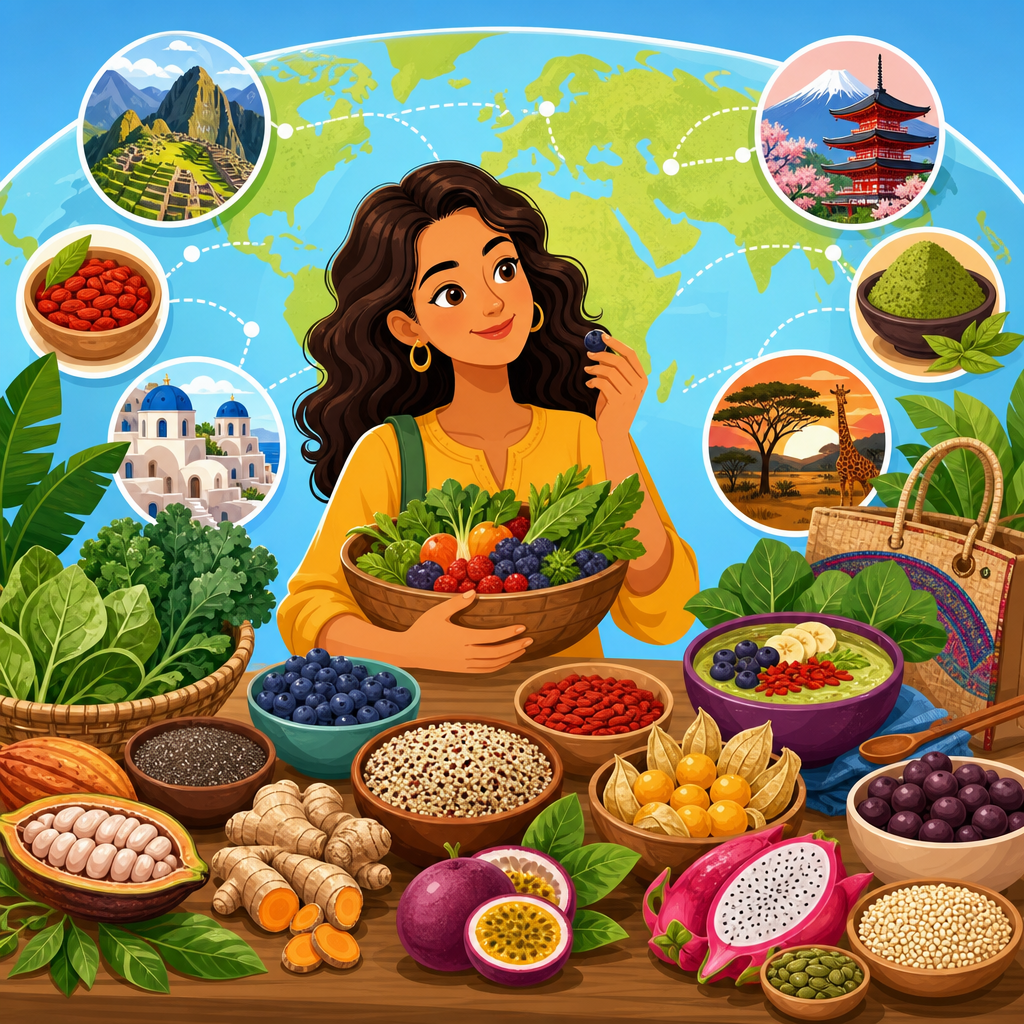
Choosing the best sources of international superfoods and recipes for optimal health starts with understanding what a superfood actually is and what it is not. In nutrition practice, I treat the term as shorthand for foods that deliver unusually high nutrient density, bioactive compounds, or culinary versatility relative to their calorie load. Blueberries, sardines, fermented soy, seaweed, pulses, extra virgin olive oil, kefir, turmeric, and quinoa are common examples, but the real value lies less in marketing labels and more in sourcing, preparation, and dietary context. International superfoods matter because many of the world’s healthiest eating patterns rely on staple ingredients developed in specific climates and food traditions. Mediterranean households use olive oil, legumes, herbs, and small fish differently than Japanese kitchens use miso, sesame, sea vegetables, and tofu, yet both patterns consistently support cardiometabolic health. For anyone building better meals, this hub on international superfoods and recipes helps answer practical questions: which ingredients are worth buying, how do you judge quality, where should you source them, and how do you turn them into reliable everyday meals. The goal is not to chase exotic ingredients for novelty, but to choose evidence-backed foods from trustworthy sources and use them in balanced recipes that fit real life.
What Counts as an International Superfood and Why Source Matters
An international superfood is simply a nutrient-rich ingredient rooted in a distinct regional food culture and now available beyond its place of origin. The strongest candidates are foods supported by both long culinary use and modern research. Extra virgin olive oil from Mediterranean regions is rich in monounsaturated fats and phenolic compounds. Natto and tempeh from Southeast and East Asian traditions provide protein, minerals, and fermentation-derived compounds. Chia from Central America contributes fiber and alpha-linolenic acid. Kefir from the Caucasus offers live cultures, peptides, and a practical way to diversify fermented foods. The same food, however, can vary dramatically in quality depending on cultivar, harvest timing, storage, processing, and transport.
I have seen this firsthand when testing pantry staples side by side. A fresh, peppery extra virgin olive oil packed within the last harvest year performs very differently in taste and likely polyphenol retention than an old bottle exposed to heat and light. Dried turmeric powder purchased from a high-turnover spice merchant has a stronger aroma and deeper color than a stale supermarket jar, which signals better volatile compound preservation. Frozen wild blueberries can outperform fresh berries shipped long distances because freezing soon after harvest locks in quality. Source matters because nutrients degrade, contaminants vary by region, and labeling can be misleading if buyers do not know what to check.
The most reliable approach is to pair nutrition goals with procurement standards. If you want omega-3 fats, small oily fish such as sardines and mackerel often beat expensive powders because they provide EPA and DHA in a whole-food matrix. If you want probiotic diversity, choose fermented foods with clear storage guidance and minimal unnecessary additives. If you want mineral-rich grains or seeds, look for suppliers that disclose origin and processing. Good sourcing turns an interesting ingredient into a dependable health asset.
How to Evaluate Quality, Safety, and Authenticity When Buying
The best source of international superfoods is not automatically the cheapest, the most expensive, or the most fashionable. It is the source that gives you the highest confidence in authenticity, freshness, safety, and fit for your cooking habits. Start with country or region of origin. Olive oil should state harvest or bottling information and ideally varietal or estate details. Tea, cacao, spices, and coffee benefit from transparent sourcing because terroir influences flavor and buyers can verify production standards. For fish, look for recognized certifications such as Marine Stewardship Council where appropriate, while also checking whether a local fishmonger can tell you catch method and harvest area.
Packaging is equally important. Light, oxygen, and heat are major enemies of quality. Extra virgin olive oil belongs in dark glass or tins, not clear plastic. Seeds and nuts should be sold in packaging that protects against oxidation, with a recent packing date if possible. Fermented products need a cold chain unless they are intentionally shelf-stable after pasteurization, and that distinction affects whether you are buying active cultures or simply fermented flavor. Dried seaweed should be crisp and dry, not stale or damp, because moisture encourages spoilage and texture loss.
Safety deserves plain language. Some seaweeds can contain high iodine levels, so portion size matters, especially for people with thyroid concerns. Imported grains and spices should come from suppliers that test for heavy metals, pesticide residues, or adulteration risks. Turmeric, for example, has occasionally been associated with lead adulteration in poorly regulated supply chains. Buying from reputable specialty grocers, cooperatives, established importers, or brands with third-party testing reduces that risk. In my own meal planning work, I favor suppliers who publish lab standards, storage advice, and harvest details over brands that rely on vague wellness claims.
Best Categories of International Superfoods to Keep in a Healthy Kitchen
A practical superfood pantry is built from categories, not one-off miracle ingredients. Legumes are foundational: lentils from South Asia and the Middle East, chickpeas from Mediterranean cooking, and black beans from Latin American traditions provide fiber, folate, iron, and slow-digesting carbohydrates. Fermented foods are another pillar: kimchi, miso, yogurt, kefir, sauerkraut, and tempeh add flavor complexity and can support dietary diversity. Whole grains and pseudo-grains such as quinoa, teff, buckwheat, farro, and oats make meals more satisfying and help stabilize energy intake.
Healthy fats deserve special attention. Extra virgin olive oil remains one of the strongest evidence-backed choices for everyday cooking and finishing. Sesame seeds and tahini contribute lignans, minerals, and an easy way to enrich dressings and sauces. Avocados, nuts, and coconut all have a place, but they are not interchangeable nutritionally. For marine foods, sardines, anchovies, salmon, mussels, and certain seaweeds offer omega-3 fats, minerals, and umami that can make simple meals taste complete. Fruits and vegetables with concentrated pigments and phytochemicals, including berries, pomegranate, tomatoes, dark leafy greens, purple sweet potatoes, and cruciferous vegetables, should round out the list.
| Category | Examples | Main Benefits | Best Sourcing Clue |
|---|---|---|---|
| Legumes | Lentils, chickpeas, black beans | Fiber, plant protein, minerals | Recent crop turnover, intact beans, clear origin |
| Fermented foods | Miso, kefir, kimchi, tempeh | Flavor, protein, culture diversity | Cold-chain handling and simple ingredients |
| Healthy fats | Extra virgin olive oil, tahini, walnuts | Unsaturated fats, polyphenols | Dark packaging, harvest date, minimal oxidation |
| Marine foods | Sardines, salmon, seaweed | Omega-3s, iodine, minerals | Sustainability details and tested sourcing |
| Whole grains | Quinoa, teff, buckwheat | Satiety, minerals, slow energy | Low breakage, fresh aroma, reputable importer |
These categories make meal planning easier because they can be mixed across cuisines. Lentils can become Indian dal, Turkish-style soup, or a French salad. Miso can season broth, glaze salmon, or deepen a vinaigrette. Good pantry design is more important than collecting trendy powders that sit unused.
Regional Buying Guide: Mediterranean, Asian, African, and Latin American Staples
For Mediterranean superfoods, prioritize extra virgin olive oil, canned or jarred fish, olives, capers, chickpeas, lentils, farro, herbs, and tomato products. When buying olive oil, look for a harvest date within the last year, protected designation labeling when relevant, and a peppery or grassy profile that signals phenolic presence. For canned fish, choose brands packed in olive oil or water with short ingredient lists. Italian tomatoes should list tomatoes and perhaps salt, not sugar or stabilizers, if your goal is clean flavor and flexibility.
Asian staples require a slightly different lens. Miso should list soybeans, grain, salt, and cultures; unpasteurized versions often have more active culinary complexity, though not all are sold cold. Tempeh should be firm, smell nutty rather than sour, and show an even white mycelium. Seaweed products vary widely, so buy nori, wakame, or kombu from suppliers that disclose harvest waters and testing. Matcha should be vivid green, finely milled, and stored away from light. Spices such as turmeric, ginger, and cinnamon are best bought in small quantities from high-turnover merchants.
African and Latin American sourcing is often overlooked, yet these traditions offer some of the most useful nutrient-dense staples. Teff, fonio, sorghum, hibiscus, baobab, black-eyed peas, and groundnut products can diversify both nutrients and flavor. From Latin America, cacao, chia, amaranth, beans, quinoa, aji peppers, and masa harina support highly nutritious meals. For quinoa, bitterness usually means inadequate rinsing of residual saponins or poor processing. For cacao, choose minimally processed powders with transparent origin if you want robust flavor and flavanol retention. Across all regions, the best sellers teach you how the food is grown, processed, and cooked rather than just calling it ancient or exotic.
How to Turn International Superfoods into Balanced Everyday Recipes
The healthiest international superfood recipes are not complicated. They follow a repeatable structure: a fiber-rich base, a quality protein, colorful produce, beneficial fats, and a strong seasoning system. One weeknight bowl I use often combines quinoa, roasted vegetables, chickpeas, chopped herbs, tahini-lemon sauce, and pumpkin seeds. Nutritionally, it delivers plant protein, unsaturated fats, and substantial fiber. Another efficient option is miso-ginger salmon with soba noodles, edamame, and wilted greens. Here, marine omega-3 fats, soy protein, and mineral-rich vegetables create a complete meal without relying on supplements.
Soups and stews are especially effective for this category because they stretch expensive ingredients while preserving flavor. A red lentil dal with turmeric, garlic, tomatoes, and spinach offers affordability, satiety, and excellent reheating quality. A Mediterranean white bean soup with olive oil, rosemary, fennel, and sardines can be assembled from pantry items in under thirty minutes. Breakfast can also carry these ingredients well: kefir with berries, chia, oats, and walnuts is more than a trend bowl when the portions are balanced and added sugar stays low.
Recipe success depends on technique as much as ingredients. Toasting spices briefly in fat improves aroma release. Acid from lemon, tamarind, or vinegar brightens legumes and whole grains. Fermented condiments such as miso, kimchi brine, or yogurt can replace heavy sauces. If a recipe includes a single expensive ingredient, use it where it matters most: finishing olive oil goes on the plate, not into a smoking pan, and high-quality matcha belongs in a simple preparation where bitterness and sweetness are controlled. These choices let international superfoods work in normal cooking rather than remaining aspirational purchases.
Common Mistakes, Budget Strategies, and Smart Meal Planning
The most common mistake is buying too many niche items before mastering a few core staples. A better plan is to select one ingredient from each category and build three repeatable meals around them. For example, olive oil, lentils, frozen berries, kefir, and miso can cover breakfast, lunch, and dinner for days. Another mistake is assuming imported always means superior. Local frozen spinach, yogurt, oats, or mussels may offer better value and equal nutrition compared with a costly imported product. International superfoods work best when they complement local produce and seasonal availability.
Budget strategy starts with shelf-stable basics. Dried beans, lentils, oats, canned tomatoes, canned sardines, quinoa, and spices provide a high nutrient return per dollar. Buy premium versions only where quality shifts the result significantly, such as olive oil, tea, spices, chocolate, and fermented condiments. Use specialty stores for knowledge and occasional pantry upgrades, but rely on mainstream grocers for staples if turnover is good. Batch cooking reduces waste: a pot of chickpeas can become hummus, salad, and soup; cooked farro can support grain bowls and breakfast porridge.
Meal planning becomes simpler when each week includes one legume dish, one fish dish, one fermented element, one whole-grain batch, and two sauces. That framework prevents the all-or-nothing pattern that causes healthy ingredients to spoil unused. As you explore this hub, build your own shortlist of trusted products, recipes, and vendors. The best sources of international superfoods and recipes are the ones you can buy confidently, cook repeatedly, and fit into a diet that is varied, evidence-based, and enjoyable for the long term.
Choosing the best sources of international superfoods and recipes for optimal health is ultimately about discernment, not novelty. The strongest ingredients are backed by culinary tradition, solid nutrition evidence, and transparent sourcing. Quality clues such as origin details, harvest information, cold-chain handling, protective packaging, and third-party testing matter because they directly affect freshness, safety, and nutritional value. A smart pantry is built from dependable categories including legumes, fermented foods, healthy fats, marine foods, and whole grains, then adapted across Mediterranean, Asian, African, and Latin American cooking styles.
The biggest practical benefit is that these foods make healthy eating easier to sustain. When you know how to buy a good olive oil, a trustworthy seaweed, a fresh bag of lentils, or a properly handled kefir, you remove guesswork from meal planning. When you combine those ingredients into simple bowls, soups, stews, breakfasts, and sauces, you get nutrient density without relying on restrictive rules. There are tradeoffs to respect, including cost, storage limits, and portion awareness for foods like seaweed, but none of those issues prevent success when you buy carefully and cook with purpose.
Use this hub as your starting point for building a practical global pantry. Pick a few high-value staples, learn the sourcing standards that matter, and rotate them into recipes you will actually make again. Better ingredients from better sources lead to better meals, and better meals are what support long-term health.
Frequently Asked Questions
What actually qualifies as a superfood, and how should I think about the term when choosing foods from different countries?
A superfood is best understood as a practical nutrition shortcut, not a scientific category or a magic health product. In everyday use, the term usually refers to foods that offer a high concentration of beneficial nutrients, protective plant compounds, healthy fats, quality protein, or probiotic value relative to their calorie content. That can include internationally recognized staples such as blueberries, sardines, kefir, fermented soy foods, seaweed, pulses, turmeric, quinoa, and extra virgin olive oil. What matters most is not hype or trend status, but whether the food consistently contributes meaningful nutritional value to your overall eating pattern.
When comparing superfoods from different cultures, focus on nutrient density, preparation method, and how realistically the food fits into your routine. For example, a traditional Japanese seaweed dish may offer iodine and unique phytonutrients, while Mediterranean extra virgin olive oil provides polyphenols and heart-healthy monounsaturated fats, and Indian lentil-based dishes supply fiber, plant protein, and minerals. None of these foods works in isolation. Their value comes from how they complement a balanced diet built around variety, minimally processed ingredients, and regular use over time. In other words, the best international superfoods are not necessarily the rarest or most expensive ones; they are the ones with strong nutritional value, cultural longevity, and a place in meals you will actually eat consistently.
How can I identify high-quality sources of international superfoods when shopping online or in stores?
Start with the basics: origin, ingredient list, processing level, packaging, and seller transparency. Reputable sources usually provide clear information about where the food was grown, harvested, or produced, along with details about whether it is organic, wild-caught, traditionally fermented, cold-pressed, or minimally processed when those factors are relevant. A short, recognizable ingredient list is often a good sign. For single-ingredient foods like quinoa, turmeric, olive oil, dried seaweed, or beans, there should be little to no unnecessary additives. For products such as kefir, miso, yogurt, or spice blends, quality often depends on whether sugars, fillers, artificial flavors, or excessive sodium have been added.
Specific categories require extra attention. With olive oil, look for harvest date, dark packaging, and signs of freshness rather than vague marketing claims. With seafood such as sardines, check for sustainability certifications, species information, and packing medium. With fermented foods, verify whether they contain live cultures if probiotic benefit is a goal. With spices like turmeric, choose brands that test for purity and contamination. Whole grains, legumes, and seeds should smell fresh, not stale, and ideally come from suppliers with reliable storage and turnover practices. If buying online, read beyond star ratings and look for evidence of authenticity, sourcing standards, and third-party testing. The best source is one that combines nutritional integrity, food safety, and honest labeling.
Are expensive imported superfoods always better than local alternatives for optimal health?
No. Price and distance traveled do not automatically make a food healthier. Many imported superfoods are excellent, but local foods can provide equal or even greater nutritional benefit depending on freshness, storage, seasonality, and how they are prepared. For example, local berries may rival imported berries in antioxidant content, regional beans may be just as beneficial as trendier ancient grains, and locally made fermented dairy may offer the same probiotic value as internationally marketed products. In practice, optimal health is usually supported by dietary consistency, variety, and affordability more than by chasing the most exotic ingredient available.
The smartest approach is to combine globally inspired choices with locally accessible staples. If you love Mediterranean eating, extra virgin olive oil, chickpeas, yogurt, herbs, and fish may be easy to integrate without relying on expensive specialty imports. If you want to borrow from East Asian traditions, seaweed, tofu, edamame, mushrooms, and green tea may be more practical than obscure powders or supplements. The goal is not to build a diet around prestige ingredients, but to select foods with strong nutrient value that you can purchase regularly and prepare well. A simple, repeatable meal pattern built from quality ingredients almost always outperforms a costly collection of “superfoods” that never become part of your routine.
What should I look for in superfood recipes to make sure they are genuinely healthy and not just trendy?
A genuinely healthy superfood recipe is balanced, usable, and built around whole ingredients rather than marketing language. Look for recipes that combine nutrient-dense foods with a clear source of protein, fiber, and healthy fat, while keeping added sugar, highly refined starches, and excessive sodium in check. For instance, a quinoa bowl becomes more complete when paired with legumes or fish, vegetables, herbs, and olive oil. A turmeric recipe is more meaningful when it is part of a lentil stew, vegetable curry, or yogurt-based sauce rather than a sugar-heavy dessert marketed as wellness food. Recipes should also reflect realistic portions and preparation methods that preserve nutritional quality instead of drowning beneficial ingredients in creams, syrups, or ultra-processed additions.
It also helps to evaluate recipes through the lens of traditional eating patterns. Many of the world’s healthiest food cultures did not use superfoods as isolated ingredients; they used them as part of coherent meals. Think of miso in soups, sardines with vegetables and grains, kefir with fruit and seeds, or pulses in stews and salads. These combinations support better satiety, blood sugar control, and nutrient absorption than a single “hero” ingredient used without context. The best recipes are the ones you can repeat weekly, adapt seasonally, and enjoy enough to maintain over time. If a recipe feels overly complicated, expensive, or nutritionally imbalanced, it may be more trend-driven than health-driven.
How can I safely add international superfoods to my diet if I have sensitivities, medical conditions, or specific nutrition goals?
The safest strategy is to introduce new foods gradually and match them to your personal health needs rather than assuming every superfood is universally beneficial. Even highly nutritious foods can be problematic in certain situations. Seaweed may provide useful minerals, but some varieties are very high in iodine and may not be appropriate in large amounts for people with thyroid concerns. Fermented foods like kefir, kimchi, or miso may support gut health, but they can also be high in histamine or sodium, which matters for some individuals. Soy-based foods may be a great protein source for many people, while others may need guidance based on allergies, digestive tolerance, or medical history. Similarly, seeds, spices, legumes, and whole grains can be excellent additions, but portion size and preparation method affect digestibility.
If you have diabetes, kidney disease, digestive disorders, food allergies, hypertension, thyroid issues, or are taking medications, it is wise to consider how these foods fit into your broader care plan. For example, a person focused on heart health may benefit from sardines, olive oil, and pulses, while someone managing blood sugar may do best with high-fiber superfood meals that include protein and minimize sweetened “health” products. Those with digestive sensitivity may tolerate soaked legumes, cultured dairy, or cooked vegetables better than raw or heavily fibrous options at first. In clinical nutrition, the most effective superfood plan is individualized, evidence-based, and sustainable. If your needs are complex, a registered dietitian or qualified healthcare professional can help you choose the right foods, portions, and recipes without guesswork.