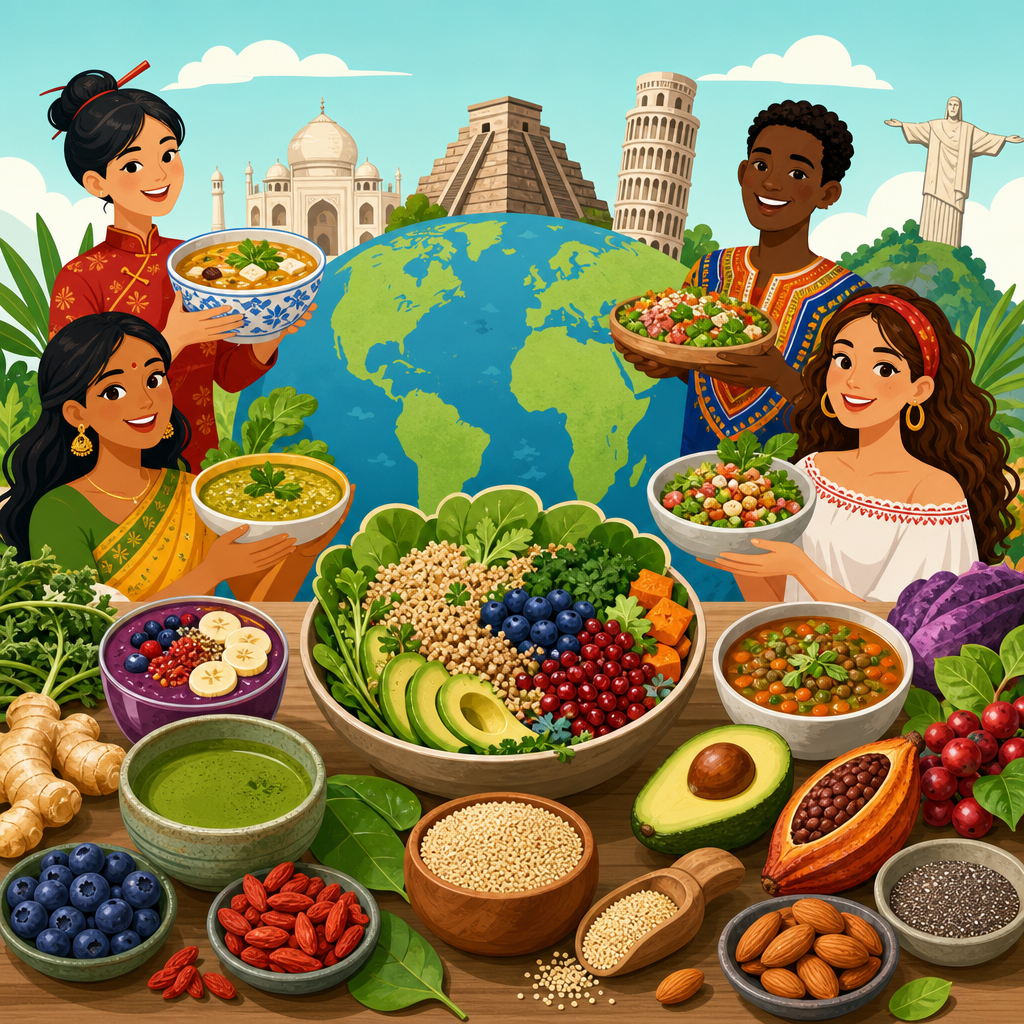
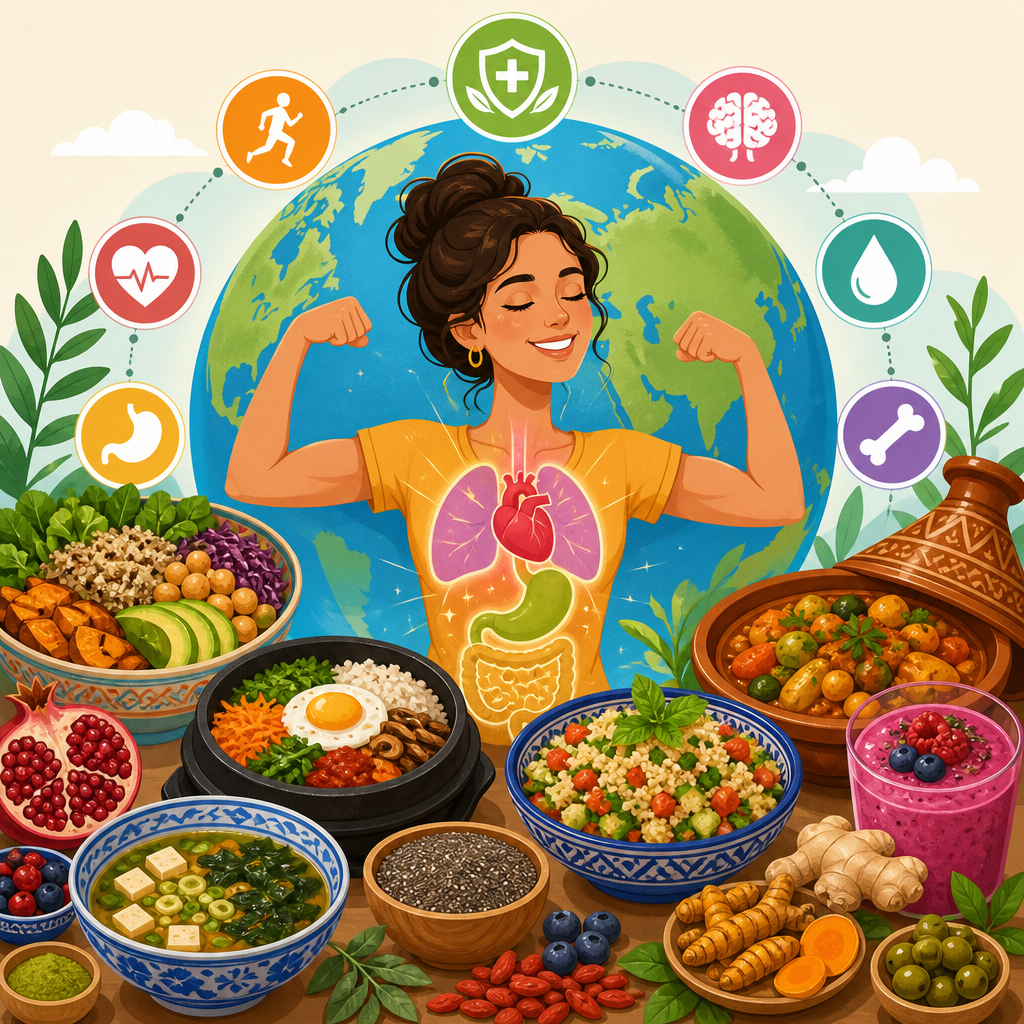
International superfoods and recipes bring together nutrient-dense ingredients, traditional food wisdom, and practical meal ideas that help people eat better without relying on trends or expensive specialty products. In nutrition, a superfood is not a formal scientific category but a popular term for foods that deliver unusually high levels of beneficial nutrients, phytochemicals, fiber, or healthy fats relative to their calorie content. International superfoods include ingredients such as quinoa from the Andes, kefir from the Caucasus region, seaweed from East Asia, lentils from South Asia and the Mediterranean, moringa from parts of Africa and Asia, and olive oil central to Mediterranean cooking. Recipes matter just as much as ingredients because many health benefits depend on how foods are prepared, paired, and eaten consistently over time. I have worked on meal planning for households with different budgets, cultures, and health goals, and the most effective plans rarely depend on a single miracle ingredient. They depend on repeatable recipes built around proven foods. This matters because global cuisines offer practical models for better nutrition: beans and corn in Latin America, fermented dairy in Eastern Europe, soy foods in Japan, chickpeas in the Middle East, and spices such as turmeric, ginger, and garlic used across many regions. Learning how these foods function in real meals helps readers improve protein intake, fiber intake, micronutrient density, gut health, and dietary variety while keeping meals enjoyable and realistic.
What makes an international superfood worth using
An international superfood is worth using when it combines strong nutritional value, cultural credibility, culinary versatility, and realistic access. Nutritional value means a food contributes important components such as complete or complementary protein, soluble and insoluble fiber, omega-3 fats, probiotics, polyphenols, carotenoids, calcium, iron, magnesium, potassium, or vitamins A, C, D, E, and K. Cultural credibility matters because many so-called discoveries are simply staple foods communities have relied on for generations. Quinoa, for example, became globally popular long after Andean populations had used it as a staple grain-like seed. Kefir gained modern attention for gut health even though it has a long history as a fermented milk drink. Culinary versatility is critical in meal planning because healthy foods only help when people actually eat them often. Lentils work in soups, stews, salads, curries, and patties. Greek yogurt can support breakfast bowls, marinades, sauces, and baking. Realistic access matters because nutrition advice fails when ingredients are too costly, too perishable, or too unfamiliar to use confidently. Good hub planning starts by separating essential benefits from marketing claims. Acai, goji berries, and maca can be useful, but they are not mandatory for a healthy diet if berries, beans, oats, greens, nuts, and fermented foods are already present. The best international superfoods are the ones that fit your budget, your cooking skills, and your weekly routine.
Core international superfoods by region and nutrition role
Different regions contribute different nutritional strengths, and understanding those roles makes meal planning much easier. Mediterranean staples such as extra-virgin olive oil, sardines, chickpeas, tomatoes, and herbs support heart health through monounsaturated fats, omega-3s, fiber, and antioxidant compounds like lycopene. South Asian staples such as lentils, yogurt, turmeric, cumin, and ginger build satisfying meals rich in protein, fermentable fiber, and anti-inflammatory phytochemicals, especially when paired with vegetables and whole grains. East Asian staples such as tofu, tempeh, miso, seaweed, bok choy, shiitake mushrooms, and green tea contribute calcium, iodine, soy protein, prebiotic fibers, and catechins. Latin American staples such as black beans, pinto beans, avocados, cacao, chia, corn, and squash support satiety, healthy fats, magnesium, and fiber. African and Middle Eastern staples including teff, sorghum, millet, moringa, chickpeas, sesame, dates, and okra add iron, resistant starch, calcium, and viscous fibers. Northern and Eastern European traditions contribute fermented dairy, rye, beetroot, cabbage, and oily fish, all linked to microbiome support and cardiovascular benefits. No one region owns healthy eating. The strongest meal plans borrow intelligently across cuisines while preserving each food’s traditional logic, such as combining legumes with grains, adding fermented foods for tang and digestibility, and using spices and herbs to reduce dependence on excess salt or sugar.
How traditional recipes turn superfoods into balanced meals
Recipes are the operating system of nutrition because they determine portion balance, nutrient absorption, cooking losses, and meal satisfaction. A bowl of lentils alone is useful, but lentil dal with spices, sautéed greens, yogurt, and brown rice delivers broader coverage: protein from lentils and yogurt, vitamin C from vegetables if added, and energy from grains. In Mediterranean cooking, chickpeas become more nutritious and satisfying when turned into hummus with tahini, olive oil, garlic, and lemon, because the combination adds healthy fats, minerals, and flavor that encourages regular use. Japanese meals often illustrate balance well: miso soup, rice, grilled salmon, seaweed, and pickled vegetables provide protein, iodine, omega-3s, fermented compounds, and varied textures without excessive calories. In Latin American kitchens, black beans with corn tortillas, avocado, salsa, and cabbage create complementary amino acids, fiber, potassium, and carotenoids in a low-cost format. Fermentation, soaking, sprouting, simmering, and pressure cooking are not minor details; they can improve digestibility, reduce certain antinutrients, and make legumes or grains easier to incorporate weekly. I have found that when people adopt international superfoods through familiar recipe formats such as soups, grain bowls, wraps, curries, and stews, adherence improves dramatically compared with asking them to use isolated powders or supplements.
| Food | Region | Key Nutrients | Best Recipe Uses |
|---|---|---|---|
| Quinoa | Andes | Protein, magnesium, fiber | Salads, pilafs, breakfast porridge |
| Kefir | Caucasus/Eastern Europe | Protein, calcium, probiotics | Smoothies, breakfast bowls, dressings |
| Seaweed | East Asia | Iodine, minerals, fiber | Soups, rice bowls, salads |
| Lentils | South Asia/Mediterranean | Protein, iron, folate, fiber | Dal, soups, curries, salads |
| Chia seeds | Central and South America | Omega-3s, fiber, calcium | Puddings, oats, yogurt, baking |
International superfood recipes that deserve a place in weekly meal planning
A strong hub article should point readers toward recipe categories they can rotate through the week. For breakfast, plain kefir with berries, chia seeds, and oats delivers probiotics, fiber, and sustained energy. Another practical option is savory miso oatmeal with mushrooms, spinach, and a soft egg, which applies Japanese pantry logic to a familiar grain. For lunch, a quinoa tabbouleh with parsley, cucumber, tomato, lemon, olive oil, and chickpeas offers hydration, vitamin C, fiber, and plant protein. A lentil and vegetable soup remains one of the most cost-effective high-nutrition meals in any cuisine, especially when finished with olive oil and herbs. For dinner, tofu and broccoli stir-fry with brown rice provides complete soy protein, calcium if calcium-set tofu is used, and a high vegetable volume. Salmon with seaweed rice and sesame greens supports omega-3 intake, iodine, and folate. Bean-based chili with squash and cacao is another excellent example from the Americas, combining legumes, carotenoid-rich vegetables, and cocoa polyphenols. Side dishes matter too: kimchi, sauerkraut, cucumber yogurt salad, roasted eggplant, or braised okra can increase vegetable intake without major planning. The best weekly structure usually includes one legume soup, one grain bowl, one fish meal, one fermented dairy breakfast, and one tofu or tempeh dinner.
Buying, storing, and cooking international superfoods without waste
Nutrition gains disappear when ingredients spoil in the refrigerator or remain unused in the pantry. The first rule is to buy forms you will truly cook. Dry beans are economical, but canned beans may be the better health choice for a busy household because convenience improves follow-through. Whole grains like quinoa, millet, farro, and brown rice store well in airtight containers, while nuts and seeds last longer in the refrigerator or freezer because their oils can oxidize. Fresh herbs elevate many international recipes, but frozen spinach, frozen edamame, and canned tomatoes often provide better consistency and less waste than fragile produce. Fermented foods require label reading. Yogurt and kefir should have live cultures, while some shelf-stable pickled products do not contain active probiotics after processing. Seaweed is valuable for iodine, but amounts should be moderate because iodine levels vary substantially by type; kombu is far more concentrated than nori. Cooking technique also changes outcomes. Gentle simmering preserves texture in lentils better than aggressive boiling. Toasting spices before adding liquid improves flavor depth, which reduces the need for excess sodium. Pressing tofu helps browning, while marinating tempeh softens its bitterness. When I organize kitchen systems, I usually recommend a core shelf of chickpeas, lentils, oats, canned fish, olive oil, tahini, miso, quinoa, yogurt, frozen vegetables, and spice blends, because those ingredients support dozens of international superfood recipes with minimal waste.
Common myths, limitations, and how to choose what fits your needs
The biggest myth is that superfoods can compensate for an otherwise poor diet. They cannot. A tablespoon of chia seeds does not cancel chronic excess sugar, low vegetable intake, or a pattern of highly processed meals. Another myth is that imported foods are always healthier than local ones. Blueberries, cabbage, beans, oats, and sardines can rival or exceed the nutritional impact of more exotic products. Cost is also a real limitation. Some widely marketed powders and berries are expensive per serving and offer benefits that overlap with cheaper foods. Health conditions matter too. People on anticoagulant medication may need consistent vitamin K intake rather than sudden increases from large amounts of leafy greens. Those with kidney disease may require individualized guidance on potassium, phosphorus, or protein. Gluten-free eaters can use teff, millet, quinoa, and certified gluten-free oats, but should still watch cross-contact. Soy foods are nutritious for most people, yet preparation and product quality matter; minimally processed tofu, tempeh, and edamame are generally stronger choices than heavily sweetened soy beverages or ultra-processed imitation meats. Sustainability should also shape decisions. Mussels, sardines, pulses, and seasonal vegetables often provide high nutritional return with lower environmental pressure than some heavily packaged health products. The most effective choice is not the most fashionable food. It is the one that matches your health needs, preferences, cooking confidence, and ability to repeat the habit every week.
International superfoods and recipes are most useful when they move from concept to routine. The key facts are straightforward: there is no single miracle ingredient, traditional cuisines already contain many of the world’s best nutrient-dense foods, and recipes determine whether those foods become balanced meals you can sustain. A practical approach starts with categories rather than hype. Build your week around legumes, whole grains, fermented foods, seafood or soy, colorful vegetables, herbs, spices, and healthy fats such as olive oil, sesame, nuts, and seeds. Then borrow proven meal formats from global cooking traditions: dal with rice and yogurt, bean bowls with salsa and avocado, tofu stir-fries, quinoa salads, fish with vegetables, and kefir-based breakfasts. These combinations improve fiber intake, protein quality, micronutrient density, and meal satisfaction without making eating feel restrictive. They also help with budget control because many core superfoods are pantry staples, not luxury items. If you are building a smarter Recipes and Meal Planning system, use this hub as your starting point and explore each cuisine through one repeatable recipe at a time. Choose two international superfoods you can buy this week, cook one simple recipe with each, and turn better nutrition into a habit instead of a headline.
Frequently Asked Questions
What counts as an international superfood, and is “superfood” actually a scientific nutrition term?
An international superfood is generally a nutrient-dense food associated with global cuisines and traditional eating patterns that offers a strong combination of vitamins, minerals, fiber, beneficial fats, antioxidants, or plant compounds relative to its calorie content. Examples often include quinoa from South America, fermented foods such as kimchi or miso from East Asia, lentils and spices used widely in South Asian and Mediterranean cooking, chia seeds from Central and South America, and oily fish commonly eaten in coastal food cultures. These foods are valued because they can support overall dietary quality in practical, familiar ways.
It is important to be clear that “superfood” is not a formal scientific classification. Nutrition researchers do not use it as a regulated medical category. Instead, it is a popular term used to describe foods with unusually beneficial nutrient profiles or protective dietary qualities. That means no single food can make a diet healthy on its own, and no food should be treated as a cure-all. The real value of international superfoods comes from how they fit into balanced eating patterns that include vegetables, fruits, legumes, whole grains, nuts, seeds, fermented foods, and healthy protein sources.
In other words, the most useful way to think about international superfoods is not as trendy miracle ingredients, but as reliable foods that traditional cultures have often used for generations. They can help improve nutrition when they replace ultra-processed foods, add variety to meals, and make it easier to eat more fiber, healthy fats, and plant-based nutrients consistently.
Which international superfoods are most practical for better everyday nutrition?
The most practical international superfoods are usually the ones that are affordable, easy to find, and simple to use regularly. Lentils, beans, chickpeas, oats, yogurt, kefir, sardines, canned salmon, sweet potatoes, leafy greens, garlic, turmeric, sesame seeds, quinoa, brown rice, and fermented vegetables are all strong options. These foods provide useful amounts of protein, fiber, iron, calcium, omega-3 fats, probiotics, or antioxidant compounds without requiring complicated preparation or specialty shopping.
For example, quinoa is often highlighted because it provides fiber, minerals, and a complete protein profile compared with many other grains. Lentils and chickpeas are especially helpful for people trying to eat more plant protein while also increasing fiber intake for digestive and heart health. Fermented foods like yogurt, kefir, kimchi, and miso can contribute beneficial bacteria or fermentation-related compounds that support gut health, depending on the product and how it is made. Oily fish such as sardines and salmon are notable for omega-3 fatty acids, which are important for cardiovascular and brain health.
From a practical standpoint, the best choices are the foods you will actually eat often. A simple lentil soup, quinoa grain bowl, yogurt with seeds and fruit, or vegetable stir-fry with tofu and brown rice can do more for long-term nutrition than an expensive imported powder used once in a while. Better nutrition comes from consistency, variety, and realistic meal habits, not from chasing novelty.
How can international recipes improve nutrition without becoming expensive or overly complicated?
International recipes improve nutrition by combining nutrient-dense ingredients in balanced, flavorful ways that make healthy eating easier to sustain. Many traditional dishes naturally pair legumes with grains, vegetables with healthy fats, and herbs or spices with protein-rich staples. This creates meals that are satisfying, culturally rooted, and nutritionally well-rounded. A Mediterranean bean salad, Indian dal, Japanese miso soup, Mexican black bean bowl, Middle Eastern hummus plate, or West African peanut stew can all provide strong nutritional value using basic pantry foods.
They also help people move away from the false idea that healthy food must be bland, restrictive, or expensive. Spices, aromatics, fermented condiments, citrus, and herbs add flavor without depending on excessive sugar or highly processed sauces. Using ingredients such as lentils, cabbage, carrots, onions, beans, rice, oats, eggs, canned fish, plain yogurt, and seasonal produce can keep costs manageable while still delivering excellent nutrition. Frozen vegetables, dried beans, and canned legumes are especially useful for affordable meal planning.
To keep things simple, start with familiar meal structures. Build a grain bowl with quinoa or brown rice, add roasted vegetables, a protein like chickpeas or salmon, and finish with tahini or yogurt sauce. Make soup with lentils, tomatoes, garlic, greens, and spices. Stir kefir into breakfast, use chia seeds in oatmeal, or add kimchi alongside rice and eggs. You do not need perfect authenticity or a long ingredient list to benefit. The goal is to use globally inspired foods and recipes to increase nutrient quality in meals you can repeat easily.
Are there any misconceptions or downsides people should know about when using superfoods?
Yes. One of the biggest misconceptions is that a superfood can compensate for an otherwise poor diet. It cannot. Adding chia seeds to a breakfast high in added sugar or drinking a pricey berry smoothie does not automatically create balanced nutrition. Health outcomes depend much more on the overall dietary pattern, including fiber intake, food variety, portion balance, and the degree of processing in the diet. Superfoods work best as part of a broader eating strategy built around whole or minimally processed foods.
Another common misunderstanding is that more is always better. Even highly nutritious foods can be overused. Seeds, nuts, oils, and nut butters are healthy but energy-dense. Fermented foods can be useful, but some products are very high in sodium. Certain greens and grains may affect people differently depending on digestive tolerance, allergies, medications, or specific health conditions. For example, people taking blood thinners may need consistent vitamin K intake, and individuals with kidney issues may need personalized guidance on mineral intake.
There is also a marketing issue. Some foods are promoted as exceptional simply because they sound exotic or premium, even when local alternatives offer very similar benefits. Blueberries, oats, cabbage, beans, and plain yogurt can be just as nutritionally impressive as more heavily advertised imports. The most informed approach is to focus on evidence-based value: nutrient density, affordability, accessibility, and how well a food supports your regular eating habits.
What are some easy international superfood meal ideas for beginners who want better nutrition?
Beginners do best with meals that are flexible, repeatable, and built from staple ingredients. A quinoa bowl is one of the easiest places to start: cook quinoa, add roasted vegetables, chickpeas or grilled chicken, and top with olive oil, lemon, and tahini. This gives you fiber, protein, minerals, and healthy fats in one meal. Another good option is lentil dal served with brown rice and a side of sautéed spinach. It is inexpensive, filling, and rich in plant protein, iron, and fiber.
For breakfast, plain yogurt or kefir with fruit, oats, and chia seeds is a practical way to include protein, probiotics, and soluble fiber. Overnight oats made with kefir, cinnamon, berries, and seeds are especially simple for busy schedules. For lunch, try a Mediterranean-style salad with chickpeas, cucumbers, tomatoes, parsley, olive oil, and lemon, served with whole grain bread. For dinner, miso soup with tofu, mushrooms, greens, and soba noodles can be a light but nourishing meal, while a salmon and sweet potato plate with steamed greens offers omega-3 fats and a strong nutrient balance.
Snacks and sides can also make a difference. Hummus with vegetables, kimchi with rice and eggs, roasted chickpeas, edamame, sesame-sprinkled salads, or sardines on whole grain toast are all simple ways to bring international superfoods into daily life. The key is to start small, repeat what works, and gradually build a routine where nutrient-dense foods become normal parts of meals rather than occasional “health” add-ons.