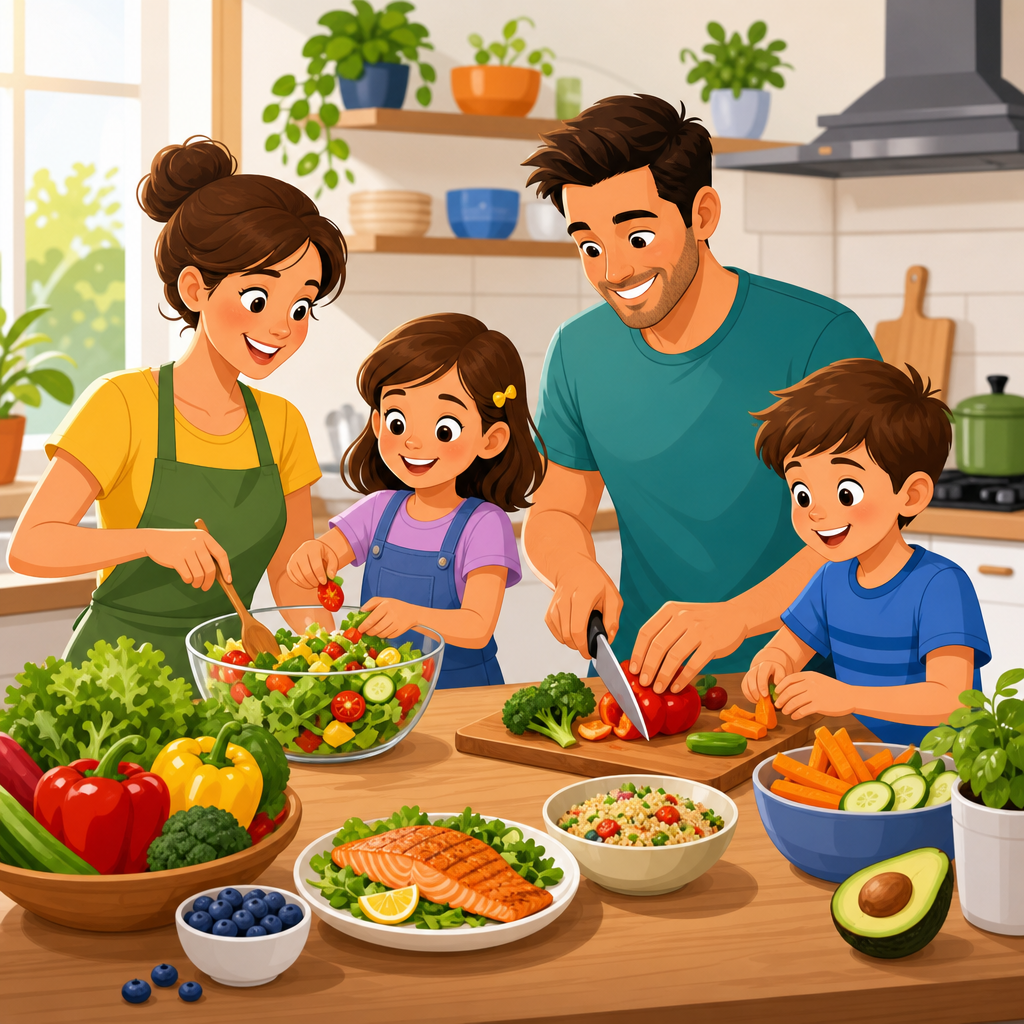

Family-friendly healthy recipes are practical meals that meet nutritional needs, fit real schedules, and appeal to both children and adults. In plain terms, they are dishes a household can cook repeatedly without turning dinner into a negotiation or relying on separate menus for different ages. When I build meal plans for busy families, this is the standard I use: balanced plates, familiar flavors, manageable prep, and ingredients that are easy to find and affordable enough to buy again next week.
The phrase balanced diet matters here because it is often misunderstood. A balanced diet is not a rigid program or a list of forbidden foods. It is a consistent pattern of eating that provides protein, fiber-rich carbohydrates, healthy fats, vitamins, minerals, and appropriate energy across the day. For most families, that means combining vegetables and fruit with whole grains, beans, dairy or fortified alternatives, seafood, eggs, poultry, or lean meats, while keeping highly processed foods, excess sodium, and added sugar in check. Family-friendly healthy recipes make that pattern easier to sustain because they turn nutrition guidance into meals people will actually eat.
This topic matters because food habits formed at home shape long-term health, budget decisions, and the emotional tone of mealtimes. Research from the Centers for Disease Control and Prevention, the Dietary Guidelines for Americans, and the American Heart Association consistently links regular intake of vegetables, fruit, whole grains, and lean proteins with better heart health, weight management, and metabolic outcomes. At the same time, families face real obstacles: picky eating, time pressure, food costs, allergies, and uneven cooking skills. A strong hub on family-friendly healthy recipes should answer the big questions directly: what makes a recipe healthy, how do you keep kids interested, which meal formats work on weeknights, and how do you plan a repeatable system that reduces stress?
Healthy family cooking also supports meal planning efficiency. Once you know a small set of dependable recipe patterns, you can rotate ingredients, reduce waste, and save money. A taco bowl can become lettuce wraps the next night. Roasted chicken can anchor soup, grain bowls, and sandwiches. A sheet-pan dinner can use whatever vegetables are in season. These repeatable structures are what make family-friendly healthy recipes essential rather than aspirational. They create a flexible framework for a balanced diet that survives school schedules, sports practices, and changing appetites.
What Makes a Family-Friendly Healthy Recipe Work
A family-friendly healthy recipe succeeds when it balances nutrition, taste, texture, convenience, and acceptance. In practice, I look for five features. First, it includes a meaningful source of protein such as chicken, salmon, tofu, Greek yogurt, lentils, eggs, or beans. Protein helps with satiety and supports growth and muscle maintenance. Second, it contains fiber from vegetables, fruit, legumes, or whole grains, which supports digestion and steadier energy. Third, it uses fats thoughtfully, favoring olive oil, avocado, nuts, seeds, or fatty fish instead of relying primarily on saturated fat. Fourth, sodium and added sugar are controlled through seasoning, sauces, and smart ingredient swaps. Fifth, the recipe is easy to portion and adapt.
Adaptability is especially important in households with different ages and preferences. A healthy turkey chili can be mild at the base, with heat added at the table. Baked oatmeal can include cinnamon and berries, while chopped nuts are served separately for those who want them. DIY grain bowls let one child choose rice and cucumber while another adds black beans and avocado. This approach is not about making restaurant-style custom orders. It is about building one nutritious meal with optional components so everyone can participate without requiring extra cooking.
Flavor drives compliance more than nutrition labels do. Children and adults are more likely to repeat meals that use familiar formats such as pasta, tacos, pizza, stir-fries, soups, and wraps. The healthiest household recipes often improve classic comfort foods rather than replacing them with niche ingredients. Think whole-wheat pasta with turkey meatballs and blended vegetable sauce, oven-baked chicken tenders coated in whole-grain crumbs, or homemade pizza on a high-fiber crust with vegetables and part-skim mozzarella. These meals preserve enjoyment while quietly improving nutrient quality.
How Healthy Recipes Support a Balanced Diet Across the Week
A single dinner does not create a balanced diet; the pattern across several days does. Family-friendly healthy recipes are essential because they help distribute nutrients sensibly across breakfast, lunch, dinner, and snacks. For example, if breakfast is Greek yogurt with oats and berries, lunch can emphasize vegetables and whole grains through a hummus wrap and fruit, while dinner delivers iron and protein through beef and broccoli with brown rice. Over the week, rotating poultry, seafood, legumes, eggs, and dairy broadens nutrient intake and reduces dependence on one food group.
Variety also matters for micronutrients. Orange vegetables provide beta-carotene, leafy greens contribute folate and vitamin K, beans supply magnesium and fiber, dairy offers calcium, and salmon adds omega-3 fatty acids. Families do not need perfect nutrient tracking, but they do benefit from recipe rotation that exposes everyone to different colors, textures, and ingredients. One practical benchmark is to serve vegetables at both lunch and dinner, fruit at breakfast or snacks, and legumes at least a few times each week.
Portion structure makes balanced eating easier. I recommend a simple visual guide: about half the plate from vegetables and fruit, one quarter from protein, and one quarter from starches or whole grains, adjusted for age, growth needs, and activity level. Family-friendly recipes that naturally fit this pattern require less decision-making. Sheet-pan salmon with potatoes and green beans, chicken fajitas with peppers and beans, and lentil soup with whole-grain toast are good examples because the balance is built into the meal rather than left to chance.
Recipe Formats That Consistently Help Families Eat Better
Certain meal formats solve recurring family challenges better than others. Sheet-pan dinners minimize cleanup and make portioning simple. Slow-cooker meals reduce evening stress and are ideal for soups, stews, shredded chicken, and bean dishes. One-pot meals such as minestrone, turkey skillet pasta, and chicken-and-rice casseroles combine efficiency with comfort. Build-your-own meals, including taco bars, baked potato stations, and grain bowls, preserve flexibility without requiring separate recipes.
Breakfast-for-dinner is another reliable format. Vegetable omelets, whole-grain pancakes with fruit, or egg muffins with roasted potatoes can deliver protein, fiber, and micronutrients quickly. Families often overlook breakfast foods as dinner solutions, yet they are among the fastest ways to serve balanced meals on busy nights. Batch cooking also deserves attention. Preparing a double recipe of turkey meatballs, lentil soup, or enchilada filling creates leftovers for lunches and future dinners, reducing the temptation to order takeout.
| Recipe format | Why it works for families | Balanced diet example |
|---|---|---|
| Sheet-pan meals | Minimal cleanup, easy vegetable roasting, simple portions | Chicken thighs, sweet potatoes, broccoli, olive oil |
| Slow-cooker meals | Hands-off cooking, good for busy afternoons | Bean chili with peppers, tomatoes, and lean turkey |
| Build-your-own bowls | Lets picky eaters choose components without a separate meal | Brown rice, black beans, corn, salsa, avocado, grilled chicken |
| One-pot dishes | Efficient and budget-friendly with fewer dishes | Lentil soup with carrots, celery, spinach, and whole-grain bread |
| Batch-cooked staples | Creates planned leftovers and faster lunches | Baked meatballs used in pasta, subs, and grain bowls |
These formats are dependable because they align with how people actually live. They keep ingredients visible, reduce labor, and allow repetition without boredom. A family does not need dozens of recipes; it needs a short list of high-performing templates that can be varied with seasonings, vegetables, and proteins.
Helping Picky Eaters Without Undermining Nutrition
Picky eating is one of the main reasons healthy family cooking breaks down. The solution is not to abandon balanced meals or to pressure children into eating. In my experience, the most effective strategy is repeated low-pressure exposure paired with familiar structures. A child may reject roasted zucchini as a side dish but accept it finely chopped into turkey meatballs or layered on pizza. That does not mean hiding every vegetable forever. It means using bridge recipes that connect preferred foods to less familiar ones.
Serving meals family-style can also help. When children can choose from the same meal components, they feel more control and often eat better. For example, a taco night might include seasoned ground turkey, black beans, shredded lettuce, diced tomatoes, cheese, avocado, corn tortillas, and brown rice. A selective eater can start with turkey, cheese, and tortilla, while seeing the vegetables repeatedly. Over time, many children expand their accepted foods through this kind of exposure.
Language matters too. Describing food by taste, color, or texture works better than moral labels like good and bad. Crispy carrots, sweet red peppers, and creamy yogurt dip are more inviting than lectures about vitamins. Involving children in shopping, washing produce, stirring sauces, or assembling wraps improves familiarity and buy-in. Small jobs make meals feel less imposed and more shared.
Budget, Time, and Ingredient Strategy
Family-friendly healthy recipes must respect budget and time constraints or they will not be sustainable. The strongest cost-saving habit is to center recipes on versatile staples: oats, eggs, brown rice, potatoes, canned beans, frozen vegetables, yogurt, pasta, canned tomatoes, peanut butter, and seasonal produce. Frozen vegetables are especially useful because they are nutritionally strong, reduce prep, and cut waste. Canned beans and lentils offer inexpensive protein and fiber, especially when rinsed to reduce sodium.
Strategic ingredient overlap is equally important. If spinach goes into breakfast egg muffins, lunch wraps, and dinner pasta, the package gets used instead of discarded. Rotisserie chicken can be a practical bridge ingredient when time is limited, though sodium varies by brand. Pair it with bagged salad, microwavable brown rice, and steamed vegetables for a fast balanced dinner. Convenience products are not automatically unhealthy; the key is to use them selectively and check labels for sodium, added sugar, and saturated fat.
Meal planning becomes easier when families adopt theme nights. Taco Tuesday, soup night, pasta night, and sheet-pan Thursday reduce decisions while preserving variety through different fillings and vegetables. A five-meal rotation repeated twice a month often works better than chasing novelty. Consistency is what makes balanced eating realistic.
Nutrition Standards, Smart Swaps, and Common Mistakes
Healthy recipes should reflect established nutrition guidance, not trends. The Dietary Guidelines for Americans recommend emphasizing vegetables, fruits, grains with a focus on whole grains, lean protein foods, and dairy or fortified soy alternatives. For practical cooking, that translates into smart swaps: plain Greek yogurt for part of the sour cream or mayonnaise, whole grains in place of refined grains when texture allows, beans blended into soups or mixed with meat for fiber, and herbs, citrus, garlic, and spices to reduce dependence on salt.
However, not every swap improves a recipe. I have tested many low-fat or low-carb substitutions that made meals less satisfying and led families to compensate later with snacks. Balance works better than extremes. Full-flavor food eaten in reasonable portions is usually more sustainable than a heavily restricted recipe no one wants again. Another common mistake is focusing only on calories while ignoring protein and fiber. A meal can be low in calories yet leave everyone hungry within an hour.
Families should also watch beverage patterns, condiment use, and snack quality, because these can quietly undermine an otherwise solid dinner routine. Sweet drinks, oversized desserts, and frequent ultra-processed snacks add energy without much nutritional value. The goal is not perfection. It is to make the default meal pattern strong enough that occasional treats fit naturally.
Building a Lasting Family Recipe Hub
A useful family recipe hub should organize meals by need: quick weeknight dinners, make-ahead breakfasts, lunchbox ideas, freezer meals, picky-eater wins, budget recipes, high-protein options, vegetarian dinners, allergy-friendly meals, and seasonal produce guides. This structure helps families find answers quickly and creates a repeatable cooking system rather than a random collection of dishes. It also encourages internal pathways between related meal-planning topics, which is how households actually use recipe resources during the week.
The main benefit of family-friendly healthy recipes is consistency. They turn nutrition advice into repeatable meals that save time, support growth, improve diet quality, and lower stress at the table. When recipes are balanced, adaptable, and realistic, families are far more likely to cook at home and eat well over the long term. Start with five dependable meals, build a grocery list around shared ingredients, and expand your recipe rotation one successful week at a time.
Frequently Asked Questions
Why are family-friendly healthy recipes so important for a balanced diet?
Family-friendly healthy recipes matter because they make balanced eating realistic, repeatable, and sustainable for everyday life. A balanced diet is not built from occasional “perfect” meals. It comes from what a household can actually cook and eat week after week. When recipes appeal to both children and adults, families are more likely to serve one nutritious meal instead of juggling multiple dishes, takeout, or convenience foods that may be higher in sodium, added sugar, and saturated fat. That consistency helps everyone get a better mix of protein, fiber, healthy fats, vitamins, and minerals.
These recipes also reduce mealtime stress, which is often an overlooked part of healthy eating. If dinner becomes a nightly argument, even the most nutritious plan can fall apart. Meals with familiar flavors, simple preparation, and accessible ingredients make it easier for families to stay on track. In practice, that means using vegetables in ways kids recognize, choosing proteins that cook quickly, and building meals around foods that are affordable and easy to find. The result is a pattern of eating that supports energy, growth, digestion, and long-term health without requiring a separate menu for every person at the table.
What makes a recipe both healthy and truly family-friendly?
A recipe is healthy and family-friendly when it meets nutritional needs while also fitting the realities of home life. Nutrition-wise, that usually means including a balance of lean protein, whole grains or other quality carbohydrates, healthy fats, and fruits or vegetables. It should provide steady energy and help fill nutritional gaps without relying heavily on ultra-processed ingredients. But health alone is not enough. If a meal is too complicated, too expensive, too unfamiliar, or takes too long to prepare on a busy evening, it is much less likely to become part of a family’s regular routine.
That is why the “family-friendly” part matters just as much. A strong family recipe uses approachable flavors, practical cooking methods, and ingredients that can be repurposed in other meals. Think baked chicken with roasted vegetables, bean tacos with simple toppings, pasta with added vegetables and protein, or sheet-pan dinners that minimize cleanup. These meals do not need to be bland or boring. They just need to be flexible enough that adults enjoy them, children recognize them, and everyone can eat from the same base meal. Recipes that do all of that are the ones most likely to support a balanced diet over time.
How can busy families make healthy meals without spending hours in the kitchen?
Busy families can make healthy meals by focusing on simple systems rather than elaborate recipes. The most effective approach is to build meals from a few dependable components: a protein, a vegetable, a starch or grain, and a flavor booster such as herbs, cheese, yogurt sauce, salsa, or a simple dressing. When you keep those building blocks on hand, dinner becomes easier to assemble quickly. For example, rotisserie chicken, frozen vegetables, brown rice, whole grain pasta, canned beans, eggs, and pre-washed greens can all be turned into balanced meals with minimal effort.
Preparation strategies make a major difference as well. Choosing recipes with short ingredient lists, using one-pan or one-pot methods, and doubling portions for leftovers can save time throughout the week. Even small habits, such as chopping produce ahead of time or cooking extra grains once, can reduce weeknight stress. It is also helpful to rely on realistic shortcuts. Frozen vegetables, canned beans, bagged salad kits, and pre-cut produce can be smart tools for healthy cooking, especially when time is limited. The goal is not to prepare restaurant-style meals every night. It is to create dependable, nourishing dinners that your household can repeat consistently without burning out.
How do family-friendly healthy recipes help with picky eaters?
Family-friendly healthy recipes help with picky eating because they create a lower-pressure environment around food. Instead of preparing entirely separate meals or forcing children to eat unfamiliar dishes all at once, these recipes usually combine familiar ingredients with gradual variety. That may look like adding finely chopped vegetables to pasta sauce, serving taco bowls where each person chooses toppings, or pairing a well-liked main dish with one small new side. This approach allows children to see and experience a range of foods without mealtime becoming a confrontation.
It is also important to understand that acceptance often comes through repeated exposure, not a single perfect recipe. When healthy meals are built around familiar flavors and served regularly, children have more opportunities to become comfortable with different textures and ingredients. Family-style serving can help, as can allowing kids to participate in age-appropriate meal prep, such as rinsing vegetables, stirring sauces, or choosing between two side dishes. When children feel included, they are often more willing to try what is on the table. Over time, family-friendly healthy recipes can expand preferences, improve diet quality, and reduce the stress that often surrounds feeding a household with mixed tastes.
What are the long-term benefits of using family-friendly healthy recipes every week?
Using family-friendly healthy recipes consistently can improve both nutrition and daily routine over the long term. From a health perspective, regular home-cooked meals are often associated with better intake of vegetables, fiber, and essential nutrients, while helping families moderate portion sizes and reduce reliance on heavily processed foods. For children, repeated exposure to balanced meals can shape eating habits that last into adulthood. For adults, having reliable healthy recipes can support better energy levels, weight management, and overall wellness because nutritious choices become part of the default routine rather than a special effort.
There are practical benefits too. Repeating well-liked healthy meals simplifies grocery shopping, cuts food waste, and makes meal planning more efficient. Families save time when they know which dishes work, which ingredients to keep stocked, and how to use leftovers effectively. Shared meals can also strengthen connection and create a more positive food culture at home. In the long run, the value of family-friendly healthy recipes is not just that they look balanced on a plate. It is that they help make balanced eating normal, affordable, and achievable in real households with real schedules.