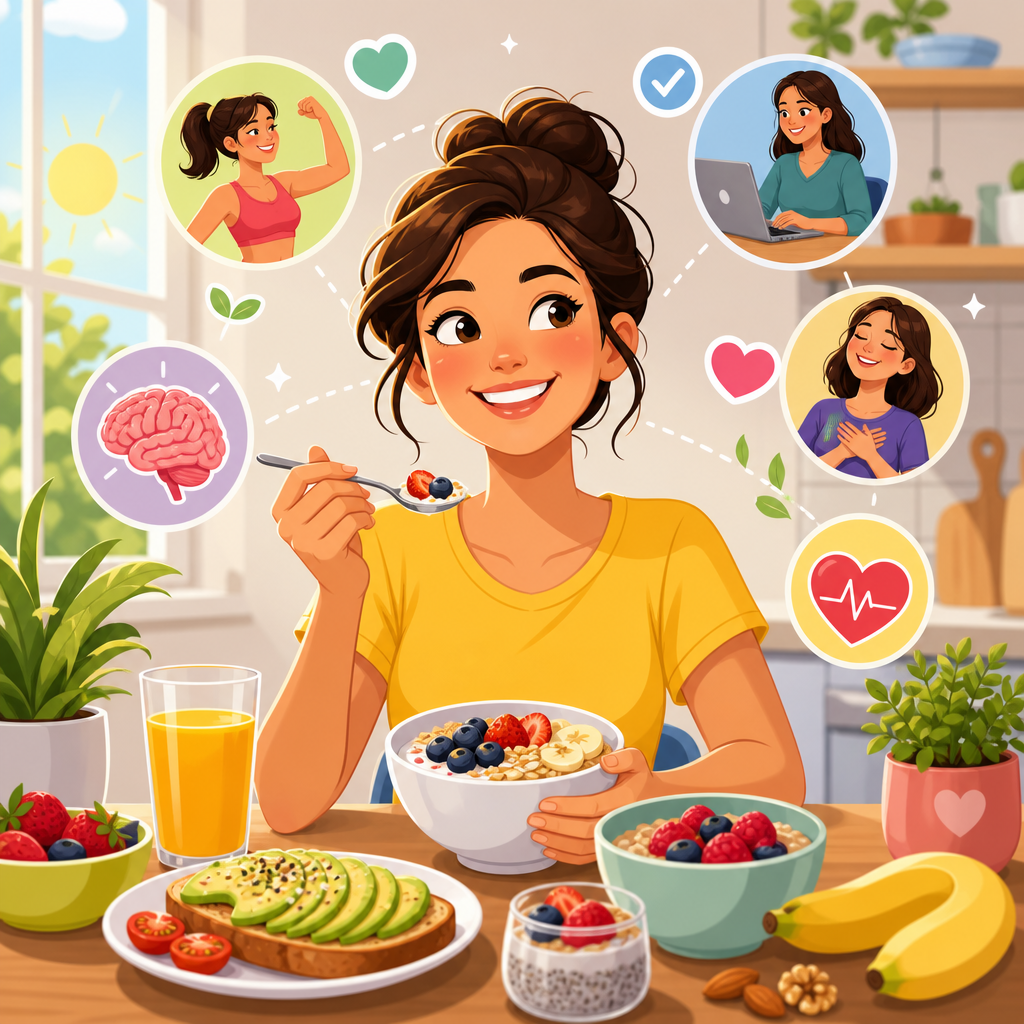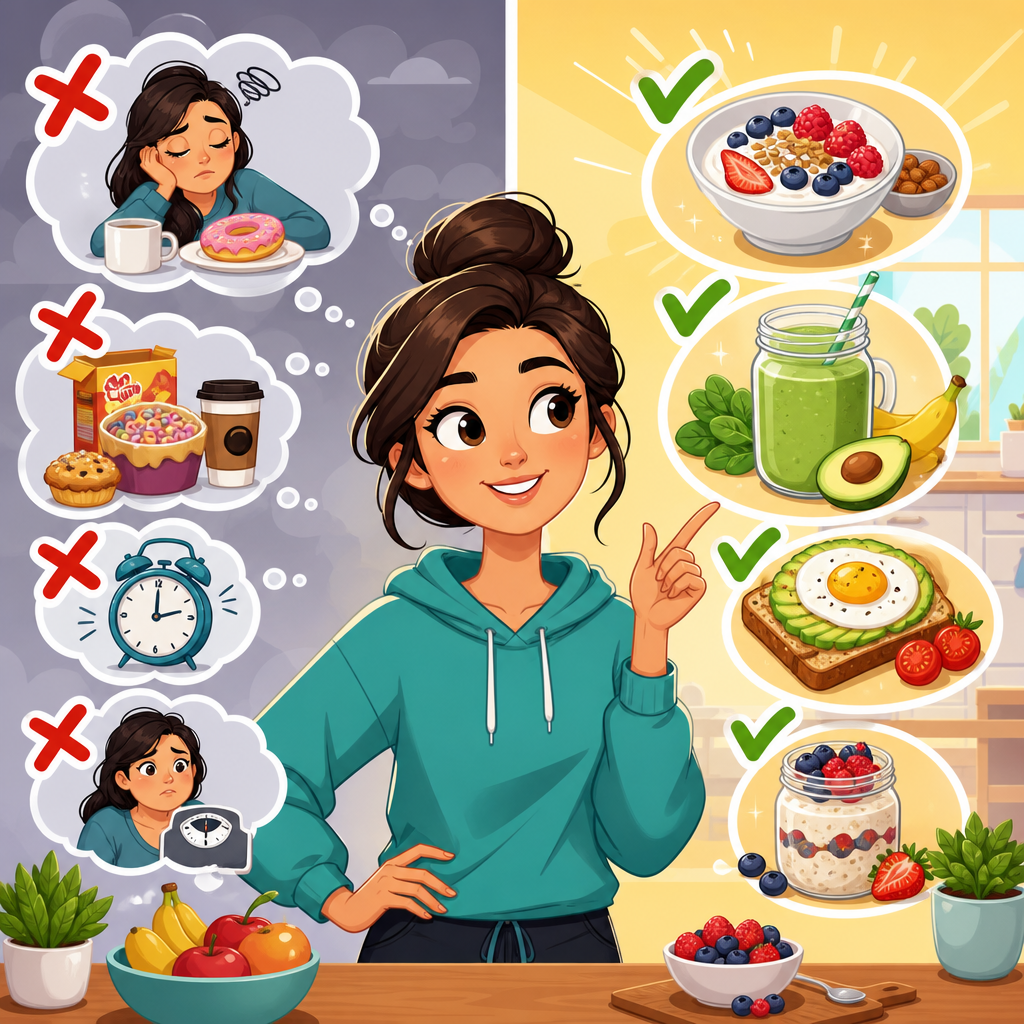
Quick and healthy breakfast ideas are often buried under nutrition myths, time pressures, and confusing advice, yet breakfast remains one of the easiest meals to improve when you understand what actually works. In practical terms, a quick breakfast usually takes 5 to 15 minutes, a healthy breakfast delivers protein, fiber, and steady energy, and a useful breakfast idea is one you can repeat on busy weekdays without draining your budget. I have planned breakfast systems for families, shift workers, and athletes, and the same pattern appears every time: people skip good options because they believe common myths about cost, carbs, prep time, or what counts as “healthy.” Debunking those myths matters because breakfast can influence appetite regulation, morning concentration, blood sugar stability, and total diet quality across the day. A strong breakfast does not need to be elaborate, trendy, or expensive. It needs to be balanced, practical, and matched to real life. This hub article covers the biggest misconceptions, shows what a balanced fast breakfast looks like, and gives examples you can build on whether you prefer savory meals, sweet options, make-ahead jars, or grab-and-go combinations.
Myth 1: Healthy breakfasts take too long to make
This is the most persistent myth, and in my experience it is usually a planning problem rather than a cooking problem. Many genuinely healthy breakfasts come together faster than a coffee shop run. Greek yogurt with berries and chia seeds takes two minutes. Whole grain toast with peanut butter and banana takes three. Microwave scrambled eggs in a mug, paired with fruit, take about four. Overnight oats require five minutes the night before and zero cooking in the morning. If you keep staples such as eggs, plain yogurt, oats, frozen berries, nuts, whole grain bread, and cottage cheese on hand, quick assembly becomes routine instead of aspirational.
Time also shrinks when you use component prep instead of full meal prep. I often recommend washing fruit, portioning nuts, hard-boiling eggs, and pre-mixing oat jars once or twice per week. Those actions create several breakfasts, not just one. A parent leaving for work at 7 a.m. and getting children ready does not need a gourmet recipe; that household needs reliable combinations. Think apple slices plus cheddar and toast, or cottage cheese with pineapple and pumpkin seeds. Healthy breakfast ideas become realistic when the kitchen is stocked for speed.
Myth 2: Skipping breakfast is always better for weight control
Skipping breakfast can work for some adults, but the idea that it is automatically better for weight loss is false. Appetite response varies. In many clients I have worked with, skipping breakfast leads to rebound hunger, larger lunches, impulsive snacking, or late-night overeating. For people with long commutes, physically active jobs, morning training, diabetes, or a history of binge eating, a balanced breakfast often improves energy and meal control. Research consistently shows that protein-rich breakfasts can increase satiety and reduce hunger later in the day, even if total calories still matter most over time.
The better question is not “Should everyone eat breakfast?” but “Does breakfast help you meet your nutrition and energy needs?” If you wake up hungry, struggle to focus, or overeat by midmorning, a structured breakfast is likely beneficial. If you prefer eating later and still maintain energy, nutrient intake, and sensible portions, that can also be valid. The myth collapses because breakfast is a tool, not a moral rule. For many people, especially those seeking quick and healthy breakfast ideas, eating something balanced in the morning supports consistency better than relying on willpower.
Myth 3: Carbs at breakfast are unhealthy
Carbohydrates are not the problem; poorly balanced meals are. Breakfast carbs can be extremely useful because they replenish liver glycogen after the overnight fast and provide readily available energy for the brain and muscles. The difference is quality and context. A bowl of sugary cereal with no protein may cause a fast rise and drop in blood sugar for some people. By contrast, oats with milk, walnuts, and blueberries provide fiber, protein, fat, and slower digestion. Whole grain toast with eggs is not “too carby.” It is a balanced meal.
Healthy breakfast carbohydrates include oats, whole grain bread, high-fiber cereal, fruit, beans, and yogurt paired with fruit. These foods can fit weight management and blood sugar goals when portions and pairings make sense. For example, a breakfast burrito with black beans, eggs, salsa, and a whole wheat tortilla can keep someone full far longer than a pastry with the same calories. People often blame carbs when the real issue is a breakfast dominated by refined flour and added sugar without enough protein or fiber.
Myth 4: A smoothie is always a healthy breakfast
Smoothies can be excellent, but they are not automatically healthy. I regularly see smoothies that contain fruit juice, sweetened yogurt, flavored protein powder, nut butter, honey, and granola, creating a breakfast with the calories of a full meal and the satiety of a snack. Liquid meals are digested faster than solid meals for many people, so they may not keep you full unless they include enough protein, fiber, and some fat. A better smoothie formula is simple: one protein source, one fruit, one fiber booster, one liquid, and optionally greens.
For instance, blend plain Greek yogurt, frozen berries, spinach, oats, and milk. That provides protein, fiber, and texture without excessive sugar. If you need a dairy-free version, use unsweetened soy milk and tofu or a minimally sweetened protein powder. Smoothies work best when convenience is the priority, digestion is easy in the morning, or you are eating before exercise. They are less ideal if you need maximum fullness for several hours. In that case, turning the same ingredients into a smoothie bowl, yogurt bowl, or overnight oats can improve satiety.
Myth 5: Packaged breakfast foods are never healthy
Some packaged breakfasts deserve their reputation, but the blanket claim is inaccurate. There are nutritious convenience foods that save time and improve consistency. Plain instant oatmeal is one example; it cooks quickly and has nearly the same nutritional value as rolled oats. Unsweetened Greek yogurt cups, whole grain frozen waffles, high-fiber cereals, frozen fruit, vacuum-packed boiled eggs, and no-sugar-added nut butter packets can all support a solid breakfast. The skill is label reading, not total avoidance.
When evaluating convenience foods, focus on protein, fiber, added sugar, sodium, and ingredient simplicity. A good shortcut might contain at least 10 to 15 grams of protein or 3 to 5 grams of fiber, depending on the category. For cereal, pair it with milk or yogurt and fruit rather than eating it dry. For frozen waffles, add cottage cheese and berries. For breakfast sandwiches, look for options with whole grains and moderate sodium, then add fruit on the side. Packaged does not always mean poor quality; sometimes it means practical nutrition.
What a balanced quick breakfast actually looks like
The simplest definition is this: a balanced breakfast combines protein, fiber-rich carbohydrates, and enough fat to slow digestion and support satisfaction. Protein is the anchor because it improves fullness and helps preserve lean mass. Most adults do well aiming for roughly 20 to 30 grams at breakfast, though needs vary by size, age, and activity. Fiber from oats, fruit, whole grains, seeds, or beans supports digestive health and steadier energy. Fat from nuts, seeds, avocado, eggs, or dairy adds staying power and flavor.
In practice, that means thinking in combinations rather than isolated “superfoods.” Eggs alone may not be enough if you are hungry an hour later; add toast and fruit. Oatmeal alone may leave you wanting more; stir in yogurt, milk, or protein powder. Toast alone is a snack; toast with smoked salmon and cottage cheese is a meal. This combination method is more useful than obsessing over whether one ingredient is clean, low carb, or trendy. It also gives you a repeatable framework you can use while meal planning.
| Breakfast idea | Why it works | Typical prep time |
|---|---|---|
| Greek yogurt, berries, and chia | High protein, fiber, and no cooking required | 2 minutes |
| Overnight oats with milk and walnuts | Make-ahead, filling, and easy to customize | 5 minutes prep |
| Eggs on whole grain toast with fruit | Balanced mix of protein and carbohydrates | 7 minutes |
| Cottage cheese bowl with pineapple and seeds | Protein-rich and portable | 3 minutes |
| Bean and egg breakfast wrap | Excellent satiety and strong fiber content | 10 minutes |
Best quick and healthy breakfast ideas for different needs
Different mornings require different solutions, and this is where many breakfast articles fall short. Office workers often need desk-friendly options, students need low-cost meals, athletes need more carbohydrate, and parents need speed plus broad appeal. For busy professionals, overnight oats, yogurt cups with add-ins, and freezer breakfast burritos are reliable. For students, oats, eggs, bananas, and peanut butter remain some of the cheapest nutrient-dense staples available. For athletes training in the morning, toast with banana and yogurt before exercise, followed by eggs and oats after, often works better than a heavy meal beforehand.
For families, build a short breakfast rotation instead of inventing new meals daily. For example, Monday overnight oats, Tuesday egg tacos, Wednesday yogurt parfaits, Thursday whole grain waffles with nut butter, Friday smoothie plus toast. Rotations reduce decision fatigue and shopping waste. For people managing blood sugar, prioritize protein and fiber first: eggs with beans, unsweetened yogurt with nuts, or oatmeal strengthened with chia and cottage cheese. For older adults with lower appetite, softer foods like yogurt bowls, smoothies with protein, and fortified oatmeal may be easier to finish while still delivering enough nutrition.
Meal planning strategies that make breakfast sustainable
The most effective breakfast plan is the one you will still use in three months. Sustainability comes from systems. Start with a short list of repeat ingredients and two levels of effort: no-cook and quick-cook. No-cook might include yogurt, fruit, nuts, whole grain bread, and overnight oats. Quick-cook might include eggs, oatmeal, frozen waffles, or pre-cooked turkey sausage. Then identify your friction points. If mornings are chaotic, assemble breakfast boxes the night before. If you get bored easily, vary toppings rather than rebuilding the meal.
Storage matters as much as recipes. Keep grab-and-go foods at eye level in the refrigerator. Freeze bread so it does not spoil. Portion smoothie ingredients in bags. Use clear containers for oat jars and boiled eggs. I have seen households cut breakfast skipping dramatically just by making the easiest option visible and the least useful option less convenient. Budget planning helps too. Buying large tubs of oats and yogurt, seasonal fruit, and store-brand eggs usually costs less per serving than frequent café breakfasts. A practical breakfast habit saves money while improving diet quality.
How to judge breakfast advice online without getting misled
Breakfast content online is full of extremes: “never eat carbs,” “only drink green juice,” or “this one ingredient melts fat.” These claims usually ignore context, total diet, and individual response. Credible breakfast advice explains tradeoffs, uses recognized nutrition principles, and does not rely on miracle language. Look for recommendations that include adequate protein, mention fiber, and distinguish between whole foods and highly processed sweets marketed as health foods. Be cautious when a plan excludes entire food groups without a medical reason.
It also helps to compare claims against established guidance from organizations such as the Academy of Nutrition and Dietetics, the American Heart Association, and national dietary guidelines, which consistently emphasize nutrient density, whole grains, fruits, lean proteins, legumes, nuts, seeds, and limited added sugar. Good advice is flexible. It recognizes that a healthy breakfast can be savory or sweet, cooked or assembled, budget-friendly or premium, depending on your needs. If a tip sounds rigid, expensive, or impossible to maintain on a Wednesday morning, it is probably not useful meal planning advice.
Common myths about quick and healthy breakfast ideas persist because they contain a grain of truth wrapped in too much certainty. Yes, some smoothies are sugar bombs, some packaged foods are poor choices, and some people do fine without breakfast. But those facts do not support sweeping rules. The better approach is evidence-based and practical: build breakfasts around protein, fiber, and convenience, then adapt for appetite, schedule, and budget. Once you stop treating breakfast as a perfect meal and start treating it as a repeatable system, better choices become much easier.
As a hub within recipes and meal planning, this topic connects naturally to make-ahead breakfasts, high-protein breakfast recipes, breakfast meal prep, healthy smoothies, overnight oats, egg-based breakfasts, and budget breakfast ideas. Use this page as your starting framework: choose two no-cook options, two quick-cook options, and one make-ahead option for the week ahead. Stock the ingredients, repeat what works, and adjust portions to your needs. The payoff is simple but meaningful: steadier energy, fewer impulsive food choices, and a breakfast routine that supports the rest of your day. Start with tomorrow morning and make it easy.
Frequently Asked Questions
1. Is a healthy breakfast automatically time-consuming to make?
No. One of the biggest myths about quick and healthy breakfast ideas is that they require a full cooking session, expensive ingredients, or a perfect morning routine. In reality, a practical healthy breakfast usually takes between 5 and 15 minutes, and many strong options come together even faster when you use a simple system. Greek yogurt with fruit and oats, eggs on whole-grain toast, overnight oats, cottage cheese with berries, a protein smoothie, or a nut butter and banana wrap are all examples that fit into a busy weekday. The key is not culinary complexity. It is combining a few reliable ingredients that provide protein, fiber, and enough substance to keep you going.
What slows people down is often not the breakfast itself, but decision fatigue and lack of preparation. If you already know your two or three default options and keep the ingredients stocked, breakfast becomes almost automatic. That matters for families, shift workers, and anyone juggling early schedules, because repeatable meals are more useful than elaborate recipes you only make on rare calm mornings. A healthy breakfast does not need to look impressive. It needs to be fast, balanced, affordable, and easy to repeat.
2. Do you have to eat breakfast first thing in the morning for it to be healthy?
No. Another common myth is that breakfast only “counts” if you eat it immediately after waking up. For many people, especially shift workers or those with changing schedules, that advice is too rigid to be useful. A healthy breakfast is less about the exact minute you eat and more about what the meal provides when you are ready for it. If you are not hungry at 6:00 a.m., forcing down food may not feel practical or sustainable. On the other hand, waiting too long and then grabbing pastries or vending machine snacks because you are suddenly starving is not a great outcome either.
The better approach is to match breakfast timing to your actual routine and appetite. That might mean eating within an hour of waking, packing a portable meal for the commute, or having a “first meal” later in the morning after an overnight shift. What matters most is that the meal helps with energy, focus, and hunger control rather than setting you up for a crash. Portable options such as hard-boiled eggs, overnight oats, chia pudding, high-protein yogurt cups, or a smoothie can work well when your schedule does not allow a sit-down meal. Flexible timing is not a failure. For many people, it is the reason breakfast becomes consistent and useful.
3. Are carbs at breakfast unhealthy and best avoided?
No. Carbohydrates are not the enemy, and this myth causes a lot of unnecessary confusion. The problem is not all carbs. The problem is relying on fast-digesting, low-fiber choices that leave you hungry again an hour later. A breakfast built around sugary cereal, pastries, or refined baked goods can lead to quick energy followed by a slump. But that does not mean oats, fruit, whole-grain bread, or higher-fiber wraps are unhealthy. In fact, these foods can be extremely helpful when paired with protein and healthy fats.
A more accurate way to think about breakfast is balance. Carbohydrates can provide accessible energy, fiber can help with fullness and steadier digestion, and protein helps the meal stay satisfying. For example, oatmeal becomes a much stronger breakfast when you add Greek yogurt, nuts, seeds, or peanut butter. Whole-grain toast works better with eggs or cottage cheese than by itself. Fruit is not a problem when it is part of a meal that includes protein. The goal is not to fear carbs. It is to choose better-quality carbs and combine them wisely so breakfast supports steady energy instead of a midmorning crash.
4. Is skipping breakfast a good strategy if you are trying to lose weight?
Not necessarily. Skipping breakfast is often presented as a simple shortcut for cutting calories, but the real outcome depends on the person. Some people feel fine with a later first meal and maintain good energy, appetite control, and food choices throughout the day. Others become overly hungry, lose focus, and end up overeating later on. When breakfast is skipped without a clear plan, it can easily backfire by leading to large lunches, constant snacking, or cravings for high-sugar convenience foods.
For people trying to manage weight, a quick and healthy breakfast can actually be helpful because it creates structure and reduces impulsive eating. A meal with protein and fiber often improves fullness and makes the rest of the day easier to navigate. Think eggs with toast and fruit, yogurt with berries and oats, or a smoothie with protein, spinach, and nut butter. These are not giant meals, but they can be enough to prevent the “I’ll eat anything” feeling that shows up later. The best strategy is not blindly skipping or blindly eating breakfast. It is paying attention to whether breakfast helps you stay energized, satisfied, and consistent with your overall habits.
5. Do quick breakfasts have to be expensive or dependent on specialty health foods?
Absolutely not. This myth is one reason many people assume healthy breakfasts are unrealistic for real life. You do not need protein pastries, superfood powders, designer granola, or prepackaged wellness products to eat well in the morning. Some of the most effective quick breakfast ideas are based on ordinary grocery staples: eggs, oats, bananas, peanut butter, plain yogurt, frozen berries, whole-grain bread, cottage cheese, and beans. These foods are widely available, flexible, and usually far more budget-friendly than trendy convenience products.
Cost also drops when you build a simple breakfast system instead of improvising every day. Repeating a few go-to meals reduces waste and makes shopping easier. For families, that might mean oatmeal with fruit on some days, egg sandwiches on others, and yogurt parfaits when time is tight. For shift workers, it might mean packing grab-and-go breakfasts in batches so there is always something ready after a long night or before an early start. Healthy breakfast ideas become affordable when they are practical and repeatable. The smartest breakfast is rarely the fanciest one. It is the one you can keep making without overspending, overthinking, or running out of time.