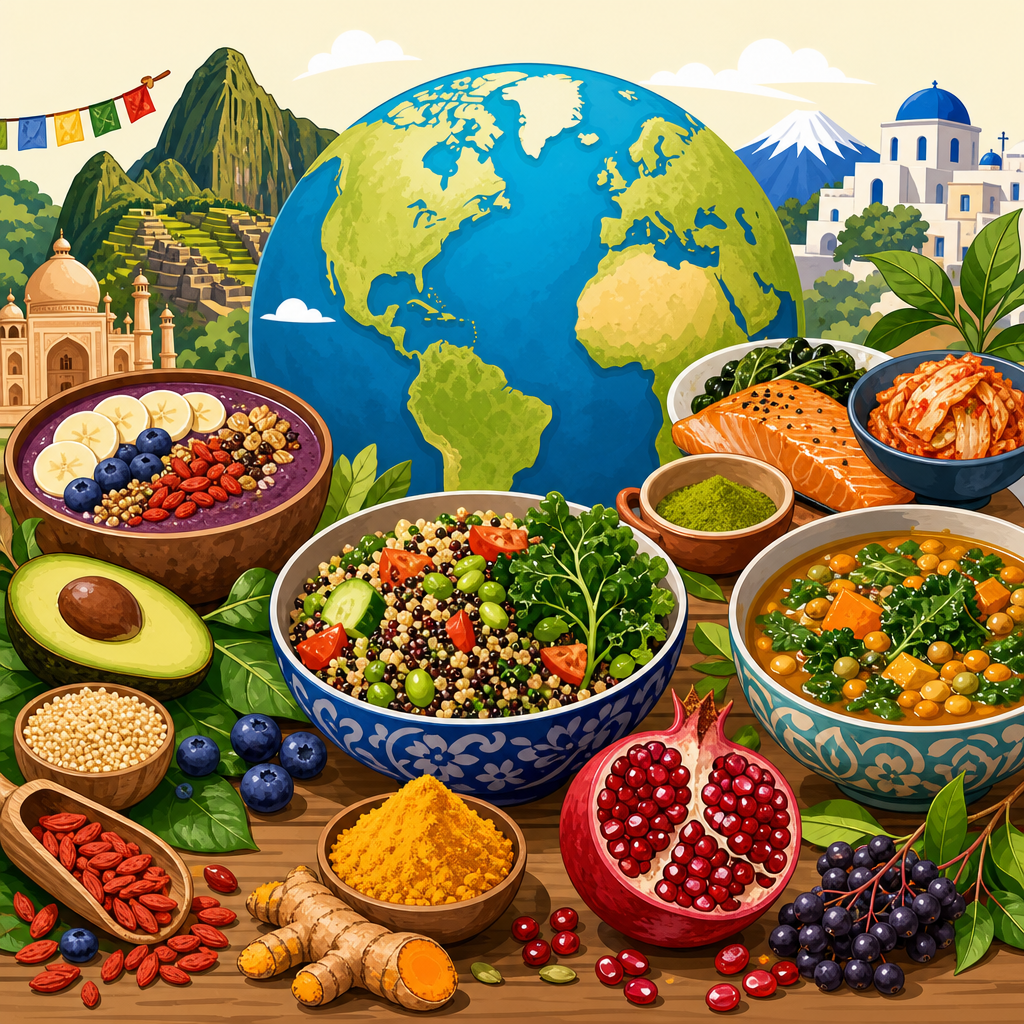
International superfoods bring together nutrient-dense ingredients, traditional food wisdom, and practical cooking methods that can make everyday meal planning healthier, more varied, and far more interesting. In this guide, “international superfoods and recipes” means staple foods from different culinary traditions that deliver an unusually high concentration of beneficial nutrients, protective plant compounds, healthy fats, quality protein, or gut-supportive fiber relative to their calories. The term does not mean miracle food. It refers to ingredients such as quinoa from the Andes, kefir from the Caucasus region, seaweed used across East Asia, lentils central to South Asian and Middle Eastern cooking, and olive oil foundational to Mediterranean diets. I have built meal plans around these foods for busy households, and the most useful lesson is simple: the best superfoods are the ones you will cook repeatedly, afford consistently, and combine intelligently. That matters because nutrition science keeps pointing in the same direction. Dietary patterns rich in whole grains, legumes, fermented foods, seafood, nuts, seeds, fruits, and vegetables are associated with better cardiometabolic health, improved satiety, and stronger long-term diet quality. A strong international superfoods hub helps readers understand which foods deserve pantry space, how to use them, and which recipes make them realistic on a Tuesday night.
What Counts as an International Superfood and Why These Foods Stand Out
An international superfood is best understood as a culturally established ingredient with documented nutritional value and broad culinary usefulness. That definition is more reliable than trend-driven marketing because it focuses on foods that have earned their place over generations. Quinoa is a complete protein by whole-grain standards and supplies fiber, magnesium, and manganese. Chia seeds from Mesoamerican food traditions absorb liquid, add omega-3 fats, and help thicken breakfasts without refined starch. Kimchi and kefir offer fermentation-derived complexity and can support dietary diversity, though probiotic effects depend on the specific strains and whether the product is heat-treated after fermentation. Turmeric, used extensively in South Asian cooking, contains curcuminoids, especially curcumin, but absorption improves when paired with fat and black pepper. Sardines, common in Mediterranean and Atlantic cuisines, provide highly bioavailable protein, calcium when bones are eaten, vitamin D, and omega-3 fatty acids EPA and DHA. Seaweed varieties such as nori, wakame, and kombu contribute iodine, but intake should be balanced because too much iodine can also disrupt thyroid function. In practice, the most valuable superfoods combine dense nutrition with easy integration into soups, bowls, salads, stews, snacks, and breakfast staples.
Top Foods Rich in International Superfoods and the Nutrients They Deliver
When readers ask which superfoods deserve priority, I recommend starting with foods that cover common nutrition gaps: fiber, omega-3 fats, minerals, and fermented ingredients. Lentils are one of the most cost-effective options worldwide, delivering protein, folate, iron, potassium, and substantial fiber with very little saturated fat. Black beans, chickpeas, and edamame serve similar roles while fitting different cuisines. Quinoa and amaranth offer gluten-free grain alternatives with notable mineral density. Greek yogurt and kefir provide protein and cultured dairy benefits, while unsweetened versions avoid the sugar load that turns a healthy ingredient into dessert. Extra-virgin olive oil stands out not because of vitamins alone but because its monounsaturated fat profile and polyphenols support heart-friendly cooking. Berries, pomegranate, and acai are popular for antioxidant content, yet frozen berries often outperform expensive imported purées on value and reliability. Fatty fish such as salmon, mackerel, and sardines remain among the strongest foods for omega-3 intake. Miso, tempeh, natto, and tofu show how soy foods can range from mild and accessible to deeply traditional and highly specialized. The smartest shopping strategy is not chasing rare powders; it is building a rotation of proven ingredients that support complete meals.
| Superfood | Region or Tradition | Key Nutrients or Compounds | Easy Recipe Use |
|---|---|---|---|
| Quinoa | Andean | Protein, fiber, magnesium | Grain bowls, salads, breakfast porridge |
| Kefir | Caucasus/Eastern Europe | Protein, calcium, live cultures | Smoothies, overnight oats, dressings |
| Lentils | South Asia/Middle East | Protein, folate, iron, fiber | Dals, soups, patties |
| Seaweed | Japan/Korea | Iodine, minerals | Soups, rice bowls, snacks |
| Sardines | Mediterranean | Omega-3s, calcium, vitamin D | Toast, pasta, salads |
| Turmeric | South Asia | Curcuminoids | Curries, soups, rice dishes |
International Superfoods by Region: What to Eat and How People Traditionally Use Them
Looking at superfoods by region prevents the topic from becoming a random grocery list. Mediterranean cuisines emphasize olives, olive oil, sardines, anchovies, chickpeas, herbs, tomatoes, and yogurt. These ingredients appear in practical dishes like bean salads, grilled fish, braises, and mezze spreads, making healthy eating feel abundant rather than restrictive. South Asian kitchens contribute lentils, turmeric, ginger, cumin, cardamom, sesame, and fermented batters such as dosa or idli, which show how soaking and fermentation can improve flavor and digestibility. East Asian traditions add tofu, tempeh, miso, seaweed, bok choy, shiitake mushrooms, green tea, and small fish, all of which support nutrient variety with relatively modest portions of meat. Latin American foodways bring quinoa, chia, amaranth, black beans, cacao, avocado, and a spectrum of peppers, often layered into bowls, stews, and corn-based meals. West African cooking highlights millet, sorghum, leafy greens, peanuts, okra, and beans, while Ethiopian and Eritrean cuisines feature teff in injera, a fermented flatbread with iron and fiber advantages. Northern and Eastern European traditions add kefir, cultured vegetables, buckwheat, herring, and beets. These patterns matter because they show that superfoods work best inside complete cuisines, not isolated spoonfuls.
How to Build Meals with International Superfoods Without Making Cooking Complicated
The easiest way to use international superfoods in meal planning is to build from repeatable templates. I use five: breakfast bowl, grain bowl, soup or stew, snack plate, and sheet-pan dinner. A breakfast bowl might combine kefir or Greek yogurt with chia seeds, berries, walnuts, and cinnamon. A grain bowl can start with quinoa or farro, then add roasted vegetables, chickpeas, herbs, tahini, and fermented vegetables for acidity. Soups and stews are where lentils, miso, turmeric, mushrooms, and greens become weeknight staples because one pot creates several servings. Snack plates make superfoods practical for workdays by pairing hummus, olives, fruit, nuts, and cultured dairy. Sheet-pan dinners simplify seafood by roasting salmon or sardines with broccoli, peppers, and olive oil while a pot of brown rice or millet cooks alongside. The key is nutritional pairing. Iron-rich lentils benefit from vitamin C sources like tomatoes or lemon. Fat-soluble compounds in turmeric and carotenoid-rich vegetables absorb better when eaten with olive oil or yogurt. Fermented foods should complement meals, not replace vegetables, protein, and fiber. Once these patterns are familiar, cooking globally inspired meals becomes routine instead of aspirational.
Best International Superfood Recipes to Add to Weekly Meal Plans
A strong hub page should point readers toward recipes they can actually cook, so the most useful international superfood recipes are the ones that balance nutrition, cost, and effort. For breakfast, chia pudding with kefir, mango, and pumpkin seeds offers protein, healthy fat, and texture with almost no morning prep. Savory oatmeal with miso, spinach, sesame, and a soft egg is another excellent option, especially for people who dislike sweet breakfasts. For lunch, a Mediterranean chickpea quinoa salad with cucumbers, tomatoes, parsley, feta, and lemon-olive oil dressing holds well for meal prep and improves after a day in the refrigerator. Red lentil dal with turmeric, garlic, and ginger is one of the highest-impact dinners I recommend because it is inexpensive, satisfying, and freezer-friendly. Miso salmon with soba noodles and steamed bok choy gives omega-3s, iodine, and plant compounds in one plate. Sardine toast with white beans, capers, and arugula is underrated, but nutritionally it competes with far pricier lunches. For snacks, roasted chickpeas, seaweed sheets, and yogurt with berries outperform many packaged “wellness” products. For dessert, modest portions of dark chocolate with fruit deliver more staying power than low-fat sweets.
Common Mistakes, Tradeoffs, and Buying Tips for International Superfoods
The biggest mistake people make is treating superfoods as nutritional shortcuts. Adding goji berries to a breakfast pastry does not create a healthy meal, and buying expensive powders while ignoring vegetables, legumes, and fish usually weakens diet quality rather than improving it. Another mistake is overlooking sodium, sugar, or portion size. Kimchi, miso, olives, and canned fish can be excellent foods, but they may require balance elsewhere in the day for people managing blood pressure. Granola with chia and cacao can still be calorie-dense enough to erase satiety benefits if portions are not realistic. Imported specialty items also vary in quality. Extra-virgin olive oil should have harvest or best-by information and ideally dark packaging. Tea, spices, and seeds lose potency over time, so bulk buying only works when turnover is steady. Seaweed should come from reputable brands because iodine content can vary significantly. Canned beans and fish are nutritious, but labels matter; choose options with simple ingredients and lower added sugar. Frozen berries, spinach, edamame, and fish are often nutritionally comparable to fresh and easier to keep on hand. The practical rule is to buy shelf-stable, frozen, and fresh superfoods together so your meal plan survives a busy week.
International superfoods and recipes matter because they turn good nutrition from an abstract goal into a repeatable cooking system built on proven foods from around the world. The strongest choices are not the most exotic or expensive; they are the ingredients with clear nutritional advantages, long culinary histories, and flexible uses in real meals. Quinoa, lentils, kefir, olive oil, seaweed, sardines, tofu, berries, fermented vegetables, and spices such as turmeric each contribute something distinct, whether that is protein, fiber, healthy fats, minerals, or beneficial plant compounds. Their real power appears when they are combined thoughtfully in breakfasts, grain bowls, soups, salads, and simple dinners. This hub should guide your next steps across the broader Recipes and Meal Planning topic by helping you explore specific ingredients, regional traditions, prep methods, and family-friendly dishes with confidence. Start with two or three foods you can use this week, build one reliable recipe around each, and let variety grow from habit rather than from hype. That approach delivers better meals, better consistency, and a healthier kitchen that lasts.
Frequently Asked Questions
What counts as an international superfood, and how is it different from a trendy “health food”?
An international superfood is best understood as a nutrient-dense staple or traditional ingredient from a specific food culture that offers exceptional nutritional value in a practical, everyday form. Unlike many short-lived health trends, these foods usually have a long history of use in regional cuisines and are valued not only for their nutrient content, but also for their versatility, affordability in many markets, and compatibility with balanced meals. Examples include quinoa from the Andes, kimchi from Korea, sardines common in Mediterranean diets, lentils used across South Asia and the Middle East, seaweed in Japanese cuisine, and kefir rooted in Eastern European and Central Asian traditions.
What makes them “super” is not marketing language alone, but their concentration of beneficial compounds relative to calories. Many provide fiber, antioxidants, minerals, vitamins, healthy fats, or quality protein in amounts that can significantly improve the overall nutrient density of a meal. For instance, legumes contribute plant protein and gut-supportive fiber, fatty fish supply omega-3 fats, fermented foods can support digestive health, and dark leafy greens add folate, vitamin K, and protective phytochemicals.
The biggest difference between an international superfood and a fad health food is context. Traditional superfoods are rarely eaten in isolation. They are typically part of complete recipes and eating patterns that have evolved over generations. That matters because nutrition works best in combinations. Olive oil with vegetables, yogurt with fruit and seeds, beans with grains, or turmeric cooked with other spices are all examples of foods used in ways that can improve absorption, enjoyment, and consistency. In other words, international superfoods are not magic ingredients. They are reliable, culturally rooted foods that make healthy eating more sustainable, flavorful, and realistic.
Which international superfoods are the best to start with if I want better everyday nutrition?
If you want the greatest impact with the least complexity, begin with a small group of international superfoods that are easy to buy, simple to cook, and flexible enough for multiple meals each week. A strong starting list includes lentils, quinoa, sardines, kefir or plain yogurt, kimchi or sauerkraut, extra virgin olive oil, chia seeds, turmeric, seaweed, and leafy greens such as bok choy or watercress. Together, these foods cover many nutritional priorities including fiber, protein, calcium, omega-3 fats, probiotics, polyphenols, and key minerals.
Lentils are one of the smartest choices because they are affordable, shelf-stable, filling, and rich in plant protein, iron, potassium, and fiber. Quinoa is another excellent staple because it cooks quickly and provides a useful mix of protein, magnesium, and complex carbohydrates. Sardines are especially valuable for people who do not eat enough fish; they are packed with omega-3 fats, vitamin D, calcium, and protein. Fermented foods like kefir and kimchi can support gut health and add flavor without requiring complicated preparation.
For cooking, extra virgin olive oil and turmeric are simple additions that can improve the nutritional profile of meals you already enjoy. Olive oil contributes heart-healthy monounsaturated fats and antioxidant compounds, while turmeric is widely used in South Asian cuisines and contains curcumin, a plant compound studied for its anti-inflammatory potential. Seaweed can be added in small amounts to soups, rice bowls, or salads for minerals and umami depth. Chia seeds work well in breakfast foods, smoothies, or overnight puddings.
The best strategy is to choose three to five foods first rather than trying everything at once. For example, you might add lentils to soups, use olive oil for dressings, eat kefir at breakfast, include sardines once or twice a week, and keep kimchi in the refrigerator as a side dish. This kind of gradual approach makes it easier to build lasting habits and helps you discover which superfoods fit your taste, schedule, and budget.
How can I use international superfoods in simple recipes without making meal planning complicated?
The easiest way to use international superfoods is to treat them as upgrades to meals you already know how to make. You do not need a fully traditional recipe every time to benefit from these ingredients. Think in terms of bowls, soups, salads, stews, snacks, and sheet-pan meals. These formats let you combine nutrient-dense staples with familiar ingredients and keep weeknight cooking manageable.
For breakfast, plain kefir or yogurt can be topped with berries, chia seeds, nuts, and a sprinkle of cinnamon for a high-protein, gut-friendly meal. You can also make overnight oats with chia and fruit, or blend kefir into a smoothie with spinach and mango. For lunch, a quinoa bowl with roasted vegetables, chickpeas, olive oil, lemon, and herbs delivers fiber, protein, and healthy fats in one dish. Adding seaweed flakes or fermented vegetables like kimchi can increase mineral content and flavor complexity.
Dinner offers even more possibilities. Lentil soup with turmeric, garlic, onions, and leafy greens is inexpensive, satisfying, and nutritionally balanced. Sardines can be served on whole-grain toast with tomato, olive oil, and herbs, or tossed with pasta, lemon, capers, and greens for a fast Mediterranean-style meal. Stir-fries using bok choy, mushrooms, tofu, ginger, and sesame can provide a broad spectrum of micronutrients while remaining quick to prepare. Grain bowls with brown rice, miso, edamame, avocado, and seaweed are another practical option.
If you want a simple formula, build meals around one protein source, one fiber-rich base, one or two colorful vegetables, and one flavorful superfood addition. For example: lentils plus quinoa plus roasted carrots plus tahini; salmon plus greens plus brown rice plus kimchi; yogurt plus fruit plus chia; or tofu plus bok choy plus soba noodles plus seaweed. Batch-cooking key ingredients once or twice a week makes this even easier. Cook a pot of grains, prepare lentils, wash greens, and keep fermented foods and canned fish on hand. That way, healthy international recipes become fast assembly rather than a major cooking project.
Are there specific health benefits to eating international superfoods regularly?
Yes, regular intake of international superfoods can support several important areas of health, especially when they are part of an overall balanced diet. Many of these foods help improve diet quality by increasing intake of nutrients that people commonly fall short on, such as fiber, omega-3 fats, magnesium, calcium, potassium, and antioxidant-rich plant compounds. Over time, this can support heart health, digestive health, metabolic balance, immune function, and overall energy levels.
Fiber-rich superfoods such as lentils, beans, chia seeds, vegetables, and whole grains are particularly valuable because fiber helps with fullness, blood sugar control, regular digestion, and the health of the gut microbiome. Fermented foods like kefir, yogurt, kimchi, and miso may further support gut health by contributing beneficial microbes or fermentation-related compounds, though effects vary by product and by individual. Healthy-fat sources such as extra virgin olive oil, sardines, mackerel, nuts, and seeds are often associated with better cardiovascular support, especially when they replace more heavily processed or highly saturated fat sources.
Plant-rich international diets also tend to provide a wide range of polyphenols and carotenoids, which are compounds linked to cellular protection and lower dietary inflammation patterns. Turmeric, green tea, berries, dark leafy greens, legumes, sea vegetables, and herbs all contribute in different ways. Meanwhile, protein-rich options such as lentils, tofu, yogurt, eggs, fish, and tempeh can help maintain muscle, support recovery, and improve meal satisfaction.
It is important to keep expectations realistic. No single food can prevent disease or compensate for a poor overall diet. The benefit comes from regular inclusion and variety. If your meals consistently include legumes, vegetables, fermented foods, whole grains, healthy fats, and quality protein from diverse culinary traditions, you are far more likely to build a sustainable eating pattern that supports long-term health than if you rely on isolated supplements or trend-based foods alone.
Are there any downsides, allergies, or nutrition concerns to consider before adding more international superfoods to my diet?
There can be, which is why a practical and informed approach matters. Even highly nutritious foods are not automatically right for every person in every amount. Some international superfoods are common allergens, including soy, fish, dairy, sesame, and tree nuts. Others may interact with individual digestive sensitivities. For example, fermented foods can be too intense for some people at first, legumes may cause bloating if introduced too quickly, and high-fiber foods generally need to be increased gradually with adequate fluid intake.
Sodium is another consideration. Foods such as kimchi, miso, olives, canned fish, and some seaweeds can be nutritious but salty, so portion awareness is useful, especially for people managing blood pressure or sodium-sensitive conditions. Seaweed is beneficial in moderation, yet some varieties are high in iodine, which may be a concern for individuals with certain thyroid conditions if eaten excessively. Canned fish can also vary in sodium and sustainability, so reading labels and rotating choices is smart. With turmeric supplements, very high doses are different from culinary use and may not be