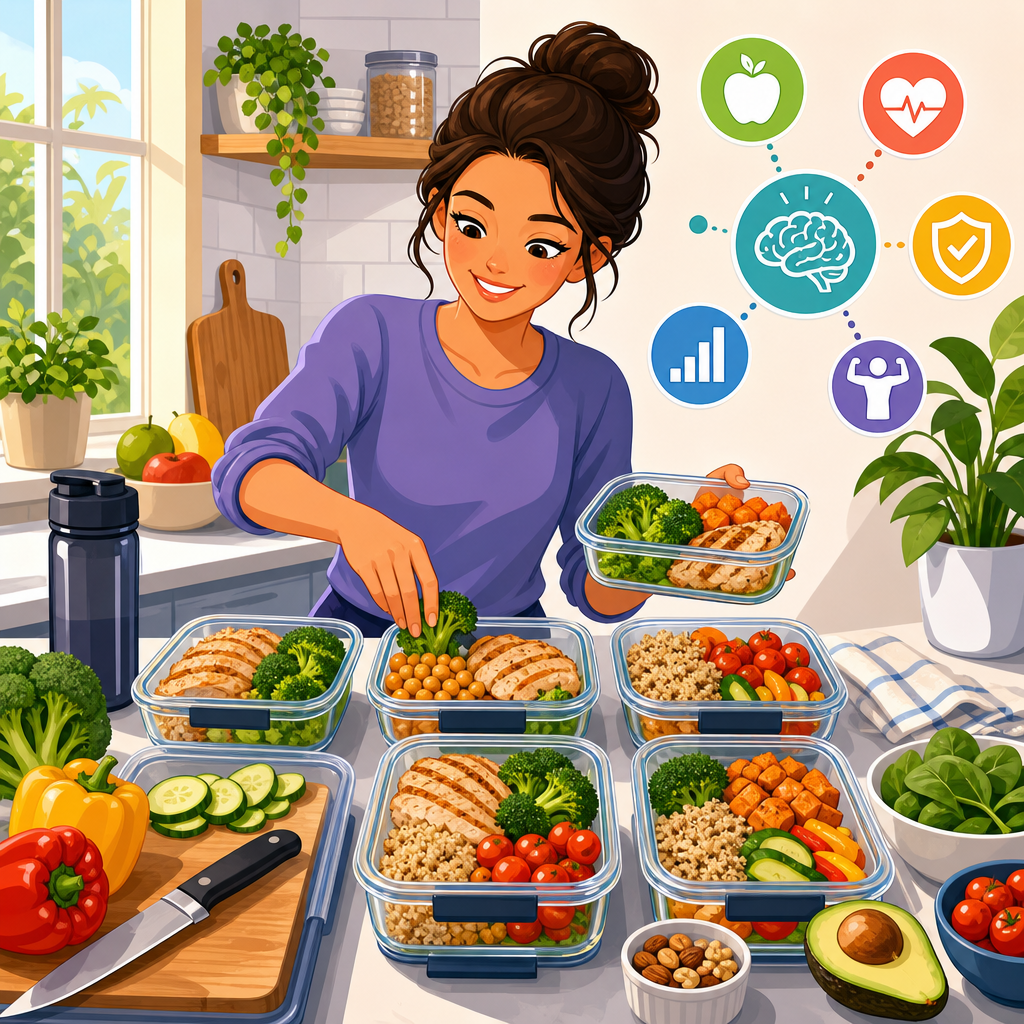
International superfoods and recipes bring together nutrient-dense ingredients, culinary tradition, and practical meal planning in a way few food trends can match. In nutrition science, a superfood is not a formal regulatory category; it is a popular term for foods that provide high concentrations of beneficial compounds such as fiber, vitamins, minerals, unsaturated fats, or phytochemicals relative to their calories. In everyday cooking, international superfoods include staples such as quinoa from the Andes, kefir from the Caucasus, kimchi from Korea, lentils from South Asia and the Mediterranean, olive oil from Southern Europe, seaweed from Japan, and cacao from Mesoamerica. What makes this topic important is not novelty. It is evidence. Across years of meal planning work, I have seen that households eat better when healthy foods are tied to satisfying recipes with clear cultural roots instead of abstract nutrient targets.
Science supports that practical approach. Dietary patterns associated with lower risk of cardiovascular disease, type 2 diabetes, and some cancers consistently emphasize minimally processed plant foods, legumes, fermented foods, seafood, nuts, seeds, and healthy fats. Many international cuisines already organize meals around those ingredients. The Mediterranean diet, for example, has strong evidence for heart health, while traditional Japanese and Korean eating patterns are studied for their vegetable, seafood, and fermented food intake. Latin American, African, Middle Eastern, and South Asian cuisines offer similarly valuable ingredients, especially beans, spices, whole grains, and leafy greens. For a recipes and meal planning hub, the real benefit is efficiency: once you understand why these foods matter, you can build breakfasts, lunches, dinners, snacks, and batch-cooking plans from them without relying on expensive products labeled as miracle foods.
This guide explains what science actually says about international superfoods, how to evaluate health claims, and how to use these ingredients in balanced recipes. It also serves as a hub for deeper exploration across global ingredients and meal strategies. If you are deciding which superfoods deserve space in your pantry, the best test is straightforward: does the ingredient have credible evidence behind it, does it fit into regular meals, and can you prepare it in ways your household will keep eating? The sections below answer those questions directly, with examples grounded in nutrition research and real kitchen use.
What Counts as an International Superfood
An international superfood is best understood as a traditional ingredient from a specific food culture that offers meaningful nutritional value and adapts well to modern meals. The most useful examples are not obscure powders. They are staple foods with a history of regular use: chickpeas in hummus, miso in soups and marinades, sardines in Portuguese or Spanish dishes, black beans in Latin American bowls, teff in Ethiopian cooking, and yogurt-based sauces across the Middle East and South Asia. These foods matter because they contribute nutrients in forms people actually eat. Fiber in beans lowers the meal’s glycemic impact. Omega-3 fats in small oily fish support cardiovascular health. Polyphenols in berries, herbs, tea, cocoa, and extra-virgin olive oil may help reduce oxidative stress and inflammation.
It is also important to separate broad dietary benefit from exaggerated claims. No single food detoxes the body, melts body fat, or replaces medical treatment. Benefits depend on dose, frequency, preparation method, and the surrounding dietary pattern. Kimchi and sauerkraut can support dietary diversity, but very salty versions may be a poor fit for someone with sodium restrictions. Turmeric contains curcumin, which has been studied for anti-inflammatory effects, yet culinary turmeric is not equivalent to a standardized supplement. Chia seeds add soluble fiber and alpha-linolenic acid, but they work best when added to a balanced breakfast or snack rather than treated as a cure-all. Good meal planning keeps those distinctions clear.
The Strongest Science: Patterns, Not Isolated Hype
The clearest conclusion from nutrition research is that health outcomes improve most reliably when superfoods are part of established eating patterns. A bowl built from lentils, vegetables, olive oil, herbs, and yogurt is more meaningful than one expensive add-in sprinkled over an otherwise poor diet. Randomized trials and large cohort studies repeatedly show that dietary patterns rich in legumes, whole grains, fruits, vegetables, nuts, and fish are linked with better cardiometabolic markers. The landmark PREDIMED trial, though later republished with corrected randomization reporting, still supported the broader evidence that Mediterranean-style eating with extra-virgin olive oil or nuts can reduce major cardiovascular events in high-risk adults.
Fermented foods offer a good example of nuance. Interest in gut health is justified, but the evidence is evolving. Yogurt and kefir can provide live cultures, protein, calcium, and in some cases vitamin K2, while fermented vegetables may contribute microbial exposure and flavor that increases vegetable intake. However, not every fermented product contains live organisms by the time it is eaten, and benefits vary by strain and product quality. In my own recipe testing, the most reliable payoff from fermented ingredients is that they improve taste and consistency. A spoon of miso deepens soup, kefir tenderizes marinades, and yogurt dressings make raw vegetables more appealing. Those practical gains often matter as much as the microbiome theory.
Evidence is also strongest when foods replace less healthy alternatives. Swapping refined snacks for roasted edamame or nuts improves satiety and nutrient density. Replacing processed meats with lentil stew, grilled fish, or bean tacos can reduce saturated fat and sodium while increasing fiber. Using extra-virgin olive oil instead of butter in vegetable-forward dishes often improves the fat profile of the meal. These are realistic changes, and realistic changes are where science becomes useful in the kitchen.
Core International Superfoods Worth Building Meals Around
Some ingredients deserve hub status because they are versatile, affordable, and strongly supported by evidence. Legumes lead the list. Lentils, chickpeas, black beans, cannellini beans, and soy foods provide fiber, plant protein, iron, folate, magnesium, and slowly digested carbohydrates. They are linked with improved blood lipid profiles and better glycemic control when used consistently. Whole grains come next: oats, barley, quinoa, farro, brown rice, buckwheat, and teff help increase fiber and micronutrient intake compared with refined grains. Fat quality matters too, which is why extra-virgin olive oil, nuts, seeds, tahini, avocado, and fatty fish are central in many healthy global cuisines.
Vegetable and flavor foundations are equally important. Dark leafy greens such as spinach, amaranth greens, collards, and bok choy bring folate, carotenoids, vitamin K, and potassium. Alliums including garlic, onions, scallions, and leeks improve flavor while contributing sulfur compounds associated with health benefits. Sea vegetables such as nori and wakame provide iodine, though portions should be sensible because iodine content varies widely by species. Fermented dairy or soy products such as yogurt, kefir, kimchi, tempeh, and miso can add protein, texture, and complexity. Fruit-based superfoods are less mysterious than marketing suggests: berries, citrus, pomegranate, dates, kiwi, mango, and papaya all contribute useful nutrients when eaten in appropriate portions.
| Ingredient | Traditional regions | Key nutrients or compounds | Practical meal use |
|---|---|---|---|
| Lentils | South Asia, Mediterranean, Middle East | Fiber, protein, folate, iron | Dal, soups, salads, grain bowls |
| Kefir | Caucasus, Eastern Europe | Protein, calcium, live cultures | Smoothies, marinades, breakfast bowls |
| Kimchi | Korea | Fermented vegetables, flavor compounds | Rice bowls, eggs, pancakes, stews |
| Quinoa | Andean region | Fiber, magnesium, complete protein | Salads, stuffed vegetables, pilafs |
| Sardines | Mediterranean, Atlantic coasts | Omega-3s, calcium, vitamin D | Toasts, pasta, salads |
Recipes and Meal Planning Ideas From Around the World
For breakfast, start with combinations that are proven to hold up in real schedules. A kefir smoothie with berries, oats, chia, and spinach takes five minutes and balances protein, fiber, and fluid. Plain yogurt topped with toasted pistachios, pomegranate, and a drizzle of tahini creates a Middle Eastern-inspired bowl with better satiety than sugary cereal. Savory breakfasts work especially well for blood sugar management. Try miso oatmeal with mushrooms and scallions, or eggs with black beans, avocado, and salsa. These meals use international superfoods in portions that are easy to repeat daily.
Lunch is where leftovers and batch components save the most time. Cook a pot of lentils or chickpeas, roast a tray of vegetables, mix a lemon-olive oil dressing, and use them across several cuisines. One day that becomes a Mediterranean grain bowl with cucumbers, herbs, olives, and feta. The next day it becomes a South Asian-inspired lentil bowl with cumin, coriander, yogurt, and quick-pickled onions. For a Japanese-style lunch, pair brown rice with edamame, shredded carrots, nori, sesame, and baked salmon. These are not restaurant reproductions. They are meal-planning templates that preserve the nutrient strengths of the original food traditions.
Dinner benefits from choosing one anchor ingredient and one cuisine framework. If the anchor is beans, make black bean soup with cumin and oregano, white bean stew with tomatoes and rosemary, or chickpea tagine with apricots and warm spices. If the anchor is fish, choose sardines over toast with tomato and parsley, salmon with soba and bok choy, or mackerel with rice and cucumber salad. If the anchor is a whole grain, turn quinoa into stuffed peppers, barley into mushroom soup, or farro into an herbed salad with roasted vegetables. In each case, the superfood is not floating alone. It is integrated into a complete plate with protein, plants, and flavor.
How to Shop, Prep, and Use Superfoods Without Overspending
The most common mistake I see is buying specialty ingredients before mastering the staples. Start with a short list that covers multiple cuisines: lentils, canned beans, oats, brown rice or quinoa, extra-virgin olive oil, plain yogurt or kefir, frozen spinach, garlic, onions, canned tomatoes, nuts or seeds, and one fermented condiment such as miso or kimchi. With that base, you can prepare Mediterranean soups, Indian-style dals, Korean-inspired rice bowls, Mexican-style bean dishes, and simple breakfast combinations. Frozen produce is often nutritionally comparable to fresh and reduces waste. Canned fish can be a budget-friendly source of omega-3 fats and calcium.
Preparation method influences both nutrition and acceptance. Soaking and cooking dried beans properly improves texture and can reduce digestive discomfort. Rinsing quinoa removes bitter saponins. Pairing iron-rich legumes with vitamin C sources such as lemon, peppers, or tomatoes can improve non-heme iron absorption. Using fat with carotenoid-rich vegetables, as in olive oil on greens or carrots, helps absorption of fat-soluble compounds. Sodium deserves attention when using fermented and canned foods; balancing salty ingredients with plain grains, unsalted proteins, and fresh vegetables keeps the meal in range. These details may sound small, but over a week of meal planning they shape whether healthy cooking remains practical.
Limitations, Safety, and What Science Still Debates
International superfoods are valuable, but they are not universally appropriate in the same amounts for every person. Allergies, intolerances, medication interactions, kidney disease, thyroid concerns, and cultural preferences all affect food choice. Someone taking warfarin should keep vitamin K intake consistent rather than abruptly loading up on greens. People with celiac disease need certified gluten-free grains, since farro and barley are not suitable. Seaweed can be nutritious, yet excessive iodine intake from certain types may be harmful. Fermented foods may aggravate symptoms in some people with histamine sensitivity or certain gastrointestinal conditions. That is why evidence-based meal planning always includes individual context.
Research quality also varies. Many superfood headlines come from cell studies, animal models, or small short-term trials that do not justify sweeping claims. Biomarkers such as antioxidant capacity are interesting, but they do not automatically translate into lower disease risk. Food frequency questionnaires in observational studies can suggest associations without proving causation. The most trustworthy conclusions come from converging evidence: plausible mechanisms, human intervention trials when available, and broad consistency with established dietary guidance from organizations such as the World Health Organization, the American Heart Association, and major national nutrition agencies. In plain terms, if a traditional ingredient fits within a balanced eating pattern and improves diet quality, it is usually worth using. If it is marketed as a miracle in isolation, skepticism is the correct response.
International superfoods and recipes are most useful when they help you eat better consistently, not when they turn shopping into a hunt for exotic promises. Science favors foods that have a long record of traditional use, meaningful nutrient density, and a clear place inside balanced meals. Legumes, whole grains, fermented dairy or soy, leafy greens, nuts, seeds, olive oil, seafood, berries, and culturally rooted herbs and spices all meet that standard when chosen and prepared well. The strongest benefits come from patterns: more fiber-rich plants, better fat quality, less ultra-processed food, and meals that people genuinely enjoy enough to repeat.
As a hub for recipes and meal planning, this topic works best when you move from theory to practice. Pick three international superfoods you can afford, learn two reliable recipes for each, and use them in a weekly plan for breakfast, lunch, and dinner. Build from there. A lentil pot, a yogurt sauce, a grain base, and a vegetable tray can carry most of the week with very little waste. That is where nutrition science becomes daily life: not in marketing language, but in repeatable meals that support health, taste good, and respect the cuisines that developed them. Start with your next grocery list and make one globally inspired meal part of your regular rotation.
Frequently Asked Questions
What does “superfood” really mean, and is it a scientific term?
The word “superfood” is widely used in media, marketing, and everyday nutrition conversations, but it is not a formal scientific or regulatory classification. Researchers and dietitians generally use it as a convenient shorthand for foods that deliver a high amount of potentially beneficial nutrients or bioactive compounds relative to their calorie content. That can include fiber, vitamins, minerals, unsaturated fats, plant proteins, and phytochemicals such as polyphenols, carotenoids, and flavonoids. From a scientific perspective, the more useful question is not whether a food is a “superfood,” but what its nutrient profile looks like, how it fits into the total diet, and whether evidence links it to meaningful health outcomes.
International superfoods often earn their reputation because they have long culinary histories and strong nutrient density. Examples include quinoa from the Andes, chia seeds from Central America, kefir from Eastern Europe and Central Asia, seaweed in East Asian cuisines, lentils in South Asian and Mediterranean cooking, and extra-virgin olive oil from the Mediterranean region. Science supports many of these foods not because they are magical on their own, but because they contribute to dietary patterns associated with better cardiovascular, metabolic, digestive, and overall health. In other words, the strongest evidence usually favors consistent eating habits built around diverse whole foods, not a single miracle ingredient.
Which international superfoods have the strongest science-backed health benefits?
Several internationally recognized superfoods are supported by substantial nutrition research, especially when they are eaten regularly as part of balanced dietary patterns. Fatty fish such as sardines, mackerel, and salmon are among the strongest examples because they provide omega-3 fatty acids that are associated with heart and brain health. Legumes such as lentils, chickpeas, and black beans are also well supported by evidence due to their fiber, plant protein, and mineral content, with research linking them to improved satiety, better blood sugar control, and support for cholesterol management. Fermented foods such as kefir, yogurt, kimchi, and miso are frequently studied for their role in gut health, though effects can vary depending on the food, preparation method, and the rest of the diet.
Whole grains and seeds also stand out. Quinoa offers fiber, minerals, and a useful protein profile, while chia and flax seeds contribute fiber and plant omega-3 fats. Berries, green tea, turmeric, garlic, nuts, and extra-virgin olive oil are often highlighted because of their antioxidant and anti-inflammatory compounds. However, the evidence is strongest when these foods are consumed in realistic culinary amounts over time, not in extreme doses or isolated supplement form. Science tends to support foods most clearly when they are part of traditional eating patterns such as the Mediterranean diet, Japanese-style diets rich in fish and sea vegetables, or plant-forward cuisines that rely on legumes, herbs, and minimally processed staples.
Can international superfoods actually improve health, or are the benefits overstated?
They can absolutely support health, but the benefits are often overstated when superfoods are presented as quick fixes. The most accurate scientific view is that nutrient-dense foods can improve diet quality and reduce risk factors for chronic disease when they replace less nutritious options and are eaten consistently over time. For example, replacing refined snacks with nuts and fruit may improve satiety and nutrient intake. Swapping processed meats for lentils or beans can increase fiber and reduce saturated fat intake. Using olive oil instead of heavily processed fats may support heart health. These are practical changes with measurable nutritional advantages.
What science does not support is the idea that one ingredient can cancel out an otherwise poor diet or unhealthy lifestyle. A smoothie with chia seeds and berries does not erase the effects of chronic sleep loss, smoking, inactivity, or a diet high in ultra-processed foods. In addition, some claims about detoxification, fat burning, or immune boosting are exaggerated or based on preliminary laboratory findings that do not always translate directly to real-world human health. The strongest evidence suggests that superfoods are most beneficial when they are part of a broader pattern that includes variety, adequate protein, plenty of plants, healthy fats, and sustainable eating habits. So yes, the benefits are real, but they are cumulative, contextual, and most impressive when viewed as part of an overall dietary strategy.
How can I use international superfoods in everyday recipes without making meals complicated or expensive?
The easiest way is to treat international superfoods as practical ingredients rather than specialty products. Many of the best options are affordable staples: oats, lentils, beans, yogurt, canned fish, frozen berries, greens, herbs, brown rice, and seeds. You can build simple meals by combining a whole grain, a protein source, vegetables, and a flavor element from global cuisines. For breakfast, plain yogurt or kefir with berries, chia seeds, and nuts is an easy nutrient-dense option. For lunch, try a quinoa or brown rice bowl with chickpeas, chopped vegetables, olive oil, lemon, and herbs. For dinner, lentil curry, miso soup with tofu and seaweed, grilled salmon with roasted vegetables, or a bean-based stew are all realistic ways to bring international superfoods into regular meal planning.
Batch cooking also helps. Prepare a pot of lentils, quinoa, or beans once and use them across multiple meals during the week. Keep versatile ingredients on hand, such as canned sardines, tahini, kimchi, extra-virgin olive oil, frozen spinach, and mixed seeds. You do not need to buy rare powders or expensive imported products to benefit from global nutrition traditions. A practical recipe strategy is to start with familiar meals and upgrade them: add flax or chia to oatmeal, stir greens into soups, use beans in tacos or salads, swap white rice for a higher-fiber grain part of the time, or add fermented foods as toppings and sides. This approach is budget-friendly, sustainable, and much more aligned with how nutrition science works in real life.
Are there any risks or misconceptions to know before adding more international superfoods to my diet?
Yes, and this is an important part of the conversation. Even highly nutritious foods are not automatically ideal for everyone in every amount. Portion size, preparation, allergies, digestive tolerance, medication interactions, and overall health status all matter. For example, fermented foods can be helpful for many people, but some individuals with digestive sensitivities may need to introduce them slowly. Seaweed can provide useful minerals, yet certain varieties may contain very high iodine levels, which may not be appropriate in excess for people with some thyroid conditions. Seeds and high-fiber legumes are beneficial for many diets, but increasing them too quickly can cause bloating or discomfort if fluid intake and gradual adaptation are overlooked.
Another common misconception is that more is always better. Concentrated powders, extracts, and supplements are not necessarily safer or more effective than whole foods, and they may not deliver the same benefits seen in traditional dietary patterns. It is also worth remembering that “natural” does not guarantee quality or purity, especially in imported specialty products that vary by brand and sourcing practices. The best approach is to focus on variety, moderation, and evidence-backed choices. If you have kidney disease, food allergies, gastrointestinal disorders, are pregnant, or take medications such as blood thinners, it is wise to discuss major dietary changes with a qualified healthcare professional. In most cases, international superfoods are most helpful when they are enjoyed as part of diverse, culturally rich, whole-food meals rather than treated as nutritional shortcuts.