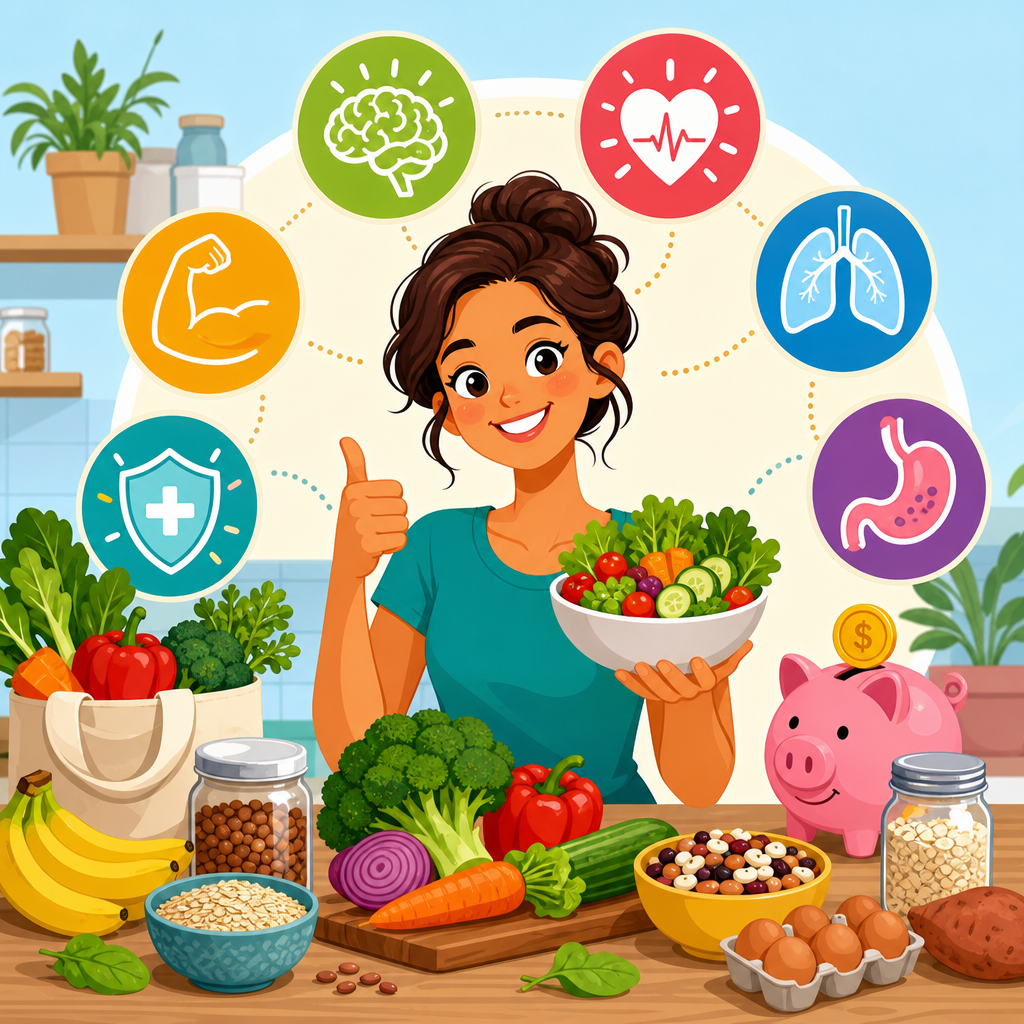
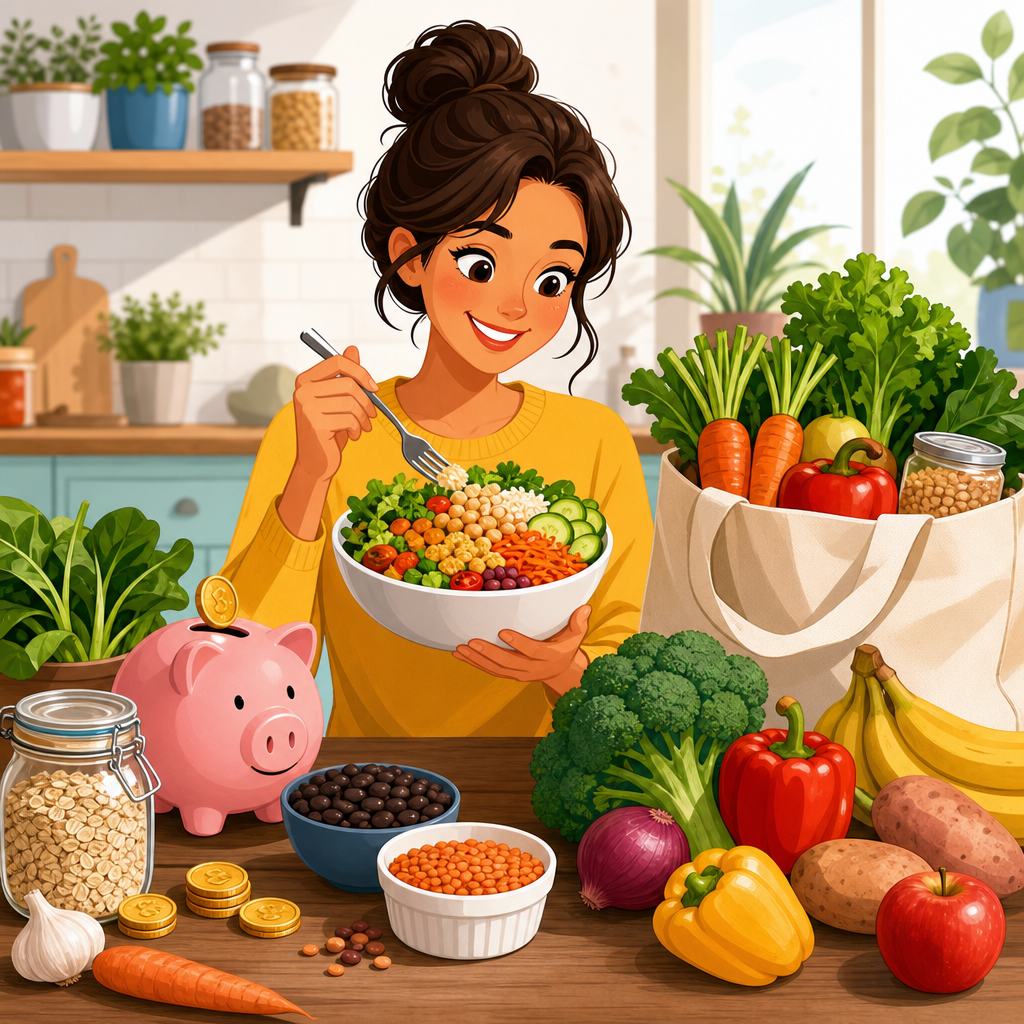
Budget-friendly healthy eating means choosing foods, shopping habits, and cooking methods that deliver strong nutrition without straining your finances. In practical terms, it is the point where cost per serving, nutrient density, shelf life, and family preferences meet. After years of planning household menus, comparing supermarket circulars, and helping clients rebuild grocery routines, I have found that the biggest misconception is simple: many people assume healthy food is automatically expensive. It is not. What is expensive is buying highly marketed convenience products, letting produce spoil, and shopping without a plan. Better nutrition on a budget comes from structure, not perfection.
To understand the topic clearly, define a few key terms. Nutrient density refers to the amount of beneficial nutrients a food provides relative to its calories and price. Cost per serving measures what one usable portion actually costs after trimming, cooking, or waste. Meal planning is the practice of deciding meals before shopping so ingredients are used efficiently across several dishes. Food waste is the edible food that gets thrown away because it spoiled, was overbought, or never fit into a realistic cooking schedule. These definitions matter because budget-friendly healthy eating is not only about finding the cheapest item in the store. It is about getting the most nutrition, satiety, and flexibility from every dollar.
This matters now more than ever. Grocery prices remain elevated in many regions, while diet-related conditions such as hypertension, type 2 diabetes, and obesity continue to affect millions of households. At the same time, families are balancing limited time, rising housing costs, and different eating preferences under one roof. A smart food budget can improve health, reduce stress, and make weeknight meals easier. It also creates a foundation for the rest of meal planning: once you know which affordable staples to keep on hand, recipes become faster to choose and easier to repeat. This hub explains the principles, staple foods, shopping systems, and cooking strategies that make healthy eating affordable and sustainable.
What Budget-Friendly Healthy Eating Looks Like in Real Life
Affordable healthy eating is built around a short list of reliable foods and a repeatable routine. In real kitchens, that usually means oats, eggs, yogurt, beans, lentils, rice, potatoes, frozen vegetables, seasonal fruit, canned fish, chicken thighs, whole grain pasta, peanut butter, and a few flavor builders such as onions, garlic, broth, tomato paste, soy sauce, and olive oil. These are not glamorous foods, but they work because they are versatile, filling, and widely available. You can turn the same base ingredients into breakfasts, packed lunches, soups, grain bowls, stir-fries, tacos, curries, and sheet-pan dinners.
A common question is whether healthy food must be fresh. The direct answer is no. Frozen vegetables and fruit are often picked at peak ripeness and can match fresh produce nutritionally. Canned beans and tomatoes are economical pantry anchors, especially when you choose low-sodium versions or rinse them before use. Dried beans are usually cheaper per serving than canned, but canned beans save time and lower the barrier to cooking at home. Budget-friendly healthy eating respects both cost and convenience, because a cheap ingredient that never gets cooked is not a bargain.
Another practical rule is to think in meal components rather than individual recipes. A cooked pot of brown rice can support burrito bowls, egg-fried rice, and vegetable soup. Roast chicken can become a dinner, then wraps, then broth from the bones. A tub of plain Greek yogurt can serve as breakfast, a dip base, and a substitute for sour cream. This hub approach is effective because healthy eating on a budget depends on crossover ingredients. The more ways one item can be used, the lower the chance of waste and the greater the value of each purchase.
The Most Affordable Nutrient-Dense Foods to Prioritize
If your goal is better nutrition for less money, prioritize foods that provide protein, fiber, vitamins, and minerals at a low cost per serving. Beans and lentils are among the strongest values in any supermarket. They supply fiber, plant protein, iron, folate, and slow-digesting carbohydrates that improve fullness. Eggs are another standout: they offer high-quality protein, choline, vitamin B12, and flexibility across breakfast, lunch, and dinner. Potatoes are often unfairly dismissed, yet they are rich in potassium, filling, inexpensive, and useful in soups, hashes, and baked meals when not buried under excess fried toppings.
Whole grains deserve a permanent place in a budget meal plan. Oats are inexpensive, shelf-stable, and linked with heart-health benefits because they contain beta-glucan soluble fiber. Brown rice, barley, bulgur, and whole wheat pasta stretch meals while adding fiber and texture. For produce, the best values are usually bananas, apples, cabbage, carrots, onions, oranges, and seasonal options. Cabbage in particular is a budget workhorse: it lasts a long time, can be eaten raw or cooked, and contributes vitamin C and crunch to multiple meals.
Protein is where many budgets get strained, so be strategic. Chicken thighs usually cost less than boneless skinless breasts and stay juicier in cooking. Canned tuna, sardines, and salmon provide protein and, in the case of oily fish, omega-3 fats. Tofu is often cost-effective, especially in stir-fries and curries. Dairy can also offer value when purchased in plain forms rather than flavored single-serve packs. A large container of yogurt, a block of cheese, or a gallon of milk typically costs less per serving than heavily processed snack products marketed as healthy.
| Food | Main nutrition benefit | Budget advantage | Easy uses |
|---|---|---|---|
| Lentils | Protein, fiber, iron, folate | Low cost per cooked serving | Soups, curries, salads |
| Eggs | Complete protein, choline, B12 | Fast cooking, little waste | Scrambles, sandwiches, fried rice |
| Oats | Soluble fiber for heart health | Very inexpensive pantry staple | Oatmeal, overnight oats, baking |
| Frozen vegetables | Vitamins, minerals, fiber | Long shelf life, minimal spoilage | Stir-fries, soups, pasta |
| Chicken thighs | Protein, iron, zinc | Usually cheaper than breast meat | Roasting, braising, tacos |
| Potatoes | Potassium, carbs, satiety | Low cost and versatile | Baked, mashed, soups |
How to Plan Meals That Lower Grocery Costs
Meal planning reduces spending because it turns random grocery shopping into an inventory system. Start by checking what you already have in the pantry, refrigerator, and freezer. Then build three to five dinners around overlapping ingredients. For example, if spinach is on sale, use it in egg muffins, pasta, and a bean soup. If a family pack of chicken is a good value, roast it once and use leftovers in tacos or grain bowls. This method lowers both direct spending and hidden losses from spoilage.
When I build low-cost weekly menus, I start with one affordable protein, one grain or starch, two vegetables with different storage lives, and one flexible breakfast option. A realistic week might include lentil soup, chicken and roasted potatoes, vegetable fried rice, black bean tacos, and whole wheat pasta with tomato sauce and sautéed greens. Breakfast could rotate between oatmeal and eggs. Lunches often come from leftovers. This structure is less exciting than scrolling recipe apps every night, but it is exactly why it works. Routine saves money.
Batch cooking helps, but only when it matches your household habits. Some people thrive on cooking a large pot of chili and eating it three times. Others need the same components repurposed into different meals. The best meal prep strategy is the one that prevents takeout. If time is limited, prep ingredients instead of full meals: wash produce, cook grains, portion snacks, and marinate protein. That partial preparation often makes the difference between a home-cooked dinner and an expensive convenience purchase after work.
Smart Grocery Shopping Strategies That Actually Work
The best grocery strategy is to compare unit prices, not package prices. A larger tub of oats may cost more upfront but less per ounce than single-serve packets. Store brands are another reliable savings tool. In many categories, including canned beans, frozen vegetables, rice, pasta, and yogurt, private-label products are nutritionally similar to national brands at a lower cost. Reading the nutrition facts panel and ingredient list keeps the focus on value rather than packaging claims.
Shopping sales is useful, but only when combined with a plan. Buy extra shelf-stable or freezable items when prices are genuinely low, especially staples you already use. Stocking up on unfamiliar products because they are discounted often backfires. Seasonal produce also matters. Berries may be expensive fresh out of season, while frozen berries can be more economical and equally useful in oatmeal or smoothies. In winter, cabbage, carrots, citrus, and potatoes often provide better value than delicate salad greens with a short refrigerator life.
Where you shop can shape your budget as much as what you buy. Discount grocers, warehouse clubs, ethnic markets, and farmers markets near closing time can all offer strong deals, but each requires judgment. Warehouse stores save money only if you can use large quantities before quality declines. Ethnic markets frequently have lower prices on rice, beans, spices, herbs, tofu, and seasonal produce. Farmers markets can be excellent for peak-season items, though prices vary widely. The most effective shoppers are not loyal to one store; they build a short list of dependable bargains across locations.
Cooking Methods That Stretch Ingredients Without Sacrificing Nutrition
Simple cooking techniques make budget ingredients taste satisfying. Roasting concentrates flavor in carrots, cabbage, broccoli, and potatoes with little effort. Braising helps cheaper cuts of meat become tender. Simmering dried beans with onion, garlic, and bay leaf turns a basic staple into the base for several meals. A soup pot is one of the strongest budget tools in the kitchen because it can absorb small amounts of vegetables, grains, legumes, and leftovers into a cohesive meal.
Flavor management is essential. People often spend too much on convenience foods because home-cooked budget meals taste flat. A small set of seasonings solves that problem: salt, pepper, garlic, chili flakes, cumin, paprika, curry powder, dried oregano, soy sauce, mustard, lemon juice, and vinegar. Acidity from vinegar or citrus is especially important because it brightens beans, grains, and cooked vegetables. Texture matters too. Toasted seeds, crisp cabbage slaw, or roasted chickpeas can make an inexpensive bowl meal feel complete rather than restrictive.
Healthy cooking does not require eliminating all fats or cooking everything from scratch. It means using techniques that preserve nutrients and keep calories reasonable while still making food enjoyable. Steaming, roasting, sautéing, pressure cooking, and slow cooking all have a place. Shortcuts such as bagged frozen vegetables, rotisserie chicken, and prewashed greens can fit a budget when they prevent restaurant spending or food waste. The benchmark is not culinary purity; it is whether the method helps you eat well consistently.
Common Mistakes, Tradeoffs, and How to Build a Sustainable Routine
The most common mistake in budget-friendly healthy eating is overbuying aspirational food. People purchase large amounts of fresh produce, specialty grains, or meal-prep ingredients based on ideal intentions rather than actual schedules. By Thursday, the vegetables are limp, dinner plans changed, and the money is lost. Buy for the week you are likely to have, not the week you wish you had. If evenings are busy, choose more freezer-friendly ingredients and fewer fragile items.
Another mistake is treating cheap calories as good value. A low price on sugary cereal, instant noodles, or snack cakes does not equal nourishment. Cost matters, but satiety and nutrient quality matter too. On the other hand, it is also unrealistic to insist that every ingredient be minimally processed. Canned soup, whole grain bread, peanut butter, frozen mixed vegetables, and jarred pasta sauce can all support healthy meals when used thoughtfully. The smart middle ground is to rely on minimally processed staples most of the time and use convenience products strategically.
To make the routine sustainable, track a few simple metrics: grocery spending per week, number of meals cooked at home, and amount of food discarded. Improvement in these measures usually signals better nutrition habits as well. This hub should serve as your starting point for deeper meal planning, low-cost recipe building, pantry organization, and shopping strategy. Budget-friendly healthy eating is not about deprivation. It is about using planning, staple foods, and practical cooking skills to make nutritious meals normal. Start with one week of intentional shopping, one list of repeat meals, and one commitment to waste less. Those small systems deliver better nutrition for less money.
Frequently Asked Questions
What does budget-friendly healthy eating actually mean?
Budget-friendly healthy eating means getting the most nutrition possible for the money you spend. It is not about buying the cheapest food in every aisle, and it is not about following a perfect diet filled with trendy ingredients. In real life, it means choosing foods that offer strong nutritional value, reasonable cost per serving, practical shelf life, and enough flexibility to fit your household’s tastes and routine. A bag of oats, a carton of eggs, dried beans, frozen vegetables, canned tuna, brown rice, and plain yogurt are common examples because they stretch across several meals while providing protein, fiber, vitamins, and minerals.
The key idea is value, not just price. A food may seem inexpensive at first but offer very little staying power or nutrition, while another item may cost slightly more and provide multiple servings, better fullness, and stronger nutrient density. Budget-friendly healthy eating also includes shopping habits and cooking strategies. Planning meals before you shop, checking unit prices, using leftovers well, cooking larger batches, and keeping a mix of fresh, frozen, and shelf-stable foods on hand all help lower waste and improve nutrition. When done well, this approach supports better eating without making grocery shopping feel restrictive or unrealistic.
Is healthy food really more expensive than less nutritious food?
Not always, and that is one of the biggest myths people carry into the grocery store. Some healthy foods are expensive, especially heavily marketed convenience items, specialty diet products, and out-of-season produce. But many of the most nutritious staples are also some of the most affordable foods available. Beans, lentils, oats, potatoes, bananas, cabbage, carrots, frozen vegetables, peanut butter, canned fish, eggs, rice, and whole grain pasta often cost far less per serving than takeout meals, snack foods, sugary drinks, and individually packaged convenience products.
The confusion usually comes from comparing the wrong categories. If someone compares organic pre-cut fruit cups, protein bars, or boutique smoothie ingredients to low-cost processed snacks, healthy eating can look expensive. But if they compare simple whole foods to typical convenience spending, the picture changes quickly. A pot of bean soup, a vegetable omelet, or a rice bowl with frozen vegetables and chicken can often feed several people for less than one fast-food run. Another important point is satiety. Foods with protein, fiber, and healthy fats tend to keep people full longer, which can reduce mindless snacking and extra spending later in the day. So while certain healthy choices cost more, a practical, staple-based approach to nutrition is often much more affordable than people expect.
What are the best foods to buy when trying to eat healthy on a tight budget?
The best foods are the ones that combine strong nutrition, versatility, long shelf life, and low cost per serving. Start with core staples: oats, brown rice, white rice, whole grain pasta, potatoes, dried beans, lentils, canned beans, eggs, plain yogurt, peanut butter, canned salmon or tuna, and frozen vegetables. These foods work because they can be used in many ways, hold up well in storage, and support balanced meals without a high price tag. Fresh produce can still fit into the plan, especially lower-cost options like bananas, apples, onions, carrots, cabbage, and seasonal fruit and vegetables.
Frozen and canned foods deserve special attention because they are often overlooked. Frozen vegetables and fruit are usually picked at peak ripeness, store well, and help reduce waste because you can use only what you need. Canned beans, tomatoes, and fish make quick meals easier and lower the temptation to order takeout. Choosing lower-sodium canned goods when possible is helpful, but even standard versions can fit into a healthy diet, especially if beans are rinsed. For protein, eggs are one of the most reliable budget options, and combining animal proteins with plant proteins can stretch meals further. For example, adding beans to ground turkey chili or lentils to soup improves nutrition and cuts cost. The smartest shopping list is usually built around basics you will actually cook and eat, not idealized ingredients that sit unused in the pantry.
How can I shop and cook in ways that keep costs down without sacrificing nutrition?
The most effective strategy is to make a plan before you spend anything. Build meals around what you already have, then shop for the missing ingredients with a short, focused list. Check weekly store ads, compare unit prices rather than package prices, and stay open to substitutions. If broccoli is expensive but cabbage is on sale, choose cabbage. If fresh berries are costly, buy frozen berries. If chicken prices are high one week, lean on eggs, beans, or canned fish instead. This flexibility is one of the biggest money-saving skills in healthy eating.
Cooking habits matter just as much as shopping habits. Batch-cooking soups, stews, grains, roasted vegetables, and proteins can save both time and money throughout the week. Leftovers should be treated as planned ingredients, not accidental extras. Roast chicken can become tacos, soup, or grain bowls. Extra rice can turn into fried rice with vegetables and eggs. Slightly soft vegetables can go into soups, stir-fries, omelets, or pasta sauces. Portioning meals for the freezer also prevents waste and gives you a backup option on busy nights, which helps reduce expensive takeout spending. Keeping meals simple is another important point. You do not need a long list of specialty items to eat well. A balanced meal can be as straightforward as a protein source, a vegetable, and a starch. Repeating reliable low-cost meals each week often works better than constantly chasing variety that strains the budget.
How can families make budget-friendly healthy eating work for different tastes and busy schedules?
Families do best when they focus on flexibility rather than trying to make every meal perfect for every person. Start with base ingredients that can be used in multiple ways, then let family members customize them. Taco bowls, baked potato bars, pasta nights, grain bowls, soups, wraps, and omelet dinners are all useful because they allow different toppings and flavors without requiring separate meals. This reduces stress, cuts waste, and makes it easier to satisfy different preferences. It also helps children and selective eaters become more familiar with healthy foods through repeated exposure in low-pressure ways.
Busy schedules are easier to handle when there are low-effort options ready to go. Washed fruit, hard-boiled eggs, yogurt, hummus, chopped vegetables, cooked rice, shredded chicken, and freezer-friendly homemade meals can turn chaotic evenings into manageable ones. Having a few dependable breakfast, lunch, and dinner templates is often more realistic than constantly creating new meal ideas. For example, breakfast might rotate between oats, eggs, and yogurt; lunch might rely on leftovers, sandwiches, or bean bowls; dinner might center on one-pot meals, sheet-pan meals, or simple stir-fries. Involving family members in planning and prep can also improve follow-through. When people help choose meals, they are more likely to eat them. In the long run, the most successful budget-friendly healthy eating routine is the one your household can repeat consistently, not the one that looks most impressive on paper.