Nutrition for strong bones and joints is essential for a balanced diet because the foods people eat every day directly influence bone density, cartilage integrity, muscle support, inflammation levels, and long-term mobility. Bones are living tissue that constantly remodel through breakdown and rebuilding, while joints depend on cartilage, synovial fluid, ligaments, tendons, and surrounding muscles to move smoothly and absorb force. When nutrition falls short, the body cannot maintain these structures efficiently, and the consequences often appear gradually as low bone mineral density, slower recovery, stiffness, pain, or greater injury risk. I have seen this pattern repeatedly when reviewing food logs with adults who assumed calcium alone was enough, only to discover that low protein intake, inadequate vitamin D, poor overall energy intake, and high sodium habits were undermining bone and joint health together.
This topic matters across the lifespan. Children and teenagers need the right mix of nutrients to build peak bone mass before early adulthood. Midlife adults need to preserve what they have while balancing work stress, inactivity, and changing hormone levels. Older adults need targeted nutrition to reduce fracture risk, support balance, and maintain independence. Athletes need joint-supportive eating patterns that match training load, and people with arthritis need practical strategies that calm inflammation without chasing trendy restrictions. In a broader health context, strong bones and joints support exercise tolerance, posture, metabolic health, and quality of life. A balanced diet is not only about body weight or heart health; it is also the daily foundation for standing, walking, lifting, and aging well.
At its core, nutrition for strong bones and joints refers to the dietary pattern that supplies building materials, co-factors, and energy for the musculoskeletal system. The central nutrients include calcium, vitamin D, protein, magnesium, phosphorus, potassium, vitamin K, vitamin C, omega-3 fats, and trace minerals such as zinc, copper, and manganese. Equally important are food patterns that reduce nutritional strain, including limiting excess alcohol, avoiding chronically low-calorie diets, and not relying heavily on ultra-processed foods. This hub article explains how bone and joint nutrition works, which foods matter most, where common gaps occur, and how to build daily meals that support long-term strength, comfort, and resilience.
How Bone and Joint Nutrition Works
Bone is often described as a static frame, but it is metabolically active tissue. Osteoclasts break down old bone, and osteoblasts build new bone in a remodeling cycle influenced by mechanical loading, hormones, and nutrient intake. Calcium provides mineral structure, but it does not work in isolation. Vitamin D improves calcium absorption in the gut and helps regulate calcium balance in blood. Protein forms the collagen matrix that mineral binds to, making bone both strong and slightly flexible rather than brittle. Magnesium contributes to bone structure and vitamin D metabolism, while vitamin K helps activate proteins involved in bone mineralization.
Joints have different nutritional needs. Articular cartilage contains collagen, water, and proteoglycans that help it resist compression. Synovial fluid lubricates movement, and surrounding muscles stabilize the joint under load. Nutrients that support collagen formation, tissue repair, and inflammation control therefore matter directly. Vitamin C is required for collagen synthesis. Protein supplies amino acids for tendons, ligaments, and muscle. Omega-3 fatty acids may help moderate inflammatory signaling, which is particularly relevant for people with osteoarthritis or high training volumes. Adequate hydration also matters because cartilage and connective tissue function best when overall fluid balance is maintained.
A key practical point is that bones and joints do not respond to a single superfood. They respond to repeated patterns. Someone who consumes yogurt occasionally but consistently under-eats calories, skips protein at breakfast, and rarely gets vitamin D will not gain much protection. Likewise, a person taking supplements without eating fruits, vegetables, legumes, nuts, and quality protein is missing the broader matrix of nutrients that support tissue maintenance. The most reliable strategy is a balanced diet built from nutrient-dense foods, matched to age, activity level, and medical context.
Core Nutrients That Protect Bone Density and Joint Function
Calcium is the best-known nutrient for bone health, and for good reason. Adults generally need around 1,000 milligrams per day, increasing to 1,200 milligrams for many older adults, especially women after menopause. Dairy foods such as milk, yogurt, and cheese are concentrated sources, but calcium also comes from fortified plant beverages, calcium-set tofu, canned sardines or salmon with bones, kale, bok choy, and certain fortified cereals. The body absorbs calcium best when intake is spread across meals rather than taken in one large dose.
Vitamin D is essential because without it, calcium absorption drops sharply. Few foods naturally contain much vitamin D, so fatty fish, fortified milk, fortified plant drinks, egg yolks, and supplements often play a role. Sun exposure can help, but latitude, season, skin tone, clothing, sunscreen use, and indoor lifestyles limit production. In practice, vitamin D insufficiency is common, and blood testing may be appropriate for people at risk. Maintaining adequate vitamin D supports bone mineralization and may also improve muscle function, which lowers fall risk.
Protein deserves equal emphasis. In clinical nutrition work, I often find people focused on calcium while eating far too little protein, especially older adults and chronic dieters. Protein supports bone matrix, muscle maintenance, tendon repair, and joint stability. Good sources include Greek yogurt, cottage cheese, eggs, fish, poultry, lean meat, soy foods, beans, lentils, and higher-protein whole grains. For many adults, distributing protein across breakfast, lunch, and dinner is more effective than consuming most of it at night.
Several supporting nutrients round out the picture. Magnesium is found in pumpkin seeds, almonds, spinach, beans, and whole grains. Vitamin K appears in leafy greens such as kale, collards, and spinach. Vitamin C is abundant in citrus, berries, kiwi, bell peppers, and broccoli, all useful for collagen synthesis. Potassium-rich foods like potatoes, beans, yogurt, bananas, and leafy greens may help buffer dietary acid load and support bone preservation. Omega-3 fats from salmon, sardines, trout, walnuts, chia seeds, and flaxseed can support inflammatory balance in joints.
Best Foods to Include in a Bone and Joint Healthy Diet
The strongest eating pattern for bones and joints is varied, practical, and repeatable. Dairy remains one of the most efficient options because it naturally combines calcium, protein, phosphorus, and often vitamin D when fortified. Fermented dairy foods such as yogurt and kefir add probiotics, which may support overall gut health and dietary quality, even though they are not a direct cure for joint conditions. For people who avoid dairy, fortified soy milk is usually the closest nutritional substitute because it provides protein alongside added calcium and vitamin D. Almond, oat, and rice drinks vary widely, so labels matter.
Fatty fish offers joint and bone benefits in one food: protein, vitamin D, and omega-3 fats. Canned salmon with bones is especially useful because it delivers highly absorbable calcium in a shelf-stable form. Legumes, tofu, tempeh, and edamame are valuable plant options that support protein targets while adding magnesium and other minerals. Leafy greens contribute vitamin K, vitamin C, folate, and calcium, though absorption differs by vegetable. Bok choy and kale are better calcium choices than spinach, which is high in oxalates that reduce calcium absorption.
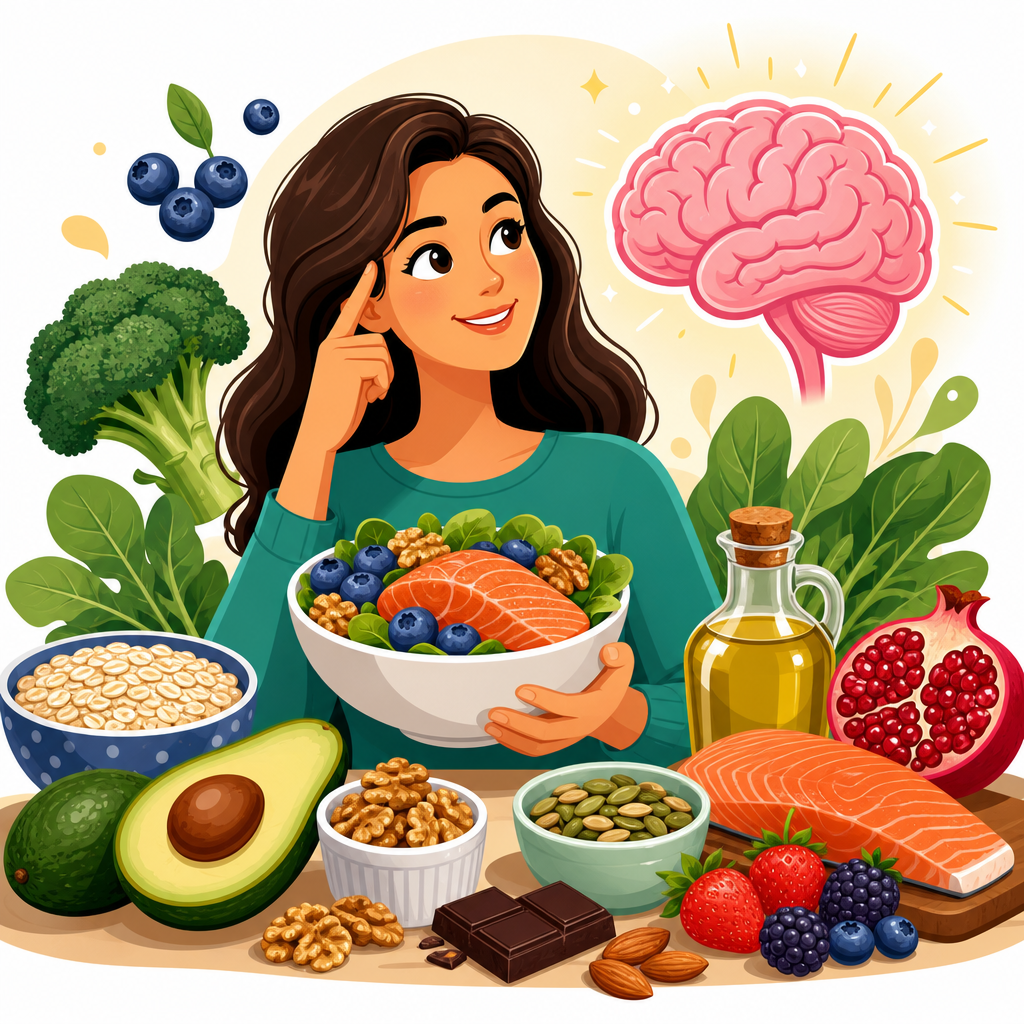
Fruits, vegetables, nuts, seeds, and whole grains should not be treated as side notes. They help supply magnesium, potassium, antioxidants, and polyphenols that support tissue health and reduce the nutritional monotony that leads to gaps. Extra virgin olive oil, nuts, avocado, and seeds provide fats that fit a balanced anti-inflammatory dietary pattern. In real meal planning, the goal is not a perfect list but consistent combinations people will actually eat.
| Food | Key Nutrients | Main Benefit for Bones and Joints |
|---|---|---|
| Greek yogurt | Protein, calcium, phosphorus | Supports bone matrix and daily calcium intake |
| Fortified soy milk | Calcium, vitamin D, protein | Useful dairy alternative for bone maintenance |
| Canned salmon with bones | Calcium, vitamin D, protein, omega-3s | Helps bone density and joint inflammation balance |
| Kale and bok choy | Vitamin K, vitamin C, calcium | Supports bone mineralization and collagen formation |
| Beans and lentils | Protein, magnesium, potassium | Support bone structure and muscle-assisted joint stability |
| Chia seeds and walnuts | Omega-3 fats, magnesium | Contribute to connective tissue and inflammatory control |
Common Dietary Risks That Weaken Bones and Stress Joints
Several habits quietly work against musculoskeletal health. The first is chronically low energy intake. People trying to lose weight too aggressively often cut calories so far that they reduce protein, calcium, and micronutrient intake at the same time. In athletes and highly active adults, this can contribute to hormonal disruption, stress fractures, poor recovery, and lingering joint pain. The second risk is high intake of ultra-processed foods that displace more nutrient-dense options. These patterns often come with excess sodium, low potassium, and inadequate magnesium, fiber, and protein.
Excess alcohol is another concern because it can impair bone formation, increase fall risk, and worsen diet quality overall. Smoking also harms bone health by affecting blood flow, hormones, and bone remodeling. High sodium diets may increase urinary calcium losses, especially when calcium intake is already low. Large amounts of cola-type soft drinks are sometimes associated with poorer bone outcomes, likely because they replace milk or fortified alternatives rather than because they are uniquely toxic. The bigger issue is displacement of better foods.
For joints, carrying excess body weight increases mechanical load, particularly on the knees and hips. Nutrition matters here not only for nutrient sufficiency but also for body composition management. Even modest weight loss in people with knee osteoarthritis can reduce pain and improve function because every step places substantial force through the joint. At the same time, crash diets are counterproductive if they accelerate muscle loss, since strong muscles help protect joints. Sustainable weight management paired with adequate protein and resistance training is the more effective long-term approach.
How Needs Change by Age, Activity, and Health Status
Children and adolescents need enough calcium, vitamin D, protein, and total energy to build peak bone mass, which becomes a major determinant of fracture risk later in life. This makes adolescence a window of opportunity, not a period to normalize meal skipping. Adults in their twenties through forties need maintenance habits that survive real life: regular meals, strength training, and reliable sources of calcium and protein. For women, perimenopause and menopause are important transition points because falling estrogen accelerates bone loss, making nutrition and resistance exercise especially important.
Older adults face additional challenges: reduced appetite, less efficient protein use, lower sun exposure, medication interactions, dental issues, and higher risk of falls. In practice, they often benefit from more intentional meal planning, protein-rich snacks, and vitamin D assessment. People following vegan diets can absolutely support strong bones and joints, but the plan has to be deliberate. Fortified foods, calcium-set tofu, legumes, soy milk, nuts, seeds, and in many cases vitamin D or B12 supplementation become important pieces.
Athletes and manual workers place greater repetitive stress on joints and bones, so under-fueling is a common hidden problem. Runners with low energy availability, for example, may present with recurrent bone stress injuries despite appearing otherwise fit. People with inflammatory joint diseases such as rheumatoid arthritis may have higher protein needs, altered appetite, medication-related side effects, and periods of fatigue that complicate food preparation. There is no single bone and joint diet for everyone, but there are clear principles that can be adapted safely and effectively.
Building a Daily Eating Pattern That Supports Lifelong Mobility
The most effective approach is to build meals around a repeating structure. Start with a protein source at each meal, add a calcium-rich food two or three times daily, include colorful produce for vitamin C and potassium, and use healthy fats such as olive oil, nuts, seeds, or fish. A simple day might include Greek yogurt with berries and chia at breakfast, a salmon grain bowl with kale at lunch, and tofu stir-fry with bok choy and brown rice at dinner. Snacks could include fortified soy milk, cottage cheese, almonds, or fruit with kefir.
Hydration, meal timing, and physical activity complete the picture. Water supports overall tissue function, and regular meals make it easier to reach nutrient targets without overeating at night. Weight-bearing exercise and resistance training are essential partners to nutrition because bones strengthen in response to load, and muscles protect joints by improving alignment and force distribution. If someone has persistent joint pain, digestive disease, a fracture history, or suspected vitamin D deficiency, personalized advice from a registered dietitian or physician is worth pursuing. Strong bones and comfortable joints are built through daily choices, not quick fixes. Review your meals this week, identify the missing nutrients, and make one practical upgrade that you can repeat consistently.
Frequently Asked Questions
Why is nutrition so important for maintaining strong bones and healthy joints?
Nutrition plays a central role in bone and joint health because these structures are constantly being maintained, repaired, and rebuilt by the body. Bones are not static; they are living tissue that go through a lifelong remodeling process in which old bone is broken down and new bone is formed. To do that well, the body needs a steady supply of key nutrients such as calcium, vitamin D, protein, magnesium, phosphorus, and vitamin K. If those nutrients are lacking, bone density can gradually decline, making bones weaker and more vulnerable to fractures over time.
Joints also depend on good nutrition, although in a slightly different way. Healthy joints rely on cartilage to cushion movement, synovial fluid to lubricate the joint space, strong ligaments and tendons to stabilize motion, and surrounding muscles to absorb impact and reduce strain. Nutrient-dense foods help support all of these tissues while also helping regulate inflammation, which is a major factor in joint stiffness, discomfort, and long-term wear. In simple terms, the quality of your diet affects how well your body can preserve mobility, strength, and comfort. That is why nutrition for strong bones and joints is not just helpful, but essential for a truly balanced diet.
Which nutrients are most important for bone density, cartilage support, and joint function?
Several nutrients work together to protect bones and joints, and each one contributes in a specific way. Calcium is one of the most well-known because it provides structural strength to bones and teeth. Vitamin D is equally important because it helps the body absorb and use calcium effectively. Without enough vitamin D, even a calcium-rich diet may not fully support bone health. Magnesium and phosphorus also contribute to bone structure, while vitamin K helps with bone metabolism and the proteins involved in mineralization.
Protein is another major piece of the puzzle. It supports muscle mass, helps maintain connective tissues, and provides the building blocks needed for repair and recovery. Strong muscles are especially important for joint protection because they reduce excess stress on the knees, hips, spine, and other weight-bearing areas. For joint health specifically, nutrients with anti-inflammatory and tissue-supportive roles matter as well. Omega-3 fatty acids may help support a healthier inflammatory response, while vitamin C is important for collagen production, which is a key component of cartilage, tendons, and ligaments. A balanced diet that includes dairy or fortified alternatives, leafy greens, fish, eggs, beans, nuts, seeds, fruits, and lean proteins can help deliver the broad nutrient mix bones and joints need to stay resilient.
What can happen if your diet does not provide enough support for bones and joints?
When nutrition is inadequate, the effects may build slowly and go unnoticed at first, but the long-term consequences can be significant. If the body does not get enough calcium, vitamin D, protein, and other supportive nutrients, it may struggle to maintain bone density. Over time, that can contribute to weaker bones, greater fragility, and a higher risk of fractures. This is especially important as people age, because natural bone loss tends to increase later in life, making nutritional support even more critical.
Joint health can also suffer when the diet consistently falls short. Poor nutrition may reduce the body’s ability to maintain cartilage, repair connective tissue, and manage inflammation effectively. That can lead to increased stiffness, discomfort, slower recovery after physical activity, and reduced ease of movement. A low-quality diet may also contribute indirectly by promoting excess body weight, which increases pressure on major joints such as the knees, hips, and lower back. In other words, insufficient nutrition does not just affect one part of the musculoskeletal system; it can weaken the entire support network that helps the body move, stay stable, and remain active with confidence.
Can a balanced diet really help prevent mobility issues as you age?
Yes, a balanced diet can make a meaningful difference in how well the body maintains mobility over time. Aging naturally brings changes in bone density, muscle mass, cartilage resilience, and recovery capacity, but nutrition helps influence how severe or manageable those changes become. Diets rich in bone-supporting minerals, quality protein, healthy fats, and antioxidant-rich fruits and vegetables can help the body preserve the structures needed for movement. This includes not only bones and joints themselves, but also the muscles and connective tissues that support posture, stability, coordination, and shock absorption.
Good nutrition also helps reduce some of the cumulative stress that contributes to mobility decline. For example, anti-inflammatory eating patterns that include fish, olive oil, nuts, seeds, vegetables, and whole foods may help support joint comfort. Adequate protein intake can help limit age-related muscle loss, which is crucial because weaker muscles often lead to reduced balance and greater joint strain. Combined with regular physical activity, strength training, and healthy lifestyle habits, a balanced diet becomes one of the most practical long-term strategies for protecting independence, movement quality, and overall physical function as the years go on.
What are the best everyday foods to include in a diet for strong bones and joints?
The best foods for bones and joints are those that consistently provide a wide range of supportive nutrients rather than just focusing on one vitamin or mineral. Dairy products such as milk, yogurt, and cheese are common sources of calcium and protein, while fortified plant-based milks can be useful alternatives. Fatty fish like salmon and sardines provide vitamin D, protein, and omega-3 fatty acids, making them especially valuable for both bone and joint support. Leafy greens such as kale, bok choy, and collards can contribute calcium, magnesium, and vitamin K, while eggs, beans, lentils, tofu, nuts, and seeds help round out protein and mineral intake.
Fruits and vegetables also deserve a major place in the diet because they provide antioxidants and vitamin C, which support collagen formation and help protect tissues from oxidative stress. Berries, citrus fruits, peppers, tomatoes, and broccoli are especially useful choices. Whole grains, legumes, and healthy fats from foods like olive oil, walnuts, and flaxseeds can also support overall inflammatory balance and metabolic health. The most effective approach is not relying on a single “superfood,” but building regular meals around variety, nutrient density, and consistency. Over time, those everyday food choices create the foundation the body needs to maintain strong bones, flexible joints, and lasting mobility.