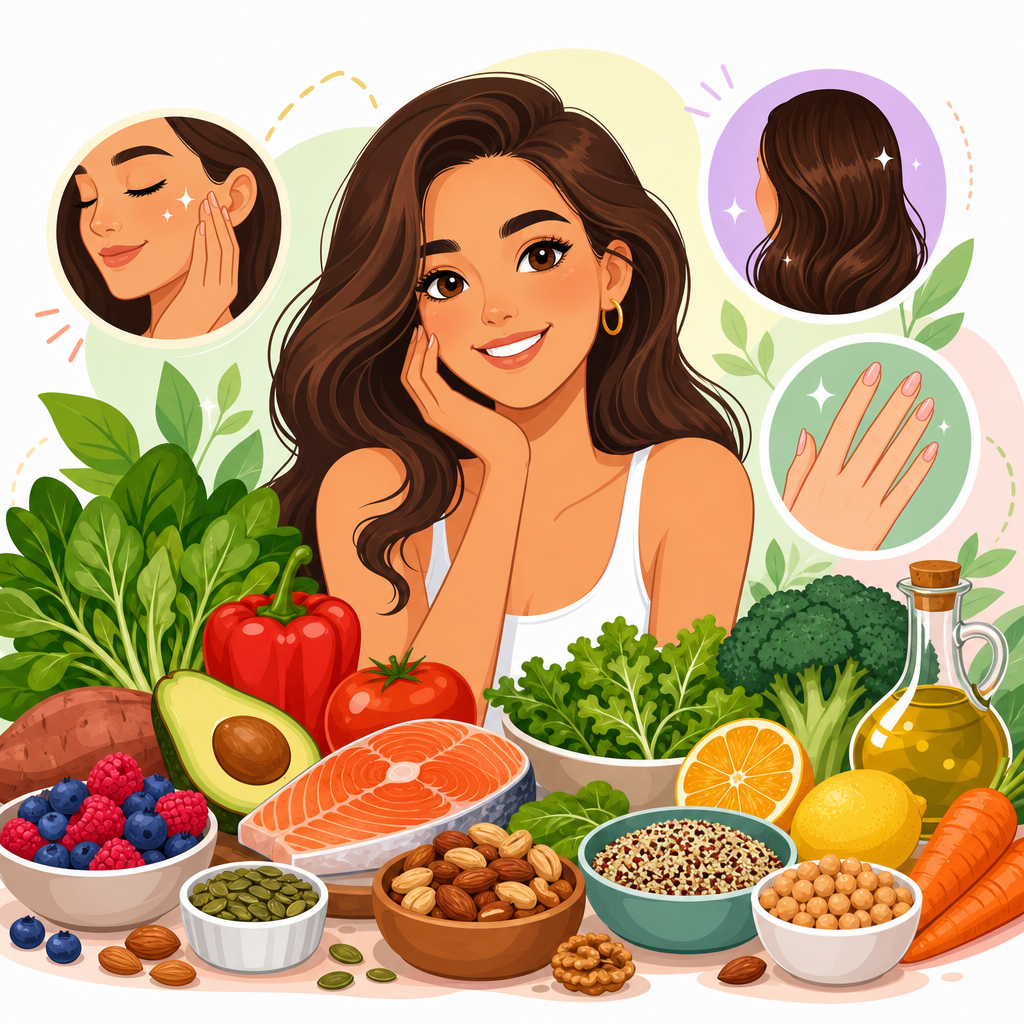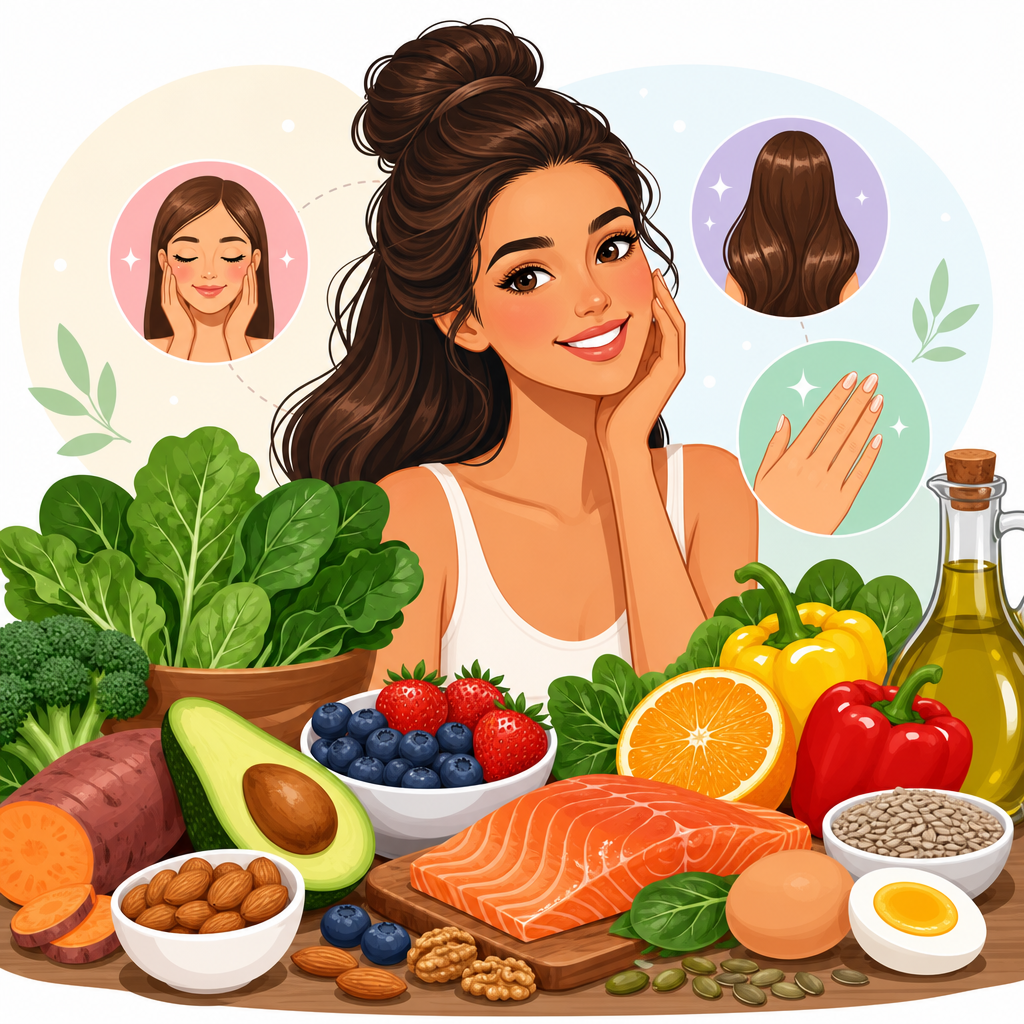
Foods for skin, hair, and nail health play a meaningful role in a healthy diet because these tissues are built, repaired, and protected by nutrients you eat every day. Skin is the body’s largest organ and serves as a barrier against water loss, pathogens, and ultraviolet damage. Hair and nails are made largely of keratin, a structural protein that depends on adequate protein, minerals, essential fats, and vitamins for normal growth. When intake is poor, the effects often show up quickly as dry skin, slow wound healing, brittle nails, excess shedding, or dull hair texture.
In practice, no single “beauty food” transforms appearance on its own. What matters is a consistent dietary pattern that supplies protein, vitamin C, vitamin A, vitamin E, zinc, iron, selenium, biotin, omega-3 fats, and enough total calories. Hydration also matters because water supports circulation and skin function, though drinking excess water will not override nutrient deficiencies or sun damage. The most useful way to think about foods for skin, hair, and nail health is as part of overall nutrition for health and wellness: balanced meals, minimally processed staples, and targeted attention to nutrients that commonly run low.
This topic matters because the skin, hair, and nails can reveal nutritional status before more serious problems are noticed. In clinical nutrition and food planning, I have repeatedly seen restrictive diets, chronic under-eating, and poorly managed vegan or weight-loss plans contribute to thinning hair, splitting nails, and irritated skin. At the same time, people are often misled by supplements marketed for glow or growth, even when the stronger evidence supports basic foods first. A hub article should therefore answer the practical questions clearly: which nutrients matter most, which foods provide them, how meal patterns influence appearance, and where food helps more than pills.
Why diet shows up in skin, hair, and nails
Skin, hair, and nails are metabolically active tissues with constant turnover. The outer skin barrier depends on lipids, proteins, antioxidants, and vitamin-dependent cell signaling. Hair follicles cycle through growth, transition, and shedding phases, and they are sensitive to calorie restriction, low protein intake, iron deficiency, illness, and stress. Nails grow more slowly, but they still need amino acids, iron, zinc, and healthy circulation. Because these tissues are not essential for short-term survival, the body prioritizes nutrients for organs and vital processes first. That is why shortages often become visible in appearance-related tissues.
Protein is foundational. Keratin requires enough essential amino acids, especially when the body is repairing tissue after illness, training, or pregnancy. Vitamin C supports collagen synthesis, which affects skin structure and wound healing. Zinc is involved in cell division and repair, while iron helps deliver oxygen to rapidly growing tissues, including hair follicles. Omega-3 fatty acids help regulate inflammation and support the skin barrier. Vitamins A and E contribute to skin maintenance and antioxidant defense, but excessive supplemental vitamin A can actually worsen hair loss, which is one reason food-based intake is safer for most adults.
It is also important to separate correlation from causation. Oily skin is not caused simply by eating one “bad” food, and dry hair is not fixed by one smoothie. Acne has links to genetics, hormones, inflammation, and in some people high glycemic load or dairy intake, especially skim milk, but responses vary. Eczema and psoriasis involve immune and barrier dysfunction, and diet may support management without replacing medical care. A healthy diet improves the building blocks and protective systems that these tissues rely on; it does not erase every dermatologic condition.
Key nutrients and the best foods that provide them
The most effective foods for skin, hair, and nail health combine several helpful nutrients instead of supplying only one. Fatty fish such as salmon, sardines, trout, and mackerel are among the strongest examples because they provide complete protein, omega-3 fats, selenium, and in some cases vitamin D. Eggs offer protein, biotin, selenium, iodine, and choline. Greek yogurt, kefir, and cottage cheese add protein and minerals, while legumes contribute protein, iron, and zinc, especially when paired with vitamin C foods to improve plant iron absorption.
Colorful produce matters because carotenoids and polyphenols help defend against oxidative stress created by ultraviolet exposure and normal metabolism. Citrus, kiwi, strawberries, bell peppers, and broccoli are excellent vitamin C sources. Sweet potatoes, carrots, spinach, and kale provide beta-carotene, which the body can convert to vitamin A as needed. Avocados, almonds, sunflower seeds, and wheat germ supply vitamin E and healthy fats. Oysters are especially rich in zinc, while beef, pumpkin seeds, lentils, and tofu can also contribute meaningful amounts. Brazil nuts provide selenium, though portion control matters because intake can become excessive.
| Nutrient | Why it matters | Food sources | Practical note |
|---|---|---|---|
| Protein | Builds keratin and collagen-related structures | Fish, eggs, yogurt, poultry, tofu, beans | Include 20 to 30 grams at meals for coverage |
| Vitamin C | Supports collagen synthesis and antioxidant defense | Citrus, berries, kiwi, peppers, broccoli | Needed regularly because body stores are limited |
| Iron | Supports oxygen delivery to hair follicles and tissues | Beef, lentils, spinach, fortified cereals, clams | Pair plant sources with vitamin C for better absorption |
| Zinc | Helps cell growth, repair, and immune function | Oysters, beef, pumpkin seeds, chickpeas | Low intake can affect skin healing and hair |
| Omega-3 fats | Support skin barrier and inflammatory balance | Salmon, sardines, trout, walnuts, chia | Fish sources provide EPA and DHA directly |
| Biotin | Supports energy metabolism and keratin infrastructure | Eggs, nuts, seeds, legumes, salmon | True deficiency is uncommon in balanced diets |
Whole grains and nuts deserve more attention in this conversation. Oats, quinoa, brown rice, and fortified whole grain cereals can add B vitamins, iron, and energy needed to support normal growth cycles. Walnuts, chia seeds, flaxseed, and pumpkin seeds contribute fats, minerals, and plant compounds that complement higher-protein foods. In real meal planning, it is the combination that works: salmon with quinoa and roasted peppers, lentil soup with spinach and lemon, or eggs with avocado and fruit. These patterns consistently outperform isolated “superfoods.”
How meal patterns influence appearance and tissue repair
Meal structure is as important as food selection. Very low-calorie diets, prolonged fasting without adequate intake, and crash dieting commonly trigger telogen effluvium, a form of diffuse hair shedding that can appear two to three months after a stressor. I have seen this most often after rapid weight loss, post-illness recovery, and elimination diets that cut protein and iron-rich foods too aggressively. The body interprets inadequate energy as a stress state and diverts resources away from hair growth. Skin can become dry and nails more fragile for similar reasons.
Steady intake across the day supports better nutrient delivery. A practical framework is to build meals around protein first, then add colorful produce, healthy fats, and high-fiber carbohydrates. Breakfast could be Greek yogurt with berries, chia, and walnuts. Lunch might be a grain bowl with chicken or edamame, mixed greens, pumpkin seeds, and citrus vinaigrette. Dinner could be sardines or salmon with potatoes and broccoli. Snacks such as kefir, hummus with peppers, or cottage cheese with fruit can close common gaps in protein, calcium, vitamin C, or zinc.
Blood sugar management also affects the skin environment. Diets dominated by refined grains, sugar-sweetened beverages, and frequent sweets can raise glycemic load, increasing insulin and insulin-like growth factor signaling, which may aggravate acne in susceptible people. This does not mean carbohydrates are harmful. It means carbohydrate quality matters. Beans, oats, fruit, and intact grains support steadier glucose control and deliver fiber, which may help reduce inflammatory stress. For readers exploring broader nutrition for health and wellness, this is where skin goals align closely with metabolic health goals.
Hydration, gut health, and the limits of food
Hydration supports skin function, circulation, and overall health, but it is often oversimplified. If you are mildly dehydrated, skin can look less plump and the barrier may function less efficiently. Correcting that helps. However, drinking large amounts of water will not “detox” skin or cure brittle nails caused by low iron or protein. Fluids should come from water, milk, tea, soups, and high-water foods such as fruit and vegetables. Most adults do well by drinking regularly across the day and adjusting for heat, exercise, pregnancy, and illness.
Gut health has become a popular explanation for every skin concern, but the evidence is mixed and condition-specific. There is credible interest in the gut-skin axis because microbes, fermentation products, and immune signaling can influence inflammation. Fermented foods such as yogurt, kefir, kimchi, and sauerkraut may support digestive health, and fiber from legumes, oats, vegetables, fruit, nuts, and seeds helps feed beneficial bacteria. Still, these foods should be viewed as supportive, not magical. For acne, rosacea, eczema, or psoriasis, response varies and medical treatment may still be necessary.
Food also has limits when symptoms are severe or persistent. Sudden hair loss, spoon-shaped nails, painful cracking at the mouth, widespread rash, or wounds that heal poorly can signal iron deficiency, zinc deficiency, thyroid disease, autoimmune conditions, medication effects, or other health issues. In those cases, labs and clinical evaluation matter more than another supplement bottle. Good nutrition is essential, but it works best alongside diagnosis, sun protection, gentle skin care, and realistic expectations about growth timelines. Hair grows slowly, nails grow slowly, and tissue repair takes weeks to months.
Common mistakes, smart substitutions, and when supplements help
The biggest dietary mistake I see is chasing a single nutrient while ignoring the full pattern. People buy biotin gummies yet eat too little protein, skip meals, and rarely consume iron-rich foods. Others avoid all fats and then wonder why skin feels dry and irritated. Another common error is over-restricting dairy, eggs, legumes, or grains without replacing the nutrients they supplied. If a food is removed for ethical, digestive, or allergy reasons, the replacement plan must be deliberate. Otherwise, hair, nails, and skin often reflect the gap within a few months.
Smart substitutions solve most problems. If you do not eat fish, use eggs, tofu, edamame, chia, flax, walnuts, and consider an algae-based DHA and EPA supplement. If red meat is limited, rely on lentils, beans, tofu, fortified cereal, pumpkin seeds, and pair them with peppers, kiwi, or oranges for vitamin C. If dairy is excluded, choose fortified soy milk or yogurt with comparable protein and calcium rather than lower-protein alternatives. For busy households, canned salmon, sardines, frozen berries, eggs, nuts, and microwaveable grains make nutrient-dense eating realistic and affordable.
Supplements can help, but only when they fit the problem. Iron should be used when deficiency is confirmed or strongly suspected with professional guidance because excess iron is harmful and gastrointestinal side effects are common. Zinc can support deficiency correction, but chronic high doses can impair copper status. Biotin supplements are widely marketed, yet true deficiency is rare and high-dose biotin can interfere with some laboratory tests, including thyroid and cardiac markers. A food-first plan, supported by targeted testing when symptoms persist, is the most reliable path. Review your meals, identify gaps, and build this subtopic into your daily routine.
Frequently Asked Questions
How do foods for skin, hair, and nail health support the body in a healthy diet?
Foods for skin, hair, and nail health matter because these tissues are constantly being renewed and repaired, and that process depends on a steady supply of nutrients from the diet. Skin acts as the body’s protective outer barrier, helping control water loss and defend against environmental stressors such as pollution, pathogens, and ultraviolet exposure. Hair and nails are made primarily of keratin, a structural protein that requires enough dietary protein, along with vitamins, minerals, and healthy fats, for normal growth and resilience. When overall nutrition is balanced, the body is better able to maintain skin hydration, support collagen formation, reduce excessive oxidative stress, and sustain healthy hair and nail structure.
In practical terms, a healthy diet that includes protein-rich foods, fruits, vegetables, nuts, seeds, legumes, seafood, eggs, and healthy fats helps provide the building blocks these tissues need. Nutrients such as vitamin C support collagen production, vitamin A supports normal skin cell turnover, zinc helps with tissue repair, biotin and other B vitamins contribute to normal energy metabolism and growth processes, and omega-3 fats help support the skin barrier. Rather than one “beauty food” transforming appearance overnight, long-term eating patterns are what make the biggest difference. Consistent, varied nutrition is what helps skin look healthier, hair grow more normally, and nails remain stronger over time.
What nutrients are most important for healthy skin, hair, and nails?
Several nutrients work together to support skin, hair, and nail health, and each has a distinct role. Protein is one of the most important because hair and nails are built largely from keratin, and skin also relies on amino acids for repair and structure. Vitamin C is essential for collagen synthesis, which supports skin strength and integrity. Healthy fats, especially omega-3 fatty acids, help support the skin barrier and may contribute to better moisture retention. Zinc plays a role in tissue repair, immune function, and normal cell growth, while iron is important because low iron status can contribute to hair shedding and brittle nails in some people. Vitamins A and E also support skin health, though balance matters, especially with vitamin A, because excessive intake from supplements can be harmful.
B vitamins are another important group, especially biotin, niacin, B6, B12, and folate, because they help support normal cell metabolism and growth. Selenium contributes antioxidant support, and copper plays a role in connective tissue and pigmentation. Hydration also deserves mention, since adequate fluid intake supports overall skin function even though drinking extra water alone is not a cure-all for dryness. The key point is that no single nutrient works in isolation. Skin, hair, and nail health depend on an overall nutrient-dense diet that consistently provides enough energy, protein, micronutrients, and essential fats to support ongoing renewal and repair.
Which foods are best to include regularly for stronger hair, healthier skin, and better nails?
The best foods are those that provide a combination of protein, antioxidants, vitamins, minerals, and healthy fats. Eggs are a strong choice because they provide high-quality protein along with biotin and other nutrients involved in growth and repair. Fatty fish such as salmon, sardines, and trout supply protein plus omega-3 fatty acids that support the skin barrier. Greek yogurt, cottage cheese, chicken, turkey, tofu, tempeh, beans, and lentils can also help meet protein needs. For vitamin C, fruits and vegetables such as berries, oranges, kiwi, bell peppers, broccoli, and tomatoes are especially useful because they support collagen formation and antioxidant protection.
Nuts and seeds, including almonds, walnuts, sunflower seeds, chia seeds, and flaxseeds, contribute vitamin E, healthy fats, and trace minerals. Leafy greens provide folate, carotenoids, and other protective compounds, while sweet potatoes and carrots offer beta-carotene, which the body can convert to vitamin A as needed. Oysters, red meat in moderate amounts, pumpkin seeds, and legumes can help provide zinc and iron, depending on dietary pattern and individual needs. Avocados and olive oil are also valuable for healthy fats. The most effective approach is to build meals around variety: a protein source, colorful produce, whole grains or legumes, and a healthy fat. That combination supports not just appearance, but the underlying structure and function of skin, hair, and nails.
Can poor nutrition show up quickly in skin, hair, and nails?
Yes, these tissues are often among the first places where nutritional gaps become noticeable, especially if intake is poor for an extended period or if there is rapid weight loss, restrictive dieting, illness, or malabsorption. Because skin cells turn over continuously and hair follicles are metabolically active, the body needs regular access to energy, protein, and micronutrients to maintain normal growth and repair. When that support is lacking, people may notice dry or dull-looking skin, slower wound healing, increased hair shedding, thinning hair, brittle nails, ridging, or nails that split more easily. In some cases, low intake of iron, zinc, protein, essential fats, or certain B vitamins may contribute to these changes.
That said, changes in skin, hair, and nails are not always caused by diet alone. Hormones, genetics, stress, thyroid disorders, aging, medications, skin conditions, and grooming habits can all affect how these tissues look and feel. For example, frequent heat styling, harsh hair treatments, over-washing, excessive sun exposure, or repeated contact with water and cleaning agents can worsen fragility regardless of diet quality. If symptoms are sudden, severe, or persistent, it is smart to consider medical evaluation rather than assuming food is the only issue. Nutrition is foundational, but it works best when viewed alongside overall health, lifestyle, and any underlying conditions.
Are supplements necessary for skin, hair, and nail health, or is food usually enough?
For most people, food should be the first strategy and is often enough when the diet is well balanced. Whole foods provide nutrients in combinations that are naturally supportive and often easier to use as part of a sustainable routine. They also bring fiber, antioxidants, phytonutrients, and healthy fats that supplements do not fully replicate. If someone regularly eats enough protein, includes a range of fruits and vegetables, gets healthy fats, and meets needs for minerals like iron and zinc, they may already be giving their skin, hair, and nails what they need. Results from diet also tend to be more realistic and steady, since healthy appearance usually reflects long-term nourishment rather than a quick fix.
Supplements can be helpful in specific situations, such as diagnosed deficiencies, increased nutrient needs, limited diets, malabsorption, or guidance from a healthcare professional. However, more is not always better. High-dose supplements marketed for hair, skin, and nails can be unnecessary, expensive, and sometimes counterproductive. For example, too much vitamin A can contribute to hair loss and other health problems, and excess biotin can interfere with certain lab tests. If someone suspects a deficiency or is experiencing significant hair thinning, nail changes, or skin issues, it is better to identify the root cause than to rely on a generic supplement. In most cases, a food-first, nutrient-dense eating pattern is the safest and most effective foundation for supporting skin, hair, and nail health in a healthy diet.