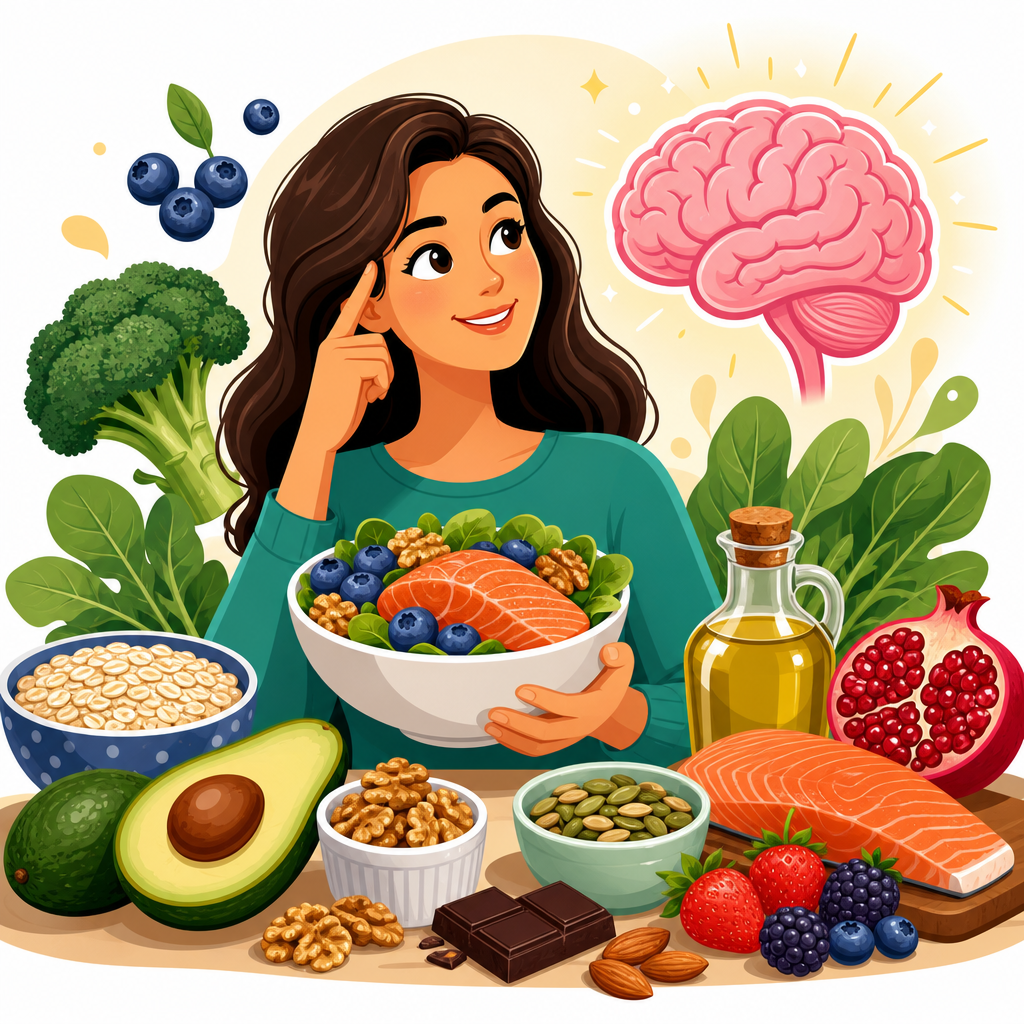
Brain-boosting foods for cognitive function do more than support memory and focus; they influence mood, energy regulation, sleep quality, resilience to stress, and long-term health across the whole body. Cognitive function refers to the mental processes used to learn, pay attention, solve problems, recall information, regulate emotions, and make decisions. When people search for foods that help the brain, they are usually asking a bigger question: what should I eat to think clearly today and protect my mind over time? After years of working with nutrition content, reviewing dietary patterns, and translating clinical guidance into practical meal advice, I have found that the best answer is not a single “superfood.” It is a repeatable eating pattern built around nutrient-dense foods that support the brain’s structure, blood supply, signaling systems, and inflammatory balance.
The brain is metabolically expensive. Although it represents only about 2 percent of body weight, it uses roughly 20 percent of the body’s energy at rest. It depends on a continuous supply of glucose, oxygen, essential fats, amino acids, vitamins, minerals, and water. Brain cells communicate through neurotransmitters, electrical impulses, and membrane activity, all of which rely on nutrition. Omega-3 fats help maintain neuronal membranes. B vitamins help with methylation and neurotransmitter synthesis. Iron carries oxygen. Magnesium supports nerve signaling. Polyphenols from berries, cocoa, tea, and colorful plants help moderate oxidative stress. Protein provides amino acids such as tyrosine and tryptophan, which are involved in dopamine and serotonin production. Even mild dehydration can impair attention and reaction time.
Why does this matter for overall well-being? Because cognitive health is tightly connected to daily functioning. If your diet leaves you foggy, irritable, or unfocused, work quality drops, exercise feels harder, sleep often suffers, and stress becomes more difficult to manage. Over the long term, dietary patterns associated with cardiovascular and metabolic health are also associated with better brain aging. That is why brain-boosting foods for cognitive function belong inside a broader nutrition for health and wellness strategy. This hub explains which foods matter most, how they work, what evidence supports them, and how to build meals that nourish both your mind and the rest of your body.
What brain-boosting foods actually do inside the body
Brain-boosting foods for cognitive function support four core systems. First, they improve cerebral blood flow, which helps deliver oxygen and nutrients to brain tissue. Foods rich in nitrates, flavanols, and unsaturated fats can contribute here. Second, they provide structural materials for neurons. Docosahexaenoic acid, or DHA, is a major omega-3 fat in brain cell membranes and is especially important for membrane fluidity and signaling. Third, they support neurotransmitter production and energy metabolism. B vitamins, choline, iron, zinc, and protein all play central roles. Fourth, they help regulate inflammation and oxidative stress, both of which are linked to cognitive decline when chronically elevated.
In practice, people often feel these effects less as a dramatic “brain boost” and more as steadier mental performance. I see this most clearly when someone moves from skipped breakfasts, sugary snacks, and low fluid intake to balanced meals with protein, fiber, healthy fat, and colorful produce. Within days or weeks, they usually report fewer afternoon crashes, better concentration, and more stable mood. The mechanism is straightforward: steadier blood sugar, improved satiety, better micronutrient coverage, and lower reliance on stimulants to compensate for poor eating patterns.
Top foods linked to better memory, focus, and mental performance
The strongest dietary pattern for brain health is not based on isolated supplements. It is based on recurring foods with well-studied nutrients. Fatty fish such as salmon, sardines, trout, herring, and mackerel are among the most valuable because they provide EPA and DHA. Eggs contribute choline, vitamin B12, selenium, and protein. Berries offer anthocyanins and other polyphenols linked with antioxidant and vascular benefits. Leafy greens supply folate, vitamin K, lutein, and nitrates. Nuts and seeds provide vitamin E, magnesium, plant omega-3s, and healthy fats. Legumes add fiber, iron, magnesium, and slow-digesting carbohydrate. Extra-virgin olive oil contributes monounsaturated fat and phenolic compounds. Fermented foods support the gut environment, which is increasingly recognized as relevant to mood and cognition.
Whole grains are often overlooked in conversations about brain-boosting foods for cognitive function, yet they are practical daily staples. Oats, quinoa, brown rice, and whole-grain bread provide glucose in a slower, steadier form than refined grains, helping maintain attention and energy. Cocoa with high flavanol content, green tea, and coffee can also be useful. Caffeine improves alertness in the short term, while tea and cocoa also deliver bioactive compounds that may support vascular function. The caveat is dosage and timing. Excess caffeine can worsen anxiety, disrupt sleep, and ultimately undermine cognitive performance the next day.
| Food | Key nutrients or compounds | Cognitive role | Everyday example |
|---|---|---|---|
| Salmon or sardines | DHA, EPA, vitamin D, protein | Supports neuronal membranes and inflammation balance | Grilled salmon with quinoa and greens |
| Blueberries | Anthocyanins, vitamin C, fiber | Helps protect cells from oxidative stress | Greek yogurt with berries and walnuts |
| Eggs | Choline, B12, protein, selenium | Supports acetylcholine production and satiety | Vegetable omelet with whole-grain toast |
| Spinach or kale | Folate, lutein, vitamin K, nitrates | Supports vascular and cellular function | Salad with olive oil and beans |
| Walnuts and pumpkin seeds | Vitamin E, magnesium, healthy fats, zinc | Supports nerve signaling and antioxidant defense | Trail mix for an afternoon snack |
| Oats | Fiber, magnesium, steady carbohydrate | Promotes stable energy and concentration | Oatmeal with chia and berries |
How brain nutrition shapes mood, stress, sleep, and energy
One reason this topic matters beyond memory is that the same foods influencing cognition often affect emotional well-being. The brain requires amino acids to make neurotransmitters, but it also depends on stable blood sugar to maintain consistent mental energy. Meals built around refined carbohydrates alone can cause rapid glucose spikes followed by dips that many people experience as irritability, shakiness, or fatigue. In contrast, a meal with protein, fiber, and healthy fat slows digestion and often leads to more even energy. That steadiness matters for patience, decision-making, and stress tolerance.
Micronutrients also shape mental state. Magnesium is involved in hundreds of enzymatic reactions and is relevant to nerve and muscle function. Iron deficiency can reduce concentration and increase fatigue even before anemia becomes severe. Vitamin B12 and folate help with red blood cell formation and neurological processes. Choline supports acetylcholine, a neurotransmitter important for memory and learning. Tryptophan-containing foods, when eaten as part of balanced meals, contribute to serotonin pathways, while omega-3 fats have been studied for their role in mood regulation. No single food treats depression or anxiety, but poor nutrition can absolutely make mood instability worse.
Sleep is another overlooked link. Heavy evening meals high in sugar and alcohol often impair sleep quality, while excessive caffeine after midday can delay sleep onset. Since sleep is when memory consolidation occurs and the brain performs critical restorative processes, nutrition and sleep quality interact continuously. Better brain nutrition does not replace sleep, movement, sunlight exposure, or medical care, but it strengthens all of them. When people improve breakfast quality, hydrate consistently, and reduce late-night ultra-processed snacking, I often see improvements not only in focus but in next-day motivation and emotional balance.
Diet patterns that support the brain over the long term
If someone asks for the best diet for cognitive function, the most evidence-supported answer is a Mediterranean-style pattern emphasizing vegetables, fruit, legumes, whole grains, fish, nuts, olive oil, and limited ultra-processed foods. Variations that place special emphasis on leafy greens and berries are also frequently discussed in brain health research. These patterns work because they combine healthy fats, fiber, antioxidants, minerals, and anti-inflammatory compounds while lowering reliance on excess sodium, added sugars, and industrially formulated snack foods. They are also realistic. Most households can adapt them without needing rare ingredients or expensive supplements.
Cardiovascular health is central to cognitive health. High blood pressure, type 2 diabetes, obesity, smoking, and elevated LDL cholesterol are all associated with increased risk of cognitive decline and stroke. That means many so-called brain foods help the brain indirectly by supporting blood vessels and metabolic function. Olive oil instead of trans fat, beans instead of processed meats, berries instead of pastries, and fish instead of fried fast food can improve more than one outcome at once. In public health terms, the same plate that supports heart health often supports brain health.
There are tradeoffs and exceptions. Some people need more individualized planning because of food allergies, pregnancy, renal disease, iron deficiency, gastrointestinal disorders, or cultural dietary needs. Supplements may be appropriate when intake is insufficient or blood tests confirm a deficiency. Vitamin B12 is a common concern for strict vegans, and DHA intake may be low without fish or algae-based sources. Still, for most people, the daily pattern matters far more than isolated pills. Nutrients in foods arrive in a matrix that includes fiber, fats, proteins, and phytochemicals working together.
How to build meals that improve cognitive function in real life
The easiest way to apply this is to build each meal around a few predictable elements: a quality protein, a high-fiber carbohydrate, a source of healthy fat, and at least one colorful plant food. Breakfast might be oatmeal topped with blueberries, chia seeds, and Greek yogurt. Lunch could be a lentil salad with spinach, olive oil, chopped vegetables, and a boiled egg. Dinner might be salmon, roasted sweet potatoes, and broccoli. Snacks can be as simple as walnuts with fruit, hummus with carrots, or plain yogurt with cocoa and berries. These combinations support satiety and mental steadiness far better than pastries, sugary drinks, or vending-machine snacks.
Hydration deserves equal attention. Even mild dehydration can impair concentration, headache threshold, and physical performance. Water should be the default beverage, with coffee and tea used strategically rather than continuously. For students and professionals, one practical rule is to pair caffeine with food rather than replacing food with caffeine. A coffee and nothing else may suppress appetite briefly, but it often leads to rebound hunger and poor decision-making later. A more effective choice is coffee alongside eggs and whole-grain toast, or tea with yogurt, fruit, and nuts.
Consistency matters more than perfection. The brain benefits from repeated exposure to supportive nutrients, not occasional bursts of “clean eating.” A person who eats vegetables, fish, legumes, nuts, and whole grains most days will usually do better than someone who buys expensive nootropic products but lives on takeout and five hours of sleep. Build defaults: keep frozen berries, canned beans, sardines, oats, olive oil, eggs, nuts, and leafy greens in regular rotation. Those staples make brain-boosting foods for cognitive function practical, affordable, and sustainable.
Common myths about brain foods and what to focus on instead
The biggest myth is that one miraculous food can override an unhealthy lifestyle. Blueberries are useful, but they cannot compensate for chronic sleep deprivation, heavy alcohol intake, inactivity, or severe nutrient gaps. Another myth is that “sugar feeds the brain,” so frequent sweets are helpful for concentration. The brain does use glucose, but it functions best when glucose delivery is steady, not when blood sugar swings wildly. A third myth is that supplements always work better than foods. In reality, many cognitive supplements have mixed evidence, inconsistent dosing, or poor quality control compared with whole-food patterns.
A smarter approach is to focus on fundamentals with the strongest return. Prioritize fish or other omega-3 sources, colorful plants, legumes, nuts, seeds, eggs, and whole grains. Minimize routine intake of ultra-processed foods that combine refined flour, added sugar, excess sodium, and low satiety. Pay attention to iron, B12, vitamin D, and hydration, especially if fatigue and brain fog are persistent. If symptoms are severe, sudden, or worsening, nutrition is only one piece of the picture; medical evaluation is essential because thyroid disease, sleep apnea, anemia, depression, medication effects, and neurological conditions can all affect cognition.
Brain-boosting foods for cognitive function matter because they help create the conditions for better thinking, steadier mood, healthier aging, and stronger day-to-day well-being. The best strategy is not chasing superfoods but building a repeatable dietary pattern rich in fish, eggs, leafy greens, berries, legumes, nuts, seeds, whole grains, olive oil, and adequate fluids. These foods support brain cells directly, improve vascular and metabolic health, and make it easier to sustain energy, sleep, and emotional balance. If you want one practical next step, start by upgrading one meal a day with protein, fiber, healthy fat, and color, then build from there.
Frequently Asked Questions
1. How do brain-boosting foods for cognitive function affect overall well-being, not just memory and focus?
Brain-boosting foods support much more than short-term concentration. The brain is constantly communicating with the rest of the body, so the foods that help cognitive function often influence mood, energy balance, sleep quality, stress response, and long-term health at the same time. Nutrients such as omega-3 fatty acids, B vitamins, magnesium, antioxidants, choline, and polyphenols help the brain produce neurotransmitters, protect cells from oxidative stress, and maintain healthy blood flow. These same processes also support the nervous system, heart health, metabolic stability, and immune function.
For example, when you eat foods that help keep blood sugar steady, such as oats, beans, nuts, seeds, and high-fiber vegetables, you are not only helping the brain maintain a reliable fuel supply for clearer thinking, but also reducing the energy crashes and irritability that can affect your day. Foods rich in healthy fats, like salmon, walnuts, flaxseeds, and olive oil, help build and protect brain cell membranes while also supporting cardiovascular health, which is essential because the brain relies on strong circulation. In practical terms, a diet that supports cognitive function often helps people feel more emotionally balanced, mentally resilient, and physically steady, which is why brain nutrition is so closely tied to overall well-being.
2. What are the best foods to eat for better cognitive function and whole-body health?
The best foods for cognitive function tend to be whole, nutrient-dense foods that reduce inflammation, support blood flow, and provide the raw materials the brain needs to function efficiently. Fatty fish such as salmon, sardines, trout, and mackerel are among the top choices because they provide omega-3 fats, especially DHA, which is a major structural component of the brain. Eggs are another excellent option because they contain choline, a nutrient involved in memory, learning, and neurotransmitter production. Berries, especially blueberries, strawberries, and blackberries, are rich in antioxidants and plant compounds that may help protect brain cells from damage and support healthy aging.
Leafy greens such as spinach, kale, and arugula offer folate, vitamin K, and antioxidants that are associated with brain and vascular health. Nuts and seeds, including walnuts, pumpkin seeds, chia seeds, and almonds, contribute healthy fats, magnesium, vitamin E, and trace minerals that support nerve signaling and stress regulation. Whole grains like oats, quinoa, and brown rice help provide steady glucose, which the brain depends on for energy. Fermented foods such as yogurt, kefir, kimchi, and sauerkraut may also play a role through the gut-brain connection, since gut health can influence mood, inflammation, and mental clarity. Rather than looking for one miracle food, it is more effective to build meals around a consistent pattern of these foods so the brain and body receive ongoing nutritional support.
3. Can brain-boosting foods improve mood, stress resilience, and sleep quality?
Yes, they can. Brain function is closely connected to emotional regulation and the body’s stress systems, so nutrition can have a meaningful impact on how calm, alert, and emotionally stable you feel. Certain foods provide the nutrients needed to make and regulate neurotransmitters such as serotonin, dopamine, and GABA, which influence mood, motivation, and relaxation. For example, foods rich in tryptophan, magnesium, B vitamins, and omega-3 fats can support more balanced nervous system function. This means that the same eating pattern that supports attention and memory may also help reduce the intensity of stress-related fatigue, mood swings, and mental fog.
Sleep is part of the same picture. Poor sleep often leads to worse concentration, weaker decision-making, and more emotional reactivity, while good nutrition can help break that cycle. Stable meals with fiber, protein, and healthy fats can help avoid late-day blood sugar swings that interfere with restful sleep. Magnesium-rich foods like pumpkin seeds, leafy greens, legumes, and almonds may support relaxation, while tart cherries, kiwi, and other nutrient-rich whole foods can fit into a sleep-supportive routine. It is important to remember that no single food acts like a sedative or anti-stress cure, but a consistent diet centered on brain-friendly foods can create the biological conditions for better sleep, steadier mood, and improved resilience over time.
4. How quickly can changes in diet impact cognitive function and mental clarity?
Some effects can be noticed relatively quickly, while others develop gradually. In the short term, meals that prevent dehydration and stabilize blood sugar can improve energy, attention, and mental clarity within hours. For instance, eating a balanced breakfast with protein, fiber, and healthy fats may help reduce brain fog and improve focus during the morning compared with skipping breakfast or relying on sugary foods alone. Staying hydrated also matters because even mild dehydration can affect concentration, memory, and mood.
Longer-term benefits usually take weeks to months of consistency. That is because structural and protective changes in the body, such as reduced inflammation, better vascular function, improved nutrient status, and more stable metabolic health, happen over time. If someone begins eating more fatty fish, colorful produce, whole grains, legumes, and nuts while cutting back on ultra-processed foods, they may gradually notice better sustained attention, fewer energy crashes, improved mood, and sharper thinking. The timeline varies depending on sleep, stress, physical activity, medical conditions, and overall diet quality, but the key point is that cognitive nutrition works best as a pattern, not a one-time fix. Regular habits matter more than occasional healthy meals.
5. What is the best way to build a daily diet around brain-boosting foods for cognitive function?
The most effective approach is to create meals that combine steady energy, anti-inflammatory nutrients, and a wide range of vitamins and minerals. A simple framework is to include a source of protein, a source of healthy fat, high-fiber carbohydrates, and colorful plant foods at most meals. For breakfast, that might mean eggs with spinach and whole-grain toast, or Greek yogurt with berries, chia seeds, and walnuts. For lunch and dinner, meals such as salmon with quinoa and roasted vegetables, lentil soup with a side salad and olive oil, or a grain bowl with beans, avocado, greens, and seeds can support both cognitive performance and general health.
Snacks can also reinforce this pattern when chosen strategically. Instead of reaching for foods that create a quick spike and crash, options like apple slices with almond butter, hummus with vegetables, trail mix with nuts and seeds, or plain yogurt with fruit can help maintain consistent energy and focus. It is also wise to limit foods that work against cognitive and overall well-being when eaten in excess, including heavily processed snacks, sugar-sweetened drinks, and meals high in refined carbohydrates and unhealthy fats. The goal is not perfection. It is building a sustainable eating pattern that helps you think clearly today while also supporting emotional balance, cardiovascular health, and healthy aging in the years ahead.