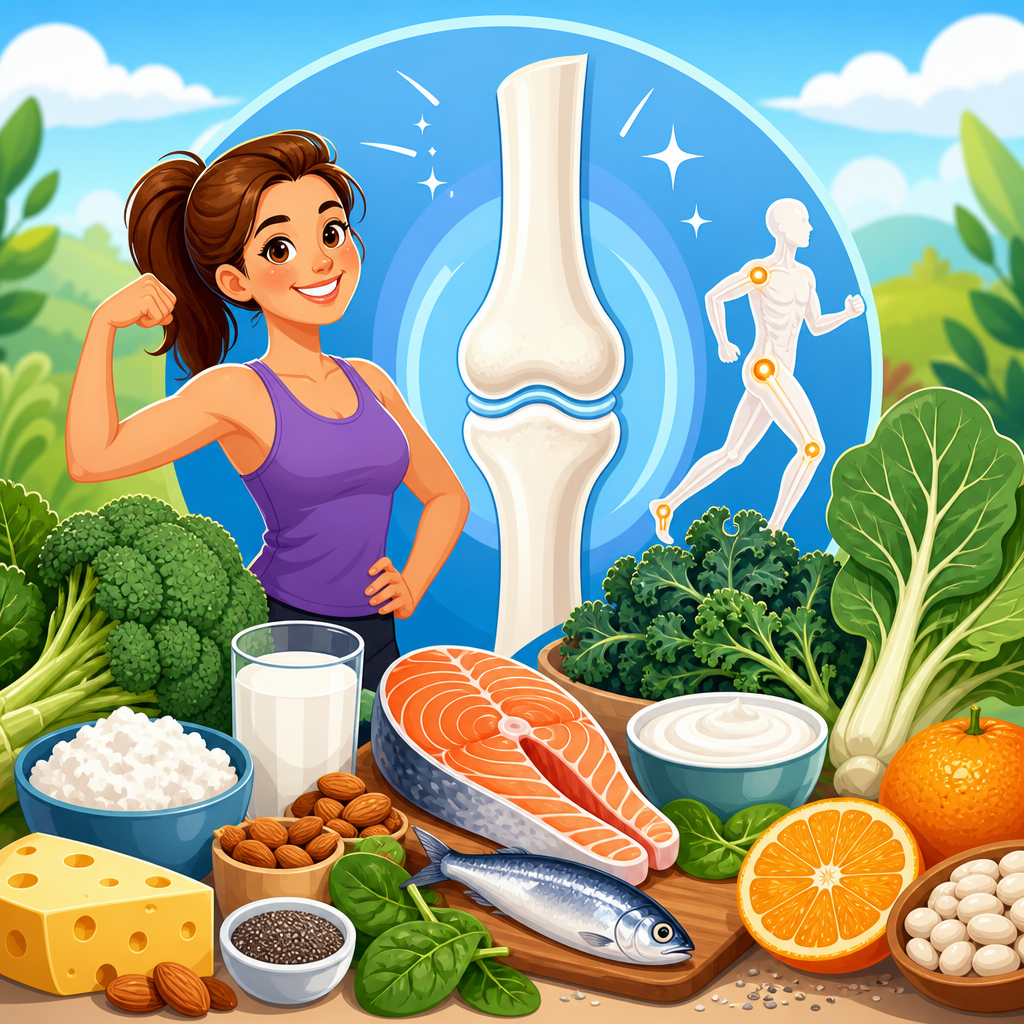
Strong bones and flexible joints depend on daily nutrition choices more than most people realize. When people think about skeletal health, they often focus only on calcium, but bone strength and joint resilience are built through a wider network of nutrients, habits, and long-term dietary patterns. Nutrition for strong bones and joints refers to the intake of foods and nutrients that support bone mineral density, cartilage maintenance, collagen formation, muscle function, and inflammation control. This matters across every life stage. Children need nutrient-dense foods to build peak bone mass. Adults need them to preserve structure, mobility, and recovery. Older adults need them to reduce the risk of osteoporosis, frailty, falls, and joint degeneration.
Bones are living tissue, constantly remodeled by osteoblasts that build bone and osteoclasts that break it down. Joints are equally dynamic. Cartilage, synovial fluid, ligaments, tendons, and surrounding muscle all respond to what you eat, how you move, and how well you recover. I have worked with nutrition planning around bone density concerns, sports recovery, and age-related joint stiffness, and one pattern is consistent: people who improve overall diet quality tend to support both bone health and joint comfort at the same time. A narrow supplement-first approach rarely works as well as a food-first strategy built on protein, minerals, vitamins, and anti-inflammatory compounds.
The most important nutrients for this topic include calcium, vitamin D, vitamin K, magnesium, phosphorus, protein, omega-3 fats, vitamin C, potassium, zinc, and manganese. Calcium provides raw material for bone mineralization. Vitamin D improves calcium absorption and helps regulate bone remodeling. Vitamin K supports proteins involved in directing calcium into bone. Magnesium helps with bone structure and vitamin D metabolism. Protein forms the matrix that mineralized bone is built upon and helps maintain the muscle that protects joints. Omega-3 fats may help reduce inflammatory signaling that can worsen joint discomfort. Vitamin C is essential for collagen synthesis, which matters for cartilage, ligaments, tendons, and bone matrix.
Food matters because nutrients rarely work in isolation. Dairy foods, fortified beverages, fish with edible bones, leafy greens, legumes, nuts, seeds, eggs, fruit, and high-quality proteins often deliver packages of complementary compounds that support absorption and tissue repair. A hub article on nutrition for strong bones and joints should answer the practical question most readers have: what should I actually eat, and why? The answer is not one superfood. It is a repeatable pattern of meals built from a few proven categories of foods.
Calcium-rich foods that form the foundation of bone health
Calcium is the best-known bone nutrient for a reason. About 99 percent of the body’s calcium is stored in bones and teeth, where it contributes to structural strength. If dietary intake is too low, the body pulls calcium from bone to maintain blood calcium levels needed for nerve signaling and muscle contraction. Over time, that can weaken skeletal integrity. Adults generally need around 1,000 milligrams per day, with many women over 50 and men over 70 needing 1,200 milligrams daily based on established recommendations.
Dairy remains one of the most efficient food sources. Milk, yogurt, and cheese provide highly bioavailable calcium along with protein, phosphorus, and often vitamin D when fortified. Greek yogurt is especially useful because it supports bone through calcium and muscle maintenance through protein. In practical meal planning, I often prioritize plain yogurt, kefir, and milk because they can be used consistently at breakfast or in snacks without much effort.
For people who avoid dairy, fortified soy milk is usually the best alternative because it provides calcium levels similar to cow’s milk and often includes vitamin D. Calcium-set tofu, sardines, canned salmon with bones, tahini, almonds, and some leafy greens also contribute. Not every plant source is equal. Spinach contains calcium, but its oxalate content reduces absorption. Kale, bok choy, and collard greens are better choices for usable calcium. That distinction matters when someone believes they are meeting needs from salads yet still falls short in absorbable intake.
Vitamin D, vitamin K, and magnesium: the supporting team bones need
Calcium does not work well without its supporting nutrients. Vitamin D is essential because it increases intestinal calcium absorption and helps maintain proper serum calcium and phosphate concentrations. Fatty fish such as salmon, trout, sardines, and mackerel provide vitamin D naturally, while eggs and fortified milk, yogurt, and cereals can add more. Sun exposure contributes, but relying on sunlight alone is unreliable because skin tone, latitude, season, sunscreen use, and indoor routines all affect synthesis.
Vitamin K, particularly vitamin K1 from leafy greens and vitamin K2 from certain animal and fermented foods, helps activate proteins such as osteocalcin that bind calcium in bone. Good sources include kale, spinach, collards, broccoli, Brussels sprouts, and fermented foods like natto. Magnesium often gets overlooked, yet it is involved in hundreds of enzymatic reactions and supports bone structure as well as muscle function. Pumpkin seeds, almonds, black beans, edamame, whole grains, and dark leafy greens are dependable sources.
In practice, I have seen people improve diet quality by pairing these nutrients rather than chasing them one at a time. A meal of baked salmon, quinoa, and roasted broccoli covers vitamin D, protein, magnesium, and vitamin K in one plate. A smoothie made with fortified soy milk, yogurt, berries, and chia seeds supports calcium, protein, and minerals with very little preparation. Strong bones are usually built through this kind of accumulation, not through isolated nutrition fixes.
Protein and collagen-supporting foods for joint structure and recovery
Bone is not just mineral; it has a protein framework, largely collagen, that gives it flexibility and toughness. Joints depend on protein too. Cartilage, tendons, ligaments, and surrounding muscle all require adequate amino acids for maintenance and repair. Older adults, active adults, and people recovering from injury often underconsume protein relative to need. When intake is low, muscle mass declines, joint support weakens, and fall or injury risk rises. That is one reason bone and joint nutrition should always include protein guidance.
Lean poultry, fish, eggs, Greek yogurt, cottage cheese, tofu, tempeh, lentils, beans, and high-quality soy foods are practical staples. People often ask whether collagen supplements are necessary. Food-first nutrition should come before supplements. Collagen production in the body depends on adequate total protein plus vitamin C, zinc, and copper. Foods that support collagen synthesis include citrus fruit, strawberries, kiwi, bell peppers, tomatoes, beans, shellfish, nuts, and seeds. Bone broth is popular, but it should not displace more complete protein sources.
A simple rule I use is to include a meaningful protein source at every meal. Breakfast is where many people miss the opportunity. Yogurt with seeds and fruit, eggs with greens, or tofu scramble with vegetables gives the body better building material than a pastry or refined cereal alone. This has downstream effects on bone strength, joint stability, and exercise capacity.
Anti-inflammatory foods that may help protect joints
Joint discomfort is not always caused by diet, but food choices can influence inflammatory tone, body weight, and tissue recovery. Diets centered on ultra-processed foods, excess added sugars, and repeated spikes in caloric intake can contribute to higher inflammation and greater mechanical strain on knees, hips, and the spine. In contrast, anti-inflammatory eating patterns may support joint comfort and long-term mobility.
Omega-3 fatty acids are the most established food component in this area. Salmon, sardines, mackerel, herring, trout, chia seeds, flaxseeds, and walnuts provide fats associated with lower inflammatory signaling. Extra-virgin olive oil contributes polyphenols, including oleocanthal, which has been studied for effects similar to mild anti-inflammatory pathways. Colorful fruits and vegetables add antioxidants such as anthocyanins, carotenoids, and vitamin C, which help protect tissues from oxidative stress. Tart cherries, berries, oranges, spinach, sweet potatoes, and red cabbage are useful examples.
Body weight also matters because every extra pound increases load through weight-bearing joints. I have seen modest, sustainable weight loss reduce knee discomfort more effectively than people expect, even before dramatic fitness changes occur. That is another reason nutrition for joints is broader than one ingredient. The right foods support healthier tissue and a healthier mechanical environment.
Best foods to prioritize for strong bones and joints
The most effective bone and joint diet combines nutrient density, consistency, and variety. The foods below are the strongest priorities because they contribute multiple benefits at once.
| Food | Key nutrients | Main bone or joint benefit |
|---|---|---|
| Yogurt or kefir | Calcium, protein, phosphorus | Supports bone mineralization and muscle maintenance |
| Salmon and sardines | Vitamin D, protein, omega-3s, calcium in edible bones | Helps calcium use and may reduce joint inflammation |
| Fortified soy milk | Calcium, vitamin D, protein | Reliable dairy-free support for bone health |
| Kale and collards | Calcium, vitamin K, magnesium | Promotes bone metabolism with good calcium absorption |
| Beans and lentils | Protein, magnesium, potassium, zinc | Support connective tissue and overall skeletal nutrition |
| Eggs | Protein, vitamin D, phosphorus | Help maintain bone matrix and daily protein intake |
| Berries and citrus | Vitamin C, antioxidants | Support collagen formation and tissue protection |
| Nuts and seeds | Magnesium, healthy fats, manganese | Contribute to bone structure and inflammation balance |
These foods work best when repeated across the week instead of eaten occasionally. A strong template is yogurt or fortified soy milk at breakfast, leafy greens and beans at lunch, and fish or another protein with vegetables at dinner. Snacks can include fruit, nuts, or cheese depending on energy needs and preferences.
Diet patterns, absorption, and common mistakes that weaken results
Single foods matter, but overall dietary pattern matters more. The Mediterranean-style pattern consistently stands out because it emphasizes vegetables, legumes, fish, olive oil, nuts, fruit, and minimally processed staples. This pattern supports bone and joint health through minerals, antioxidants, healthy fats, and weight management. Higher intake of potassium-rich foods such as beans, potatoes, bananas, yogurt, and leafy greens may also help maintain acid-base balance in ways that are favorable to bone preservation.
Absorption and interference are practical issues. Excess sodium can increase urinary calcium losses. Very high soda intake may displace milk or other nutrient-rich beverages. Severe calorie restriction can reduce intake of protein, calcium, and micronutrients needed for bone turnover. Heavy alcohol use interferes with bone remodeling and increases fall risk. Smoking is strongly associated with poorer bone health and slower tissue repair. Even a perfect grocery list cannot fully offset those factors.
Another common mistake is assuming exercise alone is enough. Weight-bearing and resistance training are essential, but they depend on nutrition to deliver results. Bones respond to loading, yet they need raw materials to remodel. Joints benefit from stronger muscles, but those muscles require protein and sufficient energy to adapt. The most durable results come from pairing smart food choices with regular strength training, walking, impact activity as tolerated, and mobility work.
How to build daily meals for lifelong bone and joint support
For most adults, the simplest strategy is to build each day around four anchors: a calcium source, a protein source, a produce source rich in vitamin C or vitamin K, and a source of healthy fats or magnesium. Breakfast might be Greek yogurt with berries, chia seeds, and oats. Lunch could be a kale salad with salmon, white beans, and olive oil vinaigrette. Dinner might be tofu stir-fry with broccoli and brown rice, or chicken with collards and sweet potatoes. These meals are realistic, nutrient-dense, and easy to repeat.
People with higher needs deserve extra attention. Postmenopausal women, older adults, athletes, vegans, people with lactose intolerance, and anyone with osteopenia or osteoporosis should monitor intake more deliberately. If food intake is limited or blood tests show deficiency, supplementation may be appropriate, especially for vitamin D, but it should complement a strong diet rather than replace one. Personalized guidance from a registered dietitian or physician is worthwhile when fracture risk, chronic joint pain, digestive disorders, or restrictive eating patterns are involved.
Top foods rich in nutrition for strong bones and joints are not exotic. They are consistent staples: dairy or fortified alternatives, fish, eggs, legumes, leafy greens, nuts, seeds, fruit, and high-quality proteins. Together, they supply the calcium, vitamin D, vitamin K, magnesium, protein, omega-3 fats, and antioxidants that bones and joints require to stay resilient. The biggest benefit is not just stronger scans or better lab numbers. It is the ability to move with confidence, recover well, stay active, and protect independence over time.
If you want better bone and joint health, start by upgrading one meal a day with these foods, then repeat that change until it becomes routine. Small daily choices build durable structure.
Frequently Asked Questions
1. What nutrients matter most for strong bones and healthy joints beyond calcium?
Calcium is important, but it is only one part of the bigger picture. Strong bones and resilient joints rely on a combination of nutrients working together every day. Vitamin D is essential because it helps the body absorb calcium properly. Without enough vitamin D, even a calcium-rich diet may not support bone health as effectively as it should. Magnesium also plays a major role in bone formation and helps regulate vitamin D activity in the body. Vitamin K, especially from leafy greens, supports proteins involved in bone mineralization and helps direct calcium to the bones where it belongs.
For joints, the focus expands even further. Protein is critical because it provides the building blocks for collagen, cartilage, tendons, ligaments, and the muscles that support your joints. Vitamin C is another key nutrient because it is needed for collagen production, which helps maintain connective tissue strength. Omega-3 fatty acids, found in foods like fatty fish, may help manage inflammation that can affect joint comfort and mobility. Minerals such as phosphorus, potassium, zinc, and manganese also contribute to bone structure, tissue repair, and normal joint function.
In practical terms, the best approach is not to chase one “magic” nutrient. A balanced diet that includes dairy or fortified alternatives, leafy greens, beans, nuts, seeds, fish, eggs, fruit, and high-quality protein sources gives your body the raw materials it needs to maintain both bone density and joint flexibility over time. Bone and joint health is built through consistency, not one single food or supplement.
2. Which foods are considered the best for supporting bone strength and joint health?
Some of the most valuable foods for bones and joints are those that deliver multiple nutrients at once. Dairy foods such as yogurt, milk, and cheese are well known for their calcium content, but they also provide protein and, in many cases, added vitamin D. If you do not eat dairy, fortified plant milks, fortified yogurt alternatives, tofu made with calcium sulfate, and calcium-fortified foods can help fill the gap. Leafy greens like kale, bok choy, collard greens, and broccoli are especially useful because they provide vitamin K, magnesium, and other supportive compounds for bone maintenance.
Fatty fish such as salmon, sardines, and mackerel are among the best foods for joint and bone support because they deliver omega-3 fats, protein, and in some cases vitamin D and calcium. Sardines with bones are especially helpful because they provide a highly usable form of calcium along with healthy fats. Eggs can also contribute vitamin D and protein, while beans and lentils add magnesium, potassium, and plant protein that support the musculoskeletal system. Nuts and seeds, particularly almonds, chia seeds, sesame seeds, and pumpkin seeds, offer magnesium, healthy fats, and trace minerals that are important for tissue repair and bone metabolism.
Colorful fruits and vegetables should not be overlooked. Citrus fruits, berries, kiwi, peppers, and tomatoes provide vitamin C and antioxidants that support collagen formation and help protect joint tissues from oxidative stress. Bone broth is sometimes discussed for joint support because it contains collagen-related compounds, but it should be viewed as an extra, not a replacement for a nutrient-dense diet. Overall, the best foods are the ones that provide a broad nutritional foundation and can be eaten regularly as part of a sustainable eating pattern.
3. Why is protein so important for bones and joints?
Protein is often associated with muscles, but it is just as important for bones and joints. Bones are not made of minerals alone. They also contain a protein framework, primarily collagen, that gives them structure and flexibility. That framework helps bones resist stress and provides the base on which minerals like calcium and phosphorus are deposited. If protein intake is too low over time, the body may struggle to maintain bone mass as effectively, especially with aging.
Protein is equally vital for joint health because cartilage, tendons, ligaments, and surrounding muscles all depend on a steady supply of amino acids. Collagen, one of the body’s most important structural proteins, helps support the integrity of connective tissue. Muscles also play a major role in joint stability. Strong muscles reduce excess strain on knees, hips, ankles, and shoulders, which can improve movement quality and reduce wear over time. In other words, protein supports the entire support system around your joints, not just the joints themselves.
Good protein sources include fish, eggs, dairy, poultry, lean meats, tofu, tempeh, beans, lentils, and Greek yogurt. Spreading protein across meals can be especially helpful, since the body uses it continuously for repair and maintenance. Pairing protein with vitamin C-rich foods may further support collagen production. For example, yogurt with berries, salmon with broccoli, or beans with tomatoes can be smart combinations for people focused on long-term bone and joint health.
4. Can food really help reduce joint discomfort and inflammation?
Food cannot cure every cause of joint pain, but it can absolutely influence inflammation levels, tissue repair, and overall joint function. Chronic low-grade inflammation may worsen stiffness and discomfort in some people, especially when the diet is high in ultra-processed foods, excess sugar, refined carbohydrates, and trans fats. On the other hand, a nutrition pattern centered on whole foods can support a healthier inflammatory response and provide nutrients that protect cartilage and connective tissue.
Omega-3 fatty acids are one of the best-known examples. They are found in salmon, sardines, trout, mackerel, walnuts, chia seeds, and flaxseeds, and they may help support joint comfort by balancing inflammatory processes in the body. Antioxidant-rich foods also matter. Berries, leafy greens, cherries, olive oil, nuts, seeds, and brightly colored vegetables contain compounds that help reduce oxidative stress, which may otherwise contribute to tissue damage over time. Spices such as turmeric and ginger are also commonly included in anti-inflammatory eating patterns, although they work best as part of an overall healthy diet rather than as stand-alone fixes.
That said, joint discomfort is not caused by diet alone. Body weight, activity level, past injuries, sleep, and medical conditions all play a role. Food works best when combined with strength training, mobility work, hydration, and good overall health habits. Think of nutrition as a daily tool that helps create a better internal environment for healing, movement, and long-term joint resilience.
5. How can I build a daily eating plan that supports both bones and joints long term?
The most effective eating plan for bones and joints is one that is balanced, practical, and repeatable. Start by including a reliable source of protein at each meal, such as eggs, yogurt, fish, beans, tofu, or lean poultry. Add calcium-rich foods regularly, whether that means dairy, fortified plant-based alternatives, sardines with bones, or calcium-set tofu. Include a variety of vegetables, especially leafy greens and colorful produce, to supply vitamin K, magnesium, potassium, vitamin C, and antioxidants. Healthy fats from olive oil, nuts, seeds, and fatty fish can further support joint health.
A simple day might include yogurt with berries and chia seeds at breakfast, a lunch with salmon or beans over leafy greens, a snack of almonds and fruit, and a dinner built around tofu, chicken, or lentils with broccoli and whole grains. If vitamin D intake or sun exposure is limited, fortified foods may be especially useful. Hydration also matters more than many people think, because tissues throughout the body function better when fluid balance is maintained.
Most importantly, focus on consistency rather than perfection. Bones and joints respond to long-term habits, not occasional healthy meals. Eating a nutrient-rich pattern most of the time, staying physically active, and supporting muscle strength are what make the biggest difference. If you have osteoporosis, arthritis, digestive issues, or dietary restrictions, it is wise to speak with a healthcare provider or registered dietitian so your plan can be tailored to your specific needs.