Nutrition for strong bones and joints supports far more than posture or mobility; it underpins movement, blood cell production, mineral balance, physical resilience, and healthy aging. When people hear bone health, they often think only about calcium, but bones are living tissue that constantly remodels through the coordinated work of osteoblasts, which build bone, and osteoclasts, which break it down. Joints are equally dynamic, relying on cartilage, synovial fluid, tendons, ligaments, and surrounding muscle to absorb force and guide motion. Good nutrition for strong bones and joints means providing the raw materials and metabolic support these tissues need to repair, adapt, and stay functional under daily stress.
This matters across the lifespan. In childhood and adolescence, nutrition helps build peak bone mass, a major predictor of fracture risk later in life. In adulthood, diet influences how well the skeleton maintains density and how effectively joints recover from repetitive load, sport, sedentary work, or inflammatory strain. In older adults, nutrition becomes a frontline defense against osteoporosis, sarcopenia, balance decline, and loss of independence. I have seen the difference in practice: people often focus on pain after it appears, but the better long-term strategy is to support structure before breakdown starts.
A strong foundation begins with understanding that bone and joint health are connected. Bones provide the framework, joints create movement, and muscles stabilize both. Nutrients do not work in isolation. Calcium needs vitamin D for absorption, vitamin K helps direct calcium into bone, magnesium supports vitamin D metabolism and bone crystal structure, protein provides the amino acid matrix bones are built on, and omega-3 fats can help moderate inflammatory pathways that affect joint comfort. Trace minerals such as zinc, copper, manganese, and boron also play meaningful roles in connective tissue formation and bone turnover.
Because this page serves as a hub for nutrition for strong bones and joints, it covers the essentials comprehensively: the most important nutrients, the best foods, the relationship between inflammation and joint function, age-specific needs, and practical ways to build a sustainable eating pattern. The goal is simple: use nutrition strategically so your body can maintain strength, move efficiently, recover well, and stay capable for decades.
Why bones and joints depend on nutrition every day
Bone is often described as static, but that is inaccurate. Adult bone is continually renewed through remodeling, a process influenced by mechanical load, hormones, medications, inflammation, and nutrient intake. Roughly 99 percent of the body’s calcium is stored in bone, which acts as a mineral reservoir when blood levels must be maintained for nerve signaling, muscle contraction, and vascular function. If dietary intake is consistently poor, the body protects these critical processes first and borrows from skeletal stores. Over time, that weakens the framework.
Joints depend on nutrition in a different but related way. Articular cartilage has no direct blood supply, so it relies on surrounding tissues and fluid exchange for nourishment. Collagen, proteoglycans, and hyaluronic acid all require adequate nutrient availability for maintenance. Synovial fluid supports lubrication, while tendons and ligaments need protein, vitamin C, copper, and manganese for connective tissue integrity. This is why someone can have enough calories yet still have poor structural health if diet quality is low.
Nutrition also affects bone and joint health indirectly through body composition. Excess body weight increases compressive load on hips, knees, and ankles, while very low energy intake can impair hormone production and bone formation. In athletes, relative energy deficiency is strongly linked with stress fracture risk. In older adults, inadequate protein accelerates muscle loss, which reduces joint stability and increases fall risk. Healthy structure is not only about one nutrient; it is about the whole metabolic environment.
Core nutrients that build and protect the musculoskeletal system
Calcium remains essential because it provides the mineral backbone of bone. Adults generally need around 1,000 milligrams daily, with women over 50 and men over 70 typically needing 1,200 milligrams. Dairy foods, calcium-set tofu, fortified plant milks, canned salmon with bones, and some leafy greens are reliable sources. However, absorption varies. Spinach contains calcium, but its oxalate content reduces bioavailability, while kale and bok choy provide more absorbable forms.
Vitamin D is equally important because it promotes calcium absorption in the intestine and helps regulate bone remodeling. Sun exposure can support vitamin D status, but geography, season, skin tone, age, and sunscreen use all affect production. Fatty fish, fortified dairy, and fortified alternatives help, yet many adults still fall short. A blood test for 25-hydroxyvitamin D is the standard way to assess status when deficiency is suspected, especially in people with osteoporosis, limited sun exposure, or malabsorption.
Protein is frequently underestimated in bone health conversations. Bone is not just mineral; it also contains a protein matrix, primarily collagen, that gives structure and flexibility. Higher protein intake, when calcium intake is adequate, supports bone maintenance and muscle mass. This is critical for joint function because muscles absorb shock and control alignment. In practical terms, Greek yogurt, eggs, beans, fish, poultry, tempeh, and lean meats can all contribute meaningfully.
Magnesium, vitamin K, phosphorus, zinc, copper, and manganese complete the picture. Magnesium helps activate vitamin D and contributes to bone architecture. Vitamin K, especially K1 from greens and K2 from fermented foods and some animal products, is involved in osteocalcin activation, which helps bind minerals into bone. Zinc and copper support collagen formation and tissue repair. Manganese contributes to connective tissue enzymes. Deficiencies are not always obvious, but they can limit progress even when calcium intake looks adequate on paper.
Best foods for nutrition for strong bones and joints
The most effective eating pattern is food-first, varied, and consistent. Dairy foods remain among the most efficient packages for bone support because they supply calcium, protein, phosphorus, and often vitamin D together. For people who avoid dairy, fortified soy milk is usually the closest nutritional substitute, especially when it provides comparable protein. Tofu set with calcium sulfate, sardines, salmon with edible bones, edamame, tahini, almonds, and cruciferous vegetables can strengthen intake without relying on one source.
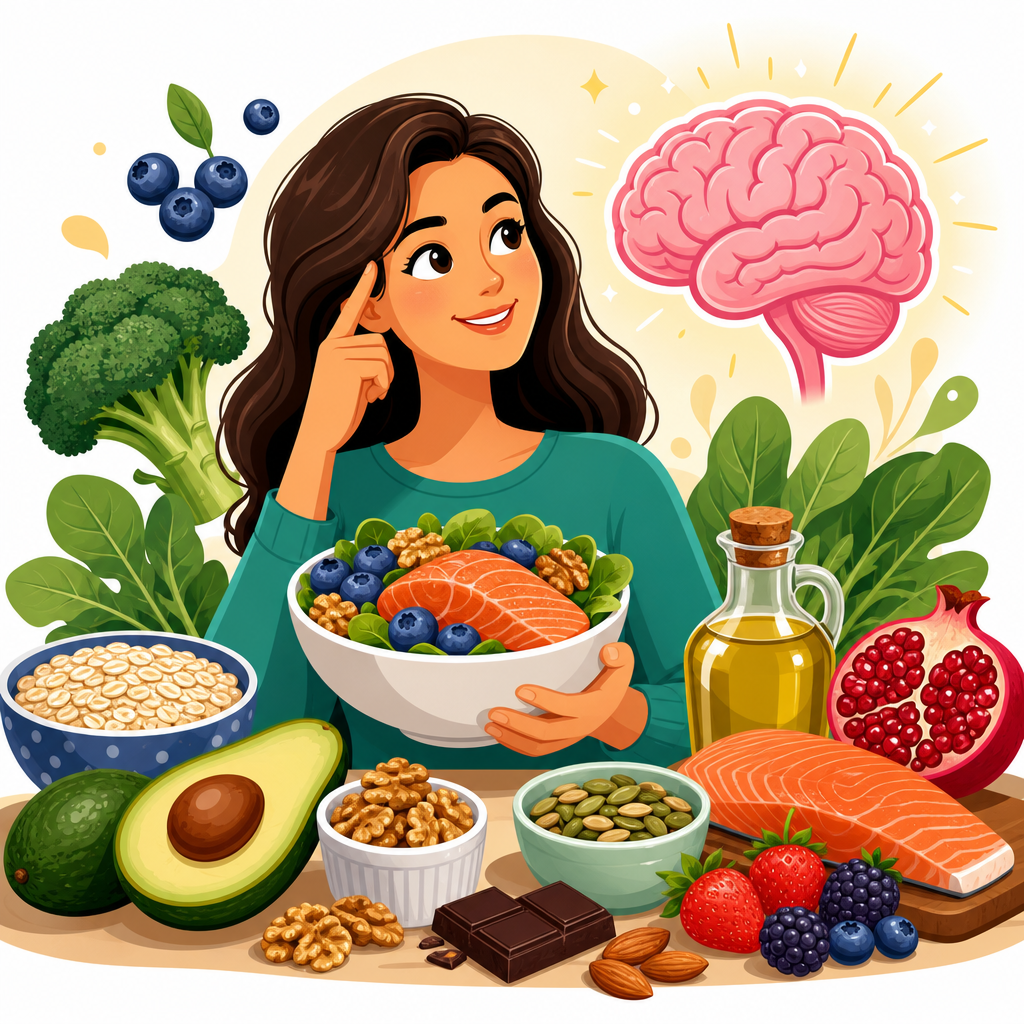
Joint-supportive eating emphasizes both tissue-building nutrients and anti-inflammatory foods. Fatty fish such as salmon, trout, sardines, and mackerel provide omega-3 fatty acids EPA and DHA, which have been studied for their role in modulating inflammatory signaling. Colorful produce adds vitamin C, polyphenols, and carotenoids that help protect connective tissues from oxidative stress. Citrus, kiwi, berries, peppers, tomatoes, and leafy greens are practical choices I recommend often because they fit easily into everyday meals.
Whole dietary patterns matter more than single superfoods. Mediterranean-style eating has repeatedly been associated with better inflammatory balance and cardiometabolic health, both of which influence musculoskeletal aging. Extra-virgin olive oil, legumes, nuts, seeds, whole grains, seafood, yogurt, and vegetables create a strong base. Highly processed diets high in sodium, refined sugar, and low-quality fats can displace nutrient-dense foods and may worsen overall inflammatory burden in susceptible individuals.
| Food or food group | Key nutrients | Bone and joint benefit |
|---|---|---|
| Yogurt and milk | Calcium, protein, phosphorus, vitamin D when fortified | Supports bone mineralization and muscle maintenance |
| Salmon and sardines | Protein, omega-3s, vitamin D, calcium when bones are eaten | Helps bone turnover and supports joint comfort |
| Fortified soy milk and calcium-set tofu | Calcium, protein, often vitamin D | Strong dairy alternative for bone support |
| Leafy greens and cruciferous vegetables | Vitamin K, magnesium, vitamin C, calcium in some varieties | Supports mineral use and connective tissue health |
| Nuts, seeds, beans, and lentils | Magnesium, zinc, copper, boron, protein | Contributes to collagen formation and structural repair |
Inflammation, cartilage, and the nutrients that affect joint comfort
Joint discomfort is not always caused by inflammation, but inflammation often amplifies symptoms and slows recovery. Osteoarthritis, for example, is a degenerative joint condition with inflammatory components, not simply wear and tear. Rheumatoid arthritis is an autoimmune disease where inflammation directly drives tissue damage. Nutrition cannot replace medical treatment, but it can influence the biochemical environment in which joints function.
Omega-3 fats from seafood are among the most useful dietary tools because they compete with arachidonic-acid pathways and can reduce production of certain pro-inflammatory mediators. This does not make fish a cure, but in people who eat little seafood, increasing intake to two servings weekly can improve overall diet quality and support joint health. Olive oil polyphenols, berries, green tea, turmeric used with black pepper, and high-fiber foods may also support healthier inflammatory signaling, though effects vary by person and dose.
Cartilage integrity also depends on vitamin C because collagen synthesis requires it. Severe deficiency causes scurvy, but even less dramatic inadequacy can compromise tissue repair. Protein sufficiency matters here as well, especially during rehabilitation after injury or surgery. Hydration deserves mention too. Synovial fluid is water-based, and while drinking more water will not rebuild cartilage, dehydration can impair performance, recovery, and perceived stiffness in some people.
On the other side of the ledger, consistently high alcohol intake, smoking, and diets dominated by ultra-processed foods work against joint resilience. Smoking impairs blood flow and healing. Excess alcohol can interfere with bone formation and raise fall risk. The message is not perfection; it is cumulative influence. Small, repeated dietary choices shape the terrain in which tissues either recover or deteriorate.
Life-stage needs: children, adults, athletes, and older adults
Children and adolescents need enough energy, protein, calcium, vitamin D, and activity to build peak bone mass. Since most bone mass is accrued before early adulthood, this period has outsized long-term impact. Milk, yogurt, fortified alternatives, eggs, beans, fruits, vegetables, and regular weight-bearing play are more important than many families realize. Restrictive diets during growth require careful planning to avoid deficits.
Adults in their twenties through fifties benefit from consistency rather than rescue measures. Sedentary office work, meal skipping, frequent dieting, and low outdoor time commonly undermine vitamin D, protein distribution, and movement quality. For this group, the most effective strategy is usually simple: include protein at each meal, hit calcium targets through foods, maintain strength training, and monitor risk factors such as gastrointestinal disorders, steroid use, or menstrual irregularity.
Athletes and highly active people need special attention to total energy availability. I have worked with runners who consumed plenty of salads and smoothies yet developed stress reactions because intake did not match training load. Bone suffers when the body downregulates reproductive and metabolic hormones to conserve energy. Adequate carbohydrates, not just protein, are part of the solution because they help sustain training, recovery, and endocrine health.
Older adults face a different challenge: reduced appetite, lower stomach acid, less efficient protein utilization, lower vitamin D production in skin, and higher risk of falls. In this stage, preserving muscle becomes inseparable from protecting bone and joints. Protein should be distributed across meals, calcium intake should be intentional, and vitamin D status should be checked when risk is high. Texture-modified, nutrient-dense foods can help when chewing or appetite is limited.
Supplements, testing, and practical meal planning
Supplements can help, but they should close gaps, not replace a poor diet. Calcium supplements are useful when intake is clearly low, yet large doses are unnecessary for many people and may increase side effects such as constipation. Vitamin D supplements are common and often appropriate, especially in winter or in people with confirmed deficiency. Collagen peptides are popular; evidence suggests they may support joint symptoms in some contexts, particularly when paired with resistance training and adequate vitamin C, but they are not a substitute for total protein adequacy.
Testing should be targeted. A clinician may assess 25-hydroxyvitamin D, bone mineral density with a DEXA scan, inflammatory markers in specific conditions, or nutrient status when malabsorption is suspected. People with celiac disease, inflammatory bowel disease, chronic kidney disease, hyperparathyroidism, eating disorders, or long-term corticosteroid use need individualized guidance because their risk profile differs from the general population.
In daily meal planning, build around repeatable anchors. Breakfast might be Greek yogurt with berries, chia seeds, and fortified oats. Lunch could be salmon, quinoa, and kale with olive oil. Dinner might include tofu stir-fry with bok choy and brown rice. Snacks such as kefir, edamame, almonds, or cottage cheese can raise protein and mineral intake without complexity. If this article is your starting point, the next step is to review your current diet, identify one or two missing nutrient categories, and improve them consistently. Strong bones and joints are built through regular intake, not occasional effort.
Frequently Asked Questions
Why is nutrition for strong bones and joints important for more than just posture and mobility?
Nutrition for strong bones and joints affects much more than how well you stand, walk, or exercise. Bones are living tissue that constantly renews itself through a balance between osteoblasts, which build new bone, and osteoclasts, which break down old bone. This remodeling process helps the body stay structurally sound while also supporting several essential functions. Bones protect vital organs, store important minerals such as calcium and phosphorus, and house bone marrow, where blood cells are produced. That means bone health is directly connected to oxygen transport, immune support, and the body’s ability to heal and recover.
Joints are just as important because they allow smooth, coordinated movement and help absorb physical stress. Healthy joints depend on cartilage, synovial fluid, tendons, ligaments, and surrounding muscles, all of which require consistent nutritional support. Without the right nutrients, the body may struggle to maintain connective tissue, manage inflammation, and preserve flexibility and stability over time. In other words, good nutrition helps the skeletal and joint systems do their jobs efficiently, which supports resilience, physical performance, and healthy aging.
What nutrients are most important for maintaining strong bones and healthy joints?
Calcium is one of the best-known nutrients for bone health because it provides much of the mineral structure that gives bones strength. However, calcium does not work alone. Vitamin D is essential because it helps the body absorb calcium effectively and supports proper bone mineralization. Vitamin K also plays an important role by helping direct calcium into bones where it is needed. Magnesium contributes to bone structure and supports the enzymes involved in bone metabolism, while phosphorus works alongside calcium as a key component of bone tissue.
For joints, the nutritional picture expands even further. Protein is critical because it provides the building blocks for collagen and other structural components in cartilage, tendons, and ligaments. Vitamin C supports collagen formation and also acts as an antioxidant, helping protect tissues from oxidative stress. Omega-3 fatty acids may help support a balanced inflammatory response, which is especially valuable for joint comfort and long-term tissue health. Trace minerals such as zinc, copper, and manganese also contribute to connective tissue maintenance and repair. Together, these nutrients help preserve bone density, support joint structure, and keep the musculoskeletal system functioning efficiently.
How do bones constantly remodel, and what role does diet play in that process?
Bone remodeling is a lifelong process in which old or damaged bone is broken down and replaced with new bone. Osteoclasts remove worn bone tissue, while osteoblasts create fresh bone matrix and help mineralize it. This cycle is necessary for maintaining strength, adapting to physical demands, and repairing tiny areas of stress before they become larger problems. Remodeling also helps the body regulate mineral balance, since bones serve as a storage site for calcium and other key minerals that can be released when needed.
Diet strongly influences how well this process works. If the body does not get enough calcium, vitamin D, protein, magnesium, or other supportive nutrients, it may not be able to rebuild bone efficiently after breakdown occurs. Over time, that imbalance can weaken the skeleton and reduce bone density. On the other hand, a nutrient-rich diet gives the body the raw materials needed to maintain healthy turnover and structural integrity. Consistent intake matters because bone remodeling happens continuously, not just during childhood or old age. This is why long-term eating habits have such a powerful effect on skeletal strength, physical resilience, and healthy aging.
Can nutrition help support joint comfort and flexibility as you age?
Yes, nutrition can play a meaningful role in supporting joint comfort, mobility, and flexibility over time. As the body ages, cartilage may gradually wear down, synovial fluid may become less effective at cushioning movement, and connective tissues can lose some of their elasticity. These changes do not happen because of age alone; they are also influenced by lifestyle, activity level, body weight, and the quality of nutritional support the tissues receive. A well-balanced diet can help the body maintain the structures that keep joints stable, lubricated, and resilient.
Protein, vitamin C, and minerals involved in collagen and connective tissue formation help maintain the integrity of tendons, ligaments, and cartilage. Omega-3 fatty acids may support a healthier inflammatory balance, which can be beneficial for joint comfort, especially in people with active lifestyles or age-related stiffness. Staying well hydrated also matters because water supports overall tissue health and contributes to normal joint lubrication. While nutrition cannot eliminate every age-related change, it can significantly improve the body’s ability to protect joint tissues, recover from daily wear, and preserve comfortable movement for longer.
What are the best dietary habits for supporting strong bones and joints throughout life?
The best approach is to focus on consistent, balanced nutrition rather than relying on one nutrient or one “bone health” food. A diet that includes calcium-rich foods, adequate protein, fruits, vegetables, nuts, seeds, legumes, and healthy fats provides a wide spectrum of nutrients that support both bones and joints. Dairy foods, fortified plant beverages, leafy greens, fish with edible bones, beans, and tofu can help increase calcium intake. Fatty fish, fortified foods, and appropriate sunlight exposure can support vitamin D status. Colorful produce helps supply vitamin C, potassium, antioxidants, and plant compounds that support tissue health and overall wellness.
It is also important to think beyond what to include and consider what to limit. Highly processed diets, chronically low protein intake, excessive alcohol, and patterns that displace nutrient-dense foods can make it harder for the body to maintain bone and joint integrity. Long-term habits matter most, including regular meals, sufficient hydration, and a diet that meets energy needs without compromising nutrient intake. When good nutrition is combined with weight-bearing activity, strength training, and healthy lifestyle choices, it creates a strong foundation for movement, mineral balance, blood cell production, physical resilience, and healthy aging.