Strong bones and flexible joints depend on daily food choices more than most people realize, and building a diet for long-term mobility starts with understanding which nutrients matter, how they work together, and where to find them. Nutrition for strong bones and joints refers to the eating patterns, vitamins, minerals, proteins, and supportive compounds that help maintain bone density, protect cartilage, support connective tissue, and reduce inflammation that can accelerate wear and discomfort. This matters at every age. Children need the raw materials to build peak bone mass, active adults need steady support for recovery and tissue maintenance, and older adults need targeted nutrition to slow bone loss and preserve independence. In practice, I have seen the biggest improvements come not from one supplement or a single “superfood,” but from consistent intake of calcium, vitamin D, protein, magnesium, vitamin K, omega-3 fats, vitamin C, and other nutrients that work as a system. When that system is neglected, the consequences can include higher fracture risk, slower healing, joint stiffness, and reduced physical function.
Bone is living tissue that is constantly being broken down and rebuilt through remodeling. Joints are more than hinges; they include cartilage, synovial fluid, ligaments, tendons, and surrounding muscle, all of which respond to diet quality. A bone-friendly and joint-friendly eating plan therefore goes beyond milk or calcium tablets. It includes minerals for structure, amino acids for collagen and muscle support, fats that help manage inflammatory signaling, and produce that supplies antioxidants needed to defend tissues from oxidative stress. The reason this topic deserves a hub article is simple: people often search for isolated answers, such as the best calcium foods, whether collagen helps joints, or what to eat for arthritis, but the real answer is an integrated dietary pattern. When you understand the full framework, it becomes easier to make practical choices at breakfast, lunch, dinner, and snacks without relying on guesswork or marketing claims.
Core nutrients that build and protect bones and joints
Calcium remains the best-known bone nutrient because it provides the mineral structure that gives bones strength. Adults generally need about 1,000 milligrams daily, while women over 50 and men over 70 often need 1,200 milligrams. Dairy foods such as yogurt, milk, and cheese are concentrated sources, but fortified soy milk, calcium-set tofu, sardines with bones, and leafy greens like kale also contribute. However, calcium does not work alone. Vitamin D is required for efficient calcium absorption and supports muscle function, which helps prevent falls. Fatty fish, fortified dairy, fortified plant milks, egg yolks, and safe sun exposure all play a role, though many adults still fall short and may need lab-guided supplementation.
Magnesium and vitamin K are often underappreciated. Magnesium supports bone crystal formation and influences vitamin D metabolism; good sources include pumpkin seeds, almonds, black beans, spinach, and whole grains. Vitamin K, especially from leafy greens such as collards, spinach, and kale, helps activate proteins involved in bone mineralization. Protein is equally critical. I frequently find that people trying to “eat light” undereat protein, which can weaken muscle and compromise the structural support around joints. Protein also provides amino acids necessary for collagen formation, the scaffold of bone, cartilage, ligaments, and tendons. High-quality options include Greek yogurt, eggs, fish, chicken, lentils, tofu, tempeh, and cottage cheese. For most adults, distributing protein across meals works better than loading it all at dinner.
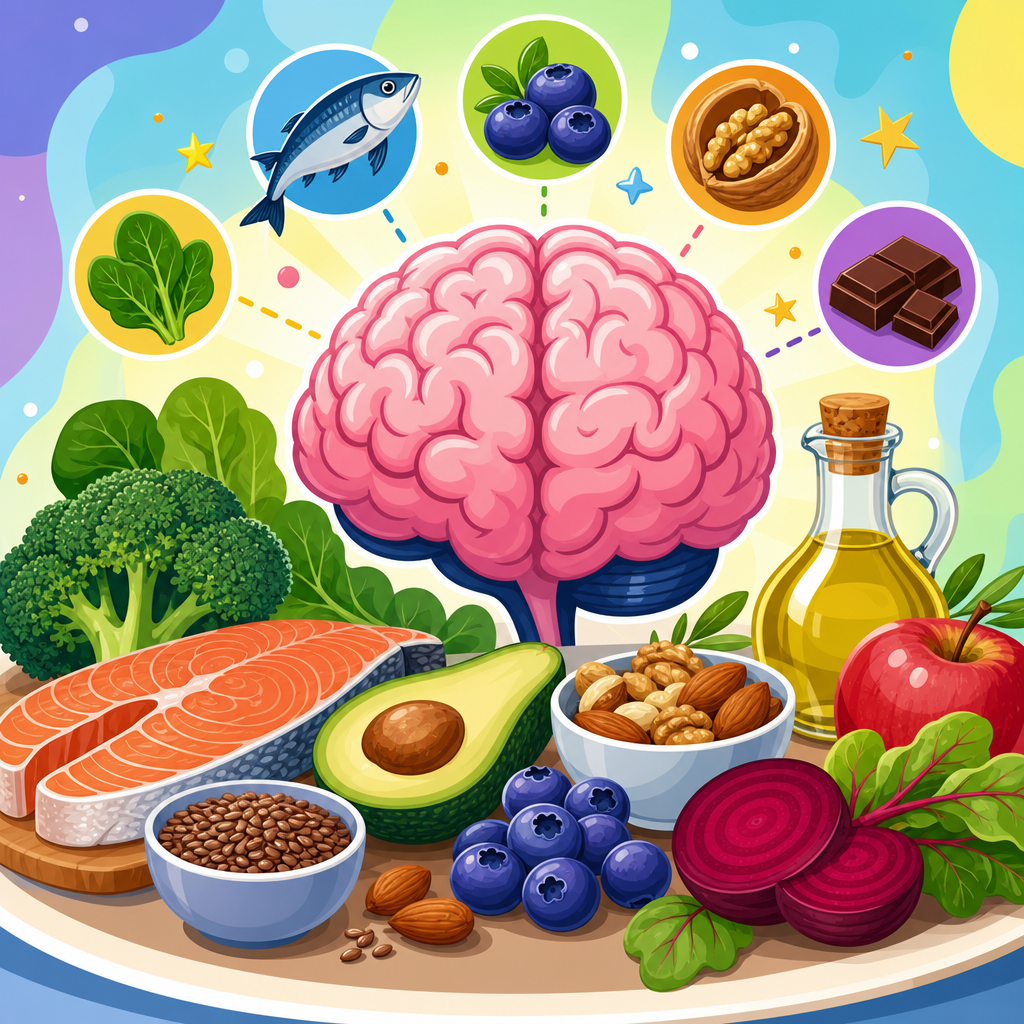
For joint health, omega-3 fatty acids deserve special attention because they help modulate inflammatory pathways. Salmon, sardines, trout, mackerel, walnuts, chia seeds, and flaxseeds are useful choices, although marine sources provide the most direct forms, EPA and DHA. Vitamin C supports collagen synthesis and acts as an antioxidant; citrus, kiwi, strawberries, bell peppers, broccoli, and Brussels sprouts are excellent sources. Trace minerals matter too. Zinc supports tissue repair and immune function, while copper and manganese contribute to connective tissue formation. The most effective strategy is not chasing exotic ingredients but combining everyday nutrient-dense foods often enough to cover these needs consistently.
Best foods to include every week
If you want to incorporate more nutrition for strong bones and joints into your diet, focus first on staple foods you can repeat every week. Dairy and fortified alternatives are efficient anchors because they can deliver calcium, protein, and often vitamin D in one serving. Greek yogurt with berries gives protein, calcium, and vitamin C-supporting fruit. Fortified soy milk in oatmeal adds calcium and vitamin D while oats contribute magnesium. Canned salmon or sardines are especially valuable because they provide omega-3 fats, protein, vitamin D, and edible bones rich in calcium. Tofu made with calcium sulfate is another standout for plant-based eaters. Beans, lentils, edamame, and tempeh support both protein intake and magnesium while fitting into budget-friendly meal plans.
Colorful produce should be treated as a daily requirement, not decoration. Dark leafy greens contribute vitamin K, magnesium, and some calcium. Citrus, berries, peppers, and tomatoes add antioxidants and vitamin C that help defend cartilage and support collagen formation. Nuts and seeds bring magnesium, healthy fats, and minerals, but portion control matters because calories add up quickly. Whole grains such as oats, quinoa, and brown rice help round out mineral intake and support overall dietary quality. Extra-virgin olive oil is useful for cooking and dressings because it supplies monounsaturated fats and polyphenols associated with lower inflammatory stress in Mediterranean-style eating patterns. Hydration also belongs in this conversation. Joint cartilage relies on water content, and while drinking water will not cure pain, dehydration can worsen how stiff and fatigued tissues feel.
| Food | Key nutrients | Why it helps bones and joints |
|---|---|---|
| Greek yogurt | Calcium, protein | Supports bone mineral intake and muscle maintenance around joints |
| Salmon | Protein, vitamin D, omega-3s | Aids calcium use and helps moderate inflammation |
| Calcium-set tofu | Calcium, protein | Plant-based support for bone structure and tissue repair |
| Kale | Vitamin K, magnesium, vitamin C | Supports bone proteins and collagen-related processes |
| Chia seeds | ALA omega-3s, magnesium | Adds anti-inflammatory fats and minerals to meals |
| Bell peppers | Vitamin C, antioxidants | Promotes collagen formation and protects cells from oxidative stress |
How to structure meals for better absorption and consistency
Knowing which foods help is only half the job; the other half is building meals that improve absorption and make consistency realistic. Start by pairing calcium-rich foods with vitamin D sources across the day rather than assuming one large serving will solve everything. For example, breakfast might include fortified yogurt or soy milk, lunch could feature kale salad with salmon, and dinner could include tofu stir-fry with broccoli. Spreading calcium intake can improve utilization, and spreading protein intake supports muscle protein synthesis more effectively than one oversized evening portion. A practical target for many adults is roughly 20 to 35 grams of protein per meal, adjusted for body size, age, and activity level.
It also helps to reduce habits that interfere with bone health. Very high sodium intake can increase urinary calcium losses, which is one reason heavily processed diets work against bone goals. Excess alcohol raises fracture risk and can impair bone remodeling. Cola-heavy soft drink patterns may displace milk or fortified alternatives, reducing total mineral intake, even if the drink itself is not the sole issue. If you rely on spinach for calcium, remember that its oxalate content limits absorption, so it should not be your only source. By contrast, calcium from dairy, fortified beverages, and calcium-set tofu is generally absorbed more predictably. For supplements, calcium citrate can be useful for people with lower stomach acid, while calcium carbonate is often more cost-effective when taken with meals. The best approach is diet first, supplement only to close a documented gap.
Eating for joint comfort, recovery, and healthy aging
Joint health is influenced by body weight, physical activity, injury history, and genetics, but diet still has direct and indirect effects. One of the clearest indirect effects is weight management. Excess body weight increases load on knees, hips, and lower back, and adipose tissue also produces inflammatory compounds that can worsen symptoms. This is why an eating pattern built around vegetables, legumes, lean proteins, fish, fruit, whole grains, nuts, seeds, and olive oil tends to support joints from multiple angles at once. In clinical nutrition work, I have found that people often feel better when they replace ultra-processed snacks with meals that stabilize appetite and blood sugar, because energy improves and inflammation-driving excess intake falls.
For recovery and tissue repair, prioritize protein after activity and throughout the day. Collagen supplements are popular, and evidence suggests some people may notice modest benefits for joint comfort when collagen peptides are paired with adequate vitamin C and consistent exercise. Still, collagen is not a substitute for total protein adequacy or a balanced diet. Gelatin, bone broth, and collagen powders can fit into a plan, but they should complement, not replace, dairy, fish, eggs, soy foods, beans, or lean meats. Older adults should be especially careful about this because age-related muscle loss can destabilize joints and increase fall risk. Maintaining muscle with protein and resistance training is one of the most effective joint-protective strategies available.
Anti-inflammatory eating is also more specific than internet advice suggests. It does not mean eliminating entire food groups without reason. It means consistently emphasizing fatty fish, olive oil, nuts, seeds, herbs, spices, fiber-rich plants, and minimally processed proteins while limiting patterns dominated by refined carbohydrates, fried foods, processed meats, and high-sugar beverages. Some people with arthritis notice individual triggers, but broad restriction is rarely necessary unless there is a diagnosed intolerance or medical condition. If symptoms are significant, a registered dietitian and physician can help identify whether gout, rheumatoid arthritis, osteoarthritis, celiac disease, low vitamin D status, or another issue is involved.
Common mistakes, special diets, and when to get help
The biggest mistake I see is focusing narrowly on calcium while ignoring the rest of the bone and joint equation. Other common problems include chronically low calorie intake, skipping protein at breakfast, avoiding dairy without replacing its nutrients, and taking supplements randomly without checking doses or interactions. People on vegan diets can absolutely support strong bones and joints, but they need deliberate planning for calcium, vitamin D, protein, omega-3 fats, vitamin B12, and sometimes iodine. Fortified soy milk, tofu, tempeh, beans, tahini, almonds, chia seeds, ground flax, and leafy greens help, and algae-based DHA/EPA may be worth considering. People with lactose intolerance often tolerate yogurt, kefir, or lactose-free milk better than expected, so dairy does not always need to be removed completely.
Medical context matters. Anyone with osteoporosis, osteopenia, inflammatory arthritis, kidney disease, digestive disorders that impair absorption, or long-term steroid use should get individualized guidance. Bone mineral density testing, vitamin D labs, medication review, and nutrition assessment can reveal gaps that a generic wellness plan will miss. The same is true after fractures, joint surgery, or menopause, when needs often change. The main benefit of improving nutrition for strong bones and joints is not theoretical longevity; it is practical mobility. Better food choices support strength, balance, comfort, and independence now while lowering risk over time. Start by upgrading one meal today: add a calcium-rich food, a quality protein, a colorful fruit or vegetable, and a healthy fat. Then repeat that pattern until it becomes your default way of eating.
Frequently Asked Questions
1. What nutrients are most important for strong bones and healthy joints?
The most important nutrients for bone and joint health work as a team rather than in isolation. Calcium is one of the best known because it provides the structural foundation for bones, but it cannot do its job efficiently without vitamin D, which helps the body absorb and use calcium properly. Vitamin K also plays an important role by supporting the proteins involved in bone mineralization. Magnesium contributes to bone structure and helps regulate the balance of calcium in the body, while phosphorus is another mineral that forms part of bone tissue. Protein is equally essential because bones are not made of minerals alone; they also contain a protein framework that gives them strength and resilience.
For joints, the focus expands beyond bone density. Collagen-supporting nutrients such as vitamin C are valuable because collagen is a major component of cartilage, tendons, and ligaments. Omega-3 fatty acids can help support a healthier inflammatory response, which matters because chronic inflammation may contribute to joint stiffness and discomfort over time. Antioxidants found in fruits and vegetables, including vitamins C and E as well as plant compounds like polyphenols, may also help protect joint tissues from oxidative stress. In practical terms, the best diet for strong bones and joints includes dairy or fortified alternatives, leafy greens, beans, nuts, seeds, fatty fish, eggs, fruits, vegetables, and adequate lean protein spread consistently throughout the day.
2. What foods should I eat more often to support bone density and joint flexibility?
If your goal is to improve nutrition for strong bones and joints, the most effective strategy is to build meals around nutrient-dense whole foods. Dairy products such as milk, yogurt, and cheese are rich in calcium and often provide protein and phosphorus as well. If you do not eat dairy, fortified plant milks, calcium-set tofu, and fortified yogurt alternatives can be useful substitutes. Leafy greens like kale, bok choy, and collard greens provide calcium and vitamin K, while legumes, almonds, sesame seeds, and chia seeds can add minerals such as magnesium and calcium to your routine.
For vitamin D, fatty fish such as salmon, sardines, trout, and mackerel are especially helpful, and some eggs and fortified foods can contribute as well. Sardines and canned salmon with bones are particularly valuable because they combine vitamin D, protein, and highly absorbable calcium in one food. To support joints, include foods that help with collagen production and inflammation balance. Citrus fruits, berries, bell peppers, broccoli, and tomatoes provide vitamin C, which supports connective tissue formation. Extra-virgin olive oil, walnuts, flaxseeds, and fatty fish provide anti-inflammatory fats that may benefit joint comfort. Bone broth is often discussed in this space, but it is best viewed as optional rather than essential; a broader eating pattern rich in protein, vitamins, and minerals matters far more. Overall, variety is what creates a durable nutrition plan, so aim to include a mix of proteins, colorful produce, healthy fats, and mineral-rich foods every day.
3. How can I get more calcium and vitamin D if I do not consume much dairy?
You can absolutely support strong bones without relying heavily on dairy, but it requires a more intentional approach. Calcium can come from fortified plant milks, fortified orange juice, calcium-set tofu, canned salmon or sardines with bones, white beans, edamame, tahini, almonds, and certain leafy greens such as kale, turnip greens, and bok choy. It is worth noting that not all greens are equal sources of usable calcium; spinach, for example, contains calcium but also high amounts of oxalates, which reduce absorption. That does not make spinach unhealthy, but it should not be your primary calcium strategy.
Vitamin D is often the harder nutrient to obtain from food alone. Fatty fish remains one of the best sources, while fortified plant beverages, fortified cereals, eggs, and UV-exposed mushrooms can help add smaller amounts. Because vitamin D intake and status can vary significantly based on sunlight exposure, skin tone, age, season, and where you live, some people may need a supplement to meet their needs consistently. The most practical approach is to combine calcium-rich foods across the day rather than trying to get everything in one meal. Reading labels is useful because fortified foods vary widely in calcium and vitamin D content. If you follow a fully plant-based diet, paying close attention to fortified staples and discussing vitamin D needs with a healthcare professional can make a meaningful difference in long-term bone support.
4. Does protein help or hurt bone and joint health?
Protein helps both bones and joints when intake is adequate and balanced within an overall nutritious diet. A common misconception is that protein is only for muscles, but bones also depend on protein to maintain their internal matrix, and joints rely on protein-based structures such as collagen in cartilage, tendons, and ligaments. Without enough protein, the body has a harder time repairing tissues and maintaining the framework that supports bone mineralization. This is especially important as people age, since both bone mass and muscle mass tend to decline over time, increasing the risk of weakness, instability, and injury.
The key is to choose quality protein sources and distribute them regularly throughout the day. Fish, eggs, Greek yogurt, cottage cheese, poultry, beans, lentils, tofu, tempeh, and lean meats can all fit into a bone- and joint-supportive eating pattern. Some protein-rich foods bring extra advantages: dairy offers calcium, fish provides omega-3s and vitamin D, and legumes add magnesium and other minerals. For joint support, protein works best when combined with vitamin C-rich produce, since collagen formation depends on both amino acids and supportive micronutrients. Most healthy adults benefit more from focusing on consistent, adequate protein intake than worrying that protein will damage bones. In fact, when calcium and vitamin D intake are sufficient, protein generally supports rather than harms skeletal health.
5. Are there everyday diet habits that can weaken bones and joints over time?
Yes, and they often show up as patterns rather than single foods. One of the most common issues is simply not eating enough nutrient-dense food overall. Diets that are low in calcium, vitamin D, magnesium, vitamin K, and protein can gradually weaken the body’s ability to maintain bone tissue and connective structures. Highly processed diets that displace whole foods may also leave you short on antioxidants and anti-inflammatory nutrients that help protect joint tissues. Excessive intake of sugary foods and heavily refined carbohydrates may contribute to ongoing inflammation in some people, which can be unhelpful for long-term joint comfort.
Another concern is chronic under-eating or repeated restrictive dieting, which can reduce bone-supportive nutrient intake and, in some cases, affect hormones that protect bone mass. Excess alcohol can interfere with bone remodeling, and smoking is strongly associated with poorer bone health. Very high sodium intake may increase calcium losses in urine for some people, especially when calcium intake is already low. On the joint side, carrying excess body weight can place greater mechanical stress on hips, knees, and ankles, so nutrition that supports a healthy weight can indirectly protect mobility as well. The best protective habit is consistency: balanced meals, enough protein, regular intake of calcium- and vitamin D-rich foods, plenty of fruits and vegetables, and a long-term eating pattern that reduces inflammation while supporting tissue repair.