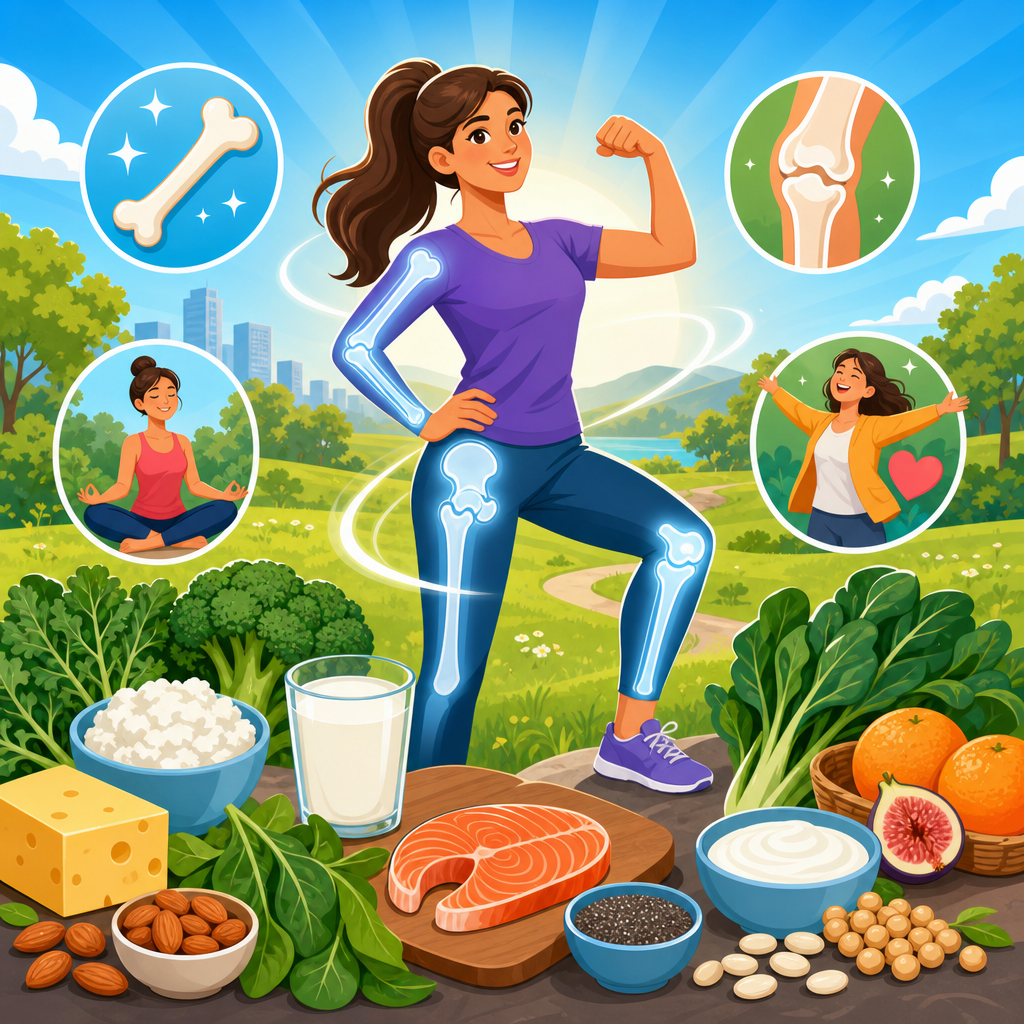
Nutrition for strong bones and joints shapes far more than posture or mobility; it influences energy, resilience, pain levels, independence, and healthy aging across the entire body. When people hear bone health, they often think only about calcium, and when they hear joint health, they picture cartilage supplements advertised on television. In practice, the topic is broader and more important. Bones are living tissue that constantly remodels through the coordinated work of osteoblasts, which build bone, and osteoclasts, which break it down. Joints are mechanical and biological systems made of cartilage, synovial fluid, ligaments, tendons, muscles, and bone surfaces that must work together smoothly. Nutrition affects every part of that system.
I have worked with clients who assumed creaky knees or declining bone density were unavoidable with age, yet their food patterns told a different story: low protein intake, chronically inadequate vitamin D, too little magnesium and potassium, minimal omega-3 fats, and diets dominated by sodium-heavy ultra-processed foods. Once those gaps were corrected, many saw measurable improvements in strength, recovery, and everyday comfort, even when structural conditions did not disappear entirely. That direct experience is why nutrition for strong bones and joints deserves a central place in any health strategy.
The reason this subject matters is simple. Weak bones increase the risk of fractures, especially at the hip, spine, and wrist. Joint deterioration can limit walking, lifting, exercise, sleep, and work capacity. According to widely used clinical guidance from organizations such as the National Institutes of Health and the Academy of Nutrition and Dietetics, skeletal and connective tissue health depends on a pattern of nutrients, not a single superfood or pill. Calcium, vitamin D, protein, magnesium, phosphorus, vitamin K, vitamin C, zinc, copper, manganese, and omega-3 fats all play distinct roles. So do body weight, physical activity, alcohol intake, and sun exposure.
As a hub topic within nutrition for health and wellness, nutrition for strong bones and joints connects to immunity, cardiovascular health, hormone balance, digestive health, and healthy aging. For example, poor gut absorption can reduce calcium and vitamin D status. Chronic inflammation from a low-quality diet can worsen joint symptoms. Inadequate muscle mass reduces joint stability and increases fall risk. Strong bones and healthy joints are not isolated outcomes; they are signs of a well-supported body. Understanding the nutrient foundations, food sources, and practical strategies behind them gives readers a clear path to protect mobility and improve overall well-being.
Core Nutrients That Build and Protect Bones and Joints
The most important fact to understand is that bone and joint nutrition works as a network. Calcium provides structural material for bones, but without vitamin D, absorption falls. Vitamin K helps regulate where calcium is deposited. Magnesium supports bone mineralization and vitamin D metabolism. Protein supplies the amino acids needed for the collagen matrix that gives bone flexibility and supports cartilage, tendons, and ligaments. Vitamin C is essential for collagen synthesis. Omega-3 fats help moderate inflammatory pathways that can aggravate joint discomfort. Minerals such as zinc, copper, and manganese act as cofactors for tissue repair and connective tissue formation.
Calcium remains foundational because about 99 percent of the body’s calcium is stored in bones and teeth. Adults generally need around 1,000 milligrams daily, rising to 1,200 milligrams for many older adults, especially women after menopause. Dairy foods such as yogurt, milk, and kefir are efficient sources because they also provide protein and often vitamin D. Fortified soy milk, calcium-set tofu, sardines with bones, and some leafy greens can contribute as well. Spinach contains calcium, but its oxalate content reduces absorption, so it should not be treated as a primary source. That distinction matters when planning a realistic diet.
Vitamin D is equally critical because it increases calcium absorption in the gut and supports muscle function, which lowers fall risk. Fatty fish, fortified dairy, fortified plant milks, and egg yolks provide some vitamin D, but many adults still fall short, particularly in northern latitudes or when they spend little time outdoors. In clinical practice, low vitamin D status is common among desk workers, older adults, and people with darker skin living in low-sun regions. Blood testing can clarify whether food and sunlight are enough or whether supplementation is appropriate.
Protein is often underestimated in discussions of bone health. Research consistently shows that insufficient protein is associated with lower bone mass, reduced muscle strength, and slower recovery from injury. I often see older adults eating cereal for breakfast, soup for lunch, and a small dinner, then wondering why they feel weak. Better distribution helps: Greek yogurt at breakfast, beans or salmon at lunch, and lean poultry, tofu, or lentils at dinner. For joints, protein supports muscle tissue that stabilizes the knee, hip, shoulder, and spine, reducing mechanical stress on vulnerable structures.
Micronutrients fill in the rest of the picture. Magnesium appears in nuts, seeds, legumes, whole grains, and leafy greens. Vitamin K1 is found in kale, collards, and broccoli, while vitamin K2 appears in some fermented foods and animal products. Vitamin C from citrus, berries, peppers, and kiwi supports collagen production. Zinc from shellfish, beef, pumpkin seeds, and legumes contributes to repair. These nutrients rarely work in isolation, which is why a food-first pattern outperforms reliance on a narrow supplement routine.
Best Foods and Eating Patterns for Lifelong Skeletal Support
The strongest dietary pattern for bones and joints is not exotic. It resembles a Mediterranean-style approach built around vegetables, fruit, legumes, nuts, seeds, fish, dairy or fortified alternatives, olive oil, and adequate protein spaced throughout the day. This pattern supplies minerals, antioxidants, and healthy fats while limiting the high sodium and refined sugar load common in ultra-processed diets. In real life, that can look like oatmeal with chia seeds and fortified milk, a lunch of salmon with quinoa and roasted vegetables, yogurt with berries as a snack, and bean stew with greens at dinner.
One reason this pattern works is nutrient density. Yogurt offers calcium, protein, and often probiotics. Sardines deliver calcium, vitamin D, and omega-3s in one serving. Tofu made with calcium sulfate can be an excellent option for plant-based eaters. Sesame seeds and tahini provide calcium and copper, while almonds contribute magnesium. Bone health nutrition also benefits from sufficient energy intake. Chronic undereating, common in people pursuing aggressive weight loss, can suppress hormones and accelerate bone loss, especially in women and endurance athletes.
Plant-forward eating can absolutely support strong bones and joints, but it requires intentional planning. Vegan or dairy-free diets should include fortified plant milks, calcium-set tofu, beans, nuts, seeds, and regular sources of vitamin D and B12. Protein quality matters less when total intake is adequate and food variety is good, yet older adults may benefit from making sure each meal contains a clear protein source. I typically advise clients to build meals around a protein anchor first, then add produce, whole-food carbohydrates, and healthy fats.
| Nutrient | Main Role | Reliable Food Sources | Practical Note |
|---|---|---|---|
| Calcium | Bone mineral structure | Yogurt, milk, fortified soy milk, tofu, sardines | Spread intake across meals for better absorption |
| Vitamin D | Calcium absorption, muscle support | Salmon, trout, fortified dairy, egg yolks | Testing is useful when deficiency risk is high |
| Protein | Collagen matrix, muscle stability | Fish, eggs, Greek yogurt, beans, lentils, tofu | Aim for protein at every meal, not only dinner |
| Magnesium | Bone metabolism, vitamin D activation | Pumpkin seeds, almonds, black beans, oats | Low intake is common in refined diets |
| Omega-3 fats | Inflammation regulation | Sardines, salmon, mackerel, walnuts, flax | Fish sources provide the most direct EPA and DHA |
Hydration also deserves mention because cartilage depends on water content to maintain shock-absorbing properties. Even mild dehydration can increase fatigue and reduce exercise quality, indirectly affecting joint function. While water alone does not cure joint pain, consistently low fluid intake is an avoidable stressor. Food quality, meal timing, and hydration together create the environment in which bones remodel well and joints recover after daily use.
How Nutrition Influences Inflammation, Joint Comfort, and Mobility
Joint health is not only about avoiding deficiency. It is also about controlling the dietary factors that intensify inflammation and tissue stress. Osteoarthritis, the most common form of arthritis, is partly mechanical wear but also involves inflammatory signaling within the joint. Diet cannot reverse severe structural cartilage loss, yet it can influence symptoms, body weight, and physical function. That is why people often notice less stiffness when they shift from a processed-food diet to one centered on whole foods and unsaturated fats.
The most consistent nutrition strategy for joint comfort is reducing excess body weight when needed without sacrificing muscle or nutrient intake. Every extra pound of body weight increases force across the knees during walking, and that repeated stress can worsen pain. A moderate calorie deficit paired with high-protein meals, resistance training, and anti-inflammatory foods tends to work better than crash dieting. In practice, even a 5 to 10 percent reduction in body weight can improve mobility and daily comfort in many adults with knee osteoarthritis.
Omega-3 fats from salmon, sardines, trout, and mackerel are especially useful because they help regulate eicosanoid production and other inflammatory pathways. Extra-virgin olive oil, nuts, seeds, colorful produce, herbs, and spices such as turmeric and ginger also contribute anti-inflammatory compounds. The effect is cumulative rather than dramatic overnight. Clients usually do best when they repeat these foods weekly rather than expecting one supplement to fix chronic discomfort. Tart cherry, collagen peptides, and glucosamine may help some people, but evidence is mixed, and they work best as additions to, not substitutes for, sound diet and exercise habits.
Blood sugar management matters too. Diets high in refined carbohydrates and sugary beverages can increase inflammatory stress and promote weight gain. More stable meals that pair fiber, protein, and healthy fats support steadier energy, better training quality, and fewer cravings. For someone with achy joints, that may mean replacing a pastry breakfast with eggs and fruit, or swapping soda and chips for yogurt, walnuts, and berries. Small choices repeated daily often influence mobility more than expensive specialty products.
Life Stage Needs, Risk Factors, and When Supplements Help
Nutrition for strong bones and joints changes across the life span. During childhood and adolescence, peak bone mass is being built, making calcium, vitamin D, protein, and weight-bearing activity especially important. In early and middle adulthood, the goal is maintaining that bone bank while protecting joint surfaces through fitness, body composition, and good dietary habits. After menopause, women face accelerated bone loss due to declining estrogen. Older men also lose bone, though usually more gradually. In both groups, low appetite, medication use, reduced sunlight exposure, and lower activity can compound risk.
Some people need extra attention because absorption or metabolism is impaired. Gastrointestinal conditions such as celiac disease, inflammatory bowel disease, and a history of bariatric surgery can reduce nutrient uptake. Long-term corticosteroid use raises osteoporosis risk. Proton pump inhibitors, certain anticonvulsants, and some cancer therapies may affect bone status as well. Athletes with low energy availability, irregular menstrual cycles, or chronic under-fueling are another high-risk group. In these situations, nutrition for strong bones and joints should be individualized and often coordinated with a physician or dietitian.
Supplements can be useful, but they should be chosen to close a documented or likely gap. Calcium supplements may help people who cannot meet needs through food, yet very high doses are unnecessary and can cause gastrointestinal side effects. Vitamin D supplements are often reasonable when blood levels are low or sun exposure is limited. Magnesium can help if intake is poor, though forms differ in tolerability. Collagen peptides may modestly support joint comfort or tendon outcomes in some active adults, particularly when paired with vitamin C and resistance training, but they are not a stand-alone solution.
The smartest approach is to test when appropriate, assess the diet honestly, and then supplement with purpose. A dual-energy X-ray absorptiometry scan may be indicated for osteoporosis screening in older adults and some younger people with risk factors. Lab work for vitamin D, inflammatory markers in selected cases, or nutrient status can guide decisions. Food remains the foundation because it provides synergy that isolated pills cannot fully replicate.
Practical Daily Habits That Turn Good Nutrition Into Better Well-Being
The best bone and joint diet is the one you can repeat consistently. Start by identifying whether each meal contains a meaningful protein source, a calcium source, and at least one fruit or vegetable. Add fatty fish two times per week if possible. Replace some packaged snacks with nuts, yogurt, fruit, or hummus. Use fortified milk or soy milk if dairy intake is low. Keep sodium in check by cooking more meals at home and reading labels on soups, sauces, and frozen foods. These are not glamorous tactics, but they produce results.
Pair nutrition with movement. Bones respond to load, so walking, stair climbing, resistance training, and impact activity where appropriate are essential partners to calcium and vitamin D. Joints benefit when surrounding muscles are strong and when mobility is maintained. Sleep also matters because recovery and tissue repair are impaired when sleep is chronically short. I have seen clients make more progress from regular meals, basic strength training, and improved sleep than from any complex supplement stack.
Nutrition for strong bones and joints ultimately supports freedom. It helps people carry groceries without pain, recover from workouts, avoid preventable fractures, stay active with their families, and preserve independence as they age. The key lessons are clear: prioritize calcium, vitamin D, protein, magnesium, vitamin K, vitamin C, and omega-3 fats; rely on whole, nutrient-dense foods; manage inflammation and body weight thoughtfully; and adjust your strategy for age, lifestyle, and medical risk. If you want better overall well-being, start by strengthening the nutritional foundation beneath every step you take, then build your meals and habits around that goal every day.
Frequently Asked Questions
1. Why does nutrition for strong bones and joints matter for overall well-being, not just mobility?
Nutrition for bone and joint health affects far more than whether you can stand up comfortably, walk without pain, or maintain good posture. Your skeletal system is living tissue that is constantly being broken down and rebuilt, and your joints depend on a steady supply of nutrients to support cartilage, connective tissue, fluid balance, and healthy inflammatory responses. When these systems are well nourished, the benefits often extend into many areas of daily life, including physical energy, exercise capacity, balance, recovery, and long-term independence.
Strong bones help protect vital organs, store key minerals, and provide the structural framework your muscles rely on for movement. Healthy joints allow that framework to function smoothly and efficiently. If nutrition falls short, the effects can show up gradually as stiffness, reduced flexibility, slower recovery after activity, increased discomfort, or a greater risk of injury. Over time, weak bones and poorly supported joints can also contribute to reduced activity, and that drop in movement can affect cardiovascular health, metabolic health, sleep quality, and mental well-being.
In other words, good nutrition for bones and joints helps support an active life. When people move comfortably, they are more likely to stay physically active, maintain muscle mass, preserve balance, and support healthy aging. That is why this topic is not only about preventing fractures or easing occasional joint discomfort. It is about protecting resilience throughout the body and helping maintain the strength, confidence, and freedom that underpin overall wellness.
2. Is calcium the main nutrient for bone health, or are other nutrients just as important?
Calcium is essential, but it is only one part of a much larger nutritional picture. Bones require a coordinated set of nutrients to build, remodel, and remain strong over time. Vitamin D is one of the most important partners to calcium because it helps the body absorb and use calcium effectively. Without enough vitamin D, even a calcium-rich diet may not provide the full benefit your bones need.
Protein also plays a major role. Bone is not made of minerals alone; it includes a protein-based matrix that gives structure and helps bones resist stress. Magnesium, phosphorus, and vitamin K are also important contributors to bone metabolism. Magnesium supports vitamin D function and bone structure, phosphorus is a major component of bone mineral, and vitamin K helps regulate proteins involved in bone formation. In addition, trace minerals such as zinc and manganese support tissue repair and overall skeletal maintenance.
This is one reason why focusing on a single supplement rarely matches the benefits of a consistently balanced diet. Foods such as dairy products, fortified plant milks, leafy greens, beans, tofu, nuts, seeds, eggs, fish, and lean proteins often work together to provide a broader nutrient profile than one isolated ingredient. A strong bone-health plan is less about chasing one “miracle” nutrient and more about building a pattern of eating that supplies the body with the full range of materials it needs to maintain structure, strength, and repair across the lifespan.
3. What foods are best for supporting healthy joints and reducing everyday stiffness?
Joint-supportive eating typically emphasizes foods that help manage inflammation, provide building blocks for connective tissue, and support a healthy body weight. Fatty fish such as salmon, sardines, trout, and mackerel are often highlighted because they provide omega-3 fatty acids, which are associated with a healthier inflammatory balance. Since ongoing low-grade inflammation can contribute to joint discomfort and stiffness, regularly including omega-3-rich foods may be helpful for many people.
Colorful fruits and vegetables are also important because they deliver antioxidants and plant compounds that help protect tissues from oxidative stress. Berries, cherries, citrus fruits, tomatoes, leafy greens, broccoli, peppers, and cruciferous vegetables all fit well into a joint-friendly diet. Healthy fats from olive oil, avocado, nuts, and seeds can further support this approach. Protein-rich foods, including fish, poultry, beans, lentils, yogurt, eggs, and soy foods, help provide the amino acids needed to maintain muscles and connective tissues that stabilize joints.
Hydration matters as well. Joints rely on fluid for lubrication and smooth movement, so consistently drinking enough water supports normal function. At the same time, limiting heavily processed foods, excess added sugars, and frequent deep-fried or highly refined meals may help reduce dietary patterns linked with inflammation and weight gain. Since excess body weight increases mechanical stress on weight-bearing joints such as the knees, hips, and lower back, nutrition that supports healthy weight management can indirectly improve joint comfort and long-term joint resilience.
4. Can diet really influence bone loss, joint pain, and healthy aging as we get older?
Yes, diet can play a meaningful role in all three. As people age, bone remodeling changes, muscle mass tends to decline, and joint tissues may become less resilient. At the same time, appetite, digestion, sun exposure, and activity levels can shift in ways that make it harder to meet nutrient needs. That combination is one reason aging adults need to be especially intentional about nutrition. Adequate intake of calcium, vitamin D, protein, magnesium, and vitamin K can help support bone maintenance, while anti-inflammatory dietary patterns may benefit joint comfort and function.
Healthy aging also depends on the interaction between nutrition and movement. Nutrients provide the raw materials for repair and maintenance, but weight-bearing exercise and resistance training send the signals that encourage bones and muscles to stay strong. When people eat well but remain inactive, they miss part of the equation. Likewise, when they exercise regularly but do not consume enough protein, minerals, or overall calories, recovery and tissue maintenance can suffer. The most protective strategy combines sound nutrition with regular physical activity, especially strength training, walking, balance work, and flexibility exercises.
Over the long term, this combined approach can help preserve independence and reduce the likelihood of falls, fractures, frailty, and mobility limitations. It may also improve confidence in daily activities, from climbing stairs to carrying groceries to staying socially engaged. Healthy aging is not simply about living longer; it is about maintaining the ability to move, function, and enjoy life. Bone- and joint-supportive nutrition is one of the most practical ways to invest in that future.
5. Are supplements necessary for strong bones and joints, or can most people get what they need from food?
For many people, a well-planned diet can provide a strong foundation for bone and joint health, but supplements can be useful in certain situations. Whether they are necessary depends on individual factors such as age, dietary restrictions, medical history, lab values, digestive issues, medication use, and how much sun exposure a person gets. For example, someone who avoids dairy, rarely goes outdoors, has low vitamin D levels, or struggles to eat enough protein may benefit from targeted supplementation under professional guidance.
That said, supplements are not a shortcut for poor eating habits, and more is not always better. Taking high doses of calcium or other nutrients without a clear need may be unhelpful or, in some cases, inappropriate. Joint supplements such as glucosamine, chondroitin, or collagen are also not universal solutions. Some people report benefits, while others notice little change. Their effectiveness can vary depending on the person, the product quality, and the underlying cause of joint discomfort.
The smartest approach is to start with food first whenever possible. Build meals around calcium-rich foods, protein sources, produce, healthy fats, and nutrient-dense staples that support both bone and joint tissues. If you suspect a gap, a healthcare professional or registered dietitian can help identify whether a supplement is warranted and which form or dose makes sense. This personalized approach is safer, more effective, and far more likely to support lasting well-being than relying on marketing claims alone.