How to incorporate more anti-inflammatory diets and chronic disease prevention into your diet starts with understanding what inflammation is, which foods influence it, and how daily eating patterns shape long-term health outcomes. Inflammation is the immune system’s response to injury, infection, or stress. Acute inflammation is protective and necessary. Chronic inflammation is different: it is low grade, persistent, and strongly associated with cardiovascular disease, type 2 diabetes, fatty liver disease, arthritis, some cancers, and neurodegenerative decline. In practice, I see people focus on single “superfoods,” but chronic disease risk is far more influenced by overall dietary patterns repeated over months and years.
An anti-inflammatory diet is not a rigid prescription. It is a way of eating built around minimally processed foods that supply fiber, unsaturated fats, phytonutrients, vitamins, minerals, and stable energy intake while limiting excess refined carbohydrate, ultra-processed snacks, trans fats, and high sodium convenience foods. The best-known examples include the Mediterranean diet, DASH eating pattern, and plant-forward dietary models that emphasize vegetables, legumes, whole grains, fruit, nuts, seeds, olive oil, and seafood. These patterns matter because they affect blood sugar control, lipid metabolism, gut microbiome diversity, endothelial function, and body weight regulation, all of which influence chronic inflammation.
For most readers, the real question is practical: what should you actually eat, what should you reduce, and how do you make the change sustainable? This hub answers those questions directly. It explains the core foods linked with lower inflammatory burden, the foods that can worsen it, how anti-inflammatory diets support chronic disease management, and how to build a realistic meal pattern without overspending or overcomplicating your routine. If you want a single starting point for anti-inflammatory diets and chronic disease nutrition, this article lays out the essentials clearly and in plain language.
What foods are considered anti-inflammatory?
Foods considered anti-inflammatory share several traits: they are nutrient dense, rich in fiber or unsaturated fat, and provide compounds associated with lower oxidative stress and better metabolic health. The strongest foundation is vegetables and fruit, especially berries, citrus, leafy greens, cruciferous vegetables, tomatoes, peppers, onions, garlic, and deeply colored produce. These foods provide vitamin C, carotenoids, flavonoids, potassium, and polyphenols. In clinical nutrition practice, increasing vegetable intake is often the fastest way to improve dietary quality because it raises fiber while displacing more processed foods.
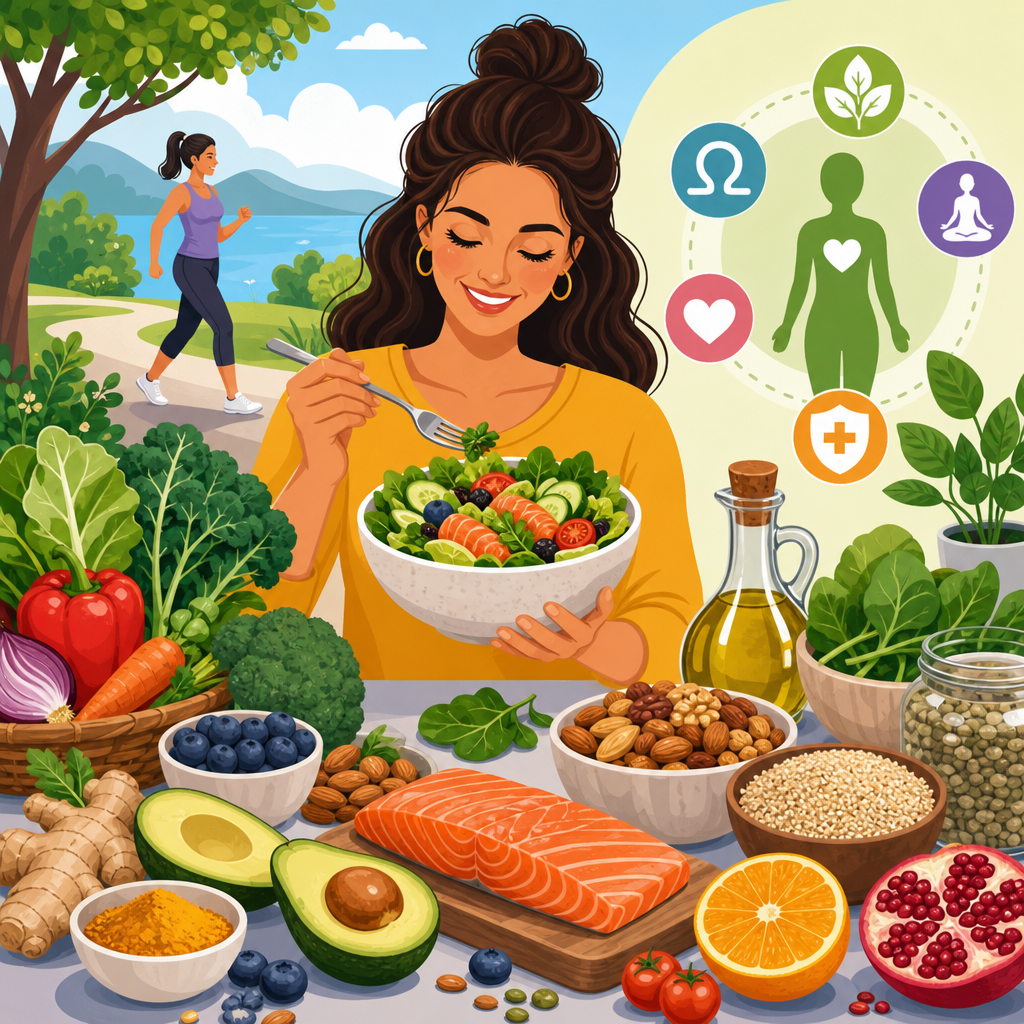
Whole grains such as oats, barley, brown rice, quinoa, and whole wheat are another key group. Their fiber supports satiety, bowel regularity, and healthier post-meal glucose responses compared with refined grains. Legumes, including lentils, chickpeas, black beans, and soy foods, supply fiber, magnesium, potassium, and plant protein, making them especially useful when reducing processed meat intake. Nuts and seeds contribute monounsaturated and polyunsaturated fats, along with vitamin E and plant sterols. Extra-virgin olive oil is central because it replaces saturated fat sources and contains phenolic compounds studied for anti-inflammatory effects. Fatty fish such as salmon, sardines, trout, and mackerel provide EPA and DHA, omega-3 fats linked with lower triglycerides and improved inflammatory signaling.
Herbs, spices, tea, coffee, and fermented foods can also play supportive roles. Turmeric, ginger, cinnamon, rosemary, and garlic can add flavor without excess sodium. Yogurt with live cultures, kefir, kimchi, and sauerkraut may support the gut microbiome, although they should complement, not replace, core diet quality. Green tea and coffee provide polyphenols, and in moderate amounts they fit well in anti-inflammatory eating patterns. The takeaway is simple: an anti-inflammatory diet is built from familiar foods used consistently, not from supplements or exotic ingredients.
Which foods can promote chronic inflammation?
No single meal causes chronic disease, but certain eating patterns repeatedly correlate with higher inflammatory markers and worse long-term health. The main contributors are ultra-processed foods high in refined starch, added sugars, sodium, and low-quality fats. Common examples include packaged pastries, sugar-sweetened beverages, candy, many fast-food meals, processed deli meats, heavily salted snacks, and frozen convenience foods that are calorie dense but nutritionally sparse. These foods can promote excess calorie intake, blood sugar spikes, elevated triglycerides, and weight gain, which together increase inflammatory burden.
Processed meats deserve special attention. Bacon, sausage, hot dogs, and many deli meats are associated with higher cardiovascular and colorectal cancer risk, partly because of sodium, preservatives, and processing methods. Frequent intake of refined grains without fiber, such as white bread, many crackers, and sugary cereals, can also crowd out more protective foods. Deep-fried foods are another concern because repeated high-heat cooking can damage oils and increase compounds linked with oxidative stress. While saturated fat is not equally harmful in every food context, diets heavily centered on fried foods, fatty processed meats, and high-calorie desserts generally work against anti-inflammatory goals.
Alcohol is nuanced. Light to moderate intake is sometimes presented as heart healthy, but current public health guidance is more cautious, especially for cancer risk. For people managing fatty liver disease, triglycerides, sleep problems, or medication interactions, reducing alcohol often improves outcomes. The practical lesson is not perfection but proportion. If most meals rely on restaurant takeout, refined grains, sugary drinks, and processed snacks, shifting the balance toward whole foods will do more for chronic disease prevention than chasing isolated anti-inflammatory ingredients.
How anti-inflammatory diets support chronic disease prevention and management
Anti-inflammatory diets matter because chronic disease develops through interconnected pathways, and food influences many of them at once. For cardiovascular disease, plant-forward patterns help lower LDL cholesterol, improve blood pressure, reduce triglycerides, and support endothelial function. The DASH diet is a strong example, with evidence for lowering blood pressure through higher potassium, magnesium, calcium, and lower sodium intake. Mediterranean-style eating has also been linked with lower cardiovascular event risk, particularly when centered on olive oil, nuts, legumes, fish, and vegetables instead of red and processed meat.
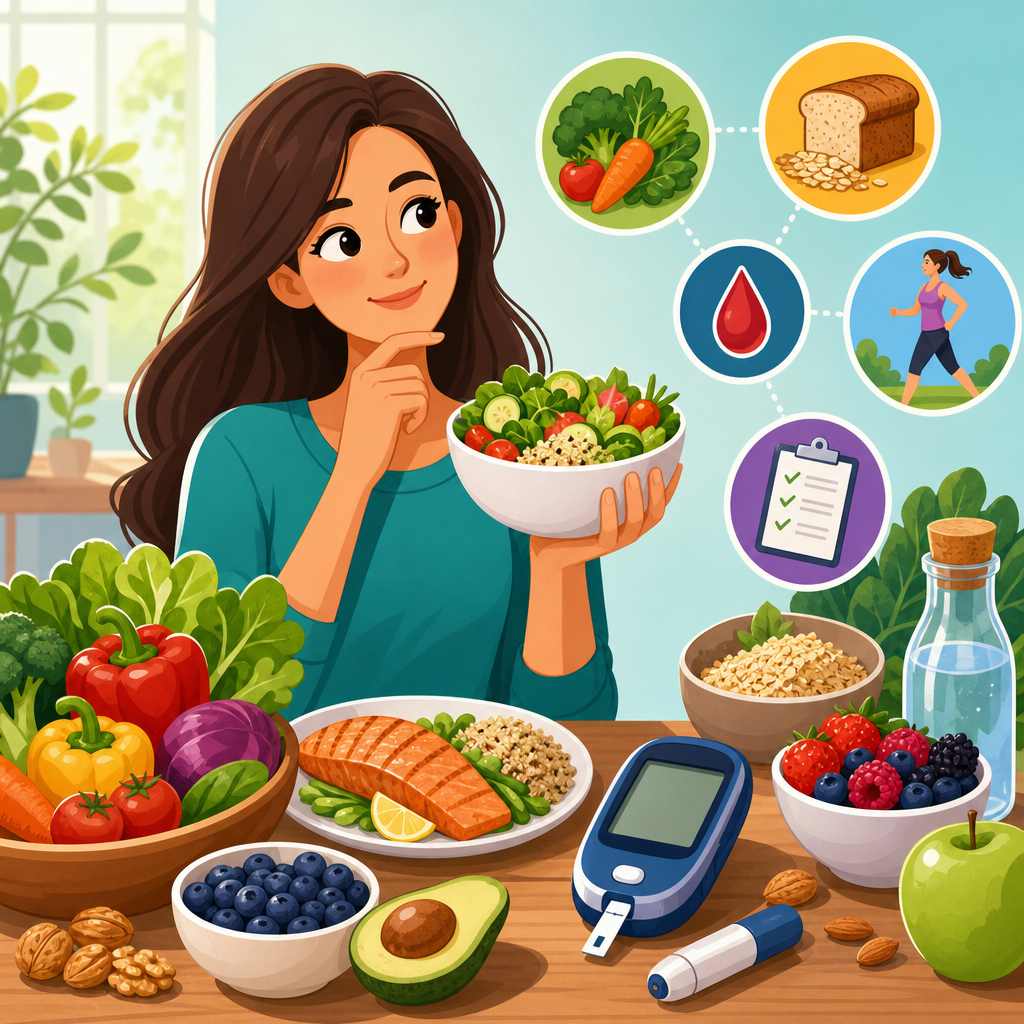
For type 2 diabetes and prediabetes, anti-inflammatory diets improve glycemic control by emphasizing fiber, lower glycemic-load carbohydrates, lean or plant proteins, and healthier fats. I often explain this to patients as “slowing the meal down.” Oatmeal with berries and walnuts affects blood sugar differently than a frosted pastry and sweet coffee. A grain bowl with salmon, beans, vegetables, and olive oil produces a steadier response than fries and a soda. Over time, fewer glucose spikes and better insulin sensitivity reduce metabolic stress that contributes to chronic inflammation.
Arthritis, autoimmune conditions, and nonalcoholic fatty liver disease also benefit from this dietary approach, though diet is supportive rather than curative. Weight reduction, when needed, can lower inflammatory markers and ease joint load in osteoarthritis. In fatty liver disease, reducing added sugar, refined carbohydrate, and excess calories while increasing fiber and unsaturated fats improves liver enzymes and hepatic fat accumulation. For people with inflammatory bowel conditions, personalization matters more, since some high-fiber foods may need adjustment during flares. The principle remains the same: anti-inflammatory diets help because they improve the underlying metabolic environment in which chronic disease progresses.
What does an anti-inflammatory diet look like in daily life?
The most sustainable anti-inflammatory diet is one you can repeat on workdays, weekends, and stressful weeks. A practical framework is to fill half the plate with vegetables or fruit, include a source of protein, choose a high-fiber carbohydrate, and use unsaturated fats for flavor and satiety. Breakfast might be plain Greek yogurt with berries, chia seeds, and oats, or eggs with spinach and whole-grain toast. Lunch could be lentil soup with a salad and olive oil vinaigrette. Dinner might be baked salmon, roasted broccoli, and quinoa. Snacks can be fruit, nuts, hummus, edamame, or yogurt instead of chips and sweets.
Meal structure matters as much as ingredients. Many people under-eat earlier in the day, then rely on convenience food at night. Planning one or two repeatable breakfasts, two packed lunches, and three simple dinners is usually more effective than searching for endless recipes. Frozen vegetables, canned beans, bagged greens, tinned fish, microwaveable brown rice, and pre-cut produce can make anti-inflammatory eating realistic, especially for busy households. Cost is often cited as a barrier, but staples such as oats, beans, lentils, potatoes, cabbage, carrots, bananas, peanut butter, yogurt, and canned sardines are budget friendly and highly nutritious.
| Meal situation | Common choice | Anti-inflammatory upgrade | Why it helps |
|---|---|---|---|
| Breakfast | Sweet pastry and flavored latte | Oatmeal with berries, walnuts, and plain coffee | More fiber, less added sugar, better satiety |
| Lunch | Deli sandwich, chips, soda | Whole-grain wrap with hummus, chicken, greens, fruit, water | Less sodium, more produce, steadier glucose response |
| Dinner | Fried takeout with fries | Grilled fish, brown rice, vegetables, olive oil | Better fat quality, more micronutrients, fewer excess calories |
| Snack | Candy bar | Apple with peanut butter | Fiber and protein improve fullness |
How to transition without following a restrictive plan
The biggest mistake people make is trying to overhaul every meal at once. In my experience, better results come from sequencing changes. Start with beverages because this is often the lowest-friction win. Replacing soda, sweet tea, and frequent specialty coffee drinks with water, sparkling water, unsweetened tea, or plain coffee can significantly cut added sugar intake. Next, improve breakfast and snacks, since these are highly repetitive eating occasions. Then address dinners by building three dependable meals around fish, beans, poultry, tofu, or eggs with vegetables and whole grains.
Another useful method is the “add before subtract” approach. Add one serving of vegetables to lunch, one piece of fruit to breakfast, one bean-based meal each week, and one fish meal each week before focusing on elimination. This reduces the sense of deprivation and naturally displaces less helpful foods. Reading labels also matters. Look at sodium, added sugar, fiber, and ingredient lists. A breakfast cereal with 2 grams of fiber and 14 grams of added sugar is not equivalent to plain oats, even if both are marketed as wholesome.
Restrictions are sometimes necessary for specific conditions, but unnecessary rigidity usually backfires. You do not need to ban bread, never eat dessert, or buy expensive powders. You do need consistency. If 80 to 90 percent of your routine is built on anti-inflammatory principles, occasional restaurant meals or treats will not erase the benefit. Progress is measured in habits: more plants, more fiber, better fats, less ultra-processed food, and steadier energy intake across the week.
Special considerations, common myths, and when to get help
Several myths complicate the conversation around anti-inflammatory diets and chronic disease. First, “anti-inflammatory” does not automatically mean gluten free, dairy free, lectin free, or low carb. Those approaches may be appropriate for some people, but they are not universal requirements. Second, supplements are not a shortcut. Fish oil, curcumin, or greens powders may have niche uses, yet they cannot compensate for a diet dominated by ultra-processed food. Third, inflammation is not diagnosed by a social media symptom checklist. Bloating, fatigue, or headaches can have many causes, including sleep disruption, medication effects, anemia, migraine, thyroid disease, or gastrointestinal disorders.
Medical context matters. People with kidney disease may need tailored advice on potassium, phosphorus, and protein. Those taking warfarin should keep vitamin K intake consistent rather than avoiding leafy greens altogether. Anyone with diabetes using insulin or sulfonylureas needs to account for medication adjustments when changing carbohydrate intake. For celiac disease, gluten must be strictly eliminated, but the diet should still emphasize naturally nutrient-dense foods rather than gluten-free processed substitutes. If you have unexplained weight loss, persistent gastrointestinal symptoms, severe fatigue, or a diagnosed chronic disease, working with a registered dietitian and physician is the safest route.
Reliable progress markers include blood pressure, waist circumference, A1C, fasting lipids, liver enzymes, bowel regularity, and how sustainable the routine feels. The goal is not a temporary cleanse. It is a durable eating pattern that lowers chronic disease risk and supports better day-to-day function.
Anti-inflammatory diets and chronic disease prevention are best understood as a pattern, not a product. The core strategy is straightforward: center meals on vegetables, fruit, legumes, whole grains, nuts, seeds, olive oil, and seafood or other minimally processed proteins, while reducing sugary drinks, refined snacks, processed meats, and fried convenience foods. This approach matters because it improves the mechanisms that drive long-term illness, including blood sugar control, lipid levels, blood pressure, body weight, and gut health. It is one of the few nutrition strategies that consistently benefits multiple conditions at the same time.
If you remember only one point, make it this: the anti-inflammatory diet that works is the one you can repeat. Use simple meal templates, upgrade common food choices, and focus on frequency rather than perfection. Small changes, applied daily, are what lower chronic disease risk over time. From here, explore related articles in this nutrition hub to go deeper on Mediterranean eating, anti-inflammatory grocery lists, meal planning, and condition-specific nutrition guidance, then choose one habit to implement this week.
Frequently Asked Questions
What does an anti-inflammatory diet actually mean, and how does it relate to chronic disease prevention?
An anti-inflammatory diet is not a rigid “diet” in the fad sense. It is a long-term eating pattern built around foods that help reduce chronic, low-grade inflammation in the body while supporting overall metabolic, cardiovascular, and immune health. Inflammation itself is not always harmful. Acute inflammation is a normal and necessary response to injury or infection. The concern is chronic inflammation, which can persist quietly over time and contribute to the development or progression of conditions such as heart disease, type 2 diabetes, fatty liver disease, some autoimmune conditions, and certain cancers.
In practical terms, an anti-inflammatory diet emphasizes whole, minimally processed foods that provide fiber, antioxidants, healthy fats, vitamins, minerals, and phytonutrients. This usually includes vegetables, fruits, legumes, whole grains, nuts, seeds, olive oil, fatty fish, and herbs and spices. At the same time, it limits foods that are commonly linked with higher inflammatory burden, such as ultra-processed snacks, refined carbohydrates, sugary beverages, excessive alcohol, and processed meats.
The connection to chronic disease prevention is strong because the same foods that help regulate inflammation also tend to improve blood sugar control, support healthy cholesterol levels, lower blood pressure, nourish the gut microbiome, and help maintain a healthy body weight. Rather than focusing on one “superfood,” the goal is to create a consistent dietary pattern that makes the body less vulnerable to the processes that drive chronic disease over time.
Which foods should I eat more often if I want to make my diet more anti-inflammatory?
The best place to start is by adding more nutrient-dense, plant-forward foods to your meals. Vegetables are one of the most important categories, especially leafy greens, broccoli, cauliflower, Brussels sprouts, peppers, tomatoes, carrots, and other colorful produce. Fruits such as berries, cherries, oranges, apples, and pomegranates are also valuable because they provide antioxidants and polyphenols that help protect cells from oxidative stress, which often goes hand in hand with inflammation.
Whole grains like oats, quinoa, brown rice, barley, and whole wheat can be useful because they deliver fiber and help support steadier energy levels than refined grains. Legumes, including beans, lentils, and chickpeas, are especially helpful because they combine fiber, plant protein, and minerals in a way that supports heart and metabolic health. Nuts and seeds such as walnuts, almonds, chia seeds, flaxseeds, and pumpkin seeds provide healthy fats and anti-inflammatory compounds, while extra-virgin olive oil is a cornerstone fat source often associated with lower inflammation markers.
Fatty fish like salmon, sardines, trout, and mackerel are important for many people because they contain omega-3 fatty acids, which are known to help regulate inflammatory pathways. Herbs and spices also deserve attention. Turmeric, ginger, garlic, cinnamon, rosemary, and oregano can add flavor while contributing beneficial plant compounds. Green tea and other unsweetened teas may also be useful additions. The most effective approach is not to chase isolated ingredients, but to build meals around a wide variety of these foods on a regular basis.
What foods and eating habits tend to increase chronic inflammation?
Foods most often associated with increased inflammation are typically those that are heavily processed and low in fiber while being high in added sugars, refined starches, unhealthy fats, sodium, or additives. Common examples include sugary drinks, candy, pastries, white bread, many fast foods, fried foods, processed meats such as bacon and sausage, and packaged snack items that are designed for convenience rather than nutrition. These foods can contribute to blood sugar spikes, excess calorie intake, weight gain, and poor gut health, all of which may influence inflammatory activity in the body.
It is also important to look beyond individual foods and consider eating patterns. Frequently skipping balanced meals, relying on takeout, eating very few fruits and vegetables, and consuming too much alcohol can all work against an anti-inflammatory approach. A diet low in fiber and high in refined carbohydrates may reduce microbial diversity in the gut, which can affect immune regulation and inflammation. In some people, regularly overeating or eating in a chaotic, inconsistent way may also make it harder to manage blood sugar, cholesterol, and body weight.
That said, an anti-inflammatory diet does not require perfection. One meal or one snack does not create chronic inflammation on its own. The bigger issue is what happens most of the time. If ultra-processed foods dominate your routine, replacing them gradually with more whole foods can make a meaningful difference. A sustainable strategy is usually more effective than a restrictive one.
How can I start following an anti-inflammatory eating pattern without completely changing everything at once?
The easiest way to begin is to focus on small, repeatable upgrades instead of a total diet overhaul. Start with one or two daily habits. For example, add a serving of vegetables to lunch and dinner, swap sugary breakfast foods for oatmeal with berries and nuts, or replace processed snacks with fruit and a handful of almonds. These changes may seem simple, but done consistently, they can significantly improve the overall inflammatory profile of your diet.
Another helpful strategy is to build meals using a simple structure: fill half your plate with vegetables, add a source of protein such as fish, beans, lentils, eggs, yogurt, or poultry, include a high-fiber carbohydrate like brown rice or sweet potato, and use healthy fats such as olive oil, avocado, nuts, or seeds. This approach naturally increases nutrient density without making eating feel overly complicated. You can also make anti-inflammatory choices more convenient by keeping frozen vegetables, canned beans, plain yogurt, whole grains, and pre-cut produce on hand.
If you want your changes to last, focus on substitutions rather than deprivation. Try olive oil-based dressings instead of creamy bottled options, sparkling water instead of soda, whole fruit instead of sugary desserts on some days, and salmon or lentil-based meals in place of processed meats. Meal planning can also help. Even preparing just two or three balanced meals ahead of time each week can reduce dependence on less nutritious convenience foods. The goal is steady progress toward a dietary pattern you can realistically maintain.
Can an anti-inflammatory diet help if I already have a chronic condition like heart disease, type 2 diabetes, or fatty liver disease?
Yes, an anti-inflammatory eating pattern can be a valuable part of managing many chronic conditions, although it should be viewed as one component of a larger care plan rather than a standalone cure. For people with heart disease or elevated cardiovascular risk, this type of diet may help improve cholesterol levels, blood pressure, blood vessel function, and weight management. For those with type 2 diabetes or insulin resistance, emphasizing fiber-rich carbohydrates, healthy fats, and lean or plant-based proteins can support better blood sugar control and reduce metabolic stress that contributes to inflammation.
In fatty liver disease, reducing intake of added sugars, refined carbohydrates, and highly processed foods while increasing whole foods may help improve liver health over time, especially when combined with physical activity and, when appropriate, gradual weight loss. People with inflammatory or autoimmune conditions may also notice that a more nutrient-dense eating pattern supports symptom management, energy levels, and overall well-being, though responses can vary from person to person.
It is important to remember that individual needs matter. Someone with kidney disease, digestive disorders, food allergies, or medication-related nutrition concerns may need a modified version of an anti-inflammatory diet. If you are already living with a chronic condition, the most effective approach is to use these principles in partnership with your physician or a registered dietitian. They can help tailor food choices to your diagnosis, lab values, medications, and health goals so that your diet supports both inflammation control and overall disease management safely and effectively.