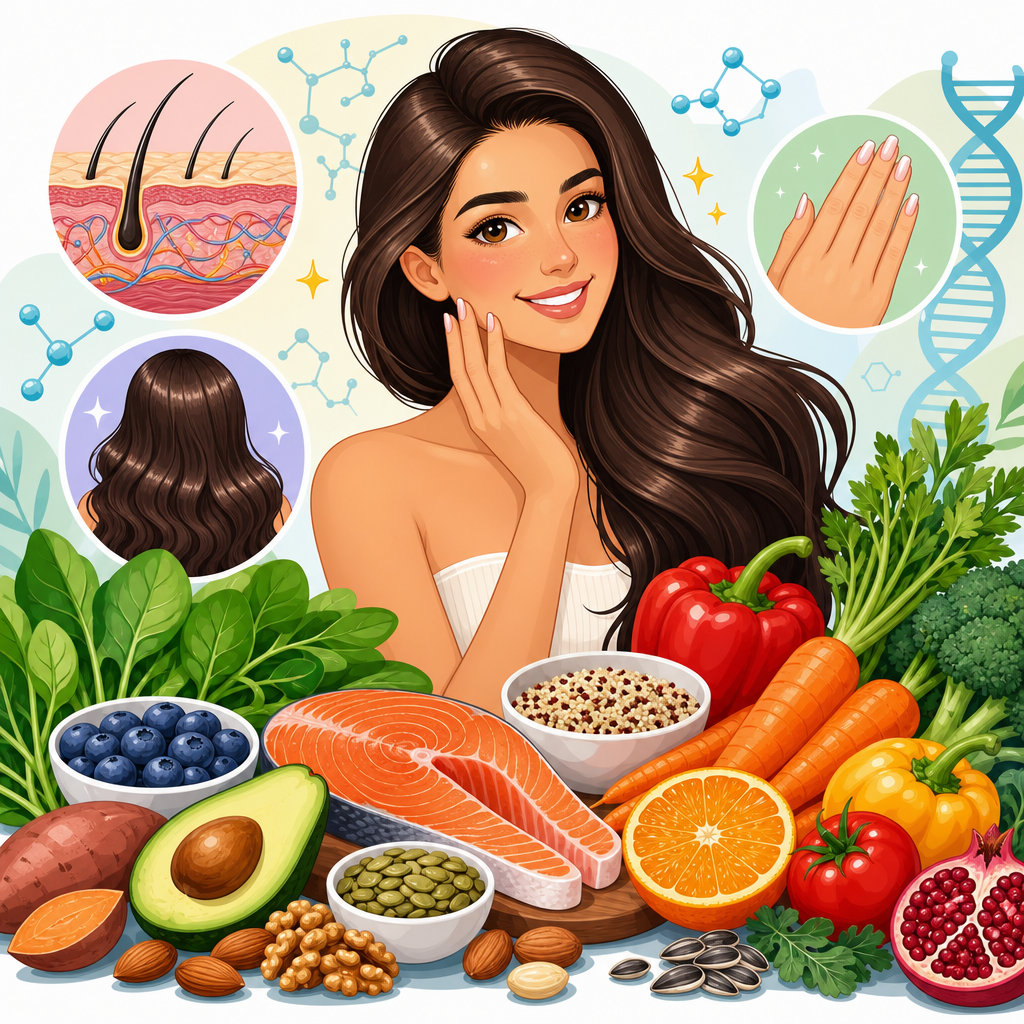
Foods for skin, hair, and nail health do far more than improve appearance; they support barrier function, tissue repair, immune defense, hormone balance, and healthy cell turnover throughout the body. When people search for foods for skin, hair, and nail health, they often want practical beauty advice, but the real answer begins with physiology. Skin is the body’s largest organ, hair is built from protein-rich keratin, and nails reflect nutrient status, circulation, and long-term growth patterns. The foods that nourish these tissues also contribute to collagen production, antioxidant protection, hydration balance, wound healing, and inflammation control.
In practice, I have found that the most effective nutrition plans for healthy skin, stronger hair, and less brittle nails are not based on trendy “beauty foods” alone. They are built around nutrient density, protein adequacy, essential fats, vitamins, minerals, and consistent eating patterns. A person can use expensive topical products and still struggle with dry skin, shedding hair, or peeling nails if energy intake is too low, iron is depleted, or meals lack omega-3 fats and high-quality protein. Nutrition does not replace dermatology or medical care, but it directly influences how these tissues are formed, maintained, and repaired.
Key terms matter here. Nutrient density means getting more vitamins, minerals, protein, and beneficial fats per calorie. Collagen is the main structural protein in skin and connective tissue, and its production depends on vitamin C, protein, copper, zinc, and overall energy availability. Keratin is the structural protein in hair and nails, requiring amino acids, iron, zinc, selenium, and several B vitamins. Oxidative stress refers to cellular damage from unstable molecules, which antioxidants from fruits, vegetables, nuts, seeds, tea, and legumes help counter. Together, these concepts explain why foods for skin, hair, and nail health matter far beyond cosmetics.
This topic also matters because visible changes often signal broader health issues. Persistent hair loss may reflect iron deficiency, thyroid dysfunction, illness, medication effects, or inadequate protein intake. Cracked lips, poor wound healing, inflamed skin, and brittle nails can appear when overall diet quality is low or when gastrointestinal conditions impair absorption. A well-designed eating pattern can support the body’s key functions by protecting the skin barrier, feeding rapidly dividing cells in hair follicles and nail beds, and reducing inflammatory load. As a hub topic within nutrition for health and wellness, foods for skin, hair, and nail health connect directly to immune resilience, metabolism, healthy aging, and recovery.
The Core Nutrients That Build Healthy Skin, Hair, and Nails
Protein is the first priority because skin, hair, and nails are all structurally dependent on amino acids. Hair shafts and nails are largely keratin, while skin relies on collagen, elastin, and other proteins in the dermis and epidermis. In real meal planning, I start by checking whether someone is regularly eating eggs, Greek yogurt, tofu, beans, fish, poultry, lean meat, tempeh, or dairy. Chronic under-eating, restrictive dieting, and low-protein breakfasts are common reasons people notice more shedding, slower nail growth, and dull skin. The body does not treat cosmetic tissues as a survival priority when protein or total calories are insufficient.
Vitamin C is essential because it helps synthesize collagen and acts as an antioxidant. Citrus, kiwi, strawberries, bell peppers, broccoli, and tomatoes are especially useful sources. Vitamin A supports skin cell turnover and immune defense, but balance matters: sweet potatoes, carrots, spinach, kale, and eggs provide supportive amounts, while excessive supplemental vitamin A can actually contribute to hair loss. Vitamin E, found in almonds, sunflower seeds, avocado, and wheat germ, protects cell membranes from oxidative damage. B vitamins, especially biotin, folate, B12, and riboflavin, assist with cell growth and energy metabolism, but true biotin deficiency is uncommon outside specific medical situations.
Minerals are equally important. Zinc supports wound healing, oil gland function, and protein synthesis; it is found in oysters, beef, pumpkin seeds, lentils, and chickpeas. Iron is crucial for oxygen transport and is a frequent concern in menstruating women, endurance athletes, vegans, and people with gastrointestinal blood loss. Iron-rich foods include red meat, lentils, beans, spinach, tofu, and fortified cereals, with vitamin C improving absorption from plant foods. Selenium, from Brazil nuts, seafood, eggs, and whole grains, helps antioxidant systems function. Copper, found in nuts, seeds, shellfish, legumes, and cocoa, contributes to connective tissue formation and pigmentation.
Essential fats also deserve attention. Omega-3 fatty acids from salmon, sardines, trout, chia seeds, flaxseed, and walnuts help regulate inflammation and support skin barrier integrity. Diets extremely low in fat can worsen dryness and compromise absorption of fat-soluble vitamins A, D, E, and K. Hydration matters too, though water alone is not a cure-all; skin hydration depends on total fluid intake, electrolytes, healthy fats, and barrier function. When clients improve protein adequacy, iron status, produce intake, and omega-3 consumption at the same time, visible changes are usually more meaningful than from focusing on one “superfood.”
Best Foods for Skin, Hair, and Nail Health and What They Do
The strongest dietary pattern for skin, hair, and nail health is a varied, minimally processed pattern built around seafood, eggs, dairy or fortified alternatives, legumes, whole grains, colorful produce, nuts, and seeds. Fatty fish such as salmon and sardines provide protein, omega-3 fats, selenium, and vitamin D. Eggs contribute protein, choline, selenium, iodine, and several B vitamins. Greek yogurt adds protein and can support gut health when it contains live cultures. Beans and lentils provide plant protein, iron, zinc, folate, and fiber, making them especially useful in hub plans that need to support beauty and digestive health at the same time.
Colorful fruits and vegetables are not interchangeable, which is why variety matters. Red and orange foods like carrots, sweet potatoes, mango, and red peppers supply carotenoids that can be converted to vitamin A and stored in the skin. Berries, citrus, kiwi, and guava provide vitamin C and polyphenols that help defend against oxidative stress from ultraviolet exposure and pollution. Dark leafy greens offer folate, magnesium, vitamin K, and carotenoids. Avocado contributes monounsaturated fat and vitamin E. Nuts and seeds, especially almonds, walnuts, sunflower seeds, chia, flax, and pumpkin seeds, add healthy fats, minerals, and antioxidant compounds with very little preparation.
| Food | Primary nutrients | Main support for body functions | Simple use |
|---|---|---|---|
| Salmon | Protein, omega-3s, selenium, vitamin D | Skin barrier, inflammation control, tissue repair | Bake with olive oil and herbs |
| Eggs | Protein, biotin, choline, selenium | Keratin formation, cell growth, scalp support | Boiled, scrambled, or in grain bowls |
| Lentils | Protein, iron, zinc, folate | Hair follicle oxygenation, nail growth, repair | Soup, curry, or salad base |
| Bell peppers | Vitamin C, carotenoids | Collagen production, antioxidant defense | Raw slices or stir-fry |
| Almonds | Vitamin E, healthy fats | Cell membrane protection, skin moisture support | Snack or oatmeal topping |
| Greek yogurt | Protein, riboflavin, iodine | Tissue maintenance, energy metabolism | Breakfast with berries |
Whole grains also play a practical role because they provide energy for rapidly turning over tissues and deliver B vitamins, iron, zinc, and fiber. Oats, quinoa, brown rice, and fortified whole-grain cereals can be useful, especially when appetite is low and someone is struggling to eat enough. I often recommend pairing a vitamin C source with plant-based iron foods, such as lentils with tomatoes or fortified oats with berries, because that single habit improves the usefulness of a meal. The best foods for skin, hair, and nail health are usually ordinary foods eaten consistently, not exotic products marketed with dramatic claims.
How These Foods Support the Body’s Key Functions
Skin’s first job is protection. It acts as a barrier against pathogens, chemicals, water loss, and temperature extremes. To perform that role, the body needs adequate protein, essential fats, zinc, and vitamins A and C. Omega-3 fats help maintain the lipid matrix that keeps the barrier flexible, while zinc and vitamin C support repair after irritation or minor wounds. Inflammatory skin conditions are complex and may require medical care, but a diet high in ultra-processed foods and low in produce, seafood, legumes, and nuts generally works against the body’s efforts to maintain calm, resilient skin.
Hair follicles are among the most metabolically active structures in the body, which means they are sensitive to stress, illness, hormonal shifts, and nutrient shortages. After fever, surgery, childbirth, rapid weight loss, or a highly restrictive diet, diffuse shedding can appear weeks later because hair growth is delayed from the original trigger. This is one reason balanced eating matters even when hair looks normal today. Adequate iron, protein, zinc, selenium, and energy intake help follicles stay in the growth phase. Foods for skin, hair, and nail health therefore support not just beauty, but the body’s ability to prioritize renewal under changing conditions.
Nails grow slowly, so they provide a longer view of nutritional patterns. Brittle, peeling nails often improve when protein intake rises and chronic iron deficiency is corrected, though repeated water exposure, solvents, and trauma also play major roles. The body must continuously produce new nail cells, and that process depends on amino acids, minerals, circulation, and overall health. These same nutrients support enzyme systems, immune response, oxygen delivery, and connective tissue maintenance elsewhere in the body. That is why improving foods for skin, hair, and nail health often coincides with better energy, recovery, and general well-being.
Building a Practical Eating Pattern That Works
The most reliable approach is to build meals around a protein source, a colorful produce source, a healthy fat, and a fiber-rich carbohydrate. For breakfast, that might mean Greek yogurt with berries, chia seeds, and oats, or eggs with spinach and whole-grain toast. Lunch could be a salmon grain bowl with roasted vegetables and avocado. Dinner might pair lentils or chicken with sweet potatoes and broccoli. Snacks can be simple: almonds, fruit, cottage cheese, edamame, or hummus with peppers. This pattern covers the major nutrients repeatedly, which matters more than occasional “beauty boosting” meals.
Some limitations are important. Nutrition improvements take time because hair and nails grow slowly, and skin remodeling is gradual. Severe acne, sudden hair loss, painful scalp symptoms, nail clubbing, or skin changes with fatigue or weight change should not be treated as diet questions alone; they warrant medical evaluation. Supplements can help in confirmed deficiencies, but they are not automatically harmless. Excess selenium can cause hair and nail problems, and high-dose biotin can interfere with certain lab tests. Start with food, assess patterns carefully, and use testing and targeted supplementation when clinically appropriate.
Key Takeaways for Long-Term Health and Appearance
Foods for skin, hair, and nail health support your body’s key functions because these tissues are built from the same nutritional foundations that drive repair, immunity, circulation, and cellular protection. Protein provides the raw materials for keratin and collagen. Vitamin C helps build connective tissue. Iron supports oxygen delivery to active follicles and growing tissues. Zinc, selenium, copper, and B vitamins enable enzyme systems involved in growth and healing. Omega-3 fats help maintain skin barrier integrity and regulate inflammatory processes. When these nutrients come together in regular meals, the body is better equipped to maintain strong nails, resilient skin, and healthy hair growth.
The most effective strategy is not chasing one miracle ingredient. It is eating enough, eating consistently, and choosing a broad range of nutrient-dense foods such as fish, eggs, legumes, dairy or fortified alternatives, nuts, seeds, whole grains, and deeply colored fruits and vegetables. This subtopic serves as a hub because it connects outward to collagen-supporting foods, iron-rich foods, omega-3 sources, hydration, gut health, anti-inflammatory eating, and balanced meal planning. If you want visible results that reflect better health underneath, begin with your plate: review your daily pattern, identify gaps, and build each meal to nourish skin, hair, nails, and the rest of the body at the same time.
Frequently Asked Questions
1. How do foods for skin, hair, and nail health support the body beyond appearance?
Foods commonly associated with glowing skin, stronger hair, and healthier nails do much more than enhance appearance. These tissues are constantly growing, repairing, and responding to internal conditions, so they depend on a steady supply of nutrients that also serve major whole-body functions. Protein, for example, provides the amino acids needed to build keratin in hair and nails, while also supporting muscle maintenance, enzyme activity, hormone production, and tissue repair throughout the body. Healthy fats help maintain the skin’s barrier, but they also support brain function, cell membrane integrity, and the absorption of fat-soluble vitamins such as A, D, E, and K.
Vitamins and minerals linked to beauty are deeply involved in physiology. Vitamin C supports collagen formation in the skin, but it is also essential for wound healing, immune defense, and antioxidant protection. Zinc helps with skin repair and acne regulation, yet it also plays a role in immune signaling, DNA synthesis, and cell division. Iron supports oxygen delivery to hair follicles and nail beds, but its broader job is carrying oxygen throughout the body to sustain energy production. When skin becomes dry, hair starts shedding excessively, or nails turn brittle, these changes can sometimes reflect bigger issues such as low protein intake, poor circulation, nutrient insufficiency, chronic stress, inflammation, or digestive problems. In that sense, foods for skin, hair, and nail health are really foods that help the body maintain structure, resilience, defense, and healthy cell turnover.
2. Which nutrients matter most for skin, hair, and nail health, and what do they actually do?
Several nutrients consistently stand out because they directly support the growth and maintenance of skin, hair, and nails. Protein is one of the most important because hair and nails are made largely from keratin, a structural protein. Without adequate protein intake, the body may prioritize critical internal functions over visible tissues, leading to thinning hair, slower growth, or weaker nails. Vitamin C is another key nutrient because it is required to make collagen, which helps support skin structure and elasticity. It also acts as an antioxidant, helping protect cells from oxidative stress caused by pollution, UV exposure, and normal metabolism.
Essential fatty acids, especially omega-3 fats, help support the skin barrier and can reduce dryness by improving the integrity of cell membranes. Zinc contributes to wound healing, inflammation control, and normal skin turnover, while biotin supports energy metabolism and is often discussed in relation to hair and nails, although true deficiency is relatively uncommon. Iron is critical because low iron stores can impair oxygen delivery to rapidly growing tissues like hair follicles. Vitamin A supports skin cell turnover and immune defense, though more is not always better, since excessive intake can be harmful. Vitamin E helps protect cell membranes from oxidative damage, and selenium contributes to antioxidant systems and thyroid function, which can influence hair and skin quality. The most effective approach is not chasing a single “beauty nutrient,” but eating a balanced diet that regularly includes protein-rich foods, colorful produce, healthy fats, legumes, nuts, seeds, eggs, seafood, and mineral-rich whole foods.
3. Can skin, hair, and nail changes be signs of nutritional deficiencies or internal health issues?
Yes, changes in skin, hair, and nails can sometimes act as visible clues that something deeper is going on. Because these tissues grow continuously and require steady nourishment, they often respond early to nutrient gaps, stress, illness, or hormonal changes. Hair shedding may be linked to low iron, inadequate protein, thyroid imbalance, recent illness, major stress, or calorie restriction. Brittle nails can reflect dryness and external wear, but they may also be associated with low iron, low protein intake, or poor overall dietary quality. Skin that is slow to heal, unusually dry, or prone to inflammation may suggest insufficient essential fats, poor hydration habits, low zinc intake, or broader inflammatory or metabolic concerns.
That said, these signs are not diagnostic on their own. Cosmetic symptoms can have many causes, including genetics, aging, product use, weather exposure, medications, and underlying medical conditions. For example, acne can be influenced by hormones, inflammation, and skin care habits, not just diet. Pale nail beds may reflect circulation or iron issues, while persistent rashes may point to allergies, autoimmune conditions, or dermatologic disorders. The practical takeaway is that persistent changes deserve attention, especially when they occur with fatigue, digestive symptoms, irregular cycles, unintended weight changes, or poor recovery. A thoughtful diet can help, but when symptoms are ongoing, medical evaluation is important to rule out deficiencies, hormonal disorders, thyroid conditions, anemia, or malabsorption issues. Healthy skin, hair, and nails often reflect a well-supported internal environment, not just a good topical routine.
4. What are the best foods to include for stronger skin, healthier hair, and better nail growth?
The best foods are those that deliver a combination of protein, healthy fats, vitamins, minerals, and antioxidants rather than one isolated benefit. Eggs are a strong choice because they provide protein, biotin, selenium, and other nutrients involved in growth and repair. Fatty fish such as salmon, sardines, and trout supply protein along with omega-3 fats that help support skin barrier function and may help moderate inflammation. Greek yogurt, cottage cheese, lean poultry, beans, lentils, tofu, and other protein-rich foods provide the building blocks needed for keratin production and tissue renewal.
For skin-supportive antioxidants and collagen-related nutrients, fruits and vegetables are essential. Citrus fruits, strawberries, kiwi, bell peppers, and broccoli are rich in vitamin C. Sweet potatoes, carrots, spinach, and kale provide carotenoids that support normal skin cell function. Nuts and seeds such as almonds, walnuts, sunflower seeds, chia seeds, and flaxseeds contribute vitamin E, healthy fats, and trace minerals. Oysters, beef, pumpkin seeds, and legumes can help supply zinc and iron, both of which are important for growth and repair. Avocados offer healthy fats and vitamin E, while whole grains and legumes add B vitamins that support energy metabolism and cell turnover. Rather than focusing on “superfoods,” it helps to build meals around variety and consistency. A plate that includes quality protein, colorful produce, and nutrient-dense fats will generally do more for skin, hair, and nails than any single trendy ingredient.
5. How long does it take for dietary changes to improve skin, hair, and nail health?
Dietary improvements usually take time because skin, hair, and nails follow different growth and renewal cycles. Skin may begin to reflect better hydration, improved fat intake, and a more antioxidant-rich diet within several weeks, especially if dryness or dullness was related to poor dietary quality. Even so, deeper structural changes such as improved resilience, better barrier function, and more consistent healing often develop over months, not days. Hair generally takes longer because follicles cycle slowly. If increased shedding was triggered by stress, illness, or nutrient deficiency, it can take a few months to notice reduced shedding and even longer to see fuller regrowth. Nails also grow gradually, so stronger, less brittle nails may take several months to become obvious as new nail replaces older, weaker growth.
The biggest factor is consistency. Eating nutrient-rich foods occasionally will not have the same effect as maintaining a stable pattern of adequate protein, healthy fats, iron-rich foods, fruits, vegetables, and mineral-dense whole foods over time. Progress also depends on whether the root issue is nutritional, hormonal, inflammatory, or medical. If someone is severely iron deficient, under-eating, dealing with digestive malabsorption, or experiencing thyroid dysfunction, food is still important but may not be enough on its own without treatment. In general, a patient, long-term approach works best. Think of skin, hair, and nail health as a visible reflection of daily physiology. The more consistently the body receives the raw materials it needs for repair, circulation, immune defense, and healthy cell turnover, the more likely those improvements are to show up externally.