Heart health nutrition is the practice of choosing foods, portions, and eating patterns that support healthy blood pressure, cholesterol balance, blood sugar control, vascular function, and a lower long-term risk of cardiovascular disease. In practical terms, it means building meals around vegetables, fruit, legumes, whole grains, nuts, seeds, fish, and minimally processed proteins while keeping excess sodium, added sugar, trans fat, and heavily refined foods in check. I have seen the biggest improvements come not from extreme diets, but from consistent, repeatable changes: swapping processed snacks for nuts, replacing some red meat meals with beans or salmon, and learning how to season food without leaning on salt. For anyone trying to improve overall wellness, nutrition for heart health matters because cardiovascular disease remains a leading cause of death worldwide, yet many of its major risk factors respond strongly to what people eat every day.
Understanding the basics helps. Blood pressure is the force of blood against artery walls; LDL cholesterol contributes to plaque buildup; HDL helps transport cholesterol; triglycerides rise with excess calories, sugar, and alcohol; and inflammation and insulin resistance can quietly worsen heart risk over time. A heart-healthy diet addresses all of these at once. Research consistently supports patterns such as the Mediterranean diet and the DASH eating plan because they deliver fiber, potassium, magnesium, unsaturated fats, and antioxidant-rich foods in combinations people can follow long term. That is why this page serves as a hub for nutrition for heart health: it connects everyday food choices to measurable outcomes, gives you a framework for meal planning, and helps you decide which changes deserve priority first.
What foods support heart health most effectively?
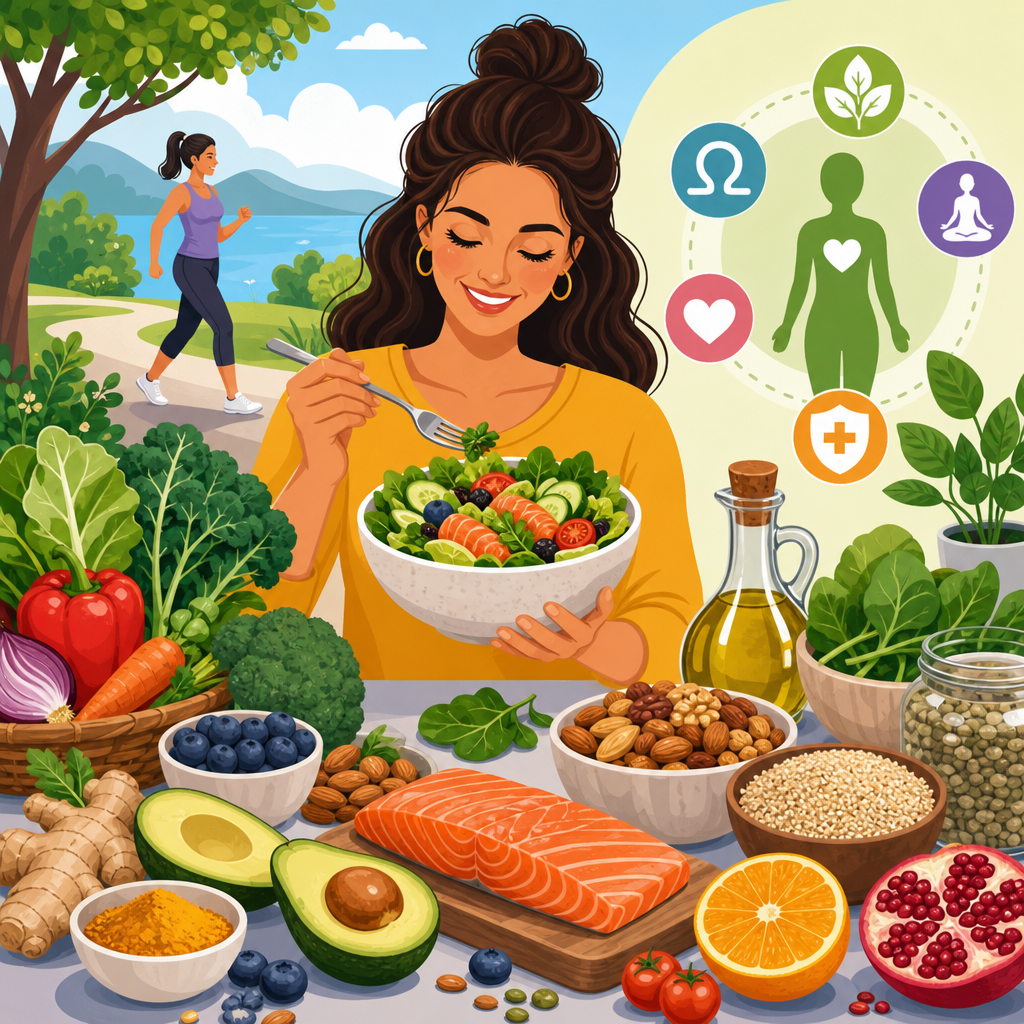
The strongest heart-healthy foods are the ones repeatedly linked with lower cardiovascular risk in large studies and clinical guidelines. Vegetables and fruit supply fiber, potassium, polyphenols, and vitamin C. Whole grains such as oats, barley, brown rice, and whole wheat provide soluble fiber and steady energy. Beans, lentils, and peas bring plant protein, magnesium, and cholesterol-lowering fiber. Nuts and seeds contribute unsaturated fats, sterols, and minerals. Fish, especially salmon, sardines, trout, and mackerel, provide omega-3 fatty acids that support triglyceride control. Olive oil and avocado offer monounsaturated fat that can replace saturated fat. Low-fat yogurt, kefir, and other minimally sweetened dairy foods can fit well, particularly when they displace desserts or heavily processed snacks.
Just as important is what these foods replace. When a breakfast of sugary cereal and pastries becomes oatmeal with berries and walnuts, blood sugar swings are lower and fiber intake rises. When deli meat sandwiches and chips are swapped for lentil soup, whole grain toast, and fruit, sodium usually drops while potassium increases. When fried takeout is replaced with baked fish, quinoa, and roasted vegetables, the meal carries less sodium, fewer refined starches, and a healthier fat profile. This replacement effect is central to nutrition for heart health. A perfect example is soluble fiber from oats and barley, which can help lower LDL cholesterol by binding bile acids in the digestive tract. Small changes like these are not trendy; they are the foundation of better cardiovascular health.
Nutrients that matter most for cardiovascular protection
Several nutrients deserve special attention because they influence heart disease risk through known mechanisms. Fiber is one of the most important. Soluble fiber, found in oats, barley, beans, lentils, apples, and citrus, helps reduce LDL cholesterol, while total fiber supports satiety, weight management, and gut health. Potassium helps regulate blood pressure by balancing sodium’s effects; rich sources include bananas, potatoes, beans, yogurt, leafy greens, and squash. Magnesium supports vascular tone, glucose metabolism, and heart rhythm, and it is abundant in legumes, nuts, seeds, and whole grains. Omega-3 fats, especially EPA and DHA from fatty fish, lower triglycerides and may support normal heart rhythm. Unsaturated fats from olive oil, nuts, seeds, and avocado improve lipid quality when they replace butter, high-fat meat, and other sources of saturated fat.
Sodium, added sugar, and saturated fat are the nutrients most people need to manage more carefully. Excess sodium can raise blood pressure, particularly in salt-sensitive individuals, and it often hides in bread, sauces, soups, restaurant meals, and processed meats rather than the salt shaker alone. Added sugar contributes calories without useful nutrition and can worsen triglycerides, fatty liver, and blood sugar control. Saturated fat is more nuanced than old headlines suggested, but replacing a significant share of it with polyunsaturated and monounsaturated fats remains a well-supported strategy for lowering LDL cholesterol. In practice, this means choosing olive oil instead of butter for cooking, selecting beans or fish more often than sausage or bacon, and checking labels on packaged foods for sodium per serving rather than assuming a product is healthy because it looks natural.
How to build heart-healthy meals day to day
The easiest way to eat for cardiovascular wellness is to use a meal structure you can repeat. I generally recommend starting with half the plate as vegetables or fruit, one quarter as lean or plant protein, and one quarter as a whole grain or starchy vegetable. Add a source of healthy fat, then season with herbs, spices, citrus, garlic, onion, or vinegar. This format works because it naturally raises fiber and micronutrients while reducing the space available for heavily processed foods. Breakfast might be plain Greek yogurt with berries, chia seeds, and oats. Lunch could be a chickpea salad with cucumbers, tomatoes, olive oil, and whole grain pita. Dinner may be baked salmon, roasted broccoli, and barley. Snacks can be fruit, edamame, unsalted nuts, or hummus with carrots.
Meal planning matters because good intentions often collapse when convenience takes over. Keep staples on hand: canned low-sodium beans, frozen vegetables, oats, brown rice, whole grain pasta, nuts, seeds, tuna or salmon, olive oil, and plain yogurt. Batch-cook a pot of lentil soup, roast a tray of vegetables, or prepare overnight oats so one busy day does not become a week of drive-through meals. If your household prefers familiar comfort foods, adapt those first. Add white beans to pasta, use extra vegetables in chili, switch from creamy bottled dressing to olive oil and vinegar, and choose whole grain bread for sandwiches. Heart-healthy eating works best when it feels normal rather than restrictive, and routine is what turns individual choices into a lasting diet pattern.
| Food choice | Better heart-healthy swap | Why it helps |
|---|---|---|
| Bacon and sausage breakfast | Oatmeal with berries and walnuts | More soluble fiber, less sodium, less saturated fat |
| White bread deli sandwich | Whole grain wrap with hummus, chicken, and vegetables | Higher fiber, lower processed meat intake, better fat quality |
| Fried chicken and fries | Baked salmon, sweet potato, and green beans | More omega-3 fats, less trans fat exposure, more potassium |
| Chips or crackers | Unsalted nuts or roasted chickpeas | Improves satiety and replaces refined starch with healthier fats or fiber |
| Creamy bottled sauce | Olive oil, lemon, garlic, and herbs | Reduces sodium and saturated fat while improving flavor |
Eating patterns with the strongest evidence
Two eating patterns stand out for nutrition for heart health: the Mediterranean diet and the DASH diet. The Mediterranean approach emphasizes vegetables, fruit, legumes, whole grains, nuts, seeds, olive oil, herbs, and frequent seafood, with smaller amounts of poultry, dairy, and red meat. The DASH plan, originally designed to lower blood pressure, focuses on fruit, vegetables, low-fat dairy, whole grains, beans, nuts, and reduced sodium. In real practice, these plans overlap heavily. Both are rich in potassium, fiber, magnesium, and unsaturated fats, and both limit ultra-processed foods that tend to be high in sodium, refined grains, and added sugar. Their success comes from food combinations, not single superfoods.
Other patterns can work if they preserve the same principles. A vegetarian or plant-forward diet can be excellent for the heart when it includes beans, soy foods, nuts, seeds, whole grains, and enough vitamin B12, iron, and omega-3 sources. Lower-carbohydrate eating may improve triglycerides and blood sugar for some people, but it should still center on vegetables, legumes where tolerated, fish, olive oil, nuts, and minimally processed proteins rather than butter-heavy or processed meat-focused versions. The key lesson is that heart health nutrition is flexible. You do not need one branded diet. You need a pattern that consistently improves food quality, supports a healthy weight, and makes it easier to control blood pressure, lipids, and glucose over time.
What to limit, and why moderation is not the same for everyone
Processed meat is one of the clearest foods to limit. Bacon, sausage, salami, pepperoni, and many deli meats are typically high in sodium and often high in saturated fat. Fast food and restaurant meals can also be major sodium sources, even when the meal does not taste especially salty. Sugary drinks deserve special caution because they add calories quickly, do little for fullness, and are strongly associated with weight gain and poor metabolic health. Highly refined desserts, snack cakes, and candy are not just sugar problems; they often combine sugar with refined flour and poor-quality fats, making it easy to overeat. Alcohol is another area where moderation varies. Some people can fit small amounts into a healthy pattern, but others do better avoiding it, especially if they have high triglycerides, arrhythmia, liver disease, or trouble controlling intake.
Individual differences matter. Someone with hypertension may need to focus first on sodium and potassium balance. A person with high LDL cholesterol often benefits from more soluble fiber, fewer high-saturated-fat foods, and strategic use of nuts, olive oil, and legumes. Someone with diabetes or prediabetes may need to pair carbohydrates with protein and fiber more carefully to improve glucose control. People with kidney disease cannot simply increase potassium freely without medical guidance. That is why the best heart-healthy diet is evidence-based but personalized. Read nutrition labels, ask how food is prepared when dining out, and use lab results and blood pressure readings to guide which changes should come first. Nutrition for heart health works best when it responds to the real risk profile in front of you.
Practical shopping, cooking, and label-reading strategies
A good grocery cart makes heart-healthy eating much easier. Start in the produce section, add frozen vegetables for convenience, and keep canned beans and fish for backup meals. Choose whole grain products by reading the ingredient list, not just the front label; “whole” should appear before the grain name. For bread, cereal, soups, and sauces, compare sodium numbers directly, because similar products can differ dramatically. Aim for minimally sweetened yogurt, unsalted or lightly salted nuts, and cooking oils such as extra-virgin olive oil or canola oil. If you buy packaged meals, look at fiber and protein along with sodium and saturated fat. A meal that seems light can still be unbalanced if it is mostly refined starch and sauce.
Cooking methods matter almost as much as ingredients. Baking, roasting, steaming, grilling, sautéing in modest amounts of oil, and pressure cooking generally support better heart health than deep frying. Flavor does not have to suffer. Build taste with garlic, ginger, black pepper, smoked paprika, cumin, rosemary, basil, chili flakes, mustard, lemon juice, and vinegar. Rinse canned beans to reduce sodium. Drain and pat tofu before cooking so it browns well. Use nuts or seeds as a garnish instead of cheese-heavy toppings on every meal. These details make healthy meals satisfying, which is the real goal. If food tastes flat, the plan will not last. If meals are flavorful, affordable, and practical, nutrition for heart health becomes part of everyday life instead of a short-lived project.
Heart-healthy eating does not require perfection, expensive products, or constant restriction. It requires a reliable pattern: more plants, more fiber, better fats, less sodium, fewer heavily processed foods, and smarter portions of the foods you already enjoy. The strongest approach is to start with a few high-impact changes, repeat them until they feel automatic, and build from there. If you remember only the essentials, make your plate mostly vegetables and whole foods, choose beans, nuts, fish, and olive oil more often, and keep packaged snacks, processed meats, and sugary drinks in the occasional category. Those choices improve the nutritional quality of your diet in ways that directly support blood pressure, cholesterol, weight, and metabolic health.
As the hub for nutrition for heart health, this guide should help you evaluate every future article, recipe, and meal idea through one simple lens: does this choice move my eating pattern toward better cardiovascular protection? If the answer is yes, it is probably worth keeping. Start with your next grocery trip or your next meal, not some distant Monday. Pick one breakfast swap, one lower-sodium lunch, and one plant-forward dinner for the week ahead. Small decisions, repeated consistently, are how people build a healthier heart for the long term.
Frequently Asked Questions
What does a heart-healthy diet actually look like day to day?
A heart-healthy diet is less about following a rigid meal plan and more about building a consistent eating pattern that supports healthy blood pressure, cholesterol levels, blood sugar balance, and overall vascular function. In practical terms, that usually means centering most meals around vegetables, fruit, beans, lentils, whole grains, nuts, seeds, and lean or minimally processed protein sources. Foods such as oats, brown rice, quinoa, salmon, sardines, plain yogurt, tofu, chickpeas, leafy greens, berries, and olive oil are all common staples in this style of eating.
A simple way to picture it is to start with half your plate as vegetables and fruit, add a quarter plate of whole grains or other high-fiber carbohydrates, and use the remaining quarter for protein such as fish, beans, lentils, eggs, tofu, or skinless poultry. Healthy fats can be added in moderate portions through foods like avocado, walnuts, almonds, chia seeds, flaxseeds, and extra-virgin olive oil. This combination helps increase fiber, potassium, magnesium, and unsaturated fats, all of which are associated with better heart health.
It also helps to think about what gets reduced, not just what gets added. A heart-supportive eating pattern generally limits excess sodium, added sugars, trans fats, and heavily refined foods. That means cutting back on packaged snacks, sugary drinks, fast food, processed meats, and baked goods made with hydrogenated oils or large amounts of refined flour and sugar. The goal is not perfection. It is making nutrient-dense choices often enough that they become your normal routine.
Which foods are especially important if I want to improve heart health through nutrition?
Some foods stand out because they provide nutrients and compounds that directly support cardiovascular health. Fatty fish such as salmon, sardines, trout, and mackerel are especially valuable because they contain omega-3 fatty acids, which may help support healthy triglyceride levels and reduce inflammation. Legumes like black beans, lentils, kidney beans, and chickpeas are excellent because they provide fiber, plant protein, and minerals without the saturated fat often found in more heavily processed protein options.
Whole grains are another major category to prioritize. Oats, barley, brown rice, farro, and whole wheat products provide soluble and insoluble fiber, which can help support cholesterol balance and better blood sugar control. Fruits and vegetables matter just as much, especially those rich in potassium, antioxidants, and polyphenols. Berries, citrus fruits, tomatoes, spinach, kale, broccoli, beets, and sweet potatoes are all strong choices. These foods may help support blood vessel function and reduce the oxidative stress that contributes to long-term heart disease risk.
Nuts and seeds, including walnuts, almonds, pistachios, chia seeds, flaxseeds, and pumpkin seeds, can also play a meaningful role. They provide healthy fats, fiber, and micronutrients that support overall cardiovascular health. Extra-virgin olive oil is another staple often associated with heart-friendly dietary patterns because it offers monounsaturated fats and plant compounds that support healthy inflammation levels. Rather than looking for one “superfood,” it is more effective to combine these foods regularly as part of balanced meals and snacks.
How can I lower sodium, added sugar, and unhealthy fats without feeling like my diet is too restrictive?
The most sustainable approach is to focus on substitutions and gradual changes rather than trying to eliminate everything at once. For sodium, one of the biggest improvements comes from reducing packaged and restaurant foods, since these are often the primary sources of excess salt. Choosing no-salt-added canned beans, rinsing canned vegetables, comparing nutrition labels, and cooking more meals at home can make a noticeable difference. Flavor does not need to suffer. Herbs, spices, garlic, lemon juice, vinegar, onions, and salt-free seasoning blends can make food satisfying while helping you rely less on salt.
For added sugar, start by targeting the easiest sources first, especially sugary drinks, sweetened coffee beverages, energy drinks, and frequent desserts. Replacing those with water, sparkling water, unsweetened tea, fruit, or yogurt with fresh berries can significantly reduce sugar intake without making meals feel deprived. Reading labels is useful here too, because added sugar appears in many products people do not expect, including sauces, flavored oatmeal, granola bars, and salad dressings.
When it comes to unhealthy fats, the main goal is to reduce trans fats and be mindful of foods high in saturated fat from heavily processed sources. Swapping fried foods for baked or grilled versions, choosing nuts or fruit instead of chips or pastries, using olive oil instead of shortening, and selecting fish, beans, or lentils more often in place of processed meats are practical changes that add up. A heart-healthy diet should still be enjoyable. If meals are built around flavorful, satisfying whole foods, most people find they do not miss the excess sodium, sugar, and refined ingredients as much as they expected.
Can I improve heart health if I am busy and do not have time to cook every meal from scratch?
Yes, absolutely. A heart-healthy diet does not require elaborate cooking or spending hours in the kitchen. What matters most is having a few reliable, nutritious defaults that fit your schedule. For example, breakfast can be as simple as oatmeal topped with berries and walnuts, plain Greek yogurt with fruit and chia seeds, or whole grain toast with nut butter. Lunch might be a salad kit improved with beans or grilled chicken, a grain bowl with pre-cooked brown rice and vegetables, or a low-sodium soup paired with fruit and whole grain crackers.
For dinner, convenience can still work in your favor. Frozen vegetables, canned beans, rotisserie chicken, pre-washed greens, microwaveable whole grains, and frozen fish fillets can all make heart-smart meals much easier to assemble. A meal could be grilled salmon with frozen broccoli and quinoa, or a bean-based chili with a side salad, or a stir-fry using tofu, mixed vegetables, and brown rice. These options are quick, balanced, and far better than relying regularly on fast food or highly processed frozen meals.
Meal prep can help, but it does not need to be extreme. Even preparing one or two staples in advance, such as cooked grains, chopped vegetables, hard-boiled eggs, or a large pot of lentil soup, can make the rest of the week easier. Keeping nutritious snacks on hand, like unsalted nuts, fruit, hummus, or plain yogurt, can also prevent impulsive choices when you are hungry and pressed for time. Progress comes from building systems that make the healthier choice the easier choice.
How quickly can dietary changes affect heart health, and what habits make the biggest long-term difference?
Some changes can begin to make a difference sooner than many people expect. For example, lowering sodium intake may help support healthier blood pressure within weeks for some individuals, and increasing fiber while reducing saturated fat can begin to improve cholesterol patterns over time. More stable blood sugar, better energy, and improved digestion are also common early benefits when meals include more whole foods and fewer heavily refined products. That said, the most important cardiovascular benefits usually come from consistency over months and years rather than from short bursts of “perfect” eating.
The habits that tend to make the biggest long-term difference are surprisingly straightforward. Eating more vegetables and fruit daily, choosing whole grains instead of refined grains more often, including legumes several times a week, using healthy fats in reasonable portions, and regularly selecting fish or plant proteins instead of processed meats can collectively have a major impact. Portion awareness matters too, especially with calorie-dense convenience foods, restaurant meals, sweets, and salty snacks. Even highly nutritious foods work best when they fit into an overall balanced pattern.
Another key point is that heart health nutrition works best when it is realistic. The most effective plan is one you can keep doing. That often means improving your usual meals instead of replacing them entirely. Add beans to soups, swap white bread for whole grain bread, choose unsalted nuts instead of candy, use olive oil-based dressings, and include a vegetable at both lunch and dinner. These are not dramatic changes, but they are powerful because they are repeatable. If you have specific concerns such as high blood pressure, elevated cholesterol, diabetes, or a history of cardiovascular disease, individualized guidance from a registered dietitian or healthcare professional can make your nutrition strategy even more effective.