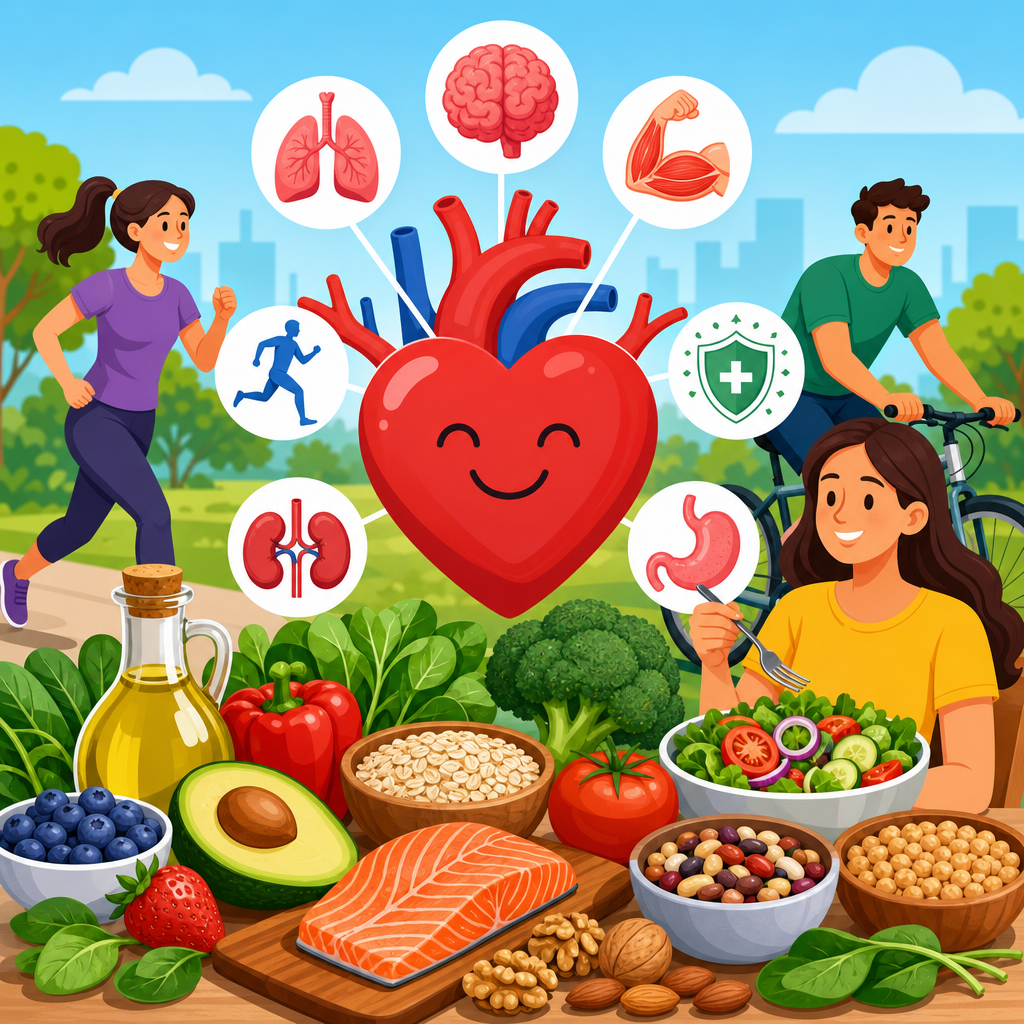
Nutrition for heart health is the science and daily practice of eating in ways that protect blood vessels, support healthy cholesterol and blood pressure, reduce inflammation, and lower the risk of heart attack, stroke, and heart failure. Heart disease remains the leading cause of death worldwide, yet nutrition is one of the most modifiable risk factors. In practice, I have seen people focus narrowly on single “superfoods” or avoid one nutrient while missing the larger pattern that truly changes outcomes. The strongest evidence consistently shows that overall dietary patterns matter more than isolated products, and those patterns influence measurable markers such as LDL cholesterol, triglycerides, fasting glucose, body weight, and systolic blood pressure.
To understand why food choices affect the cardiovascular system, it helps to define the key terms. Cardiovascular health refers to the function of the heart and blood vessels. Atherosclerosis is the gradual buildup of fatty plaques within arteries, driven by elevated apoB-containing lipoproteins, oxidative stress, inflammation, smoking, hypertension, and insulin resistance. Blood pressure is the force of blood against artery walls, and chronic elevation damages the lining of vessels. Cholesterol itself is not the enemy; the problem is the concentration and behavior of lipoproteins that carry it, especially LDL particles that can infiltrate artery walls. Nutrition affects all of these pathways at once, which is why it is central to both prevention and long-term management.
Heart-healthy eating matters because the benefits are broad, cumulative, and well documented. Dietary changes can reduce LDL cholesterol within weeks, improve endothelial function, and support gradual weight loss that lowers cardiovascular strain. Major research on Mediterranean-style eating patterns, the DASH diet, and diets rich in soluble fiber, legumes, nuts, olive oil, and seafood repeatedly shows lower rates of cardiovascular events. Nutrition also works alongside medication rather than competing with it. For many patients with hypertension, dyslipidemia, or type 2 diabetes, the best outcomes come from combining appropriate treatment with a diet built around whole foods, balanced fats, and controlled sodium. This article serves as a hub for nutrition for heart health, covering the principles, foods, nutrients, and practical strategies that support a healthier cardiovascular system.
How Nutrition Influences Heart Disease Risk
The connection between diet and heart disease is biological, not abstract. When meals are routinely high in saturated fat, trans fat, refined carbohydrates, sodium, and excess calories, they can worsen LDL cholesterol, raise blood pressure, increase visceral fat, and impair insulin sensitivity. Over time, these changes accelerate atherosclerosis. By contrast, diets centered on vegetables, fruits, whole grains, beans, nuts, seeds, fish, and unsaturated oils supply fiber, potassium, polyphenols, omega-3 fats, and other compounds that improve lipid metabolism and vascular function.
One of the clearest mechanisms involves LDL cholesterol and apoB. These particles enter artery walls and contribute to plaque formation. Replacing butter, fatty processed meats, and highly processed snacks with olive oil, avocado, nuts, and seeds often lowers LDL levels, especially when paired with higher soluble fiber intake from oats, barley, beans, lentils, and fruit. Soluble fiber binds bile acids in the gut, encouraging the body to use cholesterol to make more bile. This is one reason oatmeal and legumes remain staples in heart-healthy dietary counseling.
Blood pressure responds strongly to nutrition as well. Sodium can raise blood pressure in many people, particularly older adults, people with kidney disease, and those with hypertension. Potassium has the opposite effect by helping regulate fluid balance and vascular tone. In real meal planning, this means reducing heavily salted packaged foods while increasing potassium-rich foods such as beans, potatoes, yogurt, leafy greens, bananas, and squash. Alcohol, excess body weight, and very low intake of magnesium and calcium can also affect blood pressure control.
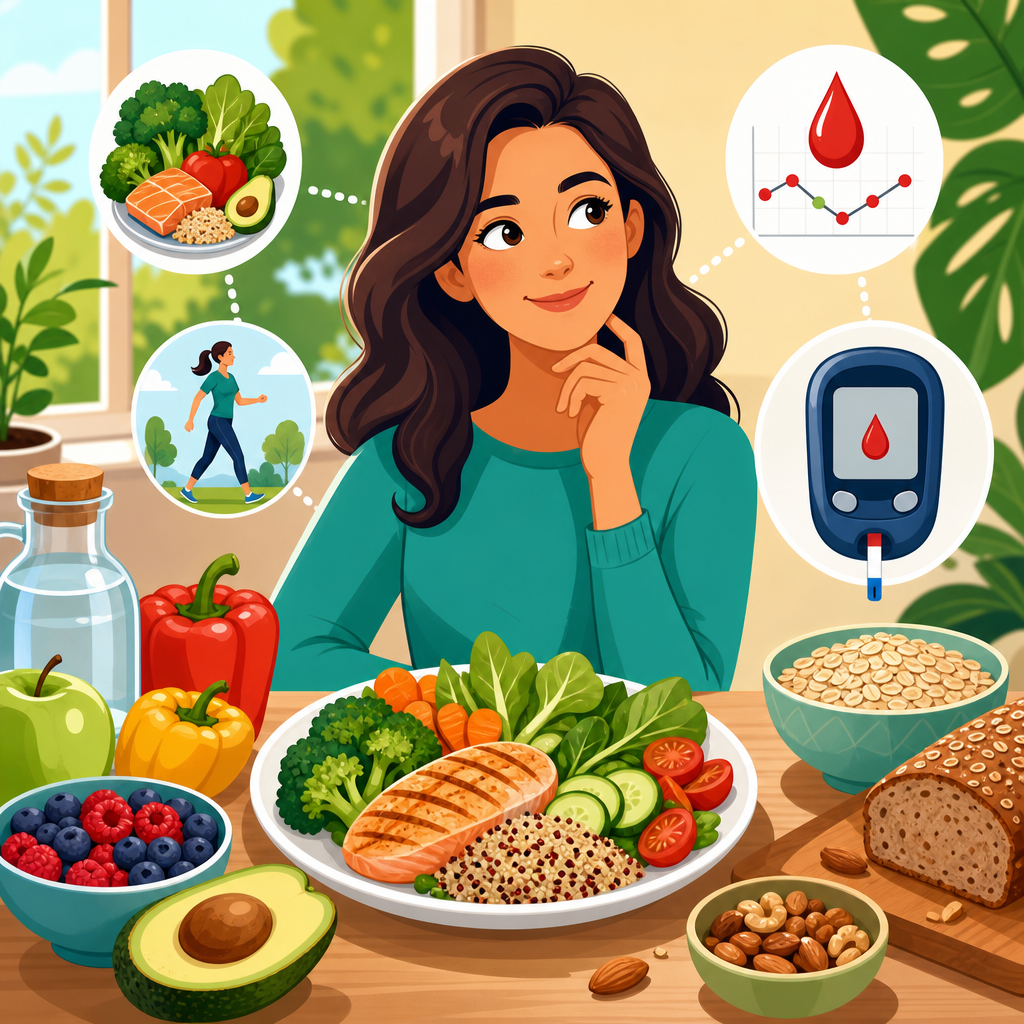
Inflammation and blood sugar regulation are equally important. Frequent intake of sugary drinks, refined grains, and calorie-dense ultra-processed foods contributes to insulin resistance and elevated triglycerides, both of which increase cardiovascular risk. Meals that include intact carbohydrates, lean protein, and healthy fat tend to moderate post-meal glucose spikes. This matters because better glycemic control reduces vascular damage and often improves energy, satiety, and long-term adherence.
The Best Dietary Patterns for Heart Health
When people ask for the single best diet for heart health, the most accurate answer is that several evidence-based patterns work because they share common traits. The Mediterranean diet is perhaps the best known. It emphasizes vegetables, fruit, whole grains, legumes, nuts, herbs, seafood, extra-virgin olive oil, and moderate dairy, with limited red meat and sweets. Clinical evidence, including the PREDIMED trial, linked this pattern with reduced major cardiovascular events in high-risk adults. Its strength is not just olive oil; it is the combination of unsaturated fats, fiber, plant diversity, and lower reliance on processed foods.
The DASH diet, originally designed to lower blood pressure, is another proven option. It focuses on fruits, vegetables, whole grains, low-fat dairy, legumes, nuts, and lean proteins while limiting sodium, sweets, and foods high in saturated fat. In practice, DASH is particularly useful for patients whose main issue is hypertension or fluid-sensitive blood pressure. Even without extreme sodium restriction, moving from a typical processed-food diet to DASH can produce meaningful reductions in systolic and diastolic blood pressure.
Plant-forward eating patterns can also be excellent for cardiovascular health, provided they are built carefully. A heart-healthy plant-based diet includes beans, tofu, tempeh, nuts, seeds, whole grains, vegetables, and fruit, not just meat substitutes and refined vegan snacks. I often remind clients that a plant-based label does not guarantee cardioprotection. French fries, sugary cereals, and coconut-oil desserts may be meat-free, but they do not support healthy lipids. The protective effect comes from minimally processed plant foods rich in fiber and micronutrients.
| Dietary pattern | Main emphasis | Primary heart benefit | Best fit |
|---|---|---|---|
| Mediterranean | Olive oil, fish, legumes, vegetables, whole grains | Lowers cardiovascular event risk and improves lipid quality | General prevention and long-term adherence |
| DASH | Produce, low-fat dairy, whole grains, lower sodium | Reduces blood pressure effectively | People with hypertension |
| Plant-forward | Beans, soy, nuts, seeds, whole grains, vegetables | Improves fiber intake, weight control, and LDL reduction | Those wanting less animal food |
| Portfolio-style approach | Soluble fiber, nuts, soy protein, plant sterols | Targets LDL cholesterol aggressively | People focused on cholesterol lowering |
The best dietary pattern is the one that improves risk markers and can be sustained. Adherence matters more than perfection. A person who consistently cooks beans, salmon, roasted vegetables, oats, and yogurt-based snacks will usually outperform someone who follows an ideal plan for ten days and then reverts to takeout and processed snacks.
Key Nutrients and Foods That Protect the Heart
Specific nutrients matter because they influence cardiovascular physiology in predictable ways. Unsaturated fats, especially monounsaturated fats from olive oil and polyunsaturated fats from nuts, seeds, and fish, improve lipid profiles when they replace saturated fats. Omega-3 fatty acids from salmon, sardines, trout, herring, and mackerel help lower triglycerides and may support normal heart rhythm. Soluble fiber from oats, barley, psyllium, apples, citrus, beans, and lentils reduces LDL cholesterol. Potassium supports blood pressure regulation, while magnesium contributes to vascular function and glucose control.
Whole foods are more useful than nutrient theory alone because they deliver beneficial compounds in combinations. Extra-virgin olive oil contains monounsaturated fat and polyphenols. Walnuts provide alpha-linolenic acid, fiber, and plant compounds. Beans offer potassium, magnesium, resistant starch, and protein with very little saturated fat. Berries contain anthocyanins associated with vascular benefits. Fermented dairy such as plain yogurt can fit well for many people, especially when it replaces desserts or processed breakfast foods.
Foods that deserve caution are equally important. Trans fats should be avoided. Processed meats such as bacon, sausage, salami, and many deli meats are associated with higher cardiovascular risk due to sodium, preservatives, and saturated fat. Ultra-processed foods often combine refined starch, added sugar, sodium, and industrial fats in a way that promotes overeating. Coconut oil remains controversial in popular media, but because it is high in saturated fat, it generally raises LDL cholesterol more than unsaturated plant oils. For most people, olive, canola, avocado, or peanut oil are stronger choices for daily cooking.
Sodium deserves a balanced discussion. It is not necessary for everyone to chase a severe low-sodium target, but most people eating a packaged-food-heavy diet consume far more than needed. The major sources are breads, soups, sauces, frozen meals, chips, pizza, and restaurant foods, not just the salt shaker. At the same time, reducing sodium while maintaining low potassium intake limits the benefit. Heart protection comes from the whole pattern: less sodium, more minimally processed foods, and more potassium-rich produce and legumes.
Practical Strategies for Building a Heart-Healthy Diet
A heart-healthy diet becomes realistic when it is converted into repeatable meal structure. Start by building plates around vegetables, high-fiber carbohydrates, and a lean or plant-based protein source. Breakfast might be oats with berries, chia seeds, and plain yogurt. Lunch could be a lentil soup with a side salad and whole-grain bread. Dinner may be baked salmon, roasted broccoli, and barley with olive oil and lemon. These are not exotic meals, but they cover the major cardiovascular priorities: fiber, unsaturated fat, potassium, and moderate calorie density.
Label reading helps people make better decisions quickly. On packaged foods, look first at sodium, saturated fat, added sugar, and fiber. A breakfast cereal with 2 grams of fiber and 14 grams of added sugar is a weak choice compared with oats or a higher-fiber cereal. Bread with 4 to 5 grams of fiber per serving is usually more useful than soft white bread with almost none. Canned beans are convenient, but rinsing them can reduce sodium. Tuna packed in water, unsalted nuts, frozen vegetables, and plain Greek yogurt are all practical staples for a busy week.
Cooking method matters too. Grilling, baking, steaming, stewing, and air frying generally support heart goals better than deep frying. Restaurant meals often become problematic because of portion size, hidden sodium, refined sides, and calorie-dense sauces. A simple strategy is to choose grilled fish or chicken, request vegetables, switch fries for beans or salad, and ask for dressings or sauces on the side. Small decisions repeated often make a measurable difference in blood pressure, triglycerides, and body weight.
Finally, personalization is essential. Someone with chronic kidney disease may need different potassium guidance. A person taking warfarin should keep vitamin K intake consistent rather than avoiding greens entirely. People with high triglycerides often benefit from sharper reductions in alcohol and added sugars than people whose main issue is isolated LDL elevation. The best heart nutrition plan is evidence-based but tailored to medical history, labs, culture, budget, and cooking skill.
Common Questions, Misconceptions, and Long-Term Benefits
People often ask whether eggs, coffee, dairy, or carbohydrates are “bad for the heart.” The honest answer is that context matters. For most healthy adults, moderate egg intake can fit into a heart-healthy diet, especially if the overall pattern is rich in fiber and low in processed meat. Coffee, particularly filtered coffee, is generally compatible with cardiovascular health for many people, though excess caffeine may affect some individuals. Dairy can also fit, especially yogurt and modest portions of milk or cheese, but heavily processed high-sodium cheese products are less helpful. Carbohydrates are not inherently harmful; the issue is whether they come from intact whole grains, beans, fruit, and vegetables or from refined flour and sugar.
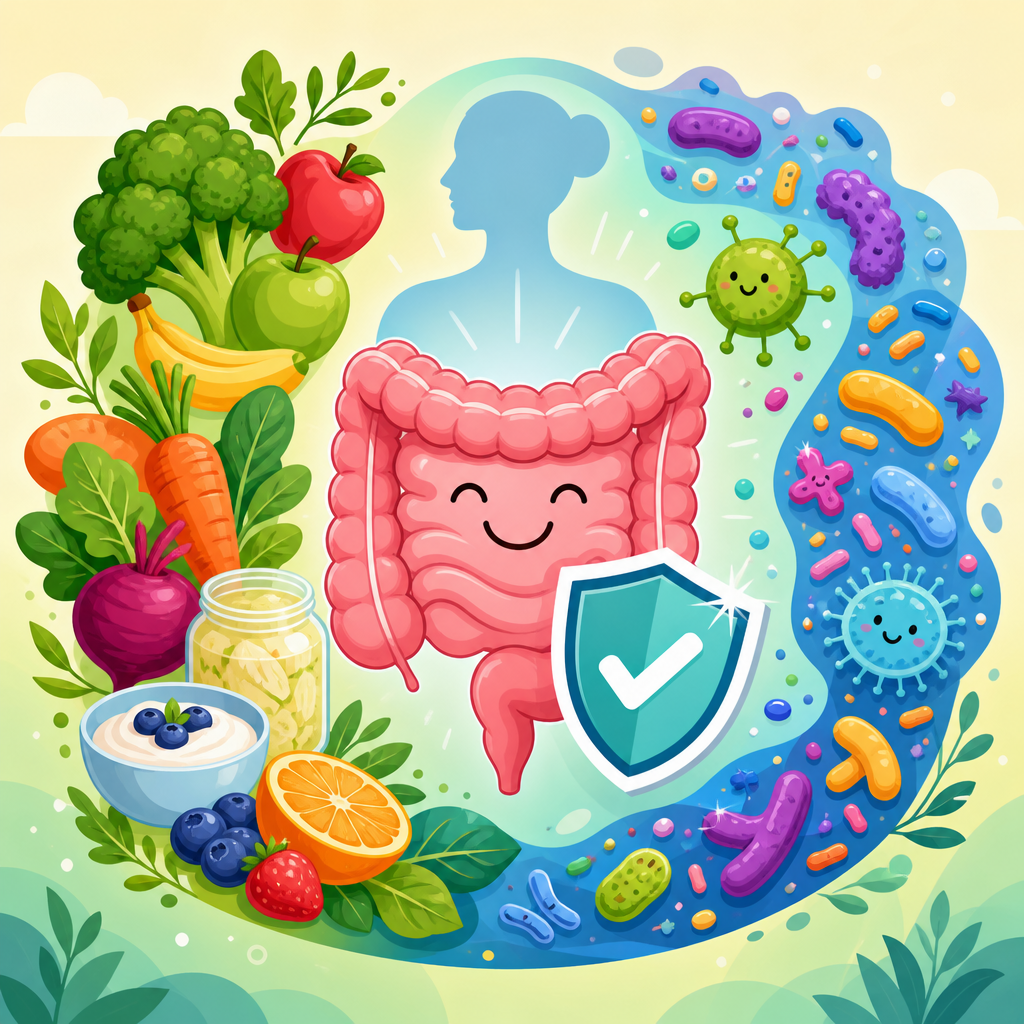
The long-term health benefits of heart-focused nutrition extend beyond the heart itself. The same eating patterns that lower blood pressure and LDL cholesterol often improve digestive health, energy regulation, metabolic health, and healthy aging. They also reduce risk for type 2 diabetes and can support cognitive health, partly because the brain depends on healthy blood vessels. If you want a practical next step, start with one week of heart-smart meals: add beans twice, choose fish once or twice, replace butter with olive oil, and fill half your plate with plants. Consistency is what protects the heart.
Frequently Asked Questions
What does “nutrition for heart health” really mean, and why is it more important than focusing on one superfood?
Nutrition for heart health refers to an overall eating pattern that supports the cardiovascular system at multiple levels. It helps maintain healthy blood pressure, improves cholesterol balance, stabilizes blood sugar, reduces chronic inflammation, supports the lining of blood vessels, and can help with healthy body weight over time. The key idea is that heart health is influenced by how foods work together day after day, not by one miracle ingredient or one nutrient to avoid at all costs.
This is why a narrow focus on a single “superfood” often misses the bigger scientific picture. For example, adding berries or salmon to your diet can be beneficial, but those foods cannot fully offset a routine pattern high in sodium, refined carbohydrates, ultra-processed foods, trans fats, or excess calories. In the same way, avoiding one nutrient, such as fat or carbs, does not automatically create a heart-healthy diet. What matters most is the full dietary pattern: plenty of vegetables, fruits, legumes, whole grains, nuts, seeds, and healthy fats, along with appropriate portions and less reliance on highly processed foods.
Research consistently shows that broader dietary patterns such as the Mediterranean-style diet, DASH eating plan, and other whole-food-based approaches are associated with better cardiovascular outcomes. These patterns work because they influence many risk factors at once. They provide fiber for cholesterol control, potassium and magnesium for blood pressure support, antioxidants and phytonutrients for inflammation, and healthier fats that support blood vessel function. In practical terms, heart-healthy nutrition is less about perfection and more about regularly choosing foods that protect your arteries and heart over the long term.
How does diet affect cholesterol, blood pressure, and inflammation in the body?
Diet influences three major drivers of heart disease: cholesterol levels, blood pressure, and inflammation. Starting with cholesterol, foods high in saturated fat can raise LDL cholesterol in many people, and trans fats are especially harmful because they raise LDL while lowering HDL. On the other hand, foods rich in soluble fiber, such as oats, beans, lentils, apples, and barley, can help reduce LDL cholesterol by binding some cholesterol-related compounds in the digestive tract. Unsaturated fats from olive oil, avocados, nuts, seeds, and fatty fish tend to support a healthier cholesterol profile when they replace less healthy fats.
Blood pressure is strongly affected by sodium intake, overall diet quality, body weight, and intake of minerals such as potassium, magnesium, and calcium. Diets high in processed meats, packaged snacks, fast food, and restaurant meals often contain large amounts of sodium, which can contribute to elevated blood pressure in many individuals. In contrast, diets centered on vegetables, fruits, beans, yogurt, nuts, and whole grains can help support blood pressure because they provide minerals and compounds that help blood vessels relax and function more effectively. This is one reason the DASH diet has strong scientific support for lowering blood pressure.
Inflammation is another critical piece. Chronic low-grade inflammation can contribute to plaque formation and instability in the arteries. Diets high in refined sugars, excessive alcohol, processed meats, and highly processed foods may promote inflammatory pathways, while diets rich in colorful produce, omega-3 fats, legumes, nuts, herbs, spices, and whole grains tend to be associated with lower inflammatory burden. Together, these effects explain why nutrition has such a meaningful impact on heart disease risk. The foods you eat shape the biochemical environment your heart and blood vessels are exposed to every day.
Which foods and eating patterns are most strongly supported by science for heart health?
The strongest evidence supports eating patterns built around minimally processed plant foods, healthy fats, and leaner protein sources. The Mediterranean diet is one of the most well-studied examples. It emphasizes vegetables, fruits, legumes, whole grains, nuts, seeds, olive oil, herbs, fish, and moderate amounts of dairy, while limiting processed foods, processed meats, and excess added sugar. This pattern has been associated with lower rates of heart attack, stroke, and cardiovascular death in many studies.
The DASH diet is another excellent evidence-based approach, especially for people concerned about high blood pressure. It focuses on vegetables, fruits, whole grains, low-fat dairy, beans, nuts, and lean proteins, while reducing sodium, sugary foods, and foods high in saturated fat. It is practical, flexible, and backed by strong clinical research showing meaningful improvements in blood pressure and overall cardiovascular risk factors.
In terms of specific foods, several consistently stand out. Fatty fish such as salmon, sardines, trout, and mackerel provide omega-3 fatty acids, which support heart rhythm, triglyceride control, and vascular health. Oats, beans, and lentils provide soluble fiber that helps reduce LDL cholesterol. Nuts and seeds contribute healthy fats, fiber, and minerals. Extra virgin olive oil is rich in monounsaturated fats and beneficial plant compounds. Leafy greens, berries, tomatoes, and cruciferous vegetables provide antioxidants and nutrients that support blood vessel health. The most important takeaway is not that you must eat every “perfect” food, but that your routine meals should be built from these kinds of ingredients most of the time.
Is fat bad for the heart, or is the type of fat what matters most?
The type of fat matters far more than the total amount alone. For years, many people were taught that all dietary fat was harmful, but the science is much more nuanced. Unsaturated fats, including monounsaturated and polyunsaturated fats, are generally beneficial when used in place of saturated and trans fats. These healthier fats are found in foods such as olive oil, avocados, nuts, seeds, and fatty fish. They can help improve cholesterol balance and support healthy blood vessels.
Saturated fat is more complex than many headlines suggest, but in general, high intake from foods such as fatty cuts of red meat, butter, full-fat processed dairy, and many commercially baked products can raise LDL cholesterol in a significant portion of the population. That matters because elevated LDL is a well-established risk factor for atherosclerosis, the process that narrows and hardens arteries. Trans fats are the clearest fats to avoid because they have consistently harmful effects on cardiovascular risk.
What is especially important is what replaces less healthy fats. Replacing saturated fat with refined carbohydrates and sugary foods does not offer the same heart benefits as replacing it with unsaturated fats from whole-food sources. For example, swapping butter for olive oil, or processed snack foods for nuts, is very different from replacing fat with white bread or sweets. So the practical answer is that heart-healthy eating does not require a fear of fat. It requires choosing better fats, paying attention to food quality, and building meals around whole foods rather than heavily processed products.
What are the real health benefits of improving nutrition for heart health, and how quickly can someone see results?
Improving nutrition for heart health can deliver both immediate and long-term benefits. In the short term, some people notice better energy, less bloating from lower sodium intake, more stable appetite, and improved blood pressure readings within days to weeks. Blood sugar control can also improve quickly when meals become more balanced and less reliant on refined carbohydrates. In some cases, triglyceride levels can begin improving within a relatively short period when people reduce excess sugar, alcohol, and highly processed foods.
Over the medium to long term, the benefits become even more clinically meaningful. Heart-healthy eating can help lower LDL cholesterol, improve blood pressure, support healthy body weight, reduce systemic inflammation, and improve the function of the endothelium, which is the inner lining of blood vessels. These changes can lower the risk of plaque buildup, heart attack, stroke, and heart failure. For people who already have cardiovascular disease or major risk factors such as diabetes, high blood pressure, or high cholesterol, nutrition can be a central part of preventing progression and improving overall outcomes.
As for timing, some markers change quickly while others take longer. Blood pressure can improve within a few weeks on a well-structured eating plan. Cholesterol changes are often seen within several weeks to a few months. Weight-related and inflammatory improvements may continue over many months with consistency. The most important point is that benefits begin before dramatic physical changes are visible. Every meal is a chance to improve the environment inside the body. Sustainable progress comes from repeated, realistic choices, not extreme restriction. A consistent heart-healthy pattern is one of the most powerful tools available for protecting long-term cardiovascular health.