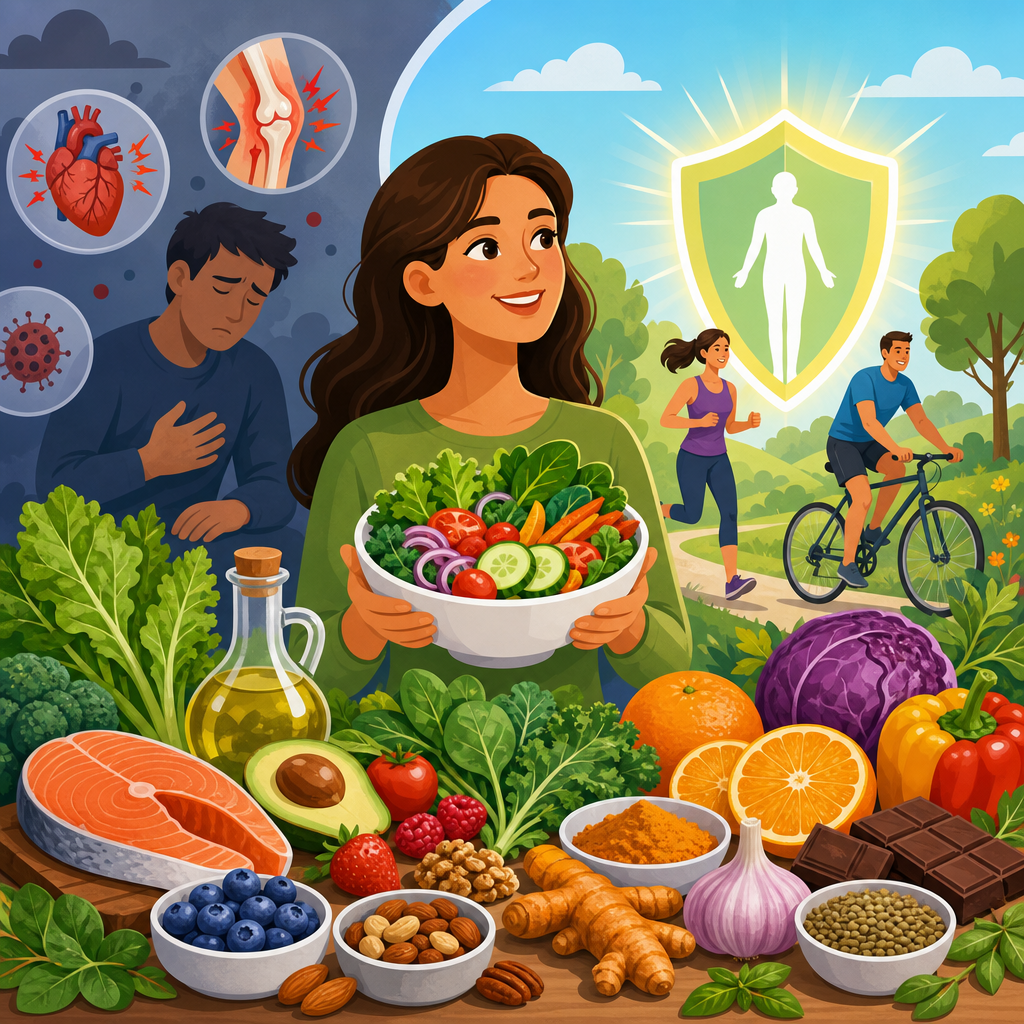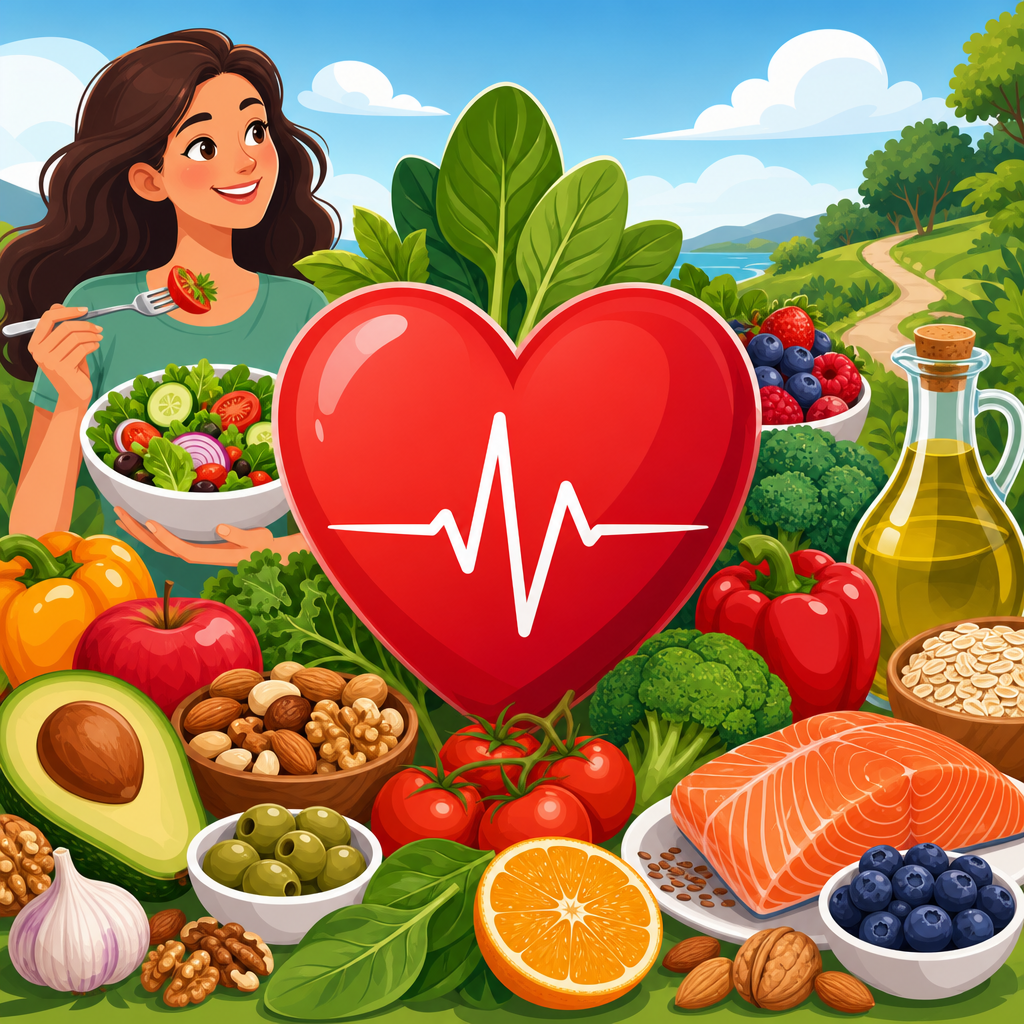
Nutrition for heart health is the consistent use of foods, eating patterns, and nutrient habits that protect the cardiovascular system by improving blood pressure, blood lipids, blood sugar control, inflammation, and body weight. In practice, that means choosing meals that support the heart muscle, arteries, and circulation over years, not chasing a single “superfood” or short diet trend. I have worked with nutrition content and clinical guidance long enough to see the same pattern repeatedly: people make progress when they focus on repeatable dietary patterns such as more vegetables, legumes, whole grains, fish, nuts, and minimally processed foods, while reducing sodium, trans fat, excess added sugar, and highly refined carbohydrates.
Heart disease remains the leading cause of death globally, and in the United States it accounts for hundreds of thousands of deaths each year. The major drivers are well established: elevated LDL cholesterol, hypertension, diabetes, smoking, inactivity, obesity, and chronic inflammation. Nutrition affects nearly all of these risk factors directly. A heart-healthy eating plan can lower LDL cholesterol, improve triglycerides, support a healthier blood pressure range, reduce insulin resistance, and help maintain a healthy weight. It also works alongside medication when medication is necessary. This matters because prevention is cumulative. Small daily choices compound into measurable clinical outcomes over decades.
Science is unusually strong in this area. Randomized trials, prospective cohort studies, and large clinical guidelines from the American Heart Association, the Dietary Guidelines for Americans, the World Health Organization, and the European Society of Cardiology point in the same direction. The most protective approach is not an extreme diet but a balanced pattern rich in fiber, unsaturated fats, potassium, and phytonutrients. Mediterranean-style eating and the DASH pattern are the best studied examples. Both are associated with lower rates of cardiovascular events, and both are practical enough for ordinary households. This hub explains the core principles, the evidence behind key foods and nutrients, common myths, and how to build meals that genuinely support long-term heart health.
How nutrition changes cardiovascular risk
Nutrition influences heart health through several biological pathways. Saturated fat can raise LDL cholesterol in many people, while soluble fiber, plant sterols, and unsaturated fats can lower it. Sodium increases fluid retention and can raise blood pressure, whereas potassium-rich foods help counterbalance sodium’s effect and support vascular function. Diet quality also affects endothelial function, the health of the artery lining that regulates blood flow. Meals high in refined carbohydrates and added sugars can worsen insulin resistance and triglycerides, especially in people with metabolic syndrome. In contrast, diets emphasizing intact plant foods tend to improve glycemic control and reduce excess calorie intake because they are more filling.
The key point is that cardiovascular risk is not determined by one nutrient in isolation. Food matrices matter. Oats do more than provide carbohydrate; they deliver beta-glucan fiber that helps reduce LDL. Nuts provide fat, but mostly unsaturated fat paired with minerals, protein, and polyphenols. Olive oil contains monounsaturated fat and bioactive compounds associated with better vascular health. This is why whole dietary patterns outperform isolated supplement thinking. In clinic-informed nutrition practice, the strongest results usually come from changing the overall pattern first, then fine-tuning specific nutrients based on lab values and medical history.
Best-studied eating patterns for heart health
The Mediterranean diet is supported by some of the most persuasive cardiovascular evidence. It emphasizes vegetables, fruit, beans, lentils, whole grains, olive oil, nuts, seeds, herbs, fish, and modest amounts of dairy, with limited processed meat and sweets. The PREDIMED trial is frequently cited because participants at high cardiovascular risk who followed a Mediterranean-style diet supplemented with extra-virgin olive oil or nuts had fewer major cardiovascular events than a lower-fat control group. The lesson is not that everyone must eat identically, but that a pattern rich in plant foods and unsaturated fats consistently improves risk markers and outcomes.
The DASH diet, originally designed to lower blood pressure, is another cornerstone. DASH stands for Dietary Approaches to Stop Hypertension and focuses on vegetables, fruit, low-fat dairy, beans, nuts, and whole grains while limiting sodium, sweets, and red meat. In real-world terms, DASH works because it is naturally high in potassium, magnesium, calcium, and fiber, all of which support blood pressure control. Many patients I have seen succeed with DASH-like meals because they are familiar, affordable, and easy to adapt across cuisines, from Latin American bean dishes to South Asian lentil and vegetable meals.
| Pattern | Main Foods | Primary Benefit | Best For |
|---|---|---|---|
| Mediterranean | Olive oil, fish, vegetables, legumes, nuts, whole grains | Improves lipids and lowers cardiovascular event risk | General heart protection and long-term adherence |
| DASH | Vegetables, fruit, low-fat dairy, beans, nuts, whole grains | Lowers blood pressure effectively | People with hypertension or high-normal blood pressure |
| Portfolio-style | Soy protein, viscous fiber, nuts, plant sterols | Reduces LDL cholesterol meaningfully | People focused on cholesterol lowering |
A third evidence-based option is the Portfolio Diet, which combines LDL-lowering foods such as plant sterols, soy protein, nuts, and viscous fiber from oats, barley, and psyllium. Research from David Jenkins and colleagues showed that this pattern can lower LDL cholesterol significantly, sometimes approaching the effect size of low-dose statin therapy in selected cases, though it is not a replacement when medication is clinically indicated. This matters for people who need a more targeted food strategy. The broader message across all three patterns is consistent: heart-healthy nutrition is flexible, but it should be centered on minimally processed foods and repeated every day.
Foods and nutrients that matter most
Fiber is one of the most important nutrients for heart health, yet most adults do not eat enough of it. Soluble fiber, found in oats, barley, beans, lentils, chia seeds, flaxseed, apples, and citrus, binds bile acids and helps lower LDL cholesterol. Insoluble fiber supports digestive health and can improve satiety, making weight management easier. A practical target is at least 25 to 30 grams of total fiber daily, with regular inclusion of soluble sources. One cup of cooked lentils provides about 15 grams, and a bowl of oatmeal can contribute several more, especially if topped with berries and ground flax.
Dietary fat quality matters more than total fat for most people. Replacing saturated fats from fatty cuts of meat, butter, and some processed foods with unsaturated fats from olive oil, avocado, nuts, seeds, and fish generally improves lipid profiles. Omega-3 fatty acids from salmon, sardines, trout, and mackerel can reduce triglycerides and may support heart rhythm stability. Walnuts, chia, and flax provide alpha-linolenic acid, a plant omega-3 that also contributes to heart health. Trans fats are the fats to avoid most decisively because they raise LDL and lower HDL; although they have been reduced in the food supply, they can still appear in some ultra-processed baked and fried foods.
Sodium and potassium deserve special attention because blood pressure responds strongly to the balance between them. Most sodium intake comes from packaged foods, restaurant meals, breads, sauces, deli meats, and canned soups rather than the salt shaker. Potassium is abundant in beans, potatoes, yogurt, bananas, leafy greens, tomatoes, squash, and fruit. Increasing potassium-rich foods while reducing heavily salted products is often more realistic than trying to eliminate salt entirely. Added sugars also matter, particularly in sugar-sweetened beverages, coffee drinks, desserts, and many breakfast products. These foods can drive excess calorie intake, worsen triglycerides, and undermine blood sugar control. Whole foods, not perfection, are the foundation.
What to limit, and why moderation is not the same for every food
Heart-healthy eating is not only about what to add; it is also about what to reduce strategically. Processed meats such as bacon, sausage, salami, hot dogs, and many deli slices are consistently linked with higher cardiovascular risk. They are typically high in sodium, saturated fat, and preservatives, and they often displace more nutrient-dense proteins. Red meat can fit occasionally in some diets, but portions and frequency matter. Choosing beans, lentils, fish, tofu, or skinless poultry more often is a reliable way to improve overall diet quality without making meals feel restrictive.
Ultra-processed foods present a broader issue than any single nutrient. They are engineered for convenience and palatability, often combining refined starch, sodium, added sugar, and industrial fats in ways that encourage overeating. Examples include chips, packaged pastries, instant noodles, sweetened cereals, and many frozen snack foods. These products can fit occasionally, but a diet built around them usually crowds out foods that protect the heart. Alcohol is another area where nuance matters. Some older research suggested potential benefit from light intake, especially red wine, but current guidance does not recommend starting alcohol for heart protection. Any potential benefit is offset by risks that include hypertension, arrhythmias, liver disease, and certain cancers.
How heart-healthy nutrition works in real meals
Many people understand the theory but need help translating it into breakfast, lunch, dinner, and snacks. A practical heart-healthy breakfast could be steel-cut oats cooked with milk or fortified soy milk, topped with berries, walnuts, and ground flaxseed. That single meal combines soluble fiber, unsaturated fat, and polyphenols. Lunch might be a bean and vegetable soup with a side salad dressed in olive oil and vinegar, plus a slice of whole-grain bread. Dinner could be baked salmon, roasted vegetables, and quinoa, or a chickpea and spinach curry served with brown rice. Snacks that fit well include fruit, plain yogurt, edamame, hummus with carrots, or a small handful of unsalted nuts.
Meal construction becomes easier when you use a simple template: half the plate vegetables or fruit, one quarter protein from fish, beans, tofu, or lean poultry, and one quarter high-fiber carbohydrate such as barley, farro, oats, sweet potato, or brown rice. Flavor matters too. People stay consistent when food tastes good, so use herbs, citrus, garlic, onion, ginger, cumin, paprika, and pepper rather than relying on salt-heavy sauces. Reading labels helps identify hidden sodium and added sugar. Aim for foods with short ingredient lists, more fiber, and less sodium per serving. Progress does not require perfect cooking skills; even supermarket rotisserie chicken, frozen vegetables, canned low-sodium beans, and microwavable brown rice can form a solid meal.
Special situations: cholesterol, hypertension, diabetes, and older adults
If LDL cholesterol is the main concern, prioritize soluble fiber, nuts, soy foods, and replacing saturated fat with unsaturated fat. Psyllium husk can be useful when food alone is not enough, and plant sterol-enriched products may help selected patients. If hypertension is the main issue, the biggest wins often come from reducing sodium, increasing potassium-rich foods, moderating alcohol, and following a DASH-style pattern. For elevated triglycerides, reduce sugary drinks, refined carbohydrates, and excess alcohol while increasing exercise and, if appropriate, marine omega-3 intake.
People with diabetes or prediabetes benefit from many of the same principles, but carbohydrate quality and meal timing may require closer attention. Pairing carbohydrates with protein, fiber, and healthy fat can reduce glucose spikes. Older adults need enough protein to preserve muscle mass, yet they still benefit from the same cardiovascular priorities. In every case, personalization matters. Chronic kidney disease may require potassium or phosphorus limits. People taking warfarin need consistent vitamin K intake rather than avoiding greens altogether. The best heart-healthy diet is evidence-based, medically appropriate, affordable, and sustainable in daily life.
Common myths and the smartest next step
Several myths continue to distract people from effective heart nutrition. One is that all fat is harmful; the evidence clearly shows that unsaturated fats are beneficial when they replace saturated and trans fats. Another is that supplements can substitute for food. Outside specific needs such as prescribed omega-3 therapy or clinician-guided fiber supplementation, whole foods remain the stronger strategy because they deliver nutrients in combinations that supplements cannot replicate. A third myth is that healthy eating must be expensive. Dried beans, oats, frozen vegetables, canned tuna, plain yogurt, potatoes, and seasonal produce are among the most cost-effective heart-supportive foods available.
Nutrition for heart health works because it addresses the mechanisms behind cardiovascular disease, not just symptoms. The strongest science supports eating patterns rich in vegetables, fruit, legumes, whole grains, nuts, seeds, and fish, with olive oil and other unsaturated fats used in place of less healthy options. Limiting sodium, ultra-processed foods, processed meats, added sugars, and trans fats strengthens the benefit. If you want one practical starting point, build your next week around one proven pattern such as Mediterranean or DASH, then repeat the meals you enjoy. Start with breakfast and dinner, stock your kitchen with fiber-rich staples, and review your labels. Consistency is what protects the heart, so take one concrete step today and keep going.
Frequently Asked Questions
What does “nutrition for heart health” actually mean?
Nutrition for heart health means following eating habits that consistently support the cardiovascular system over time. Rather than focusing on one “miracle” food or a short-term diet, it involves a pattern of choices that helps protect the heart muscle, blood vessels, and circulation day after day. Science shows that the biggest benefits come from overall dietary patterns that improve major risk factors for heart disease, including high blood pressure, elevated LDL cholesterol, poor blood sugar control, chronic inflammation, and excess body weight.
In practical terms, heart-healthy nutrition usually emphasizes vegetables, fruits, beans, lentils, whole grains, nuts, seeds, and healthy fat sources such as olive oil, while also including balanced amounts of fish, yogurt, or other minimally processed protein foods depending on individual preferences. At the same time, it tends to limit highly processed foods, excess sodium, added sugars, trans fats, and frequent intake of processed meats. The goal is not perfection. The goal is a sustainable eating pattern that makes it easier for the body to maintain healthy arteries, stable energy, and better long-term cardiovascular function.
How does a heart-healthy diet benefit blood pressure and cholesterol?
A heart-healthy diet can improve blood pressure and cholesterol through several well-established mechanisms. Foods rich in potassium, magnesium, fiber, and antioxidants help support normal blood vessel function and fluid balance, which can help lower blood pressure. Diets built around vegetables, fruits, beans, and whole grains also tend to be naturally lower in sodium when compared with heavily processed meals, and that matters because excess sodium can increase pressure inside the arteries in many people.
Cholesterol also responds strongly to nutrition quality. Soluble fiber from foods like oats, beans, lentils, barley, apples, and chia can help reduce LDL cholesterol by limiting how much cholesterol is absorbed in the digestive tract. Replacing saturated fats from heavily processed meats, fried foods, and some packaged snacks with unsaturated fats from olive oil, nuts, seeds, avocado, and fatty fish can further improve lipid levels. Research consistently finds that dietary patterns such as the Mediterranean-style diet and DASH-style eating plan are associated with healthier cholesterol profiles and lower blood pressure, especially when followed consistently instead of occasionally.
It is also important to remember that change does not depend on extreme restriction. Even moderate improvements, such as cooking more meals at home, eating more fiber-rich foods, and reducing restaurant and packaged food intake, can create meaningful improvements over time. For many people, these changes work best when they are gradual, realistic, and repeated enough to become routine.
Are there specific foods that science links most strongly to heart health?
Yes, but science generally points to groups of foods and overall patterns rather than one single standout item. The strongest evidence supports regularly eating vegetables, fruits, legumes, whole grains, nuts, seeds, and healthy fats, especially in place of more processed and refined choices. Fatty fish such as salmon, sardines, trout, and mackerel are also frequently recommended because they provide omega-3 fats, which are associated with heart-supportive effects, particularly in people who do not consume much seafood otherwise.
High-fiber foods deserve special attention because they influence several heart-related markers at once. Beans, lentils, oats, barley, berries, and many vegetables can help improve cholesterol, blood sugar balance, and fullness, which may also support weight management. Nuts and seeds are another evidence-based category. When eaten in reasonable portions, they provide unsaturated fats, minerals, plant compounds, and protein that fit well into a protective eating pattern. Olive oil is often highlighted in research because it can replace less favorable fat sources while contributing beneficial plant compounds.
Just as important is what these foods replace. Heart benefits often come not only from adding good foods, but from reducing frequent intake of ultra-processed snacks, sugary drinks, refined grains, processed meats, and foods high in trans fats or excess sodium. In other words, science supports a dietary pattern where the everyday default is nutrient-dense, minimally processed food, not a strategy built around a few isolated “superfoods.”
Can nutrition for heart health also help with blood sugar, inflammation, and weight management?
Absolutely. One reason nutrition is so powerful for cardiovascular health is that it influences several interconnected systems at once. Blood sugar control matters because frequent spikes and poor long-term glucose regulation can damage blood vessels and increase the risk of cardiometabolic disease. Meals centered on fiber-rich carbohydrates, balanced protein, and healthy fats tend to digest more steadily than meals heavy in refined starches and sugary foods. This can support more stable blood sugar and insulin responses over time.
Inflammation is another major factor. While inflammation is a normal part of the body’s defense system, chronic low-grade inflammation is linked with atherosclerosis and other cardiovascular problems. Diets rich in vegetables, fruits, legumes, nuts, seeds, and unsaturated fats provide compounds that are associated with lower inflammatory stress. At the same time, reducing highly processed foods, excess added sugar, and repeated intake of fried or heavily refined foods can help decrease dietary patterns that often contribute to poorer metabolic health.
Weight management is closely tied to heart health as well, but not in a simplistic way. Heart-supportive eating tends to improve weight regulation because high-fiber, protein-containing, minimally processed meals are usually more filling and easier to eat in appropriate portions than foods engineered to be hyper-palatable. Sustainable weight improvement can help reduce strain on the heart, support healthier blood pressure, and improve cholesterol and blood sugar levels. The most reliable approach is not aggressive dieting. It is building a pattern that is satisfying enough to maintain for months and years.
What is the best way to start eating for better heart health without feeling overwhelmed?
The best place to start is with a few repeatable changes that improve the quality of your everyday meals. Most people do better when they focus on structure instead of restriction. A simple example is building plates around vegetables, a high-fiber carbohydrate such as beans or whole grains, a quality protein source, and a healthy fat. This approach naturally shifts the diet toward foods that support blood pressure, cholesterol, blood sugar control, and overall cardiovascular function.
You do not need to change everything at once. Start with the meals you eat most often. If breakfast is usually refined and low in fiber, consider oatmeal with fruit and nuts, or yogurt with seeds and berries. If lunch is often processed or restaurant-based, try a grain bowl, bean soup, salad with protein, or leftovers from a home-cooked dinner. For dinner, aim to cook more often with vegetables, legumes, fish, poultry, tofu, olive oil, and whole grains while reducing heavily processed sauces, salty packaged sides, and fried foods. Small shifts like using beans more often, replacing sugary drinks with water, and choosing fruit or nuts instead of packaged snacks can have a surprisingly strong cumulative effect.
It also helps to think long term. The most effective heart-healthy diet is the one you can actually sustain. That means making room for culture, budget, schedule, food preferences, and enjoyment. If you have high blood pressure, high cholesterol, diabetes, kidney disease, or a history of cardiovascular problems, personalized advice from a registered dietitian or physician can make your plan more effective and safer. Science is clear that nutrition matters for heart health, but the smartest approach is the one that turns good evidence into realistic daily habits.