Nutrition for heart health is essential for a balanced diet because the heart depends on a steady supply of nutrients, stable energy, and healthy blood vessels to keep every organ working well. When people hear “heart-healthy eating,” they often think only about cutting salt or avoiding fried food, but nutrition for heart health is broader than that. It includes the overall dietary pattern that influences blood pressure, cholesterol, triglycerides, blood sugar, inflammation, body weight, and vascular function. A balanced diet, in this context, means eating enough whole foods from major food groups in proportions that support cardiovascular performance without creating long-term metabolic strain. That includes vegetables, fruits, legumes, whole grains, nuts, seeds, lean proteins, and unsaturated fats, while limiting excess sodium, trans fats, refined carbohydrates, and highly processed foods.
I have worked with heart-focused meal planning in both preventive wellness settings and nutrition education programs, and the clearest lesson is this: heart health is shaped by daily patterns, not single superfoods. One high-sodium meal does not cause heart disease, and one salad does not prevent it. What matters is the repeated intake of foods that affect arterial health, lipid balance, and blood pressure over years. Cardiovascular disease remains the leading cause of death globally, and many of its major risk factors are strongly influenced by diet. The World Health Organization and the American Heart Association consistently emphasize dietary change as a frontline strategy for prevention. For that reason, nutrition for heart health is not a niche concern. It is a practical foundation for anyone building a balanced diet for longevity, energy, and disease prevention.
This hub article explains what nutrition for heart health means, which nutrients matter most, how major eating patterns support cardiovascular wellness, and how to make realistic changes. It also serves as a guide to the wider subtopic by connecting the core ideas people usually search for: healthy fats, fiber, sodium, cholesterol, blood pressure, meal planning, label reading, and foods that support circulation. If you want a simple definition, it is this: nutrition for heart health is the use of evidence-based eating habits to lower cardiovascular risk and support normal heart and blood vessel function. Understanding that definition makes it easier to build meals that are balanced, sustainable, and genuinely protective.
What nutrition for heart health includes
Nutrition for heart health includes more than avoiding obvious junk food. It means choosing foods that improve known cardiovascular markers and reducing foods that worsen them. The key markers are LDL cholesterol, HDL cholesterol, triglycerides, blood pressure, fasting glucose, hemoglobin A1c, waist circumference, and inflammatory burden. In practice, a heart-supportive diet is rich in soluble fiber, potassium, magnesium, polyphenols, and unsaturated fats. It is moderate in calories, adequate in protein, and low in trans fat, excess sodium, and added sugar. This is why dietary patterns such as the Mediterranean diet, DASH diet, and plant-forward eating plans consistently perform well in clinical and population research.
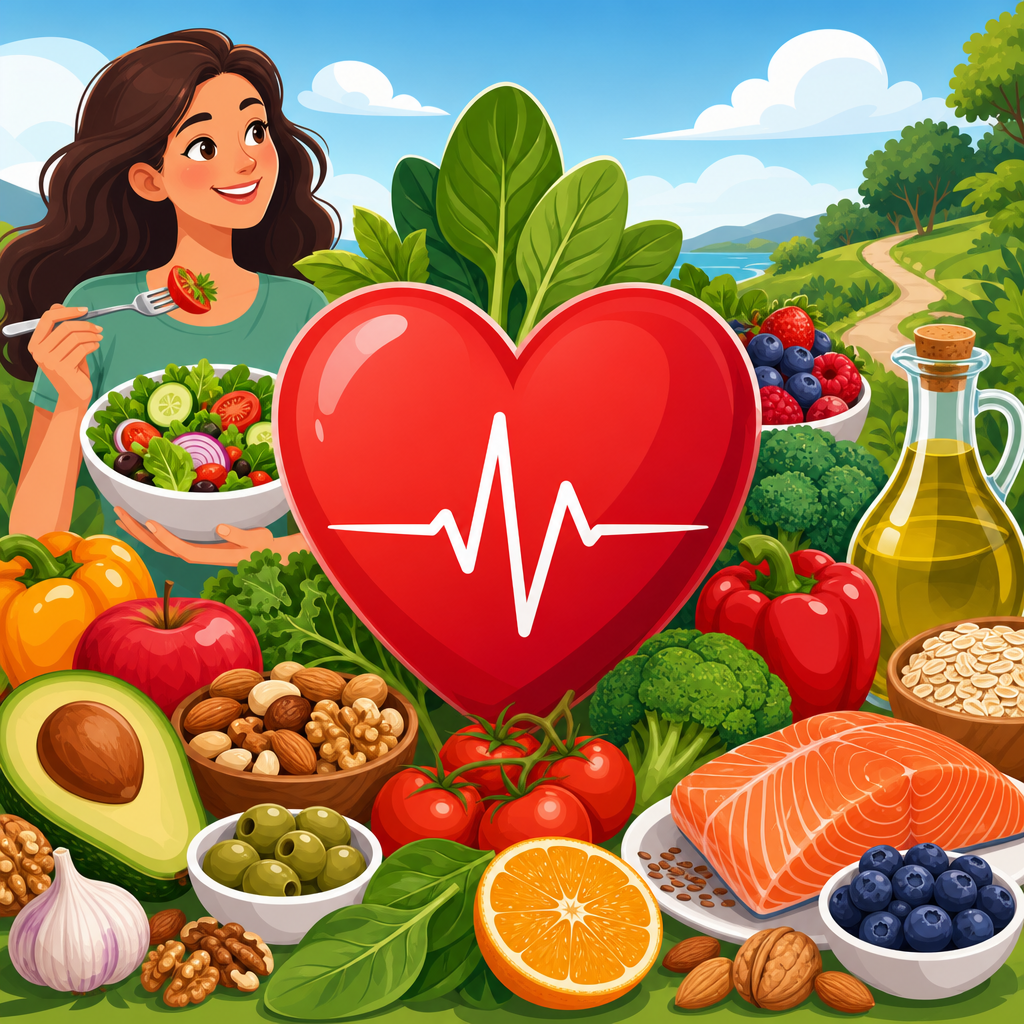
For example, replacing processed meats and packaged snacks with beans, oats, berries, olive oil, yogurt, and leafy greens can improve several risk factors at once. Oats provide beta-glucan, a soluble fiber known to help lower LDL cholesterol. Beans support satiety and blood sugar control while contributing potassium and fiber. Olive oil provides monounsaturated fat and phenolic compounds associated with vascular benefits. Leafy greens contribute nitrate compounds that may support endothelial function, along with folate and potassium. In real meal planning, these benefits compound when foods are combined consistently. A breakfast of oatmeal with walnuts and berries, a lunch built around lentils and vegetables, and a dinner with salmon, quinoa, and broccoli creates a stronger cardiovascular pattern than isolated “healthy” items added to an otherwise poor diet.
Another important point is that heart-healthy nutrition must be individualized. A person managing hypertension may need to focus first on sodium reduction and potassium intake. Someone with elevated LDL may benefit most from changing fat quality and increasing soluble fiber. A person with diabetes and cardiovascular risk often needs to prioritize glycemic control, weight management, and triglyceride reduction. The destination is the same, but the route can differ. That is why the best balanced diet for heart health is not a rigid menu. It is a structured framework that fits medical needs, culture, budget, appetite, and routine.
The nutrients and food groups that protect the cardiovascular system
The most important nutrients for heart health work through clear physiological mechanisms. Soluble fiber binds bile acids and helps reduce LDL cholesterol; good sources include oats, barley, beans, peas, apples, and citrus. Unsaturated fats, especially monounsaturated and omega-3 fats, support healthier lipid profiles and can reduce inflammation. Olive oil, avocados, nuts, seeds, and fatty fish such as salmon, sardines, and mackerel are leading examples. Potassium helps regulate blood pressure by balancing sodium’s effects; it is abundant in beans, potatoes, bananas, yogurt, spinach, and squash. Magnesium supports vascular tone and metabolic regulation, while antioxidants and polyphenols from berries, cocoa, tea, olive oil, and colorful vegetables help protect blood vessels from oxidative stress.
Sodium deserves special attention because excessive intake is strongly tied to hypertension, a major driver of heart attack, stroke, kidney disease, and heart failure. Most sodium in modern diets comes from processed and restaurant foods, not the salt shaker. Bread, soups, sauces, deli meats, frozen meals, snack foods, and fast food can contribute large amounts before a person notices. In counseling sessions, I have seen people who rarely add salt still consume well above recommended limits because their meals rely on packaged staples. Reading labels and comparing brands often reveals meaningful differences. A canned soup can contain more than 700 milligrams of sodium per serving, while a lower-sodium version may have half that amount.
Added sugars and refined carbohydrates also matter, especially for triglycerides, insulin resistance, and body weight. Sugary beverages are one of the clearest examples. They deliver calories quickly, provide little satiety, and can worsen metabolic health when consumed often. Swapping soda or sweet tea for water, sparkling water, or unsweetened tea is a practical heart-health change because it reduces excess sugar without requiring complicated meal prep. At the same time, it is important not to fear all carbohydrates. Whole grains, fruit, beans, and starchy vegetables can absolutely fit a heart-healthy balanced diet because their fiber, micronutrients, and slower digestion create very different effects from refined sweets and white-flour snacks.
| Heart-health focus | What to eat more often | What to limit | Why it matters |
|---|---|---|---|
| Cholesterol management | Oats, beans, barley, nuts, olive oil | Trans fats, heavily processed meats | Improves LDL and overall lipid quality |
| Blood pressure support | Leafy greens, yogurt, beans, potatoes, fruit | High-sodium packaged foods | Supports potassium intake and lowers sodium load |
| Triglyceride control | Fish, high-fiber meals, minimally processed carbs | Sugary drinks, excess alcohol, sweets | Helps stabilize blood sugar and fat metabolism |
| Weight and satiety | Vegetables, legumes, lean protein, whole grains | Ultra-processed snack foods | Supports calorie control without nutrient loss |
Eating patterns that consistently support heart health
When researchers study diet and cardiovascular outcomes, they usually find that overall eating patterns predict risk better than single nutrients alone. The Mediterranean diet is a well-established example. It emphasizes vegetables, fruit, legumes, whole grains, olive oil, nuts, herbs, seafood, and moderate dairy, with limited red meat and sweets. In practice, this pattern works because it improves fat quality, increases fiber and polyphenol intake, and naturally reduces reliance on ultra-processed food. The PREDIMED trial is frequently cited because it showed that a Mediterranean-style diet supplemented with extra-virgin olive oil or nuts reduced major cardiovascular events in high-risk adults compared with a low-fat control approach.
The DASH eating pattern is another benchmark, especially for blood pressure. DASH stands for Dietary Approaches to Stop Hypertension, and its strength is that it is both clinically grounded and easy to apply. It emphasizes vegetables, fruits, low-fat dairy, whole grains, nuts, seeds, beans, and lean proteins while limiting sodium, sweets, and foods high in saturated fat. In real life, DASH can look like plain yogurt with fruit, turkey and avocado on whole-grain bread, bean chili with vegetables, and roasted chicken with brown rice and greens. Patients often assume it requires expensive specialty food, but most of its core foods are standard grocery items.
Plant-forward diets also deserve attention. A diet does not have to be fully vegetarian to improve heart health. Simply shifting the center of the plate from meat to legumes, vegetables, whole grains, and nuts can lower saturated fat intake and raise fiber intake significantly. I often recommend starting with two or three meatless meals per week rather than making a dramatic overnight switch. For many people, black bean tacos, lentil soup, tofu stir-fry, or chickpea pasta are easier entry points than abstract instructions to “eat more plants.” The best eating pattern is one a person can sustain while meeting nutrient needs, enjoying meals, and staying consistent across weekdays, weekends, travel, and social events.
How heart-healthy nutrition fits into daily life
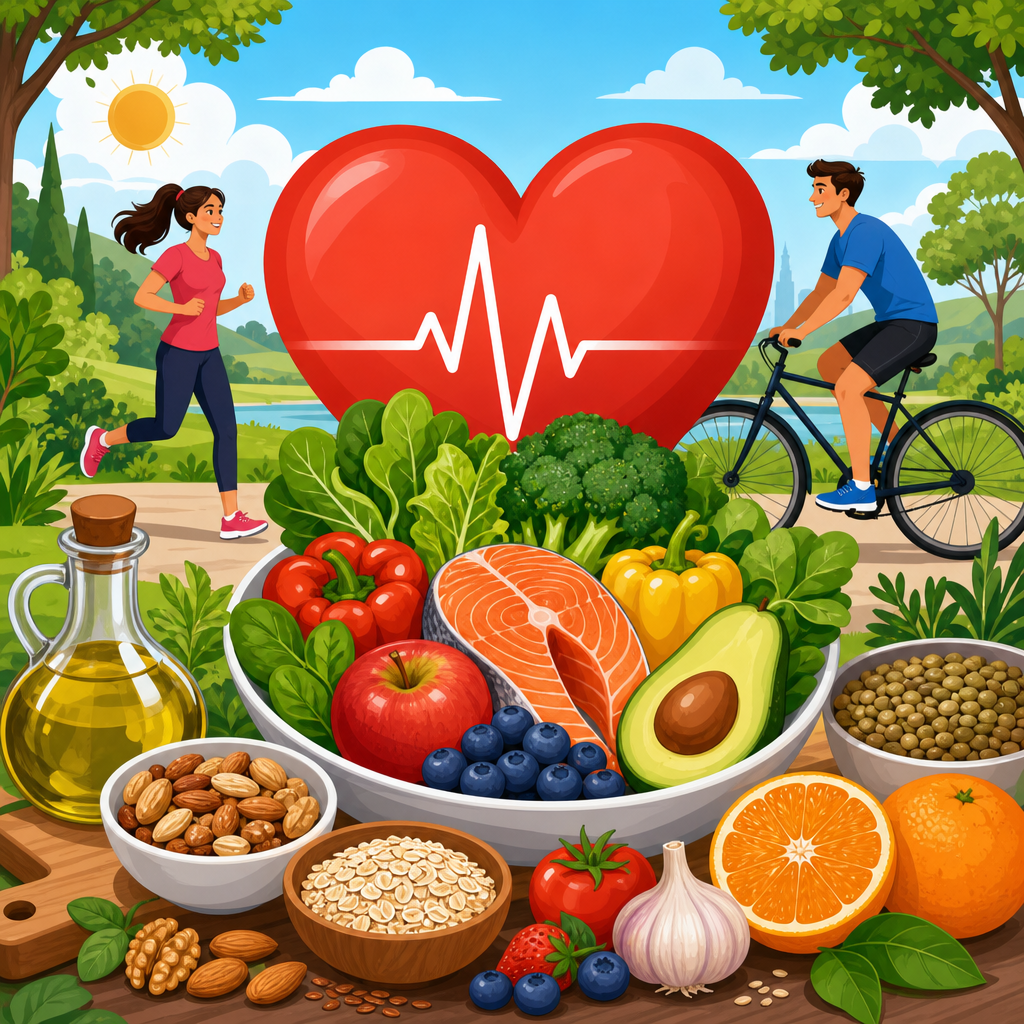
Knowing the principles of nutrition for heart health is useful, but daily implementation is where results happen. The first step is building meals around structure rather than restriction. A simple framework is to fill half the plate with vegetables or fruit, one quarter with lean protein or legumes, and one quarter with whole grains or other high-fiber carbohydrates, then add a healthy fat source such as olive oil, nuts, seeds, or avocado. This format supports satiety, steadier blood sugar, and a better nutrient distribution than meals built around refined starch and processed meat. Breakfast can follow the same logic: eggs with spinach and whole-grain toast, or oatmeal with chia seeds and fruit.
Shopping strategy matters almost as much as cooking skill. Heart-healthy grocery lists usually include canned beans with no added salt, frozen vegetables, plain yogurt, oats, brown rice, whole-grain bread, olive oil, nuts, canned salmon or tuna, fresh fruit, and herbs or spices for flavor. These staples make it easier to prepare balanced meals quickly and reduce dependence on restaurant food. Label reading is especially important for sodium, added sugars, and fat quality. Look for shorter ingredient lists, compare products within the same category, and be cautious with terms such as “multigrain” or “natural,” which do not automatically indicate cardiovascular benefit.
Eating out requires a different skill set, not abandonment of the goal. Grilled fish, bean-based dishes, salads with dressing on the side, vegetable sides, broth-based soups, and simple grain bowls are usually better options than large fried meals or sodium-heavy combination platters. Portion size matters because restaurant meals often exceed calorie needs and can deliver a full day’s sodium in one sitting. A realistic approach is to split entrees, skip sugary drinks, and balance richer meals with lighter choices earlier or later in the day. Heart-healthy eating becomes sustainable when it is flexible enough for birthdays, travel, and convenience, while still grounded in consistent habits.
Common mistakes, tradeoffs, and the smartest next steps
One common mistake is focusing on a single villain, such as eggs, carbs, or fat, while ignoring the whole dietary pattern. Another is overrelying on “low-fat” packaged foods that compensate with added sugar, refined starch, or sodium. I have also seen people chase supplements before fixing the basics. Fish oil, fiber powders, plant sterols, or magnesium can have specific uses, but they do not replace a diet built on minimally processed foods. For most adults, the best first moves are increasing vegetables and legumes, replacing saturated fats with unsaturated fats, reducing restaurant and packaged food, and creating repeatable meal routines.
There are also legitimate tradeoffs to acknowledge. Nuts, olive oil, and salmon are highly supportive foods, but they can be expensive. Fresh produce is ideal, yet frozen and canned options may be more practical and are still valuable when chosen carefully. Some people need stricter sodium limits because of hypertension, kidney disease, or heart failure, while athletes or highly active individuals may need more calories and carbohydrates than standard advice assumes. Medication use matters too. Someone taking warfarin should keep vitamin K intake consistent rather than avoiding greens completely, and anyone with advanced cardiovascular disease should coordinate nutrition changes with a clinician or registered dietitian.
The core takeaway is straightforward: nutrition for heart health is essential for a balanced diet because it protects the systems that sustain life every minute of the day. A heart-supportive diet helps manage blood pressure, cholesterol, blood sugar, inflammation, and body weight at the same time, which is why its benefits extend beyond the heart itself. Start with one week of intentional changes: build meals around whole foods, read labels, reduce sodium from packaged items, and add fiber-rich plants to every day. Small consistent improvements are powerful. Use this hub as your starting point, then keep exploring the wider Nutrition for Health and Wellness content to turn sound advice into lasting habits.
Frequently Asked Questions
1. Why is nutrition for heart health such an important part of a balanced diet?
Nutrition for heart health is essential because the heart works nonstop and depends on a reliable supply of nutrients to pump blood efficiently throughout the body. A balanced diet does much more than satisfy hunger—it helps regulate blood pressure, cholesterol, triglycerides, blood sugar, inflammation, and body weight, all of which directly affect cardiovascular function. When these factors are well managed through daily eating habits, the heart and blood vessels can work with less strain, allowing oxygen and nutrients to reach every organ more effectively.
Heart-healthy nutrition is not just about avoiding obviously unhealthy foods. It is about building an overall dietary pattern that supports stable energy, healthy circulation, and strong blood vessels over time. Foods rich in fiber, potassium, healthy fats, antioxidants, and high-quality protein can help protect artery walls, improve cholesterol balance, and reduce the risk of conditions such as hypertension, atherosclerosis, heart attack, and stroke. In other words, when nutrition supports the heart, it supports the entire body, making it a foundational part of a truly balanced diet.
2. What nutrients are most important for supporting heart health?
Several nutrients play especially important roles in cardiovascular health. Fiber is one of the most valuable because it can help lower LDL, or “bad,” cholesterol, improve blood sugar control, and support a healthy weight. Potassium helps balance the effects of sodium and supports normal blood pressure. Omega-3 fatty acids, found in foods such as fatty fish, walnuts, and flaxseeds, are well known for helping reduce inflammation and supporting healthy triglyceride levels. Unsaturated fats from foods like olive oil, avocados, nuts, and seeds can also improve cholesterol profiles when they replace excess saturated and trans fats.
Magnesium is another key nutrient because it supports normal muscle and nerve function, including the rhythm of the heart, and may help with blood pressure regulation. Antioxidants from fruits, vegetables, legumes, and whole grains help protect blood vessels from oxidative stress. In addition, adequate protein from lean meats, fish, beans, lentils, tofu, and low-fat dairy can help maintain muscle mass and overall metabolic health without placing unnecessary stress on the cardiovascular system when chosen wisely. The most effective approach is not to focus on one “super nutrient,” but to eat a variety of nutrient-dense foods that work together to support heart function.
3. Is heart-healthy eating only about cutting salt and fried foods?
No, heart-healthy eating is much broader than simply reducing salt or avoiding fried foods. While limiting excess sodium can help manage blood pressure, and reducing fried or heavily processed foods can decrease unhealthy fat intake, these steps are only part of the picture. A heart-supportive diet is really about the total eating pattern over time. That includes choosing more vegetables, fruits, whole grains, beans, nuts, seeds, fish, and lean proteins, while also keeping added sugars, refined carbohydrates, highly processed foods, and excessive saturated fats in check.
This broader approach matters because heart health is influenced by many interconnected factors. For example, a person could eat less salt but still consume too much sugar, too little fiber, and too many processed foods, which can negatively affect triglycerides, blood sugar, inflammation, and body weight. On the other hand, someone who emphasizes whole, minimally processed foods often improves several heart-related markers at once. So while cutting back on certain foods is helpful, the real goal is creating a sustainable, balanced diet that consistently nourishes the cardiovascular system.
4. How does poor nutrition affect the heart and blood vessels over time?
Poor nutrition can gradually place significant stress on the cardiovascular system, even before obvious symptoms appear. Diets high in sodium, added sugars, refined grains, unhealthy fats, and heavily processed foods can contribute to high blood pressure, elevated LDL cholesterol, increased triglycerides, insulin resistance, chronic inflammation, and weight gain. Over time, these changes can damage the inner lining of blood vessels, encourage plaque buildup in the arteries, and make the heart work harder to pump blood efficiently.
The long-term effects can be serious. Poor dietary habits may increase the risk of coronary artery disease, stroke, heart failure, and metabolic conditions such as type 2 diabetes, which further raises cardiovascular risk. Because these changes often develop slowly, many people do not realize the impact of their diet until health problems become more advanced. The encouraging news is that consistent improvements in eating habits can make a meaningful difference. Even moderate changes, such as eating more fiber-rich foods, reducing ultra-processed snacks, and choosing healthier fats, can help improve cardiovascular markers and reduce future risk.
5. What are practical ways to improve nutrition for heart health every day?
Improving nutrition for heart health does not require a perfect diet or extreme restrictions. In most cases, the best strategy is to make realistic, repeatable choices that strengthen your overall eating pattern. Start by filling more of your plate with vegetables and fruits, choosing whole grains instead of refined grains, and including heart-supportive protein sources such as beans, lentils, fish, skinless poultry, tofu, or low-fat dairy. Replacing butter, shortening, or heavily processed spreads with healthier fats like olive oil, nuts, seeds, and avocado can also support better cholesterol balance.
It is also helpful to pay attention to what to limit, not just what to add. Try reducing sugary drinks, highly processed snacks, fast food, cured meats, and foods with excessive sodium. Reading nutrition labels can help you compare products and make better decisions about sodium, added sugar, and fat quality. Planning meals ahead, cooking at home more often, and building meals around simple whole foods can make healthy eating easier and more sustainable. Most importantly, consistency matters more than perfection. Small daily improvements often lead to meaningful long-term benefits for heart health and for the balance of the diet as a whole.