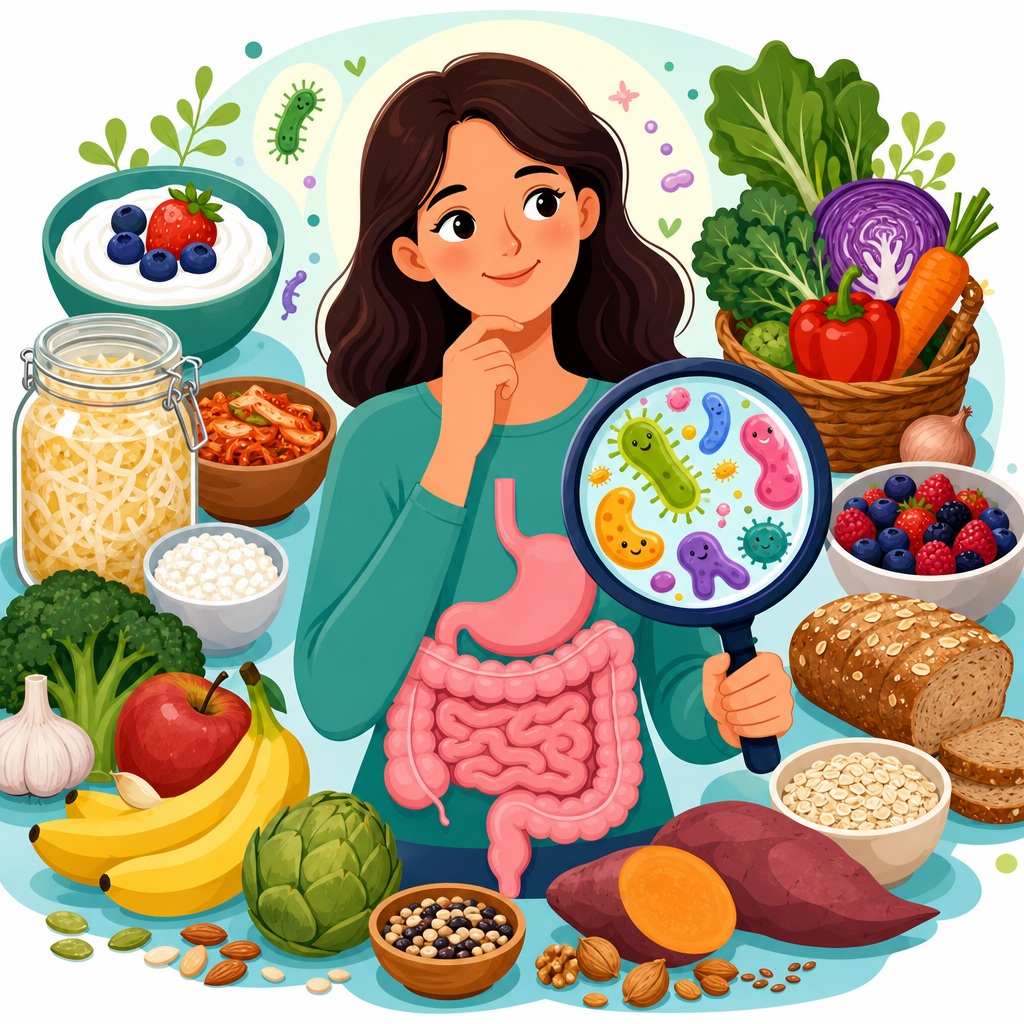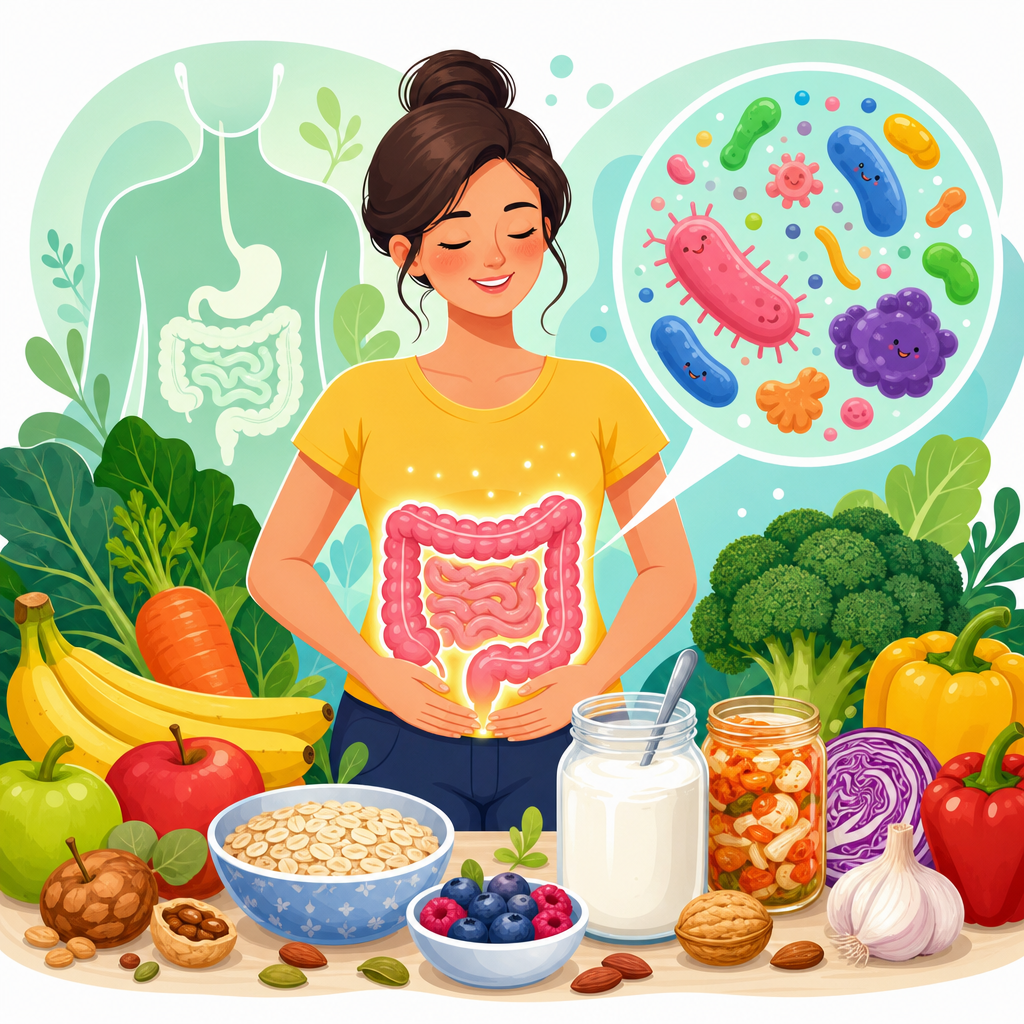
Gut health and the microbiome sit at the center of a healthy diet because the digestive tract does far more than process food. It helps regulate immunity, influences metabolism, supports the intestinal barrier, and communicates with the brain through hormones, nerves, and microbial byproducts. When people ask what gut health means, the practical answer is this: a healthy gut is one where digestion works efficiently, the intestinal lining remains intact, beneficial microbes are well supported, and inflammation stays appropriately controlled. The microbiome refers to the community of bacteria, fungi, viruses, and other microorganisms living mostly in the colon, along with their genes and metabolic activity.
Over the last decade, stool sequencing, metabolomics, and controlled feeding studies have made one point clear: diet is one of the strongest levers shaping the gut microbiome. In clinical nutrition work, I have seen patients focus narrowly on calories or macronutrients while ignoring fiber diversity, fermented foods, meal patterns, and medication effects that directly alter microbial balance. That gap matters. A person can meet calorie goals and still eat in a way that starves beneficial microbes, weakens short-chain fatty acid production, and worsens bloating, irregularity, or poor glycemic control.
Why does this topic matter within nutrition for health and wellness? Because gut health connects to multiple goals people care about every day: comfortable digestion, regular bowel habits, immune resilience, steady energy, better tolerance of foods, and long-term disease prevention. Research has linked microbial composition and function with inflammatory bowel disease, irritable bowel syndrome, obesity, type 2 diabetes, cardiovascular risk, and even mood-related symptoms. The microbiome is not a magic switch, and claims are often exaggerated, but it is a serious, evidence-based part of diet planning.
This hub article explains how the microbiome works, which foods support it, what disrupts it, and how to build a healthy diet around it. It also clarifies common terms such as probiotics, prebiotics, postbiotics, dysbiosis, gut barrier, and microbial diversity. Used correctly, these concepts help people make better food decisions without falling for supplement marketing or fad “gut reset” programs. The goal is not perfection. The goal is a durable eating pattern that nourishes both the person and the microbial ecosystem living within them.
What the Gut Microbiome Does in the Body
The gut microbiome performs tasks human cells cannot do alone. Colonic microbes ferment dietary fibers and resistant starches that escape digestion in the small intestine. This fermentation produces short-chain fatty acids, especially acetate, propionate, and butyrate. Butyrate is particularly important because colon cells use it as a preferred fuel, and it helps support epithelial integrity, mucus production, and local immune regulation. When fiber intake is chronically low, this beneficial fermentation declines and the microbiome may shift toward less favorable metabolic activity.
The microbiome also influences nutrient handling. Certain microbes contribute to vitamin synthesis, including vitamin K and some B vitamins, and they interact with bile acids in ways that affect fat metabolism and signaling pathways. The gut barrier depends on tight junctions, mucus, immune cells, and microbial balance. When this barrier is compromised, substances from the gut lumen can provoke immune activation. In practice, that does not mean every symptom reflects a “leaky gut” diagnosis, but it does mean diet, infection, alcohol, stress, and medications can alter barrier function in measurable ways.
Another key role is immune education. A large share of the body’s immune tissue is associated with the gastrointestinal tract, and early as well as ongoing microbial exposure helps shape immune tolerance. This is one reason diverse plant intake matters beyond digestion. The gut and brain also communicate continuously through the vagus nerve, microbial metabolites, and endocrine signaling. Patients often notice that stress worsens bowel symptoms and that bowel dysfunction affects mood. That relationship is real, bidirectional, and clinically important.
How Diet Shapes Gut Health Every Day
Diet shapes the microbiome through regular exposure, not occasional superfoods. The strongest dietary pattern for gut health is one built on diverse plant foods, adequate fiber, minimally processed staples, and fermented foods that a person tolerates well. Diversity matters because different microbes prefer different substrates. In one week of food logging, I often find that people rotate only a handful of plant foods. Expanding from five or six recurring plants to twenty or more over time can improve fiber variety and broaden microbial nourishment.
Fiber is the foundation. The general target for adults is roughly 25 to 38 grams per day, depending on age, sex, and energy intake, yet many populations fall far short. Soluble fibers, insoluble fibers, viscous fibers, and resistant starch all contribute differently. Oats, beans, lentils, barley, chia, ground flax, berries, apples, cooked and cooled potatoes, green bananas, and intact whole grains all add distinct benefits. A sudden jump in fiber can increase gas or bloating, so intake should rise gradually with sufficient fluids.
Fermented foods can also help. Yogurt with live cultures, kefir, kimchi, sauerkraut, miso, tempeh, and some traditional pickled foods may introduce beneficial microbes or microbial products. Evidence from controlled trials suggests that higher fermented food intake can improve markers of microbiome diversity and lower certain inflammatory markers in some people. Still, not every fermented food is equally useful. Beer and sourdough are fermented, but they should not be treated as equivalent gut-support tools. Product quality, microbial strains, and added sugars matter.
Ultra-processed dietary patterns often work against gut health because they tend to displace fiber-rich foods, overdeliver refined starches and sugars, and sometimes contain emulsifiers or other additives under investigation for effects on the gut lining and microbiota. The issue is usually pattern, not one packaged food. A protein bar after a workout is not the same as a diet dominated by low-fiber convenience foods at every meal.
Key Foods and Habits That Support the Microbiome
A gut-friendly diet is practical when people focus on repeatable categories rather than perfect menus. The most useful framework is to combine plant diversity, fermented foods, healthy fats, adequate protein, and stable meal routines. Polyphenol-rich foods deserve attention because compounds in berries, cocoa, extra virgin olive oil, tea, coffee, herbs, and colorful vegetables interact with gut microbes in ways that may support beneficial species and anti-inflammatory metabolites. Sleep, movement, and stress management matter too, because the microbiome responds to more than food alone.
| Supportive factor | Why it helps gut health | Plain-language example |
|---|---|---|
| Diverse plant foods | Feeds different microbes with different fibers and phytochemicals | Rotate beans, oats, greens, berries, nuts, and whole grains across the week |
| Prebiotic foods | Encourages beneficial fermentation and short-chain fatty acid production | Include onions, garlic, leeks, asparagus, oats, and legumes regularly |
| Fermented foods | Can add live microbes and beneficial metabolites | Choose plain yogurt, kefir, kimchi, or tempeh several times weekly |
| Resistant starch | Supports butyrate-producing bacteria in the colon | Use cooked and cooled potatoes, rice, lentils, and overnight oats |
| Consistent eating habits | Helps digestion, appetite regulation, and bowel regularity | Eat meals on a routine schedule and avoid constant grazing |
Hydration supports stool consistency and fiber tolerance. Regular physical activity is associated with improved transit time and favorable microbial patterns, although exercise does not cancel out a poor diet. Stress reduction helps because chronic stress can alter motility, pain perception, and gut-brain signaling. For many adults, the most effective starting habit is simple: add one fiber-rich plant food to each meal and one fermented food to the day, then build from there.
Probiotics, Prebiotics, and Postbiotics Explained
These terms are often confused, so clarity matters. Probiotics are live microorganisms that, when administered in adequate amounts, confer a health benefit. Prebiotics are substrates selectively used by host microorganisms that provide a health benefit, usually specific fibers or compounds that beneficial microbes ferment. Postbiotics are preparations of inactivated microbes or their components that still provide biological effects. Synbiotics combine probiotics and prebiotics.
Not all probiotics do the same thing. Benefits are strain specific, dose specific, and condition specific. Lactobacillus rhamnosus GG, Saccharomyces boulardii, Bifidobacterium infantis 35624, and certain multi-strain blends have been studied for antibiotic-associated diarrhea, some forms of IBS, or prevention of specific gastrointestinal complications. That does not mean any product labeled probiotic will help everyone. Storage stability, colony-forming units, strain naming, and evidence for the intended use all matter. In practice, food-first approaches work well for many people, while targeted probiotic use makes more sense when symptoms, travel, antibiotics, or a diagnosed condition justify it.
Prebiotic foods are often more useful than people realize because they feed the microbes already adapted to a person’s gut ecosystem. Foods rich in inulin, fructooligosaccharides, galactooligosaccharides, beta-glucans, and resistant starch can help beneficial bacteria thrive. Postbiotics are an emerging area, especially because some health effects may come from microbial metabolites rather than live organisms themselves. This field is promising, but supplement claims are ahead of the evidence in many cases.
Common Gut Health Problems and What Diet Can Do
People usually seek gut health advice because something feels wrong: bloating, gas, constipation, diarrhea, reflux, abdominal discomfort, or food intolerance. Diet can help, but the right approach depends on the problem. For constipation, increasing fiber, fluids, magnesium-rich foods, and movement is often useful, though some patients need more soluble fiber and less bran-type roughage. For diarrhea, temporary adjustment of fat intake, hydration with electrolytes, and evaluation for infection, medication effects, or malabsorption may be necessary.
Irritable bowel syndrome is common and illustrates the need for precision. Some people improve with a structured low-FODMAP protocol guided by a trained dietitian, followed by reintroduction to identify triggers. The goal is not long-term overrestriction, because excessive avoidance can reduce diet quality and limit prebiotic intake. Reflux may respond more to meal size, alcohol reduction, late-night eating changes, and weight management than to probiotic supplements. Suspected inflammatory bowel disease, celiac disease, gastrointestinal bleeding, persistent pain, unexplained weight loss, or anemia requires medical evaluation, not self-treatment.
Antibiotics deserve special mention because they can disrupt microbial communities substantially. Sometimes they are essential and lifesaving, but unnecessary use carries consequences for the gut ecosystem. After a necessary antibiotic course, recovery is usually better supported by regular meals, plant variety, and clinically appropriate fermented foods than by panic buying multiple supplements.
Building a Healthy Diet Around Gut Health
The best gut health diet is not an elimination trend. It is a sustainable dietary pattern built from evidence-based basics. Start with whole or minimally processed foods most of the time. Aim for a broad range of plant foods each week, including legumes, intact grains, vegetables, fruits, nuts, seeds, herbs, and spices. Include fermented foods if tolerated. Choose healthy fats such as extra virgin olive oil, nuts, seeds, and fatty fish. Keep added sugars and heavily refined snack foods in reasonable bounds, not because sugar alone “kills good bacteria,” but because displacement of nutrient-dense foods is the larger issue.
Personalization matters. Someone with active Crohn’s disease, post-infectious IBS, lactose intolerance, celiac disease, or a history of bowel surgery may need a very different plan from a healthy adult seeking prevention. Stool tests marketed directly to consumers often overpromise; most cannot yet tell a person exactly which foods to eat for better health outcomes. The strongest guidance still comes from symptoms, medical history, diet quality, and established clinical assessment.
The main benefit of focusing on gut health and the microbiome is that it improves how a healthy diet works in the real body. Better digestion, stronger regularity, and more resilient overall wellness usually come from simple habits repeated consistently: more fiber diversity, smart use of fermented foods, fewer ultra-processed defaults, and attention to symptoms that need professional care. Use this hub as your foundation for deeper reading on probiotics, fiber, digestive conditions, and microbiome-friendly meal planning. Then take one practical step today: add a new plant food to your next meal and build from there.
Frequently Asked Questions
What does gut health actually mean in the context of a healthy diet?
Gut health refers to how well the digestive system functions and how effectively it supports the rest of the body. In practical terms, a healthy gut is one where food is broken down efficiently, nutrients are absorbed properly, bowel movements are regular and comfortable, and the intestinal lining remains strong enough to act as a protective barrier. It also means the gut microbiome—the community of bacteria, fungi, and other microbes living in the digestive tract—is balanced in a way that favors beneficial organisms over potentially harmful ones.
This matters because the gut does much more than digest meals. It plays a major role in immune regulation, helps manage inflammation, influences metabolism, and communicates with the brain through hormones, nerves, and compounds produced during digestion. When the gut environment is well supported, people often experience more stable energy, better digestion, and improved overall wellness. When it is disrupted, symptoms may include bloating, irregular bowel habits, excess gas, food sensitivities, or a general sense that digestion is not working as smoothly as it should. A healthy diet supports gut health by providing fiber, fluid, plant diversity, and fermented foods while limiting patterns that can strain digestion or reduce microbial diversity over time.
Why is the gut microbiome so important for overall health?
The gut microbiome is important because its effects extend far beyond the digestive tract. These microbes help break down components of food that the body cannot fully digest on its own, especially certain types of fiber. In that process, they produce beneficial compounds such as short-chain fatty acids, which help nourish cells in the colon, support the intestinal barrier, and play a role in regulating inflammation. A well-functioning microbiome can also influence how the body handles blood sugar, stores energy, and responds to dietary changes.
Another major reason the microbiome matters is its connection to the immune system. A large portion of immune activity is linked to the gut, and the microbiome helps train the immune system to respond appropriately. It can help maintain balance by supporting defense against harmful invaders while reducing unnecessary inflammatory reactions. In addition, the gut and brain are closely connected through what is often called the gut-brain axis. Signals travel between the digestive tract and the nervous system through the vagus nerve, immune pathways, and microbial metabolites. That is why gut health can influence mood, stress responses, and even how people feel after eating. In short, the microbiome is a central player in digestion, immunity, metabolism, and communication between body systems, making it a foundational part of a healthy diet.
What foods help improve gut health and support a healthier microbiome?
The most effective foods for gut health are those that feed beneficial microbes and help maintain digestive regularity and intestinal barrier function. High-fiber plant foods are especially important. These include vegetables, fruits, legumes, whole grains, nuts, and seeds. Different microbes thrive on different fibers, so variety matters just as much as quantity. Eating a wide range of plant foods helps encourage microbial diversity, which is generally associated with a more resilient gut environment.
Fermented foods can also be valuable because they may introduce beneficial bacteria and support a healthier microbial balance. Common examples include yogurt with live cultures, kefir, sauerkraut, kimchi, miso, and certain fermented cheeses. Prebiotic-rich foods are another smart choice because they specifically feed helpful gut bacteria. Foods such as onions, garlic, leeks, asparagus, oats, bananas, and beans are often included in this group. Beyond individual foods, overall eating patterns matter. Meals that are rich in minimally processed foods, adequate in hydration, and moderate in added sugars tend to be more supportive of digestive health. On the other hand, diets heavily centered on ultra-processed foods and low in fiber may reduce microbial diversity and make it harder for the gut ecosystem to thrive. The goal is not perfection, but consistency: a diet built around diverse, fiber-rich whole foods is one of the strongest tools for supporting gut health.
How can you tell if your gut health may need attention?
Digestive symptoms are often the first clue, but they are not the only signs. Common signals that gut health may need attention include frequent bloating, constipation, diarrhea, irregular bowel movements, excess gas, abdominal discomfort, or feeling unusually full after meals. Some people also notice that certain foods suddenly seem harder to tolerate. While occasional digestive upset is normal, persistent symptoms can suggest that digestion, the gut lining, or the microbiome may not be functioning optimally.
There can also be broader signs outside the digestive system. Because the gut is closely tied to immunity, inflammation, and communication with the brain, some people experience fatigue, changes in mood, poor stress tolerance, or recurring issues that seem unrelated to food at first glance. That said, gut symptoms are not specific to one cause. Stress, medications, low fiber intake, travel, infections, and underlying medical conditions can all affect digestion and the microbiome. That is why it is important to look at patterns rather than isolated episodes. If symptoms are ongoing, severe, or accompanied by red flags such as unexplained weight loss, blood in the stool, persistent pain, or difficulty eating, medical evaluation is essential. For many people, however, improving gut health starts with practical steps: increasing plant variety, eating enough fiber, staying hydrated, managing stress, getting regular sleep, and being mindful of how the body responds to different foods.
Can lifestyle habits affect the gut microbiome as much as food does?
Yes. Food is one of the biggest influences on gut health, but it is not the only one. Stress, sleep quality, physical activity, medication use, illness, travel, and daily routine can all shape the gut microbiome and affect how well digestion functions. Chronic stress, for example, can alter gut motility, change how sensitive the digestive tract feels, and influence the signals exchanged between the gut and brain. Poor sleep can affect metabolic and inflammatory pathways that also influence the gut environment. In contrast, regular physical activity is often associated with better digestive function and a more favorable microbial profile.
Medication use is another major factor. Antibiotics can be necessary and lifesaving, but they may also disrupt beneficial gut bacteria alongside harmful ones. Other medications can influence stomach acid, bowel habits, or microbial balance as well. That does not mean people should avoid needed treatment, but it does highlight why a gut-supportive diet can be especially important during and after certain health changes. The most effective approach is to think of gut health as part of a larger lifestyle pattern. Eating fiber-rich foods, including fermented options when tolerated, sleeping well, staying active, managing stress, and using medications appropriately all work together. A healthy microbiome is not built by one food or one supplement alone. It is shaped by repeated daily habits that support digestion, microbial diversity, and the integrity of the intestinal barrier over time.