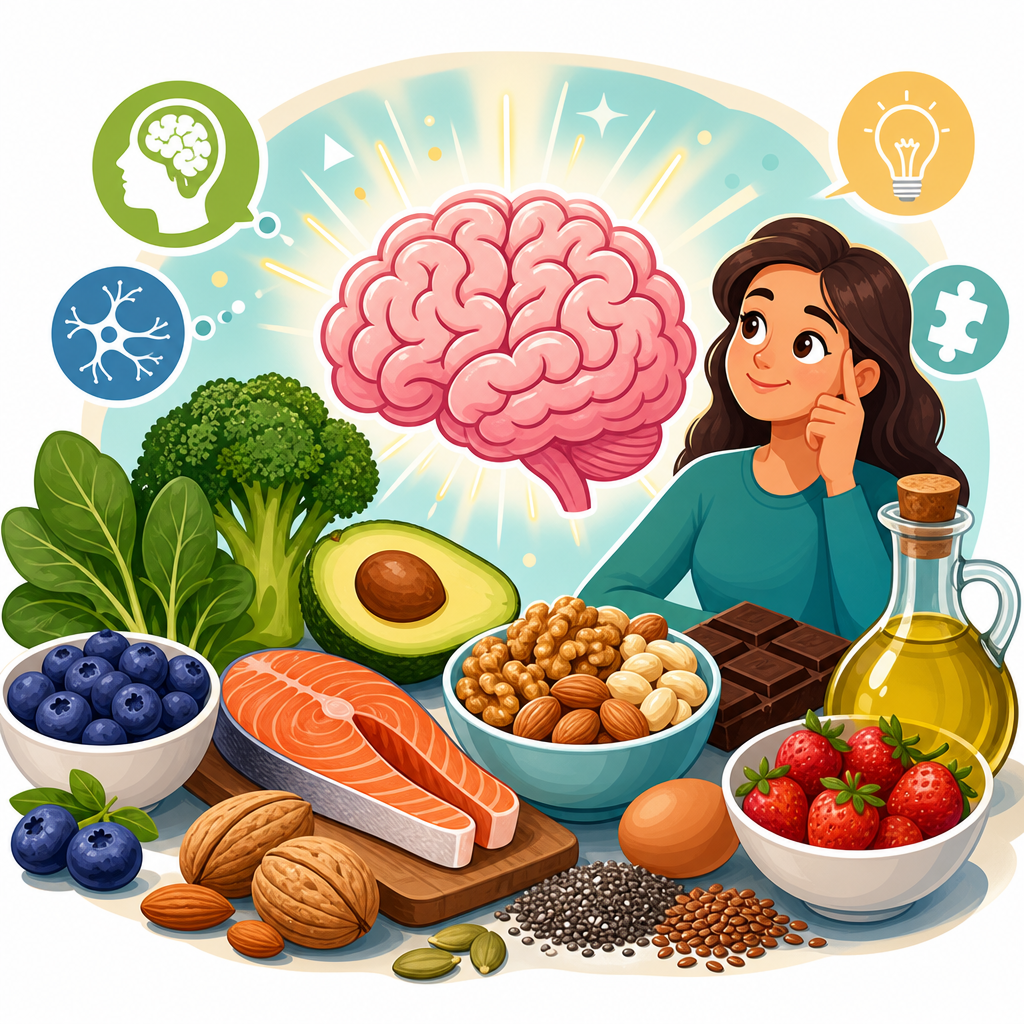
Gut health and the microbiome shape digestion, immunity, metabolism, and even mood, making them central to modern nutrition for health and wellness. In clinical nutrition work and content audits for health publishers, I have seen one pattern repeatedly: readers often think gut health means taking a probiotic, yet the science shows a far broader system involving diet, the intestinal barrier, microbial diversity, and communication between the gut and the rest of the body. A clear understanding of gut health and the microbiome helps people make practical choices that support long-term wellbeing rather than chasing trends.
The term gut health generally refers to how well the gastrointestinal tract performs its core functions. Those functions include digesting food, absorbing nutrients, moving waste, maintaining a protective barrier, and hosting a balanced ecosystem of microbes. The microbiome is the collection of microorganisms, their genes, and their metabolic activity in a given environment. In the human gut, that includes bacteria, viruses, fungi, and archaea. The largest concentration lives in the colon, where microbes ferment dietary fibers and resistant starches that human enzymes cannot fully break down.
Why does this matter? Because those microbes are not passive passengers. They help produce short-chain fatty acids such as butyrate, acetate, and propionate; synthesize certain vitamins; influence bile acid metabolism; train the immune system; and interact with the nervous system through what researchers call the gut-brain axis. A healthy gut microbiome is not defined by one perfect list of species. Instead, it is usually associated with resilience, functional diversity, and a pattern of microbial activity that supports the host rather than promoting inflammation or disease.
Research has expanded quickly over the past two decades, helped by genomic sequencing tools that can identify organisms that traditional culture methods missed. Large projects such as the Human Microbiome Project showed that microbial communities vary greatly between individuals, yet still perform shared functions. This shift changed the discussion from simply killing germs to understanding ecosystems. It also explained why broad interventions, including diet patterns, antibiotics, sleep quality, and exercise, can reshape microbial communities in ways that affect health outcomes.
For a hub page on gut health and the microbiome, the goal is to connect the major questions people ask. What does a healthy microbiome look like? Which foods help? Do probiotics work? How are gut symptoms linked to immune, metabolic, and mental health? The sections below answer those questions directly, define the most important concepts, and provide a practical map for exploring deeper articles within the broader nutrition for health and wellness topic.
How the Gut Microbiome Works
The gut microbiome works by turning food components and host secretions into biologically active compounds that affect the body locally and systemically. In simple terms, microbes eat what reaches the colon, produce metabolites, compete with pathogens, and communicate with intestinal cells and immune cells. When I explain this to clients, I compare the gut to a densely populated city. The residents perform jobs, share resources, generate waste, and influence public safety. If the community is diverse and stable, the system tends to function smoothly. If key groups disappear or harmful organisms gain an advantage, the effects can spread well beyond the intestines.
One of the most important outputs of gut microbes is short-chain fatty acids. Butyrate is especially valuable because colon cells use it as a major energy source, and it helps support the intestinal lining. Propionate and acetate also influence metabolism and immune signaling. Microbes also help break down polyphenols from foods like berries, tea, cocoa, and olives into smaller compounds the body can use more effectively. In addition, gut organisms participate in transforming bile acids, which in turn affects fat digestion, cholesterol handling, and signaling pathways linked to glucose control.
The intestinal barrier is another core part of gut health. This barrier includes mucus, epithelial cells, tight junction proteins, immune defenses, and microbial residents that help crowd out pathogens. A well-functioning barrier allows nutrient absorption while limiting the passage of harmful substances. When barrier function is impaired, irritation and immune activation can increase. That does not mean every digestive complaint reflects a “leaky gut” diagnosis, a term often oversimplified online. It does mean barrier integrity is a serious scientific concept with relevance to inflammatory and metabolic processes.
What Shapes Gut Health Every Day
Diet is the strongest day-to-day driver of gut microbial composition and activity. A diverse plant-rich eating pattern consistently supports microbial diversity more effectively than a narrow, highly processed diet. Fiber is central because many beneficial microbes depend on fermentable carbohydrates as fuel. Legumes, oats, barley, nuts, seeds, vegetables, fruits, and whole grains all contribute distinct fibers that nourish different organisms. In practice, increasing variety matters as much as increasing total grams. Someone who eats only one vegetable repeatedly may not get the same ecological benefit as someone eating a wider range of plant foods across the week.
Highly processed diets tend to lower fiber intake and may increase emulsifiers, added sugars, and saturated fat in ways that can shift microbial activity unfavorably, though the exact effects differ by person and pattern. Alcohol excess, chronic stress, poor sleep, and sedentary behavior also influence the microbiome. Physical activity is associated with beneficial microbial changes, likely through effects on gut transit time, inflammation, and metabolism. Antibiotics remain one of the most dramatic disruptors. They are often necessary and lifesaving, but they can reduce diversity and alter microbial balance for weeks or months afterward.
Age matters too. Infants acquire early microbes during and after birth, with feeding method influencing microbial development. Human milk contains human milk oligosaccharides that selectively feed beneficial bacteria, especially Bifidobacterium species. In older adults, factors such as medication use, reduced food variety, dental issues, and lower mobility can affect microbial diversity. Geography, sanitation, and cultural dietary patterns also play a role. This is why microbiome science rarely supports one universal menu. The strongest evidence points instead to broadly favorable patterns grounded in minimally processed, fiber-rich foods.
Foods That Support a Healthy Microbiome
The best foods for gut health and the microbiome are those that feed beneficial microbes, support regular digestion, and contribute anti-inflammatory compounds. Prebiotic foods are especially important. Prebiotics are substrates selectively used by host microorganisms that confer a health benefit. Common examples include inulin, fructooligosaccharides, galactooligosaccharides, resistant starch, and certain fibers naturally present in foods. Good sources include onions, garlic, leeks, asparagus, bananas, oats, beans, lentils, chickpeas, cooked-and-cooled potatoes, and whole grains.
Fermented foods can also help, although they work differently from prebiotic fibers. Yogurt with live cultures, kefir, kimchi, sauerkraut, miso, tempeh, and some traditionally fermented vegetables introduce microbes or microbial byproducts that may influence the gut environment. Evidence from Stanford research published in 2021 showed that a high-fermented-food diet increased microbiome diversity and lowered multiple inflammatory markers in healthy adults, while a high-fiber intervention improved microbial function but did not significantly raise diversity over the short study period. That finding highlights an important point: different dietary tools may work through different mechanisms.
| Food category | Examples | Main gut-health role | Practical use |
|---|---|---|---|
| Prebiotic-rich foods | Beans, oats, garlic, onions, asparagus, bananas | Feed beneficial microbes and support short-chain fatty acid production | Add one source at each meal and increase gradually |
| Fermented foods | Yogurt, kefir, kimchi, sauerkraut, tempeh | Provide live microbes or fermentation compounds | Use daily in small portions if tolerated |
| Polyphenol-rich foods | Berries, cocoa, tea, coffee, olives, extra virgin olive oil | Support beneficial microbial metabolism and antioxidant activity | Rotate several sources through the week |
| Resistant starch sources | Lentils, green bananas, cooked-and-cooled rice or potatoes | Increase fermentation in the colon and butyrate production | Include a few times weekly with balanced meals |
People often ask whether more fiber is always better. The answer is no if intake rises too fast. In those with irritable bowel syndrome, inflammatory bowel disease flares, or significant bloating, an aggressive increase can worsen symptoms initially. A more effective method is gradual titration paired with hydration and observation. For many adults, targeting a wide mix of whole plant foods works better than focusing on supplements first. Fiber recommendations commonly sit around 25 grams per day for women and 38 grams for men, but intake quality and tolerance matter more than chasing a number alone.
Probiotics, Prebiotics, and Supplements
Probiotics are live microorganisms that, when administered in adequate amounts, confer a health benefit on the host. That definition sounds simple, but the details matter. Benefits are strain-specific, dose-specific, and condition-specific. Lactobacillus rhamnosus GG is not interchangeable with Saccharomyces boulardii, and neither should be judged by claims made for an unrelated product. Some probiotic strains have evidence for antibiotic-associated diarrhea, certain forms of infectious diarrhea, and symptom support in specific digestive conditions. Others have weak or inconsistent evidence.
Prebiotic supplements, including inulin and partially hydrolyzed guar gum, can help some people increase fermentable substrate intake when diet is lacking. Synbiotics combine probiotics and prebiotics. Postbiotics refer to nonliving microbial cells, components, or metabolites that still produce a benefit. These categories are useful, but supplement marketing frequently outruns the evidence. In practice, I treat supplements as targeted tools, not foundations. A poor diet, chronic sleep disruption, and repeated unnecessary antibiotic exposure cannot be fixed by capsules.
Do microbiome tests help? Direct-to-consumer stool tests can be interesting, but their clinical usefulness remains limited for most healthy people. Reference ranges are not standardized well enough to turn every bacterial abundance into actionable advice. What matters more is symptom pattern, medical history, medication use, diet quality, and evidence-based assessment by a qualified clinician when symptoms are persistent. Testing may be appropriate in medical evaluation for infections, inflammatory conditions, malabsorption, or other gastrointestinal disorders, but that is different from buying a colorful dashboard that labels one species as “good” or “bad.”
Health Benefits Linked to a Strong Gut Ecosystem
The health benefits of gut health and the microbiome extend beyond digestion. Digestively, a well-supported microbiome can improve stool regularity, support fermentation, and reduce the risk of constipation in many people through better fiber handling. Immunologically, the gut houses a large proportion of the body’s immune activity. Microbial signals help educate immune cells and maintain tolerance, which is one reason dysbiosis has been studied in allergies, autoimmune conditions, and inflammatory bowel diseases. Dysbiosis means a disrupted microbial pattern associated with impaired function or disease, not simply a result outside an app’s preferred range.
Metabolic health is also strongly connected. Microbial metabolites influence insulin sensitivity, appetite signaling, lipid metabolism, and inflammation. Studies have associated lower microbial diversity with obesity and metabolic dysfunction, though cause and effect are complex. The gut-brain axis is another major area. Signals travel through the vagus nerve, immune pathways, hormones, and microbial metabolites. People with digestive disorders often report changes in stress tolerance, sleep, and mood, and the relationship works both ways. Stress can alter gut motility and sensitivity, while gut disturbances can amplify discomfort and anxiety.
Not every claim is proven. Gut health is not a magic solution for every symptom, and the microbiome is not the sole cause of chronic disease. Genetics, environment, medications, infections, and socioeconomic factors all matter. Still, improving gut health through food quality, lifestyle habits, and appropriate medical care offers meaningful benefits because it influences multiple systems at once. For that reason, this topic deserves a central place within nutrition for health and wellness rather than being treated as a passing trend.
Building a Practical Gut Health Strategy
The most effective gut health plan is consistent, food-first, and tailored to symptoms. Start with plant diversity: aim to rotate vegetables, fruits, legumes, nuts, seeds, herbs, and whole grains across the week. Include fermented foods if tolerated. Prioritize sleep, regular movement, hydration, and stress management because the gut responds to the full lifestyle picture. Review medications with a clinician when appropriate, especially repeated antibiotics, acid suppressants, and laxatives. If symptoms such as unexplained weight loss, rectal bleeding, anemia, severe pain, nighttime diarrhea, or persistent vomiting are present, seek medical evaluation promptly rather than self-treating.
As the hub for gut health and the microbiome, this article establishes the main principles: microbes help regulate digestion, immunity, metabolism, and gut-brain signaling; diet quality and variety shape that ecosystem daily; and probiotics are only one small part of the picture. The strongest long-term benefit comes from building a resilient internal environment through fiber-rich whole foods, selected fermented foods, and sustainable habits. Use this foundation to explore related articles on probiotics, prebiotics, digestive symptoms, anti-inflammatory nutrition, and microbiome-friendly meal planning, then put one practical change into action this week.
Frequently Asked Questions
1. What is the gut microbiome, and why is it so important for overall health?
The gut microbiome refers to the enormous community of bacteria, viruses, fungi, and other microorganisms that live primarily in the large intestine. Although people often think of microbes only in terms of infection, many of the organisms in the gut play beneficial and even essential roles in human health. They help break down components of food that human digestive enzymes cannot fully process, especially certain dietary fibers and resistant starches. In doing so, they produce useful compounds such as short-chain fatty acids, which help nourish the cells lining the colon, support intestinal barrier integrity, and influence inflammation throughout the body.
The microbiome also interacts closely with the immune system. In fact, a large portion of immune activity is associated with the gut, where the body constantly decides what to tolerate, such as food and beneficial microbes, and what to defend against, such as harmful pathogens. A balanced microbiome helps train and regulate these immune responses. When the gut microbial ecosystem becomes disrupted, sometimes called dysbiosis, it may contribute to digestive symptoms, altered immune regulation, and broader health concerns involving metabolism, inflammation, and even brain function.
What makes the microbiome especially important is that it is not an isolated system. It communicates with the rest of the body through immune signaling, hormone-like compounds, metabolic byproducts, and the gut-brain axis. This means gut health can affect far more than digestion alone. Researchers continue to study how the microbiome relates to energy balance, blood sugar control, skin health, mood, and resilience to illness. While there is still much to learn, the current science clearly shows that gut health is foundational to whole-body wellness.
2. Is gut health just about taking probiotics, or is there more to it?
There is much more to gut health than taking a probiotic supplement. Probiotics can be helpful in certain situations, but they are only one small piece of a much larger picture. Gut health depends on the overall environment inside the digestive tract, including microbial diversity, the quality of the intestinal lining, regular bowel function, immune balance, and the foods that consistently feed beneficial microbes. A person can take probiotics every day and still have poor gut health if their diet lacks fiber, if they are under chronic stress, if they sleep poorly, or if they have underlying digestive issues that remain unaddressed.
One of the most important concepts in microbiome science is that beneficial gut microbes need nourishment. This is where prebiotic-rich foods and diverse plant intake matter. Foods such as legumes, oats, onions, garlic, asparagus, apples, berries, nuts, seeds, and whole grains provide fibers and plant compounds that support microbial growth and diversity. Fermented foods like yogurt, kefir, sauerkraut, kimchi, and miso can also contribute useful microbes and metabolic benefits in some individuals. However, no single supplement or “superfood” can substitute for a consistently varied, nutrient-dense diet.
It is also important to remember that probiotics are strain-specific. Different strains have been studied for different outcomes, such as antibiotic-associated diarrhea, irritable bowel syndrome symptoms, or certain aspects of immune support. A generic probiotic is not automatically beneficial for every person or every goal. The broader scientific view is that gut health is built through daily habits: fiber intake, dietary diversity, hydration, movement, sleep, stress management, and appropriate medical care when symptoms persist. Probiotics may support that foundation, but they do not replace it.
3. How does the gut microbiome affect digestion, immunity, metabolism, and mood?
The gut microbiome influences digestion by helping the body extract value from foods that would otherwise be only partially used. Many gut bacteria ferment dietary fibers and resistant starches into short-chain fatty acids such as butyrate, acetate, and propionate. These compounds help maintain the gut lining, support a healthy colonic environment, and participate in signaling pathways that affect appetite, glucose regulation, and inflammation. Microbes also influence bile acid metabolism and may affect how efficiently the body handles fats and carbohydrates.
Its effects on immunity are equally significant. The intestinal tract is a major interface between the external environment and the internal body, and the microbiome helps regulate how the immune system responds there. A healthy, diverse microbiome can support immune tolerance and reduce the likelihood of overreactive or poorly coordinated immune responses. It also helps strengthen the intestinal barrier, which acts as a selective gatekeeper. When this barrier is functioning well, it allows nutrients to be absorbed while limiting the passage of unwanted substances. When barrier function is impaired, immune activation and inflammation may become more likely.
Metabolically, the microbiome appears to influence body weight regulation, insulin sensitivity, and how the body processes energy from food. While this area is still developing, researchers have observed links between microbiome composition and metabolic health outcomes. These links are complex and are shaped by diet, lifestyle, medications, age, and underlying health conditions. The microbiome does not act alone, but it is clearly part of the metabolic picture.
The connection between the gut and mood is one of the most fascinating areas of modern nutrition science. Through the gut-brain axis, the gut and brain communicate via the nervous system, immune pathways, and microbial metabolites. Some gut microbes are involved in processes related to neurotransmitter activity or the production of compounds that influence the nervous system indirectly. This does not mean gut health is the sole cause of anxiety, depression, or changes in mood, but it does help explain why digestive health, stress, emotional well-being, and even sleep often affect one another in real life.
4. What are the best foods and habits to support a healthy microbiome naturally?
The strongest evidence supports a food-first, habit-based approach. A diverse, fiber-rich diet is one of the best ways to nourish the microbiome. Different microbes thrive on different fibers and plant compounds, so variety matters. Rather than focusing on one “gut health food,” it is more helpful to eat a broad range of vegetables, fruits, legumes, whole grains, nuts, seeds, and herbs over time. This diversity increases the chance of supporting a more resilient microbial ecosystem. Resistant starch, found in foods such as cooked-and-cooled potatoes, beans, lentils, oats, and green bananas, can also be especially helpful for some people.
Fermented foods may offer additional support. Foods such as yogurt with live cultures, kefir, kimchi, sauerkraut, tempeh, and miso can introduce beneficial microbes or bioactive compounds that interact positively with the gut environment. Not everyone tolerates fermented foods equally well, particularly those with certain digestive conditions, but many people benefit from adding them gradually and consistently. Polyphenol-rich foods, including berries, cocoa, olive oil, tea, and colorful produce, may also support beneficial microbes and reduce oxidative stress.
Beyond food, several lifestyle factors shape the microbiome. Regular physical activity is associated with beneficial changes in gut microbial composition. Adequate sleep and effective stress management matter because chronic stress and poor sleep can influence gut motility, barrier function, appetite regulation, and the gut-brain axis. Avoiding unnecessary antibiotic use is also important, since antibiotics can disrupt microbial balance, sometimes significantly. That does not mean antibiotics should be avoided when medically necessary, but it does mean they should be used thoughtfully under medical guidance.
Finally, consistency is more important than perfection. A microbiome-supportive lifestyle does not require a rigid diet or expensive supplements. It usually looks like eating more plants more often, reducing ultra-processed foods when possible, staying hydrated, moving regularly, managing stress, and seeking evaluation for ongoing digestive symptoms instead of self-treating indefinitely.
5. How can someone tell if their gut health may need attention, and when should they seek professional help?
Gut health issues do not always show up in the same way, but some common signs may suggest that the digestive system or microbiome could use closer attention. These include persistent bloating, abdominal discomfort, excess gas, constipation, diarrhea, irregular bowel habits, reflux, or a sense that certain foods are becoming increasingly difficult to tolerate. Some people also notice more systemic patterns, such as fatigue, changes in appetite, difficulty maintaining energy, or symptom flare-ups during periods of stress. While these experiences do not automatically point to a microbiome problem specifically, they can signal that something in the digestive system deserves a more careful look.
It is important not to self-diagnose everything as “bad gut health.” Similar symptoms can result from many causes, including food intolerances, irritable bowel syndrome, inflammatory bowel disease, celiac disease, infection, medication side effects, pelvic floor dysfunction, or other medical conditions. This is one reason oversimplified advice can be misleading. The microbiome matters, but digestive symptoms should still be interpreted in a full clinical context. A thorough evaluation often considers diet, stress, sleep, bowel patterns, medication use, medical history, and possible red flags.
Professional help is especially important if symptoms are frequent, worsening, or affecting quality of life. People should also seek medical evaluation promptly if they experience warning signs such as unexplained weight loss, blood in the stool, persistent vomiting, severe abdominal pain, anemia, fever, difficulty swallowing, or a strong family history of gastrointestinal disease. A qualified healthcare professional, such as a physician or registered dietitian with gastrointestinal expertise,