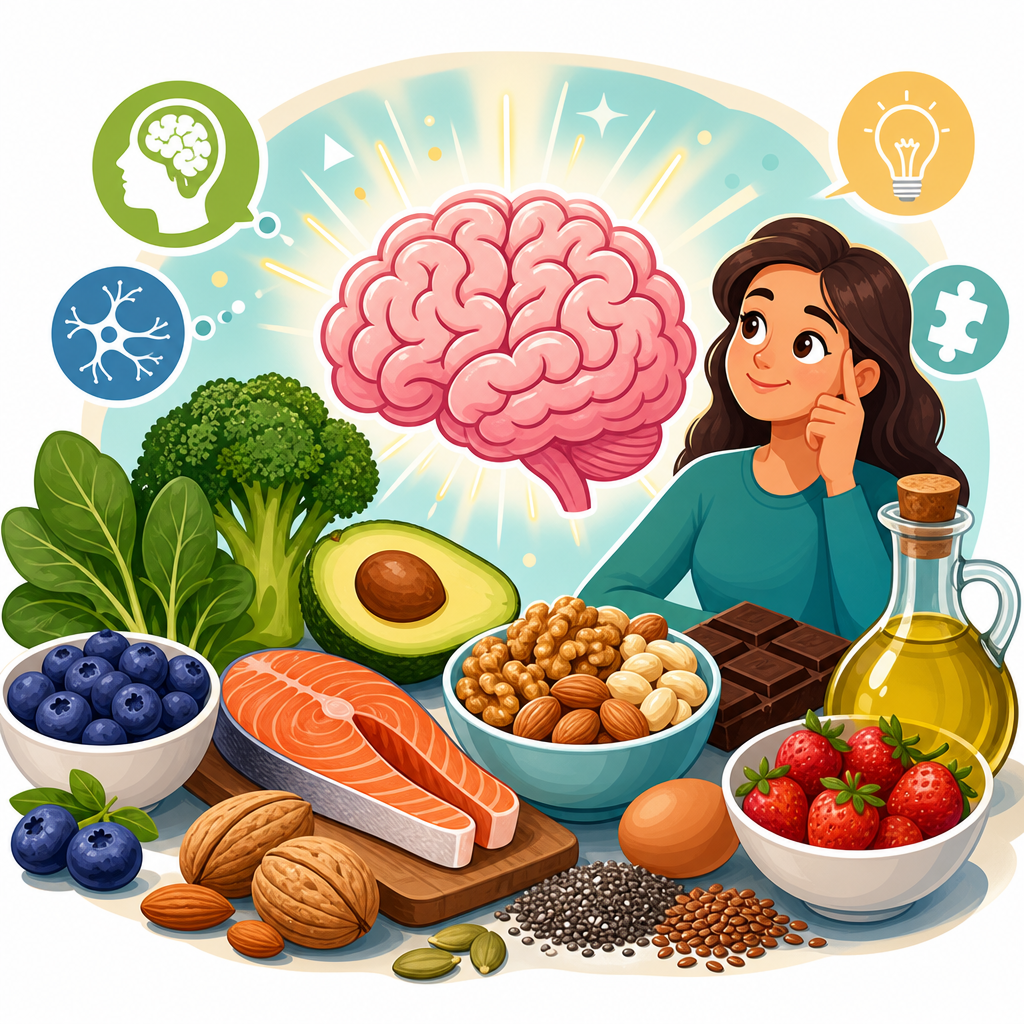
Brain-boosting foods for cognitive function matter because the brain is metabolically demanding, structurally sensitive to nutrient intake, and central to memory, attention, mood, and decision-making across every stage of life. When people ask what foods help the brain, they are usually asking a broader question: which eating patterns and specific nutrients support cognition, protect neurons, and reduce the risk of decline over time. In practice, the answer is not a single superfood but a repeatable nutrition strategy built around omega-3 fats, polyphenol-rich plants, steady glucose control, adequate protein, and key vitamins and minerals that participate in neurotransmitter production, blood flow, and cellular repair.
I have worked with clients trying to improve concentration, manage afternoon mental fatigue, and build long-term habits for healthy aging, and the pattern is remarkably consistent. Quick fixes rarely work. Better cognitive nutrition comes from combining foods that stabilize energy with foods that actively support brain tissue. This topic matters within nutrition for health and wellness because cognition influences job performance, exercise adherence, emotional regulation, sleep quality, and independence later in life. Diet alone will not replace sleep, movement, or medical care, but it does shape how well the brain performs today and how resilient it remains in the future.
Several key terms help frame the discussion. Cognitive function refers to mental processes such as attention, learning, memory, processing speed, language, and executive function. Neuroprotection means reducing damage from oxidative stress, inflammation, vascular dysfunction, or age-related degeneration. The gut-brain axis describes the two-way communication between the digestive system and the nervous system through immune signals, metabolites, and nerve pathways. Glycemic control refers to how steadily blood sugar rises and falls after meals; this matters because the brain needs reliable fuel, but repeated spikes and crashes often impair focus and energy. Understanding these concepts makes it easier to judge why certain foods consistently appear in research and dietary guidelines.
Strong evidence supports whole dietary patterns rather than isolated ingredients. Mediterranean-style eating patterns, the MIND diet, and other plant-forward approaches are associated with better cognitive aging and lower risk of cardiovascular disease, which directly affects brain health through blood flow. That link is crucial: what protects the heart usually helps the brain because neurons depend on oxygen, nutrients, and intact blood vessels. This hub explains the major food groups, nutrients, and practical meal-building strategies that support cognitive function, while also clarifying the limitations of common claims. If you want better nutrition for sharper thinking, steadier energy, and healthier aging, start with the foods and mechanisms below.
How nutrition influences the brain
The brain uses roughly 20 percent of the body’s energy at rest, despite accounting for only a small share of body weight. It needs glucose, but it needs it delivered steadily. Meals centered on refined carbohydrates can create rapid rises and falls in blood sugar that leave people foggy, irritable, and hungry again within hours. I often see this with breakfasts built around sweetened cereal, pastries, or sugary coffee drinks. In contrast, meals that pair fiber-rich carbohydrates with protein and healthy fat usually support more stable concentration. Oats with Greek yogurt, berries, and walnuts are a simple example of a breakfast that slows digestion and provides multiple brain-supportive nutrients.
Brain cells are also vulnerable to oxidative stress because they use a great deal of oxygen and contain fat-rich membranes. Antioxidant compounds from foods such as berries, cocoa, leafy greens, herbs, and extra-virgin olive oil help counter this stress. Inflammation is another factor. Diets high in ultra-processed foods, trans fats, and excess added sugar are associated with worse cardiometabolic health, and those same processes can impair cognition by damaging blood vessels and promoting chronic inflammation. Good cognitive nutrition therefore works on several fronts at once: it fuels neurons, protects cell membranes, supports circulation, and supplies raw materials for neurotransmitters such as dopamine, serotonin, acetylcholine, and GABA.
Micronutrients play precise roles. B vitamins, especially folate, B6, and B12, help regulate homocysteine, an amino acid linked with vascular and cognitive risk when elevated. Choline is needed for acetylcholine synthesis and membrane structure. Magnesium participates in nerve signaling. Iron helps transport oxygen, and low iron status can reduce attention and mental stamina. Zinc supports synaptic activity, while iodine is necessary for thyroid hormones that influence brain development and function. The practical lesson is clear: a varied diet outperforms a narrow one because the brain depends on many nutrients working together rather than on a single miracle compound.
Top brain-boosting foods and what they do
Certain foods repeatedly stand out in both research and clinical practice because they deliver nutrients or bioactive compounds that influence cognitive performance and brain aging. Fatty fish such as salmon, sardines, trout, and mackerel provide EPA and DHA, the long-chain omega-3 fats most directly linked to brain structure and anti-inflammatory effects. DHA is a major component of neuronal membranes. Berries, especially blueberries, strawberries, and blackberries, supply anthocyanins and other flavonoids that support vascular function and may improve memory-related pathways. Leafy greens contribute folate, vitamin K, lutein, and nitrates that can support circulation. Eggs provide choline, protein, and several B vitamins. Nuts and seeds add vitamin E, magnesium, plant polyphenols, and healthy unsaturated fats.
Legumes, fermented dairy, whole grains, cocoa, and olive oil also deserve attention. Beans and lentils provide slow-digesting carbohydrates and minerals that help with sustained energy. Yogurt and kefir can support the gut microbiome, which may influence mood and cognition through the gut-brain axis. Whole grains such as oats, barley, and quinoa release glucose more gradually than refined grains. Cocoa rich in flavanols may support endothelial function and blood flow when consumed in minimally processed forms with limited added sugar. Extra-virgin olive oil contributes monounsaturated fat and phenolic compounds, including oleocanthal, that are associated with anti-inflammatory activity.
| Food | Key nutrients or compounds | Potential cognitive benefit | Simple use |
|---|---|---|---|
| Salmon or sardines | DHA, EPA, vitamin D, selenium | Supports neuronal membranes and inflammation control | Bake with herbs or add sardines to grain bowls |
| Blueberries | Anthocyanins, vitamin C, fiber | Helps protect cells from oxidative stress | Add to oatmeal or yogurt |
| Spinach and kale | Folate, lutein, vitamin K, nitrates | Supports circulation and healthy aging | Use in salads, soups, or egg dishes |
| Eggs | Choline, protein, B12 | Helps neurotransmitter synthesis and satiety | Serve with vegetables at breakfast |
| Walnuts | ALA omega-3, polyphenols, magnesium | Supports healthy fats intake and antioxidant defense | Snack portion or add to oatmeal |
| Extra-virgin olive oil | Monounsaturated fat, polyphenols | Supports vascular and anti-inflammatory pathways | Use as the main added fat |
If you want the shortest practical answer to which foods help the brain most, prioritize fatty fish, berries, leafy greens, eggs, nuts, legumes, and olive oil, then build meals around them consistently. These foods are effective not because they are trendy, but because they address the mechanisms that matter most: membrane integrity, blood flow, oxidative stress, inflammation, and steady fuel delivery. They also fit into realistic meal patterns, which is essential for long-term adherence.
Best nutrients for memory, focus, and healthy aging
Omega-3 fatty acids are the most discussed brain nutrients for good reason. DHA is highly concentrated in the brain, and regular seafood intake is associated with better cognitive outcomes in many observational studies. For people who do not eat fish, algae-based DHA supplements can help fill the gap, though food should remain the foundation. Choline is another important nutrient that gets less attention than it deserves. It supports acetylcholine, a neurotransmitter involved in memory and learning, and it is found in eggs, soy foods, poultry, fish, and some legumes. Many adults do not consistently reach recommended intakes, especially if eggs are avoided.
Polyphenols, a broad category that includes flavonoids, are important for vascular and antioxidant effects. Blueberries, tea, cocoa, citrus, grapes, and colorful vegetables all contribute different compounds. Lutein and zeaxanthin, found in leafy greens and egg yolks, are often discussed for eye health, but they are also present in brain tissue and are associated with cognitive performance in some studies. Vitamin E, found in almonds, sunflower seeds, and hazelnuts, helps protect cell membranes from oxidative damage. Magnesium supports hundreds of enzymatic reactions, including those involved in nerve transmission and energy metabolism. B vitamins and iron matter especially for people with restrictive diets, heavy menstrual losses, gastrointestinal disorders, or older age-related absorption challenges.
One nuance is essential: nutrients work best when deficiencies are corrected or when baseline intake is low. More is not always better. Very high-dose supplements can interact with medications or create imbalances, and they rarely reproduce the food matrix effect seen in whole foods. For example, a serving of salmon does not just provide omega-3s; it also contributes protein, selenium, and often vitamin D. A bowl of lentils supplies carbohydrate, fiber, iron, folate, and polyphenols together. That combination helps explain why food-first strategies remain the standard approach for better nutrition and cognitive support.
Building a daily eating pattern that supports cognition
The most effective diet for brain health is one you can repeat on ordinary weekdays. Start with meal structure. Each meal should include a quality protein source, a high-fiber carbohydrate, healthy fat, and produce. This combination supports satiety and steadier glucose levels. A practical breakfast might be eggs with spinach and whole-grain toast drizzled with olive oil. Lunch could be a salmon salad with beans, mixed greens, tomatoes, and quinoa. Dinner might be lentil soup with roasted vegetables and yogurt on the side. Snacks can reinforce nutrient intake instead of undermining it: walnuts, kefir, fruit, hummus, or dark chocolate with a high cocoa percentage are better choices than candy or chips.
Hydration also affects cognition more than many people realize. Even mild dehydration can reduce attention and increase fatigue or headaches. Water should be the default beverage, while coffee and tea can fit well because caffeine may improve alertness and tea adds polyphenols. The key is dose and timing. Too much caffeine, especially late in the day, can disrupt sleep, and poor sleep will erase many of the cognitive gains you hoped to achieve through diet. Alcohol is another tradeoff. Small amounts may fit some eating patterns, but heavy use clearly harms cognition, sleep quality, liver function, and nutrient status.
Consistency matters more than perfection. I advise clients to think in weekly targets: two to three servings of low-mercury fatty fish, daily berries or other colorful fruit, at least one serving of leafy greens most days, legumes several times per week, and olive oil as the primary cooking fat. These habits create a reliable intake of omega-3 fats, fiber, polyphenols, and key micronutrients. If you need a simple benchmark, ask whether your meals regularly include plants, protein, and unsaturated fats. When they do, mental energy is usually steadier and the diet is easier to maintain.
Common mistakes, limitations, and who may need extra guidance
The biggest mistake is expecting one food to compensate for an overall poor diet. Brain-boosting foods help, but they cannot fully offset chronic sleep deprivation, unmanaged diabetes, high blood pressure, smoking, or a diet dominated by ultra-processed products. Another common error is relying on juices, snack bars, or sweetened smoothies marketed as healthy. Many deliver large sugar loads with less fiber and satiety than whole foods. Mercury exposure is a legitimate concern with some fish, so choose options such as salmon, sardines, trout, herring, and anchovies more often than high-mercury species like shark, swordfish, king mackerel, and tilefish.
Some people need individualized advice. Older adults may require special attention to protein, B12, hydration, and appetite changes. Vegetarians and vegans should monitor B12 and consider algae-based DHA while emphasizing walnuts, chia, flax, soy, legumes, and fortified foods. Students and shift workers often under-eat during the day and then overuse caffeine; balanced meals usually improve focus more reliably than energy drinks. People with ADHD, depression, migraines, gastrointestinal disorders, diabetes, or cardiovascular disease may benefit from tailored nutrition support because medication effects, appetite patterns, and nutrient absorption can complicate the picture.
The core message is straightforward. Better brain function is supported by a dietary pattern, not a gimmick. Eat more fatty fish, berries, leafy greens, eggs, legumes, nuts, seeds, whole grains, fermented dairy, and extra-virgin olive oil. Limit excess sugar, heavily refined snacks, and repeated blood-sugar swings. Build meals that provide steady fuel and protective nutrients, then repeat them often enough for the benefits to accumulate. If you want sharper focus now and healthier cognitive aging later, review your next seven days of meals and upgrade one meal at a time.
Frequently Asked Questions
What are the best foods for brain health and cognitive function?
The most effective foods for brain health are usually part of an overall eating pattern rather than one “magic” item. The brain needs a steady supply of energy, healthy fats, amino acids, vitamins, minerals, and protective plant compounds to function well. Foods that consistently stand out include fatty fish such as salmon, sardines, and trout for omega-3 fatty acids; berries for antioxidant compounds; leafy greens for folate, vitamin K, and carotenoids; nuts and seeds for healthy fats, vitamin E, and minerals; eggs for choline; beans and lentils for steady carbohydrate release and fiber; and whole grains for sustained glucose delivery. Olive oil, yogurt or fermented foods, and colorful vegetables also fit into a brain-supportive pattern.
What makes these foods valuable is how they work together. Omega-3 fats help support neuron membranes, antioxidants help limit oxidative stress, and fiber-rich carbohydrates help avoid the sharp blood sugar swings that can affect concentration and mood. Protein-containing foods contribute amino acids involved in neurotransmitter production, while minerals such as magnesium, zinc, and iron play roles in signaling, oxygen transport, and energy metabolism. In other words, the best “brain foods” are usually nutrient-dense staples eaten consistently, not occasional superfoods added to an otherwise poor diet.
How does nutrition affect memory, focus, and mood?
Nutrition influences cognition because the brain is one of the body’s most energy-demanding organs. It depends on reliable fuel, well-functioning blood vessels, and a constant supply of nutrients that support cell membranes, neurotransmitters, and repair processes. When meals are built around highly refined foods and excess added sugar, people may experience energy crashes, poor concentration, and irritability. By contrast, balanced meals that include complex carbohydrates, protein, and healthy fats tend to support steadier attention and mental endurance.
Memory and learning are also shaped by long-term dietary habits. Nutrients such as omega-3 fats, B vitamins, choline, iron, and antioxidants contribute to processes involved in synaptic activity, nerve signaling, and protection against inflammation and oxidative damage. Mood is affected as well, partly because blood sugar balance, inflammation, and gut health all intersect with brain function. While food is not a substitute for medical care when someone has depression, anxiety, ADHD, or memory impairment, a nutrient-rich dietary pattern can be an important part of supporting mental performance and emotional stability over time.
Are there specific nutrients that matter most for brain-boosting foods?
Yes, several nutrients are especially important for cognitive function. Omega-3 fatty acids, particularly DHA and EPA, are well known for supporting brain cell structure and communication. Choline is another key nutrient because it helps the body make acetylcholine, a neurotransmitter involved in memory and learning. B vitamins, including folate, B6, and B12, support nerve function and help regulate homocysteine, a compound linked to brain and vascular health when elevated. Iron is essential for oxygen delivery and energy production, and low iron can contribute to fatigue and poor concentration. Magnesium, zinc, iodine, and selenium also play meaningful roles in nervous system function.
Antioxidant and anti-inflammatory compounds matter too. Vitamins C and E, polyphenols from berries and cocoa, carotenoids from leafy greens, and plant compounds from herbs, tea, and vegetables help protect brain tissue from cumulative stress. Fiber is often overlooked, but it supports blood sugar control and gut health, both of which can influence cognition and mood. The key takeaway is that brain nutrition is multifaceted: no single nutrient does everything, and deficiencies, poor dietary balance, or chronically low-quality eating patterns can undermine mental performance even if one or two “healthy” foods are included.
Is there one best diet for reducing cognitive decline as we age?
There is no single perfect diet for every person, but research consistently favors eating patterns that resemble the Mediterranean diet or the MIND diet for long-term brain health. These approaches emphasize vegetables, fruits, beans, whole grains, nuts, olive oil, fish, and other minimally processed foods while limiting excess sugar, ultra-processed snacks, and large amounts of saturated fat from heavily processed meats and fried foods. The reason these patterns are so often recommended is that they support both the brain directly and the systems the brain relies on, especially cardiovascular health, blood sugar regulation, and inflammation control.
This matters because the brain does not age in isolation. High blood pressure, insulin resistance, obesity, poor sleep, and chronic inflammation can all increase the risk of cognitive decline. A diet that supports healthy circulation and metabolic health can therefore help preserve memory and executive function over time. Just as important, the best eating pattern is one a person can maintain consistently. Practical habits such as eating fish a few times a week, filling half the plate with vegetables, choosing whole grains more often, snacking on nuts instead of sweets, and using olive oil regularly may be more protective in the long run than chasing short-lived trends or restrictive plans.
Can brain-boosting foods improve cognition quickly, or do they work only over time?
Some effects of food can be noticed relatively quickly, while others depend on consistent long-term habits. In the short term, a balanced meal can improve alertness by stabilizing blood sugar and preventing the sluggishness that often follows overly sugary or highly processed foods. Hydration also affects concentration, and even mild dehydration can make mental tasks feel harder. Caffeine may temporarily enhance alertness and reaction time in some people, and foods that pair carbohydrates with protein and healthy fat can support steadier focus during work or study.
However, the more meaningful benefits for brain health usually develop over months and years. Protecting neurons, supporting healthy blood vessels, reducing inflammation, and lowering the risk of age-related decline require repeated dietary choices, not one-time fixes. Someone is unlikely to eat blueberries or salmon once and suddenly experience dramatic memory gains. A more realistic expectation is that a consistent pattern of nutrient-dense eating helps support clearer thinking, better energy regulation, and stronger long-term resilience. In that sense, brain-boosting foods are best understood as part of a sustained nutrition strategy for cognitive performance and healthy aging, rather than a quick mental shortcut.