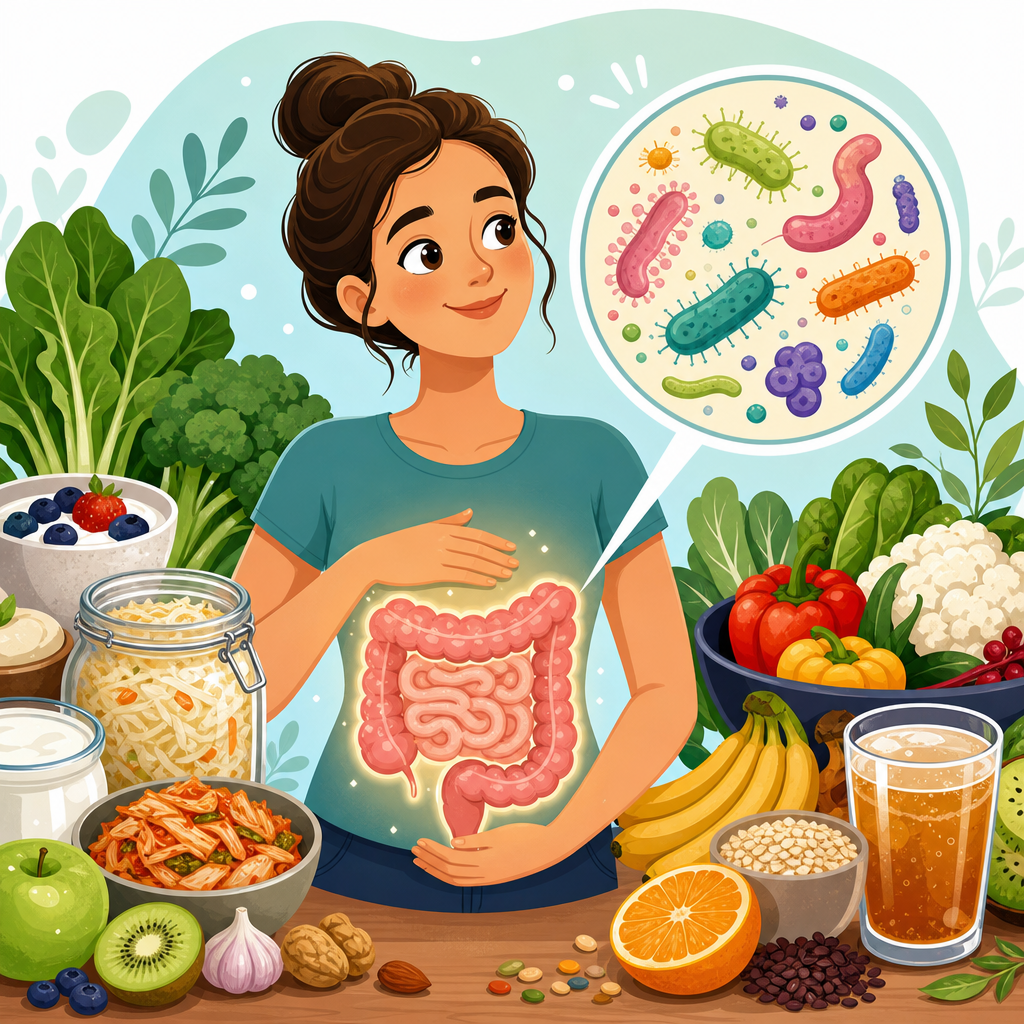
Gut health and the microbiome shape digestion, immunity, metabolism, and even mood, which is why this topic sits at the center of modern nutrition for health and wellness. Gut health refers to how well the gastrointestinal tract functions, including digestion, nutrient absorption, barrier integrity, immune balance, and comfort. The microbiome refers to the community of bacteria, fungi, viruses, and other microbes living in and on the body, with the gut microbiome being the most studied because trillions of organisms in the intestines interact directly with food, medications, and the immune system. In practice, when clinicians and dietitians talk about improving gut health, they usually mean supporting a diverse, resilient microbial ecosystem and reducing symptoms such as bloating, constipation, diarrhea, reflux, or abdominal pain.
This matters because the gut is not an isolated tube. Around 70 percent of immune tissue is associated with the gastrointestinal tract, the intestinal lining acts as a selective barrier between the external environment and the bloodstream, and microbes help break down fibers that human enzymes cannot digest. Those microbes produce short-chain fatty acids such as butyrate, acetate, and propionate, which help nourish colon cells, influence inflammation, and affect metabolic signaling. Research from groups including the Human Microbiome Project has also shown that microbiome composition differs widely between individuals, which helps explain why one person thrives on a certain diet while another develops symptoms.
Over the years, I have seen people focus on expensive supplements while missing the basics that consistently move the needle: regular fiber intake, food variety, sleep, movement, and careful use of antibiotics. Understanding gut health starts with recognizing that the microbiome is dynamic. It changes with age, diet, infection, stress, travel, medications, and chronic disease. A healthy gut is not defined by having zero symptoms every day or by chasing a perfect lab result. It is defined by function, resilience, and patterns that support overall health over time.
As a hub page, this guide explains what the gut microbiome does, what disrupts it, how food shapes it, when symptoms suggest a deeper problem, and which strategies are evidence based. It also clarifies common terms such as probiotics, prebiotics, fermented foods, dysbiosis, and intestinal permeability so readers can navigate the flood of information with confidence. If you want to build a better diet, reduce digestive symptoms, or understand how gut health connects to the rest of the body, this is the foundation.
What the Gut Microbiome Does
The gut microbiome performs several jobs that humans cannot do alone. First, it helps digest components of food, especially fermentable fibers, resistant starches, and certain polyphenols. When microbes ferment these compounds, they create short-chain fatty acids, lower colonic pH, and support the intestinal lining. Butyrate is especially important because colon cells use it as a preferred fuel source, and adequate butyrate production is associated with healthier barrier function and immune regulation.
Second, the microbiome helps train the immune system. From infancy onward, microbes interact with immune cells in the gut-associated lymphoid tissue, shaping tolerance to food and harmless organisms while supporting defense against pathogens. This does not mean every immune condition is caused by the gut, but it does mean the gut is a major site where immune balance is negotiated every day.
Third, the microbiome helps protect against colonization by harmful organisms. A diverse microbial community occupies ecological niches, competes for nutrients, and produces metabolites that make it harder for pathogens to take hold. This is one reason antibiotic exposure can increase the risk of infections such as Clostridioides difficile. When normal microbial communities are disrupted, opportunistic organisms gain space.
Finally, the gut microbiome communicates with the brain and other organs through immune signals, metabolites, and neural pathways, often called the gut-brain axis. People should be careful not to exaggerate this concept, but it is well established that digestive disease can affect mood, stress can worsen gut symptoms, and microbial metabolites influence signaling beyond the intestine. The gut is not the only driver of health, yet it is one of the most influential systems in the body.
What Shapes Gut Health Every Day
Diet is the strongest day-to-day influence on the microbiome. Patterns rich in plant diversity, legumes, whole grains, nuts, seeds, fruits, vegetables, herbs, and spices generally support greater microbial diversity than diets centered on ultra-processed foods and low fiber intake. In one widely cited American Gut Project finding, people who ate more than thirty different plant foods per week tended to have more diverse microbiomes than those eating ten or fewer. Diversity is not the only measure that matters, but it is a useful proxy for ecological resilience.
Medication use is another major factor. Antibiotics can be lifesaving, but they reduce microbial diversity and may shift the balance of organisms for weeks or months. Proton pump inhibitors, nonsteroidal anti-inflammatory drugs, metformin, and laxatives can also alter the gut environment. In clinical practice, I pay close attention to timing. If symptoms began after a medication change, that clue matters.
Sleep, stress, exercise, alcohol, smoking, infections, and travel also affect gut health. Poor sleep and chronic stress can alter motility, sensitivity, appetite regulation, and symptom perception. Exercise is generally beneficial, especially moderate regular activity, though excessive endurance training can trigger gastrointestinal distress in some athletes. Alcohol can irritate the gut lining and change microbial balance, particularly at higher intakes. Smoking is linked to multiple digestive risks and is clearly harmful overall.
Age and early life exposures matter as well. Birth mode, breastfeeding, household environment, pet exposure, and early antibiotic use all influence microbiome development, although these factors do not determine destiny. In older adults, reduced appetite, lower food variety, social isolation, and medication burden often contribute to poorer gut resilience. Across life stages, the pattern is consistent: microbes respond to repeated inputs more than one perfect meal or one bad weekend.
Foods, Fiber, and Fermentation: The Core Nutrition Strategy
If someone asks for the single most reliable way to support gut health, the answer is to feed beneficial microbes consistently. That means increasing dietary fiber gradually and broadening plant variety. Most adults fall short of recommended fiber intake. The U.S. guideline target is about 14 grams per 1,000 calories, which translates to roughly 25 grams daily for many women and 38 grams for many men, though individual needs vary. A low-fiber diet starves fiber-fermenting microbes and often worsens constipation.
Prebiotics are specific substrates used by host microorganisms that confer a health benefit. Well-studied examples include inulin, fructooligosaccharides, galactooligosaccharides, resistant starch, and beta-glucans. Food sources include onions, garlic, leeks, asparagus, oats, barley, beans, lentils, chickpeas, green bananas, and cooked-and-cooled potatoes or rice. Fermented foods such as yogurt with live cultures, kefir, kimchi, sauerkraut, miso, and tempeh can also help, though they do not replace fiber because microbes need fuel to persist.
| Goal | Best Food Sources | Practical Example |
|---|---|---|
| Increase beneficial fermentation | Beans, lentils, oats, barley, onions, garlic | Add lentils to soup and oats at breakfast |
| Support bowel regularity | Kiwi, chia seeds, prunes, whole grains, vegetables | Use chia in yogurt and eat two kiwis daily |
| Boost microbial diversity | Mixed vegetables, berries, nuts, seeds, herbs, spices | Aim for thirty plant foods each week |
| Add live cultures | Yogurt, kefir, kimchi, miso, tempeh | Swap sugary snacks for kefir and fruit |
Changes should be gradual. A person moving from 10 grams of fiber a day to 35 overnight often gets gas and bloating, not because fiber is bad, but because the gut and microbiota need time to adapt. Increase intake over one to three weeks, drink enough fluid, and match the approach to symptoms. For diarrhea, soluble fibers such as oats or psyllium may be easier to tolerate. For constipation, both fiber and hydration matter, along with activity and bathroom routine.
Not every trendy gut food deserves equal attention. Bone broth, detox teas, and expensive cleanse programs have weak evidence for general gut health. By contrast, dietary patterns similar to the Mediterranean diet consistently correlate with better microbial diversity and lower inflammatory burden. Food first is not a slogan; it is the most evidence-based foundation.
Probiotics, Supplements, and What Actually Helps
Probiotics are live microorganisms that, when administered in adequate amounts, confer a health benefit. That definition matters because not every supplement with bacteria qualifies clinically. Benefits are strain specific, dose specific, and condition specific. Lactobacillus rhamnosus GG, Saccharomyces boulardii, Bifidobacterium infantis 35624, and certain multi-strain products have evidence in selected contexts, including antibiotic-associated diarrhea, some infectious diarrhea prevention, and symptom relief in subsets of irritable bowel syndrome. A generic probiotic is not a universal fix.
Prebiotic supplements can also help, especially when diet is limited, but they can worsen bloating in sensitive people if started too aggressively. Psyllium stands out because it supports stool form and regularity with a good evidence base in constipation and mixed bowel habits. Digestive enzymes are useful in narrow cases, such as lactase for lactose intolerance, but they are often overused as catchall solutions. “Leaky gut” supplements marketed with glutamine, collagen, or herbal blends should be viewed cautiously unless a clinician has identified a clear indication.
Testing is another area where marketing outpaces science. Most commercial microbiome stool tests cannot tell a healthy person exactly what to eat or which supplement to buy with a high degree of certainty. They may provide interesting snapshots, but normal ranges are not standardized enough for broad personalized prescriptions. When I evaluate gut complaints, conventional assessment still matters most: symptom pattern, diet history, bowel habits, medication review, red flags, and targeted medical testing when indicated.
Symptoms, Digestive Disorders, and When to Seek Care
Common symptoms linked to poor gut function include bloating, gas, constipation, diarrhea, reflux, nausea, abdominal pain, and irregular appetite. These symptoms can stem from diet, stress, infection, medication effects, food intolerance, pelvic floor dysfunction, irritable bowel syndrome, inflammatory bowel disease, celiac disease, gallbladder issues, pancreatic disease, or colorectal cancer. Because the list is broad, persistent symptoms should not be dismissed as “just the microbiome.”
Red flags warrant prompt medical attention. They include unintentional weight loss, blood in the stool, black tarry stools, fever, anemia, persistent vomiting, nighttime diarrhea, new symptoms after age fifty, severe pain, dehydration, or a strong family history of colon cancer, celiac disease, or inflammatory bowel disease. For IBS-like symptoms, clinicians often use the Rome IV criteria alongside testing guided by presentation. For suspected celiac disease, serologic testing should be done before removing gluten. For reflux, alarm features may justify endoscopy.
Many people also ask about small intestinal bacterial overgrowth, or SIBO. It is a real condition, but it is also overdiagnosed online. Breath tests have limitations, symptoms overlap with IBS, and treatment works best when underlying causes such as motility disorders, prior surgery, or medication effects are addressed. The same balanced view applies to food intolerance. Lactose intolerance and fructose malabsorption are common; broad elimination without a plan is not. Restriction can reduce symptoms short term but may narrow the diet enough to harm microbiome diversity.
Building a Gut-Healthy Lifestyle That Lasts
The best gut health plan is practical enough to continue for years. Start with three anchors: eat more fiber-rich plant foods, establish regular meal and sleep patterns, and reduce unnecessary gut irritants. A simple first week might include one serving of beans four times, oatmeal twice, yogurt or kefir most days, two fruits daily, and vegetables at lunch and dinner. Add movement, ideally a brisk walk after meals, which can help motility and glucose control.
Next, personalize. If dairy triggers symptoms, test lactose-free options rather than avoiding all cultured dairy automatically. If beans cause bloating, start with lentils or canned beans rinsed well. If constipation is the issue, combine psyllium, kiwi, hydration, and a consistent toilet routine. If stress drives flares, include mind-body tools such as diaphragmatic breathing or gut-directed cognitive behavioral strategies. Consistency beats intensity. The gut responds to repeated daily signals.
Gut health improves when decisions are measured, not extreme. Build your plate around plants, review symptoms carefully, and get medical input when warning signs appear. Use this hub as your starting point, then explore related topics such as fiber, probiotics, IBS, fermented foods, food intolerances, and the gut-brain connection. Small changes, repeated consistently, produce the strongest long-term results for digestive comfort and whole-body health.
Frequently Asked Questions
What is gut health, and why is it so important?
Gut health refers to how well your gastrointestinal system performs its core jobs every day. That includes breaking down food, absorbing nutrients, moving waste efficiently, maintaining a strong intestinal lining, supporting immune balance, and keeping digestive symptoms like bloating, pain, constipation, or diarrhea to a minimum. A healthy gut is not just about avoiding stomach problems. It plays a central role in overall wellness because the digestive tract is closely connected to many other systems in the body.
One of the biggest reasons gut health matters is that a large portion of the immune system is closely tied to the gut. The intestinal tract helps the body distinguish between helpful substances and potential threats, and it works alongside gut microbes to regulate inflammation and immune responses. When gut function is disrupted, it can affect comfort, nutrient status, energy levels, and resilience to illness. The gut also influences metabolism, blood sugar regulation, and how efficiently the body extracts and uses nutrients from food.
Gut health is also connected to the brain through what is often called the gut-brain axis. Signals travel between the gut and the nervous system, which helps explain why digestive health can influence mood, stress response, and mental well-being. While gut health is not the sole cause of emotional or physical health issues, it is an important foundation. In practical terms, supporting gut health can improve digestion, promote regularity, reduce discomfort, and contribute to better whole-body health over time.
What exactly is the gut microbiome?
The gut microbiome is the vast community of microorganisms that live in the digestive tract, especially in the large intestine. These microbes include bacteria, fungi, viruses, and other microscopic organisms. Although people often think of microbes as harmful, many of them are beneficial or neutral, and they perform essential functions that help keep the body working properly. In fact, the gut microbiome is now considered one of the most important factors in human health research.
A balanced gut microbiome helps digest certain components of food that the body cannot fully break down on its own, particularly dietary fiber. As microbes ferment fiber, they produce useful compounds such as short-chain fatty acids, which help nourish cells in the colon, support the intestinal barrier, and influence inflammation and metabolism. The microbiome also helps train the immune system, compete with potentially harmful organisms, and contribute to the production or regulation of certain vitamins and signaling molecules.
Each person’s microbiome is unique and shaped by many factors, including birth method, breastfeeding, diet, medications, sleep, stress, exercise, environment, and age. Diversity is often viewed as a positive sign, because a wider range of microbes may support greater resilience and functional balance. However, the goal is not simply to have more bacteria, but to support a microbiome that works in harmony with the body. When the microbiome becomes imbalanced, sometimes referred to as dysbiosis, it may be associated with digestive symptoms, inflammation, or changes in metabolic and immune function.
How are gut health and the microbiome connected?
Gut health and the microbiome are closely linked, but they are not exactly the same thing. Gut health refers to the overall condition and function of the digestive system, while the microbiome refers specifically to the microbes living within it. You can think of the microbiome as one of the major ecosystems that influences how healthy the gut environment is. These microbes interact constantly with the intestinal lining, the immune system, and the food you eat, which means they directly affect how the gut functions.
For example, beneficial gut microbes help break down fiber and create compounds that support the cells lining the intestines. This can strengthen barrier integrity, which is important because the gut lining acts as a gatekeeper between the contents of the digestive tract and the rest of the body. A well-supported barrier helps maintain immune balance and reduces the likelihood of unnecessary inflammation. In addition, microbes help regulate gut motility, influence how nutrients are processed, and affect the balance of gas production and digestive comfort.
At the same time, the health of the gut shapes the microbiome in return. Diet quality, medication use, stress, illness, sleep patterns, and inflammation can all alter the microbial environment. If gut conditions become less favorable, helpful microbes may decline while less beneficial organisms may become more prominent. That two-way relationship is why gut health and microbiome health are often discussed together. Improving one often helps the other, especially when the focus is on consistent lifestyle habits such as eating fiber-rich foods, managing stress, staying active, and using medications thoughtfully when needed.
What are the signs of an unhealthy gut or an imbalanced microbiome?
Signs of poor gut health can vary widely from person to person, and they are not always limited to digestion. Common digestive symptoms include bloating, excessive gas, abdominal discomfort, constipation, diarrhea, heartburn, nausea, or irregular bowel habits. Some people may also notice food intolerances, a feeling of heaviness after meals, or inconsistent appetite. While occasional symptoms are common, ongoing or worsening digestive issues may suggest that the gut environment is under strain.
Beyond digestion, an unhealthy gut or disrupted microbiome may also be associated with fatigue, poor concentration, skin issues, frequent illness, or changes in mood. This does not mean the gut is always the root cause of these problems, but it can be one contributing factor because of its close relationship with immunity, inflammation, and the nervous system. For example, if the gut barrier is not functioning well or the microbiome is out of balance, the body may experience changes that affect comfort, immune signaling, and overall well-being.
It is important to remember that symptoms alone cannot diagnose microbiome problems, and many gut-related symptoms overlap with other health conditions. Persistent abdominal pain, blood in the stool, unexplained weight loss, severe reflux, ongoing diarrhea, or major changes in bowel habits should always be evaluated by a qualified healthcare professional. In many cases, improving gut health starts with broad foundational steps rather than chasing a single “bad bacteria” explanation. Looking at diet, sleep, stress, exercise, hydration, and medical history often gives a more useful and accurate picture.
What are the best ways to improve gut health naturally?
The most effective ways to support gut health naturally usually come down to consistent, evidence-based habits rather than quick fixes. One of the most important steps is eating a varied, fiber-rich diet centered on whole plant foods such as vegetables, fruits, legumes, whole grains, nuts, seeds, herbs, and spices. These foods provide prebiotic fibers and other compounds that nourish beneficial gut microbes. Variety matters because different microbes thrive on different nutrients, so a more diverse diet can help create a more resilient microbial ecosystem.
Fermented foods can also be helpful for many people. Options like yogurt with live cultures, kefir, sauerkraut, kimchi, miso, and tempeh may introduce beneficial microbes or support a healthier gut environment, depending on the food and the individual. In addition, limiting highly processed foods, excessive alcohol, and unnecessary antibiotics can help protect microbiome balance. That does not mean you need a perfect diet. It means that your everyday pattern matters most, and small sustainable improvements often have meaningful long-term benefits.
Lifestyle habits are just as important as food. Chronic stress can affect digestion, gut motility, and the gut-brain axis, so stress management through sleep, mindfulness, exercise, or relaxation practices can make a real difference. Regular physical activity has also been linked to better digestive function and a healthier microbiome profile. Good hydration supports bowel regularity, and adequate sleep helps regulate inflammation and recovery. Supplements such as probiotics or prebiotics may help in certain situations, but they are not a substitute for foundational habits and should ideally be chosen with guidance when symptoms are significant. The best long-term strategy is to build a gut-friendly routine that supports digestion, microbial diversity, and overall health in a balanced, realistic way.