Gut health and the microbiome shape digestion, immunity, metabolism, and even mood, so learning how to incorporate more gut health and the microbiome into your diet is one of the most practical nutrition upgrades you can make. In nutrition practice, I have seen people focus on calories, protein, or supplements while overlooking the ecosystem in the gastrointestinal tract that helps determine how food is processed and how the body responds. The gut microbiome refers to the community of bacteria, fungi, viruses, and other microbes living primarily in the large intestine. Gut health is broader: it includes digestion, the intestinal barrier, bowel regularity, immune signaling, tolerance to foods, and the balance of microbes that support these functions. When this system is well supported, people often notice steadier digestion, better stool quality, fewer bloating episodes, and more resilience after dietary changes, travel, illness, or stress.
Research has connected microbiome diversity and function with many outcomes, including inflammatory bowel conditions, irritable bowel syndrome, obesity, type 2 diabetes, cardiovascular risk, and mental health patterns through the gut-brain axis. That does not mean every symptom starts in the gut, and it does not justify extreme cleansing plans. It means daily food choices matter because microbes depend on what you feed them. Fiber, resistant starch, polyphenols, and fermented foods can encourage beneficial microbial activity, especially production of short-chain fatty acids such as butyrate, acetate, and propionate. These compounds help nourish colon cells, influence inflammation, and support barrier integrity. The opposite pattern, a highly repetitive diet heavy in ultra-processed foods and low in plant variety, tends to reduce the range of substrates available to microbes and can narrow diversity over time.
This hub article explains the key dietary levers that improve gut health and the microbiome without exaggeration. You will learn what to eat more often, how to build meals that support microbial balance, where fermented foods fit, and what common mistakes interfere with progress. The goal is not perfection or chasing a single superfood. The goal is to create a pattern that reliably supplies the compounds your gut microbes use every day.
Start With Fiber Diversity, Not Just Fiber Quantity
The fastest way to support gut health through diet is to increase fiber from a wider range of whole plant foods. Fiber is not one thing. Soluble fiber, insoluble fiber, viscous fiber, and fermentable carbohydrates behave differently in the digestive tract and feed different microbial groups. In practice, this is why two people can eat the same total grams of fiber yet get different results depending on whether that fiber comes from oats, beans, berries, leafy greens, nuts, or refined fiber additives. The microbiome benefits from variety because different microbes specialize in breaking down different substrates.
Adults are commonly advised to consume about 25 to 38 grams of fiber daily, yet many populations average far less. Reaching that number helps, but diversity matters as much as total intake. A simple target I use is aiming for at least 20 to 30 distinct plant foods per week, including fruits, vegetables, legumes, whole grains, nuts, seeds, herbs, and spices. This approach mirrors findings from large citizen-science microbiome projects showing that people who eat more plant diversity tend to have more diverse gut microbiota. Beans and lentils are especially effective because they deliver fermentable fiber, resistant starch, minerals, and polyphenols in one package. Oats provide beta-glucan, barley contributes soluble fiber, and berries add both fiber and anthocyanins that microbes transform into useful metabolites.
Increase fiber gradually if your current intake is low. Going from 10 grams to 35 grams in two days often causes gas, cramping, or discouragement. Add one fiber-rich food at a time, drink enough fluid, and give the gut a week or two to adapt. For many people, breakfast is the easiest place to start: oatmeal with chia seeds and berries, or plain yogurt with flax and fruit. Lunch can include lentil soup or a grain bowl with chickpeas. Dinner can rotate among brown rice, quinoa, vegetables, and a bean-based side. These are practical building blocks for a microbiome-friendly diet.
Feed Beneficial Microbes With Prebiotic Foods and Resistant Starch
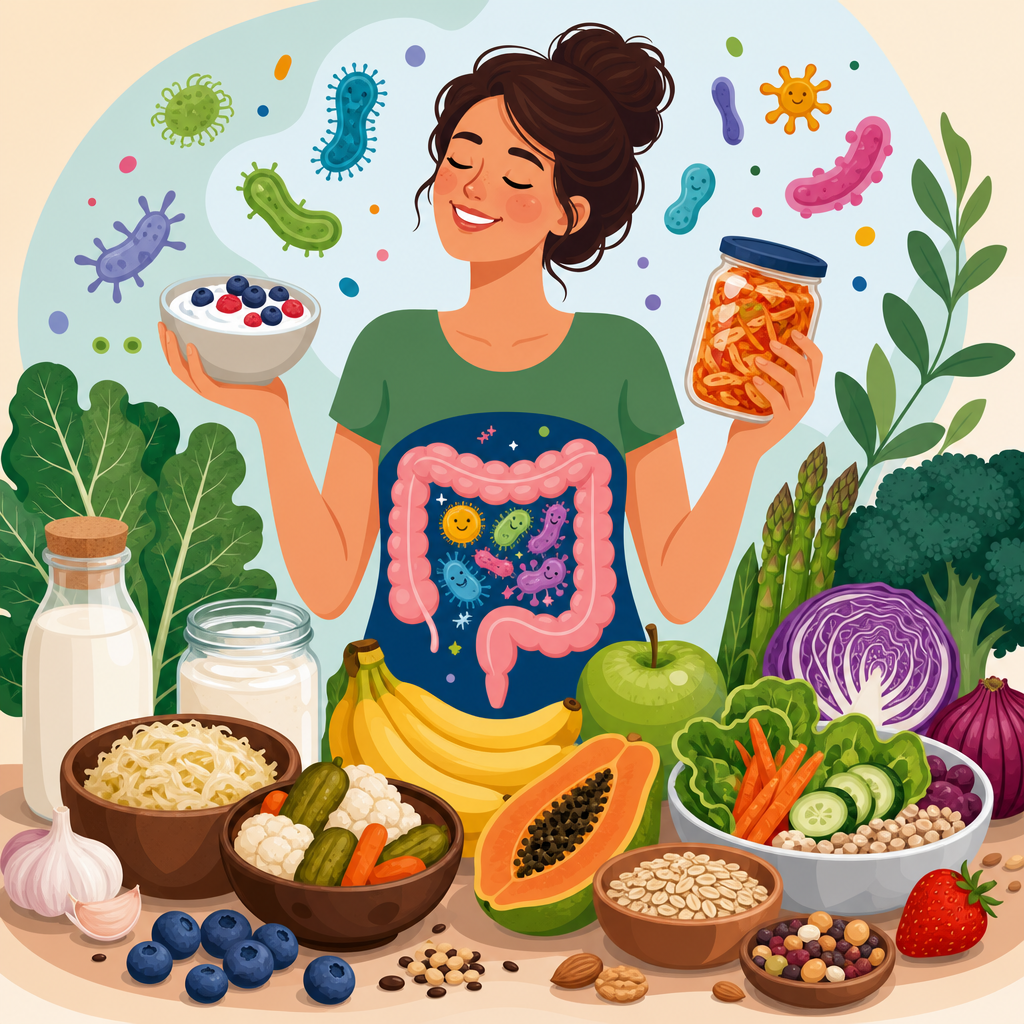
Prebiotics are food components selectively used by beneficial microbes, leading to health-supporting effects. While many people think of prebiotics as powders, the best routine foundation usually comes from whole foods. Onions, garlic, leeks, asparagus, Jerusalem artichokes, chicory root, bananas, oats, apples, pulses, and wheat bran all contain compounds that function as prebiotic substrates. These include inulin, fructooligosaccharides, galactooligosaccharides, and other fermentable fibers. When tolerated well, these foods can increase production of short-chain fatty acids, improve bowel regularity, and support populations such as Bifidobacteria and Lactobacilli.
Resistant starch deserves special attention because it reaches the colon relatively undigested and becomes fuel for microbes there. Good sources include beans, lentils, oats, green bananas, cooked-and-cooled potatoes, cooked-and-cooled rice, and some whole grains. In meal planning, this means leftovers can be useful. A cooled potato salad with olive oil and herbs, or sushi rice prepared ahead and chilled, provides a different starch profile than the same food eaten piping hot. Reheating does not completely erase this effect. I often recommend rotating several resistant starch sources across the week rather than relying on one “gut health” product.
Not everyone tolerates high-prebiotic foods equally well. People with irritable bowel syndrome, active inflammatory bowel disease, or significant bloating may react to rapidly fermentable carbohydrates. In those cases, the answer is not abandoning gut-friendly eating but choosing gentler sources and adjusting portion size. Oats, kiwifruit, chia, canned lentils in moderate portions, and firm bananas are often easier starting points than large servings of onion or inulin-fortified snack bars. If symptoms are persistent, individualized guidance matters because gastrointestinal disorders can overlap and require more than a general diet upgrade.
Use Fermented Foods Strategically Instead of Randomly
Fermented foods can support gut health, but they work best as part of a larger pattern rather than as a magic fix. Yogurt with live cultures, kefir, sauerkraut, kimchi, miso, tempeh, and traditionally fermented pickles can introduce live microorganisms and fermentation byproducts that interact with the gut environment. Some fermented foods have been associated with better digestive tolerance, and a Stanford study drew attention by showing that a diet rich in fermented foods increased microbiome diversity and lowered several inflammatory markers in healthy adults over ten weeks.
The key is choosing products that actually contain live cultures and fit your tolerance. Many shelf-stable pickles are vinegar-brined rather than fermented, and some heat-treated products no longer contain live organisms. Yogurt and kefir remain among the most accessible options because they also deliver protein, calcium, and in many cases active cultures such as Lactobacillus and Bifidobacterium species. Tempeh adds fermented soy plus fiber and protein. Sauerkraut and kimchi can be useful in smaller condiment portions, especially for people who are new to fermented foods or watching sodium intake.
| Food category | Examples | Main microbiome benefit | Practical note |
|---|---|---|---|
| Fiber-rich plants | Beans, oats, berries, greens, nuts | Feeds diverse microbes and supports short-chain fatty acids | Increase gradually with adequate fluids |
| Prebiotic foods | Onions, garlic, leeks, bananas, asparagus | Selective fuel for beneficial bacteria | Portion size matters if bloating is an issue |
| Resistant starches | Lentils, cooled potatoes, cooled rice, oats | Improves fermentation in the colon | Leftovers can be strategically useful |
| Fermented foods | Yogurt, kefir, kimchi, sauerkraut, tempeh | Adds live cultures and fermentation metabolites | Choose products with live cultures when possible |
A useful benchmark is one to two servings of fermented foods daily if tolerated. That might mean kefir at breakfast and a spoonful of kimchi with dinner, not six different ferments in one sitting. More is not automatically better. In people prone to histamine intolerance, reflux, or certain medication interactions, fermented foods can aggravate symptoms. Consistency is more valuable than novelty, and whole dietary context matters more than any single jar in the refrigerator.
Protect the Gut Barrier With Overall Diet Quality
When people ask how to improve the microbiome, they often expect a list of additions, but gut health also depends on what you reduce. The intestinal barrier is influenced by alcohol intake, chronic low-fiber eating, highly processed dietary patterns, poor sleep, unmanaged stress, and some medications such as frequent nonsteroidal anti-inflammatory drug use. Food cannot cancel every other factor, yet overall diet quality strongly shapes the microbial environment and the compounds reaching the colon.
A Mediterranean-style eating pattern remains one of the most evidence-backed models for gut support. It emphasizes vegetables, legumes, fruit, whole grains, nuts, seeds, olive oil, and seafood while limiting excess refined sugar and heavily processed snacks. This pattern supplies fiber and polyphenols from many sources. Polyphenols in extra virgin olive oil, cocoa, green tea, coffee, berries, pomegranate, and colorful vegetables are not fully absorbed in the small intestine, so microbes help metabolize them into bioactive compounds. That interaction is one reason a varied plant-forward pattern performs better than isolated antioxidant supplements.
Protein choices matter too. Fish, legumes, yogurt, kefir, tofu, and tempeh typically fit well in a microbiome-supportive diet. Large amounts of processed meat and low-fiber convenience foods tend to crowd out plant foods that feed beneficial microbes. Fat quality also matters. Diets high in saturated fat and low in plant foods have been linked with less favorable microbial patterns in some research, whereas monounsaturated fats and omega-3-rich foods appear more supportive within an overall balanced diet. The practical takeaway is simple: build plates around plants first, then add quality protein and healthy fats.
Build Daily Meals That Make Gut-Friendly Eating Sustainable
The best gut health diet is the one you can repeat without overthinking. Sustainability beats intensity. I usually structure microbiome-supportive eating around four daily anchors: a fiber-rich breakfast, a legume or whole-grain lunch, a colorful dinner with at least two vegetables, and one fermented or cultured food. This framework gives enough repetition to be realistic while leaving room for variety.
For breakfast, oatmeal with walnuts, chia, cinnamon, and blueberries covers beta-glucan, omega-3 fats, polyphenols, and seeds in one bowl. Another option is plain kefir blended with berries, spinach, and ground flax. Lunch can be a lentil salad with chopped vegetables, olive oil, and herbs, or a brown rice bowl with edamame, cabbage, carrots, and tahini. Dinner might pair salmon with roasted Brussels sprouts and cooled potato salad, or tofu with broccoli, mushrooms, and barley. Snacks can include kiwi, apples with peanut butter, roasted chickpeas, or plain yogurt. These examples are ordinary foods arranged intentionally to support gut function.
Hydration and meal timing also influence tolerance. Fiber works best when fluid intake is adequate, and people who skip meals all day then eat one oversized dinner often report more bloating than those who distribute intake more evenly. Chewing thoroughly, slowing the pace of meals, and paying attention to individual triggers can improve digestion without changing the entire menu. If you are introducing more beans, canned versions rinsed well and added in half-cup portions are often easier to tolerate than a giant bowl of chili on day one. Precision in implementation is what makes healthy advice actually work.
Know When Supplements Help and When They Distract
Probiotics, prebiotic powders, digestive enzymes, and synbiotic blends can have a place, but they are not the first line for most people wondering how to incorporate more gut health and the microbiome into their diet. Food provides substrates, microbes, and matrix effects that pills cannot fully replicate. Specific probiotic strains may help in specific situations, such as antibiotic-associated diarrhea, some IBS symptoms, or certain clinical settings, but effects are strain-specific, not universal. Lactobacillus rhamnosus GG is different from Saccharomyces boulardii, and both are different from a generic “40 billion CFU” blend.
If a supplement is considered, use a reasoned approach. Match the product to the goal, verify strain labeling, review third-party quality testing when available, and give it a defined trial period. For constipation, psyllium may be more consistently useful than a random probiotic. For low dietary fiber intake, adding legumes and oats usually offers a better return than buying expensive gummies. For persistent symptoms such as unexplained weight loss, blood in stool, severe pain, nocturnal diarrhea, or ongoing changes in bowel habits, medical evaluation comes before supplement experimentation. Gut health is important, but it should never become a do-it-yourself substitute for diagnosis.
To improve gut health and the microbiome, focus first on a diverse range of plants, regular prebiotic and resistant starch sources, and consistent fermented foods if they suit you. Protect those gains by improving overall diet quality, limiting ultra-processed patterns, and building meals you can sustain through busy weeks. The biggest benefit is not chasing a perfect microbiome score; it is creating a digestive environment that supports regularity, comfort, and long-term health. Start with one step today: add one bean-based meal, one fermented food, and one extra plant to your routine this week.
Frequently Asked Questions
What does “gut health” actually mean, and why is the microbiome so important?
Gut health generally refers to how well your digestive system functions, how strong and balanced your intestinal barrier is, and how diverse and resilient your gut microbiome is. The microbiome is the enormous community of bacteria, fungi, and other microbes living primarily in the large intestine. These organisms help break down parts of food your body cannot fully digest on its own, especially certain fibers and resistant starches. In the process, they produce beneficial compounds such as short-chain fatty acids, which support the gut lining, help regulate inflammation, and influence metabolism.
The microbiome matters far beyond digestion. A healthy gut ecosystem is connected to immune function, blood sugar regulation, nutrient absorption, bowel regularity, and even brain signaling related to mood and stress. When the microbiome is diverse and well nourished, it tends to be more stable and better able to support overall health. When it is disrupted by a highly processed diet, chronic stress, poor sleep, illness, or repeated antibiotic exposure, people may notice symptoms such as bloating, irregular bowel habits, food sensitivity, or low energy. That is why building your diet around microbiome-friendly foods is such a practical foundation for long-term wellness.
What foods should I eat more often to improve gut health and support the microbiome?
The most effective starting point is to eat a wider variety of plant foods on a regular basis. Different microbes thrive on different types of fiber and plant compounds, so variety matters just as much as total fiber intake. Aim to include vegetables, fruits, beans, lentils, whole grains, nuts, seeds, and herbs throughout the week. Foods such as oats, barley, chickpeas, black beans, apples, berries, leafy greens, broccoli, onions, garlic, leeks, asparagus, flaxseeds, and chia seeds are especially helpful because they provide fibers and prebiotic compounds that feed beneficial gut bacteria.
Fermented foods can also play a useful role. Yogurt with live cultures, kefir, sauerkraut, kimchi, miso, tempeh, and fermented cottage cheese or cultured vegetables may help introduce beneficial microbes or support a healthier gut environment. While fermented foods are not a substitute for fiber, they can complement a microbiome-supportive eating pattern. It is also helpful to include resistant starch, which is found in foods like cooked-and-cooled potatoes, cooked-and-cooled rice, green bananas, beans, and oats. Resistant starch reaches the colon where it becomes food for beneficial microbes.
In practical terms, the best gut-health diet is not based on one single superfood. It is based on consistently eating fiber-rich, minimally processed, plant-forward meals with a range of textures, colors, and ingredients. The more diversity you create on your plate over time, the more opportunity you give your microbiome to become diverse and resilient as well.
How can I add more gut-friendly foods to my diet without upsetting my stomach?
The key is to increase fiber gradually rather than making a dramatic shift overnight. Many people experience gas, bloating, or changes in bowel habits when they suddenly go from a low-fiber diet to a very high-fiber one. That does not necessarily mean fiber is a bad fit. It often means the gut needs time to adapt. Start by adding one new fiber-rich food or one extra serving of plants per day, then build from there over several weeks. Drinking enough water is also important because fiber works best when it has adequate fluid to move through the digestive tract.
If you are sensitive, begin with gentler options such as oats, bananas, cooked carrots, cooked zucchini, rice, potatoes, chia pudding, or lentil soup in modest portions. Cooked vegetables may be easier to tolerate than raw vegetables at first. You can also spread fiber across the day instead of loading it all into one meal. For example, have berries at breakfast, a bean-based lunch, and a cooked vegetable side at dinner rather than trying to eat a giant salad and a large serving of legumes at once.
Fermented foods should also be introduced slowly. A few spoonfuls of sauerkraut or a small serving of kefir may be enough at first. If you have a diagnosed digestive condition such as IBS, inflammatory bowel disease, celiac disease, or a history of significant bloating and discomfort, a more individualized approach may be necessary. In those cases, working with a registered dietitian or qualified healthcare professional can help you build gut support without triggering symptoms.
Are probiotics and prebiotics necessary, or can I improve gut health with food alone?
Most people can make meaningful improvements in gut health with food alone, especially by increasing fiber variety and including fermented foods consistently. Prebiotics are compounds, usually certain types of fiber, that feed beneficial gut bacteria. These are naturally found in many everyday foods such as onions, garlic, leeks, asparagus, oats, legumes, bananas, and whole grains. Probiotics are live microorganisms found in some fermented foods and supplements. Both can be helpful, but they are not interchangeable and neither one works especially well in isolation from a generally healthy diet.
Probiotic supplements can be useful in certain situations, but they are not a universal solution. Different strains have different effects, and the best choice depends on the individual and the goal. Some may help after antibiotic use, some may support bowel regularity, and others may be studied for specific digestive concerns. However, taking a probiotic while continuing to eat a low-fiber, highly processed diet is unlikely to create lasting change. Beneficial microbes need the right environment and the right fuel to thrive.
If you are considering supplements, it is best to treat them as a targeted addition rather than the foundation of your gut-health plan. Focus first on consistent meals built around whole foods, plant diversity, and adequate hydration. Then, if needed, discuss probiotic options with a healthcare professional, especially if you have chronic GI symptoms, immune concerns, or a medical diagnosis that requires a more specific strategy.
How long does it take to notice benefits from eating for better gut health?
Some changes can happen surprisingly quickly, while deeper improvements take longer. Research suggests the gut microbiome can begin responding to dietary shifts within days, particularly when fiber intake, plant diversity, and fermented foods increase. In real life, some people notice better bowel regularity, less constipation, improved fullness after meals, or more stable energy within one to two weeks. Others need longer, especially if they are starting from a very low-fiber pattern or dealing with stress, poor sleep, or an underlying digestive issue.
Lasting gut health is usually the result of repeated habits rather than a short-term reset. Think in terms of weeks and months, not just days. A microbiome-supportive diet works best when it becomes your normal routine: fiber at most meals, a broad range of plant foods each week, fermented foods if tolerated, enough water, and less reliance on ultra-processed foods. Lifestyle factors also matter. Sleep, physical activity, stress management, and avoiding unnecessary antibiotics all influence the gut environment.
If you want a practical benchmark, give a new gut-friendly eating pattern at least two to four weeks before judging how it affects you, unless it clearly worsens symptoms. Track changes in digestion, stool consistency, bloating, appetite, and energy rather than expecting dramatic overnight results. Small, steady improvements are often the sign that your gut ecosystem is moving in a healthier direction.