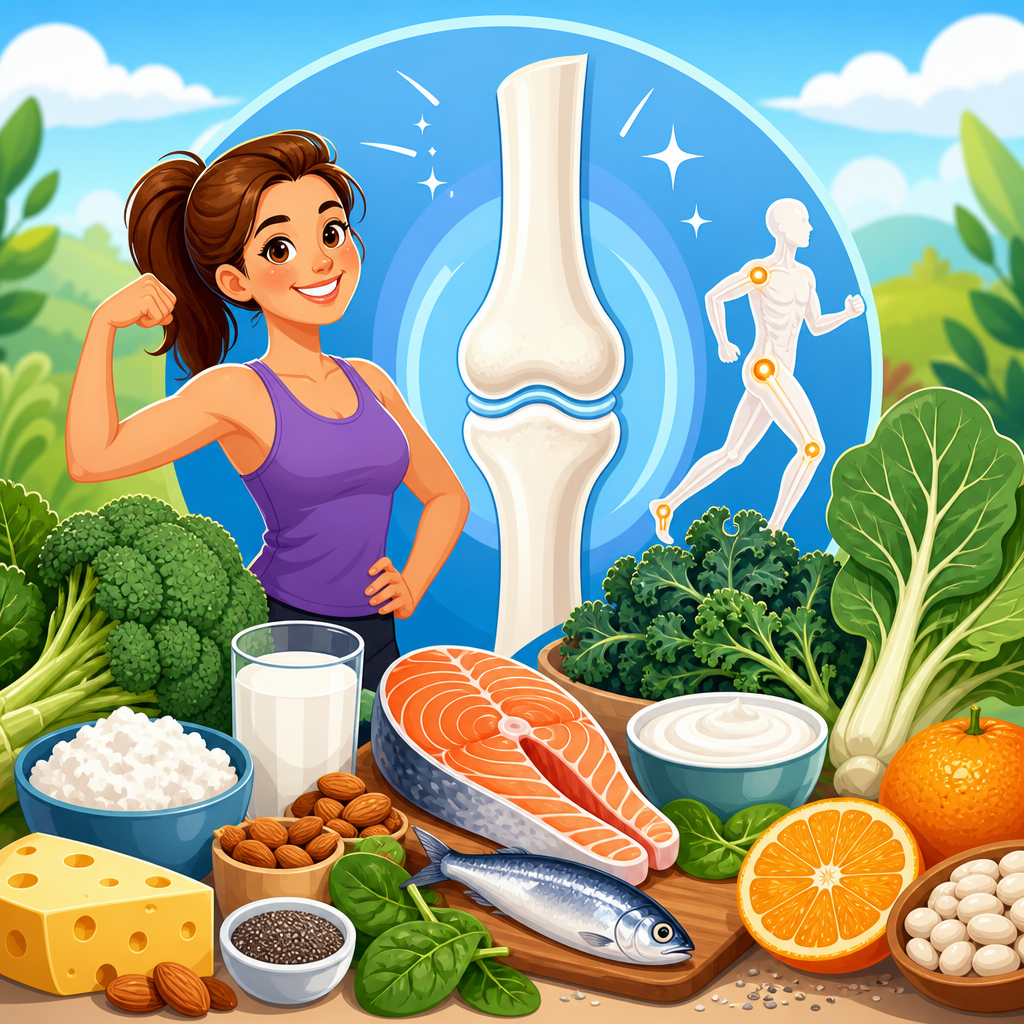
Strong bones and flexible joints depend on far more than aging luck; they are built, maintained, and protected by daily nutrition choices that influence mineral density, collagen integrity, inflammation, muscle function, and fracture risk across the lifespan. Nutrition for strong bones and joints refers to the targeted intake of nutrients, foods, and dietary patterns that support the skeleton, cartilage, ligaments, tendons, and the muscles that stabilize movement. In practice, that means looking beyond calcium alone and understanding how protein, vitamin D, vitamin K, magnesium, phosphorus, potassium, omega-3 fats, vitamin C, and trace minerals work together. It also means recognizing that joints are not bones, and bone loss does not feel the same as cartilage breakdown, even though both can lead to pain, weakness, reduced mobility, and disability.
I have seen this repeatedly when reviewing food logs with adults who assumed a daily glass of milk was enough. Some had low vitamin D despite adequate calcium. Others ate very little protein, which limited muscle support around vulnerable knees and hips. Still others relied heavily on ultra-processed foods high in sodium and low in potassium, creating a pattern that did nothing to help bone retention. The science is clear: nutrition affects peak bone mass in youth, the rate of bone loss in adulthood, recovery after injury, and inflammation that contributes to joint discomfort.
This matters because bone and joint problems are common, costly, and often progressive. Osteoporosis weakens bone and increases fracture risk, while osteoarthritis gradually damages joint cartilage and surrounding structures. According to major public health bodies, fractures related to low bone density are a leading cause of disability in older adults, and arthritis remains one of the most common causes of chronic pain worldwide. The encouraging part is that nutrition is one of the most modifiable risk factors. A smart dietary strategy cannot guarantee perfect joints or eliminate every fracture risk, but it can materially improve resilience, function, and long-term quality of life.
How bones and joints are built, repaired, and protected
Bone is living tissue, not a static frame. It constantly remodels through the coordinated activity of osteoblasts, which build bone, and osteoclasts, which break it down. During childhood and adolescence, building outpaces breakdown, allowing people to reach peak bone mass. After early adulthood, balance becomes more delicate, and age, hormones, medications, inactivity, low energy intake, and poor nutrition can tilt the process toward loss. Calcium and phosphorus form the mineral structure, but the matrix that holds those minerals depends on protein. Vitamin D helps absorb calcium from the gut, while vitamin K participates in proteins involved in bone mineralization.
Joints have different needs. A joint includes cartilage, synovial fluid, ligaments, tendons, and muscle support. Cartilage is largely made of water, collagen, and proteoglycans, so hydration, protein quality, and nutrients involved in collagen synthesis all matter. Vitamin C is especially important because it is required for collagen formation. Copper, manganese, and zinc also contribute to connective tissue metabolism. Omega-3 fats can help regulate inflammatory signaling, which is relevant because painful joints are often worsened by chronic low-grade inflammation, excess body weight, or repetitive mechanical stress.
Nutrition also influences the environment around bones and joints. Adequate energy intake prevents the body from downshifting essential repair processes. Sufficient carbohydrate supports training and movement, reducing the likelihood of under-fueling that can disrupt hormones and weaken bone. Healthy fats aid absorption of fat-soluble vitamins and support cell membranes. When I assess clients with recurring overuse injuries, I often find not one dramatic deficiency but a pattern of low overall food quality, poor meal timing, and inadequate total intake relative to activity demands.
The core nutrients that support bone density and joint function
The most important nutrients for bone health are calcium, vitamin D, protein, magnesium, phosphorus, and vitamin K. Adults generally need around 1,000 milligrams of calcium daily, rising to 1,200 milligrams for many older adults and postmenopausal women, depending on guidance used. Good sources include yogurt, milk, fortified soy beverages, calcium-set tofu, sardines with bones, and some leafy greens such as bok choy and kale. Spinach contains calcium, but much of it is bound to oxalates and less absorbable. Vitamin D needs vary by age and health status, but many adults fall short because food sources are limited and sun exposure is inconsistent. Fatty fish, fortified dairy, fortified plant milks, and supplements are common ways to meet needs.
Protein is frequently underappreciated in bone conversations. Bone matrix contains substantial protein, and skeletal muscle protects joints by improving stability and shock absorption. Older adults in particular may benefit from distributing protein across meals rather than eating most of it at dinner. Dairy, eggs, fish, poultry, lean meat, soy foods, beans, lentils, and higher-protein grains can all contribute. Magnesium supports bone structure and vitamin D metabolism. Nuts, seeds, legumes, whole grains, and leafy greens are reliable sources. Vitamin K1 is abundant in green vegetables, while K2 appears in fermented foods and some animal products; both have been studied for roles in bone metabolism, though supplementation decisions should account for anticoagulant use.
For joints, the key list overlaps but adds vitamin C, omega-3 fatty acids, and trace minerals tied to collagen and connective tissue. Citrus, berries, kiwifruit, peppers, broccoli, and potatoes provide vitamin C. EPA and DHA from salmon, sardines, trout, and mackerel have the strongest evidence among omega-3s for inflammatory regulation. Gelatin and collagen peptides are widely marketed, and some studies suggest they may modestly support joint comfort in certain populations, especially when paired with exercise, but they should complement, not replace, a nutrient-dense diet with enough total protein.
Best foods and dietary patterns for strong bones and joints
No single superfood can protect the musculoskeletal system. The strongest evidence supports consistent dietary patterns built around minimally processed foods, adequate protein, and a wide range of micronutrients. In real-world planning, I prioritize dairy or fortified alternatives, fish, legumes, vegetables, fruit, nuts, seeds, and whole grains. This pattern resembles established heart-healthy approaches, which is important because the same diet that supports circulation often supports joints by lowering inflammation and body-weight strain. It is also practical: people are more likely to maintain balanced habits than chase isolated supplements.
The table below shows how major food groups contribute to bone density and joint health in plain terms.
| Food group | Key nutrients | Bone and joint benefit | Practical examples |
|---|---|---|---|
| Dairy and fortified alternatives | Calcium, protein, vitamin D, phosphorus | Supports bone mineralization and muscle maintenance | Greek yogurt, milk, fortified soy drink, kefir |
| Fatty fish | Vitamin D, omega-3s, protein | Helps calcium use and moderates inflammatory signaling | Salmon, sardines, trout, mackerel |
| Leafy greens and cruciferous vegetables | Vitamin K, magnesium, potassium, vitamin C | Supports bone metabolism and connective tissue formation | Kale, bok choy, broccoli, collards |
| Legumes, tofu, nuts, and seeds | Protein, magnesium, calcium, zinc | Builds matrix tissue and supports repair | Lentils, calcium-set tofu, almonds, sesame |
| Fruit and colorful vegetables | Vitamin C, polyphenols, potassium | Supports collagen and may reduce oxidative stress | Berries, citrus, peppers, cherries |
Two dietary details deserve emphasis. First, sodium matters. High sodium intake increases urinary calcium loss, and diets dominated by processed foods often combine excess sodium with poor nutrient density. Second, potassium-rich foods such as beans, potatoes, bananas, yogurt, and vegetables may help balance dietary acid load and support bone retention, especially when they replace low-quality snack foods. These relationships are not magic switches, but across months and years they meaningfully shape risk.
What weakens bones and joints even when calories seem adequate
Many people eat enough calories yet still undermine bone and joint health. The most common problem is imbalance: too little protein, too few micronutrient-rich foods, and too much sodium, alcohol, or added sugar. Heavy alcohol use impairs bone formation and raises fall risk. Smoking is strongly associated with lower bone density and delayed healing. Very low-calorie diets can suppress sex hormones and reduce bone formation, especially in active women and endurance athletes. This is one reason clinicians screen for low energy availability and related menstrual disruption in sports medicine settings.
Weight is also nuanced. Excess body weight can increase load on hips, knees, and ankles, contributing to osteoarthritis symptoms, yet being underweight is a recognized risk factor for low bone density and fracture. The goal is not extreme thinness or aggressive bulking. It is maintaining a body composition that supports mobility, strength, hormonal function, and metabolic health. In practice, gradual fat loss combined with resistance training and adequate protein often improves joint pain more safely than crash dieting.
Medication and medical history matter as well. Long-term corticosteroid use can accelerate bone loss. Proton pump inhibitors, certain anticonvulsants, and some cancer therapies may affect nutrient absorption or bone turnover. People with celiac disease, inflammatory bowel disease, kidney disease, lactose intolerance, or a history of bariatric surgery often need individualized planning because standard advice may not cover absorption challenges. Nutrition for strong bones and joints works best when it is adapted to the person, not copied from a generic wellness list.
Life-stage nutrition strategies from childhood through older adulthood
Bone health begins early. Childhood and adolescence are the prime years for building peak bone mass, which becomes a protective reserve later in life. Kids and teens need enough calcium, vitamin D, protein, and total calories, along with regular weight-bearing activity. Restrictive diets during these years can have lasting consequences. For young adults, the focus shifts to preserving that reserve through consistent food quality, strength training, and avoiding smoking or chronic under-eating.
Midlife introduces hormonal changes that can accelerate bone loss, especially during the menopausal transition when estrogen declines. At this stage, routine screening discussions become more relevant, and nutrient gaps become less forgiving. Women often benefit from intentional calcium distribution across the day, consistent vitamin D monitoring, and resistance training paired with protein intake. Men are not exempt; age-related drops in muscle mass and activity can weaken joint support and increase fall risk even when bone density looks acceptable.
In older adulthood, priorities include preserving bone, slowing sarcopenia, preventing falls, and managing pain without losing independence. Appetite often drops, chewing problems may limit food choices, and vitamin D synthesis from sunlight becomes less efficient. This is where practical strategies matter most: higher-protein breakfasts, fortified foods, easier-to-chew calcium sources like yogurt, canned salmon, soups with beans, and simple snack routines. When I work with older clients, the best plans are rarely complicated. They are repetitive, affordable, and easy to follow on low-energy days.
How nutrition works with exercise, screening, and supplements
Food is foundational, but it is not the whole plan. Bones respond to loading, so resistance training, walking, stair climbing, and impact exercise where appropriate stimulate maintenance. Joints benefit from movement because it nourishes cartilage, strengthens muscles, and improves stability. Sedentary living worsens stiffness, while smart exercise improves function. Nutrition amplifies that benefit by supplying amino acids, minerals, and vitamins needed for adaptation and repair.
Screening is equally important. Bone mineral density testing, vitamin D labs when indicated, and clinical assessment of fracture risk can reveal problems before a major injury occurs. People with persistent joint swelling, unexplained pain, recurrent stress fractures, height loss, or a family history of osteoporosis should discuss evaluation with a clinician. Supplements can help when diet is insufficient, but they are tools, not shortcuts. Calcium supplements may be useful for people who cannot meet needs through food, though doses are usually better tolerated when split and kept moderate. Vitamin D supplementation is common because deficiency is widespread. Collagen, glucosamine, and chondroitin may help some individuals with joint symptoms, but results are mixed and product quality varies.
The central lesson is simple: nutrition for strong bones and joints is cumulative. Daily intake patterns, not occasional healthy meals, shape the biology of remodeling, repair, and resilience. Build meals around calcium-rich foods, adequate protein, fruits and vegetables, healthy fats, and fortified staples where needed. Pair that with regular loading exercise, sensible screening, and targeted supplements only when there is a real gap. If you want better mobility, lower fracture risk, and stronger support for lifelong activity, start by auditing what you eat this week and improve one consistent habit at a time.
Frequently Asked Questions
What nutrients are most important for strong bones and healthy joints?
The foundation starts with calcium, vitamin D, protein, magnesium, vitamin K, phosphorus, and trace minerals such as zinc, copper, and manganese. Calcium is the primary mineral stored in bones, but it does not work in isolation. Vitamin D is essential because it helps the body absorb calcium efficiently and supports normal bone remodeling. Magnesium contributes to bone structure and also plays a role in muscle contraction and nerve signaling, both of which influence movement and joint stability. Vitamin K supports proteins involved in bone mineralization, while phosphorus is another major structural component of bone tissue.
For joints, the focus expands beyond minerals. Protein is critical because it supplies the amino acids needed to build collagen, the key structural protein found in cartilage, tendons, ligaments, and bone matrix. Nutrients such as vitamin C help the body synthesize collagen, while omega-3 fatty acids may help regulate inflammation that can otherwise contribute to joint discomfort and tissue breakdown. Antioxidants from fruits and vegetables, including polyphenols and carotenoids, can also help protect cells from oxidative stress, which is increasingly recognized as a factor in joint aging and reduced tissue resilience.
In practical terms, strong bones and flexible joints are supported by a nutrient pattern rather than a single “super nutrient.” Dairy products, fortified foods, leafy greens, beans, nuts, seeds, fish with edible bones, eggs, fruit, vegetables, and adequate high-quality protein all contribute to the larger picture. The real science shows that bone and joint health depends on synergy: minerals provide structure, vitamins regulate how those minerals are used, protein builds the framework, and anti-inflammatory compounds help preserve tissue function over time.
How does nutrition affect bone density and fracture risk over time?
Bone is living tissue that is constantly being broken down and rebuilt through a process called remodeling. Nutrition strongly influences how well that process works. During childhood, adolescence, and early adulthood, the body is building peak bone mass, which is one of the strongest predictors of fracture risk later in life. If calcium, vitamin D, protein, and other supportive nutrients are consistently inadequate during these years, the skeleton may never reach its full strength potential. That lower starting point can increase the risk of osteopenia, osteoporosis, and fractures as a person ages.
In adulthood, nutrition helps preserve the bone mass that has already been built. Adequate protein supports the bone matrix, while calcium and vitamin D help maintain mineral balance. Magnesium, potassium, and vitamin K also contribute to bone metabolism. If intake is poor over time, the body may struggle to replace bone as effectively as it removes it, resulting in gradual losses in density. This can happen quietly for years without symptoms, which is why dietary habits matter long before a fracture occurs.
Fracture risk is also influenced by nutrition through muscle function and fall prevention. Strong bones are only part of the equation. Vitamin D, protein, and magnesium support muscle performance, and muscle strength helps stabilize posture, coordination, and balance. In other words, smart nutrition lowers fracture risk in two ways: it can improve bone quality and help reduce the chance of falls that lead to injury. This is why bone health nutrition is not just about avoiding deficiency; it is about supporting the entire musculoskeletal system across the lifespan.
Can diet help reduce joint pain and inflammation?
Diet cannot cure every joint condition, but it can absolutely influence the inflammatory environment surrounding the joints and may help reduce symptoms in many people. Joints are affected by wear, immune activity, body weight, oxidative stress, and tissue repair capacity. A nutrient-dense eating pattern can support several of these factors at once. Omega-3 fats from fatty fish, flax, chia, and walnuts are especially well studied for their role in helping regulate inflammatory pathways. While they are not a replacement for medical treatment, they can be a valuable part of a broader joint-support strategy.
Diet quality also matters because highly processed eating patterns rich in added sugars, refined grains, excess sodium, and certain unhealthy fats may promote chronic low-grade inflammation in some individuals. By contrast, diets centered on vegetables, fruits, legumes, whole grains, nuts, seeds, olive oil, and lean protein tend to provide antioxidants, fiber, and phytonutrients that support tissue protection and metabolic health. This matters for joints because inflammation does not occur in a vacuum; it is tied to overall health, including insulin balance, cardiovascular health, and immune regulation.
Another major factor is body weight. Excess body weight increases mechanical stress on weight-bearing joints such as the knees, hips, and lower back. Even modest weight reduction can lower this stress and may improve comfort and mobility. So when people ask whether diet helps joints, the most evidence-based answer is yes: it can support cartilage and connective tissue through nutrient supply, help regulate inflammation, and reduce physical stress on the joints through healthy weight management. The strongest benefits usually come from consistent long-term eating patterns rather than short-term restriction or trendy supplements.
What foods should be included regularly for better bone and joint health?
A strong bone-and-joint-friendly diet is built from variety and consistency. Calcium-rich foods are important, including milk, yogurt, cheese, fortified plant beverages, calcium-set tofu, sardines, salmon with bones, and certain leafy greens such as kale and bok choy. Vitamin D is found naturally in fatty fish and egg yolks, and it is also added to some fortified foods. Because vitamin D is harder to obtain from food alone, many people need to be especially mindful of their status depending on sun exposure, age, skin tone, location, and medical history.
Protein-rich foods should appear regularly as well because bones, muscles, ligaments, and cartilage all depend on amino acids for maintenance and repair. Good options include fish, poultry, eggs, dairy, beans, lentils, soy foods, Greek yogurt, cottage cheese, and lean meats. For collagen support, vitamin C-rich produce such as citrus fruits, strawberries, kiwi, bell peppers, broccoli, and tomatoes is especially useful. Nuts, seeds, legumes, and whole grains add magnesium, zinc, copper, and manganese, all of which contribute to connective tissue and bone metabolism.
For joint support, anti-inflammatory foods deserve a regular place on the plate. Fatty fish like salmon, sardines, trout, and mackerel provide omega-3s, while extra virgin olive oil, berries, leafy greens, cherries, herbs, spices, and colorful vegetables deliver compounds that help counter oxidative stress. A practical way to think about it is this: build meals around protein, include a calcium source, add a wide range of produce, and use minimally processed fats. That pattern supports mineral density, collagen integrity, muscle function, and healthier movement over time.
Are supplements necessary for bone and joint health, or is food enough?
Food should be the starting point because it delivers a broad package of nutrients and beneficial compounds that work together. Whole foods provide not only calcium, protein, magnesium, and vitamins, but also the additional cofactors, fiber, and phytochemicals that supplements cannot fully replicate. For many healthy adults with a balanced diet, food can cover a large share of bone and joint needs. However, supplements may be useful or necessary in specific situations, especially when dietary intake is low, absorption is impaired, or nutrient requirements are increased.
Vitamin D is one of the most common examples. Many people struggle to maintain adequate levels through food and sunlight alone, particularly older adults, people who spend little time outdoors, those living in northern climates, and individuals with certain medical conditions. Calcium supplements may help when intake from food is consistently insufficient, but they should be used thoughtfully because more is not always better. Protein powders can also be helpful for people who have trouble meeting protein needs, especially during aging, recovery, or reduced appetite.
Joint supplements such as collagen peptides, glucosamine, chondroitin, turmeric, or omega-3 fish oil may offer benefits for some individuals, but results vary and they are not universal solutions. The most reliable approach is to treat supplements as targeted tools rather than shortcuts. A clinician or registered dietitian can help determine what is actually needed based on diet, symptoms, medications, bone density status, and lab work. In short, food is the foundation, supplements can fill true gaps, and the best outcomes usually come from combining smart nutrition with exercise, sleep, and overall lifestyle support.