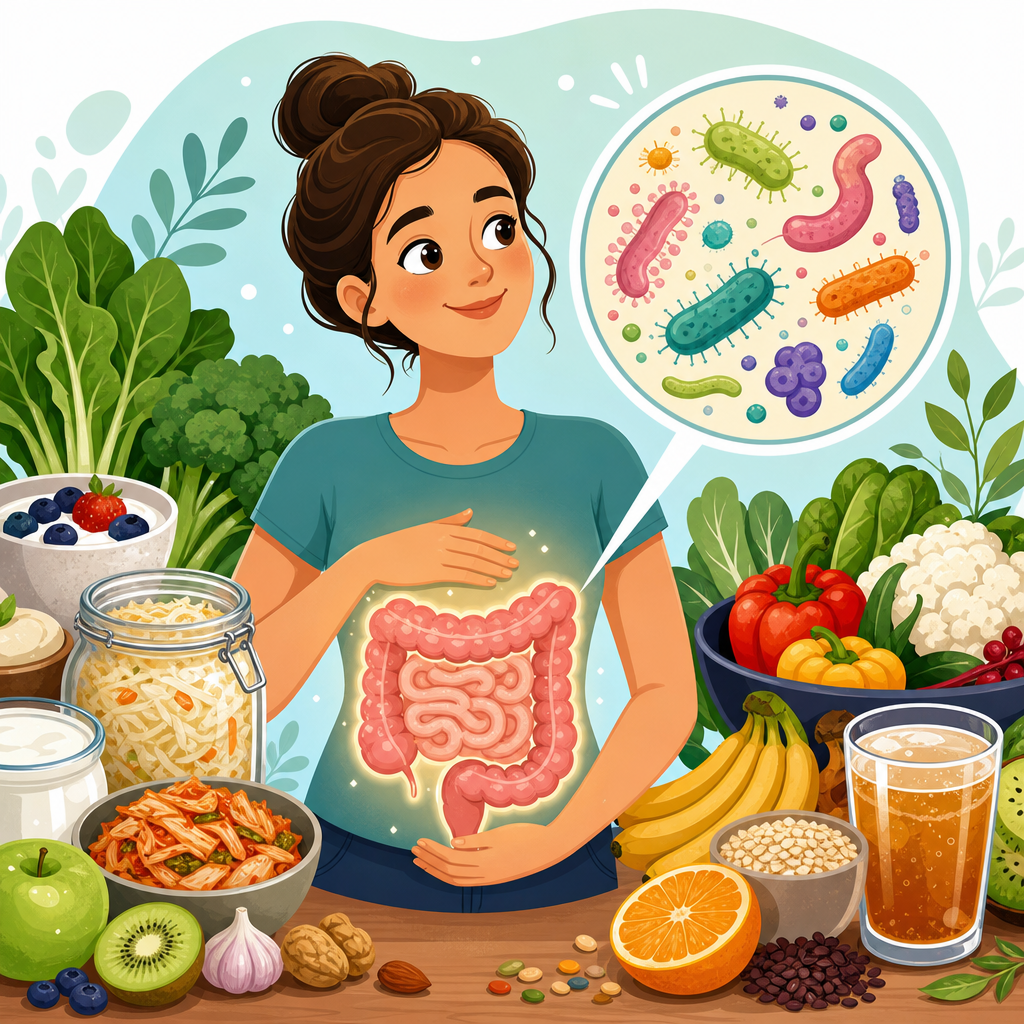
Gut health sits at the center of modern nutrition conversations, yet it is also one of the most misunderstood areas in health and wellness. The term “gut health” generally refers to how well the gastrointestinal tract digests food, absorbs nutrients, maintains a protective barrier, communicates with the immune system, and supports a balanced community of microbes. The “microbiome” is the collection of bacteria, fungi, viruses, and other microorganisms living in and on the body, with the largest and most studied populations residing in the colon. In practice, when clinicians and dietitians talk about the gut microbiome, they usually mean the ecosystem of microbes, their genes, and the metabolic compounds they produce.
Interest in this field has exploded because the gut is linked to digestion, immunity, metabolism, and even mood. Research has connected microbial diversity and microbial metabolites such as short-chain fatty acids to functions ranging from intestinal barrier integrity to inflammatory regulation. At the same time, social media has turned complex science into catchy claims about detoxes, probiotics, elimination diets, and stool tests. I have seen clients arrive convinced that every symptom is caused by “bad gut bacteria,” or that one supplement can “reset” the digestive tract in a week. Those ideas are appealing, but they flatten a nuanced topic into oversimplified advice.
This article serves as a practical hub for gut health and the microbiome within a broader nutrition for health and wellness framework. It explains what the microbiome does, where common myths come from, and what current evidence actually supports. It also clarifies an important point: good gut health is not defined by having a perfectly flat stomach, daily kombucha, or an expensive supplement routine. A healthy gut is better understood through function, resilience, symptom patterns, diet quality, sleep, medication exposure, and, when needed, medical evaluation. Debunking myths matters because bad information can delay proper diagnosis, waste money, and push people toward restrictive habits that worsen digestive symptoms instead of improving them.
Myth 1: Gut health is only about digestion
Digestion is the most obvious part of gut health, but it is not the only one. The gastrointestinal tract is home to roughly 70 percent of the body’s immune tissue by function, and it houses a dynamic interface between food, microbes, and the intestinal lining. Beneficial microbes ferment fibers and resistant starches into short-chain fatty acids such as butyrate, acetate, and propionate. These compounds help nourish colon cells, support barrier function, influence inflammatory pathways, and interact with metabolic signaling. The gut also communicates with the brain through neural, endocrine, and immune pathways often described as the gut-brain axis.
That wider role helps explain why disruptions in gut function can show up in different ways. Some people experience bloating, reflux, diarrhea, constipation, or abdominal pain. Others notice fatigue, food-related anxiety, worsening skin symptoms, or changes in appetite. None of those signs prove a microbiome problem on their own, but they do show that gut health cannot be reduced to bowel movements alone. In my work, some of the most meaningful improvements come not from chasing digestive perfection, but from improving regular meals, fiber intake, sleep timing, and stress management, all of which affect the gut’s broader physiology.
Myth 2: More probiotics always mean a healthier microbiome
Probiotics are among the most heavily marketed gut health products, and they are also among the most misunderstood. A probiotic is a live microorganism that confers a health benefit when administered in adequate amounts. That definition matters because benefits are strain-specific, dose-specific, and condition-specific. Lactobacillus rhamnosus GG has evidence in certain settings, Saccharomyces boulardii may help reduce the risk of antibiotic-associated diarrhea, and some Bifidobacterium strains can support regularity. Those findings do not mean every probiotic works for every person or every symptom.
Many over-the-counter products contain strains that have never been tested in the exact combination, dose, or delivery format sold on the label. Some do not survive storage conditions well. Others may worsen bloating in sensitive individuals, especially when someone already has significant dysbiosis, irritable bowel syndrome, or small intestinal bacterial overgrowth. Probiotics can be useful tools, but they are not magic. In many cases, prebiotic fibers from foods such as oats, beans, lentils, onions, garlic, asparagus, and slightly green bananas do more to support a stable microbial environment than adding another capsule. The strongest strategy is usually to match the intervention to the problem rather than assuming more bacteria in a bottle automatically equals better gut health.
Myth 3: A “gut cleanse” can reset the microbiome quickly
The idea of hitting reset is powerful, especially when symptoms feel frustrating and persistent. Unfortunately, there is no medically recognized cleanse that wipes out harmful microbes while preserving beneficial ones and restoring ideal balance in a few days. Juice fasts, laxative teas, colon cleanses, and aggressive supplement protocols are commonly marketed for this purpose, but they often create dehydration, electrolyte shifts, diarrhea, and short-term caloric restriction rather than true healing. The colon already has a built-in system for waste removal. It does not need routine flushing for maintenance.
Microbiome change is real, but it happens through repeated exposures over time. Diet patterns, antibiotics, travel, illness, alcohol intake, physical activity, and sleep all influence the gut environment. Research shows that dietary shifts can alter microbial activity within days, yet durable improvement depends on consistency. A person who moves from a low-fiber, ultra-processed pattern to a diet rich in legumes, whole grains, nuts, vegetables, fruit, and fermented foods may see better stool form and less bloating over weeks, but that is adaptation, not a cleanse. If someone has severe constipation, blood in stool, unexplained weight loss, nighttime diarrhea, persistent pain, or anemia, the right next step is medical assessment, not a detox product.
Myth 4: Food sensitivity tests can diagnose gut problems accurately
This is one of the most expensive myths in gut health. Many direct-to-consumer panels measure IgG antibodies to foods and claim they identify sensitivities causing bloating, fatigue, headaches, or skin issues. Major professional groups, including the American Academy of Allergy, Asthma & Immunology and the Canadian Society of Allergy and Clinical Immunology, have stated that IgG food testing does not diagnose food allergy or intolerance. In many cases, IgG simply reflects exposure to a food, not a harmful reaction. People often end up eliminating dozens of foods unnecessarily, which can reduce diet quality and increase stress around eating.
Proper evaluation depends on the suspected issue. Celiac disease requires validated blood tests and, in many cases, endoscopic confirmation while still eating gluten. Lactose intolerance can be identified through symptom patterns, breath testing, or structured elimination and reintroduction. Irritable bowel syndrome is diagnosed using clinical criteria such as the Rome IV framework after alarm features are considered. Inflammatory bowel disease, peptic disease, gallbladder disorders, and pancreatic insufficiency require very different workups. A careful history, symptom timing, medication review, and targeted testing are far more reliable than broad commercial panels.
| Claim | What evidence supports | Better approach |
|---|---|---|
| “One probiotic fixes all gut issues” | Benefits depend on strain, dose, and condition | Match product to symptom and evidence |
| “A cleanse resets the microbiome” | No short detox reliably restores gut balance | Use sustainable diet and lifestyle changes |
| “IgG tests reveal food sensitivities” | IgG reflects exposure, not proven intolerance | Use clinical evaluation and structured trials |
| “Healthy guts require daily supplements” | Food pattern matters more than routine stacking | Prioritize fiber diversity and regular meals |
Myth 5: Everyone should avoid gluten and dairy for a healthy gut
Blanket elimination advice is common because it sounds simple. The reality is more specific. Gluten must be avoided strictly by people with celiac disease, and some individuals may have non-celiac wheat sensitivity. Dairy can be problematic for those with lactose intolerance or a true milk protein allergy. But outside those groups, eliminating gluten and dairy is not automatically healthier for the microbiome. In fact, unnecessary restriction can reduce beneficial food variety, lower calcium intake, and make social eating harder, all without improving symptoms.
Whole grains containing gluten, such as barley and certain wheat products, can contribute fibers and prebiotics that support microbial fermentation. Fermented dairy foods such as yogurt and kefir can provide live cultures and protein, and observational studies often associate yogurt intake with favorable dietary patterns. If someone feels better without a food group, that experience should be respected, but it still deserves structured evaluation. Symptoms may relate to portion size, fermentable carbohydrates, meal timing, fat content, or underlying conditions rather than gluten or dairy alone. A temporary, supervised elimination followed by reintroduction is more informative than indefinite self-restriction.
Myth 6: Bloating means your microbiome is unhealthy
Bloating is common, but it is not a diagnosis. It can result from constipation, rapid eating, swallowed air, menstrual cycle changes, irritable bowel syndrome, high sodium intake, excess carbonated beverages, poorly tolerated fibers, or specific carbohydrate malabsorption. It can also occur when someone suddenly increases fiber too quickly. I often see people assume that any post-meal fullness signals fungal overgrowth or major dysbiosis, when the more immediate issue is a rushed lunch, low fluid intake, and inconsistent bowel habits.
Context matters. Mild temporary bloating after a bean-heavy meal can be a normal fermentation response, especially if the gut is adapting to more fiber. Severe or progressive abdominal distension, vomiting, significant pain, or changes in stool caliber require medical attention. The goal is not to eliminate all gas production. Fermentation is a normal function of a healthy colon. The goal is comfortable digestion, predictable bowel habits, and the ability to tolerate a varied diet without disruptive symptoms.
Myth 7: Gut testing can tell you exactly what to eat
Microbiome testing is an exciting research tool, but consumer interpretation is still limited. Stool sequencing can identify broad patterns in microbial composition, yet there is no universally accepted definition of the perfect microbiome. Results vary by lab methods, reference populations, sample handling, and algorithms. A report may flag a microbe as “low” or “high,” but that does not automatically translate into a disease state or a precise food prescription. Two healthy people can have different microbial profiles and still maintain good gut function.
That does not make testing useless. In clinical medicine, stool testing plays an important role when looking for pathogens, calprotectin as a marker of intestinal inflammation, pancreatic elastase for pancreatic function, occult blood, and other targeted indicators. The problem is overselling broad wellness panels as if they can replace clinical judgment. For most people, the most actionable guidance remains familiar: eat a diverse range of plant foods, include adequate protein, limit ultra-processed excess, stay active, protect sleep, and use antibiotics only when appropriate. Those habits are less glamorous than a dashboard report, but they are better supported by evidence.
What actually supports a healthy gut and microbiome
Across populations, the most consistent microbiome-friendly pattern is a varied, fiber-rich diet anchored by whole foods. Diversity matters because different microbes thrive on different substrates. Aim to include fruits, vegetables, legumes, whole grains, nuts, seeds, herbs, and spices regularly. A practical target many clinicians use is trying thirty different plant foods per week, an idea popularized by large citizen science microbiome projects because higher plant diversity often tracks with greater microbial diversity. This is not a rigid rule, but it is a useful planning tool.
Fermented foods may help in some cases, especially yogurt, kefir, kimchi, sauerkraut, miso, and tempeh, though tolerance varies. Resistant starch from cooled potatoes, rice, oats, and legumes can also support beneficial fermentation. Hydration, regular meals, exercise, and sufficient sleep influence motility and the gut-brain axis. Medications matter too. Proton pump inhibitors, frequent NSAID use, and repeated antibiotic exposure can alter the gut environment, sometimes appropriately and sometimes avoidably. The most effective gut health plan is usually boring in the best sense: consistent meals, enough fiber, gradual changes, symptom tracking, and medical care when red flags appear.
Common myths about gut health and the microbiome persist because the science is evolving and the marketing is aggressive. Still, several points are already clear. Gut health is not just about digestion, probiotics are not one-size-fits-all, cleanses do not reset the microbiome, broad food sensitivity panels are often misleading, and unnecessary elimination diets can do more harm than good. Bloating is a symptom with many causes, not proof of a damaged microbiome, and consumer gut tests rarely provide precise dietary answers. The most reliable path forward is to focus on patterns that repeatedly show benefit: dietary variety, fiber-rich foods, appropriate fermented foods, movement, sleep, and thoughtful medical evaluation when symptoms are persistent or severe.
As a hub for gut health and the microbiome within nutrition for health and wellness, this article should help you sort evidence from hype and make better decisions about what deserves your time and money. Start with the fundamentals before chasing specialized protocols. Build meals around diverse plant foods, increase fiber gradually, pay attention to symptom patterns, and seek qualified guidance for persistent concerns. That approach is less dramatic than a reset plan, but it is far more likely to improve gut health in a way that lasts.
Frequently Asked Questions
1. Is gut health only about digestion?
No. Digestion is a major part of gut health, but it is far from the whole story. When experts talk about gut health, they are usually referring to several interconnected functions of the gastrointestinal tract: breaking down food, absorbing nutrients, maintaining the intestinal lining, regulating inflammation, interacting with the immune system, and supporting a diverse and balanced microbiome. In other words, a healthy gut is not just a stomach that feels “settled” after meals. It is a complex system that affects how the body uses food, defends itself, and communicates internally.
One of the biggest myths is that if you do not have obvious digestive symptoms, your gut must be perfectly healthy. In reality, gut function can influence many areas of health beyond bloating, gas, constipation, or diarrhea. The gut helps control what passes from the intestines into the bloodstream, and that barrier function matters for immune signaling and overall resilience. The digestive tract also contains a large portion of the body’s immune activity, which is one reason gut health is so closely tied to broader wellness conversations.
That said, it is also important not to overstate the gut’s role or treat it as the explanation for every symptom a person experiences. Gut health matters, but it is one piece of a larger picture that includes sleep, stress, physical activity, medications, genetics, and overall diet quality. A balanced view is the most accurate one: gut health is about much more than digestion, but it is not a magic answer to every health concern either.
2. Does everyone need probiotic supplements to have a healthy microbiome?
No. Probiotic supplements can be useful in certain situations, but they are not a universal requirement for gut health, and they are not automatically beneficial for every person. One of the most common misconceptions is that more probiotics always means a better microbiome. In reality, the microbiome is highly individualized. What helps one person may do very little for another, and the effects of a probiotic depend on the specific strain, the dose, the reason it is being used, and the person’s existing gut environment.
Many people can support their microbiome effectively through everyday habits rather than relying on a supplement. A varied diet rich in fiber from fruits, vegetables, legumes, whole grains, nuts, and seeds helps feed beneficial microbes. Fermented foods such as yogurt, kefir, kimchi, sauerkraut, miso, and tempeh may also introduce helpful live microbes or support a healthier microbial environment, depending on the food and how it is prepared. These dietary patterns often have a stronger evidence base for long-term gut support than simply taking a generic “gut health” capsule.
It is also worth remembering that probiotics are not one-size-fits-all products. Different strains have been studied for different purposes, such as antibiotic-associated diarrhea or certain digestive symptoms. A supplement labeled “probiotic” is not automatically well-matched to every goal. In some cases, people with certain medical conditions or very sensitive digestive systems should be cautious and discuss supplements with a qualified healthcare professional. The bottom line is that probiotics can be helpful tools, but they are not mandatory, and they should not replace a well-rounded diet and lifestyle.
3. Is a “gut cleanse” or detox necessary to reset the microbiome?
Usually not. The idea that the gut needs frequent cleansing or detoxing is more marketing than science. The body already has built-in systems for processing waste and maintaining balance, including the intestines, liver, and kidneys. The gut is not a dirty pipe that needs to be flushed out with juices, teas, powders, or restrictive cleanses. In fact, many so-called detox programs can be unnecessarily harsh, nutritionally inadequate, or disruptive to normal eating patterns.
The microbiome does not get “reset” in a simple, dramatic way by a short cleanse. Instead, it tends to respond gradually to everyday influences such as diet quality, sleep, stress, medication use, illness, and physical activity. If someone wants to support a healthier gut environment, the most evidence-based approach is usually much less flashy: increase fiber intake gradually, eat a wider variety of plant foods, stay hydrated, include fermented foods if tolerated, get enough sleep, and avoid unnecessary antibiotic use. These habits help create conditions that support microbial diversity and digestive function over time.
Some products marketed as gut cleanses may even backfire by causing diarrhea, cramping, dehydration, or rebound digestive discomfort. Others may create the illusion of “improvement” simply because they temporarily eliminate many foods, which can reduce symptoms in the short term without addressing the real issue. If a person is having persistent digestive problems, unexplained pain, blood in the stool, significant weight loss, or major changes in bowel habits, the right next step is medical evaluation, not a detox kit. Sustainable gut health is built through consistent habits, not quick resets.
4. Are all bacteria in the gut either completely “good” or completely “bad”?
No. This is one of the most oversimplified myths about the microbiome. In reality, the gut is home to a vast ecosystem of microorganisms, and their effects depend heavily on context. Some microbes are commonly associated with beneficial roles, such as helping ferment dietary fiber, producing short-chain fatty acids, or contributing to immune balance. Others can become problematic under certain conditions. But dividing microbes into simple “good” and “bad” categories misses how dynamic and interconnected the microbiome really is.
A healthy microbiome is generally not defined by the presence of only “good” bacteria and the total absence of all others. It is better understood as a balanced, resilient ecosystem. Many organisms that are harmless in one setting can cause issues if they overgrow, if the gut environment changes, or if a person’s immune defenses are compromised. Likewise, microbes often interact with each other in ways that influence whether they are helpful, neutral, or harmful. The overall pattern matters more than a simplistic label on any single species.
This is one reason why microbiome science is fascinating but also easy to misunderstand. People often look for a single “superbug” to add or a single “bad bug” to eliminate, but gut health rarely works that way. Diversity, balance, and function are more meaningful than chasing a perfect list of bacteria. Supporting that balance usually comes back to the basics: eating a range of fiber-rich foods, avoiding unnecessary medications when possible, managing stress, and working with a healthcare professional when symptoms suggest a true medical issue. The goal is not to sterilize the gut or turn it into a one-species garden. The goal is a stable ecosystem that can adapt and function well.
5. If a food causes bloating or discomfort, does that always mean it is bad for gut health?
Not necessarily. Bloating, gas, and temporary digestive discomfort do not always mean a food is harmful. In some cases, those symptoms can happen because beneficial gut microbes are fermenting certain carbohydrates, especially when a person increases fiber intake or starts eating more beans, vegetables, or whole grains. That can be uncomfortable, but it is not automatically a sign that the food is damaging the gut. Sometimes it simply means the digestive system and the microbiome need time to adjust.
At the same time, symptoms should not be ignored. If discomfort is frequent, severe, or linked to specific foods every time, there may be another explanation. Food intolerances, irritable bowel syndrome, lactose intolerance, sensitivity to certain fermentable carbohydrates, celiac disease, inflammatory bowel conditions, or other digestive disorders can all cause symptoms that deserve proper attention. The presence of symptoms does not automatically prove that a food is “bad,” but it can be a clue that the body is having difficulty processing something.
The smartest approach is usually a measured one. Rather than eliminating large categories of foods immediately, it often helps to look for patterns, consider portion size, and notice whether symptoms improve when fiber is increased more gradually. For example, eating a very large serving of beans after rarely eating them may cause more bloating than introducing smaller amounts over time. If symptoms persist or interfere with daily life, keeping a food and symptom log and discussing it with a registered dietitian or healthcare professional can be very helpful. Gut-friendly eating does not mean chasing a symptom-free meal every single time. It means learning what your body tolerates, supporting microbial diversity when possible, and addressing ongoing symptoms with evidence-based guidance.