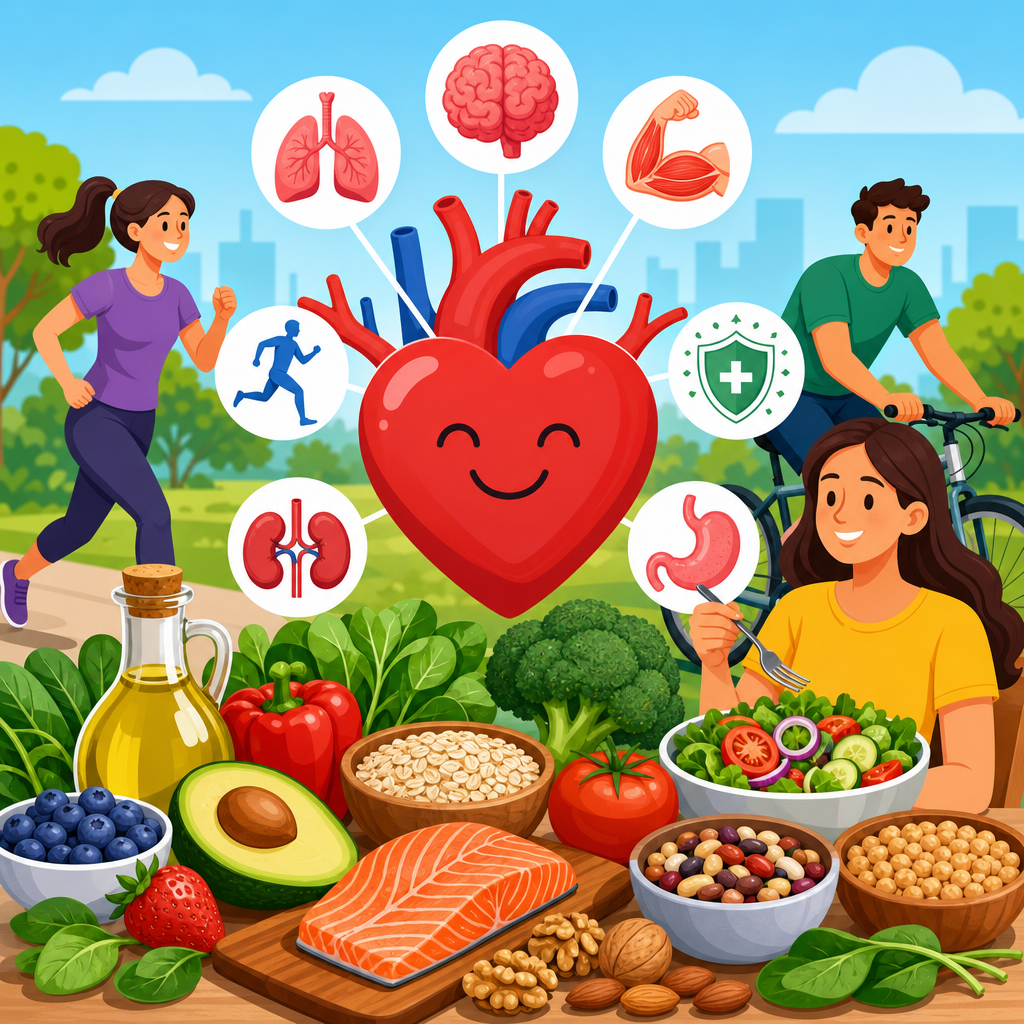
Strong bones and flexible joints depend on nutrition long before pain, stiffness, or fractures appear, and the foods you choose each day directly influence bone density, cartilage integrity, inflammation, muscle support, and long-term mobility. Nutrition for strong bones and joints means supplying the body with the minerals, vitamins, protein, fats, and hydration it uses to build skeletal tissue, maintain connective structures, and repair daily wear. This matters at every age. Children need nutrients for peak bone mass, active adults need support for recovery and joint resilience, and older adults need strategies to slow bone loss and preserve independence. In practice, I have seen nutrition make the difference between recurring overuse problems and steady progress: clients who improved calcium intake, corrected low vitamin D, increased protein, and reduced ultra-processed foods often reported fewer aches, better training tolerance, and stronger follow-up lab markers. Genetics, hormones, exercise, medications, and medical conditions all shape bone and joint health, but nutrition remains one of the few daily levers most people can control. A solid plan also helps organize the wider topic, because bone and joint nutrition is not one nutrient or one “superfood.” It is a coordinated system built on overall diet quality, digestion, absorption, energy balance, and consistent habits.
The skeletal system is living tissue, constantly remodeled by osteoblasts that build bone and osteoclasts that break it down. Joints are equally dynamic. Cartilage cushions movement, synovial fluid lubricates surfaces, ligaments stabilize structures, and surrounding muscles absorb force. To support those tissues, the body needs calcium and phosphorus for mineralization, vitamin D for absorption and regulation, vitamin K for bone protein activation, magnesium for structural and metabolic roles, and protein to form collagen matrix and maintain muscle. Vitamin C supports collagen synthesis. Omega-3 fats help regulate inflammatory signaling. Trace minerals such as zinc, copper, and manganese contribute to connective tissue formation. Even potassium matters because higher-potassium diets rich in fruits and vegetables are associated with improved acid-base balance and better bone preservation. When one part of the system is missing, performance drops. For example, a person can consume adequate calcium but still struggle if vitamin D status is low, if chronic dieting suppresses bone formation, or if gastrointestinal disease limits absorption. That is why an effective nutrition for strong bones and joints strategy should connect nutrients to meals, lifestyle, and clinical context rather than treat them as isolated checklist items.
The Core Nutrients That Build and Protect Bones
Calcium is still the foundation of bone nutrition because about 99 percent of body calcium is stored in bones and teeth. Adults generally need around 1,000 milligrams daily, with higher needs in some older adults, especially postmenopausal women, who often require 1,200 milligrams. Dairy foods like yogurt, milk, and cheese are efficient sources because they combine calcium with protein and, in fortified products, vitamin D. Nondairy options include calcium-set tofu, fortified soy milk, sardines with bones, canned salmon with bones, bok choy, kale, and fortified orange juice. Vitamin D is equally essential because it helps the gut absorb calcium and supports muscle function, reducing fall risk. Sun exposure can help, but many people still have low levels due to indoor work, dark winters, sunscreen use, skin tone, age, or geography. Fatty fish, egg yolks, and fortified dairy contribute some vitamin D, but supplementation is often necessary when blood tests confirm insufficiency.
Magnesium, phosphorus, and vitamin K complete much of the bone-building picture. Magnesium is involved in bone structure and vitamin D metabolism, and low intake is common in people who rely heavily on refined grains and packaged foods. Good sources include pumpkin seeds, almonds, black beans, spinach, and whole grains. Phosphorus is abundant in protein foods and usually not difficult to obtain, but balance matters because soft drinks high in phosphate additives can displace more nutritious options. Vitamin K, particularly K1 from leafy greens, helps activate osteocalcin, a protein involved in binding calcium to bone matrix. Collagen also deserves attention. Bone is not just mineral; it is mineral laid on a collagen scaffold. That is one reason adequate protein is critical for bone strength, especially in older adults who are also trying to preserve muscle. In my work, many people focused on calcium while under-eating protein, then wondered why recovery and stability remained poor. Bones need minerals, but they also need structure, and protein provides that framework.
Nutrition That Supports Joint Cartilage, Tendons, and Mobility
Joint health depends on more than preventing bone loss. Cartilage, tendons, ligaments, and the synovial environment all respond to dietary patterns. Protein remains central because collagen-rich tissues require amino acids such as glycine, proline, and lysine for maintenance and repair. Total daily protein intake often matters more than any single supplement. For many adults, aiming for roughly 1.0 to 1.6 grams of protein per kilogram of body weight is a practical range, especially for active individuals or older adults trying to support musculoskeletal health. Foods that help include fish, eggs, Greek yogurt, poultry, beans, lentils, tofu, tempeh, and lean beef. Vitamin C is required for collagen synthesis, so pairing protein with fruits and vegetables is not just general advice; it supports tissue repair at a biochemical level. Citrus, kiwi, strawberries, bell peppers, and broccoli are reliable sources.
Omega-3 fatty acids, especially EPA and DHA from salmon, sardines, mackerel, and trout, help modulate inflammation that can worsen joint discomfort. They do not replace medical treatment for arthritis, but they are one of the most evidence-supported dietary tools for improving the inflammatory environment. Extra virgin olive oil, nuts, seeds, herbs, and colorful produce reinforce that effect through polyphenols and antioxidant compounds. Hydration matters too. Cartilage is highly water-dependent, and while drinking more water is not a cure for joint disease, chronic dehydration can contribute to fatigue, reduced physical performance, and less comfortable movement. People often look for glucosamine, chondroitin, collagen peptides, or hyaluronic acid supplements. Some people report benefit, especially with osteoarthritis, but results vary and these products should complement, not replace, a nutrient-dense diet, weight management, and appropriate exercise. When joints hurt, food cannot rebuild a severely damaged surface overnight, but good nutrition can lower the load on the system and support better function over time.
Best Foods for Strong Bones and Joints
The most effective eating pattern for strong bones and joints is a repeatable, meal-based pattern rather than a rotating list of miracle ingredients. I usually recommend building meals from five anchors: a high-quality protein source, a calcium-rich food, produce rich in vitamin C and potassium, healthy fats, and minimally processed carbohydrates that support training and energy needs. This framework works because it covers bone minerals, collagen support, inflammation control, and body composition at once. For breakfast, that might mean Greek yogurt with berries, chia seeds, and oats. Lunch could be salmon, quinoa, and kale with olive oil. Dinner might be tofu stir-fry with bok choy, bell peppers, mushrooms, and brown rice. Snacks can help fill gaps: kefir, edamame, cottage cheese, almonds, or fortified soy yogurt are practical options.
| Food or Category | Key Nutrients | Bone and Joint Benefit | Simple Use |
|---|---|---|---|
| Greek yogurt | Calcium, protein | Supports bone mineralization and muscle maintenance | Breakfast bowl with fruit |
| Salmon | Protein, vitamin D, omega-3s | Helps calcium regulation and inflammatory balance | Baked fillet or canned in salads |
| Calcium-set tofu | Calcium, protein | Plant-based support for bone strength | Stir-fries and grain bowls |
| Kale and bok choy | Vitamin K, calcium, potassium | Supports bone proteins and overall diet quality | Salads, sautés, soups |
| Beans and lentils | Magnesium, protein, potassium | Support connective tissue and bone metabolism | Soups, tacos, side dishes |
| Berries and citrus | Vitamin C, polyphenols | Support collagen synthesis and antioxidant defenses | Snacks, smoothies, yogurt toppers |
These foods work best when eaten consistently and in combinations that improve absorption. Vitamin D helps the body use calcium. Lactose can improve calcium absorption from dairy. Spreading protein through the day supports muscle protein synthesis better than concentrating it in one dinner. Pairing iron-rich legumes with vitamin C-rich vegetables improves iron uptake, which matters because low iron can reduce energy and indirectly limit physical activity. Food preparation also matters. Canned fish with bones provides far more calcium than fillets alone. Fermented dairy may be easier to digest for some people than milk. Frozen vegetables preserve nutrients and make regular intake more realistic. The practical goal is not perfection. It is creating a weekly pattern where nutrient-dense choices appear often enough to influence tissue health.
Life Stage Needs, Risk Factors, and Common Mistakes
Bone and joint nutrition changes across the lifespan. In childhood and adolescence, the goal is building peak bone mass, because the skeleton stores advantages that matter decades later. Low calcium intake, inadequate vitamin D, disordered eating, or excessive training without enough energy can compromise that window. For adults, the focus often shifts to maintaining bone density, supporting activity, and preventing overuse issues. Women after menopause face accelerated bone loss due to lower estrogen, while older men also experience gradual declines in bone strength and muscle mass. In these groups, adequate protein, calcium, vitamin D, and resistance training become especially important. People with lactose intolerance, celiac disease, inflammatory bowel disease, chronic kidney disease, or long-term corticosteroid use need more individualized planning because absorption, metabolism, or medication effects can raise risk.
The most common mistakes are surprisingly ordinary. Many people under-eat overall, especially when dieting for weight loss, which can reduce intake of calcium, protein, and micronutrients while also increasing bone stress if body weight drops too fast. Others rely on supplements while neglecting meals. Supplements can help fill gaps, but they rarely reproduce the full package of protein, fats, fiber, and phytonutrients found in food. Another mistake is ignoring exercise. Weight-bearing activity and resistance training are not optional add-ons; they signal the body to keep bone and muscle. Smoking, excess alcohol, and high intake of ultra-processed foods also work against joint and bone health. Very high sodium intake can increase urinary calcium loss in some people, while sugary beverages may crowd out milk or fortified alternatives. A good plan recognizes tradeoffs, screens for medical issues, and uses nutrition to support, not replace, clinical care.
How to Build a Daily Plan That Works
A practical daily plan for nutrition for strong bones and joints starts with targets you can repeat. Include a protein source at each meal, aim for two to four calcium-rich servings daily depending on your needs, eat fruits and vegetables at most meals, choose fatty fish two times per week, and use fortified foods strategically if intake is inconsistent. If you do not consume dairy, plan replacements deliberately rather than assuming vegetables alone will cover calcium needs. One cup of fortified soy milk may provide around 300 milligrams of calcium, while a serving of firm calcium-set tofu can contribute a similar amount. Keep vitamin D on your radar, especially if you have limited sun exposure; ask a clinician whether blood testing or supplementation makes sense. For active people, recovery meals matter. A post-exercise meal with protein, carbohydrates, and fluids supports training adaptation and reduces the cycle of fatigue that often worsens movement quality and joint stress.
Monitoring helps turn advice into results. Review your routine for warning signs: frequent stress injuries, declining strength, persistent fatigue, recurrent muscle cramps, low dairy or fortified food intake, or diagnosed low vitamin D. If you have arthritis, osteoporosis, osteopenia, kidney stones, digestive disorders, or food allergies, get individualized guidance from a registered dietitian or physician because needs can shift. Keep the basics simple: stock calcium-rich staples, prep vegetables, rotate protein sources, and make breakfast count instead of trying to recover nutrition deficits at night. The main benefit of this approach is durability. When bone and joint nutrition is built into ordinary meals, you are more likely to maintain density, support cartilage and connective tissues, move with less discomfort, and stay active across decades. Start by upgrading one meal today: add a calcium-rich food, a quality protein, and a vitamin C-rich fruit or vegetable, then build the rest of your week around that standard.
Frequently Asked Questions
What nutrients are most important for strong bones and healthy joints?
The most important nutrients for bones and joints work together rather than independently. Calcium is essential because it provides the structural mineral foundation for bones, but calcium alone is not enough. Vitamin D helps the body absorb and use calcium effectively, making it one of the most critical partners in bone health. Vitamin K also plays an important role by supporting proper bone mineralization. Magnesium contributes to bone structure and helps regulate processes involved in muscle and nerve function, which indirectly supports joint stability and movement.
For joints, protein is especially important because the body uses amino acids to maintain cartilage, tendons, ligaments, and the muscles that protect and stabilize joints. Collagen-building nutrients such as vitamin C are also valuable, since collagen is a major component of connective tissue. Omega-3 fatty acids can help support a healthy inflammatory response, which matters for joint comfort over time. Minerals such as zinc, copper, and manganese also contribute to connective tissue maintenance and repair. In practical terms, a strong nutrition plan for bones and joints includes dairy or fortified alternatives, leafy greens, beans, nuts, seeds, eggs, fish, fruits, vegetables, and adequate water throughout the day.
How does nutrition affect bone density and joint health over time?
Nutrition affects bones and joints in a cumulative way. Bone tissue is living tissue that is constantly being broken down and rebuilt, so the nutrients you consume regularly influence how well that remodeling process works. During childhood, adolescence, and early adulthood, nutrition helps build peak bone mass, which can serve as a protective reserve later in life. If the diet is consistently low in calcium, vitamin D, protein, or other key nutrients during those years, the body may not build the strongest possible skeletal foundation. In adulthood and older age, good nutrition helps slow bone loss and supports the body’s ability to maintain strength and resilience.
Joint health is influenced in a similarly long-term way. Cartilage does not regenerate quickly, so the body depends on steady nutritional support to maintain connective tissues and manage the wear and tear that comes from daily movement. Diets that are rich in whole foods, healthy fats, antioxidants, and adequate protein may help support cartilage integrity, muscle strength, and normal inflammatory balance. On the other hand, diets high in ultra-processed foods, excess sugar, and poor-quality fats may contribute to inflammation, weight gain, and metabolic stress, all of which can place greater strain on joints. Over months and years, these dietary patterns can meaningfully affect mobility, comfort, and physical function.
Can certain foods help reduce joint stiffness and support mobility?
Yes, certain foods can help support joint comfort and mobility, especially when they are part of an overall anti-inflammatory eating pattern. Fatty fish such as salmon, sardines, trout, and mackerel are among the most widely recommended foods because they provide omega-3 fatty acids, which support a healthy inflammatory response. Colorful fruits and vegetables are also valuable because they contain antioxidants and plant compounds that help protect tissues from oxidative stress. Berries, cherries, citrus fruits, leafy greens, broccoli, peppers, and tomatoes are all strong options. Extra virgin olive oil, nuts, seeds, beans, and whole grains can also contribute to a dietary pattern that supports long-term joint health.
Hydration matters more than many people realize as well. Joint tissues rely on fluid for lubrication and resilience, so regularly drinking water is a simple but important habit. Maintaining a healthy body weight through balanced nutrition can also reduce stress on weight-bearing joints such as the knees, hips, and lower back. It is important to keep expectations realistic, though. No single food acts like a cure for stiffness or joint pain, and results usually come from consistent habits rather than quick fixes. A diet centered on nutrient-dense whole foods, paired with movement and strength support, is the most reliable way to improve day-to-day mobility over time.
Is protein important for bones and joints, or is it mainly for muscles?
Protein is extremely important for bones and joints, not just for muscles. While many people associate protein primarily with muscle maintenance, it also plays a major role in the structure and repair of bone and connective tissue. Bones are not made of minerals alone; they also contain a protein framework, largely built from collagen, that gives them flexibility and strength. Without enough protein, the body may struggle to maintain optimal bone structure, and low protein intake may also interfere with recovery, balance, and muscle support that protects the skeleton.
Protein is equally relevant for joints because cartilage, ligaments, tendons, and surrounding muscles all depend on amino acids for maintenance and repair. Strong muscles help absorb force and stabilize joints, which can reduce unnecessary strain during everyday movement. Good protein sources include fish, poultry, eggs, yogurt, milk, beans, lentils, tofu, tempeh, nuts, seeds, and lean meats. Spreading protein intake across meals is often more helpful than consuming most of it at one time. For people focused on long-term mobility, protein should be viewed as a foundational nutrient that supports the entire musculoskeletal system.
What is the best daily eating approach for protecting bones and joints at any age?
The best daily approach is a balanced, consistent eating pattern that supplies enough minerals, vitamins, protein, healthy fats, and fluids to support the body’s ongoing maintenance and repair processes. A practical strategy is to build meals around whole foods: include a quality protein source, a calcium-rich food, colorful vegetables or fruit, healthy fats, and fiber-rich carbohydrates. For example, that might mean yogurt with berries and seeds at breakfast, a bean and leafy green salad with olive oil at lunch, and salmon with roasted vegetables and whole grains at dinner. Fortified foods can also be useful, especially when dietary vitamin D or calcium intake may otherwise fall short.
At every age, consistency matters more than perfection. Children and teens need reliable nutritional support to build strong bones during growth. Adults benefit from maintaining bone density, preserving muscle, and reducing lifestyle-related inflammation. Older adults often need to pay extra attention to protein, calcium, vitamin D, hydration, and overall appetite quality to help protect against bone loss, weakness, and reduced mobility. It is also wise to limit habits that work against bone and joint health, such as excessive alcohol intake, smoking, chronically low-calorie dieting, and a heavy reliance on highly processed foods. When paired with regular physical activity, especially weight-bearing and strength-building exercise, a nutrient-dense diet creates one of the strongest foundations for lifelong bone strength and joint function.