Choosing the best sources of gut health and the microbiome support starts with understanding what the microbiome is, what it does, and why daily food, lifestyle, and medical decisions shape it more than most people realize. The gut microbiome is the community of bacteria, fungi, viruses, and other microbes living mainly in the large intestine. In healthy adults, this ecosystem helps digest fiber, produces short-chain fatty acids such as butyrate, supports immune signaling, influences the gut lining, and affects metabolism. When people talk about gut health, they usually mean a combination of regular digestion, low inflammation, resilient immunity, comfortable bowel habits, and a microbial community with enough diversity and functional strength to adapt to stress.
In practice, I have seen that people often look for a single best probiotic or a miracle food, but optimal gut health rarely comes from one product. It comes from selecting the best sources of gut health support across several categories: fiber-rich plant foods, fermented foods, evidence-based probiotics when appropriate, adequate hydration, sleep, movement, stress management, and careful use of medications that disturb the microbiome. Research from large population studies, including the American Gut Project and work published in journals such as Nature and Cell, consistently shows that dietary diversity is one of the strongest predictors of microbial diversity. Diversity matters because a more varied microbial ecosystem usually performs more metabolic jobs and is more resistant to disruption.
This matters far beyond digestion. The gut microbiome interacts with the immune system, the nervous system, and the endocrine system through what clinicians commonly call the gut-brain axis and gut-immune axis. Microbial metabolites can influence satiety hormones, blood sugar handling, intestinal barrier integrity, and inflammatory tone. Poor gut health is associated with problems such as constipation, diarrhea, bloating, antibiotic-associated digestive upset, irritable bowel syndrome symptoms, and in some cases increased vulnerability to infections like Clostridioides difficile. It is also linked, though less directly, with cardiometabolic health, skin conditions, and mood. The goal of this hub article is to give you a clear framework for choosing the most effective, practical, and evidence-based sources of support for gut health and the microbiome.
What the Gut Microbiome Actually Needs
If you want to improve the microbiome, the first question is not which supplement to buy. The first question is what microbes need to thrive. Beneficial gut microbes need substrates, meaning fermentable compounds they can use for energy. The most important are dietary fibers and resistant starches that escape digestion in the small intestine and reach the colon. There, microbes ferment them into short-chain fatty acids, especially acetate, propionate, and butyrate. Butyrate is particularly important because colon cells use it as a primary fuel source, and it helps maintain the intestinal barrier and regulate inflammation.
Microbes also benefit from consistency. A high-fiber breakfast followed by several days of ultra-processed eating will not create a stable environment. The microbiome can change quickly, but durable benefits come from repeated exposure to nourishing foods. It also needs variety. Different microbes specialize in breaking down different fibers, polyphenols, and plant compounds. That is why a broad mix of beans, oats, berries, leafy greens, nuts, seeds, whole grains, and vegetables generally works better than relying on one “superfood.”
At the same time, the microbiome is vulnerable to several common disruptors. Broad-spectrum antibiotics can sharply reduce microbial diversity. Heavy alcohol intake may increase intestinal permeability and shift microbial balance. Very low-fiber diets starve beneficial organisms. Chronic sleep disruption and psychological stress can alter motility, immune function, and microbial composition. Understanding these basics makes it easier to choose sources of gut health support that address root causes rather than symptoms alone.
Best Food Sources for Gut Health and Microbiome Diversity
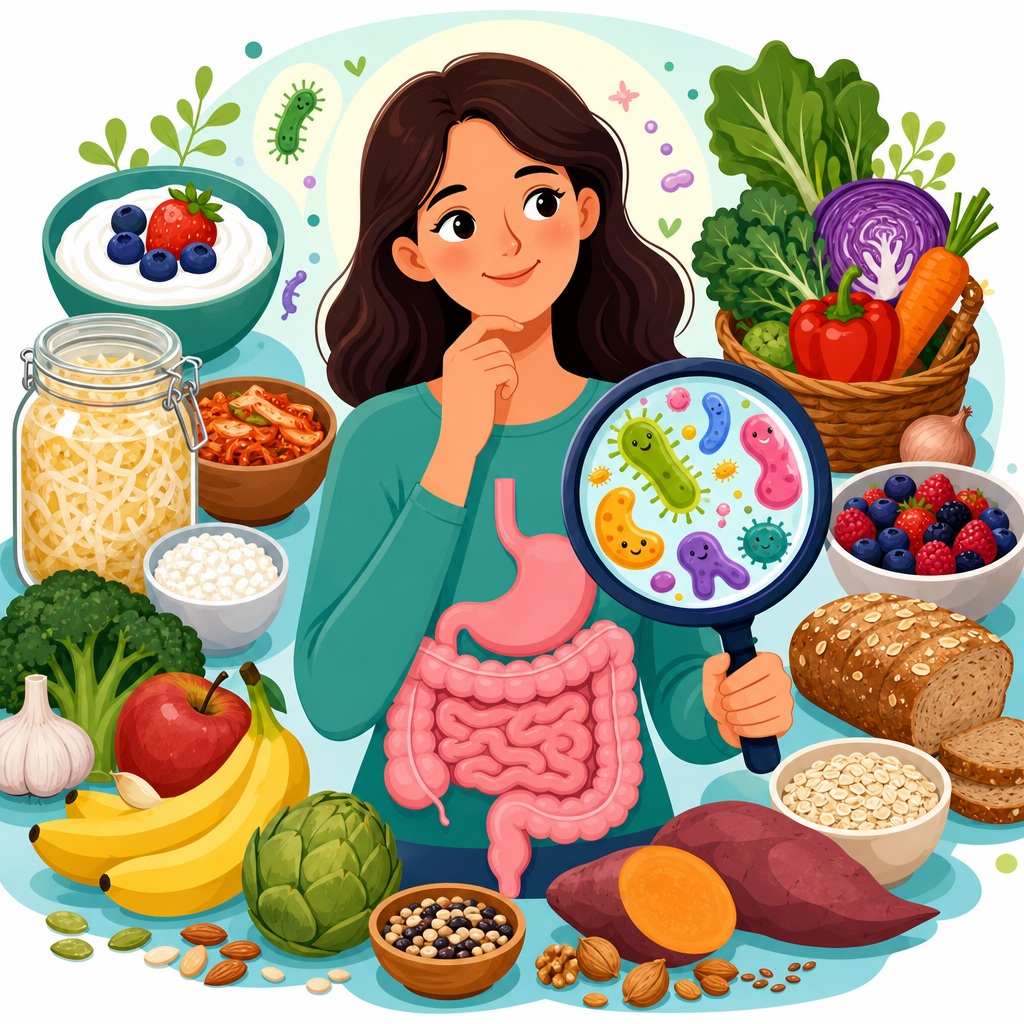
The strongest foundation for gut health is a dietary pattern rich in plant diversity. In practical terms, that means regularly eating legumes, vegetables, fruits, whole grains, nuts, seeds, herbs, and spices. Legumes are especially valuable because they supply both soluble and insoluble fiber, resistant starch, and polyphenols. Beans, lentils, and chickpeas are repeatedly associated with better bowel regularity and stronger fermentation in the colon. Oats and barley provide beta-glucan, a soluble fiber with well-studied benefits for cholesterol and microbial fermentation. Onions, garlic, leeks, asparagus, Jerusalem artichokes, and slightly green bananas contain inulin or fructooligosaccharides, compounds often described as prebiotic fibers because they selectively stimulate beneficial microbes.
Resistant starch deserves special attention because it is one of the best sources of fuel for butyrate-producing bacteria. You can get it from cooked and cooled potatoes, cooked and cooled rice, oats, beans, and green bananas. Cooling changes part of the starch structure through retrogradation, making it less digestible in the small intestine and more available to colonic microbes. In real meal planning, this can be as simple as using chilled potatoes in a salad, adding overnight oats to breakfast, or using beans several times per week.
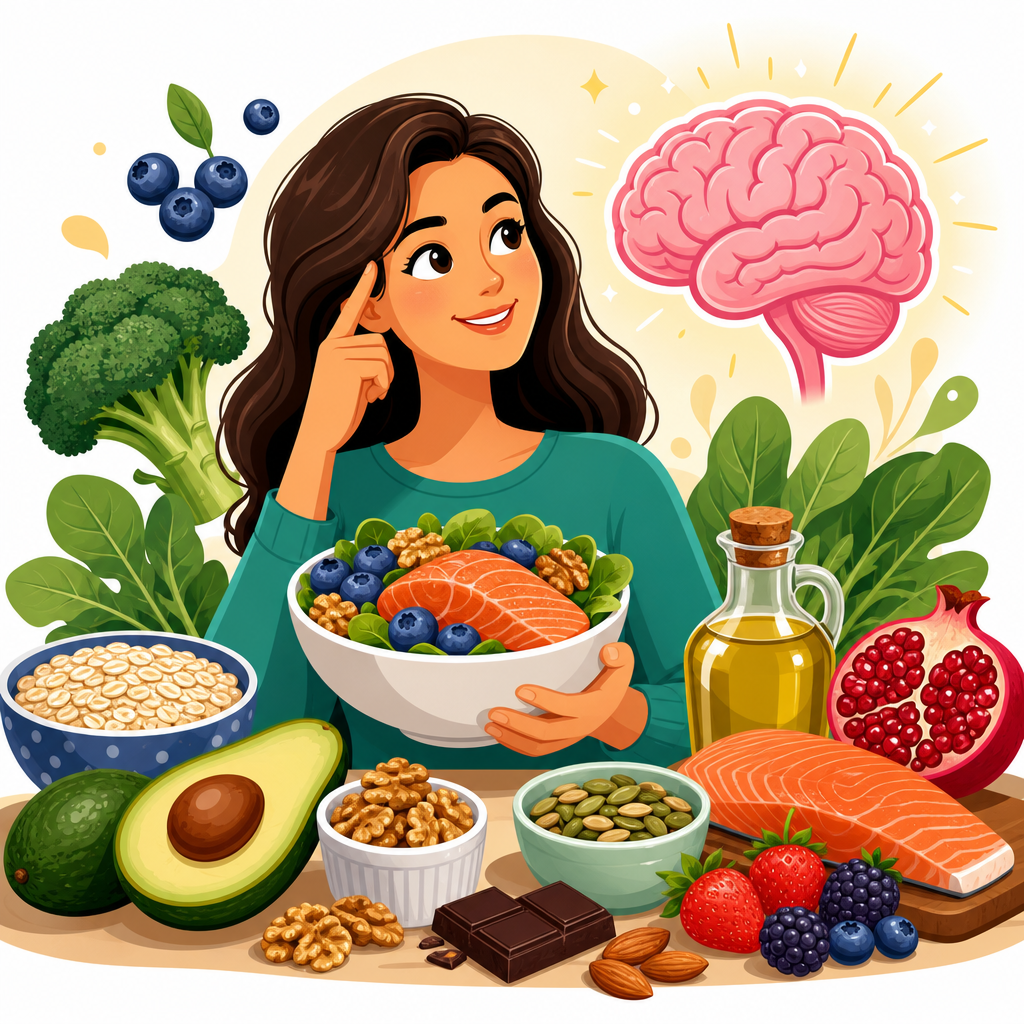
Polyphenol-rich foods also support the microbiome. Berries, cocoa, extra virgin olive oil, green tea, pomegranate, and colorful vegetables contain compounds that microbes transform into bioactive metabolites. This relationship works both ways: the microbiome helps unlock polyphenol benefits, and polyphenols can favorably influence microbial composition. Extra virgin olive oil is a useful example because it supports a Mediterranean-style eating pattern associated with higher intake of fiber and plant bioactives, both of which promote gut resilience.
| Source category | Best examples | Primary microbiome benefit | Simple way to use it |
|---|---|---|---|
| Prebiotic fiber foods | Onions, garlic, leeks, asparagus, oats, beans | Feeds beneficial bacteria and increases fermentation | Add beans to soups and oats to breakfast |
| Resistant starch foods | Cooled potatoes, cooled rice, lentils, green bananas | Supports butyrate production | Use potato salad or grain bowls made ahead |
| Fermented foods | Yogurt, kefir, kimchi, sauerkraut, miso, tempeh | Introduces live microbes and fermentation products | Include one serving daily with meals |
| Polyphenol-rich foods | Berries, cocoa, olive oil, tea, pomegranate | Promotes favorable microbial shifts | Add berries or olive oil to meals consistently |
Fermented Foods, Probiotics, and What They Can Realistically Do
Fermented foods and probiotic supplements are related but not identical. Fermented foods are foods transformed by microbes during production. They may contain live organisms, microbial metabolites, organic acids, and peptides, depending on how they are made and stored. Yogurt with live cultures and kefir are among the best studied fermented foods for digestive support. Kefir often contains a broader range of bacteria and yeasts than standard yogurt. Kimchi, sauerkraut, miso, and tempeh can also add useful diversity, though the number of live organisms varies by product and processing method.
Probiotics are defined by the International Scientific Association for Probiotics and Prebiotics as live microorganisms that, when administered in adequate amounts, confer a health benefit on the host. The key point is strain specificity. Benefits are linked to exact strains, not just species names. For example, Lactobacillus rhamnosus GG has evidence for reducing some forms of antibiotic-associated diarrhea, while Saccharomyces boulardii is commonly used in the same context. Some combinations may help with certain irritable bowel syndrome symptoms, but results vary. A probiotic that helps one condition may do nothing for another.
That is why choosing the best probiotic source depends on the goal. If your aim is general gut support, start with fermented foods and a higher-fiber diet before buying a broad supplement. If your aim is recovering after antibiotics, reducing traveler’s diarrhea risk, or addressing specific symptoms under clinical guidance, strain-targeted products make more sense. Quality matters. Look for products that list genus, species, strain designation, colony-forming units through the end of shelf life, storage instructions, and third-party quality practices. Supplements are tools, not foundations. They work best when the diet provides the fibers those organisms need after they arrive.
Prebiotics, Fiber Targets, and Building a Gut-Friendly Plate
For most adults, the best source of microbiome nourishment is prebiotic-rich fiber consumed daily. Many people fall short of basic fiber targets. General recommendations are about 25 grams per day for women and 38 grams per day for men, with adjustments by age and energy intake. Yet average intake in many countries remains far lower. Closing that gap can improve stool consistency, reduce constipation, and provide the substrate needed for microbial fermentation.
The most practical strategy is to build meals around layers of microbiome support. Start with a fiber base such as oats, brown rice, quinoa, beans, lentils, or vegetables. Add a diversity booster such as leafy greens, cruciferous vegetables, alliums, or berries. Include healthy fats from nuts, seeds, avocado, or olive oil. Then add a fermented food if tolerated, such as yogurt, kefir, or sauerkraut. This approach is more effective than chasing isolated ingredients because it supports multiple mechanisms at once: fermentation, motility, satiety, glycemic control, and nutrient density.
Increase fiber gradually if you currently eat very little. A rapid jump from 10 grams to 35 grams per day can cause gas and bloating because microbes suddenly have much more substrate to ferment. In clinic-style nutrition work, I usually advise adding one high-fiber food every few days while increasing water intake. This lets motility and fermentation adapt. People with active inflammatory bowel disease, severe gastrointestinal symptoms, or a low-FODMAP plan for IBS may need more individualized choices, because some otherwise healthy prebiotic foods can worsen symptoms during flares or elimination phases.
Lifestyle Factors That Shape the Microbiome Every Day
Food gets the most attention, but several nonfood factors strongly influence gut health. Sleep is one of them. Circadian rhythm disruption affects gastrointestinal motility, glucose regulation, cortisol patterns, and microbial behavior. Shift workers often experience more digestive symptoms, and irregular sleep can magnify stress-related gut issues. Aim for a consistent sleep schedule and enough total sleep to support recovery and immune function.
Exercise also helps. Regular physical activity is associated with beneficial shifts in microbial diversity and bowel function, especially when paired with a high-quality diet. The mechanism is not fully explained by one pathway, but improved transit time, metabolic health, and reduced inflammation likely contribute. Moderate movement such as brisk walking after meals can support digestion without the stress burden that excessive training sometimes creates.
Stress management matters because the gut and brain communicate continuously through neural, hormonal, and immune pathways. Under chronic stress, people may experience altered motility, more abdominal discomfort, and changes in appetite that reduce fiber intake. Practical tools include breath work, cognitive behavioral strategies, therapy, and mindfulness-based stress reduction. Hydration is more basic but just as important. Fiber without adequate fluid can worsen constipation. Finally, medication review matters. Proton pump inhibitors, nonsteroidal anti-inflammatory drugs, repeated antibiotic exposure, and some laxative patterns can influence the gut environment. Never stop prescribed medication on your own, but discuss gut effects with a qualified clinician.
How to Choose Reliable Gut Health Information and When to Seek Help
Because gut health is popular, misinformation spreads quickly. The best sources are registered dietitians, gastroenterologists, academic medical centers, and organizations that reference human clinical evidence. Be skeptical of stool tests marketed directly to consumers that promise to diagnose broad health problems from microbiome composition alone. Most current microbiome tests cannot tell a healthy person exactly which foods or supplements they personally need with the precision marketing often implies. They can be interesting, but their clinical usefulness remains limited outside specific contexts.
Use a simple filter when evaluating advice. Ask whether the recommendation is food first, whether it names a specific mechanism, whether it acknowledges limitations, and whether it matches your symptoms. Also watch for red flags that require medical evaluation: unexplained weight loss, blood in stool, persistent diarrhea, ongoing constipation, fever, severe abdominal pain, anemia, nighttime symptoms, or a strong family history of colorectal disease or inflammatory bowel disease. Those issues need professional assessment, not self-treatment with probiotics.
The main takeaway is straightforward: the best sources of gut health and microbiome support are diverse plant foods, adequate fiber, resistant starch, fermented foods, steady lifestyle habits, and targeted probiotics only when they fit a clear purpose. Start with what is repeatable. Eat more kinds of plants each week, add legumes and oats, include a fermented food you tolerate, sleep consistently, move daily, and be cautious with unnecessary antibiotics. If symptoms persist, get guidance from a qualified clinician. Use this hub as your starting point, then build your gut health plan with evidence-based choices you can maintain long term.
Frequently Asked Questions
What is the gut microbiome, and why is it so important for overall health?
The gut microbiome is the large and complex community of bacteria, fungi, viruses, and other microorganisms that live primarily in the large intestine. While many people think of microbes only in terms of infection, most gut microbes play beneficial roles when they exist in a healthy balance. They help break down fibers and other food components your body cannot fully digest on its own, and in the process they produce valuable compounds called short-chain fatty acids, including butyrate. These compounds help nourish the cells lining the colon, support the gut barrier, and contribute to healthy immune and inflammatory responses.
A well-functioning microbiome also helps regulate immune signaling, supports digestion, influences bowel regularity, and may even affect mood and brain function through what is often called the gut-brain axis. Researchers continue to study how the microbiome interacts with metabolism, skin health, cardiovascular health, and more. Although it is not accurate to treat the microbiome as a cure-all, it is absolutely fair to say that it is a foundational part of human health. That is why choosing the best sources of gut health support is not just about taking a supplement. It is about daily habits that shape which microbes thrive and which ones decline over time.
What are the best food sources to support gut health and microbiome diversity?
The strongest evidence consistently points to whole foods, especially fiber-rich plant foods, as the most reliable foundation for microbiome support. A diverse intake of vegetables, fruits, legumes, whole grains, nuts, seeds, herbs, and spices helps feed different groups of beneficial microbes. Diversity matters because different microbes prefer different fibers and plant compounds. When you eat a wider range of plant foods, you give your microbiome more tools to build resilience and balance.
Prebiotic foods are especially valuable because they contain fibers and compounds that beneficial bacteria use as fuel. Good examples include onions, garlic, leeks, asparagus, oats, beans, lentils, chickpeas, bananas, apples, and Jerusalem artichokes. Fermented foods can also be helpful, particularly yogurt with live cultures, kefir, sauerkraut, kimchi, miso, and other traditionally fermented foods. These foods may introduce helpful microbes and fermentation byproducts that support the gut environment. However, fermented foods work best as part of a broader eating pattern rather than as a shortcut.
In practical terms, the best sources of gut health are not exotic or expensive. They are regular, repeatable foods eaten consistently. A plate built around plants, with enough fiber and minimal reliance on ultra-processed foods, tends to support a healthier microbiome than a diet dominated by refined starches, added sugars, and low-fiber packaged products. If you want one simple strategy, aim to increase both fiber and plant variety gradually and consistently.
Are probiotics and prebiotics worth taking, or is food enough?
Food should usually come first, but probiotics and prebiotics can have a role depending on your needs, symptoms, and health history. Prebiotics are the fibers and compounds that feed beneficial gut microbes, while probiotics are live microorganisms intended to provide a health benefit when consumed in adequate amounts. Many people can support their microbiome effectively through diet alone, especially if they regularly eat fiber-rich plant foods and include fermented foods when tolerated.
That said, supplements may be useful in certain situations. Some probiotic strains have been studied for specific issues such as antibiotic-associated diarrhea, certain digestive symptoms, and some forms of irritable bowel syndrome. The key word is strains. Not all probiotics do the same thing, and a product with many species is not automatically better than one with a targeted formulation. Quality, storage, dose, and clinical relevance all matter. Prebiotic supplements, such as inulin or partially hydrolyzed guar gum, may also help some people increase fiber intake, but they can cause bloating or gas if introduced too quickly.
The best approach is to avoid treating all microbiome products as interchangeable. Choose supplements based on a clear goal, realistic expectations, and ideally guidance from a qualified healthcare professional if you have digestive disease, immune issues, or chronic symptoms. For many people, the most effective long-term strategy is still to focus on dietary consistency first, then use supplements as a targeted addition rather than the main plan.
What everyday habits help or harm the gut microbiome the most?
Daily lifestyle choices shape the microbiome more than many people realize. Diet is one of the biggest factors, but it is not the only one. Regular physical activity is associated with better microbiome diversity and overall digestive function. Adequate sleep also matters because the gut and the brain are closely connected, and disrupted sleep can influence stress hormones, appetite, inflammation, and bowel patterns. Stress management is another important piece. Chronic stress can affect the gut through changes in motility, sensitivity, and immune activity, which may indirectly influence the microbial environment.
On the other hand, several common habits can work against gut health. Frequent intake of ultra-processed foods, low fiber intake, heavy alcohol use, smoking, and long-term dietary monotony may all reduce the quality and diversity of the microbiome. Unnecessary antibiotic use is another major issue because antibiotics can reduce harmful bacteria but also wipe out beneficial microbes. That does not mean antibiotics should be avoided when medically necessary, but it does mean they should be used thoughtfully and followed by habits that help rebuild a healthier gut environment.
Even small improvements can make a meaningful difference over time. Walking more, eating meals on a more regular schedule, increasing hydration, expanding plant variety, and improving sleep quality are realistic steps that support both digestion and the microbiome. When people search for the best sources of gut health, they often focus only on products. In reality, the most powerful sources are often behaviors repeated every day.
How can someone choose the best gut health approach if they have bloating, irregular digestion, or other symptoms?
If you have persistent bloating, abdominal pain, constipation, diarrhea, reflux, or major changes in bowel habits, the best gut health strategy is not to guess blindly or load up on random supplements. Symptoms can come from many different causes, including food intolerances, irritable bowel syndrome, celiac disease, inflammatory bowel disease, medication effects, pelvic floor dysfunction, infections, or other medical issues. A personalized approach is usually more effective than following generic advice meant for everyone.
Start by looking at the basics: fiber intake, hydration, meal pattern, stress, sleep, physical activity, and any recent antibiotics or medication changes. It is often helpful to increase fiber slowly rather than abruptly, since too much too fast can worsen bloating. Some people benefit from fermented foods, while others with sensitive digestion may need smaller portions at first. Keeping a simple symptom and food journal can reveal patterns without becoming overly restrictive. If symptoms are frequent, severe, or long-lasting, it is wise to speak with a healthcare professional for evaluation rather than assuming the microbiome alone is the problem.
The most effective gut health plan is one that matches your body, your symptoms, and your tolerance. For one person, that may mean gradually adding beans, oats, and kefir. For another, it may mean medical testing first, followed by a guided diet plan and targeted supplements. The goal is not perfection or chasing the latest trend. It is building a sustainable routine that improves symptoms, supports microbiome balance, and protects overall health over time.