Nutrition for strong bones and joints shapes mobility, independence, and healthy aging more than most people realize. Bones are living tissue that constantly remodels, while joints are complex structures made of cartilage, synovial fluid, ligaments, tendons, and bone surfaces working together under load. When people search for nutrition for strong bones and joints, they usually want clear answers to practical questions: which nutrients matter most, what foods supply them, whether supplements help, and how diet changes the risk of osteoporosis, fractures, stiffness, and joint pain. After years of reviewing dietary patterns, lab markers, and lifestyle habits in clinical content work, I have seen one consistent truth: bone and joint health rarely depends on one miracle nutrient. It depends on a coordinated pattern of adequate protein, minerals, vitamins, healthy fats, and overall energy intake, supported by movement and sensible sunlight exposure.
The science is strong on several fundamentals. Calcium helps build and maintain bone mineral density. Vitamin D improves calcium absorption and supports muscle function, which indirectly lowers fall risk. Protein provides the amino acids needed for bone matrix, muscle maintenance, and connective tissue repair. Vitamin K, magnesium, phosphorus, potassium, and trace minerals contribute to bone metabolism. For joints, omega-3 fats, antioxidants, and anti-inflammatory dietary patterns may help regulate symptoms and tissue stress, especially in osteoarthritis and inflammatory conditions. Strong bones and joints matter because fractures and chronic joint pain reduce quality of life, limit activity, increase healthcare costs, and often start a cycle of weakness and further injury. Good nutrition cannot eliminate every risk, but it meaningfully improves the body’s ability to build, protect, and repair the structures that keep you moving every day.
How Bone and Joint Health Works
To understand the benefits of nutrition for strong bones and joints, it helps to know what these tissues need. Bone is not inert. Specialized cells called osteoblasts build bone, while osteoclasts break it down. Throughout childhood and early adulthood, formation generally exceeds breakdown, allowing peak bone mass to develop. After that, the balance becomes more delicate, especially with aging, menopause, low activity, smoking, certain medications, and inadequate intake of key nutrients. Joint health is broader. Cartilage cushions the ends of bones, synovial membranes produce lubricating fluid, and surrounding muscles absorb force. If the body lacks raw materials for maintenance, or if inflammation and excess body weight increase wear, joints become more vulnerable.
Nutrition supports both systems in direct and indirect ways. Directly, it supplies minerals for bone structure and amino acids for collagen and other proteins. Indirectly, it affects muscle mass, body weight, inflammation, hormone balance, and fall risk. A useful way to think about it is this: bones need density and architecture, while joints need lubrication, resilient tissue, and controlled mechanical stress. Diet alone cannot correct severe structural disease, but it can shift the environment in which these tissues function. That is why dietary guidance for bone and joint health should be comprehensive rather than narrowly focused on calcium tablets or collagen powders.
Core Nutrients for Strong Bones
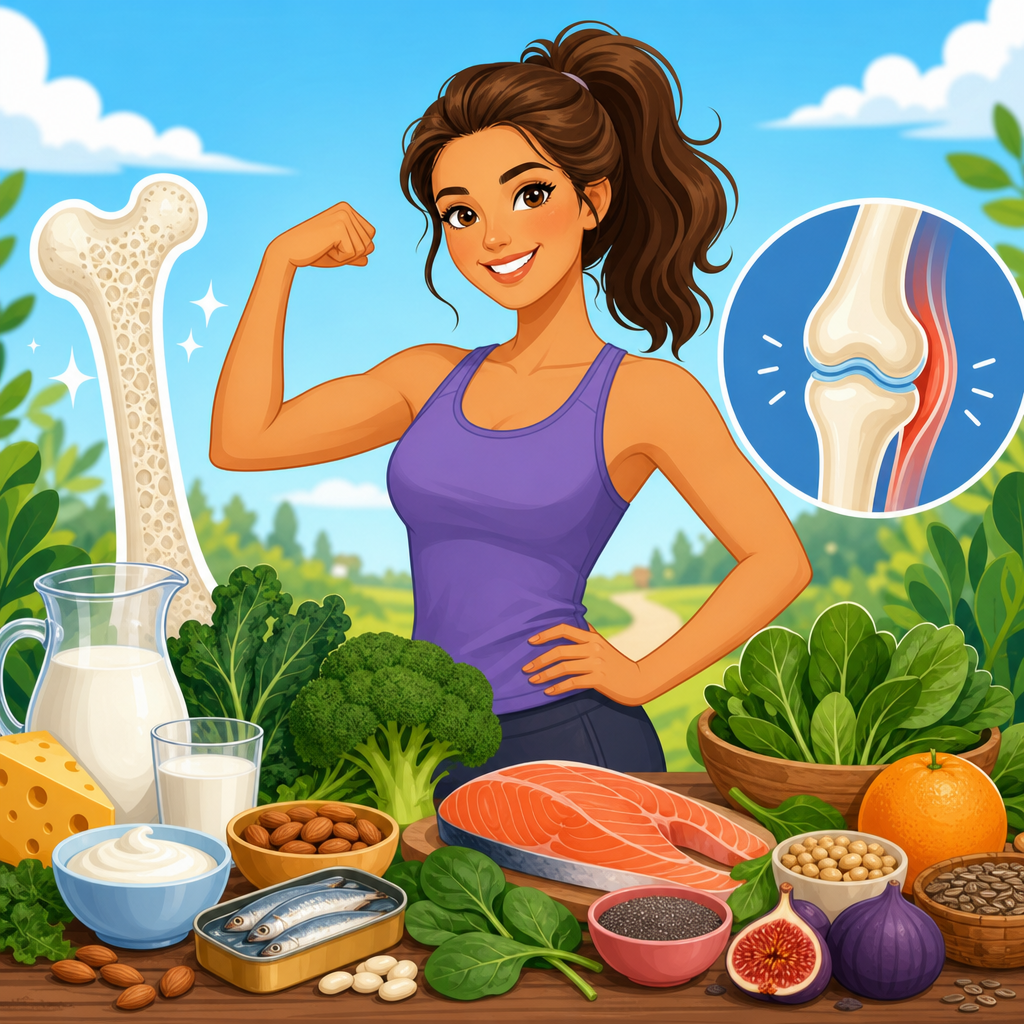
Calcium remains the headline nutrient because about 99 percent of the body’s calcium is stored in bones and teeth. Adults generally need around 1,000 milligrams daily, with many women over 50 and men over 70 needing 1,200 milligrams. Dairy foods such as yogurt, milk, and cheese are concentrated sources, but fortified plant milks, calcium-set tofu, canned sardines or salmon with bones, kale, and bok choy also help. In practice, food-first intake works better for most people because it spreads calcium across the day and supplies additional nutrients such as protein and phosphorus. Very high supplemental calcium without clear need is not ideal for everyone, particularly if total intake is already adequate.
Vitamin D is essential because without it, calcium absorption drops sharply. It also contributes to muscle strength and balance, which matters for fracture prevention. Natural food sources are limited, so fortified milk, fortified plant beverages, egg yolks, and fatty fish such as salmon and mackerel are useful. Sunlight triggers vitamin D synthesis in skin, but latitude, season, skin tone, age, sunscreen, and time outdoors all affect production. Blood testing for 25-hydroxyvitamin D can guide decisions in higher-risk groups. Magnesium supports bone crystal formation and influences vitamin D metabolism. Potassium-rich foods may help buffer dietary acid load and are consistently associated with better overall diet quality. Vitamin K, particularly from leafy greens, participates in proteins involved in bone mineralization. Protein is equally important. People often underestimate its role, yet low protein intake is linked with poorer muscle and bone outcomes, especially in older adults.
Key Nutrients for Joint Support and Connective Tissue
Joint nutrition overlaps with bone nutrition but has its own priorities. Cartilage contains collagen, proteoglycans, and water, so sufficient protein and hydration matter. Vitamin C is crucial for collagen synthesis and is abundant in citrus, strawberries, kiwi, bell peppers, broccoli, and potatoes. Without enough vitamin C, connective tissue quality suffers. Omega-3 fatty acids from salmon, sardines, trout, herring, chia, flax, and walnuts are notable because they influence inflammatory signaling. In people with rheumatoid arthritis, marine omega-3s have shown benefit for symptom management, particularly morning stiffness and tender joint counts, though they do not replace medical treatment.
Polyphenol-rich foods also deserve attention. Extra virgin olive oil, berries, cherries, cocoa, tea, and colorful vegetables provide compounds that help counter oxidative stress, which is involved in joint degeneration and recovery from loading. Some people ask about glucosamine, chondroitin, turmeric, or collagen peptides. The evidence is mixed and highly product-dependent. Certain individuals report symptom relief, especially with osteoarthritis, but results are not uniform and supplement quality varies. In my experience reviewing these products, the biggest mistake is treating supplements as substitutes for a high-quality diet. The better approach is to build a nutrient-dense foundation first, then consider targeted additions with clinician guidance if symptoms or risk factors justify them.
Best Foods and Dietary Patterns for Bones and Joints
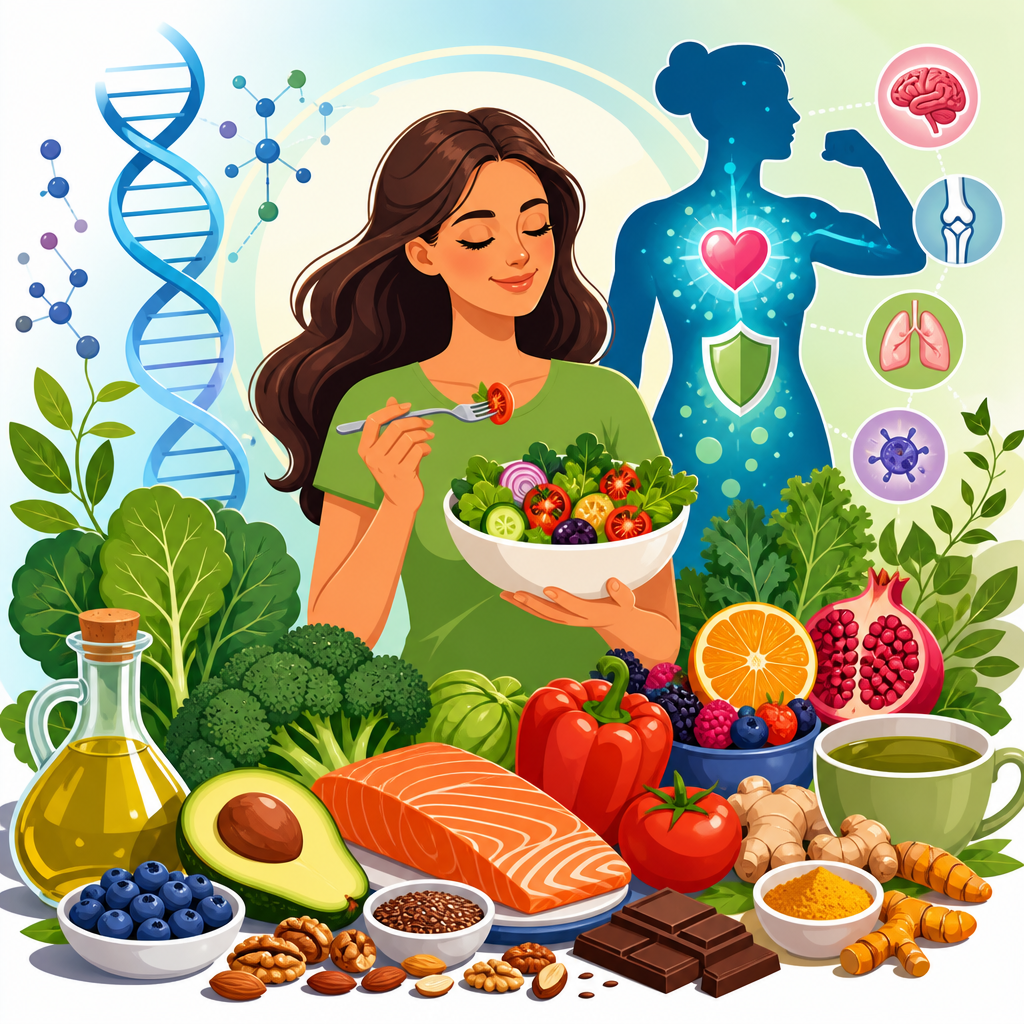
The most effective diet for bones and joints is not a single superfood plan. It is a pattern that repeatedly delivers calcium, vitamin D, protein, magnesium, potassium, vitamin K, vitamin C, and anti-inflammatory fats. The Mediterranean-style pattern has the best overall fit: vegetables, fruits, legumes, whole grains, olive oil, nuts, seeds, fish, yogurt, and moderate fermented dairy. It supports nutrient adequacy, healthy body weight, cardiovascular health, and lower inflammatory burden. For bone health, dairy or fortified alternatives are especially practical because they package calcium, protein, and often vitamin D together. For joint health, fatty fish two times weekly and regular use of olive oil are realistic targets with good evidence behind them.
| Food or pattern | Main nutrients | How it helps bones and joints | Practical example |
|---|---|---|---|
| Greek yogurt | Calcium, protein, phosphorus | Supports bone mineralization and muscle maintenance | Breakfast with berries and chia |
| Salmon | Vitamin D, omega-3 fats, protein | Helps calcium use and may reduce joint inflammation | Baked salmon with roasted vegetables |
| Leafy greens | Vitamin K, magnesium, potassium | Contribute to bone metabolism and overall diet quality | Spinach and kale salad with beans |
| Fortified soy milk | Calcium, vitamin D, often protein | Useful dairy alternative for bone support | Smoothie or oatmeal base |
| Legumes | Protein, magnesium, potassium | Support tissue repair and balanced eating patterns | Lentil soup with whole grain bread |
| Extra virgin olive oil | Monounsaturated fat, polyphenols | Fits anti-inflammatory eating for joint support | Use in dressings and low-heat cooking |
Other valuable foods include tofu set with calcium sulfate, sardines with bones, almonds, sesame, beans, mushrooms exposed to UV light, eggs, and citrus fruit. What matters is consistency. A person who eats one calcium-rich meal each week will not see the same benefit as someone who distributes protein and mineral intake across breakfast, lunch, and dinner. This hub pairs naturally with deeper guides on calcium-rich foods, anti-inflammatory eating, protein timing for healthy aging, and vitamin D basics because each topic answers a common question that sits under the same umbrella.
What Science Says About Benefits Across the Lifespan
Nutrition for strong bones and joints pays off at every age, but the benefits look different over time. In childhood and adolescence, the priority is building peak bone mass. The higher the peak achieved by early adulthood, the more reserve a person has against future loss. This is why adequate calcium, vitamin D, and protein matter so much in the teenage years, especially for active girls, boys in rapid growth phases, and children who avoid dairy without replacing the nutrients. In adults, good nutrition helps maintain bone density, preserve muscle, and reduce the gradual decline that comes with age and inactivity. During and after menopause, estrogen drops accelerate bone breakdown, making dietary adequacy and resistance exercise especially important.
For older adults, the science extends beyond bone density alone. Better protein intake supports muscle strength, which lowers falls, and fewer falls mean fewer fractures. Adequate vitamin D can improve balance in people who are deficient. In osteoarthritis, weight management through diet reduces load on hips, knees, and ankles. Even modest weight loss can reduce knee pain because every step multiplies force across the joint. In inflammatory arthritis, dietary changes do not cure disease, but they can support symptom control and cardiometabolic health, which is vital because systemic inflammation increases broader health risks. The key message from the evidence is clear: nutrition is preventive, supportive, and cumulative. Its benefits grow when started early but remain meaningful even after symptoms appear.
Common Mistakes, Special Diets, and Supplement Questions
The biggest mistake is focusing on one nutrient while ignoring the total diet. Another common issue is under-eating. Very low-calorie diets can weaken bone and impair recovery by reducing protein, calcium, and micronutrient intake. I also regularly see people eliminate dairy, grains, or legumes for vague wellness reasons without replacing the nutrients they lose. That can quietly lower calcium, vitamin D, magnesium, and protein intake. High sodium intake may increase urinary calcium losses, and heavy alcohol use is consistently harmful to bone. Excessive soda is not automatically damaging, but when soft drinks displace milk or fortified alternatives, nutrient gaps follow. Smokers face additional risk because smoking negatively affects bone remodeling and tissue healing.
Vegetarian and vegan diets can absolutely support strong bones and joints when planned carefully. Priorities include fortified plant milks, calcium-set tofu, beans, tempeh, nuts, seeds, leafy greens, and attention to vitamin D, B12, protein, and sometimes iodine. People with lactose intolerance can often tolerate yogurt or aged cheese, or choose lactose-free dairy. Supplement decisions should be personalized. Calcium may help if food intake is low, but total intake from food plus supplements should stay within evidence-based ranges. Vitamin D supplementation is often reasonable in people with low sun exposure or documented deficiency. Collagen peptides, glucosamine sulfate, chondroitin, and curcumin may be worth discussing for selected joint concerns, but product quality, dose, interactions, and expectations matter. If someone has osteoporosis, inflammatory arthritis, kidney stones, celiac disease, or long-term steroid use, individualized medical advice is essential.
How to Build a Bone and Joint Friendly Eating Plan
A practical plan starts with meal structure. Aim to include protein at each meal, a calcium-rich food two or three times daily, vegetables and fruit across the day, and fatty fish weekly if you eat seafood. Pair bone-supportive foods with habits that help them work: resistance training, walking or impact activity as tolerated, adequate sleep, and not smoking. For example, breakfast could be fortified oatmeal with soy milk, walnuts, and berries. Lunch might be lentil salad with kale, peppers, olive oil, and yogurt. Dinner could be salmon, quinoa, and broccoli. Snacks might include kefir, fruit, or almonds. This pattern covers most of the major targets without relying on pills.
Monitoring also matters. If fracture risk is a concern, ask about bone mineral density testing with dual-energy X-ray absorptiometry, review medications that affect bones, and check vitamin D status when appropriate. If joint pain persists, seek evaluation instead of assuming it is just aging. Nutrition works best when it is specific, sustainable, and combined with proper diagnosis. The strongest benefit of nutrition for strong bones and joints is not perfection. It is resilience: denser bones, better muscle support, steadier balance, and joints that are less burdened by inflammation and excess weight. Start with one meal upgrade today, then build a weekly pattern around calcium-rich foods, protein, colorful plants, and healthy fats. Small daily choices, repeated consistently, are what protect movement for the long term.
Frequently Asked Questions
1. What nutrients are most important for strong bones and healthy joints?
Several nutrients work together to support bone strength, joint comfort, and long-term mobility. Calcium is the best-known because it provides much of the mineral structure that gives bones their hardness and strength. Vitamin D is equally important because it helps the body absorb and use calcium effectively. Without enough vitamin D, even a calcium-rich diet may not fully support bone health. Protein also matters more than many people realize, since it provides the building blocks for bone matrix, cartilage, ligaments, tendons, and muscle tissue that helps stabilize joints.
Magnesium, phosphorus, and vitamin K also play meaningful roles in bone metabolism. Magnesium helps with bone formation and vitamin D activity, while vitamin K is involved in proteins that help direct calcium into bones. Vitamin C is especially important for collagen production, which supports cartilage, tendons, ligaments, and the organic framework of bone itself. Omega-3 fats may also benefit joint health by helping regulate inflammatory processes that can affect stiffness and comfort.
In practical terms, bone and joint health is not about a single “miracle nutrient.” Science consistently points to a pattern: strong bones and resilient joints are best supported by an overall diet that supplies minerals, vitamins, protein, and healthy fats in balance. That is why a varied eating pattern tends to outperform a narrow focus on just one supplement or fortified food.
2. Which foods are best for supporting bones and joints naturally?
The strongest evidence supports getting nutrients primarily from whole foods whenever possible. Dairy foods such as yogurt, milk, and cheese are well-known sources of calcium and often provide protein and fortified vitamin D as well. If someone does not eat dairy, fortified plant milks, calcium-set tofu, canned salmon or sardines with bones, and certain leafy greens can also contribute meaningful calcium. Eggs, fatty fish, and fortified foods may help with vitamin D intake, although sunlight exposure also plays a role for many people.
For joint support, foods rich in vitamin C and antioxidant compounds are especially helpful because they support collagen formation and help protect tissues from oxidative stress. Citrus fruits, berries, kiwi, bell peppers, tomatoes, and broccoli are excellent examples. Protein-rich foods such as fish, poultry, beans, lentils, Greek yogurt, tofu, and lean meats help maintain muscles and connective tissues that support joint alignment and function. Nuts, seeds, legumes, and whole grains can add magnesium and other supportive minerals.
Fatty fish like salmon, mackerel, and sardines are particularly valuable because they provide both protein and omega-3 fats. Extra virgin olive oil, nuts, seeds, and avocado also fit well into a bone- and joint-supportive eating pattern. Overall, the most science-backed approach looks a lot like a balanced, minimally processed diet rich in vegetables, fruits, quality proteins, legumes, and healthy fats rather than a short list of “superfoods.” Consistency matters more than perfection.
3. Can nutrition really reduce the risk of osteoporosis and joint problems as people age?
Nutrition can play a major role in reducing risk, although it is only one part of the picture. For bones, the research is especially strong. Adequate intake of calcium, vitamin D, protein, and other supportive nutrients helps maintain bone mineral density over time. Since bones are constantly breaking down and rebuilding, a poor diet can gradually shift that balance in the wrong direction, increasing the risk of osteopenia, osteoporosis, and fractures. This becomes more important with age, especially after menopause, when bone loss can accelerate.
For joints, the relationship is slightly more complex but still meaningful. Good nutrition does not guarantee that someone will never develop osteoarthritis or joint pain, yet it can support the tissues that keep joints functioning well. A nutrient-rich diet helps maintain muscle mass, connective tissue integrity, and healthy body weight, all of which reduce stress on weight-bearing joints such as the knees, hips, and lower back. Some dietary patterns may also help moderate chronic low-grade inflammation, which is relevant to joint symptoms in many adults.
It is important to keep expectations realistic. Nutrition is most effective as part of a broader strategy that includes regular strength training, weight-bearing exercise, mobility work, sleep, and avoidance of smoking. Still, science is clear on one key point: long-term dietary habits meaningfully influence how well bones and joints hold up over the years. In that sense, nutrition is not a minor factor. It is one of the foundations of healthy aging and physical independence.
4. Are supplements necessary for bone and joint health, or can food be enough?
Food can often be enough, but not always. Many people can meet their needs through a well-planned diet that includes calcium-rich foods, adequate protein, fruits and vegetables, and sources of vitamin D. However, supplements may be useful when there is a diagnosed deficiency, limited food variety, low appetite, restricted eating patterns, poor absorption, older age, or increased risk of bone loss. Vitamin D is one of the most common examples, since many adults do not consistently get enough from food and sunlight alone.
Calcium supplements can help when dietary intake is low, but more is not always better. Very high supplemental intakes are generally not recommended without medical guidance. The same principle applies to joint supplements. Products such as glucosamine, chondroitin, collagen peptides, or omega-3 supplements may help some individuals, but results vary, and the scientific evidence is stronger for some products than others. They should not be treated as a substitute for a nutrient-dense diet, healthy body weight, and physical activity.
The smartest approach is individualized. Before starting supplements, it is helpful to look at actual food intake, health conditions, medications, and lab values when available. A clinician or registered dietitian can help determine whether a supplement is appropriate and safe. In many cases, supplements are best viewed as tools to fill a gap, not as the main strategy for building strong bones and healthy joints.
5. What is the best daily eating pattern for maintaining strong bones and flexible joints over time?
The best daily pattern is one that regularly supplies enough protein, calcium, vitamin D, magnesium, vitamin K, vitamin C, and healthy fats while also supporting a healthy body weight. In practice, that often means including a quality protein source at each meal, eating vegetables and fruit across the day, choosing calcium-rich foods consistently, and including healthy fat sources such as olive oil, nuts, seeds, or fatty fish. Spreading protein intake across meals may be especially helpful for preserving muscle, which indirectly protects joints and supports balance and bone health.
A practical example might include yogurt or fortified oatmeal with fruit and seeds at breakfast, a lunch built around beans, greens, whole grains, and olive oil, and a dinner with salmon, tofu, or chicken alongside vegetables and a calcium-containing side. Snacks such as kefir, cheese, edamame, almonds, or fortified plant yogurt can also contribute useful nutrients. Hydration matters too, since joint tissues and overall physical function benefit from good fluid balance.
What science suggests most strongly is that long-term patterns matter far more than occasional “healthy” meals. Extreme diets, very low-calorie eating, or chronically inadequate protein intake can undermine bone and joint health over time. A sustainable routine built on variety, adequacy, and consistency is the most evidence-based path. When nutrition is combined with resistance exercise, weight-bearing activity, and routine medical care, it provides a powerful foundation for preserving strength, movement, and independence through the years.