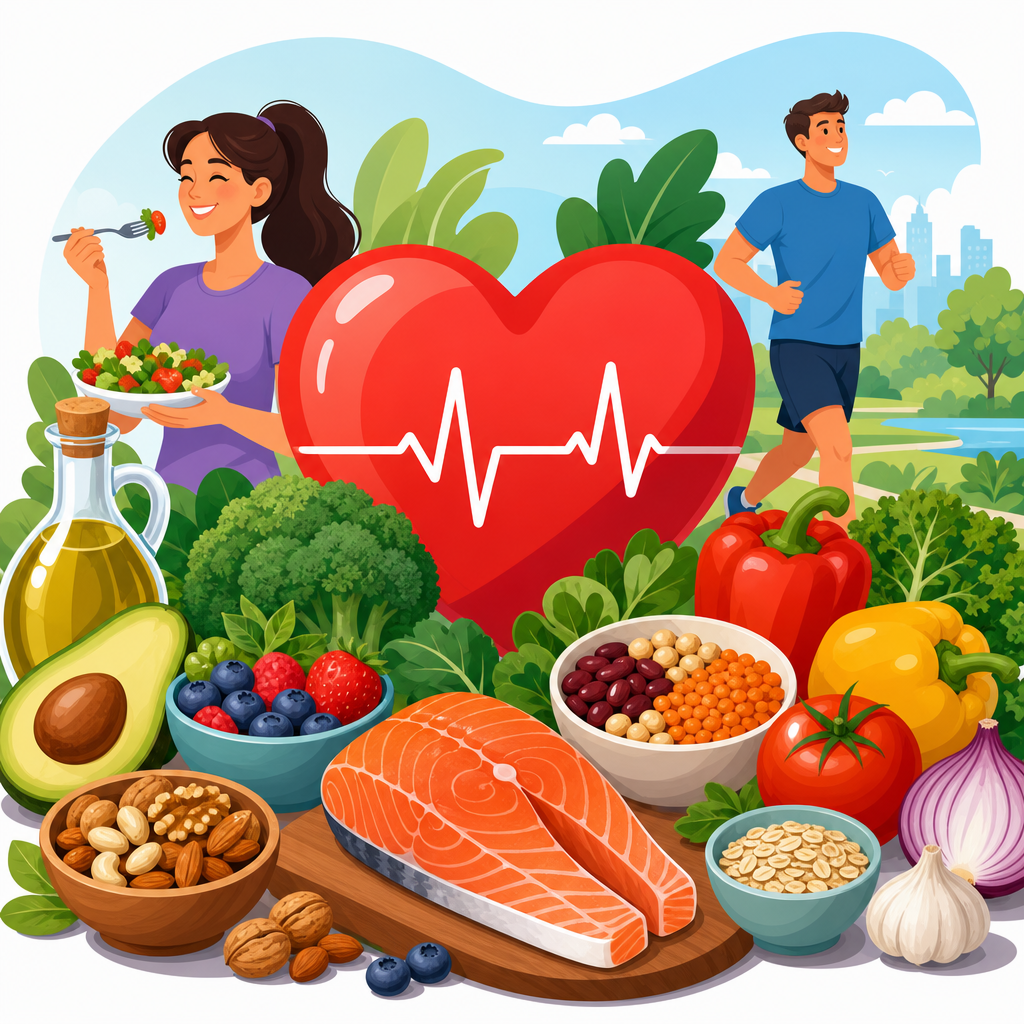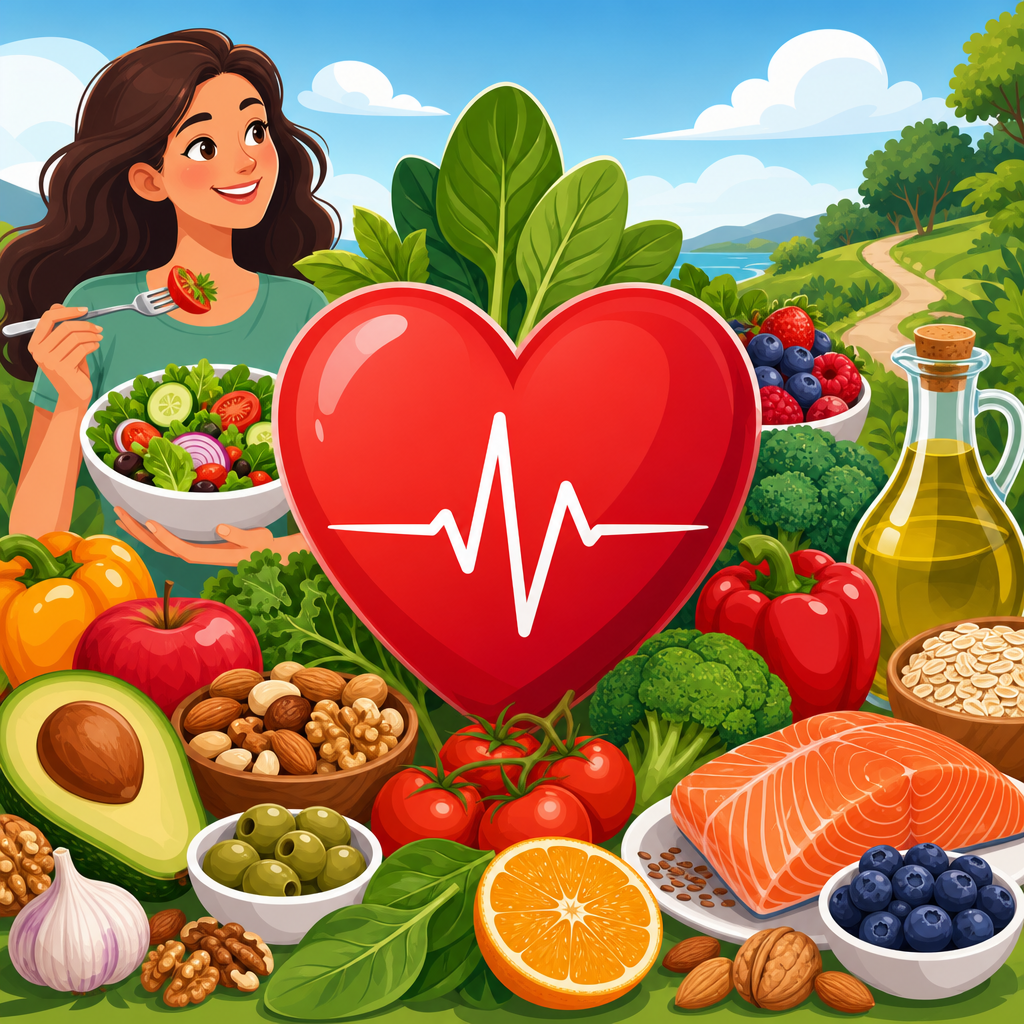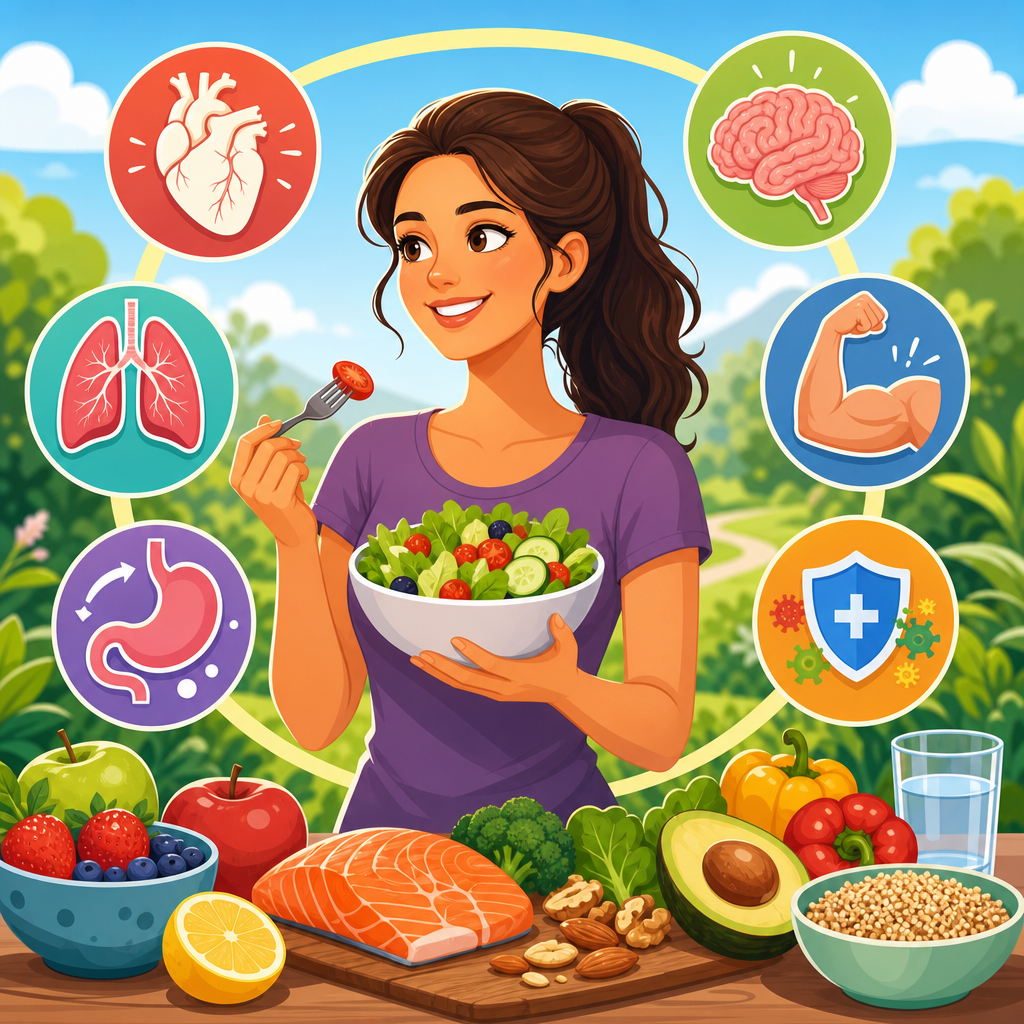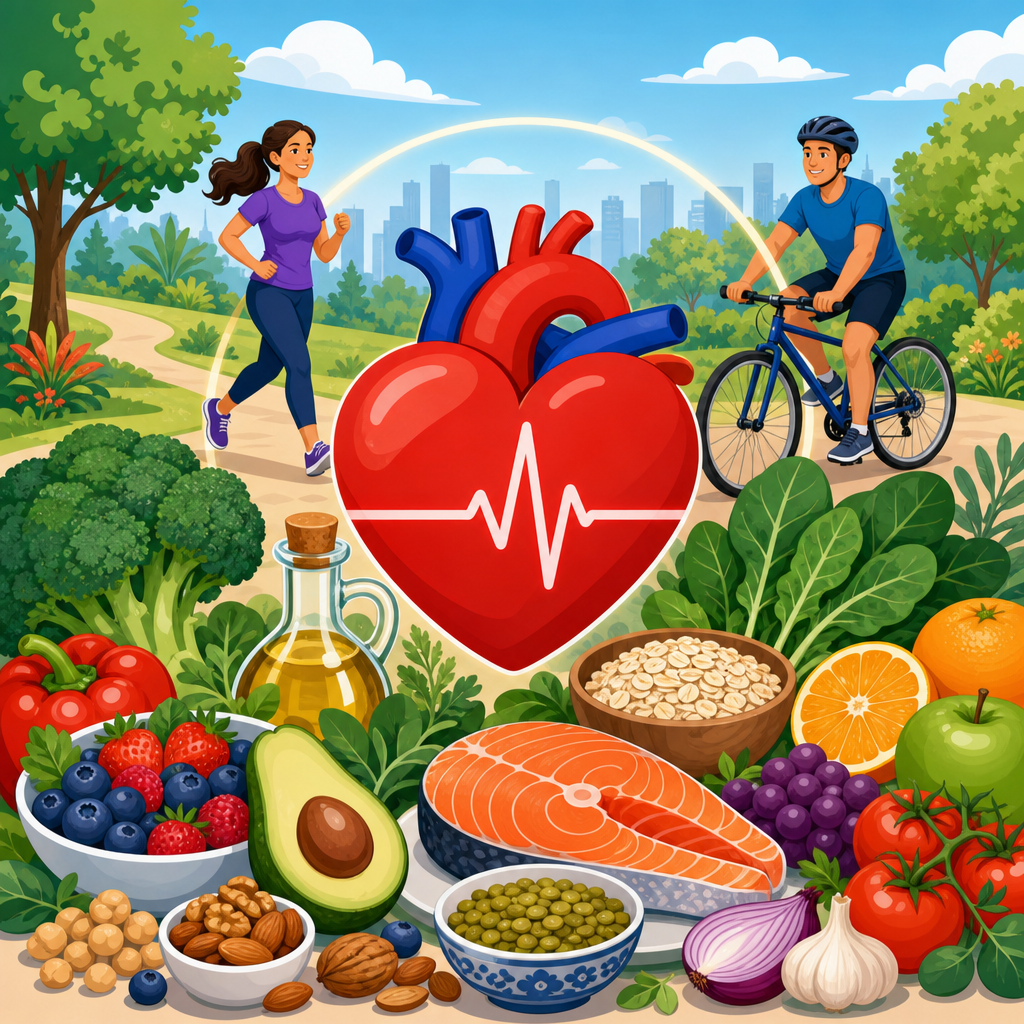
Nutrition for heart health is the disciplined use of food, beverages, and eating patterns to protect blood vessels, support normal blood pressure, improve cholesterol balance, and reduce the long-term risk of cardiovascular disease. In practice, it means choosing meals that lower harmful lipids, stabilize blood sugar, limit chronic inflammation, and help maintain a healthy body weight without sacrificing adequacy or enjoyment. I have worked with heart-focused meal planning in both preventive and post-diagnosis settings, and the same principle appears repeatedly: daily dietary choices shape risk more powerfully than most people realize. Coronary artery disease, stroke, heart failure, and hypertension develop over years, often quietly, and nutrition influences each stage.
The importance of nutrition for heart health is not abstract. Cardiovascular disease remains the leading cause of death globally, and many of its major drivers are modifiable. Elevated low-density lipoprotein cholesterol, high sodium intake, insulin resistance, obesity, and poor diet quality are all connected to food patterns. Diet also affects related conditions such as type 2 diabetes, fatty liver disease, and chronic kidney disease, which can further increase cardiovascular risk. A strong heart health nutrition strategy therefore serves two goals at once: immediate improvement in measurable markers and long-term disease prevention.
For a hub article, the key is to understand the major building blocks. Heart-healthy eating is not a single superfood or a rigid menu. It is a structured pattern built around vegetables, fruits, legumes, whole grains, nuts, seeds, fish, and unsaturated fats, with thoughtful limits on sodium, trans fat, excess saturated fat, refined carbohydrates, and ultra-processed foods. It also includes practical questions readers often ask: Which fats are best? How much fiber matters? Is red meat always harmful? What about eggs, coffee, alcohol, or supplements? The answers depend on overall pattern, portion, and individual health status. When those details are clear, nutrition becomes one of the most effective tools for preventing heart disease.
How diet affects the heart and blood vessels
Heart disease prevention begins with understanding mechanism. Food affects the cardiovascular system through several pathways. Saturated and trans fats can raise atherogenic lipoproteins in susceptible people, contributing to plaque formation in arteries. High sodium intake increases fluid retention and vascular pressure, which can worsen hypertension. Excess calories and highly refined foods promote weight gain, insulin resistance, and elevated triglycerides. In contrast, soluble fiber helps reduce LDL cholesterol, potassium-rich foods support blood pressure regulation, and unsaturated fats can improve lipid profiles when they replace saturated fats.
Inflammation and endothelial function also matter. The endothelium is the thin lining of blood vessels that helps control dilation, clotting, and immune activity. Diets rich in fruits, vegetables, olive oil, legumes, and fatty fish tend to support endothelial function because they provide polyphenols, omega-3 fats, magnesium, folate, and antioxidants. Diets dominated by processed meats, sugary drinks, fried foods, and excess sodium are associated with poorer vascular health. This is one reason nutrition for heart health overlaps closely with nutrition for disease prevention overall: the same eating pattern that protects arteries also improves metabolic resilience.
One useful way to think about risk is that no single meal causes a heart attack, but repeated patterns change biology. A breakfast of oats, berries, and walnuts supplies beta-glucan fiber, potassium, and unsaturated fat. A breakfast sandwich with processed meat, refined bread, and a high-sodium side does the opposite. Over months and years, these patterns show up in LDL cholesterol, blood pressure, body composition, HbA1c, and inflammatory markers. Clinical guidelines from organizations such as the American Heart Association consistently emphasize overall dietary pattern because that is what changes outcomes.
The core foods in a heart-healthy diet
The best nutrition for heart health starts with foods that deliver high nutrient density and low cardiovascular burden. Vegetables and fruits should form the visual base of most meals because they provide potassium, fiber, vitamin C, folate, and phytochemicals with relatively low energy density. Legumes such as lentils, black beans, and chickpeas are especially valuable because they combine fiber, plant protein, magnesium, and slow-digesting carbohydrate. Whole grains like oats, barley, brown rice, and whole wheat contribute fiber and support satiety. Nuts and seeds add unsaturated fat, plant sterols, and minerals, while fish provides protein and, for species such as salmon and sardines, marine omega-3 fatty acids.
Among fats, extra-virgin olive oil is one of the most consistently useful ingredients because it supplies monounsaturated fat and polyphenols and can replace butter or shortening in everyday cooking. Dairy can fit, but lower-sodium and less heavily processed choices usually work best. Fermented options like plain yogurt may be useful for some people, while sweetened dairy desserts often add unnecessary sugars. Protein choices matter too. Skinless poultry, fish, tofu, tempeh, beans, and lentils generally support better cardiovascular profiles than frequent servings of bacon, sausage, deli meats, and heavily marbled red meat.
| Food group | Best routine choices | Why they help heart health |
|---|---|---|
| Whole grains | Oats, barley, quinoa, brown rice | Provide fiber that supports cholesterol control and satiety |
| Proteins | Beans, lentils, fish, tofu, skinless poultry | Reduce reliance on processed and high-saturated-fat meats |
| Fats | Olive oil, nuts, seeds, avocado | Favor unsaturated fats linked with healthier lipid patterns |
| Produce | Leafy greens, berries, citrus, tomatoes, crucifers | Deliver potassium, antioxidants, and low energy density |
| Convenience foods | Low-sodium soups, frozen vegetables, no-salt beans | Make adherence easier without excessive sodium |
People often ask whether a heart-healthy eating plan must be completely plant-based. Not necessarily. Some of the strongest evidence supports predominantly plant-forward patterns that can include fish, yogurt, or small amounts of lean animal protein. The practical target is not perfection; it is replacement. Replace refined grains with whole grains, processed meat with legumes or fish, butter with olive oil, and salty packaged snacks with fruit and nuts. Those swaps make the pattern sustainable, which is essential for disease prevention.
Fats, fiber, sodium, and sugar: the nutrients that move risk
If there is one nutrient concept that repeatedly changes cardiac risk, it is fat quality. Unsaturated fats from olive oil, nuts, seeds, and fish are generally protective when they replace saturated fats from fatty cuts of meat, butter, cream, and many commercial baked goods. Industrial trans fats are particularly harmful because they raise LDL and lower HDL; many countries have restricted them, but they can still appear in some imported or shelf-stable foods. For people with elevated LDL cholesterol, focusing on replacement rather than simple fat reduction works better. A salad covered in creamy dressing and cheese is not equivalent to one dressed with olive oil, beans, and seeds.
Fiber is another major driver. Soluble fiber, found in oats, barley, beans, chia, flax, apples, and citrus, helps reduce LDL cholesterol by binding bile acids and affecting cholesterol metabolism. Most adults do not reach recommended fiber intake, and the shortfall often shows up in both digestive health and cardiovascular risk. In my experience, clients make the fastest progress when fiber rises gradually across all meals rather than through one supplement alone. Oatmeal at breakfast, lentil soup at lunch, vegetables with dinner, and fruit as snacks can move daily intake substantially.
Sodium deserves careful attention because blood pressure is one of the clearest links between nutrition for heart health and disease prevention. Many people think the salt shaker is the main issue, but packaged bread, canned soups, sauces, takeout meals, pizza, and processed meats are often the larger contributors. The general benchmark of less than 2,300 milligrams of sodium per day is widely used, with lower targets often advised for hypertension. Potassium-rich foods such as potatoes, beans, spinach, yogurt, bananas, and oranges can help counterbalance sodium’s effects, though people with kidney disease need individualized guidance.
Added sugar has a more indirect but still important cardiovascular role. Sugary drinks, desserts, and refined snack foods can raise calorie intake without satiety, worsen triglycerides, and promote insulin resistance. The clearest practical advice is to reduce liquid sugar first. Replacing soda, sweet tea, and frequent energy drinks with water, sparkling water, or unsweetened coffee and tea can change metabolic risk quickly. Supplements may help in narrow circumstances, but they do not replace whole-food dietary pattern. For most people, food quality remains the foundation.
Proven eating patterns and how to use them
Several structured dietary patterns have strong evidence for heart disease prevention. The Mediterranean-style pattern is widely supported because it emphasizes vegetables, legumes, fruit, whole grains, fish, nuts, and olive oil while keeping red meat and highly processed foods limited. The DASH pattern, originally designed to lower blood pressure, is another cornerstone because it is rich in produce, low-fat dairy, beans, and whole grains and intentionally lower in sodium. Plant-forward diets, including vegetarian and flexitarian approaches, can also improve cardiovascular markers when they are built on whole foods rather than refined starches and packaged meat substitutes.
These patterns work because they combine multiple protective mechanisms. For example, a DASH-style dinner of baked salmon, roasted broccoli, barley, and a side salad lowers sodium exposure, increases potassium and fiber, and replaces saturated fat with unsaturated fat. A Mediterranean lunch of chickpea salad with olive oil, cucumbers, tomatoes, herbs, and whole grain bread does something similar. In clinical counseling, I often start by choosing one pattern language that feels familiar to the person. Someone who cooks at home may adopt Mediterranean principles easily, while someone with hypertension may respond better to a DASH framework tied to blood pressure readings.
Adherence improves when plans are translated into routines. A practical weekly structure might include oatmeal three mornings per week, beans or lentils at least four times weekly, fish twice weekly, nuts most days, and at least half the plate from vegetables at lunch and dinner. People who travel or eat out frequently can still follow the pattern by choosing grilled fish tacos with beans, requesting sauces on the side, selecting broth-based soups with lower sodium when available, and prioritizing vegetable sides over fries. The most effective heart health diet is the one you can repeat consistently in normal life.
Special considerations, common myths, and daily implementation
Heart-healthy nutrition needs personalization. Someone with high LDL cholesterol may focus more on saturated fat replacement and soluble fiber. Someone with hypertension may prioritize sodium reduction, potassium intake, and weight loss. A person with diabetes needs carbohydrate quality and meal timing addressed alongside cardiovascular goals. Kidney disease, heart failure, pregnancy, food allergies, and use of medications such as warfarin can all change recommendations. This is why generalized advice should be paired with clinical follow-up when disease is already present.
Several myths continue to confuse readers. Eggs are not automatically harmful for everyone; their effect depends on the total diet and individual response. Coffee can fit for many adults, especially when it is not loaded with sugar and cream, though arrhythmias or uncontrolled blood pressure may require caution. Red meat is not identical to processed meat; the latter carries clearer risk because of sodium, preservatives, and processing. Coconut oil is not a heart-health shortcut simply because it is natural; it remains high in saturated fat. Alcohol is not required for cardiovascular benefit, and advising non-drinkers to start is not evidence-based.
Implementation is where prevention becomes real. Build meals around a formula: vegetables plus quality protein plus whole grain or legumes plus healthy fat. Stock low-sodium beans, frozen vegetables, plain oats, canned salmon, brown rice, olive oil, nuts, and fruit. Read labels for sodium, saturated fat, and fiber. Batch-cook staples to reduce dependence on takeout. If you eat out often, identify three reliable meals that align with your goals. Small systems beat good intentions. That is how nutrition for heart health becomes durable disease prevention.
Nutrition for heart health matters because it changes the biological drivers behind the world’s most common chronic diseases. A protective eating pattern lowers LDL cholesterol, supports healthy blood pressure, improves blood sugar control, reduces inflammation, and helps maintain a healthier body weight. Those effects are not theoretical; they are measurable in routine lab work, blood pressure readings, energy levels, and long-term outcomes. When people understand that food influences arteries, metabolism, and vascular function every day, heart disease prevention becomes a practical process instead of a vague wellness goal.
The central lesson is simple: focus on pattern, not perfection. Build meals from vegetables, fruits, legumes, whole grains, nuts, seeds, fish, and unsaturated fats. Limit processed meats, excess sodium, sugary drinks, refined snacks, and frequent sources of saturated fat. Use proven frameworks such as Mediterranean-style or DASH-style eating, then adapt them to culture, budget, schedule, and medical needs. The best plan is specific enough to guide shopping and cooking, flexible enough to sustain, and structured enough to improve measurable risk factors over time.
As the hub for nutrition for heart health, this topic connects naturally to deeper discussions on cholesterol-lowering foods, blood pressure nutrition, anti-inflammatory eating, weight management, diabetes-friendly meal planning, label reading, and healthy grocery strategies. Start with one week of deliberate changes: replace one processed meal each day, add a serving of beans or oats, switch to olive oil, and reduce your highest-sodium convenience food. Then track blood pressure, weight, and lab results with your clinician. Consistent food choices are one of the strongest tools available for protecting your heart and preventing disease.
Frequently Asked Questions
How does nutrition for heart health help prevent cardiovascular disease?
Nutrition for heart health lowers disease risk by influencing several core drivers of cardiovascular damage at the same time. A well-planned eating pattern can reduce LDL cholesterol, improve blood pressure, support healthier blood sugar levels, decrease chronic inflammation, and make weight management more realistic over the long term. These changes matter because heart disease usually develops gradually. Plaque builds in blood vessels over years, blood pressure quietly strains artery walls, and metabolic imbalances such as insulin resistance can increase stress on the heart and circulation before obvious symptoms appear.
Foods rich in fiber, unsaturated fats, vitamins, minerals, and protective plant compounds help address these risks. Vegetables, fruits, beans, lentils, oats, nuts, seeds, and fish are often emphasized because they support healthier lipid levels and vascular function. At the same time, limiting excess sodium, highly processed foods, trans fats, and frequent intake of heavily refined carbohydrates can reduce contributors to hypertension, poor cholesterol balance, and blood sugar instability. The overall benefit comes less from one “superfood” and more from the repeated pattern of meals and snacks chosen day after day.
In practical terms, heart-protective nutrition is not simply about restriction. It is about building meals that are satisfying, sustainable, and nutritionally complete while lowering the burden on the cardiovascular system. When people consistently eat in a way that supports blood vessels, the effects can extend beyond disease prevention to better energy, improved metabolic health, and a lower likelihood of complications such as stroke, coronary artery disease, and heart failure.
What are the best foods to include in a heart-healthy diet?
The most effective heart-supportive foods are those that provide fiber, healthy fats, potassium, magnesium, antioxidants, and steady energy without excessive sodium, added sugar, or harmful fats. Vegetables should be a major foundation because they are nutrient-dense and naturally low in calories, making them useful for blood pressure support and weight management. Leafy greens, tomatoes, broccoli, carrots, peppers, and cruciferous vegetables are all excellent choices. Fruits such as berries, apples, oranges, and pears also contribute fiber and protective compounds that support vascular health.
Whole grains like oats, barley, brown rice, quinoa, and whole wheat can help improve cholesterol and provide more stable blood sugar support than refined grains. Beans, lentils, and peas are especially valuable because they combine fiber and plant protein, which can help reduce reliance on higher-saturated-fat protein sources. Nuts and seeds, including walnuts, almonds, chia seeds, flaxseeds, and pumpkin seeds, offer unsaturated fats and minerals that benefit the heart when eaten in sensible portions.
For protein, fish such as salmon, sardines, trout, and mackerel are often recommended because they contain omega-3 fats that support heart rhythm and triglyceride control. If dairy is included, lower-saturated-fat options may fit better into many heart-focused eating plans. Olive oil, avocado, and other sources of unsaturated fat are generally preferred over butter, shortening, and heavily processed fats. The best results usually come from combining these foods into an overall pattern such as the Mediterranean-style diet or DASH-style eating pattern, both of which are strongly associated with cardiovascular protection.
Which foods and eating habits should be limited for better heart health?
Several foods and habits can work against cardiovascular health when they become routine. One of the most important is excess sodium, which can contribute to high blood pressure in many people. Sodium is often less about the salt shaker and more about packaged soups, processed meats, frozen meals, snack foods, restaurant meals, and fast food. Reading labels and choosing less processed options can make a meaningful difference over time.
Saturated fat should also be watched, especially when intake is high and frequent. Foods such as fatty cuts of meat, processed meats, full-fat dairy products, butter, and certain commercial baked goods can raise LDL cholesterol in susceptible individuals. Trans fats are even more concerning and should be avoided whenever possible, since they worsen cholesterol patterns and increase cardiovascular risk. Although many food manufacturers have reduced trans fats, they can still appear in some shelf-stable or fried products.
Highly refined carbohydrates and sugary beverages are another common problem because they can worsen blood sugar control, triglycerides, and body weight when consumed in excess. Large portions, frequent snacking on ultra-processed foods, and relying on convenience meals can also undermine heart health, even if individual ingredients do not seem extreme. In addition, patterns such as irregular meals, emotional overeating, and low intake of fiber-rich foods can make it harder to maintain healthy cholesterol, blood pressure, and weight. The goal is not perfection but a consistent shift toward simpler, more balanced meals built around minimally processed foods.
Can a heart-healthy diet also help with cholesterol, blood pressure, and weight management?
Yes, and this is one of the strongest reasons nutrition is so central to disease prevention. Heart-focused eating patterns often improve multiple clinical markers at once because the same food choices affect several systems in the body. Soluble fiber from oats, beans, lentils, apples, and barley can help lower LDL cholesterol by reducing its absorption. Replacing saturated fats with unsaturated fats from olive oil, nuts, seeds, and fish can further improve cholesterol balance. Over time, these changes may help reduce the progression of plaque buildup in arteries.
Blood pressure often responds well to eating patterns that are rich in potassium, magnesium, calcium, and naturally low in excessive sodium. This is one reason diets built around vegetables, fruits, legumes, dairy or fortified alternatives, and whole foods are frequently recommended. The DASH eating pattern is particularly well known for supporting blood pressure because it emphasizes nutrient density while limiting common dietary contributors to hypertension.
Weight management also becomes more achievable when meals are based on high-fiber, filling foods rather than calorie-dense, heavily processed options. People often feel more satisfied with meals that include vegetables, lean or plant proteins, whole grains, and healthy fats, which can reduce overeating without requiring extreme dieting. Importantly, the best heart-healthy approach is one that is adequate, enjoyable, and sustainable. Short-term restriction rarely produces lasting cardiovascular benefits, but a realistic long-term eating pattern can meaningfully improve cholesterol, blood pressure, body composition, and overall disease risk.
What is the most practical way to start eating for heart health without feeling overwhelmed?
The most practical way to begin is to focus on a few high-impact changes rather than trying to overhaul everything at once. Start by improving the structure of your meals. A useful method is to build plates around vegetables, a high-quality protein source, a fiber-rich carbohydrate, and a healthy fat. For example, grilled salmon with roasted vegetables and quinoa, or a bean and vegetable soup with whole grain toast and olive oil, can support heart health without feeling restrictive. This kind of meal pattern is simple, balanced, and repeatable.
Next, identify the biggest routine obstacles. For many people, those include too much takeout, too many packaged snacks, sugary drinks, or not having healthy options available when busy. Replacing one habit at a time is often more effective than trying to be perfect immediately. You might switch from processed lunch meats to grilled chicken or hummus, replace chips with nuts and fruit a few days a week, or cook one additional home meal each week. Small changes become powerful when they are maintained consistently.
It also helps to think in terms of addition, not just subtraction. Add beans to soups, add berries to breakfast, add a vegetable to lunch, add oats instead of refined cereal, and add olive oil in place of less heart-supportive fats. If you have existing conditions such as hypertension, diabetes, high cholesterol, kidney disease, or a history of cardiovascular events, individualized guidance from a registered dietitian or physician can be especially useful. A heart-healthy diet works best when it fits your medical needs, culture, preferences, and daily routine, making it something you can realistically sustain for years rather than weeks.