Brain-boosting foods for cognitive function play a central role in how well the brain performs today and how resilient it remains decades from now. Cognitive function includes memory, attention, processing speed, learning capacity, executive function, and mood regulation. Disease prevention in this context refers to lowering the risk or delaying the onset of conditions linked to brain decline, including stroke, vascular dementia, Alzheimer’s disease, type 2 diabetes-related cognitive impairment, and depression. Diet is not the only factor that shapes brain health, but in clinical nutrition work it is one of the most consistent, modifiable levers because food affects blood flow, inflammation, glucose control, neurotransmitter synthesis, and the integrity of brain cell membranes.
The strongest evidence does not point to one miracle food. It points to patterns built around omega-3 fats, polyphenol-rich plants, fiber, vitamins, minerals, and steady energy intake. Researchers repeatedly connect Mediterranean-style and DASH-style eating patterns with better cognitive aging, and the MIND diet was designed specifically around foods associated with slower decline. These dietary models matter because the brain is metabolically expensive. Although it represents about 2 percent of body weight, it uses roughly 20 percent of the body’s energy at rest. That demand means poor-quality fuel, chronic insulin resistance, or nutrient deficiencies can show up as brain fog, poor concentration, and long-term structural harm.
This hub article explains which brain-boosting foods matter most, how they influence cognitive function, and why the same foods support disease prevention across the lifespan. It also clarifies common questions patients ask: Which nutrients support memory? Are supplements necessary? What eating pattern helps protect against dementia? From my experience helping people translate nutrition science into daily meals, the most effective approach is practical rather than extreme. A breakfast that stabilizes blood sugar, a lunch rich in leafy greens and legumes, and regular intake of fish, berries, nuts, and olive oil produce measurable advantages over time. Small, repeated choices shape the brain more than occasional “superfood” bursts.
Understanding the link between brain-boosting foods for cognitive function and disease prevention is valuable because cognitive decline rarely appears overnight. It usually develops through years of vascular strain, oxidative stress, poor sleep, metabolic dysfunction, and cumulative inflammation. Food interacts with each of those pathways. In other words, what protects the heart often protects the brain, and what damages metabolic health often damages memory and mental performance. That is why a nutrition strategy for sharper focus today can also be a strategy for healthier aging later.
How nutrition affects the brain from day to day and over time
The brain depends on a continuous supply of oxygen, glucose, amino acids, fatty acids, vitamins, and minerals. When meals are built from refined starches, sugary beverages, and highly processed fats, blood sugar tends to spike and crash, which can impair attention and mental stamina. In contrast, balanced meals that combine fiber, protein, and unsaturated fat support steadier glucose delivery. That matters because neurons are highly sensitive to fluctuations in energy availability. Stable blood sugar is especially important for people with insulin resistance, since impaired glucose metabolism in the brain is associated with poorer cognition and increased dementia risk.
Inflammation is another major mechanism. Chronic low-grade inflammation can damage blood vessels and increase oxidative stress in brain tissue. Foods rich in antioxidants and anti-inflammatory compounds help counter that burden. Polyphenols from berries, cocoa, tea, olives, and colorful vegetables interact with signaling pathways that influence blood flow and neuronal protection. At the same time, nutrients such as B vitamins, choline, magnesium, zinc, and iron help produce neurotransmitters involved in memory, alertness, and mood. The takeaway is direct: cognitive function is not supported by calories alone but by the quality and biological activity of the foods supplying those calories.
Best brain-boosting foods for cognitive function
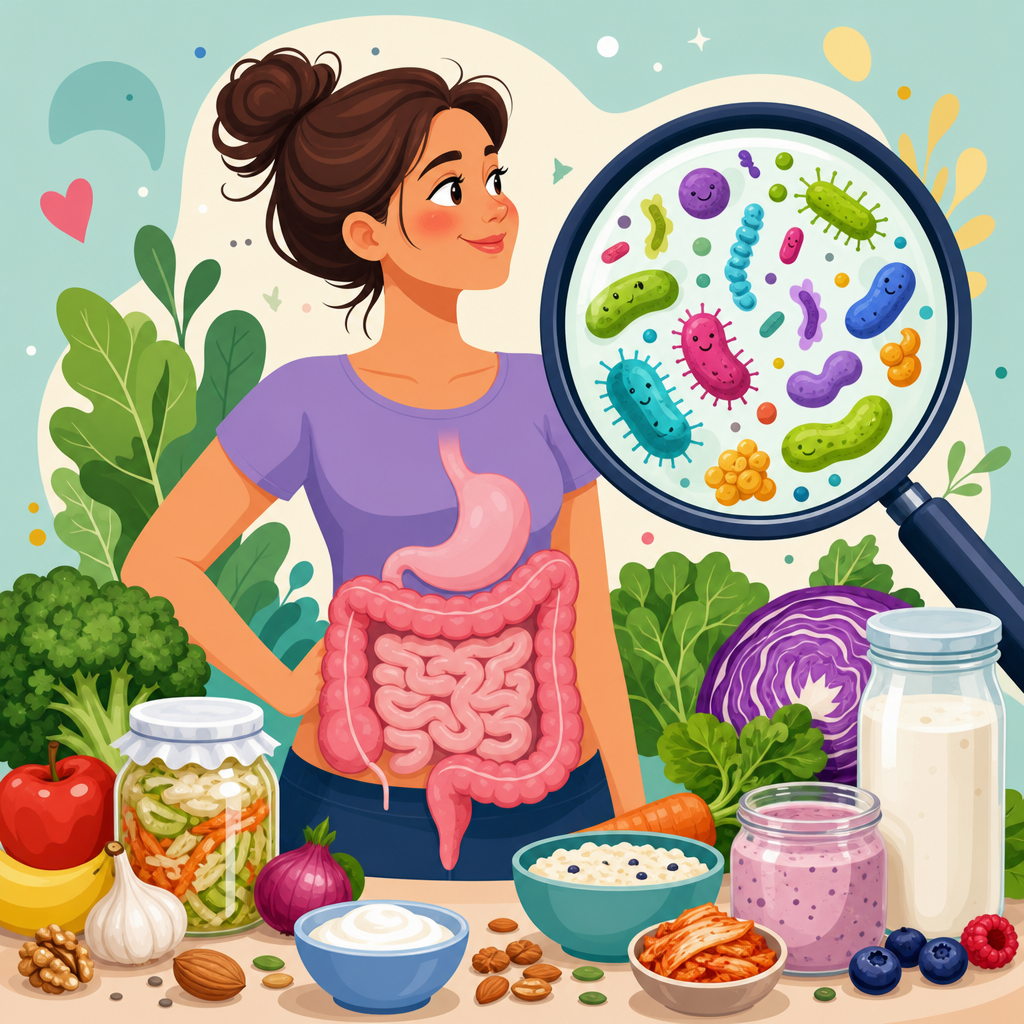
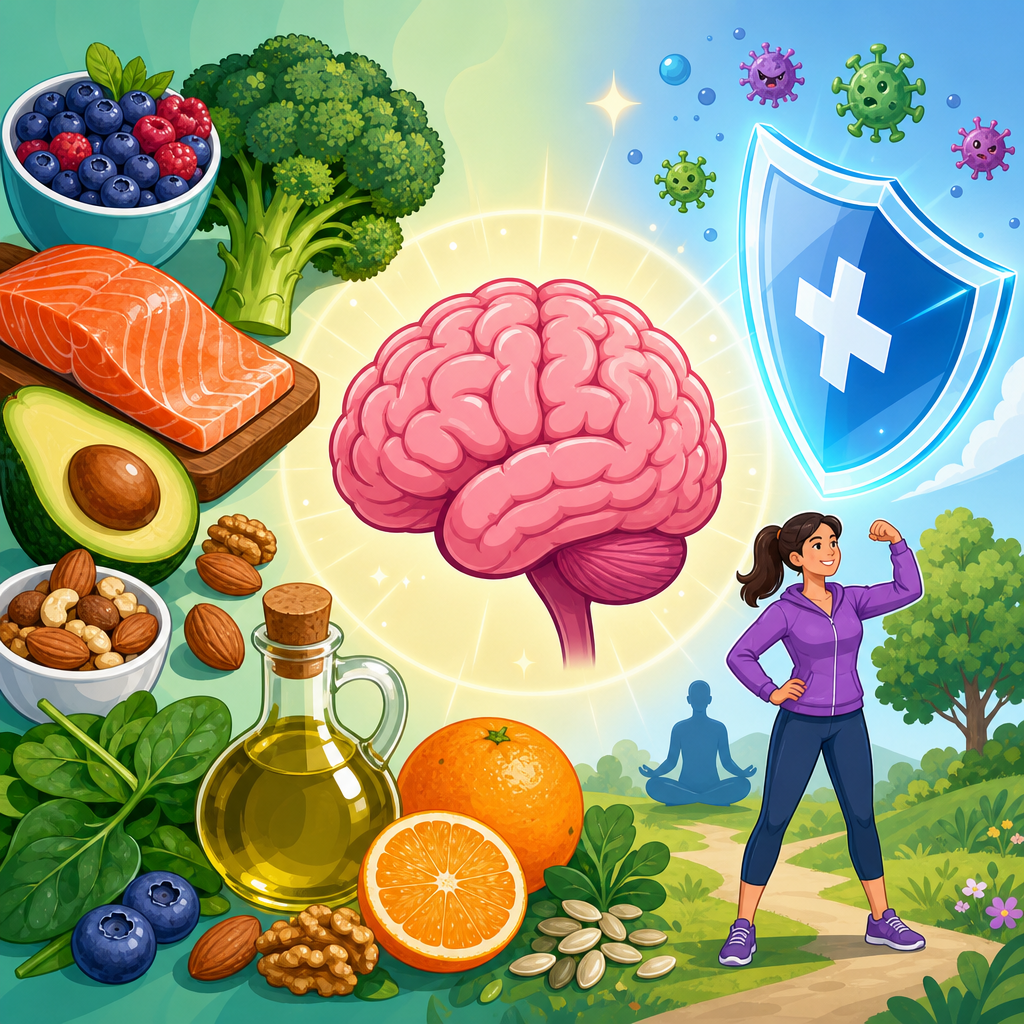
When people ask which foods most consistently support the brain, I point them to a short list with strong human evidence. Fatty fish such as salmon, sardines, trout, and mackerel provide EPA and DHA, omega-3 fats incorporated into neuronal membranes. Leafy greens supply folate, vitamin K, lutein, and nitrates linked with vascular support. Berries deliver anthocyanins associated with improved memory and reduced oxidative stress. Extra-virgin olive oil contributes monounsaturated fats and polyphenols. Nuts, especially walnuts, add alpha-linolenic acid, vitamin E, and magnesium. Legumes and whole grains support blood sugar control and gut health through fiber. Eggs provide choline, a precursor to acetylcholine, a neurotransmitter important for memory. Fermented foods may also help through the gut-brain axis.
The key is synergy. A single serving of blueberries is helpful, but blueberries eaten within a broader pattern rich in fish, greens, legumes, and olive oil are more likely to produce meaningful effects. That is why food combinations matter more than isolated ingredients. A salad with spinach, chickpeas, salmon, walnuts, and olive oil covers multiple protective pathways in one meal: anti-inflammatory fats, methylation support, fiber, antioxidants, and sustained energy release.
Foods, nutrients, and practical brain-health benefits
| Food or nutrient source | Primary compounds | Cognitive function support | Disease prevention relevance |
|---|---|---|---|
| Salmon, sardines, trout | DHA, EPA, vitamin D, protein | Supports memory, processing speed, neuronal membrane health | Helps reduce inflammation and supports vascular health linked to lower dementia risk |
| Blueberries, blackberries, strawberries | Anthocyanins, vitamin C, fiber | Supports learning, memory, and blood flow | May reduce oxidative stress associated with age-related cognitive decline |
| Spinach, kale, collards | Folate, vitamin K, lutein, nitrates | Supports executive function and healthy circulation | Associated with slower cognitive aging and lower vascular burden |
| Walnuts, almonds, pistachios | Vitamin E, magnesium, unsaturated fats, polyphenols | Supports attention, nerve signaling, and satiety | Improves lipid profile and cardiometabolic health that influences brain risk |
| Extra-virgin olive oil | Oleic acid, hydroxytyrosol, polyphenols | Supports anti-inflammatory signaling and cell protection | Core component of dietary patterns tied to lower stroke and dementia rates |
| Beans, lentils, oats, quinoa | Fiber, magnesium, B vitamins, slow-digesting carbohydrate | Promotes steady energy and concentration | Improves glucose control and helps lower risk linked to diabetes-related cognitive decline |
Why these foods also help prevent brain-related disease
The overlap between cognitive function and disease prevention is not accidental. Many brain disorders have vascular and metabolic components. Hypertension damages small blood vessels that feed the brain. Elevated LDL cholesterol and smoking increase stroke risk. Type 2 diabetes is associated with faster cognitive decline. Excess abdominal fat contributes to inflammatory signaling. A dietary pattern that improves blood pressure, lipids, insulin sensitivity, and body composition therefore protects the brain through multiple routes at once.
For example, extra-virgin olive oil, nuts, fish, beans, and vegetables can improve cardiometabolic markers that influence cerebral blood flow. Better blood flow means more reliable delivery of oxygen and nutrients to brain tissue. Fiber-rich foods help reduce post-meal glucose surges, which matters because repeated glycemic instability can worsen oxidative stress and may harm memory over time. Potassium-rich produce supports blood pressure control. Omega-3 fats may lower triglycerides and modulate inflammation. These are not abstract mechanisms; they are daily biological processes that affect whether the brain ages under strain or under support.
There is also a strong relationship between diet and depression risk, which deserves attention in any discussion of cognitive health. Mood and cognition are interconnected. People with persistent depression often report poor concentration, slower thinking, and memory problems. Diets high in ultra-processed foods are associated with worse mental health outcomes, while diets emphasizing whole plant foods, seafood, and unsaturated fats are linked with better mood regulation. Nutrition is not a standalone treatment for psychiatric illness, but it can meaningfully support prevention and recovery.
Dietary patterns with the best evidence for brain health
If the goal is to build a reliable eating plan, the best-supported options are Mediterranean-style, DASH-style, and MIND-style patterns. All three prioritize vegetables, fruit, legumes, whole grains, nuts, seeds, olive oil, and limited intake of heavily processed foods. The Mediterranean pattern emphasizes seafood and olive oil. DASH was developed for blood pressure control and is especially relevant because hypertension is one of the strongest modifiable risk factors for cognitive decline. The MIND approach narrows the focus to foods repeatedly associated with slower brain aging, especially berries and leafy greens.
In practice, these patterns are flexible. Breakfast might be oats with walnuts and berries. Lunch could be lentil soup with a salad dressed in olive oil. Dinner could be grilled trout with quinoa and roasted broccoli. This kind of structure is easier to sustain than restrictive detox plans, and long-term consistency is what matters. In my experience, people do better when they anchor habits around repeatable meals rather than chasing novelty. Brain-protective eating should fit real life, budgets, and culture.
Common mistakes that weaken cognitive nutrition plans
The first mistake is focusing on supplements before fixing the food pattern. A fish oil capsule cannot compensate for a diet dominated by fried foods, sugary snacks, and low fiber intake. Supplements can be useful in targeted cases, such as vitamin B12 for deficiency, vitamin D when levels are low, or algae-based DHA for people who do not eat fish. But they work best as gap-fillers, not foundations. The second mistake is under-eating protein and healthy fat at breakfast, which often leads to midmorning fatigue and cravings. The third is ignoring sleep, physical activity, and blood pressure control, all of which interact with diet to shape brain outcomes.
Another common issue is overestimating trendy products. Expensive nootropic drinks, mushroom blends, and powdered “brain boosters” often lack the evidence base of ordinary foods like sardines, beans, spinach, and blueberries. Labels can imply precision while delivering minimal doses of active compounds. When budgets are tight, prioritize basics with proven value: frozen berries, canned salmon, oats, eggs, yogurt, lentils, and seasonal greens.
How to build a brain-healthy plate every day
A practical formula works well: fill half the plate with vegetables or fruit, one quarter with protein, and one quarter with high-fiber carbohydrate, then add a source of unsaturated fat. For brain health, that could mean eggs with sautéed spinach and whole-grain toast at breakfast; Greek yogurt with berries and chia as a snack; a bean-and-vegetable grain bowl with olive oil at lunch; and salmon with brown rice and asparagus at dinner. Rotate colors and textures. Diversity matters because different plants provide different polyphenols and micronutrients.
Hydration also affects concentration, headaches, and mental endurance. Mild dehydration can impair attention, especially in older adults. Unsweetened tea and coffee can fit a brain-supportive pattern as well. Coffee is associated in many studies with lower risk of certain neurodegenerative outcomes when consumed moderately, likely through a mix of caffeine and polyphenols. The caveat is timing and tolerance: too much caffeine or late-day intake can damage sleep, which then undermines memory consolidation and metabolic health.
Conclusion
The link between brain-boosting foods for cognitive function and disease prevention is strong because the same dietary choices influence energy delivery, blood flow, inflammation, and cellular protection. The most effective strategy is not a single superfood but a repeatable pattern centered on fish, leafy greens, berries, nuts, legumes, whole grains, eggs, fermented foods, and extra-virgin olive oil. These foods help support memory, focus, and mood now while lowering risk factors tied to stroke, dementia, metabolic disease, and depression later.
For a hub page under nutrition for health and wellness, the core message is simple: build meals that feed the brain the way you would protect the heart. Choose whole foods more often, stabilize blood sugar, prioritize anti-inflammatory fats, and make plant diversity a weekly target. Start with one upgrade today, such as adding berries to breakfast, replacing refined snacks with nuts, or planning two fish meals this week. Those consistent choices are how better cognitive function and long-term disease prevention are built.
Frequently Asked Questions
1. How do brain-boosting foods support cognitive function on a daily basis?
Brain-boosting foods help cognitive function by giving the brain the raw materials it needs to produce energy, build and protect nerve cells, and maintain efficient communication between different brain regions. The brain is metabolically active and depends on a steady supply of nutrients to support memory, attention, learning, processing speed, and emotional balance. Foods rich in omega-3 fatty acids, antioxidants, B vitamins, magnesium, polyphenols, and high-quality protein can help support neurotransmitter production, reduce oxidative stress, and improve blood flow to the brain. This matters because mental performance is not only about avoiding long-term disease; it is also shaped by what supports focus, mental clarity, and resilience right now.
In practical terms, fatty fish such as salmon and sardines provide DHA, a major structural fat in the brain that helps maintain cell membrane flexibility and signaling. Leafy greens offer folate, vitamin K, and plant compounds associated with better cognitive aging. Berries are especially valuable because their flavonoids may help protect neurons and support memory pathways. Eggs provide choline, which is important for acetylcholine, a neurotransmitter involved in memory and learning. Nuts, seeds, olive oil, beans, and whole grains also contribute by helping regulate inflammation and blood sugar, both of which affect how steadily the brain performs throughout the day. When these foods are eaten consistently as part of an overall healthy pattern, they can support both short-term brain performance and long-term neurological resilience.
2. Can certain foods really help reduce the risk of Alzheimer’s disease, stroke, and other forms of cognitive decline?
Yes, diet can meaningfully influence risk, although no single food can guarantee prevention. Brain-related conditions such as Alzheimer’s disease, vascular dementia, and stroke develop through a combination of genetics, aging, vascular health, inflammation, insulin resistance, oxidative damage, and lifestyle factors. Foods that support the brain often overlap with foods that protect the heart and blood vessels, which is important because the brain depends on healthy circulation. A dietary pattern centered on vegetables, fruits, legumes, whole grains, nuts, seeds, fish, and healthy fats has been associated with better cognitive outcomes and a lower risk of vascular and neurodegenerative disease.
For example, diets similar to the Mediterranean and MIND eating patterns have been studied for their potential role in preserving cognitive function over time. These approaches emphasize leafy greens, berries, olive oil, nuts, beans, and fish while limiting heavily processed foods, excess added sugar, and high intakes of saturated and trans fats. This matters because stroke and vascular dementia are strongly tied to blood pressure, cholesterol balance, inflammation, and blood vessel integrity. Alzheimer’s disease risk is also influenced by chronic inflammation and metabolic dysfunction. While food is only one part of the picture, regular intake of nutrient-dense, anti-inflammatory foods can help create a biological environment that is more protective of the brain and less favorable to the processes that contribute to decline.
3. What are the best brain-boosting foods to include in a diet focused on cognitive function and disease prevention?
The strongest approach is to think in categories rather than searching for one “superfood.” Fatty fish such as salmon, trout, mackerel, and sardines are among the most widely recommended because they supply omega-3 fats linked with brain structure, reduced inflammation, and cardiovascular protection. Leafy greens like spinach, kale, collards, and arugula are valuable for folate, carotenoids, and other compounds associated with slower cognitive decline. Berries, especially blueberries and strawberries, stand out for their flavonoids, which may help with memory and cellular defense. Walnuts, almonds, flaxseeds, chia seeds, and pumpkin seeds offer healthy fats, vitamin E, magnesium, and polyphenols that may support both cognitive performance and healthy aging.
Other helpful foods include beans and lentils for steady energy and blood sugar regulation, eggs for choline, yogurt or fermented foods for gut-brain support, whole grains such as oats and quinoa for sustained glucose delivery, and extra-virgin olive oil for heart- and brain-friendly monounsaturated fats. Cruciferous vegetables, avocados, cocoa in minimally processed forms, and green tea can also contribute useful plant compounds. What matters most is consistency and diversity. A diet that repeatedly includes these foods is more likely to deliver broad nutritional coverage than one that relies on occasional “healthy” meals. For disease prevention, it is also wise to reduce highly processed snacks, sugary drinks, excessive alcohol, and foods high in refined carbohydrates, since they can worsen inflammation, metabolic dysfunction, and vascular strain over time.
4. What is the connection between blood sugar, type 2 diabetes-related cognitive impairment, and brain-healthy eating?
Blood sugar regulation is one of the most important, and often overlooked, aspects of cognitive health. The brain relies on glucose for energy, but it functions best when that energy supply is stable rather than erratic. Repeated blood sugar spikes and crashes can affect concentration, mood, and mental stamina in the short term. Over the long term, insulin resistance and poorly controlled blood sugar can damage blood vessels, increase inflammation, and impair the brain’s ability to use energy efficiently. This is one reason type 2 diabetes is associated with a higher risk of cognitive decline, including problems with memory, executive function, and processing speed.
Brain-healthy eating helps by emphasizing foods that improve metabolic stability. High-fiber vegetables, beans, lentils, intact whole grains, nuts, seeds, and protein-rich foods slow digestion and reduce sharp glucose swings. Healthy fats from fish, olive oil, avocados, and nuts also help create more balanced meals. Choosing these foods regularly can support insulin sensitivity and reduce vascular stress, both of which are important for protecting the brain. In contrast, diets high in refined grains, sweets, sugary beverages, and ultra-processed foods can promote inflammation and worsen metabolic control. For many people, a simple and effective strategy is to build meals around fiber, protein, and healthy fat while limiting added sugars and heavily processed carbohydrates. That pattern supports daily cognitive steadiness and may lower the risk of diabetes-related brain changes over time.
5. Is it ever too late to start eating for better brain health and disease prevention?
It is rarely too late to benefit from better nutrition, even though earlier prevention is ideal. The brain remains responsive to lifestyle changes across the lifespan, and improvements in diet can support vascular health, inflammation control, metabolic function, and nutrient status at almost any age. Younger adults may notice better focus, mood, and mental energy, while middle-aged and older adults may benefit from protecting blood vessels, supporting memory-related pathways, and slowing the accumulation of risk factors linked to dementia and stroke. The key point is that brain health is shaped by repeated habits, not a single meal or supplement.
Starting does not require a dramatic overhaul. Meaningful progress can begin with simple changes such as eating fish once or twice per week, adding leafy greens to daily meals, replacing refined snacks with nuts or berries, using olive oil instead of less healthy fats, and choosing whole grains and legumes more often. For people already managing high blood pressure, high cholesterol, or type 2 diabetes, these dietary shifts may provide an added layer of protection because they address the same systems that influence brain aging. Consistency matters more than perfection. A sustainable, nutrient-dense eating pattern practiced over months and years can help support cognitive function now while also contributing to long-term disease prevention.