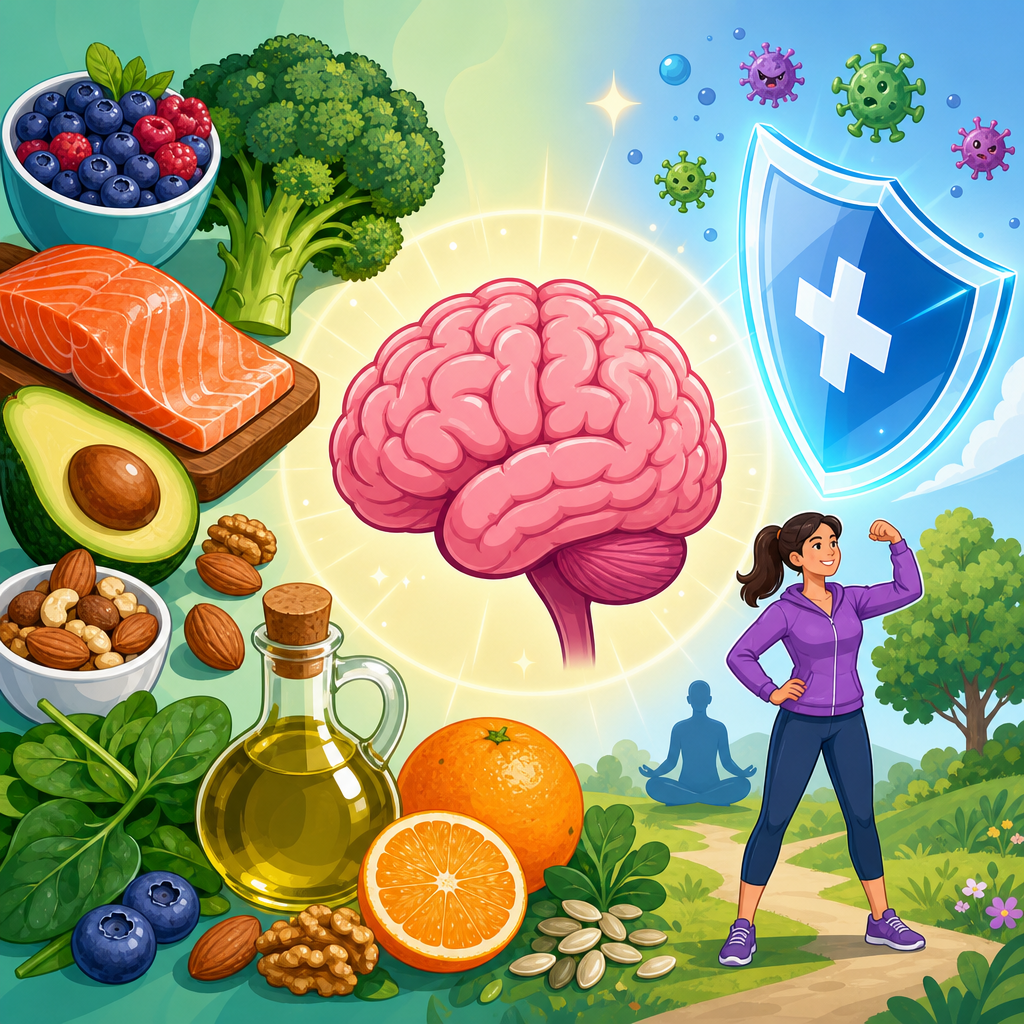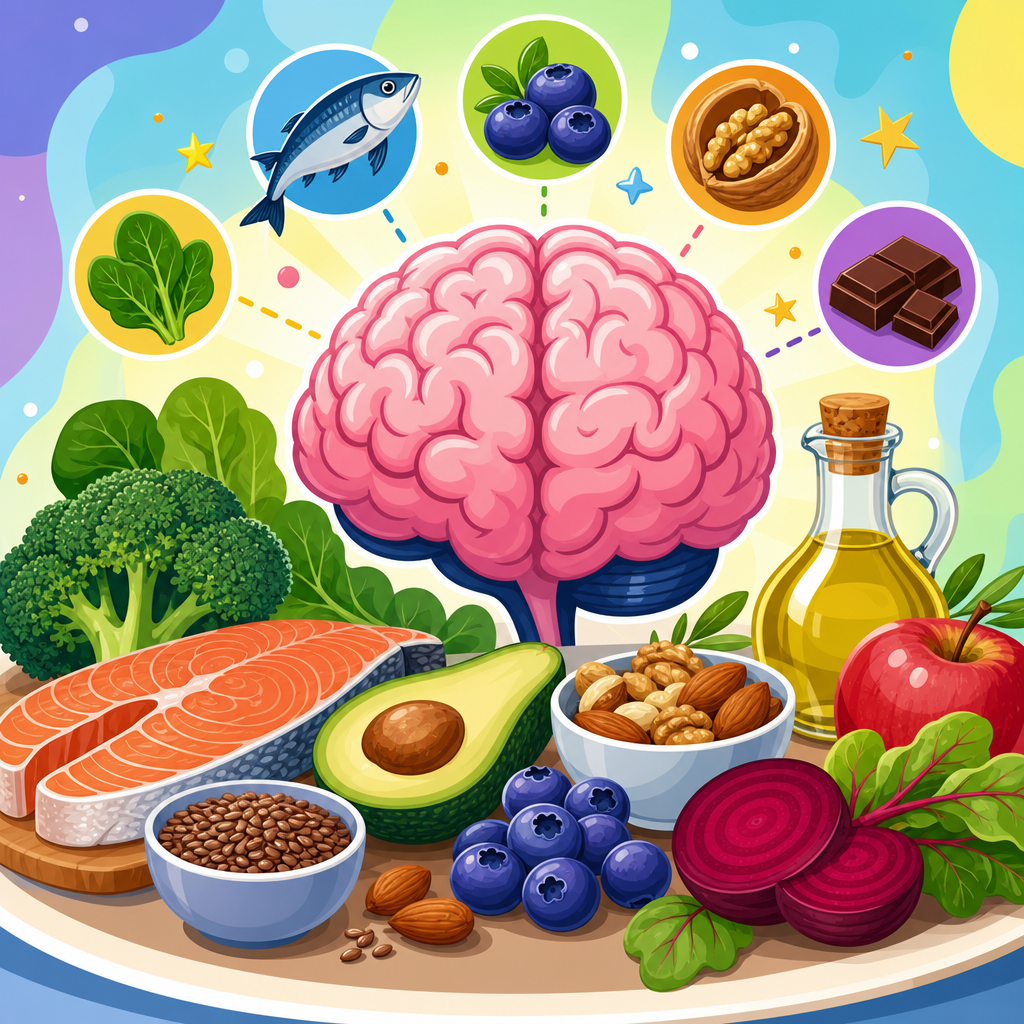
Brain-boosting foods for cognitive function shape how well the brain produces energy, builds neurotransmitters, protects neurons, and manages inflammation across the lifespan. In practical terms, these are foods and dietary patterns linked with memory, attention, processing speed, mood regulation, and long-term brain health. I have worked with nutrition content for health audiences long enough to see the same pattern repeatedly: people look for a single miracle food, yet cognitive performance usually improves when several habits line up together. Food quality matters because the brain is metabolically demanding, using roughly 20 percent of the body’s energy while depending on a steady supply of fats, amino acids, vitamins, minerals, and phytonutrients. When that supply is poor, the effects can show up as brain fog, inconsistent focus, low mental stamina, or gradual decline over time.
The strongest evidence does not support exotic shortcuts. It supports familiar foods eaten consistently: fatty fish rich in omega-3s, berries loaded with polyphenols, leafy greens supplying folate and vitamin K, eggs providing choline, nuts and seeds delivering healthy fats and minerals, fermented foods that support the gut-brain axis, and minimally processed staples that help stabilize blood sugar. Cognitive function refers to mental processes such as learning, concentration, language, decision-making, recall, and executive control. Brain health is broader, including structural integrity, vascular function, sleep quality, and resilience against oxidative stress. The reason this topic matters is simple: what supports the brain today can influence work performance, school outcomes, mental sharpness in midlife, and risk of cognitive decline later on. This hub explains which foods matter most, why they work, how to use them, and where nutrition fits into the larger picture of cognitive wellness.
What makes a food good for the brain
A food supports cognitive function when it helps at least one of four major systems: energy delivery, cell structure, chemical signaling, or protection and repair. The brain prefers a stable fuel supply, so foods that help regulate blood glucose can support steady attention better than highly refined meals that spike and crash. Neurons are built in part from fats, especially docosahexaenoic acid, or DHA, an omega-3 fatty acid concentrated in brain tissue. Neurotransmitters such as acetylcholine, dopamine, serotonin, and GABA depend on raw materials from protein, vitamins, and minerals. Finally, the brain needs defense against oxidative stress and chronic inflammation, both of which are associated with aging and neurodegenerative disease.
That is why the best brain foods tend to be nutrient-dense rather than trendy. A serving of salmon does more than provide protein; it supplies DHA and eicosapentaenoic acid, or EPA, both linked with neuronal membrane fluidity and anti-inflammatory effects. Blueberries do more than add color; their anthocyanins have been studied for benefits related to blood flow and signaling pathways involved in memory. Spinach and kale contribute folate, lutein, and nitrates, which may support vascular health. Extra-virgin olive oil adds monounsaturated fats and polyphenols associated with healthier aging. These are not isolated claims. They fit established dietary patterns, especially the Mediterranean-style and MIND-style approaches, which repeatedly show associations with better cognitive outcomes in observational research and, in some cases, intervention studies.
Top brain-boosting foods and the nutrients behind them
Fatty fish remains one of the most evidence-backed choices for brain health. Salmon, sardines, trout, herring, and mackerel provide DHA and EPA, which are important for synaptic function and membrane structure. In practice, people who rarely eat seafood often benefit from building two fish meals into the week. For those who avoid fish, algae-based omega-3 products can help with DHA intake, though whole-food meals bring additional nutrients such as selenium, vitamin D, and high-quality protein. I generally point people toward simple preparations they will repeat, like baked salmon with olive oil and herbs or sardines on whole-grain toast with lemon.
Eggs deserve attention because they are among the richest common sources of choline, a nutrient involved in making acetylcholine, which is central to memory and learning. Egg yolks also provide lutein and vitamin B12. Leafy greens such as spinach, collards, Swiss chard, and kale supply folate, vitamin K, magnesium, and carotenoids. Berries contribute anthocyanins and other flavonoids, while walnuts offer alpha-linolenic acid, polyphenols, and a useful mix of fats. Pumpkin seeds add magnesium, zinc, and iron, all relevant to nerve signaling and oxygen transport. Fermented foods like yogurt, kefir, kimchi, and sauerkraut may help regulate the gut microbiome, which communicates with the brain through immune, hormonal, and neural pathways.
| Food | Key nutrients or compounds | Primary cognitive role | Simple way to use it |
|---|---|---|---|
| Salmon | DHA, EPA, vitamin D, selenium | Neuron structure, anti-inflammatory support | Roast with olive oil twice weekly |
| Blueberries | Anthocyanins, vitamin C, fiber | Oxidative defense, blood flow, memory support | Add to oats or yogurt |
| Spinach | Folate, lutein, vitamin K, magnesium | Vascular support, healthy aging | Use in omelets or salads |
| Eggs | Choline, B12, lutein, protein | Neurotransmitter production | Pair with whole-grain toast |
| Walnuts | ALA, polyphenols, vitamin E | Membrane support, antioxidant effects | Snack or add to grain bowls |
| Yogurt | Probiotics, protein, calcium | Gut-brain signaling, satiety | Choose unsweetened at breakfast |
How blood sugar, circulation, and inflammation affect mental performance
Many people associate brain-boosting foods with vitamins alone, but day-to-day cognitive performance often depends just as much on blood sugar regulation and circulation. Meals built around refined grains, sugary drinks, and low fiber can produce rapid glucose swings. The short-term result may be an initial burst of energy followed by fatigue, irritability, and poor concentration. Balanced meals that include protein, fiber, and healthy fats slow digestion and support more stable energy delivery to the brain. That is why oatmeal with walnuts and berries tends to sustain focus better than a pastry and sweet coffee.
Circulation matters because the brain relies on a constant supply of oxygen and nutrients. Foods associated with cardiovascular health often support cognitive health for the same reason. Olive oil, legumes, leafy greens, beets, nuts, and fish can all fit into a dietary pattern that benefits blood vessels. Chronic inflammation is another major factor. Diets high in ultra-processed foods, trans fats, and excess added sugar are associated with inflammatory burden, while diets rich in polyphenols, omega-3s, and unsaturated fats tend to be more protective. The lesson is straightforward: if a diet harms metabolic and vascular health, it usually harms the brain as well.
The gut-brain connection and why digestion influences focus
The gut-brain axis is no longer a fringe idea. It describes the two-way communication between the digestive system and the central nervous system through the vagus nerve, immune signaling, hormones, and microbial metabolites such as short-chain fatty acids. In plain language, what happens in the gut can affect mood, stress response, and mental clarity. This does not mean every digestive symptom causes cognitive problems, but it does explain why dietary patterns that support microbial diversity may influence how people feel and think.
Fiber is foundational here. Beans, lentils, oats, vegetables, fruit, nuts, and seeds feed beneficial microbes and help generate compounds that support gut barrier function and lower inflammation. Fermented foods may add live cultures, although results vary by product and strain. In real meals, a bowl of plain yogurt with berries and chia seeds or a lunch with lentils, greens, and sauerkraut can do more for the gut-brain axis than an expensive supplement with vague claims. People with irritable bowel symptoms, food intolerances, or major dietary restrictions may need more tailored guidance, because tolerance matters. A “healthy” food that worsens symptoms can backfire by reducing intake and increasing stress around eating.
Best eating patterns for memory and long-term brain health
When researchers look at cognition over years, dietary patterns outperform single foods. The Mediterranean-style pattern emphasizes vegetables, legumes, fruit, whole grains, nuts, seeds, olive oil, herbs, seafood, and moderate dairy, with less red meat and fewer ultra-processed foods. The MIND approach narrows that lens further toward foods most associated with neuroprotection, especially berries and leafy greens. Neither pattern requires perfection, and neither depends on expensive products. What matters is the repeated combination of plants, healthy fats, adequate protein, and limited highly processed calories.
For working adults, students, and older adults, consistency beats intensity. A breakfast of eggs, spinach, and whole-grain toast, a lunch built around beans or fish, and a dinner that includes vegetables, olive oil, and a whole grain creates a reliable base for brain function. Hydration also matters more than many people expect. Even mild dehydration can impair attention and headache threshold in some individuals. Coffee and tea can support alertness because caffeine blocks adenosine receptors, while tea also contributes compounds such as L-theanine that may smooth stimulation. The limit is context: too much caffeine, especially late in the day, can impair sleep, and poor sleep quickly erodes the cognitive benefits of a good diet.
Common mistakes, limitations, and how to build a realistic plan
The most common mistake is expecting one food to compensate for an overall poor pattern. No amount of blueberries will undo chronic sleep loss, heavy alcohol use, or a diet dominated by fried fast food. Another mistake is ignoring nutrient gaps. Strictly plant-based eaters should pay close attention to vitamin B12, iron, iodine, zinc, and omega-3 sources. Older adults may need to watch protein intake and absorption issues. People using anticoagulants should not abruptly change vitamin K intake without medical guidance. These are practical considerations, not reasons to avoid healthy eating.
It is also important to stay honest about the evidence. Nutrition can support cognitive function, but it is not a guaranteed treatment for dementia, depression, ADHD, or concussion. If memory changes are sudden, severe, or progressive, medical evaluation comes first. A realistic plan starts with five steps: eat fish or another omega-3 source regularly, add leafy greens most days, choose berries and nuts for snacks, replace some refined foods with high-fiber staples, and protect sleep with reasonable caffeine timing. Start where adherence is highest. Small changes repeated for months outperform ambitious plans abandoned after two weeks.
Brain-boosting foods for cognitive function work best when they are part of an everyday system, not a short-term challenge. The core takeaway from this hub is clear: the brain thrives on stable energy, healthy fats, micronutrient density, strong circulation, and lower inflammatory load. That is why the most useful foods are not gimmicks but staples you can recognize at a grocery store: fish, eggs, leafy greens, berries, legumes, nuts, seeds, yogurt, olive oil, and whole grains. Together, they support memory, focus, mood, and long-term cognitive resilience more reliably than any single supplement or “superfood” claim.
If you want better mental performance, begin with the foods you eat repeatedly each week. Build one brain-friendly breakfast, one dependable lunch, and two easy dinners around the ingredients covered here. Then expand from there. This article serves as the central guide for the wider brain nutrition topic, so use it as your starting point for deeper reading on omega-3s, the gut-brain axis, blood sugar balance, and protective dietary patterns. Make your next grocery list with cognitive health in mind, and give your brain the consistent nutritional support it needs to perform well now and age better later.
Frequently Asked Questions
What exactly are brain-boosting foods, and do they really improve cognitive function?
Brain-boosting foods are foods and overall eating patterns that provide the raw materials the brain needs to function efficiently. That includes nutrients involved in energy production, blood flow, neurotransmitter synthesis, cell membrane integrity, antioxidant defense, and inflammation control. In simple terms, these foods help support how the brain powers itself, communicates between cells, and protects those cells over time. They are commonly associated with areas such as memory, focus, processing speed, mood balance, and long-term cognitive resilience.
Yes, they can make a meaningful difference, but not in the “instant genius” way many people hope for. The brain is metabolically active and depends heavily on a steady supply of nutrients from the diet. Foods rich in omega-3 fats, polyphenols, B vitamins, choline, magnesium, zinc, and antioxidants are often linked with better cognitive performance and healthier brain aging. Examples include fatty fish, berries, leafy greens, eggs, nuts, seeds, beans, olive oil, and minimally processed whole grains.
The most important point is that no single food overrides the rest of a person’s lifestyle. Cognitive function is shaped by the total pattern: regular meals, good hydration, stable blood sugar, adequate protein, healthy fats, sleep, movement, and stress management. Brain-supportive foods work best as part of a consistent routine, not as a one-time fix. Over time, this broader pattern helps support attention, mental stamina, and protection against the chronic inflammation and oxidative stress that can affect the brain across the lifespan.
Which foods are most strongly linked with better memory, focus, and overall brain health?
Several food groups stand out repeatedly in research and in practical nutrition guidance. Fatty fish such as salmon, sardines, trout, and mackerel are often at the top of the list because they provide omega-3 fatty acids, especially DHA, which is a major structural component of brain cell membranes. These fats help support communication between brain cells and may play a role in learning, memory, and mood regulation.
Berries are another strong choice because they are rich in polyphenols and antioxidants that help reduce oxidative stress and support healthy blood flow. Blueberries, strawberries, blackberries, and raspberries are especially popular in discussions about cognitive health. Leafy greens such as spinach, kale, collards, and arugula also deserve attention because they provide folate, vitamin K, carotenoids, and other compounds associated with healthier aging brains.
Eggs are valuable because they contain choline, a nutrient involved in producing acetylcholine, a neurotransmitter tied to memory and learning. Nuts and seeds, including walnuts, pumpkin seeds, flaxseeds, chia seeds, and almonds, contribute healthy fats, vitamin E, magnesium, and other nutrients that support the nervous system. Beans and lentils provide steady carbohydrates, fiber, and minerals that help with sustained energy and blood sugar stability, which matters for concentration and mental endurance.
Extra-virgin olive oil, avocados, whole grains, fermented foods, and colorful vegetables also fit into a brain-supportive dietary pattern. Rather than hunting for one “best” food, it is more useful to think in layers: healthy fats for cell structure, antioxidant-rich plants for protection, protein-rich foods for neurotransmitter building blocks, and fiber-rich carbohydrates for stable energy. That combination is what tends to support better daily cognitive performance and long-term brain health.
Is there really one miracle food for the brain, or does the overall diet matter more?
The overall diet matters far more than any single food. This is one of the biggest misunderstandings in nutrition. People often want one standout ingredient that will transform memory or concentration on its own, but the brain does not work that way. It depends on a constant supply of different nutrients that perform different jobs. One food may contribute omega-3 fats, another may provide antioxidants, another may offer choline, and another may help keep blood sugar steady. Brain function improves when those needs are met together and consistently.
For that reason, dietary patterns such as Mediterranean-style eating and similar whole-food approaches are often discussed in connection with cognitive health. These patterns tend to emphasize fish, legumes, vegetables, fruits, olive oil, nuts, seeds, and whole grains while limiting ultra-processed foods, excessive added sugar, and trans fats. That kind of pattern supports circulation, helps control inflammation, and delivers a broader spectrum of nutrients than any isolated “superfood” ever could.
This also helps explain why someone may add blueberries or salmon to their routine and still not feel dramatically different if the rest of the diet is highly processed, irregular, or lacking in protein, fiber, and hydration. Brain-supportive eating is cumulative. It is built meal by meal, day after day. The practical takeaway is simple: include a variety of nutrient-dense foods regularly instead of chasing a single miracle item. Consistency and balance are what give the brain the best nutritional environment to perform and stay healthy over time.
How do brain-boosting foods affect mood, energy, and mental clarity in everyday life?
Brain-boosting foods influence everyday mental performance by supporting several systems at once. First, they help the brain produce energy. The brain uses a large share of the body’s available energy, so meals that provide steady fuel can make a noticeable difference in concentration and alertness. Whole grains, beans, lentils, fruit, and vegetables paired with protein and healthy fats tend to support more stable blood sugar than meals dominated by refined carbohydrates and sugary snacks. That stability can reduce energy crashes, irritability, and brain fog.
Second, these foods provide the building blocks for neurotransmitters, the chemical messengers involved in mood, motivation, focus, and sleep. Protein-rich foods supply amino acids needed for neurotransmitter production, while nutrients such as B vitamins, iron, magnesium, zinc, and choline help the underlying processes work properly. If the diet is chronically low in these nutrients, mental fatigue and reduced clarity may become more noticeable.
Third, many brain-supportive foods help regulate inflammation and oxidative stress, both of which can affect how sharp and balanced a person feels. Foods rich in omega-3 fats, polyphenols, and antioxidants may help protect neurons and support healthier blood vessels, improving circulation to the brain. Good hydration matters too, because even mild dehydration can affect attention, mood, and short-term memory.
In real life, this means people often feel better mentally when they stop skipping meals, eat enough protein, include healthy fats, increase colorful plant foods, and reduce heavily processed foods that lead to spikes and crashes. The effect is usually not dramatic overnight, but it is often noticeable over time as more stable energy, better focus during the day, and fewer periods of mental sluggishness.
What is the best practical way to add more brain-healthy foods to a normal routine?
The best approach is to make brain-healthy eating simple, repeatable, and realistic. Start by building meals around four essentials: a source of protein, a source of fiber-rich carbohydrates, a source of healthy fat, and at least one colorful plant food. That structure helps cover the key needs of the brain without turning every meal into a complicated nutrition project. For breakfast, that might mean eggs with greens and whole-grain toast, or Greek yogurt with berries, walnuts, and seeds. For lunch, it could be a grain bowl with beans or salmon, vegetables, and olive oil. For dinner, think fish or lentils, roasted vegetables, and a whole grain or starchy vegetable.
Smart snacks can also support cognitive function, especially during long work or school days. Good options include fruit with nuts, hummus with vegetables, cottage cheese, trail mix with pumpkin seeds, or whole-grain crackers with nut butter. These combinations are more helpful for mental stamina than sugary snacks that offer quick energy followed by a crash.
It also helps to think in terms of weekly habits rather than perfect daily performance. Aim to eat fatty fish a couple of times per week, include leafy greens and berries regularly, use olive oil more often, and rotate in nuts, seeds, beans, and eggs. If someone does not eat fish, plant sources such as flaxseeds, chia seeds, walnuts, and algae-based omega-3 supplements may be worth discussing with a qualified healthcare professional.
Finally, remember that food works in context. A brain-supportive routine is strongest when paired with regular sleep, movement, stress management, and hydration. The goal is not to create a flawless diet but to create a consistent pattern that gives the brain what it needs most of the time. That is the approach most likely to support better cognitive performance now and healthier brain function in the years ahead.