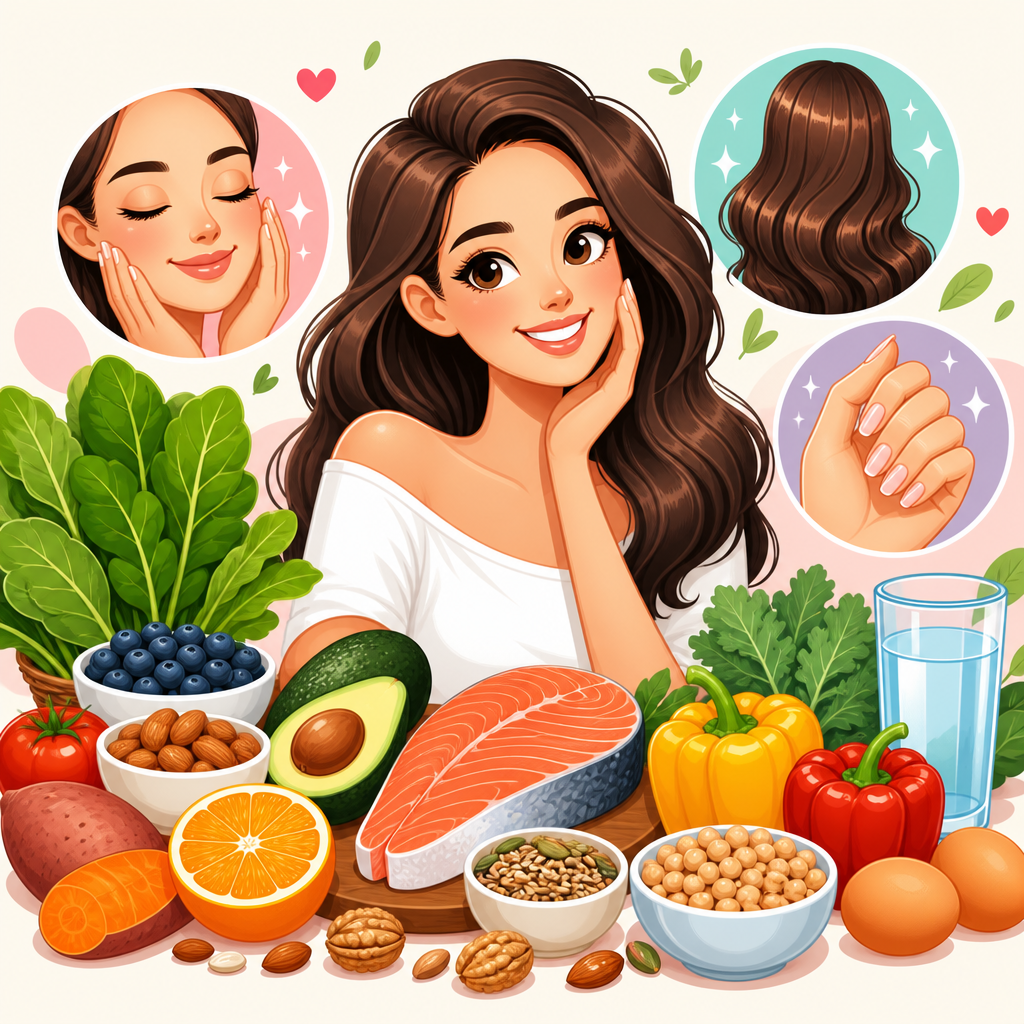
Foods for skin, hair, and nail health do far more than support appearance; they supply the raw materials your body uses to build collagen, keratin, cell membranes, and antioxidant defenses every day. When people ask what to eat for glowing skin, stronger nails, or healthier hair growth, the most accurate answer is that beauty nutrition starts with overall dietary adequacy, not a single miracle food. Skin is the body’s largest organ, hair is largely made of the structural protein keratin, and nails reflect both protein status and micronutrient intake over time. In practice, I have seen the biggest improvements come from correcting common gaps: too little protein, too few omega-3 fats, low iron, inconsistent vitamin C intake, and diets built around ultra-processed foods. A complete guide therefore has to connect nutrients to specific foods, explain what those nutrients actually do, and show how to build meals that support visible results. This matters because dry skin, brittle nails, excess shedding, and slow repair often have nutritional contributors, even when genetics, hormones, stress, and medical conditions also play a role. The goal is not perfection. The goal is giving your body the consistent dietary inputs it needs to maintain resilient skin, strong hair fibers, and durable nails.
How nutrition affects skin, hair, and nails
Skin, hair, and nails are metabolically active tissues that depend on steady nutrient delivery through the bloodstream. Protein provides amino acids for keratin and collagen synthesis. Essential fats help maintain the skin barrier, reducing transepidermal water loss and supporting softness and flexibility. Vitamins and minerals serve as cofactors in everything from wound healing to pigment production. If intake is poor, the body prioritizes vital organs over cosmetic tissues, which is why hair thinning or brittle nails can appear after periods of restrictive eating, illness, or chronic stress.
Collagen deserves special attention because it gives skin structure and contributes to elasticity. Your body makes collagen from amino acids, especially glycine, proline, and hydroxyproline, but that process also requires vitamin C, iron, zinc, and copper. Keratin, the main structural component of hair and nails, depends heavily on adequate protein and sulfur-containing amino acids such as cysteine and methionine. This is one reason eggs, dairy, fish, legumes, and lean meats appear so often in evidence-based discussions of foods for skin, hair, and nail health.
Hydration also matters, but the common advice to simply drink more water is incomplete. Water supports circulation and skin function, yet skin hydration is influenced more strongly by an intact barrier made from fats, ceramides, and healthy skin cells. In other words, hydration works best when paired with adequate dietary fats and nutrient-dense foods. That is why someone can drink a large amount of water and still have dry, irritated skin if their overall diet is poor.
Best nutrients and foods for skin health
The best foods for skin health consistently deliver vitamin C, vitamin E, carotenoids, polyphenols, protein, and healthy fats. Vitamin C is essential for collagen synthesis and is found in citrus, kiwi, strawberries, bell peppers, broccoli, and tomatoes. Bell peppers are especially useful because they are rich in vitamin C and low in calories, making them easy to add to lunches and dinners. Carotenoids such as beta-carotene, lutein, and lycopene help protect skin from oxidative stress. Sweet potatoes, carrots, spinach, kale, and cooked tomatoes are practical choices. Lycopene from tomatoes becomes more available when tomatoes are cooked with oil, which makes tomato sauce with olive oil a smart food combination.
Vitamin E helps protect cell membranes from oxidative damage and is abundant in almonds, sunflower seeds, hazelnuts, avocado, and wheat germ. Polyphenol-rich foods such as berries, cocoa, green tea, and extra virgin olive oil may also help reduce oxidative stress that contributes to visible aging. In clinic-style nutrition work, I often emphasize olive oil because it supports skin through multiple mechanisms: monounsaturated fats, polyphenols, and improved palatability of vegetable-rich meals.
Fatty fish such as salmon, sardines, trout, and mackerel are among the strongest foods for healthy skin because they provide omega-3 fatty acids EPA and DHA. These fats support membrane fluidity and can help modulate inflammatory processes that influence redness and dryness. Eggs also deserve mention because they contribute protein, selenium, iodine, vitamin A, and biotin in one affordable package. For plant-forward eaters, walnuts, chia seeds, flaxseeds, soy foods, pumpkin seeds, and edamame contribute supportive nutrients, though conversion of plant omega-3 ALA into EPA and DHA is limited.
Best nutrients and foods for hair growth and strength
When people search for foods for hair growth, they usually want faster growth, less breakage, and reduced shedding. The first nutritional checkpoint is total protein intake. Hair shafts are made primarily of keratin, so chronically low protein intake can shift more follicles into the resting phase. Good protein sources include Greek yogurt, cottage cheese, eggs, chicken, fish, tofu, tempeh, lentils, beans, and lean beef. Distributing protein across meals works better than concentrating it all at dinner because your body uses amino acids continuously.
Iron is another major factor in hair health, particularly in menstruating women, endurance athletes, people with heavy training loads, and anyone following a restrictive diet. Low iron status can contribute to diffuse shedding. Heme iron from beef, lamb, clams, mussels, and dark poultry meat is absorbed more efficiently than nonheme iron from lentils, beans, spinach, tofu, and fortified cereals. Pairing plant iron with vitamin C improves absorption, so lentil soup with tomatoes or tofu stir-fry with broccoli and bell peppers is more effective than eating those iron sources alone.
Zinc supports protein synthesis and follicle function, while selenium and iodine help maintain normal thyroid hormone production, which indirectly affects hair growth. Oysters, beef, pumpkin seeds, yogurt, eggs, and chickpeas provide zinc. Brazil nuts supply selenium, but portion size matters because they are extremely concentrated; one or two nuts can cover daily needs. Iodine comes from dairy, seafood, eggs, and iodized salt. People who avoid seafood and dairy sometimes miss iodine without realizing it.
Biotin is widely marketed for hair, but true deficiency is uncommon. Eggs, salmon, sweet potatoes, seeds, and legumes contain biotin, yet supplementation is often unnecessary unless a clinician identifies a need. More importantly, severe calorie restriction, rapid weight loss, and low ferritin are far more common reasons for hair shedding than inadequate biotin intake. That distinction matters because it prevents people from relying on one supplement while missing the larger dietary pattern.
Best nutrients and foods for strong nails
Strong nails depend on many of the same nutrients that support hair, especially protein, iron, zinc, and biotin, but nail concerns often point to long-term consistency rather than quick fixes. Nails grow slowly, so dietary changes can take months to show visible improvement. Brittle nails are commonly linked with repeated water exposure, harsh solvents, and low overall nutrient intake. From a food perspective, eggs, beans, lentils, fish, chicken, dairy, nuts, and seeds offer the combination of protein, minerals, and fats needed to build stronger nail plates.
Iron deficiency can show up in nails as thinning, brittleness, or spoon-shaped nails in more advanced cases. Zinc inadequacy may contribute to white spots or impaired growth, though trauma is a more common cause of isolated white marks. Magnesium supports general tissue health and is found in pumpkin seeds, almonds, black beans, spinach, and whole grains. Silica from oats, brown rice, bananas, and green beans is sometimes discussed in nail health circles, but the strongest evidence still favors overall dietary adequacy over chasing minor nutrients individually.
One practical lesson from working with clients is that nails respond well to dietary stability. A breakfast with eggs and fruit, a lunch built around beans or fish, and a dinner with lean protein, vegetables, and olive oil will outperform intermittent healthy eating surrounded by nutrient-poor snacks. Nails reflect habits over weeks and months, not isolated meals.
Top foods to prioritize in a beauty-supportive diet
A useful way to think about foods for skin, hair, and nail health is to choose staples that deliver multiple high-value nutrients at once. The table below highlights the foods I prioritize most often because they cover common nutritional gaps efficiently.
| Food | Key nutrients | Main benefit for skin, hair, and nails | Simple way to use it |
|---|---|---|---|
| Salmon or sardines | Protein, EPA, DHA, selenium, vitamin D | Supports skin barrier, helps manage inflammation, strengthens hair | Add to grain bowls, salads, or toast |
| Eggs | Protein, biotin, selenium, iodine, choline | Provides keratin-building nutrients for hair and nails | Eat at breakfast or hard-boil for snacks |
| Greek yogurt | Protein, riboflavin, iodine, calcium | Supports hair structure and overall tissue repair | Pair with berries and seeds |
| Bell peppers and kiwi | Vitamin C, antioxidants | Promotes collagen synthesis for skin | Use in salads or with yogurt bowls |
| Sweet potatoes and carrots | Beta-carotene | Supports skin cell turnover and antioxidant defense | Roast as a side dish |
| Beans and lentils | Protein, iron, zinc, folate | Helps reduce nutrient gaps linked to shedding and brittle nails | Use in soups, curries, and salads |
| Pumpkin seeds and almonds | Zinc, vitamin E, magnesium, healthy fats | Supports nails, protects skin membranes, adds mineral density | Sprinkle on oatmeal or salads |
| Extra virgin olive oil | Monounsaturated fats, polyphenols | Helps skin barrier function and increases vegetable intake | Use in dressings and low-heat cooking |
What weakens skin, hair, and nails
Knowing what to limit is as important as knowing what to eat. Diets high in ultra-processed foods tend to displace the protein, fiber, vitamins, and minerals needed for tissue maintenance. Very low-calorie diets, detoxes, and juice cleanses commonly trigger hair shedding several weeks later because follicles react to sudden energy and protein deficits. High alcohol intake can worsen dehydration and reduce overall diet quality. Excess added sugar does not directly cause wrinkles overnight, but a consistently poor dietary pattern increases oxidative stress and often crowds out produce, fish, legumes, and nuts.
Another hidden issue is under-eating healthy fats. I regularly see people trying to improve skin while avoiding oils, nuts, seeds, eggs, and fish. That approach often backfires because fats are necessary for the skin barrier and for absorbing fat-soluble vitamins such as A, D, E, and K. Similarly, over-supplementing can create problems. Too much selenium can cause hair loss and nail brittleness. Excess vitamin A from supplements can also contribute to hair shedding. Food-first strategies are safer and usually more effective.
How to build meals that support visible results
The simplest meal formula is protein plus colorful produce plus healthy fat at least twice daily. For breakfast, that could mean Greek yogurt with berries, kiwi, chia seeds, and walnuts, or eggs with spinach and whole-grain toast. For lunch, try salmon with quinoa, cucumber, tomatoes, and olive oil dressing, or a lentil bowl with roasted peppers, pumpkin seeds, and feta. For dinner, combine chicken or tofu with broccoli, carrots, brown rice, and avocado or sesame dressing. Snacks that contribute useful nutrients include cottage cheese with fruit, edamame, hummus with bell peppers, or sardines on crackers.
If your goal is practical consistency, focus on five weekly anchors: two servings of fatty fish, eggs several times per week, legumes at least three times per week, nuts or seeds most days, and vitamin C-rich produce daily. That pattern covers the majority of nutrients associated with skin, hair, and nail health without making eating complicated. It also fits most eating styles, including Mediterranean, omnivorous, and plant-forward approaches.
When food is not the whole answer
Nutrition is foundational, but it is not the only variable. Persistent acne, eczema, sudden hair loss, patchy shedding, ridged nails, or major texture changes can signal dermatologic, hormonal, thyroid, autoimmune, or gastrointestinal issues. Lab work may be appropriate in cases of unexplained shedding or suspected deficiency, especially for iron status, thyroid markers, vitamin D, zinc, and B12 depending on diet and symptoms. Medications, postpartum changes, menopause, chronic stress, and sleep loss can also affect appearance-related tissues substantially.
That is why the smartest approach is balanced: use foods for skin, hair, and nail health as a daily foundation, and seek medical guidance when symptoms are significant or new. Nutrition works best over time, and visible changes usually lag behind intake because skin turns over gradually, hair grows in cycles, and nails advance slowly from the matrix.
The most reliable foods for skin, hair, and nail health are not exotic powders or expensive gummies. They are ordinary nutrient-dense staples: fish, eggs, yogurt, beans, lentils, colorful fruits and vegetables, nuts, seeds, and olive oil. Together, these foods provide protein for keratin, vitamin C for collagen, iron and zinc for growth, omega-3 fats for barrier support, and antioxidants that help limit everyday oxidative stress. If you remember one principle, make it this: appearance-related tissues improve when your overall diet becomes more sufficient, more consistent, and less dependent on ultra-processed foods. Start with one upgrade this week, such as adding a protein-rich breakfast, including vitamin C-rich produce at lunch, or replacing a low-value snack with nuts and fruit. Those simple changes compound, and over time they support healthier skin, stronger hair, and more resilient nails.
Frequently Asked Questions
1. What are the most important foods for skin, hair, and nail health?
The most important foods for skin, hair, and nail health are nutrient-dense whole foods that provide enough protein, healthy fats, vitamins, minerals, and antioxidants on a consistent basis. Rather than relying on one “beauty food,” it helps to think in categories. Protein-rich foods such as eggs, Greek yogurt, fish, poultry, beans, lentils, tofu, and cottage cheese provide amino acids your body uses to build keratin and collagen-related structures. Fatty fish like salmon, sardines, and trout supply omega-3 fats that help support skin barrier function and may help reduce dryness and inflammation. Colorful fruits and vegetables such as berries, citrus, bell peppers, tomatoes, leafy greens, sweet potatoes, and carrots provide vitamin C, carotenoids, and polyphenols that help protect skin from oxidative stress and support collagen production.
Nuts and seeds, including almonds, walnuts, sunflower seeds, chia seeds, flaxseeds, and pumpkin seeds, add vitamin E, zinc, selenium, and healthy fats, all of which play valuable roles in scalp, skin, and nail health. Whole grains and legumes contribute B vitamins, iron, and steady energy intake, which matters because tissues like skin and hair rely on continuous nourishment. Avocados and olive oil provide monounsaturated fats that support cell membranes and help the body absorb fat-soluble nutrients. In short, the best foods for glowing skin, stronger nails, and healthier hair are part of an overall balanced diet that regularly includes protein, produce, healthy fats, and mineral-rich plant foods.
2. Can diet really improve hair growth, stronger nails, and clearer-looking skin?
Yes, diet can absolutely influence hair, nails, and skin, but it works through steady biological support rather than overnight cosmetic change. Your body is constantly building and repairing these tissues, and it depends on an adequate supply of nutrients to do that well. Hair is made primarily of keratin, nails are also keratin-based, and skin requires protein, fats, vitamins, water balance, and antioxidant protection to maintain strength and resilience. If your diet is low in protein, iron, zinc, essential fatty acids, or certain vitamins, the body may not prioritize appearance-related tissues, and signs such as brittle nails, dull-looking skin, or increased hair shedding can become more noticeable.
That said, food is not a magic cure for every skin or hair concern. Acne, eczema, psoriasis, hormonal hair loss, alopecia, and nail disorders can involve genetics, hormones, stress, medications, health conditions, or environmental factors. Nutrition is a major foundational piece, but it is only one part of the picture. A nourishing diet can improve the quality of the raw materials your body has available and can help reduce the risk of deficiency-related problems. The people most likely to notice meaningful improvement are those who move from a low-quality or restrictive diet toward a well-balanced eating pattern and give it enough time. In many cases, visible improvements take weeks to months because hair, nails, and skin renew gradually.
3. Which nutrients matter most for healthy skin, hair, and nails?
Several nutrients stand out because they directly support tissue structure, repair, and protection. Protein is at the top of the list because it supplies amino acids needed for keratin and other structural components throughout the body. Vitamin C is also essential because it helps the body make collagen and acts as an antioxidant; good sources include citrus fruits, strawberries, kiwi, broccoli, and bell peppers. Iron matters for oxygen transport and healthy cell function, and low iron intake or iron deficiency can contribute to hair shedding and fatigue. Iron-rich foods include red meat, lentils, beans, spinach, and fortified cereals, though plant-based iron is absorbed better when paired with vitamin C-rich foods.
Zinc supports wound healing, cell turnover, and normal hair and nail function. Biotin often gets attention in beauty discussions, but true biotin deficiency is relatively uncommon; still, eggs, nuts, seeds, legumes, and whole grains can help provide it as part of a balanced diet. Vitamin A supports skin renewal, though more is not always better, especially from supplements. Vitamin E helps protect cell membranes from oxidative damage. Omega-3 fatty acids support skin barrier health and may help with dryness and inflammation. Selenium, iodine, vitamin D, and B vitamins can also matter depending on the person’s dietary pattern and health status. The key takeaway is that healthy skin, hair, and nails depend on nutrient adequacy across the board, not megadoses of a single vitamin.
4. Are there any foods or eating habits that can negatively affect skin, hair, and nails?
Yes, certain dietary patterns can make it harder for the body to maintain strong, healthy-looking skin, hair, and nails. The biggest issue is often not one “bad food,” but a pattern of undernourishment or imbalance. Very low-calorie diets, highly restrictive eating plans, skipping meals regularly, and inadequate protein intake can all limit the nutrients available for tissue maintenance. Because the body prioritizes vital organs first, hair, nails, and skin may show signs of stress when overall nutrition is poor. This can include dryness, slower nail growth, brittle nails, increased hair shedding, or a tired, less vibrant complexion.
Diets high in ultra-processed foods and low in fruits, vegetables, legumes, seafood, nuts, and quality proteins may also reduce antioxidant intake and crowd out more nourishing foods. Some people find that large amounts of high-glycemic foods or sugary drinks worsen breakouts, though this varies. Heavy alcohol intake can contribute to dehydration and may affect nutrient absorption and inflammation. Inadequate intake of healthy fats may leave skin feeling drier. It is also important to be cautious with supplements marketed for hair, skin, and nails, since excess amounts of certain nutrients can be unhelpful or even harmful. Overall, the most damaging habit is inconsistency: when the diet routinely lacks enough energy, protein, and micronutrients, appearance-related tissues often reflect that over time.
5. How long does it take to see results from eating better for skin, hair, and nail health?
Results usually take time because skin, hair, and nails do not transform instantly. Skin cells turn over on an ongoing cycle, nails grow gradually, and hair growth occurs slowly over months rather than days. Some people notice small changes such as improved hydration, less dryness, or more stable energy within a few weeks of eating a more balanced diet. Stronger nails may take several weeks to a few months to become obvious because the nail has to grow out. Hair changes typically require more patience, especially if the concern is shedding, breakage, or slow growth. Because scalp hair grows relatively slowly, meaningful changes often become more noticeable after a few months of steady nutritional support.
The speed of improvement depends on what was missing before, how consistent the dietary changes are, and whether there are other contributing factors such as stress, illness, hormonal shifts, medications, or underlying deficiencies. If a person has been eating too little protein or is low in iron, zinc, or other key nutrients, correcting that can make a significant difference, but it still takes time for the body to rebuild. The most effective approach is to focus on long-term habits: regular meals, enough protein, plenty of colorful produce, healthy fats, adequate hydration, and medical evaluation when symptoms are persistent or severe. Think of beauty nutrition as a foundation-building process. When the diet consistently supports the body’s needs, healthier skin, hair, and nails often follow.