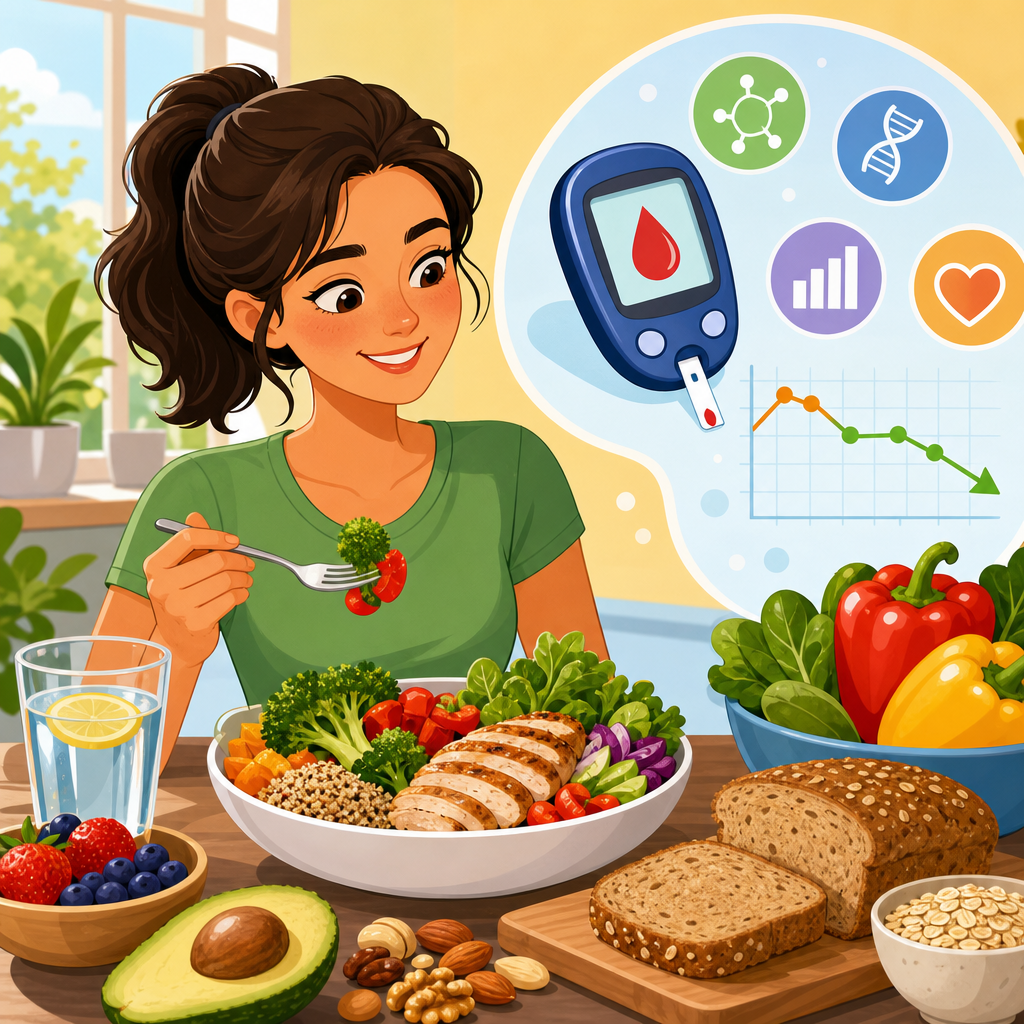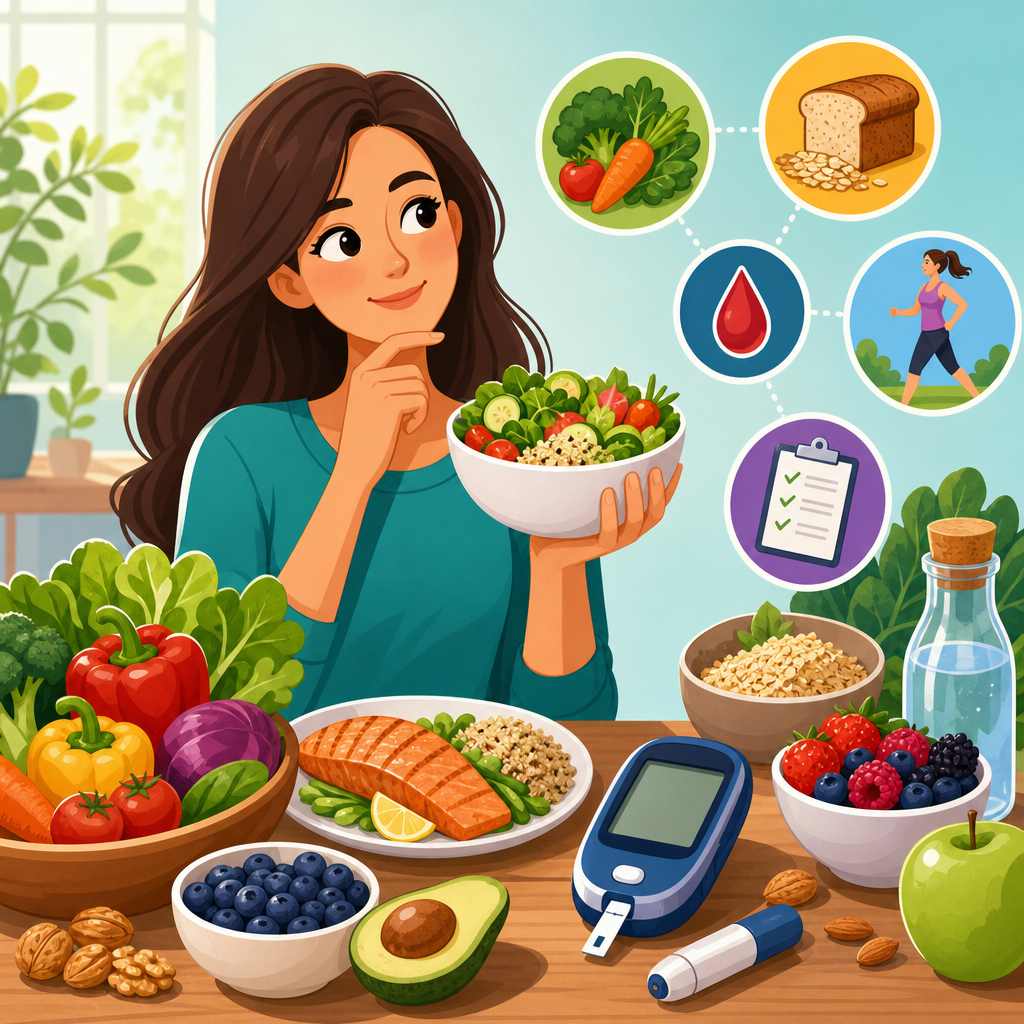
Managing blood sugar with diet is one of the most practical ways to improve energy, protect long-term health, and reduce the daily swings that affect mood, appetite, and focus. Blood sugar, or blood glucose, is the amount of glucose circulating in the bloodstream at any given time, and it rises after eating carbohydrates, falls between meals, and is regulated mainly by insulin, glucagon, the liver, muscles, and the digestive system. When people talk about blood sugar control, they often mean keeping glucose levels within a healthy range, limiting sharp spikes after meals, and improving the body’s ability to use insulin efficiently. I have worked with meal planning strategies for adults trying to lower A1C, prevent afternoon crashes, and build sustainable eating habits, and the pattern is consistent: the best diet approach is not extreme restriction, but informed food selection, meal structure, and repeatable routines. This matters because chronically elevated blood sugar increases the risk of type 2 diabetes, cardiovascular disease, kidney damage, nerve injury, and vision problems, while frequent highs and lows can make ordinary life feel unpredictable. It also matters for people without diabetes. Prediabetes affects millions of adults, and even in otherwise healthy people, highly processed diets can contribute to insulin resistance over time. The strongest sources of guidance come from established clinical organizations, registered dietitians, peer-reviewed nutrition research, and direct glucose data from validated tools. A useful hub article on managing blood sugar with diet should explain what to eat, why it works, how to apply it in real meals, and where readers should look next as they build a complete blood sugar strategy.
The first principle is simple: not all carbohydrates behave the same way in the body. A bowl of steel-cut oats, lentils, berries, and plain Greek yogurt produces a very different glucose response than sweetened cereal, toast made from refined flour, and juice, even when the total carbohydrate grams look similar on paper. That difference comes from fiber content, starch structure, food processing, protein, fat, portion size, and the speed at which the stomach empties. Another key term is glycemic index, which ranks carbohydrate-containing foods by how quickly they raise blood sugar compared with a reference food. Glycemic load goes a step further by accounting for portion size, which makes it more practical in meal planning. Yet numbers alone do not tell the full story. Two foods with similar glycemic index values may affect people differently depending on sleep, stress, activity, medication use, and what else is eaten at the same meal. For that reason, the best sources for managing blood sugar with diet combine general evidence with individual response. In practice, successful plans focus on whole foods, balanced plates, consistent eating patterns, and informed monitoring rather than chasing a perfect score for every ingredient.
What Makes a Nutrition Source Reliable for Blood Sugar Management
Choosing the best sources of managing blood sugar with diet starts with credibility. The most reliable information comes from organizations that publish evidence-based standards, including the American Diabetes Association, the Academy of Nutrition and Dietetics, the Centers for Disease Control and Prevention, the National Institute of Diabetes and Digestive and Kidney Diseases, and major endocrinology societies. These groups update recommendations as new evidence emerges and distinguish between prevention, prediabetes, type 1 diabetes, type 2 diabetes, and gestational diabetes. That distinction matters because a fasting strategy or carbohydrate target that works for one group may be inappropriate or unsafe for another. For practical meal guidance, registered dietitians who specialize in diabetes care are often the strongest source because they translate research into menus, shopping lists, and portion decisions that fit real schedules, budgets, and cultural food preferences.
Reliable sources also explain limitations. No single food “cures” blood sugar problems, cinnamon does not replace medication, and internet claims about detoxes or dramatic carb elimination are usually overstated. Good guidance references objective markers such as fasting glucose, post-meal glucose, A1C, triglycerides, body weight, waist circumference, and time in range if a continuous glucose monitor is used. It also names proven tools, including carbohydrate counting, the plate method, food logs, and CGM trend analysis. In my experience, the best educational resources answer direct questions people actually have: Which breakfast keeps me full? Can I still eat fruit? Do potatoes always spike glucose? How should I eat before exercise? A strong source gives a specific answer, explains the reasoning, and offers a realistic alternative rather than vague advice to “eat healthy.”
Core Dietary Principles That Improve Blood Sugar Stability
The most effective dietary pattern for blood sugar management is built on food quality and meal composition. Start with nonstarchy vegetables, high-fiber carbohydrates, adequate protein, and mostly unsaturated fats. Vegetables such as broccoli, spinach, peppers, cauliflower, zucchini, and green beans add volume and micronutrients with relatively little effect on blood sugar. High-fiber carbohydrate sources such as beans, lentils, intact whole grains, oats, berries, apples, and sweet potatoes digest more slowly than refined grains and sugary foods. Protein from fish, eggs, Greek yogurt, tofu, chicken, tempeh, cottage cheese, or legumes slows gastric emptying and helps reduce the speed of glucose rise after a meal. Fats from nuts, seeds, avocado, and olive oil support satiety and improve meal balance, though they should not be used as an excuse to oversize portions.
Meal structure matters as much as food selection. A common mistake is eating mostly carbohydrates at breakfast and then wondering why hunger returns quickly. Compare two meals: a bagel with jam and coffee versus eggs, sautéed vegetables, berries, and one slice of whole-grain toast. The second meal usually produces a flatter glucose curve because it includes protein, fiber, and a lower refined carbohydrate load. Portion awareness is critical too. Brown rice can fit into a blood sugar-friendly diet, but three cups at dinner may still push post-meal glucose higher than desired. Consistency also helps. Large swings between under-eating and overeating make regulation harder. Many adults do better with evenly spaced meals and optional protein-rich snacks when needed, especially if they are taking glucose-lowering medication.
Best Food Categories and How to Use Them in Daily Meals
People often ask for a simple list of the best foods for managing blood sugar with diet. The most useful answer is to think in categories rather than single “superfoods.” Legumes are among the strongest staples because they provide fiber, resistant starch, plant protein, magnesium, and slow digestion. Lentil soup, chickpea salad, and black beans added to tacos are practical examples. Intact grains such as steel-cut oats, barley, quinoa, and farro usually outperform ultra-processed grain products because they digest more gradually. Nuts and seeds help with satiety and can soften the glucose impact of a snack; pairing an apple with peanut butter is usually more stable than eating crackers alone. Fermented dairy products such as plain Greek yogurt or kefir can work well for many people because they combine protein with relatively modest carbohydrate amounts, depending on the brand.
Fruit deserves clarification because it is frequently misunderstood. Whole fruit is generally compatible with blood sugar management, especially berries, citrus, kiwi, apples, and pears, which provide fiber and beneficial phytonutrients. The issue is usually portion size and form. Drinking fruit juice removes much of the fiber and delivers sugar rapidly, while eating an orange or berries with yogurt produces a slower response. Starchy foods are not automatically off-limits either. Potatoes, rice, pasta, and bread can fit when portions are deliberate and the meal includes protein, vegetables, and fat. Cooking and cooling some starches may modestly increase resistant starch, which can slightly improve the glycemic effect, though the benefit is not large enough to override oversized portions or heavily processed meals.
| Food category | Better blood sugar choice | Less helpful choice | Why it matters |
|---|---|---|---|
| Breakfast grains | Steel-cut oats | Sugary instant cereal | More fiber and slower digestion |
| Fruit | Whole berries | Fruit juice | Fiber lowers absorption speed |
| Protein snack | Greek yogurt | Sweet granola bar | Higher protein, lower sugar load |
| Starches | Beans or lentils | Refined white bread | Fiber and protein reduce spikes |
| Fats | Olive oil and nuts | Fried packaged snacks | Better overall cardiometabolic profile |
Meal Timing, Patterns, and the Role of Personalized Monitoring
When managing blood sugar with diet, timing influences results. Skipping meals can lead to overeating later, while frequent grazing on refined snacks can keep glucose elevated for much of the day. Many people do well with three balanced meals and one planned snack if needed, but there is no universal schedule. The key is reducing chaotic intake and matching carbohydrates with protein, fiber, and activity. Evening eating deserves attention because late, heavy meals are often linked with higher overnight and next-morning glucose, especially when they are rich in refined starches, alcohol, or dessert. A dinner built around salmon, roasted vegetables, and a moderate serving of quinoa generally performs better than takeout pizza followed by ice cream.
Personalized monitoring makes general advice far more useful. A home glucose meter can show fasting trends and post-meal changes, while a continuous glucose monitor reveals patterns that many people would otherwise miss. I have seen clients assume oatmeal was always ideal, only to learn that their sweetened packet oats caused a sharp rise while plain oats with chia seeds and eggs were much steadier. Others discovered that stress, poor sleep, or sedentary days raised glucose more than expected despite eating the same lunch. Monitoring should not become obsessive, but it can answer practical questions quickly. Check a meal, review the pattern, and adjust one variable at a time: portion size, carbohydrate source, protein amount, walking after meals, or dinner timing.
Special Considerations, Common Mistakes, and Building a Sustainable Plan
Different health conditions require different levels of caution. People taking insulin or sulfonylureas need to think not only about high blood sugar but also about hypoglycemia, which can occur if meals are delayed, carbohydrate intake is too low, or exercise is added without planning. People with kidney disease may need tailored protein, sodium, potassium, or phosphorus guidance. During pregnancy, blood sugar targets are often tighter, and meal composition becomes especially important. This is why the best sources of managing blood sugar with diet do not rely on one-size-fits-all rules. They use evidence, but they also account for medications, lab results, culture, schedule, appetite, and health history.
Several common mistakes interfere with progress. One is focusing only on sugar while ignoring refined starches; white bread, crackers, and many cereals can raise glucose as quickly as sweets. Another is choosing foods marketed as “diabetic-friendly” that are still highly processed or expensive without offering a meaningful nutritional advantage. Liquid calories are another major problem. Regular soda, sweet coffee drinks, energy drinks, and large smoothies can deliver a heavy glucose load without much fullness. Finally, people often underestimate the benefit of routine. Repeating a short list of reliable breakfasts, lunches, and snacks is not boring when it prevents decision fatigue and produces better lab results. A sustainable plan usually includes a few anchor meals, a grocery template, a restaurant strategy, and a method for course correction after holidays, travel, or stressful weeks.
Choosing the best sources of managing blood sugar with diet ultimately means choosing guidance that is evidence-based, specific, practical, and personal enough to use consistently. The strongest information comes from established medical organizations, qualified dietitians, validated glucose data, and meal patterns grounded in whole foods rather than internet trends. Across prevention and treatment, the essentials remain remarkably consistent: prioritize fiber-rich carbohydrates, include protein at meals, use healthy fats, watch portions, limit sugary drinks, and pay attention to timing and individual response. Those actions help flatten glucose spikes, improve satiety, support weight management, and lower the strain that chronically elevated blood sugar places on the heart, kidneys, nerves, and eyes.
This hub page should serve as the foundation for every deeper topic in managing blood sugar with diet, from breakfast planning and smart snacking to restaurant eating, carbohydrate counting, and using glucose monitors effectively. If readers remember one point, it should be this: blood sugar control is not about perfection or fear of food; it is about building meals that work predictably in the body and repeating those choices often enough to see measurable change. Start with one meal this week, improve its balance, monitor how you feel, and build from there.
Frequently Asked Questions
1. What are the best dietary sources and foods to focus on for managing blood sugar effectively?
The best sources of nutrition for managing blood sugar are foods that help slow digestion, improve satiety, and reduce sharp rises and falls in glucose levels. In practical terms, that usually means prioritizing high-fiber carbohydrates, lean proteins, healthy fats, and minimally processed foods. Excellent carbohydrate choices include non-starchy vegetables, beans, lentils, chickpeas, oats, barley, quinoa, berries, apples, pears, and sweet potatoes in sensible portions. These foods tend to digest more gradually than refined carbohydrates and often provide vitamins, minerals, and antioxidants that support metabolic health overall.
Protein also plays an important role in blood sugar balance because it can help reduce the speed at which a meal affects glucose. Good choices include fish, eggs, Greek yogurt, cottage cheese, tofu, tempeh, chicken, turkey, and legumes. Healthy fats from foods such as avocado, nuts, seeds, olives, and olive oil can further improve satisfaction and help create more balanced meals. A useful rule of thumb is to build meals around a combination of fiber, protein, and fat rather than eating carbohydrates on their own. For example, pairing fruit with nuts, oatmeal with chia seeds and yogurt, or brown rice with salmon and vegetables generally supports steadier blood sugar than eating a refined carb-heavy meal by itself.
It is also wise to limit foods that are quickly digested and more likely to cause dramatic glucose spikes, such as sugary drinks, candy, pastries, white bread, highly refined cereals, and oversized portions of chips or crackers. That does not mean every carbohydrate is “bad,” but the source, amount, and what you eat with it all matter. The most effective diet for blood sugar management is usually not extreme or restrictive. It is consistent, balanced, rich in whole foods, and realistic enough to maintain over the long term.
2. How do carbohydrates affect blood sugar, and does managing blood sugar mean avoiding carbs altogether?
Carbohydrates have the most immediate effect on blood sugar because they are broken down into glucose during digestion. Once glucose enters the bloodstream, the body responds by releasing insulin, which helps move that glucose into cells for energy or storage. However, not all carbohydrates affect the body the same way. Refined carbohydrates and foods with added sugars are typically absorbed quickly, which can lead to faster and higher rises in blood sugar. In contrast, carbohydrates that come with fiber, water, and a more intact food structure tend to be digested more slowly and usually have a gentler effect on glucose levels.
Managing blood sugar does not require eliminating carbohydrates altogether. In fact, many nutrient-dense carbohydrate foods can be part of a healthy eating pattern. The goal is usually to choose better-quality carbs, be mindful of portion sizes, and combine them strategically with protein, fat, and fiber. For instance, eating an apple with peanut butter will generally affect blood sugar differently than drinking apple juice alone. Similarly, steel-cut oats with walnuts and cinnamon are often a better choice than sweetened instant oatmeal made with little protein or fat.
For most people, a more useful approach than “cutting carbs” is learning which carb sources support stable energy and which lead to crashes, cravings, or hunger soon after eating. Paying attention to meal composition, timing, and portion size can make a major difference. This approach is usually more sustainable and healthier than avoiding an entire macronutrient, especially since many carbohydrate-containing foods also provide fiber, B vitamins, potassium, and other nutrients essential for optimal health.
3. What does a blood sugar-friendly meal actually look like in everyday life?
A blood sugar-friendly meal is typically balanced, satisfying, and built to slow the release of glucose into the bloodstream. A simple framework is to include a source of non-starchy vegetables, a source of protein, a moderate portion of high-quality carbohydrates, and some healthy fat. This combination helps support more even digestion and can reduce the sharp spikes and dips that often lead to fatigue, irritability, or increased appetite later in the day. It is less about perfection and more about structure and consistency.
For breakfast, this might look like eggs with sautéed vegetables and a slice of whole-grain toast, or plain Greek yogurt topped with berries, chia seeds, and a small handful of nuts. For lunch, a grain bowl with quinoa, grilled chicken, roasted vegetables, olive oil, and beans can work very well. For dinner, an example could be baked salmon, a serving of brown rice or sweet potato, and a large portion of broccoli or a mixed salad. Snacks can follow the same principle: pair a carbohydrate with protein or fat, such as carrots with hummus, apple slices with almond butter, or cottage cheese with berries.
Portion awareness matters too, especially with starches and packaged foods that are easy to overeat. Even healthy foods can affect blood sugar more strongly when portions become too large. Many people find success using the plate method, where half the plate is non-starchy vegetables, one quarter is protein, and one quarter is a smart carbohydrate source. This keeps meals practical and visually easy to manage. Over time, habits like eating regular meals, avoiding long gaps that lead to overeating, and reducing heavily processed foods can have a meaningful impact on blood sugar control and overall well-being.
4. Are there specific eating habits, meal timing strategies, or food pairings that help keep blood sugar more stable?
Yes, several everyday eating habits can help keep blood sugar steadier. One of the most effective is eating meals at fairly regular intervals rather than skipping meals and then eating a very large amount later. Long gaps without eating can increase hunger, which often leads to overeating or choosing quick, sugary foods that cause larger glucose swings. Regular meal timing can help support consistent energy, appetite control, and better food decisions throughout the day.
Food pairing is another powerful strategy. Combining carbohydrates with protein, healthy fat, and fiber tends to slow digestion and blunt rapid blood sugar spikes. For example, toast alone is likely to raise blood sugar faster than toast with eggs and avocado. Rice by itself may have a different effect than rice eaten with chicken, vegetables, and olive oil. Starting a meal with vegetables or protein may also help some people moderate their glucose response compared with eating refined carbohydrates first. These are simple but practical adjustments that can improve blood sugar management without making meals feel overly restrictive.
Other helpful habits include choosing whole fruit instead of fruit juice, drinking water instead of sugary beverages, and being cautious with ultra-processed snack foods marketed as “healthy.” Reading ingredient lists and nutrition labels can reveal added sugars and refined starches that may work against stable glucose. Some people also benefit from a short walk after meals, which can help the body use circulating glucose more efficiently. Altogether, stable blood sugar often comes from a pattern of smart daily choices rather than any single superfood or rigid rule.
5. Can diet alone improve blood sugar control, and when should someone seek professional guidance?
Diet can make a major difference in blood sugar control, and for many people it is one of the most practical and impactful places to start. Improving food quality, balancing meals, reducing added sugars, increasing fiber intake, and paying attention to portions can all support better glucose stability. These changes may lead to more consistent energy, fewer cravings, better concentration, and improved long-term metabolic health. In some cases, especially when blood sugar issues are mild or caught early, dietary changes can significantly improve lab values and daily symptoms.
That said, diet is only one part of the picture. Blood sugar regulation is influenced by sleep, stress, physical activity, hormones, medications, body composition, and underlying health conditions. If someone has prediabetes, diabetes, recurrent symptoms of high or low blood sugar, or a family history of metabolic disease, professional guidance is important. A registered dietitian, certified diabetes care specialist, or physician can help tailor a plan based on medical history, goals, lab results, and lifestyle. This is especially valuable because blood sugar responses can vary from person to person, even when eating similar foods.
It is also important to seek medical advice if there are warning signs such as unusual thirst, frequent urination, blurred vision, shakiness, unexplained fatigue, or episodes of dizziness after meals. A personalized approach is often the safest and most effective path, particularly for people taking glucose-lowering medications or insulin. The good news is that nutrition remains a powerful foundation. With the right strategy and support, diet can be used not just to react to blood sugar problems, but to actively promote optimal health over time.