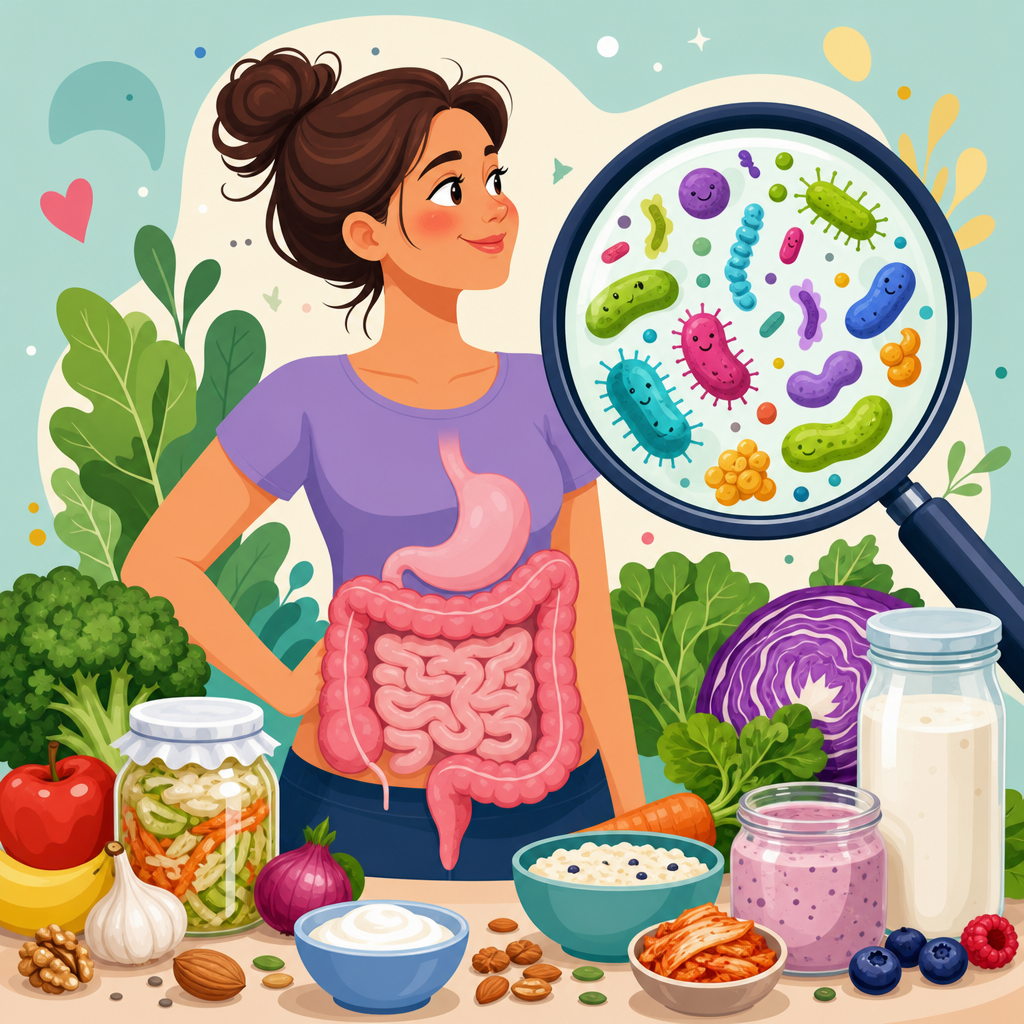
Gut health and the microbiome shape digestion, immunity, metabolism, and even mood, yet the topic is often reduced to yogurt ads and vague promises. In practice, gut health refers to how well the gastrointestinal tract functions, how effectively it digests and absorbs nutrients, how intact the intestinal barrier remains, and how balanced the immune activity along the gut lining stays. The microbiome is the community of bacteria, viruses, fungi, and other microbes that live primarily in the large intestine and interact constantly with the body. These organisms are not passive passengers. They help break down fibers, produce beneficial compounds, influence inflammation, and compete with potentially harmful organisms for space and nutrients.
I have worked with nutrition plans centered on gut symptoms for years, and one pattern is consistent: people usually notice gut health only when something goes wrong. Bloating after meals, constipation, diarrhea, reflux, excess gas, irregular appetite, and unexplained fatigue often send people searching for answers. The challenge is that many gut-related complaints have overlapping causes. A stressed schedule, low-fiber intake, repeated antibiotic use, highly processed diets, poor sleep, infection, food intolerance, or a chronic condition such as irritable bowel syndrome can all shift the gut environment. Because the gut is connected to so many body systems, small disruptions can have effects that feel surprisingly broad.
Understanding gut health matters because the digestive tract is one of the body’s main interfaces with the outside world. Food, microbes, medications, and environmental exposures all pass through it. Roughly 70 percent of immune tissue is associated with the gut, and the microbiome helps train that immune system to respond appropriately rather than excessively. Gut microbes also produce short-chain fatty acids such as butyrate, acetate, and propionate when they ferment dietary fiber. These compounds nourish colon cells, support barrier integrity, and help regulate inflammation and glucose metabolism. Researchers also study the gut-brain axis, the two-way communication network linking the digestive system, nervous system, and microbial activity.
For anyone building a practical plan, a good starting point is this: gut health is not about achieving a perfect microbiome score or chasing trendy supplements. It is about supporting a resilient digestive ecosystem through food choices, daily habits, and appropriate medical evaluation when symptoms persist. This hub article explains what the gut microbiome does, what can damage or improve it, how diet and lifestyle influence digestive function, and when professional testing or treatment may be necessary. If you want a clear framework for improving gut health and the microbiome, these are the essentials you need to know before going deeper into specific topics such as probiotics, prebiotics, fermented foods, leaky gut claims, IBS strategies, and anti-inflammatory nutrition.
What the Gut Microbiome Does
The gut microbiome performs several jobs that humans cannot do efficiently on their own. One of the most important is fermenting nondigestible carbohydrates, including resistant starches and various fibers, into short-chain fatty acids. Butyrate is especially valuable because it serves as the preferred fuel source for colonocytes, the cells lining the colon. A well-fed colon lining is less prone to barrier disruption and excessive inflammation. The microbiome also assists with synthesis of certain vitamins, including vitamin K and some B vitamins, although the exact contribution to overall nutrient status varies by individual and diet.
Another core role is colonization resistance. Beneficial microbes occupy ecological niches in the gut, making it harder for harmful species to gain a foothold. When antibiotics, infection, or severe dietary disruption reduce diversity, opportunistic organisms can expand more easily. This is one reason recurrent antibiotic exposure can lead to loose stools or more significant disturbances. The microbiome also communicates with immune cells through metabolites and cell signaling. In plain terms, a balanced microbial community helps the immune system distinguish between harmless food components, beneficial organisms, and genuine threats. When that signaling becomes dysregulated, symptoms can range from bloating and bowel irregularity to increased sensitivity in some people.
What a Healthy Gut Looks Like
A healthy gut does not mean never having gas, never feeling full, or producing a textbook bowel movement every single day. Normal digestion varies. In clinical settings, I look for patterns rather than perfection: regular bowel movements that are easy to pass, minimal pain, predictable appetite, tolerance to a broad range of foods, and absence of persistent reflux, severe bloating, or urgent diarrhea. Stool frequency can be normal anywhere from three times per day to three times per week, though consistency and comfort matter. The Bristol Stool Chart is commonly used to assess stool form, with types 3 and 4 often considered ideal.
A resilient gut also tolerates occasional stressors. Travel, restaurant meals, and schedule changes may cause temporary shifts, but the system returns to baseline quickly. That resilience usually reflects several factors working together: adequate stomach acid, coordinated motility, enzyme output, sufficient fiber and fluid intake, balanced microbial activity, and an intact intestinal barrier. Diversity in the microbiome is generally associated with better resilience, though more diversity is not always universally better in every context. What matters most is functional balance. Someone can have a microbiome test report listing dozens of species and still have poor digestive habits that undermine gut function daily.
Common Disruptors of Gut Health
Diet is one of the biggest drivers of microbiome changes, but it is not the only one. Low intake of plant fiber deprives beneficial bacteria of fermentable substrates, while a pattern high in ultra-processed foods may reduce microbial diversity and increase inflammatory load. Repeated antibiotic exposure can dramatically alter microbial composition. That effect is sometimes temporary, but recovery is not always immediate, especially after multiple courses. Nonsteroidal anti-inflammatory drugs, proton pump inhibitors, chronic alcohol excess, and some artificial sweeteners may also affect the gut environment in specific circumstances. The impact depends on dose, duration, and individual susceptibility.
Lifestyle pressures matter more than many people realize. Chronic stress can change gut motility, increase visceral sensitivity, and alter the way the brain and gut communicate. Poor sleep is linked with metabolic dysregulation and may influence microbial rhythms. Sedentary behavior can slow bowel function, while abrupt overtraining can increase GI symptoms in endurance athletes. Infections, food poisoning, and gastrointestinal illnesses can leave a longer tail than expected; post-infectious IBS is a recognized example. Underlying conditions including celiac disease, inflammatory bowel disease, small intestinal bacterial overgrowth, lactose intolerance, and pancreatic insufficiency can all mimic generic “bad gut health,” which is why persistent symptoms deserve proper assessment rather than self-diagnosis.
Food Strategies That Support the Microbiome
The strongest nutrition strategy for gut health is not a miracle food but a consistent pattern centered on plant diversity. Large population studies, including findings from the American Gut Project, have linked eating a wider range of plant foods with greater microbiome diversity. In practical terms, aiming for around 30 different plant foods per week can broaden fiber types and phytochemicals reaching the colon. That count includes fruits, vegetables, legumes, whole grains, nuts, seeds, herbs, and spices. Different microbes prefer different substrates, so variety matters as much as total fiber. Gradual increases are usually better tolerated than sudden jumps.
Prebiotic foods deserve special attention because they selectively feed beneficial microbes. Foods rich in inulin, fructooligosaccharides, galactooligosaccharides, and resistant starch include onions, garlic, leeks, asparagus, oats, beans, lentils, bananas, cooked-and-cooled potatoes, and whole grains. Fermented foods can also play a useful role. Yogurt with live cultures, kefir, sauerkraut, kimchi, miso, and tempeh may introduce live microbes or fermentation products that support digestive function. These foods are not interchangeable with fiber, and they do not guarantee colonization, but they can complement a fiber-rich eating pattern.
| Strategy | How it helps gut health | Food examples | Practical note |
|---|---|---|---|
| Increase total fiber | Feeds microbes and improves stool bulk | Beans, oats, berries, chia, vegetables | Raise intake slowly and drink enough fluid |
| Eat diverse plant foods | Expands the range of microbial substrates | Leafy greens, legumes, nuts, herbs, whole grains | Track weekly variety, not just daily servings |
| Add resistant starch | Supports short-chain fatty acid production | Green bananas, lentils, cooled rice, cooled potatoes | Useful for people who tolerate fiber poorly at first |
| Use fermented foods | Provides live cultures and fermentation compounds | Kefir, yogurt, kimchi, tempeh | Choose unsweetened options when possible |
Probiotics, Supplements, and What to Watch For
Probiotics can help in specific situations, but the evidence is strain-specific, not general. Lactobacillus rhamnosus GG and Saccharomyces boulardii, for example, have been studied for antibiotic-associated diarrhea. Some multi-strain products may help certain people with IBS symptoms, though results are mixed and product quality varies. A common mistake is assuming any capsule labeled probiotic will improve gut health. It may not. The clinical question matters: Are you trying to reduce diarrhea risk during antibiotics, support regularity, or address bloating after infection? Without a clear purpose, probiotic shopping becomes guesswork.
Other supplements deserve caution. Fiber supplements such as psyllium have strong evidence for improving stool consistency and regularity, especially when dietary intake is low. Magnesium can support bowel movements in some cases. Digestive enzymes may be useful for specific problems like lactose digestion, but they are not a universal fix. Claims around “gut cleansing,” parasite detoxes, or broad microbiome reset kits are usually unsupported. Direct-to-consumer microbiome tests can be interesting, yet they rarely provide actionable medical guidance because the science is still evolving and reference standards are limited. Use them as conversation starters at most, not diagnostic conclusions.
When Symptoms Signal a Bigger Problem
Not every gut complaint is a microbiome issue. Red-flag symptoms require medical evaluation, especially blood in stool, unexplained weight loss, persistent vomiting, fever, nighttime diarrhea, iron-deficiency anemia, difficulty swallowing, severe abdominal pain, or a strong family history of colorectal cancer, celiac disease, or inflammatory bowel disease. Adults should also follow established screening guidance for colorectal cancer, which in the United States generally begins at age 45 for average-risk individuals, according to organizations such as the American Cancer Society and the U.S. Preventive Services Task Force. Early evaluation changes outcomes.
Even without red flags, symptoms that persist for more than a few weeks deserve a structured workup. Good assessment often includes diet review, medication history, bowel pattern, stress load, travel, recent infections, and basic labs. Depending on the case, a clinician may consider celiac testing, stool studies, breath testing for lactose malabsorption or small intestinal bacterial overgrowth, or endoscopy. This matters because treatment differs widely. IBS management may emphasize soluble fiber, trigger identification, and stress regulation, while inflammatory bowel disease needs medical therapy, and celiac disease requires strict lifelong gluten avoidance. Precision beats trend-following every time.
Daily Habits That Protect Long-Term Gut Health
Gut health improves most reliably when nutrition is paired with routine. Start with meal structure. Eating at reasonably consistent times can support motility and reduce chaotic grazing that worsens symptoms for some people. Chewing thoroughly helps mechanically break down food and may reduce swallowed air, which contributes to bloating. Hydration matters because fiber without enough fluid can backfire. Regular movement, especially walking, supports bowel motility and glucose control. In my experience, people looking for a complex gut protocol often improve first by doing these basics consistently for two to four weeks.
Stress management is not optional if gut symptoms flare under pressure. The gut-brain axis is physiologically real, not a vague wellness idea. Mindfulness practices, cognitive behavioral therapy for IBS, diaphragmatic breathing, and sleep improvement can reduce symptom intensity in many patients. Alcohol moderation and smoking avoidance also protect the gut lining and overall digestive health. The long view is important: there is no single perfect microbiome, no universal elimination diet, and no need to fear every symptom. Build a varied, fiber-forward diet, notice patterns, seek testing when symptoms persist, and use targeted tools rather than hype. For anyone focused on nutrition for health and wellness, improving gut health and the microbiome is one of the highest-return steps you can take. Start with one meal, one habit, and one evidence-based change this week.
Frequently Asked Questions
What is the difference between gut health and the microbiome?
Gut health and the microbiome are closely related, but they are not the same thing. Gut health is the broader concept. It describes how well the gastrointestinal system functions overall, including how effectively food is digested, how nutrients are absorbed, how regularly the bowels move, how intact the intestinal barrier remains, and how appropriately the immune system behaves along the digestive tract. In other words, gut health is about performance and balance across the entire digestive system.
The microbiome, by contrast, is the ecosystem of microorganisms that live in and on the body, with the largest and most studied community found in the large intestine. This includes bacteria, viruses, fungi, and other microbes. These organisms help break down certain fibers, produce beneficial compounds such as short-chain fatty acids, interact with immune cells, and influence the environment inside the gut. A healthy microbiome can support healthy digestion and immune function, but gut health also depends on many other factors, including diet, stress, sleep, medications, infections, underlying medical conditions, and the structural integrity of the gut lining. That is why someone can have temporary digestive symptoms without a major microbiome problem, or microbiome changes without obvious symptoms right away.
Why does the gut microbiome matter for more than just digestion?
The gut microbiome matters far beyond digestion because the gut is not an isolated tube; it is a major communication hub that affects multiple body systems. Microbes in the gut help ferment fibers and resistant starches that the human body cannot fully digest on its own. In the process, they create compounds that help nourish cells lining the colon, support the gut barrier, and influence inflammation. A balanced microbiome also interacts with the immune system constantly, helping the body distinguish between harmless substances and genuine threats. Since a large portion of immune activity occurs in and around the gut, the state of the microbiome can shape how the body responds to everyday exposures.
Researchers also study the gut-brain axis, which refers to the two-way communication between the digestive system and the nervous system. Signals from the gut and its microbes may influence mood, stress response, and overall well-being through immune pathways, nerve signaling, and microbial byproducts. The microbiome may also play a role in metabolism by affecting how energy is extracted from food, how blood sugar is regulated, and how the body stores fat. While this is an exciting area of science, it is important to avoid oversimplified claims. The microbiome is influential, but it is not a magic switch that explains every health issue. It is one important factor among many that work together.
What are the signs that your gut health may need attention?
Signs of poor gut health can be obvious, such as bloating, gas, abdominal discomfort, constipation, diarrhea, reflux, or irregular bowel habits, but they are not always limited to digestion. Some people notice that certain foods suddenly seem harder to tolerate, or that they feel overly full, sluggish, or uncomfortable after meals. Others may deal with frequent stomach upset after stress, repeated antibiotic use, travel, or major dietary changes. These symptoms do not automatically mean there is a microbiome imbalance, but they do suggest that the digestive system may not be functioning as smoothly as it should.
There can also be less direct clues, such as ongoing fatigue, difficulty maintaining a stable appetite, or a sense that overall wellness has declined alongside digestive symptoms. That said, it is important not to self-diagnose based on trends or online lists. Many digestive complaints can have causes unrelated to the microbiome, including food intolerances, infections, irritable bowel syndrome, inflammatory bowel disease, celiac disease, medication effects, gallbladder issues, and other medical conditions. Persistent symptoms, severe pain, blood in the stool, unexplained weight loss, or significant changes in bowel habits should be evaluated by a qualified healthcare professional. Gut health deserves a practical, evidence-based approach rather than guesswork.
What are the best evidence-based ways to support a healthy gut microbiome?
The strongest evidence supports a simple but powerful foundation: eat a varied, fiber-rich diet built mostly around whole foods. Different beneficial microbes thrive on different plant compounds, so diversity matters. Fruits, vegetables, legumes, whole grains, nuts, seeds, herbs, and spices all provide fibers and phytonutrients that can help nourish a resilient microbial community. Foods rich in prebiotic fibers, such as onions, garlic, leeks, oats, beans, lentils, and asparagus, may be especially helpful because they feed beneficial bacteria. Fermented foods like yogurt with live cultures, kefir, kimchi, sauerkraut, miso, and tempeh may also support gut health for some people, though they are not a cure-all.
Beyond food, everyday habits matter. Regular physical activity, adequate sleep, hydration, and stress management can all influence gut function and the microbial environment. Limiting unnecessary antibiotic use is also important, since antibiotics can disrupt the microbial community along with treating infection. If antibiotics are medically necessary, they should still be used appropriately under medical guidance. It is also wise to be cautious with supplements marketed for “gut repair” or “microbiome balance.” Some probiotics may help in specific situations, but not every strain works the same way, and not every person benefits equally. The best long-term strategy is usually consistency: a nutritious dietary pattern, stable routines, and medical evaluation when symptoms are persistent or concerning.
Are probiotics and microbiome tests worth it?
Probiotics can be useful in certain cases, but they are often marketed as if one capsule can solve every digestive problem, which is not how the science works. A probiotic is a live microorganism intended to provide a health benefit, but benefits depend on the exact strain, the dose, the product quality, and the reason for using it. Some probiotics may help with specific issues, such as antibiotic-associated diarrhea or certain digestive symptoms in some people, while others may do very little. “More bacteria” is not automatically better, and a product that helps one person may not help another. That is why probiotic choices should be based on a specific goal rather than hype.
At-home microbiome tests are also appealing, but their practical value is still limited for most consumers. These tests can identify some of the microbes present in a stool sample, but they do not yet provide a complete or definitive picture of gut health, and there is no universally accepted definition of the “perfect” microbiome. Results can vary over time, and many reports make recommendations that outpace the strength of the evidence. For now, microbiome testing is more useful in research and emerging clinical settings than as a stand-alone consumer wellness tool. If someone has significant digestive symptoms or wants to improve gut health, the more reliable starting points are symptom history, medical evaluation when needed, and sustainable lifestyle habits grounded in evidence.