
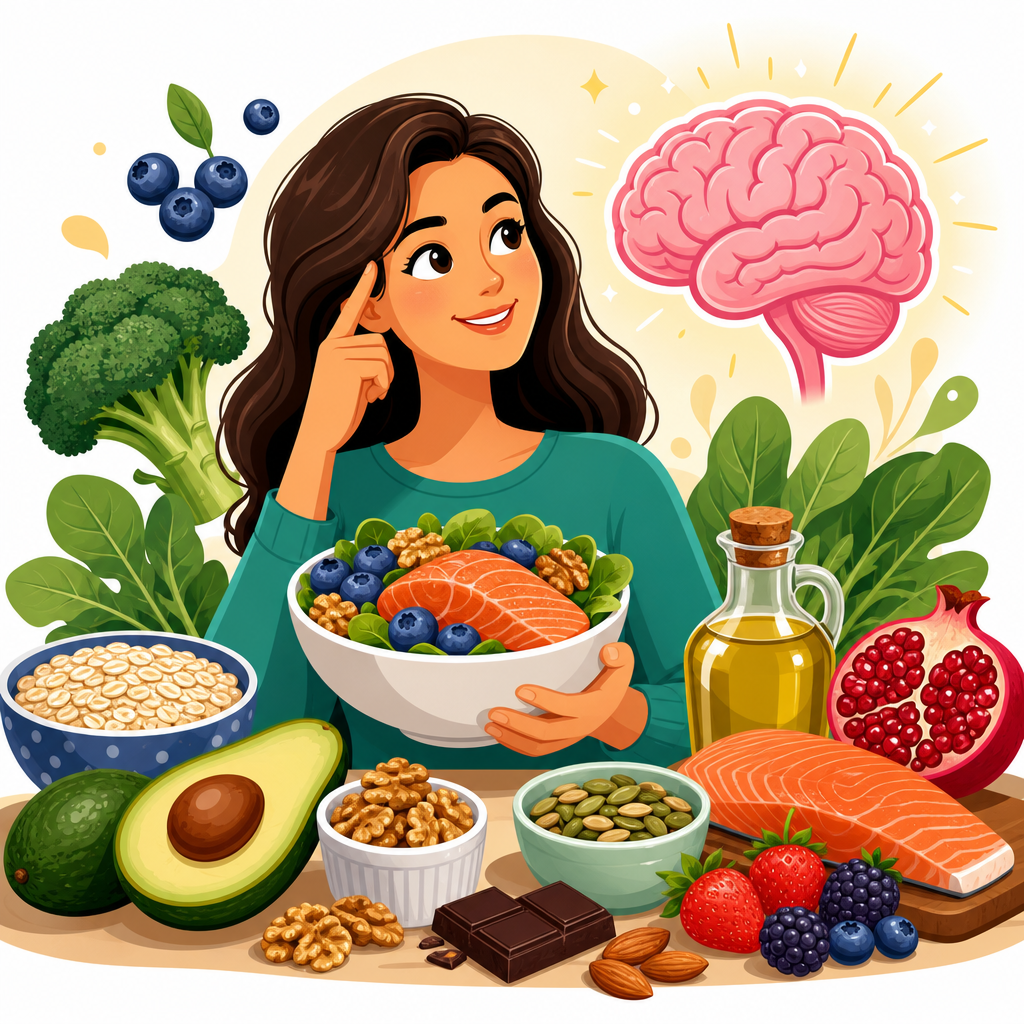
Brain-boosting foods for cognitive function can improve focus, memory, mood regulation, and long-term brain health when they are eaten consistently as part of a balanced diet. In practical terms, these are foods rich in nutrients the brain uses every day, including omega-3 fatty acids, polyphenols, B vitamins, choline, magnesium, iron, protein, and slow-digesting carbohydrates. The brain may represent only about 2 percent of body weight, yet it uses roughly 20 percent of the body’s energy, which is why food choices have an outsized effect on mental performance. I have seen this clearly when helping clients move from skipped breakfasts, high-sugar snacks, and low-fluid intake to meals built around fish, berries, eggs, beans, greens, and nuts: concentration improves first, then energy becomes steadier, and memory complaints often decrease.
This topic matters because cognitive decline does not begin only in old age, and mental fatigue is not just a productivity issue. Diet influences neurotransmitter production, blood flow, inflammation, insulin sensitivity, sleep quality, and the integrity of brain cell membranes. Those processes shape how well you think today and how resilient your brain may be decades from now. Research patterns such as the Mediterranean diet and MIND diet repeatedly link food quality with better cognitive outcomes, lower risk of neurodegenerative disease, and improved executive function. For readers exploring broader nutrition for health and wellness, brain nutrition is a central hub because it connects to heart health, metabolic health, gut health, exercise recovery, and stress management. The goal is not to find a single miracle food, but to build a repeatable eating pattern that supports cognitive function meal after meal.
What Foods Support Cognitive Function Most Effectively
The strongest brain-boosting foods are the ones backed by known mechanisms and consistent dietary evidence. Fatty fish such as salmon, sardines, trout, and mackerel supply DHA and EPA, omega-3 fats that help maintain neuronal membranes and support signaling between brain cells. Eggs provide choline, a precursor to acetylcholine, which is involved in memory and learning. Blueberries, blackberries, strawberries, and dark cherries deliver anthocyanins and other flavonoids associated with reduced oxidative stress and improved blood flow. Leafy greens such as spinach, kale, arugula, and collards contribute folate, vitamin K, lutein, and nitrates. Walnuts, almonds, pumpkin seeds, and sunflower seeds add vitamin E, magnesium, and healthy fats. Beans, lentils, oats, and quinoa provide steady glucose release, which matters because the brain depends heavily on glucose, but performs better with stable supply than with sharp spikes and crashes.
Two food groups are often underestimated: fermented foods and deeply colored vegetables. Yogurt with live cultures, kefir, kimchi, and sauerkraut may support the gut-brain axis through effects on the microbiome, digestion, and inflammation. Red cabbage, beets, broccoli, and bell peppers contribute vitamin C, nitrates, sulforaphane precursors, and a wide range of polyphenols. Extra-virgin olive oil also deserves emphasis. It is a cornerstone of high-performing dietary patterns because it provides monounsaturated fat and phenolic compounds while replacing less beneficial refined fats. Coffee and tea can support alertness as well, largely because of caffeine and, in tea, L-theanine. Used strategically rather than excessively, they can improve attention and reaction time. The key is that these foods work best together. Cognitive nutrition is cumulative, not dependent on any single ingredient.
How Nutrients Affect Memory, Focus, and Mood
If you want a simple way to evaluate brain-boosting foods for cognitive function, ask what job each nutrient performs. Omega-3 fats help preserve membrane fluidity and may reduce neuroinflammation. Choline helps build acetylcholine, a neurotransmitter important for memory formation. B vitamins, especially folate, B6, and B12, are involved in methylation and homocysteine metabolism; elevated homocysteine has been associated with cognitive decline. Iron supports oxygen transport, and low iron can impair concentration and cause fatigue. Magnesium participates in hundreds of enzymatic reactions, including those related to nerve transmission and stress response. Polyphenols from berries, cocoa, olive oil, tea, and herbs help protect cells from oxidative damage and may support cerebral blood flow.
Carbohydrate quality also matters more than many people realize. The brain needs glucose, but it does not benefit from a breakfast pastry followed by an afternoon soda. Rapid swings in blood sugar can leave people feeling foggy, irritable, or mentally depleted. In meal planning, I usually see the best sustained concentration when meals combine fiber-rich carbohydrates, protein, and fat. For example, oatmeal with chia seeds, walnuts, and blueberries produces a much steadier morning than sweetened cereal alone. Hydration is another nonnegotiable factor. Even mild dehydration can affect attention, short-term memory, and mood. Sodium, potassium, and fluid balance matter too, especially for active adults. When people say they need a supplement for focus, the first corrections are often simpler: regular meals, enough water, less alcohol, and fewer ultra-processed foods that crowd out nutrient-dense options.
The Best Daily Foods to Build Into Meals and Snacks
The easiest way to incorporate more brain-boosting foods into your diet is to assign them to eating occasions rather than relying on intention alone. Breakfast can feature eggs with spinach, Greek yogurt with berries and flaxseed, or steel-cut oats topped with walnuts and cinnamon. Lunch works well when it includes leafy greens, legumes, olive oil, and a protein source such as salmon, tuna, tofu, chicken, or sardines. For dinner, a simple template is fish or beans, a whole grain, and two vegetables, one of them deeply colored. Snacks should reinforce nutrient density rather than interrupt it. Good examples include apple slices with almond butter, roasted chickpeas, a handful of walnuts, plain yogurt, edamame, or hummus with peppers and carrots.
Consistency matters more than perfection, so practical access should guide choices. Frozen blueberries are nutritionally useful and often more affordable than fresh. Canned salmon and sardines are convenient pantry staples with strong nutrient profiles. Prewashed salad greens, microwavable brown rice, and no-salt-added beans reduce friction on busy weekdays. A realistic shopping list for cognitive support includes eggs, salmon or sardines, Greek yogurt or kefir, oats, berries, leafy greens, broccoli, bell peppers, avocados, beans, lentils, olive oil, walnuts, pumpkin seeds, dark chocolate with high cocoa content, and green tea. If you already eat these foods occasionally, the next step is frequency. Aim to repeat them across the week until they become default choices. Brain nutrition improves when helpful foods are normal, visible, and easy to assemble.
Simple Ways to Upgrade Your Diet Without Overhauling It
Most people do not need a complete diet reset to improve cognitive function. They need targeted substitutions that raise nutrient quality while fitting existing habits. Replace one refined snack each day with a brain-supportive option such as nuts, fruit, yogurt, or boiled eggs. Switch from white bread or oversized bakery breakfasts to oats, whole-grain toast with nut butter, or eggs with vegetables. Use extra-virgin olive oil in place of butter or heavily refined oils for salads, grain bowls, and cooked vegetables. Add a serving of leafy greens to one meal per day. Introduce fish twice weekly if you do not already eat it. If fish is not an option, use walnuts, chia seeds, flaxseed, algae-based omega-3 products, and fortified foods while paying attention to overall protein and micronutrient intake.
I have found that habit stacking works exceptionally well here. Tie one brain-healthy action to an existing routine: berries with breakfast, nuts at your desk, a water bottle filled before coffee, beans added to soup, salad, or tacos, and a weekly salmon dinner anchored to your grocery schedule. Environment design helps too. Keep washed produce at eye level, portion nuts into small containers, and store less helpful snacks out of reach. For people who rely on convenience foods, upgrading is still possible. Choose oatmeal cups with minimal added sugar, tuna packets, frozen vegetable blends, and unsweetened yogurt rather than skipping meals or grabbing candy. Progress should be measured by what you add consistently, not only by what you remove.
A Practical Weekly Framework for Brain-Healthy Eating
A useful weekly plan balances variety, repetition, and convenience. Variety matters because no single food covers every cognitive nutrient. Repetition matters because habits lower decision fatigue. Convenience matters because even an excellent plan fails if preparation time is unrealistic. In practice, I recommend structuring the week around a few anchor foods: one or two fish meals, several servings of legumes, daily berries or other colorful fruit, daily greens or cruciferous vegetables, and regular nuts or seeds. Build around those anchors, then fill gaps with whole grains, eggs, fermented dairy or soy foods, and adequate fluids. This framework supports students, office workers, parents, and older adults because it adapts to different schedules and budgets.
| Meal | Brain-supportive choice | Why it helps cognitive function |
|---|---|---|
| Breakfast | Oatmeal with blueberries, walnuts, and Greek yogurt | Provides steady carbohydrates, polyphenols, protein, and healthy fats for sustained focus |
| Lunch | Salmon salad with spinach, chickpeas, peppers, and olive oil | Delivers omega-3s, folate, fiber, and antioxidants linked with memory and blood flow |
| Snack | Apple with almond butter and green tea | Combines fiber, fat, and moderate caffeine for stable energy and alertness |
| Dinner | Lentil bowl with brown rice, broccoli, and avocado | Supports glucose stability, mineral intake, and overall nutrient density |
Use this kind of framework flexibly. The exact foods can change by culture, season, and availability, but the nutritional roles should remain. That is what makes a hub approach useful: once you understand the roles, substitutions become straightforward and sustainable.
Common Mistakes, Limitations, and When Food Is Not the Whole Answer
One common mistake is expecting instant results from a single superfood while ignoring the rest of the diet. Another is overusing supplements instead of fixing meals first. Supplements can help in specific cases, such as diagnosed deficiency, low fish intake, vegan diets needing B12 support, or clinically guided omega-3 use, but they do not reproduce the full matrix of whole foods. Another problem is under-eating. People trying to be healthier sometimes cut calories too aggressively, then report brain fog, poor concentration, and irritability. The brain needs enough energy, enough protein, and enough micronutrients. Sleep loss, chronic stress, inactivity, alcohol excess, and unmanaged blood sugar can also blunt the benefits of a good diet.
There are tradeoffs to acknowledge. Fatty fish is highly beneficial, but choices should consider cost, taste preference, and sustainability. People with hypertension should watch high-sodium packaged foods, even when marketed as healthy. Those with celiac disease or food allergies need equivalent substitutes rather than generic advice. Anyone with persistent memory issues, depression, severe fatigue, or neurological symptoms should seek medical evaluation, because diet is supportive care, not a diagnosis. The most effective strategy is balanced and evidence-based: eat more foods consistently associated with brain health, reduce patterns that impair metabolic and vascular function, and support nutrition with sleep, movement, and regular health care. Start this week by choosing three brain-boosting foods for cognitive function and putting them on your grocery list.
Frequently Asked Questions
What are the best brain-boosting foods to start adding to my diet?
A practical place to begin is with foods that deliver the nutrients your brain relies on most consistently: omega-3 fats, antioxidants, B vitamins, choline, minerals, protein, and steady-burning carbohydrates. Fatty fish such as salmon, sardines, trout, and mackerel are among the most well-known choices because they provide omega-3 fatty acids, especially DHA, which is an important structural fat in the brain. Eggs are another excellent option because they supply choline, a nutrient involved in memory, learning, and neurotransmitter production. Leafy greens such as spinach, kale, and arugula contribute folate, vitamin K, and antioxidant compounds that support overall brain health.
Berries, especially blueberries, blackberries, and strawberries, are also worth prioritizing because they contain polyphenols that help protect brain cells from oxidative stress. Nuts and seeds, including walnuts, pumpkin seeds, chia seeds, flaxseeds, and almonds, add healthy fats, magnesium, and vitamin E. Whole grains such as oats, quinoa, brown rice, and whole grain bread help provide a more stable source of energy, which matters because the brain uses a significant share of the body’s fuel throughout the day. Beans, lentils, yogurt, avocados, and even dark chocolate in moderate amounts can also fit well into a brain-supportive eating pattern. Rather than looking for one “superfood,” aim to build meals around a variety of these foods so you cover multiple nutrients that contribute to focus, memory, mood regulation, and long-term cognitive function.
How can I realistically incorporate more brain-boosting foods into my daily meals?
The easiest way to make brain-healthy eating sustainable is to work these foods into meals you already enjoy instead of trying to overhaul your entire routine at once. Start with breakfast by adding berries and chia or flaxseeds to oatmeal or yogurt, or by including eggs with whole grain toast and a side of spinach. At lunch, try building a grain bowl with quinoa or brown rice, leafy greens, beans or grilled salmon, and an olive oil-based dressing. For dinner, swap in fish once or twice a week, add a side of roasted vegetables, and choose a whole grain or legume instead of a refined starch when possible.
Snacks are another simple opportunity. A handful of walnuts, pumpkin seeds, plain yogurt with fruit, sliced vegetables with hummus, or apple slices with nut butter can all support steadier energy and nutrient intake. If you find meal planning difficult, think in terms of “add before subtract.” Add one brain-supportive item to each meal, such as greens in a sandwich, seeds in a smoothie, or beans in a soup, before worrying about removing other foods. Keeping frozen berries, canned salmon or sardines, hard-boiled eggs, prewashed greens, and single-serve nuts on hand can also make better choices more convenient. Consistency matters much more than perfection, so small daily upgrades often do more for cognitive health than occasional dramatic changes.
Do brain-boosting foods improve focus and memory right away, or do they work over time?
Some brain-supportive foods can help you feel better mentally in the short term, but the biggest benefits usually come from consistent intake over time. For example, meals that contain protein, healthy fats, and slow-digesting carbohydrates may support more stable blood sugar, which can translate into steadier focus, fewer energy crashes, and better concentration during the day. Hydrating foods and nutrient-dense meals may also help you feel more alert compared with heavily processed meals that leave you sluggish. In that sense, food choices can influence how you function cognitively on a day-to-day basis.
That said, memory support, mood resilience, and long-term brain health are usually the result of ongoing habits rather than instant effects. Nutrients such as omega-3s, B vitamins, magnesium, iron, and polyphenols help support the structures and processes the brain uses every day, but they are most effective as part of a long-term eating pattern. Think of brain-boosting foods as investments in both daily performance and future cognitive wellness. You may notice short-term improvements in energy and mental clarity when you eat balanced meals regularly, but the more meaningful goal is building a diet that supports your brain consistently across months and years, not chasing immediate dramatic results from a single food.
Are there specific nutrients that matter most for cognitive function?
Yes, several nutrients stand out because of how directly they support brain structure, signaling, and energy use. Omega-3 fatty acids are especially important, with DHA playing a major role in brain cell membranes and communication between neurons. Choline is another key nutrient because it helps produce acetylcholine, a neurotransmitter involved in memory and learning. B vitamins, including folate, B6, and B12, support energy metabolism and healthy nervous system function. Iron matters because it helps transport oxygen, and low iron levels can contribute to fatigue and poor concentration. Magnesium supports nerve signaling, while protein supplies amino acids the body uses to make neurotransmitters that influence mood and mental performance.
Polyphenols and other antioxidants are also highly relevant because they help defend brain tissue against oxidative stress and inflammation. You can find these compounds in berries, cocoa, tea, colorful vegetables, and many plant foods. Slow-digesting carbohydrates deserve attention as well because the brain needs a reliable supply of glucose, and whole grains, legumes, and fiber-rich foods can help provide that energy more steadily than highly refined sweets. The most effective strategy is not to isolate one nutrient but to eat a varied pattern that delivers all of them together. That is one reason balanced meals tend to outperform a supplement-first mindset for most people. Different nutrients work in complementary ways, so a diverse, whole-food approach generally offers broader support for cognitive function than focusing on just one target.
Can I support brain health with diet alone, or do other habits matter too?
Diet is a major part of supporting cognitive function, but it works best alongside other foundational habits. Brain-boosting foods help provide the raw materials your brain needs for energy production, cell maintenance, neurotransmitter balance, and protection against oxidative stress. However, even a nutrient-rich diet cannot fully compensate for chronic sleep deprivation, unmanaged stress, physical inactivity, or inadequate hydration. Sleep is especially important for memory consolidation and mental recovery, while regular exercise supports blood flow to the brain and is strongly associated with better cognitive health over time.
Stress management also plays a meaningful role because chronic stress can interfere with attention, mood, and memory. Hydration matters as well, since even mild dehydration can affect concentration and mental clarity. A strong brain-health routine often includes balanced meals, regular movement, enough sleep, social engagement, and mentally stimulating activities such as reading, learning new skills, or problem-solving. The encouraging part is that these habits reinforce one another. For example, eating well can improve energy for exercise, exercise can improve sleep, and better sleep can make it easier to make consistent food choices. So while incorporating more brain-boosting foods is an excellent step, the strongest results usually come from treating nutrition as one essential piece of a broader lifestyle approach to cognitive health.