Anti-inflammatory diets and chronic disease are closely linked because persistent, low-grade inflammation influences how the body regulates blood sugar, repairs blood vessels, balances hormones, protects joints, and defends the brain. An anti-inflammatory diet is a pattern of eating centered on minimally processed foods that lower inflammatory signaling and reduce oxidative stress. Chronic disease refers to long-lasting conditions such as cardiovascular disease, type 2 diabetes, arthritis, fatty liver disease, autoimmune disorders, and some cancers. I have seen in clinical nutrition work that people often think inflammation is only about swollen joints or an injury, yet the more important story is what happens quietly over years inside arteries, adipose tissue, the gut lining, and the immune system.
This topic matters because inflammation is both a driver and a consequence of chronic illness. Diet cannot replace medication, surgery, or specialist care when those are needed, but it directly affects the biological pathways that make disease progress faster or more slowly. Research consistently connects dietary patterns rich in vegetables, fruits, legumes, whole grains, nuts, seeds, olive oil, and fatty fish with lower levels of inflammatory markers such as C-reactive protein, interleukin-6, and tumor necrosis factor alpha. By contrast, patterns high in ultra-processed foods, refined carbohydrates, trans fats, and excess alcohol are associated with higher inflammatory burden. Understanding anti-inflammatory diets gives readers a practical framework for supporting the body’s key functions before disease develops and after diagnosis.
At the hub level, the goal is not to reduce everything to a list of “good” and “bad” foods. Anti-inflammatory nutrition works through a network of mechanisms. Fiber feeds beneficial gut microbes that produce short-chain fatty acids, especially butyrate, which helps maintain intestinal barrier function and modulate immune activity. Omega-3 fatty acids influence eicosanoid production and can shift the body away from more inflammatory compounds derived from excess omega-6 intake. Polyphenols from berries, tea, cocoa, herbs, and extra virgin olive oil help regulate oxidative stress and cellular signaling. Stable blood glucose reduces glycation and endothelial injury. Adequate protein preserves lean mass, which matters because skeletal muscle is a major site of insulin disposal and metabolic resilience.
People also want a direct answer to a common question: can an anti-inflammatory diet cure chronic disease? No single diet cures every chronic illness, and claims that it does are not credible. What a well-designed anti-inflammatory eating pattern can do is improve risk factors, reduce symptom burden, support treatment, and in some cases help induce remission markers, especially when combined with sleep, physical activity, stress management, smoking cessation, and appropriate medical care. For many readers, this is the most sustainable way to think about nutrition for health and wellness: not as a short detox, but as a daily strategy that supports the body’s most important systems.
How inflammation affects the body’s core functions
Inflammation is a normal defense response, but chronic inflammation keeps immune pathways activated when there is no acute threat to resolve. Over time, that affects core functions in measurable ways. In blood vessels, inflammatory signaling contributes to endothelial dysfunction, making arteries less able to dilate properly and more likely to accumulate plaque. In metabolism, inflammatory cytokines interfere with insulin signaling, increasing insulin resistance. In the liver, they promote fat accumulation and fibrosis risk. In the brain, chronic inflammation is associated with altered mood, cognitive decline, and disrupted appetite regulation. In joints and connective tissue, it can amplify pain sensitivity and tissue damage. In the gut, it can weaken barrier integrity, sometimes called increased intestinal permeability, which may allow more immune-triggering compounds to circulate.
This is why dietary advice for inflammation should be grounded in physiology rather than trends. If a food pattern improves vascular function, glycemic control, microbiome diversity, and body composition, it is doing more than lowering a number on a scale. For example, replacing a breakfast of sweetened cereal and pastry with steel-cut oats, chia seeds, berries, and plain Greek yogurt changes the day’s inflammatory profile in several ways at once: more soluble fiber, lower glycemic load, higher polyphenol intake, and better satiety. That combination can reduce post-meal glucose spikes and support healthier signaling throughout the day.
What defines an anti-inflammatory diet in practice
The strongest evidence supports dietary patterns rather than miracle ingredients. The Mediterranean diet is the best-known example, with extensive data showing benefits for cardiovascular disease, metabolic syndrome, and overall mortality. A DASH-style pattern also helps by emphasizing potassium-rich produce, legumes, low-fat dairy, whole grains, and lower sodium intake. In some cases, a traditional plant-forward diet or a carefully planned lower-carbohydrate diet can also be anti-inflammatory if it prioritizes whole foods, unsaturated fats, adequate fiber, and glycemic stability. The common denominator is not strict ideology. It is food quality.
In practical terms, anti-inflammatory diets emphasize colorful vegetables, intact fruits, beans, lentils, chickpeas, oats, barley, brown rice, nuts, seeds, extra virgin olive oil, avocado, herbs, spices, and seafood, especially salmon, sardines, trout, and mackerel. They include fermented foods when tolerated, such as kefir, yogurt, kimchi, or sauerkraut, because these can support gut health. They limit sugar-sweetened beverages, processed meats, deep-fried foods, refined flour products, and snacks built around industrial additives and low satiety calories. They also treat portion balance as important. Even highly nutritious foods can work against health goals if energy intake chronically exceeds needs and drives visceral fat gain, which is itself inflammatory.
| Diet component | How it supports the body | Example food choices |
|---|---|---|
| Fiber-rich carbohydrates | Support gut microbes, improve glycemic control, lower LDL cholesterol | Oats, beans, lentils, berries, barley |
| Omega-3 fats | Help regulate inflammatory mediators and support heart and brain function | Salmon, sardines, trout, chia, flax |
| Polyphenol-rich plants | Reduce oxidative stress and influence cell signaling pathways | Extra virgin olive oil, green tea, cocoa, leafy greens |
| Lean and plant proteins | Preserve muscle mass, stabilize appetite, support repair | Greek yogurt, tofu, eggs, legumes, poultry |
| Highly processed foods kept low | Reduce excess sodium, refined starch, added sugar, and poor-quality fats | Limit soda, pastries, chips, processed meats |
One nuance that gets missed is that anti-inflammatory eating is highly individual. Some people do very well with higher legume intake, while others with active inflammatory bowel disease may need temporary adjustments during flares. Some benefit from gluten removal only when celiac disease or non-celiac sensitivity is present. The best anti-inflammatory diet is evidence-based, symptom-aware, and sustainable enough to maintain.
How anti-inflammatory diets influence major chronic diseases
For cardiovascular disease, anti-inflammatory diets improve several established risk markers at once: LDL cholesterol, blood pressure, triglycerides, insulin sensitivity, and endothelial function. The landmark PREDIMED trial helped demonstrate that a Mediterranean dietary pattern supplemented with extra virgin olive oil or nuts reduced major cardiovascular events in high-risk adults. In real life, I often see the biggest gains come from small substitutions repeated consistently: olive oil instead of butter for most cooking, beans in place of part of the meat at dinner, fruit and nuts replacing packaged desserts, and fish two times per week. These changes lower inflammatory burden while improving nutrient density.
In type 2 diabetes and prediabetes, the anti-inflammatory effect is tied closely to blood sugar control and visceral fat reduction. Meals that combine fiber, protein, and unsaturated fat slow glucose absorption and reduce large postprandial spikes. A lunch built around lentil soup, a salad with olive oil vinaigrette, and plain yogurt is metabolically very different from a fast-food burger, fries, and soda, even at similar calories. Better glycemic control means less oxidative stress, lower insulin demand, and less damage to blood vessels and nerves over time.
Arthritis is another common reason people search for anti-inflammatory diets. In osteoarthritis, weight reduction can lower mechanical stress, but food quality also matters because adipose tissue releases inflammatory molecules. In rheumatoid arthritis, diet is not a stand-alone therapy, yet Mediterranean-style patterns and fish-derived omega-3 intake can reduce pain and morning stiffness in some patients. For autoimmune conditions more broadly, nutrition plans should be supervised when they become restrictive, because elimination without a clear rationale can worsen nutrient intake and quality of life.
Nonalcoholic fatty liver disease, now increasingly called metabolic dysfunction-associated steatotic liver disease, responds strongly to anti-inflammatory eating. Reducing excess fructose from sweetened beverages, improving insulin sensitivity, and increasing whole-food fiber can lower liver fat. Weight loss of even 5 to 10 percent can produce meaningful improvements, but composition matters too. Extra virgin olive oil, nuts, legumes, and lower refined carbohydrate intake are recurrent features in successful nutrition strategies for liver health.
There is also growing evidence connecting inflammation, depression, and cognitive aging. While diet is not a sole treatment for mental health disorders, patterns rich in seafood, plants, and olive oil are associated with better brain health outcomes. Stable energy intake, adequate B vitamins, magnesium, and omega-3 fats may support neurotransmitter synthesis and membrane function. This matters because the body’s key functions are interdependent. Better metabolic health often improves sleep, energy, and mood, which then makes healthy habits easier to sustain.
Foods, nutrients, and habits that deserve special attention
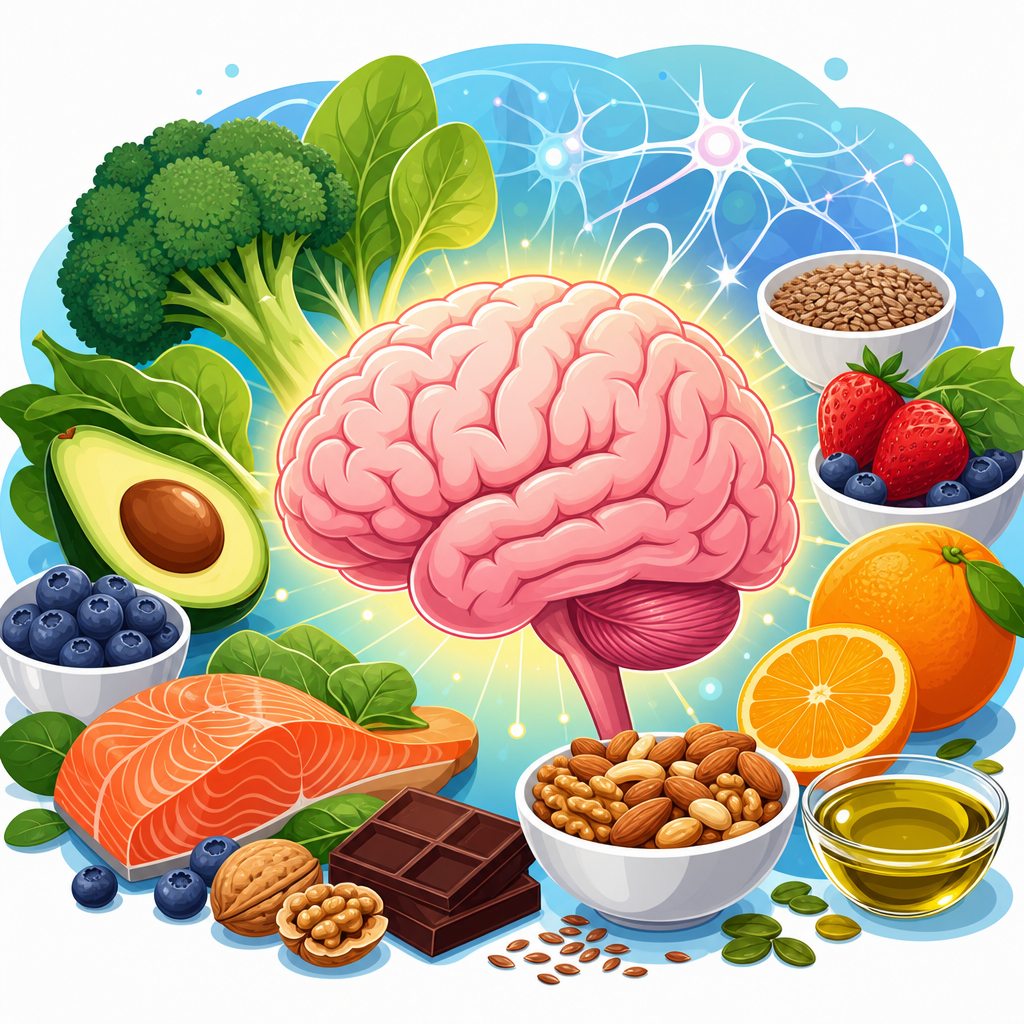
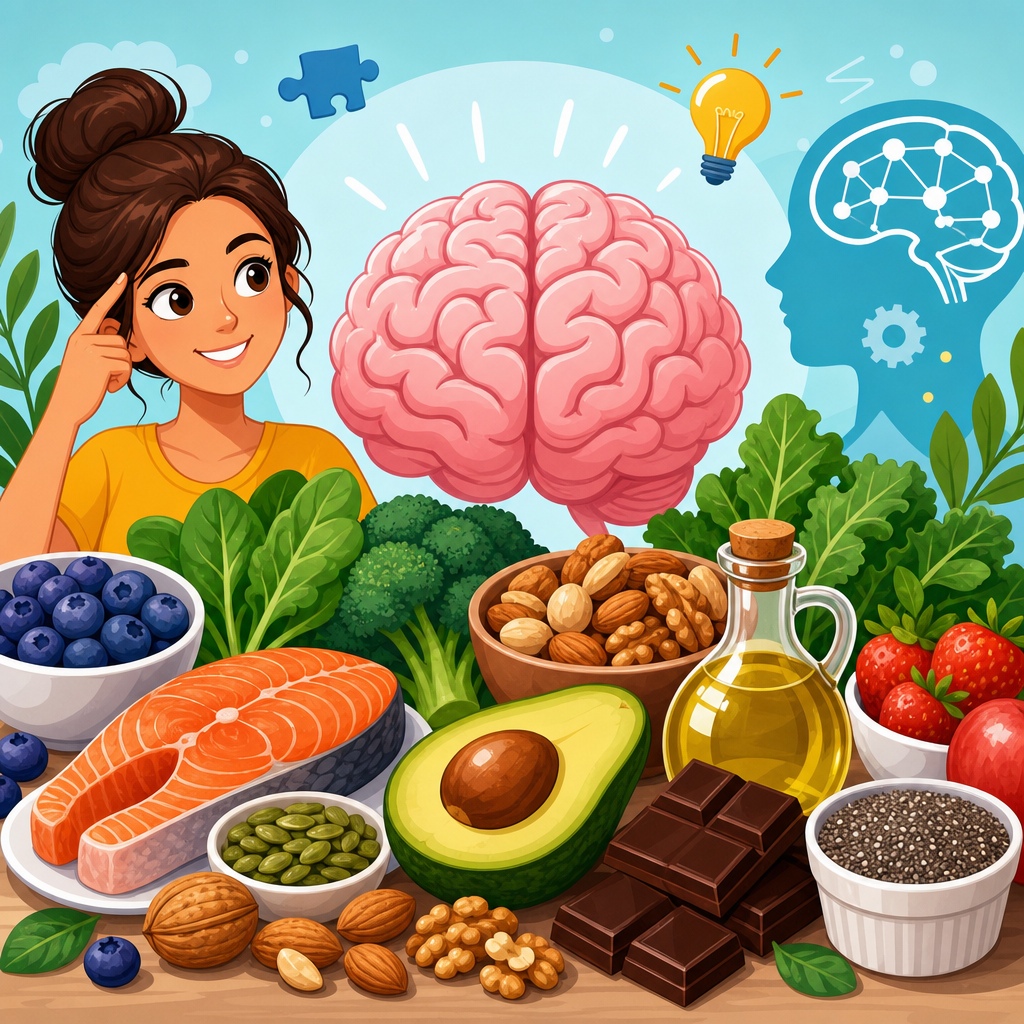
Extra virgin olive oil stands out because it delivers monounsaturated fat and polyphenols, including oleocanthal, a compound studied for anti-inflammatory effects. Berries provide anthocyanins. Leafy greens contribute folate, magnesium, vitamin K, and carotenoids. Legumes combine plant protein with fermentable fiber. Fatty fish supply EPA and DHA, the omega-3 fats most directly linked with anti-inflammatory action. Nuts, especially walnuts and almonds, add healthy fats, minerals, and satiety. Spices such as turmeric and ginger can be useful additions, though they should complement a strong overall diet, not substitute for it.
Just as important are habits around the food. Meal timing that prevents long fasts followed by overeating can improve glycemic control in many people. Cooking methods matter; heavily charred or deep-fried foods can increase harmful compounds. Hydration matters because people often replace water with sugar-sweetened drinks that drive both inflammation and excess calorie intake. Alcohol is another area where moderation is essential. Even when red wine is discussed in Mediterranean eating patterns, the protective factors come from the overall diet, not a recommendation to start drinking.
Supplement use deserves a balanced view. Fish oil, vitamin D, magnesium, curcumin, and probiotics are common choices, but quality, dose, and indication vary widely. Supplements can be appropriate when lab work, dietary assessment, or a diagnosed condition supports their use. They are not shortcuts around poor eating patterns. In practice, the largest and most reliable improvements still come from consistent food-based changes maintained over months, not days.
How to build an anti-inflammatory eating pattern that lasts
Start with structure, not perfection. A practical plate is half non-starchy vegetables, one quarter protein, and one quarter high-fiber carbohydrates, with healthy fat added where appropriate. Breakfast can be oats with walnuts and berries. Lunch can be a grain bowl with salmon, quinoa, greens, chickpeas, and olive oil dressing. Dinner can be roasted vegetables, lentils, and herb-marinated chicken or tofu. Snacks should be chosen for stability, not convenience alone: fruit with nuts, kefir, hummus with vegetables, or edamame. This is how anti-inflammatory diets and chronic disease prevention become daily habits rather than occasional intentions.
Planning also matters. Keep staple ingredients on hand, read labels for added sugar and sodium, and watch for the halo effect around products marketed as natural or gluten-free but still heavily processed. If chronic disease is already present, align diet changes with clinical targets. Someone with hypertension should pay close attention to sodium and potassium balance. Someone with kidney disease may need modified potassium, phosphorus, or protein advice. Someone taking warfarin needs consistent vitamin K intake rather than random swings in leafy green consumption. Personalized nutrition is not a luxury in chronic disease management; it is often the difference between a diet that helps and one that creates new problems.
Conclusion
Anti-inflammatory diets and chronic disease management belong together because food directly influences immune activity, blood sugar control, vascular health, gut integrity, liver function, and body composition. The most effective approach is not a cleanse, a rigid rulebook, or a single superfood. It is a repeatable pattern built around vegetables, fruits, legumes, whole grains, nuts, seeds, olive oil, quality protein, and fewer ultra-processed foods. That pattern supports the body’s key functions while lowering many of the drivers that make chronic illness worse.
If you want this topic to improve real health outcomes, think in systems. Better meals can reduce inflammation, improve energy, support medication goals, and make other habits easier to maintain. Use this hub as your foundation, then explore connected topics such as gut health, blood sugar balance, heart-healthy eating, and weight management for deeper guidance. Start with one meal, one shopping list, and one week of consistent choices. The body responds to what you do repeatedly.
Frequently Asked Questions
What is an anti-inflammatory diet, and how does it affect chronic disease?
An anti-inflammatory diet is a long-term eating pattern built around minimally processed, nutrient-dense foods that help calm the body’s inflammatory response. Instead of focusing on a single “superfood,” it emphasizes overall dietary habits such as eating vegetables, fruits, legumes, nuts, seeds, whole grains, fatty fish, olive oil, herbs, and spices while limiting ultra-processed foods, refined carbohydrates, excess added sugar, trans fats, and heavily processed meats. This matters because chronic, low-grade inflammation can quietly interfere with normal body functions for years, contributing to conditions such as cardiovascular disease, type 2 diabetes, arthritis, and fatty liver disease.
When inflammation stays elevated, the body has a harder time regulating blood sugar, maintaining healthy blood vessels, protecting joints, and controlling oxidative stress. An anti-inflammatory diet helps by supplying fiber, antioxidants, healthy fats, and plant compounds that support more balanced immune signaling. For example, omega-3 fats from fish, polyphenols from berries and extra-virgin olive oil, and fiber from beans and vegetables may help reduce inflammatory markers and improve metabolic health. Over time, this dietary pattern can support better energy regulation, improved heart and brain function, and a lower burden on systems that are often strained in chronic disease.
How does chronic inflammation interfere with the body’s key functions?
Chronic inflammation affects far more than one organ or symptom. It can influence the way the body manages insulin, repairs blood vessels, balances hormones, and responds to physical stress. In healthy situations, inflammation is protective and temporary, helping the body fight infection or heal an injury. The problem begins when inflammatory signals remain slightly elevated for months or years. That ongoing immune activity can damage tissues, increase oxidative stress, and disrupt the normal communication between cells.
For example, persistent inflammation can reduce insulin sensitivity, making it harder for cells to absorb glucose efficiently and increasing the risk of blood sugar imbalance. In the cardiovascular system, inflammation can contribute to endothelial dysfunction, meaning blood vessels become less flexible and less able to regulate circulation properly. In the joints, inflammatory chemicals may accelerate pain, swelling, and tissue wear. In the brain, chronic inflammation is associated with changes in cognition, mood, and long-term neurological resilience. Because so many body systems rely on stable signaling and efficient repair, reducing unnecessary inflammation through diet, movement, sleep, and stress management can support the body’s most important functions in a very practical way.
Which foods are most helpful in an anti-inflammatory diet for chronic disease support?
The most helpful foods are those that consistently provide antioxidants, fiber, unsaturated fats, vitamins, minerals, and protective plant compounds. Non-starchy vegetables such as leafy greens, broccoli, peppers, tomatoes, and cruciferous vegetables are especially valuable because they contain compounds that help defend cells from oxidative stress. Fruits such as berries, cherries, oranges, and apples can also support anti-inflammatory pathways while contributing fiber and hydration. Legumes, including lentils, black beans, and chickpeas, are useful because they support blood sugar regulation and gut health at the same time.
Healthy fats are another cornerstone. Extra-virgin olive oil, avocados, walnuts, flaxseeds, chia seeds, and fatty fish like salmon, sardines, and trout provide fats that support cell membranes and healthy inflammatory balance. Whole grains such as oats, quinoa, and brown rice can be beneficial when they replace highly refined grains, especially for people working to improve metabolic health. Fermented foods like yogurt, kefir, kimchi, and sauerkraut may also help by supporting the gut microbiome, which plays a meaningful role in immune and inflammatory regulation. Herbs and spices such as turmeric, ginger, cinnamon, garlic, and rosemary can add flavor while contributing additional bioactive compounds. The overall goal is not perfection but consistency: eating a wide variety of whole foods more often and reducing foods that promote inflammatory stress.
What foods and habits tend to worsen inflammation and increase chronic disease risk?
Several common dietary patterns can increase inflammatory stress, especially when they become routine. Diets high in ultra-processed foods often deliver excess added sugar, refined starches, industrial oils, sodium, and low-quality fats while lacking fiber and protective micronutrients. Frequent intake of sugary drinks, packaged snack foods, pastries, fast food, and heavily processed meats can make it harder for the body to maintain healthy blood sugar, lipid levels, and vascular function. Over time, these patterns may contribute to insulin resistance, weight gain, oxidative stress, and the persistent inflammatory signaling associated with many chronic diseases.
Habits beyond food also matter. Poor sleep, chronic stress, smoking, excessive alcohol intake, and low physical activity can all amplify inflammation. Even a nutritious diet can be undermined if sleep is consistently inadequate or stress remains unmanaged for long periods. In addition, eating patterns that swing between heavy restriction and overeating may strain the body’s regulatory systems. A more supportive approach is to build steady habits: regular meals with protein and fiber, hydration, movement throughout the week, restorative sleep, and a sustainable intake of whole foods. Chronic disease risk is shaped by the combination of these factors, so reducing inflammation usually works best when diet is part of a broader lifestyle strategy.
Can an anti-inflammatory diet replace medical treatment for chronic disease?
An anti-inflammatory diet is a powerful support tool, but it is not a substitute for professional medical care. Chronic diseases such as cardiovascular disease, type 2 diabetes, arthritis, and fatty liver disease often require a combination of medical monitoring, prescribed treatment, and lifestyle changes. Diet can improve many underlying processes, including blood sugar control, cholesterol balance, vascular health, and inflammation, but it works best as part of a complete plan rather than as a stand-alone cure. For many people, nutrition changes may help medications work more effectively, reduce symptom burden, and improve quality of life, but treatment decisions should always be made with a qualified healthcare professional.
That said, diet is one of the most practical ways to support the body every day. A well-planned anti-inflammatory eating pattern can reduce the strain placed on organs and systems already affected by chronic disease. It may help stabilize energy, lower inflammatory burden, support joint comfort, and protect long-term heart and brain health. The most effective approach is usually individualized, taking into account medical history, lab values, symptoms, medications, cultural preferences, and realistic routines. In that sense, an anti-inflammatory diet is not a replacement for treatment but a foundational habit that helps the body function more efficiently while medical care addresses the disease itself.