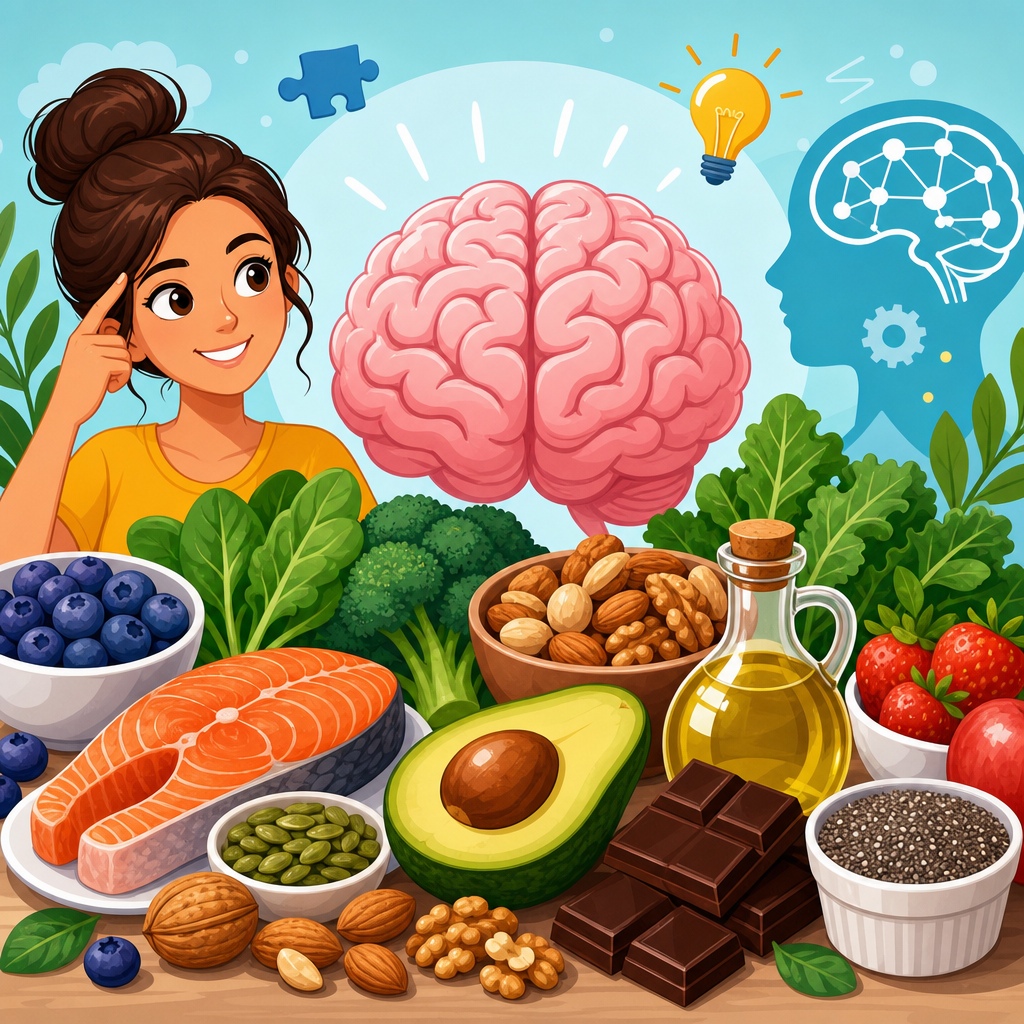
Brain-boosting foods for cognitive function play a central role in a healthy diet because the brain is metabolically demanding, structurally delicate, and highly responsive to nutrient intake over time. Although people often look for a single “memory food” or quick mental fix, cognitive performance depends on dietary patterns that support neurotransmitter production, blood flow, glucose regulation, cell membrane integrity, and protection against oxidative stress and inflammation. In practice, the strongest evidence does not support miracle ingredients. It supports a consistent eating pattern built around fatty fish, berries, leafy greens, nuts, seeds, legumes, eggs, fermented foods, whole grains, and extra virgin olive oil.
Cognitive function refers to mental processes such as attention, learning, memory, processing speed, problem solving, and executive control. These abilities are influenced by genetics, sleep, physical activity, stress load, age, medications, and health conditions, but food remains one of the most modifiable factors. The brain uses roughly 20 percent of the body’s energy at rest, yet it cannot store much fuel directly. It relies on steady delivery of oxygen and nutrients through healthy blood vessels and a resilient metabolic system. That is why dietary habits that protect cardiovascular health also tend to support brain health.
When I work through nutrition plans focused on cognition, I start with the same question: what does the brain need repeatedly, not occasionally? The answer includes omega-3 fats, B vitamins, choline, polyphenols, minerals such as magnesium and zinc, adequate protein, and fiber-rich carbohydrates that stabilize energy instead of causing spikes and crashes. Hydration matters too. Even mild dehydration can affect mood, concentration, and mental endurance. A healthy diet for the brain is therefore not separate from a healthy diet for the whole body. It is the same foundation, applied with more precision.
This hub explains which brain-boosting foods deserve priority, how they work, and how to fit them into real meals. It also clarifies what these foods can and cannot do. Food can support cognition, help preserve function across the lifespan, and lower risk factors linked to decline. It cannot replace sleep, treat every neurological condition, or overcome a pattern of chronic stress and inactivity on its own. The value of this topic lies in understanding the full picture, then using that understanding to build a diet that is realistic, evidence-based, and sustainable.
How Nutrition Influences the Brain Every Day
The brain is protected by the blood-brain barrier, but it is not isolated from diet. Nutrients affect the brain through several routes. First, they shape blood vessel health. Hypertension, insulin resistance, and elevated LDL cholesterol can impair circulation, including the tiny vessels that nourish brain tissue. Second, nutrients supply the raw materials for neurotransmitters and cell membranes. Choline supports acetylcholine, omega-3 fats are embedded in neuronal membranes, and amino acids contribute to dopamine and serotonin pathways. Third, plant compounds such as flavonoids influence inflammation, oxidative stress, and signaling involved in learning and memory.
Glucose is the brain’s main fuel under most conditions, but the quality of carbohydrate intake matters more than many people realize. Meals dominated by refined grains and added sugars can lead to sharp rises and falls in blood glucose, leaving people mentally foggy and hungry again soon after eating. By contrast, intact whole grains, beans, fruit, and vegetables release energy more gradually because they contain fiber and a more complex food matrix. In clinical practice, people often report better concentration in the afternoon when lunch includes protein, fiber, and unsaturated fat instead of a large portion of refined starch alone.
Inflammation is another key mechanism. Chronic low-grade inflammation is associated with poorer cognitive aging and increased risk of neurodegenerative disease. Diets rich in ultra-processed foods, excessive sodium, trans fats, and frequent sugary beverages tend to move biology in the wrong direction. Diets rich in vegetables, fruit, legumes, seafood, nuts, herbs, and olive oil tend to do the opposite. This is one reason established eating patterns such as the Mediterranean diet and the MIND diet are repeatedly studied in relation to brain health. They emphasize food combinations, not isolated supplements.
Top Brain-Boosting Foods and What They Contribute
Not all healthy foods affect cognition in the same way. Some are valuable because they supply structural fats, others because they help regulate blood sugar, and others because they deliver antioxidant compounds that appear to protect vulnerable brain tissue. The foods below are the core of a brain-supportive diet and form the basis for more specialized articles within this topic cluster.
| Food group | Key nutrients or compounds | How it supports cognitive function | Practical example |
|---|---|---|---|
| Fatty fish | EPA, DHA, vitamin D, protein | Supports neuronal membranes and vascular health | Salmon twice weekly, sardines on toast |
| Berries | Anthocyanins, vitamin C, fiber | Helps reduce oxidative stress and supports signaling | Blueberries in yogurt or oats |
| Leafy greens | Folate, vitamin K, lutein, nitrates | Supports circulation and nutrient density | Spinach salad with beans and olive oil |
| Eggs | Choline, B12, protein, lutein | Provides acetylcholine precursor and satiety | Boiled eggs with whole grain toast |
| Nuts and seeds | Vitamin E, magnesium, unsaturated fats | Supports antioxidant defense and steady energy | Walnuts, pumpkin seeds, chia |
| Legumes | Fiber, folate, iron, plant protein | Promotes stable blood sugar and gut health | Lentil soup or hummus |
| Fermented foods | Live cultures, bioactive metabolites | May support gut-brain signaling | Yogurt, kefir, kimchi |
| Extra virgin olive oil | Monounsaturated fats, polyphenols | Supports vascular health and lowers inflammatory load | Use as primary culinary fat |
Fatty fish deserves special emphasis because DHA is a major structural fat in the brain and retina. Salmon, sardines, trout, herring, and mackerel are practical choices. Two servings per week is a common evidence-based target. For people who do not eat fish, algae-based DHA supplements may help fill a gap, but food-first remains the better starting point because fish also provides protein, selenium, and vitamin D. Walnuts, flax, and chia provide ALA, another omega-3 fat, yet conversion from ALA to DHA is limited, so they complement rather than replace seafood.
Berries are among the most useful fruits for cognitive nutrition because they are rich in anthocyanins, a class of flavonoids linked to improved vascular function and reduced oxidative stress. Blueberries are the most studied, but strawberries, blackberries, raspberries, and cherries also contribute. In practical terms, frozen berries work almost as well as fresh and are often more affordable. I routinely recommend adding one serving daily to breakfast or a snack because consistency matters more than exotic variety.
Leafy greens, cruciferous vegetables, legumes, eggs, nuts, and seeds deserve equal attention. Spinach, kale, arugula, broccoli, lentils, chickpeas, eggs, walnuts, almonds, pumpkin seeds, and sunflower seeds cover multiple nutrient bases at once. Eggs are particularly useful for choline, which many adults underconsume. Choline is required for acetylcholine synthesis and cell membrane structure. Meanwhile, nuts and seeds supply vitamin E and magnesium, nutrients associated with normal nerve function and cellular protection. Together, these foods make everyday meals more supportive of attention, memory, and long-term cognitive resilience.
Dietary Patterns That Consistently Support Brain Health
The best evidence for brain-boosting foods comes from dietary patterns rather than single foods eaten in isolation. The Mediterranean diet is consistently associated with better cardiovascular markers and, in many studies, better cognitive outcomes or lower rates of cognitive decline. It emphasizes vegetables, fruit, legumes, whole grains, nuts, seeds, olive oil, fish, and moderate dairy, while limiting highly processed foods, sweets, and processed meats. The MIND diet builds on this structure by placing extra emphasis on leafy greens and berries, the two plant categories most strongly linked with slower cognitive aging in observational research.
These patterns work because they solve several problems at once. They provide unsaturated fats instead of trans fats, increase fiber intake, improve glycemic control, raise polyphenol exposure, and reduce the inflammatory burden that often comes with a Western-style diet. They also displace foods that can undermine cognition indirectly by harming sleep, vascular function, or metabolic health. For example, replacing a breakfast pastry with Greek yogurt, berries, walnuts, and oats does more than add nutrients. It changes satiety, blood sugar response, and the likelihood of energy crashes later in the morning.
Consistency matters more than perfection. A person does not need a textbook Mediterranean pantry to benefit. The practical goal is to anchor most meals around plants, include high-quality protein, and use unsaturated fats as the default. In a typical day that could mean oatmeal with berries and chia, a lentil and spinach soup with olive oil at lunch, salmon with quinoa and roasted vegetables at dinner, and fruit with yogurt or nuts as snacks. That pattern is recognizable, scalable, and much easier to maintain than an expensive regimen built around specialty products.
Key Nutrients, the Gut-Brain Connection, and Common Mistakes
Several nutrients deserve special mention because they recur across research on cognitive health. Omega-3 fats, especially DHA, support membrane fluidity and signaling. B vitamins including folate, B6, and B12 help regulate homocysteine, an amino acid associated with vascular and cognitive risk when elevated. Choline supports acetylcholine and phospholipid synthesis. Iron is essential for oxygen transport and energy metabolism, although excess supplemental iron is not advisable without confirmed need. Magnesium participates in nerve transmission, and vitamin D appears relevant for brain and immune function, though deficiency correction is more important than megadosing.
The gut-brain connection is another important piece. A diverse, fiber-rich diet helps nourish gut microbes that produce short-chain fatty acids and other metabolites involved in immune regulation and communication with the nervous system. Fermented foods such as yogurt, kefir, sauerkraut, kimchi, and miso may contribute useful microbes or fermentation byproducts, but they work best in the context of adequate prebiotic fiber from foods like oats, onions, beans, lentils, bananas, and asparagus. In real meal planning, a bowl of yogurt with berries and oats often does more for gut-brain support than a probiotic capsule taken alongside a low-fiber diet.
Common mistakes are predictable. People focus on supplements before fixing meal quality. They under-eat protein at breakfast, rely on caffeinated drinks instead of hydration, skip lunch, or consume large evening meals high in refined carbohydrates and alcohol, then wonder why concentration feels inconsistent. Another frequent problem is assuming that “healthy” packaged snacks support cognition simply because they contain added vitamins. The brain responds better to whole-food combinations that stabilize energy and support vascular health. Start with meals, not marketing claims.
How to Build a Cognitive-Supportive Plate in Real Life
A practical brain-healthy meal follows a simple structure: half the plate from vegetables or fruit, one quarter from protein, one quarter from high-fiber carbohydrates, with unsaturated fat added intentionally. This template helps people meet nutrient needs without tracking every gram. For breakfast, pair eggs with sautéed spinach and whole grain toast, or use oatmeal topped with blueberries, ground flax, and plain yogurt. For lunch, build a grain bowl with quinoa, chickpeas, mixed greens, roasted peppers, pumpkin seeds, and olive oil dressing. For dinner, combine salmon or tofu with brown rice and broccoli.
For busy households, planning matters more than culinary complexity. Frozen vegetables, canned beans, tinned sardines, microwavable whole grains, and plain Greek yogurt make brain-supportive eating much easier. I often recommend keeping four staples available at all times: a leafy green, a bean or lentil option, a source of omega-3s, and a berry product, fresh or frozen. With those in place, most people can build several meals in minutes. That level of convenience is essential because even the best nutrition advice fails when it cannot survive a workday, a commute, or a tight grocery budget.
It is also important to set realistic expectations. Brain-boosting foods do not create instant genius, and results are usually subtle at first: steadier focus, fewer energy dips, better satiety, and improved consistency across the day. Over months and years, the bigger payoff is risk reduction through healthier blood pressure, glucose control, lipid status, and inflammatory balance. That is the real promise of a healthy diet for cognitive function. Review your current meals, identify one weak point, and upgrade it this week with foods that truly support the brain.
Frequently Asked Questions
1. What are brain-boosting foods, and how do they support cognitive function?
Brain-boosting foods are nutrient-dense foods that help support the systems the brain depends on every day, including energy production, nerve signaling, blood circulation, and protection against inflammation and oxidative stress. Rather than acting like a quick fix, these foods work best as part of a long-term eating pattern that consistently delivers key nutrients. The brain uses a large amount of the body’s energy, so it depends on a steady supply of glucose from balanced meals, healthy fats for cell membrane structure, amino acids for neurotransmitter production, and vitamins and minerals that help regulate countless chemical reactions involved in thinking, focus, and memory.
Examples of foods commonly associated with cognitive support include fatty fish, eggs, berries, leafy greens, nuts, seeds, legumes, whole grains, olive oil, and fermented foods. Fatty fish provide omega-3 fatty acids, especially DHA, which is a major structural component of brain tissue. Leafy greens and berries offer antioxidants and plant compounds that may help reduce oxidative damage. Nuts and seeds contribute healthy fats, vitamin E, and minerals, while eggs supply choline, which is important for acetylcholine, a neurotransmitter involved in learning and memory. Whole grains and legumes help provide steady energy, which may support concentration by avoiding dramatic blood sugar swings.
The most important idea is that cognitive function is influenced by overall dietary quality, not a single “superfood.” A healthy brain-supportive diet tends to emphasize variety, fiber-rich plant foods, healthy fats, adequate protein, and minimally processed ingredients. Over time, this kind of pattern may help support mental clarity, sustained attention, and long-term brain health more effectively than relying on isolated supplements or heavily marketed memory foods.
2. Which nutrients are most important for brain health in a healthy diet?
Several nutrients play especially important roles in brain function, and they often work together rather than independently. Omega-3 fatty acids, particularly DHA and EPA, are among the best known because they support brain cell membrane flexibility, communication between neurons, and healthy inflammatory balance. These fats are found primarily in fatty fish such as salmon, sardines, trout, and mackerel. Choline is another key nutrient because it helps the body make acetylcholine, a neurotransmitter involved in memory and learning; eggs are one of the richest common sources.
B vitamins are also essential for cognitive health. Vitamins B6, B12, and folate contribute to energy metabolism, nerve function, and the regulation of homocysteine, an amino acid associated with cardiovascular and brain health when present at elevated levels. These nutrients can be found in foods such as leafy greens, beans, whole grains, dairy, eggs, fish, and lean meats. Antioxidant nutrients, including vitamin E and vitamin C, help protect brain cells from oxidative stress. Nuts, seeds, vegetable oils, citrus fruits, berries, peppers, and greens all contribute to that defense. Minerals matter too: magnesium supports nerve signaling, zinc participates in brain communication, iron helps carry oxygen, and iodine is necessary for thyroid hormones that influence brain development and function.
Just as important as what to include is how those nutrients are delivered. Whole foods usually provide these compounds in combinations that support absorption and broader health. For example, a meal with salmon, quinoa, spinach, and olive oil brings together protein, omega-3s, B vitamins, minerals, fiber, and healthy fats. That combination is far more useful for cognitive support than chasing one nutrient alone. A balanced diet built around diverse, minimally processed foods is the most reliable way to cover the brain’s nutritional needs over time.
3. Can certain foods improve memory and focus right away, or does it take time?
Some foods and meal patterns can influence mental performance in the short term, but the biggest benefits for memory, focus, and long-term cognitive resilience usually develop over time. In the immediate sense, the brain performs best when it has a stable energy supply and good hydration. A balanced meal containing complex carbohydrates, protein, and healthy fats may help support steady concentration by avoiding the rapid energy spike and crash that can follow highly refined, sugary foods. Hydrating foods and enough fluids also matter because even mild dehydration can affect alertness, attention, and mood.
Caffeine-containing foods and beverages such as coffee or tea may temporarily improve alertness and reaction time for some people, and tea also contains compounds like L-theanine that may promote a calmer sense of focus. However, these effects are not the same as building better brain health. A sugary pastry and coffee might feel stimulating for an hour, but it does not provide the nutrient foundation needed for sustained cognitive support. In contrast, a breakfast such as oatmeal with berries and walnuts, or eggs with whole-grain toast and avocado, can help promote more stable energy and attention across the morning.
Longer-term cognitive benefits depend on consistency. Regularly eating foods rich in omega-3s, antioxidants, fiber, vitamins, and minerals may help support healthy blood flow, glucose regulation, and reduced inflammation over months and years. So while some choices can help you feel more mentally steady in the moment, lasting memory and focus are usually the result of an overall dietary pattern combined with sleep, physical activity, stress management, and cardiovascular health. Brain nutrition works best as a daily habit, not a one-time intervention.
4. What does a practical brain-healthy eating pattern look like day to day?
A practical brain-healthy eating pattern is less about strict rules and more about building meals that consistently support energy, circulation, and nutrient intake. A useful starting point is to include a source of protein, a high-fiber carbohydrate, healthy fats, and colorful produce at most meals. This structure helps provide the raw materials for neurotransmitters, supports steady blood sugar, and increases intake of antioxidants and anti-inflammatory compounds. It also tends to be more realistic and sustainable than trying to eat a handful of “special” brain foods in isolation.
For breakfast, that might mean plain yogurt with berries, chia seeds, and oats, or eggs with sautéed greens and whole-grain toast. Lunch could be a grain bowl with salmon or beans, leafy vegetables, olive oil, and mixed vegetables. Dinner might include lentils or fish, roasted vegetables, and brown rice or sweet potatoes. Snacks can also contribute meaningfully; options such as nuts, fruit with nut butter, hummus with vegetables, or cottage cheese with seeds can help maintain energy and nutrient intake between meals. Fermented foods like yogurt or kefir may also have value as part of a healthy diet, especially because gut health is increasingly studied for its relationship to brain function.
It is also wise to limit patterns that work against cognitive health, such as frequent intake of ultra-processed foods, excessive added sugars, trans fats, and chronically unbalanced meals that lead to energy crashes. That does not mean every meal has to be perfect. It means the overall pattern should lean toward whole foods, healthy fats, and variety. When most meals include vegetables, legumes, whole grains, nuts, seeds, fish, eggs, and other minimally processed foods, you create a nutritional environment that supports the brain consistently and realistically.
5. Are brain-boosting foods enough on their own to protect cognitive health?
Brain-boosting foods are extremely important, but they are only one part of the larger picture of cognitive health. Nutrition can support the brain’s structure and function, help regulate inflammation, and promote healthy blood vessels, all of which matter for memory, attention, and aging. Still, the brain does not operate separately from the rest of the body. Sleep quality, physical activity, blood pressure control, blood sugar management, social connection, mental stimulation, and stress levels all influence cognitive performance and long-term brain health alongside diet.
For example, a nutrient-rich diet may be less effective if someone is chronically sleep-deprived, sedentary, or living with unmanaged metabolic or cardiovascular issues. Exercise helps improve blood flow to the brain and may support neuroplasticity. Good sleep is essential for memory consolidation and mental recovery. Chronic stress can impair focus and encourage eating patterns that work against brain health. In that sense, the best dietary strategy is one that fits into a broader healthy lifestyle rather than trying to compensate for every other factor.
The encouraging news is that these habits often reinforce one another. People who eat balanced meals may have steadier energy for exercise, better blood sugar control, and improved mood regulation. Likewise, regular movement and sleep can make it easier to choose nourishing foods. So yes, brain-boosting foods matter a great deal, but their greatest power comes when they are part of a comprehensive approach to health. A healthy diet lays the foundation, and the strongest cognitive support comes from combining that foundation with other proven lifestyle habits.