Foods for skin, hair, and nail health do far more than support appearance; they reflect and influence the body’s broader nutritional status, immune resilience, hormonal balance, and tissue repair capacity. In clinical nutrition work, I have seen brittle nails reveal iron deficiency, diffuse hair shedding follow rapid weight loss, and persistently dry skin improve only after protein, essential fats, and micronutrients were corrected together. Skin, hair, and nails are often described as cosmetic concerns, yet they are biologically active tissues with high nutrient demands, constant turnover, and strong connections to digestion, circulation, inflammation, and metabolism.
To understand why diet matters here, it helps to define the tissues involved. Skin is the body’s largest organ and a physical barrier built largely from structural proteins, lipids, water, and antioxidant defenses. Hair is composed primarily of keratin, a protein whose growth depends on adequate energy, amino acids, trace minerals, and endocrine stability. Nails are hard keratin structures that reveal chronic nutrient gaps, poor blood flow, repeated trauma, and systemic disease. When people search for foods for skin, hair, and nail health, they usually want stronger nails, shinier hair, fewer breakouts, better elasticity, or a more even complexion. The fuller answer is that these goals depend on nourishing the entire body well.
This matters because outward changes are often early, visible clues to inward health. Low protein intake can slow wound healing and weaken hair shafts. Inadequate zinc can affect acne, scalp health, and nail integrity. Omega-3 fats influence inflammation and the skin barrier. Vitamins A, C, D, and E all play distinct roles in cell turnover, collagen formation, immune function, and oxidative protection. B vitamins support energy metabolism in rapidly dividing cells. Iron helps deliver oxygen to follicles and nail beds. Selenium, copper, and iodine contribute to antioxidant systems and thyroid function, both central to healthy hair growth.
As a hub article within nutrition for health and wellness, this guide connects the core foods, nutrients, patterns, and practical strategies that shape skin, hair, and nail health. It also addresses common questions directly: which foods help most, how deficiencies show up, whether supplements are necessary, and why a “beauty food” rarely works in isolation. The central principle is simple: the best foods for skin, hair, and nail health are the same foods that support whole-body well-being—protein-rich staples, colorful produce, healthy fats, mineral-dense seafood and legumes, fermented foods, and steady hydration within a balanced dietary pattern.
Why Skin, Hair, and Nails Reflect Whole-Body Nutrition
Skin, hair, and nails are metabolically demanding tissues, but they are not biologically essential in the way the brain, heart, liver, and kidneys are. During illness, stress, calorie restriction, malabsorption, or nutrient deficiency, the body prioritizes vital organs first. That is why changes in these tissues often appear when intake is inadequate or physiologic stress is high. I regularly explain this to clients who are surprised that aggressive dieting caused hair shedding months later: follicles respond to the body’s resource allocation, not to surface treatments.
The skin barrier depends on ceramides, cholesterol, fatty acids, and well-regulated cell turnover. Hair follicles cycle through growth, transition, and shedding phases, and those phases are influenced by protein status, iron stores, thyroid hormones, inflammation, and stress. Nails grow more slowly, so ridging, spooning, splitting, and fragility can reflect longer-standing issues. Because these tissues renew continuously, they need a consistent supply of amino acids, vitamins, minerals, and energy. Sporadic healthy meals do less than a stable pattern of adequate intake.
Another key point is that visible symptoms rarely trace back to one nutrient alone. Acne may involve glycemic load, dairy sensitivity in some people, zinc status, inflammation, sleep, and hormones. Dry skin may relate to climate, aging, low essential fat intake, over-cleansing, or eczema. Hair thinning can reflect postpartum shifts, iron deficiency, androgenetic alopecia, thyroid dysfunction, autoimmune disease, medication effects, or low calorie intake. Foods help most when they correct the underlying pattern rather than chase a single ingredient trend.
The Most Important Nutrients and the Foods That Supply Them
Protein is foundational because keratin and collagen are built from amino acids. Eggs, Greek yogurt, fish, poultry, tofu, tempeh, lentils, beans, and lean meats all contribute to stronger tissue repair and growth. In practice, under-eating protein is one of the most common nutrition patterns behind weak nails and increased hair shedding, especially in older adults, vegans without planned intake, and people following restrictive weight-loss diets.
Vitamin C is essential for collagen synthesis and also improves non-heme iron absorption. Citrus, kiwi, strawberries, bell peppers, broccoli, and tomatoes are reliable sources. Vitamin A supports epithelial cell turnover, but more is not better; excessive preformed vitamin A from supplements can actually contribute to hair loss. Carotenoid-rich foods such as carrots, sweet potatoes, spinach, and winter squash provide a safer dietary route for most people.
Essential fats, particularly omega-3 fatty acids, help regulate inflammation and support the skin barrier. Salmon, sardines, trout, herring, walnuts, chia seeds, and flaxseeds are useful choices. Zinc supports wound healing, immune defense, and sebaceous gland function. Oysters are the richest source, while beef, pumpkin seeds, chickpeas, and cashews also help. Iron carries oxygen to growing tissues; heme iron from red meat, shellfish, and dark poultry is well absorbed, while lentils, beans, spinach, and fortified cereals can contribute when paired with vitamin C.
Biotin gets heavy marketing attention, but true deficiency is uncommon. Eggs, salmon, legumes, nuts, and seeds provide biotin naturally alongside many other nutrients. Selenium from Brazil nuts, seafood, eggs, and whole grains supports antioxidant enzymes, though excess from supplements can be harmful and may trigger hair and nail problems rather than solve them. Copper, found in shellfish, cocoa, cashews, mushrooms, and organ meats, supports connective tissue and pigmentation. Vitamin E from almonds, sunflower seeds, avocado, and olive oil helps defend cell membranes from oxidative stress.
| Nutrient | Main function for skin, hair, and nails | Best food sources | Common signs of low intake |
|---|---|---|---|
| Protein | Builds keratin, collagen, and repair tissue | Eggs, fish, yogurt, tofu, lentils, poultry | Hair shedding, weak nails, slow healing |
| Omega-3 fats | Supports barrier function and inflammation control | Salmon, sardines, flax, chia, walnuts | Dry skin, inflammatory imbalance |
| Iron | Delivers oxygen to follicles and nail beds | Red meat, shellfish, lentils, beans | Fatigue, brittle nails, diffuse shedding |
| Zinc | Supports immunity, healing, and follicle function | Oysters, beef, pumpkin seeds, chickpeas | Poor healing, acne flares, nail weakness |
| Vitamin C | Required for collagen synthesis | Kiwi, peppers, citrus, berries, broccoli | Easy bruising, slower repair |
Best Foods for Skin Health
The best foods for skin health are those that strengthen the barrier, support collagen, and moderate chronic inflammation. Fatty fish consistently rank high because they supply protein, omega-3 fats, selenium, and vitamin D. In patients with very dry skin or inflammatory patterns, improving seafood intake often helps more than adding another topical product. Extra-virgin olive oil is another staple with strong evidence in Mediterranean dietary patterns; it contributes monounsaturated fats and polyphenols associated with lower oxidative stress.
Colorful produce matters because skin is exposed to ultraviolet light, pollution, and continuous oxidative damage. Tomatoes provide lycopene, which has been studied for photoprotective effects when eaten regularly, especially with fat for absorption. Berries, cocoa, green tea, and leafy greens contribute flavonoids and carotenoids that help counter oxidative stress. Avocado supplies vitamin E, fiber, and healthy fats, making it a practical food for people who need more energy density without relying on ultra-processed snacks.
Fermented dairy and probiotic foods can also matter indirectly. Yogurt with live cultures, kefir, kimchi, and sauerkraut may support the gut-skin axis by influencing microbial balance and immune signaling. This is not a cure-all, but in people with reactive digestion and skin inflammation, improving overall diet quality and including fermented foods often reduces flare patterns. Hydration matters as well, though water alone will not fix nutrient-poor eating. Well-hydrated skin still requires fats, protein, and micronutrients to maintain its structure.
Best Foods for Hair Growth and Scalp Health
Hair growth depends on adequate calories, sufficient protein, iron stores, zinc, B vitamins, thyroid-supportive nutrients, and a healthy scalp environment. The strongest food pattern for hair is not exotic. It is regular meals built around protein, produce, whole grains or legumes, and healthy fats. Eggs are useful because they provide protein, biotin, selenium, and choline. Salmon offers protein plus omega-3 fats and vitamin D. Beans and lentils support vegetarian diets with protein, iron, zinc, and folate.
For scalp health, anti-inflammatory foods often help more than highly marketed “hair gummies.” Sardines, mackerel, flaxseed, and walnuts can be useful when dandruff-like irritation is linked to inflammatory tendencies. Pumpkin seeds are practical for zinc, magnesium, and iron. Seaweed is sometimes promoted for hair because of iodine, but it should be used carefully; excessive iodine can worsen thyroid dysfunction, which itself can trigger hair changes. Brazil nuts are a classic selenium source, yet one or two nuts can meet daily needs, and chronic overuse is risky.
Hair loss requires nuance. Telogen effluvium after fever, surgery, childbirth, severe stress, or rapid weight loss often improves only after the triggering event passes and nutrition normalizes. Pattern hair loss has a genetic and hormonal basis, so food supports the scalp environment but will not replace medical treatment. That balance is important: good nutrition creates the conditions for healthy growth, but it does not override every dermatologic or endocrine cause.
Best Foods for Stronger Nails
Nails grow slowly, so improvement takes time, usually several months. The best foods for stronger nails are those that consistently provide protein, iron, zinc, and B vitamins. Lean meats, shellfish, eggs, beans, lentils, tofu, and dairy are staple choices because they support keratin production. If nails split easily, peel, or break with minor pressure, I first look at overall protein intake, iron status, frequent hand washing, cleaning chemical exposure, and repeated wet-dry cycles before assuming a supplement is needed.
Leafy greens, legumes, and fortified grains can help when brittle nails coincide with low iron intake, especially in menstruating women and endurance athletes. Citrus and peppers improve absorption of plant iron. Nuts and seeds contribute minerals and vitamin E, while mushrooms and whole grains add selenium and copper. Bone broth is often promoted for nails because of collagen, but its protein content varies and it should not displace more complete protein foods. Balanced meals are more reliable than single “beauty” foods.
Nails also reveal when an issue is not nutritional. Clubbing can indicate lung or heart disease. Yellowing may reflect fungal infection or smoking. Pitting can occur with psoriasis. Spoon-shaped nails can be associated with iron deficiency. When nail changes are persistent, painful, or new, food is part of the answer, but proper medical assessment is essential.
Diet Patterns, Lifestyle Factors, and Common Mistakes
The most effective dietary pattern for skin, hair, and nail health is a nutrient-dense, minimally processed eating style close to the Mediterranean model: fish, legumes, fruits, vegetables, olive oil, nuts, seeds, fermented dairy if tolerated, and adequate total calories. This pattern supports vascular health, blood sugar stability, inflammation control, and microbial diversity, all of which affect visible tissue quality. It also tends to provide better potassium, magnesium, folate, and polyphenol intake than a diet dominated by refined snacks and sugary drinks.
Common mistakes undermine results. One is chronic under-eating. When calorie intake drops too low, the body conserves resources, and hair growth slows or shedding increases. Another is relying on collagen powders while ignoring total protein, vitamin C, and iron. Collagen can be a useful supplemental protein, but it is incomplete and works best within a fully adequate diet. A third mistake is mega-dosing supplements. Excess vitamin A, selenium, or zinc can worsen the very symptoms people want to correct and may create copper imbalance or gastrointestinal side effects.
Blood sugar management matters too. Diets high in refined carbohydrates can aggravate acne in some people by increasing insulin and insulin-like growth factor signaling. Sleep, stress, alcohol, and smoking also influence outcomes. Poor sleep impairs repair processes. Chronic stress shifts hormones and can trigger hair shedding. Smoking damages collagen and blood flow. Alcohol can worsen dehydration, reduce sleep quality, and displace nutrient-dense foods. Nutrition works best when these factors are addressed alongside it.
How to Build Meals That Support Visible and Lasting Results
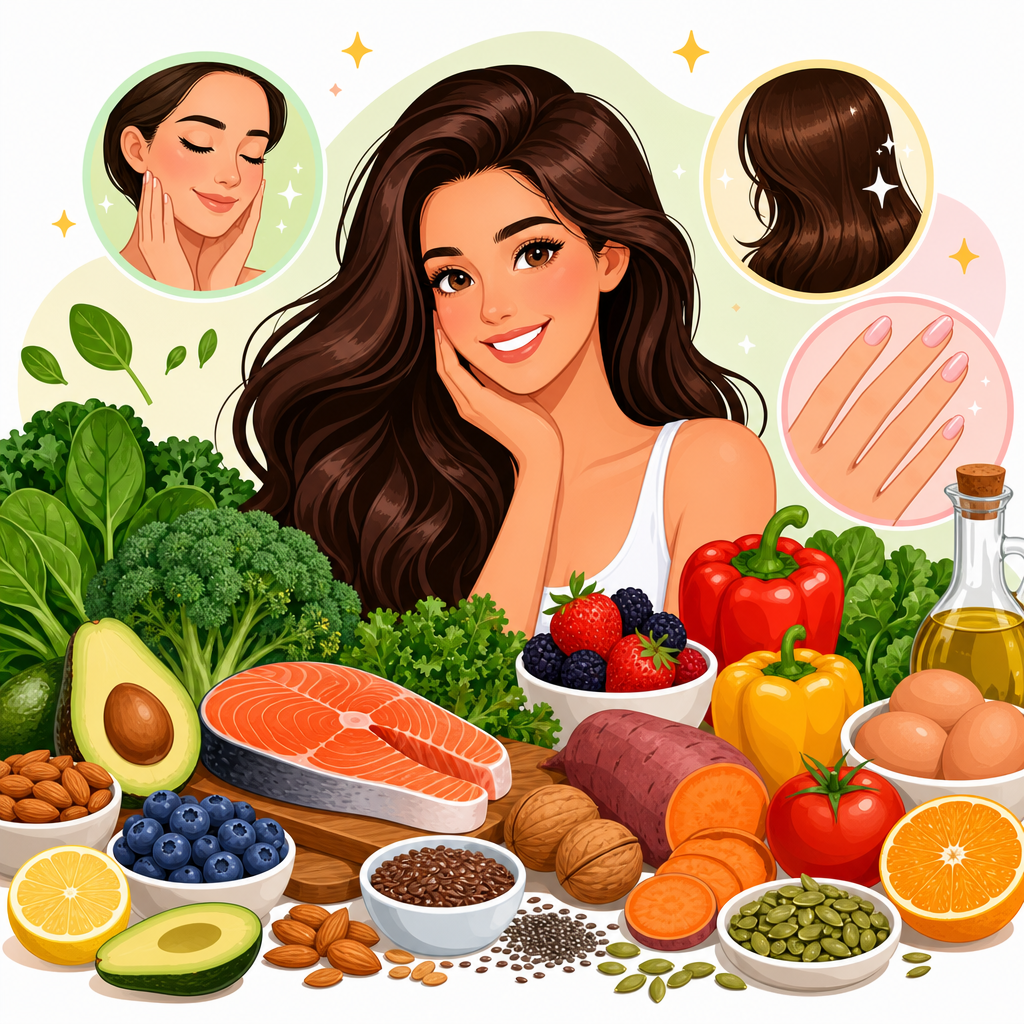
A practical approach is to assemble each meal with four anchors: a quality protein, a colorful plant food, a healthy fat, and a mineral-rich carbohydrate or legume. Breakfast might be Greek yogurt with berries, chia seeds, and walnuts. Lunch could be a lentil and salmon salad with olive oil, tomatoes, cucumber, and peppers. Dinner might be tofu stir-fry with broccoli, mushrooms, sesame seeds, and brown rice. These combinations deliver the protein, iron, zinc, vitamin C, essential fats, and antioxidants that beauty tissues need, while also supporting energy, digestion, and metabolic health.
For people with dietary restrictions, planning matters more than perfection. Vegetarians should be deliberate about protein quality, iron, zinc, and vitamin B12. People with heavy menstrual losses may need medical evaluation of ferritin if hair shedding persists despite improved diet. Those with eczema, psoriasis, or acne may benefit from tracking symptoms with foods, but elimination diets should be evidence-based and not unnecessarily restrictive. The durable strategy is consistency: repeated balanced meals over months, not a short burst of superfoods. If you want healthier skin, stronger hair, and tougher nails, start by upgrading your everyday plate and seek professional assessment when symptoms suggest a deeper issue.
Frequently Asked Questions
1. Why do foods for skin, hair, and nail health matter for overall well-being, not just appearance?
Foods that support skin, hair, and nail health are closely tied to whole-body nutrition because these tissues often reflect what is happening internally. Skin depends on adequate protein, essential fatty acids, vitamins, minerals, hydration, and antioxidant protection to maintain its barrier function, regulate inflammation, and support wound healing. Hair follicles require a steady supply of energy, amino acids, iron, zinc, and several B vitamins to stay in a healthy growth cycle. Nails rely on sufficient protein and micronutrients to remain strong and resilient. When intake is inadequate, the body prioritizes vital organs first, which means changes in skin texture, hair growth, and nail strength may appear early.
That is why concerns such as brittle nails, chronic dryness, diffuse hair shedding, or slow healing should not be dismissed as purely cosmetic. In many cases, they can point to broader issues such as iron deficiency, low protein intake, poor essential fat intake, restrictive dieting, digestive problems, elevated inflammation, hormonal imbalance, or nutrient malabsorption. Supporting these tissues through food can improve more than outward appearance. It can also help strengthen immune resilience, support tissue repair, improve energy production, stabilize blood sugar, and contribute to better recovery from stress, illness, or injury. In practical terms, a nutrient-dense diet for skin, hair, and nails is often the same kind of diet that supports long-term metabolic, hormonal, and immune health.
2. Which nutrients are most important for healthy skin, hair, and nails?
Several nutrients play central roles, and they work best together rather than in isolation. Protein is foundational because skin, hair, and nails are all built from structural proteins and amino acids. Without enough total protein, the body may struggle to maintain collagen, keratin, and normal tissue repair. Essential fatty acids, especially omega-3 fats, help support skin barrier integrity, moisture balance, and healthy inflammatory signaling. Iron is especially important for oxygen transport and cellular growth, and low iron status is a common contributor to fatigue, hair shedding, and brittle nails. Zinc supports wound healing, immune function, and normal skin and hair follicle function. Biotin gets much attention, but true deficiency is uncommon; broader B vitamin adequacy matters more for energy metabolism and tissue turnover.
Vitamin C supports collagen formation and helps improve iron absorption from plant foods. Vitamin A helps regulate skin cell turnover, though balance is important because both too little and too much can cause problems. Vitamin D influences immune function and skin health, while vitamin E and selenium contribute antioxidant protection. Copper also plays a role in connective tissue and pigmentation. Rather than focusing on a single “beauty nutrient,” it is usually more effective to build meals around high-quality protein, colorful produce, nuts and seeds, legumes, whole grains, seafood, eggs, dairy or fortified alternatives, and healthy fats. This pattern provides the raw materials the body needs for visible tissue health and the underlying processes that keep those tissues functioning properly.
3. Can poor skin, hair, or nail health be a sign of a nutrient deficiency or other health issue?
Yes, and this is one of the most important reasons to take persistent changes seriously. Skin, hair, and nails can act as visible indicators of internal imbalances. Brittle or spoon-shaped nails may be associated with iron deficiency. Diffuse hair shedding can follow rapid weight loss, illness, surgery, high stress, postpartum hormonal shifts, or inadequate calorie and protein intake. Dry, flaky, or slow-healing skin can be linked to low essential fat intake, dehydration, poor blood sugar control, or deficiencies in nutrients involved in repair and barrier function. Recurrent cracks at the corners of the mouth, persistent pallor, fragile hair texture, and unusually slow nail growth can also raise questions about overall nutritional status.
That said, food is not the only factor. Thyroid disorders, autoimmune conditions, gastrointestinal diseases that impair absorption, chronic inflammation, medication side effects, and hormonal changes can all affect these tissues. This is why symptoms should be viewed in context rather than treated with guesswork. If someone is dealing with ongoing hair loss, severe nail breakage, skin changes that do not improve, or signs of deficiency such as fatigue and weakness, a professional evaluation can help determine whether the issue involves iron, zinc, protein, thyroid function, vitamin D, or another underlying concern. Correcting the root cause is far more effective than relying on cosmetic products or random supplements alone.
4. What are the best foods to eat for stronger hair, healthier skin, and more resilient nails?
The most helpful approach is to eat consistently balanced meals that supply enough energy and a broad range of nutrients. Start with protein-rich foods such as eggs, fish, Greek yogurt, cottage cheese, poultry, lean meats, tofu, tempeh, beans, lentils, and edamame. These provide amino acids needed for keratin, collagen, and ongoing tissue repair. Fatty fish like salmon, sardines, and trout add omega-3 fats that support skin moisture and help regulate inflammation. Nuts, seeds, avocado, and olive oil contribute healthy fats and vitamin E. Colorful fruits and vegetables such as berries, citrus, kiwi, bell peppers, leafy greens, carrots, sweet potatoes, and tomatoes provide vitamin C, carotenoids, polyphenols, and other antioxidants that help protect skin and support collagen synthesis.
Mineral-rich foods also matter. Red meat, legumes, pumpkin seeds, shellfish, fortified cereals, and spinach can help support iron and zinc intake, while dairy foods or fortified alternatives contribute protein and other key nutrients. Whole grains and legumes provide B vitamins and steady energy to support rapidly growing tissues like hair. Hydration is also important, especially for skin comfort and barrier function, though drinking more water alone will not overcome an inadequate diet. In real life, the strongest dietary pattern is one that is varied, sufficient, and sustainable. Severe restriction, meal skipping, and quick-fix detoxes often work against skin, hair, and nail health by reducing the very nutrients the body needs to maintain them.
5. How long does it take for dietary changes to improve skin, hair, and nails?
Improvements usually take time because skin, hair, and nails grow and renew on different schedules. Skin may show changes relatively sooner, especially when dryness or irritation is related to poor overall intake, low essential fats, or inconsistent hydration. Some people notice better skin comfort and texture within several weeks of improving diet quality, though deeper issues such as inflammation, impaired barrier function, or slow healing may take longer. Nails grow slowly, so stronger, less brittle nails may not be obvious for a few months. Hair often requires even more patience because growth occurs in cycles. If shedding has been triggered by stress, illness, nutrient depletion, or rapid weight loss, improvement can take several months after the underlying cause is corrected.
The key is consistency. A few “superfoods” or a short supplement trial rarely make a lasting difference if the overall diet remains inadequate. Visible improvement is more likely when calorie intake is sufficient, protein is distributed across the day, healthy fats are included regularly, and deficiencies are properly identified and corrected. It is also important to remember that if symptoms are severe or persistent, a food-first strategy should be paired with medical or nutrition assessment. When the problem involves iron deficiency, thyroid dysfunction, malabsorption, or significant hormonal changes, progress often depends on addressing that root issue along with dietary support. In most cases, steady and balanced nutrition produces the most meaningful and durable results for both appearance and overall well-being.