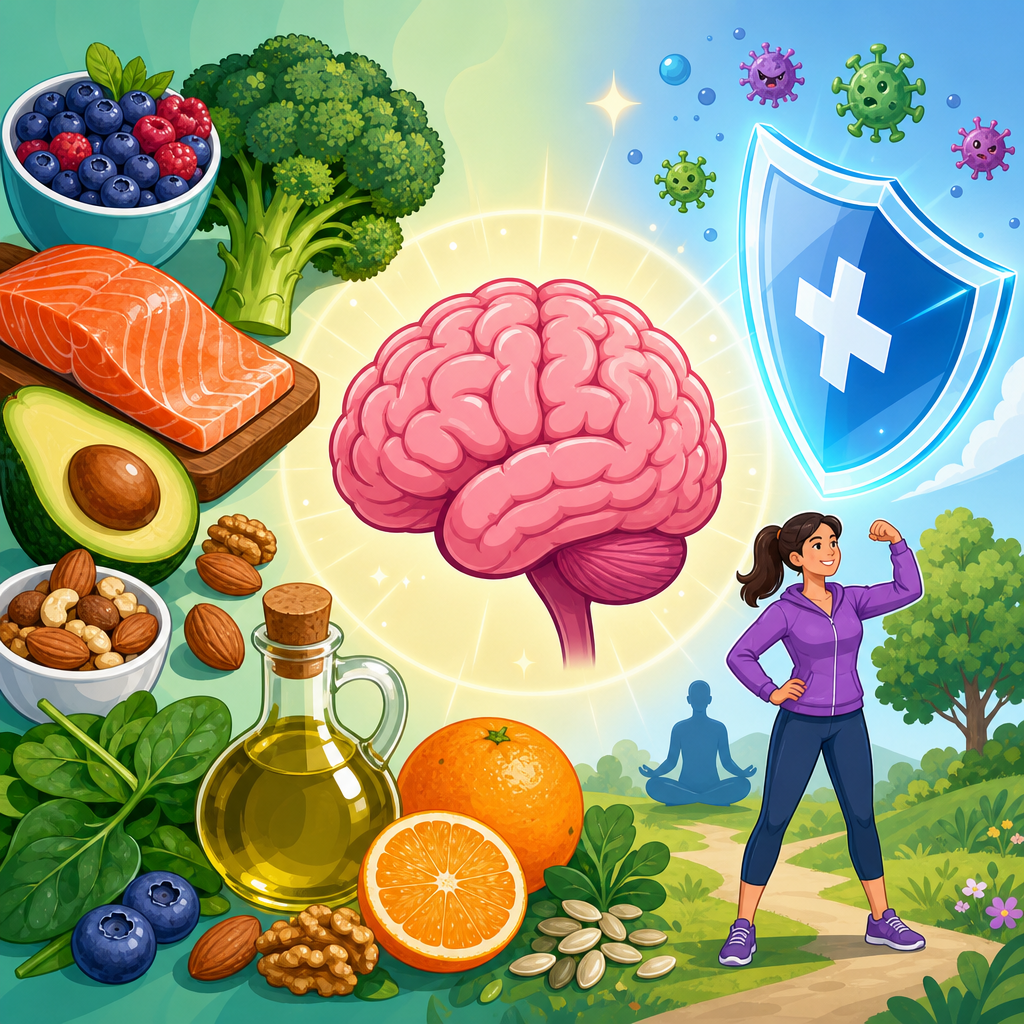
Choosing the best sources of nutrition for heart health is one of the most practical ways to lower cardiovascular risk, improve energy, and support long-term wellness. Heart health nutrition means eating patterns that help maintain healthy blood pressure, cholesterol, blood sugar, vascular function, and body weight. In practice, that usually comes down to food quality, overall dietary pattern, and consistency more than any single “superfood.” After years of reviewing meal plans, lipid panels, food logs, and adherence challenges with clients and editorial teams, I have seen the same principle hold true: the best diet for the heart is the one built on evidence-based foods that people can sustain.
Cardiovascular disease remains the leading cause of death globally, according to the World Health Organization, and diet is one of the largest modifiable risk factors. Poor intake of sodium, low fruit and vegetable consumption, excess saturated fat, inadequate fiber, and high intake of ultra-processed foods are repeatedly associated with worse outcomes. By contrast, dietary patterns such as the Mediterranean diet and DASH eating plan are linked to lower rates of hypertension, coronary artery disease, and stroke. These patterns are not restrictive fads. They are frameworks centered on vegetables, fruits, legumes, whole grains, nuts, seeds, fish, and healthier fats.
For readers exploring nutrition for heart health, the key question is usually straightforward: what should I eat more of, what should I limit, and why does each choice matter? This hub answers those questions directly and serves as a foundation for deeper articles on heart-healthy meals, cholesterol-lowering foods, blood pressure nutrition, anti-inflammatory eating, and grocery planning. The goal is not perfection. The goal is selecting the best sources of nutrition for heart health often enough that biomarkers improve over time.
Several terms are important at the start. LDL cholesterol is the particle most strongly associated with plaque formation when elevated; lowering it reduces cardiovascular risk. HDL cholesterol helps transport cholesterol, but raising HDL alone is not the main target. Triglycerides reflect fat transport and often rise with excess refined carbohydrates, alcohol, and weight gain. Blood pressure measures the force of blood against artery walls; sodium, potassium, body weight, stress, and activity all affect it. Dietary fiber, especially soluble fiber, helps reduce LDL cholesterol and improves satiety. Unsaturated fats, including monounsaturated and polyunsaturated fats, generally support heart health when they replace saturated fats.
Core Principles of a Heart-Healthy Eating Pattern
The best sources of nutrition for heart health fit into a pattern, not a checklist. A heart-supportive plate is built around minimally processed foods that provide fiber, potassium, magnesium, antioxidants, and beneficial fats while keeping sodium, added sugars, and harmful fat profiles in check. In clinical and real-world settings, I have found that people do best when they focus first on additions: more vegetables at lunch and dinner, more beans during the week, more whole grains instead of refined grains, and more fish or plant proteins in place of processed meats.
Dietary patterns matter because foods interact. Oats lower LDL partly through beta-glucan, but the effect is stronger when oats are part of a broader high-fiber diet. Olive oil supports lipid management, but it works best when replacing butter, not when simply added to a calorie-surplus diet. Leafy greens contribute potassium and nitrates that support vascular function, yet they cannot offset a routine diet high in sodium and fast food. The strongest evidence favors consistency across meals and weeks rather than isolated healthy choices.
The Mediterranean and DASH models are widely recommended because they improve multiple markers at once. Mediterranean-style eating emphasizes extra-virgin olive oil, fish, legumes, nuts, vegetables, fruit, herbs, and whole grains. DASH focuses strongly on fruits, vegetables, low-fat dairy, beans, and sodium reduction for blood pressure control. Both approaches reduce reliance on processed foods and encourage nutrient density. For most adults, combining their strengths is an effective strategy: plenty of plants, smart fats, lean protein, high fiber, and controlled sodium.
Best Foods to Eat More Often for Heart Health
Vegetables and fruits are foundational because they supply fiber, potassium, polyphenols, vitamin C, folate, and carotenoids. Berries, citrus, tomatoes, leafy greens, broccoli, carrots, peppers, and cruciferous vegetables show up repeatedly in heart-healthy dietary research. Potassium helps balance sodium’s effect on blood pressure, and polyphenol-rich produce may reduce oxidative stress and improve endothelial function. A practical target is filling half the plate with produce at two meals per day, then expanding from there.
Whole grains deserve special emphasis. Oats, barley, quinoa, brown rice, bulgur, and whole wheat provide fiber and minerals while generally producing a steadier metabolic response than refined grains. Oats and barley are notable for soluble fiber, especially beta-glucan, which helps lower LDL cholesterol by binding bile acids. In meal planning, swapping sugary cereal for steel-cut oats or replacing white rice with barley in soups can make a measurable difference over months, especially when repeated daily.
Legumes are among the most underused foods in cardiovascular nutrition. Beans, lentils, peas, and chickpeas provide fiber, plant protein, potassium, magnesium, and low saturated fat. Replacing part of the meat in chili with black beans or using lentils in soups often lowers saturated fat while increasing satiety. Nuts and seeds also support heart health, particularly walnuts, almonds, pistachios, flaxseed, and chia seeds. Their unsaturated fats, plant sterols, minerals, and fiber are associated with better lipid profiles when portions are sensible.
Fish, especially salmon, sardines, trout, herring, and mackerel, supplies omega-3 fatty acids EPA and DHA, which are linked to lower triglycerides and anti-inflammatory effects. Extra-virgin olive oil is another cornerstone because it provides monounsaturated fat and polyphenols. Avocados, plain yogurt, tofu, edamame, and minimally processed soy foods round out a strong list of best sources of nutrition for heart health. The common thread is clear: nutrient density, fiber or beneficial fats, and lower reliance on sodium-heavy industrial processing.
What to Limit and Why It Matters
Heart-healthy eating is not only about what to add. It also requires reducing foods that predictably worsen risk factors. Processed meats such as bacon, sausage, deli meats, and hot dogs are consistently associated with higher cardiovascular risk because they combine sodium, preservatives, and often saturated fat. Sugar-sweetened beverages contribute excess calories and can raise triglycerides without offering satiety. Deep-fried fast foods, packaged pastries, and many snack foods add refined starches, poor-quality fats, and salt in combinations that make overconsumption easy.
Saturated fat remains important, especially for people with elevated LDL cholesterol. Butter, high-fat cheese, fatty cuts of red meat, coconut oil, and many desserts can raise LDL when consumed frequently. The current evidence supports replacing saturated fat with unsaturated fats from olive oil, nuts, seeds, and fish rather than replacing it with refined carbohydrates. Trans fats, though reduced in many countries, should still be avoided where they appear in shelf-stable baked goods or fry oils. Sodium intake is another major issue, particularly for hypertension. Restaurant meals, canned soups, sauces, breads, frozen entrees, and cured meats often supply far more sodium than people expect.
| Food choice | Better heart-healthy swap | Primary benefit |
|---|---|---|
| Bacon or sausage breakfast | Oatmeal with berries and walnuts | Less sodium and saturated fat, more soluble fiber |
| White bread sandwich with deli meat | Whole grain wrap with hummus, vegetables, and beans | More fiber and potassium, fewer preservatives |
| Butter on vegetables | Extra-virgin olive oil and herbs | More monounsaturated fat and polyphenols |
| Chips or pastries | Unsalted nuts or fruit with yogurt | Better fats, less refined starch, more satiety |
| Soda | Water or unsweetened tea | Lower sugar load and triglyceride impact |
Nutrients That Directly Support the Cardiovascular System
Several nutrients have especially strong links to cardiovascular outcomes. Soluble fiber, found in oats, barley, beans, apples, and citrus, helps lower LDL cholesterol by interfering with cholesterol reabsorption. The American Heart Association and many lipid specialists emphasize total fiber intake because it also improves fullness and glycemic control. Omega-3 fats from fatty fish lower triglycerides and may support cardiac rhythm and vascular function, though fish intake is generally preferred over routine supplementation unless clinically indicated.
Potassium and magnesium help regulate blood pressure and muscle function. Potassium-rich foods include beans, potatoes, yogurt, bananas, oranges, spinach, and tomatoes. Magnesium is abundant in legumes, seeds, nuts, and whole grains. Nitrates from leafy greens and beets can support nitric oxide production, which helps blood vessels relax. Polyphenols from berries, cocoa, tea, olive oil, and colorful produce may reduce oxidative stress and improve endothelial function, although they work best as part of a whole-diet pattern rather than as isolated extracts.
Protein quality also matters. Replacing some red and processed meat with legumes, fish, soy foods, or poultry can improve overall fat quality and lower sodium. Plant sterols and stanols, found naturally in nuts, seeds, legumes, and fortified products, can further reduce LDL cholesterol in some individuals. Still, nutrient discussions should not distract from the bigger picture. Most people gain more by eating beans four times weekly, cooking with olive oil, and increasing vegetables than by chasing specialty powders or expensive functional foods.
Building Heart-Healthy Meals in Real Life
The best nutrition plan is one that survives workdays, family schedules, travel, and budget limits. A practical heart-healthy breakfast might be oatmeal topped with blueberries, ground flaxseed, and a spoon of almonds. Lunch can be a grain bowl with quinoa, roasted vegetables, chickpeas, greens, and olive oil vinaigrette. Dinner can be baked salmon, barley, and broccoli with lemon and herbs. These are not aspirational “wellness” meals; they are standard templates I return to because they reliably deliver fiber, unsaturated fats, and manageable sodium.
Shopping strategy matters as much as recipes. Keep canned no-salt-added beans, frozen vegetables, plain yogurt, oats, whole grains, nuts, olive oil, canned salmon or sardines, and fruit on hand. Read labels on bread, broth, salad dressing, cereal, and soups because sodium and added sugars vary dramatically by brand. In restaurants, choose grilled fish, bean-based dishes, salads with dressing on the side, steamed vegetables, and simple starches instead of fried sides. If a meal is sodium-heavy, balance the rest of the day with lower-sodium choices and potassium-rich produce.
For cholesterol management, emphasize oats, barley, beans, nuts, and olive oil while pulling back on butter, cheese, and fatty meats. For blood pressure, prioritize sodium reduction, vegetables, fruit, beans, and low-fat dairy if tolerated. For elevated triglycerides, cut sugary drinks, reduce excess alcohol, and moderate refined carbohydrates. The details can be personalized, but the foundation remains stable. Start with one repeatable change, then expand. Review your meals honestly for a week, identify the biggest nutritional leaks, and build a heart-healthy routine you can keep.
Choosing the best sources of nutrition for heart health is not complicated, but it does require clear priorities. Eat more vegetables, fruits, legumes, whole grains, nuts, seeds, fish, and olive oil. Limit processed meats, sodium-heavy packaged foods, sugary drinks, refined snacks, and excess saturated fat. Use proven dietary patterns such as Mediterranean-style and DASH-inspired eating as your guide, then adapt them to your culture, budget, and schedule. Small changes matter when they are repeated consistently.
The main benefit of heart-healthy nutrition is not only lower long-term disease risk. People often notice improved energy, steadier appetite, better digestion, and more predictable lab results within months. Better food choices support blood pressure, LDL cholesterol, triglycerides, vascular function, and weight management at the same time. That is why this topic belongs at the center of any nutrition for health and wellness plan, not at the margins. Food is one of the few daily tools that can influence multiple cardiovascular pathways at once.
Use this hub as your starting point for deeper learning on meal planning, grocery strategy, cholesterol-lowering foods, and blood pressure nutrition. Audit your current eating pattern, choose two upgrades you can implement this week, and build from there. A bowl of oats instead of sausage, beans instead of processed meat, olive oil instead of butter, and water instead of soda may sound simple, but these are the choices that move heart health in the right direction. Start today and make your next meal a heart-supportive one.
Frequently Asked Questions
What are the best foods to eat regularly for better heart health?
The best sources of nutrition for heart health are foods that consistently support healthy cholesterol levels, stable blood sugar, healthy blood pressure, and lower inflammation. In real-world terms, that usually means building meals around vegetables, fruits, legumes, whole grains, nuts, seeds, and quality protein sources rather than relying on highly processed foods. Fatty fish such as salmon, sardines, trout, and mackerel are especially valuable because they provide omega-3 fats that support cardiovascular function. Beans, lentils, oats, barley, and many fruits also provide soluble fiber, which can help reduce LDL cholesterol. Leafy greens, berries, avocados, extra-virgin olive oil, and unsalted nuts are commonly included in heart-supportive eating patterns because they offer a mix of fiber, antioxidants, healthy fats, potassium, and other nutrients that help protect blood vessels.
Just as important as what to include is what to limit. A heart-healthy eating pattern typically reduces ultra-processed snacks, sugary drinks, excessive sodium, refined carbohydrates, and foods high in trans fats or large amounts of saturated fat. That does not mean every meal must be perfect. It means the overall pattern should lean heavily toward minimally processed, nutrient-dense foods most of the time. A simple rule is to aim for a plate that includes a large portion of vegetables, a source of fiber-rich carbohydrate such as beans or whole grains, and a protein source such as fish, legumes, or lean poultry. Over time, that type of consistency tends to matter more for cardiovascular outcomes than chasing isolated “miracle” ingredients.
Is there one specific diet that is best for heart health?
There is not one single diet that works best for every person, but several eating patterns have strong evidence behind them for cardiovascular support. The Mediterranean diet is one of the most researched and widely recommended because it emphasizes vegetables, fruits, legumes, whole grains, olive oil, nuts, seeds, and fish while limiting heavily processed foods and excess red meat. The DASH diet is another excellent option, especially for people focused on blood pressure, because it prioritizes produce, low-fat dairy, legumes, whole grains, and lower sodium intake. Plant-forward eating patterns can also be highly effective when they are built around whole foods rather than refined starches and packaged meat alternatives.
The key point is that heart health nutrition is less about a label and more about the structure of the diet. A useful approach is to choose an eating style you can follow consistently, enjoy socially, and maintain long term. If a plan improves food quality, helps with portion awareness, and supports healthy lab values such as cholesterol, triglycerides, blood pressure, and blood sugar, it is likely moving you in the right direction. The best plan is the one that combines strong scientific support with realistic day-to-day adherence. Sustainability matters because even the most evidence-based diet will not help much if it is too restrictive to follow for more than a few weeks.
How do healthy fats fit into a heart-healthy diet?
Healthy fats play an important role in cardiovascular nutrition, and they are often misunderstood. The goal is not to avoid fat entirely but to choose better types of fat. Unsaturated fats, including monounsaturated and polyunsaturated fats, are linked to better heart outcomes when they replace less healthy fats in the diet. Good examples include extra-virgin olive oil, avocados, nuts, seeds, and fatty fish. These foods can help improve lipid profiles, increase satiety, and support overall vascular health. Omega-3 fats from fish are especially helpful because they are associated with reduced inflammation and support for normal heart rhythm and triglyceride levels.
On the other hand, regularly eating large amounts of trans fats and heavily processed fried foods can increase cardiovascular risk. Saturated fat is more nuanced, but many experts still recommend keeping it moderate, especially for people with elevated LDL cholesterol or established heart disease. Foods such as butter, high-fat processed meats, and large portions of full-fat cheese are best balanced carefully within the total diet. A practical way to think about fat quality is substitution. Replacing butter with olive oil, processed meats with fish or beans, and chips with nuts or seeds often improves the nutritional profile of the diet without making meals feel overly restrictive. That shift in fat quality, repeated over time, can meaningfully support heart health.
Can heart-healthy nutrition really improve cholesterol and blood pressure?
Yes, nutrition can have a significant impact on both cholesterol and blood pressure, especially when changes are applied consistently rather than occasionally. Soluble fiber from oats, barley, beans, lentils, apples, citrus, and flax can help lower LDL cholesterol by reducing cholesterol absorption in the digestive tract. Replacing refined carbohydrates and processed foods with whole, fiber-rich foods also tends to improve triglycerides and blood sugar control, which indirectly benefits cardiovascular health. In addition, replacing some sources of saturated fat with foods rich in unsaturated fat, such as olive oil, nuts, seeds, and fish, can support healthier cholesterol patterns.
Blood pressure often improves when a person increases intake of potassium-rich foods like leafy greens, beans, potatoes, yogurt, bananas, and fruit while reducing excessive sodium from restaurant meals, packaged foods, processed meats, canned soups, and salty snacks. Weight management can also improve with better food quality, and even moderate weight loss can reduce blood pressure and improve metabolic markers in many individuals. It is important to be realistic: nutrition does not always replace medication, particularly for people with genetic cholesterol issues or long-standing hypertension. However, a well-structured eating pattern can make medications work better, reduce future risk, and in some cases lessen the intensity of treatment needed over time. For many people, the combination of diet, exercise, sleep, stress management, and medical care delivers the strongest results.
What is the easiest way to start eating for heart health without feeling overwhelmed?
The easiest way to begin is to focus on a few high-impact habits instead of trying to overhaul everything at once. Start by improving one or two meals you eat most often. For example, switch breakfast from pastries or sugary cereal to oatmeal with berries and nuts, or change lunch from fast food to a grain bowl with vegetables, beans, and olive oil-based dressing. Add one extra serving of vegetables at dinner, choose water or unsweetened beverages more often, and make snacks simpler by using fruit, yogurt, nuts, or hummus instead of highly processed options. These changes are practical, measurable, and easier to sustain than dramatic restrictions.
Meal planning can also make heart-healthy nutrition much more realistic. Keep staples on hand such as canned beans, frozen vegetables, oats, brown rice, whole grain bread, plain yogurt, nuts, seeds, eggs, and frozen fish. That makes it easier to assemble balanced meals even on busy days. Reading labels helps too, especially for sodium, added sugar, and ingredient quality. If you want a simple formula, think “fiber, color, and quality fat” at most meals: include a fiber-rich carbohydrate, at least one colorful plant food, and a healthy fat source. Over time, these small decisions create a dietary pattern that supports heart health without requiring perfection. The goal is progress you can repeat, because consistent habits are what ultimately drive better cardiovascular outcomes.