Nutrition for heart health is one of the most searched wellness topics, yet it is also one of the most misunderstood. I have worked with cardiac rehab patients, weight-management clients, and families trying to lower cholesterol after a frightening diagnosis, and the same problem appears every time: people are overwhelmed by conflicting advice. One headline says eggs are dangerous, another says butter is back, and a third claims supplements can replace a balanced diet. The result is confusion, not better cardiovascular health.
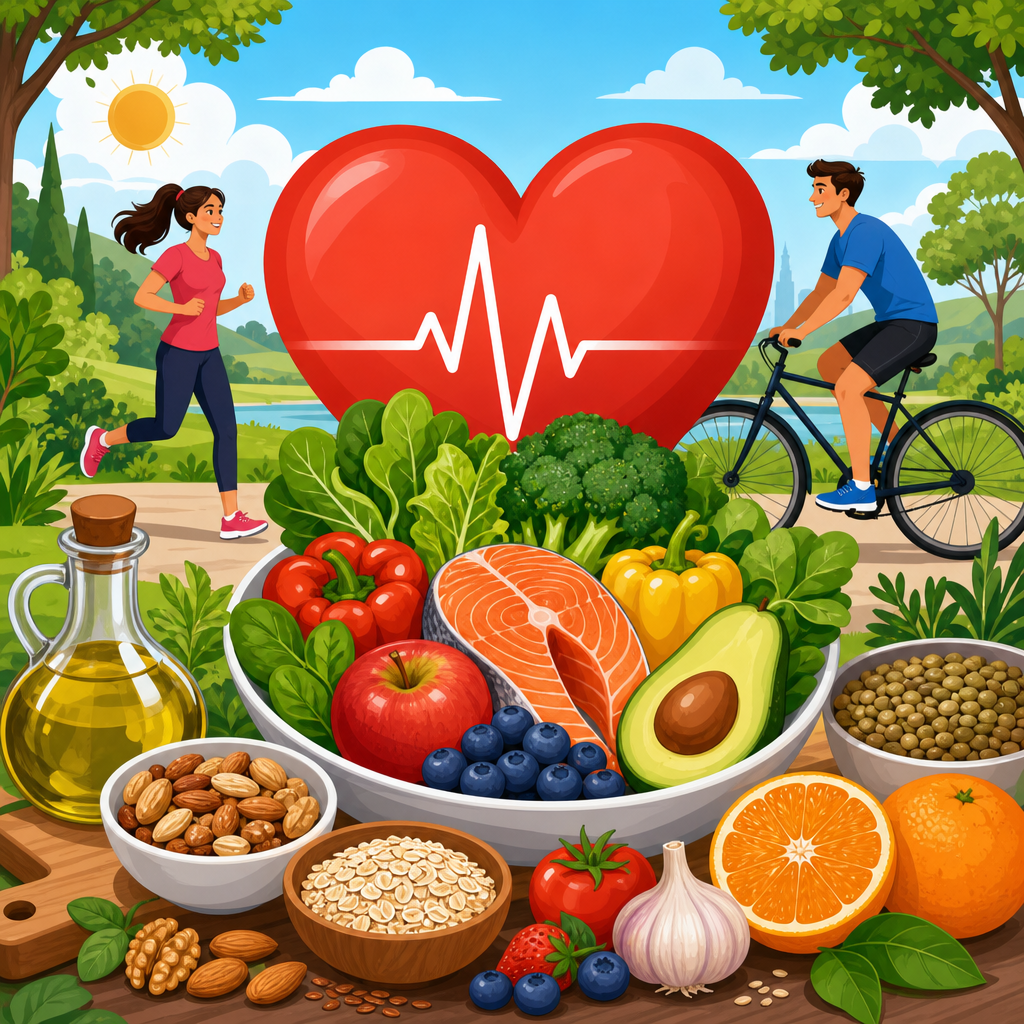
Heart health nutrition refers to eating patterns that support healthy blood pressure, blood lipids, blood sugar, body weight, and vascular function. It is not a single food, a supplement stack, or a short cleanse. It is the consistent use of foods and habits shown to reduce risk factors for coronary artery disease, stroke, heart failure, and metabolic syndrome. In practice, that means emphasizing vegetables, fruits, legumes, nuts, seeds, whole grains, fish, and minimally processed proteins while managing sodium, added sugar, trans fat, and overall calorie balance.
This matters because cardiovascular disease remains the leading cause of death globally. The World Health Organization estimates it causes roughly 17.9 million deaths each year. Diet is one of the most powerful modifiable factors behind that burden. Research from the American Heart Association, the Dietary Guidelines for Americans, and large cohort studies consistently shows that dietary patterns influence LDL cholesterol, triglycerides, inflammation, endothelial function, and blood pressure. In plain terms, what you eat every day can either protect your arteries or steadily damage them.
This hub article on nutrition for heart health debunks common myths and organizes the topic into practical areas you can build on. If you want a clear foundation for choosing foods, reading labels, planning meals, or discussing changes with your clinician, start here.
Myth 1: All fat is bad for the heart
This is the oldest and most persistent myth in heart health nutrition. In clinical practice, I still meet people who avoid avocados, nuts, olive oil, and salmon but eat refined crackers labeled low fat. That approach misses the central point: the type of fat matters more than the total grams alone.
Unsaturated fats, especially monounsaturated and polyunsaturated fats, are associated with better cardiovascular outcomes when they replace saturated fat or refined carbohydrates. Olive oil, walnuts, almonds, flaxseed, chia seeds, and fatty fish such as salmon or sardines provide fats that support healthier lipid profiles. Omega-3 fatty acids from fish are especially well studied for triglyceride reduction and may support heart rhythm stability in some populations.
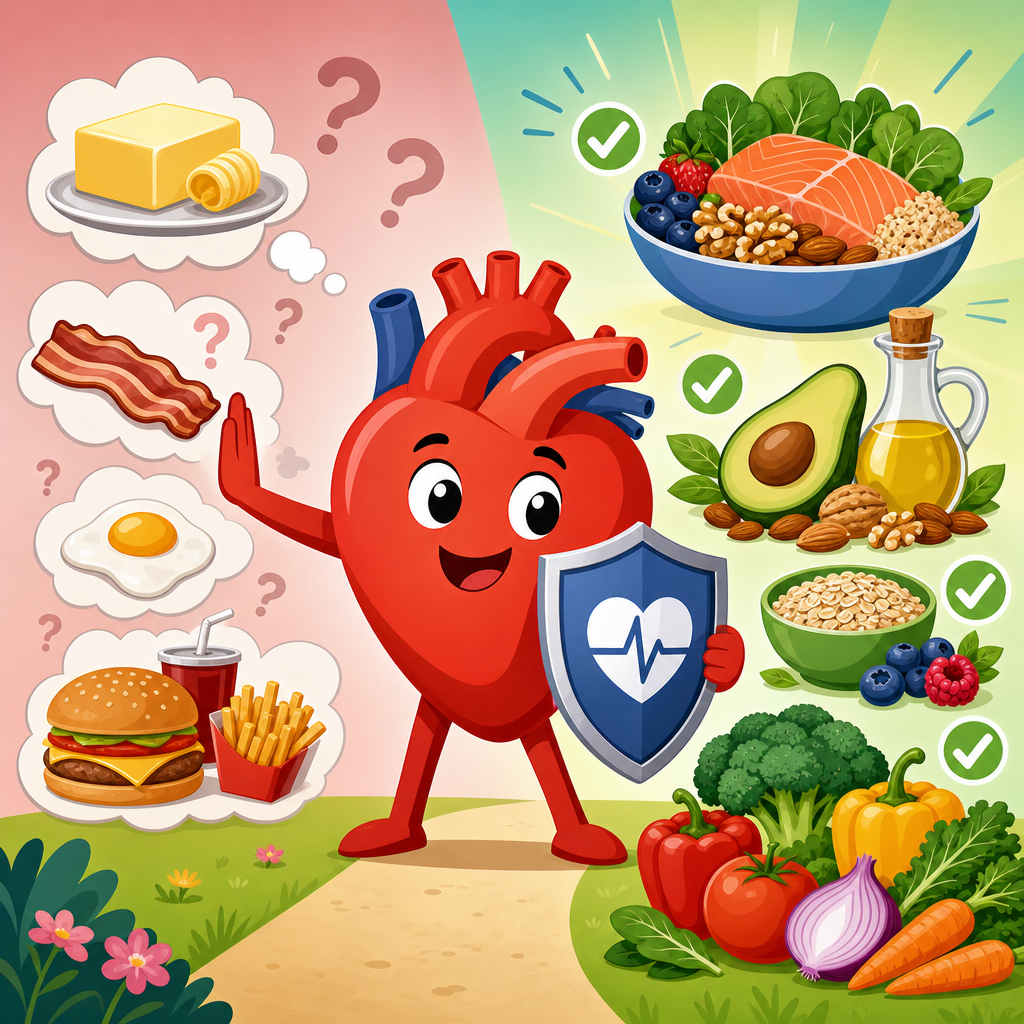
Saturated fat is more nuanced than social media claims suggest. It is not a toxin, but high intake from fatty cuts of meat, butter, cream, and heavily processed foods can raise LDL cholesterol in many people. Trans fats are the clearest problem and should be avoided as much as possible. The best strategy is replacement, not fear: swap butter for olive oil, sausage for beans or fish, and pastries for nuts or yogurt with fruit.
Myth 2: If a food is low cholesterol, it is heart healthy
Many packaged foods market themselves as cholesterol free, but that label often distracts from what actually drives risk. Dietary cholesterol has a smaller effect on blood cholesterol for most people than saturated fat, trans fat, refined starch, excess calories, and low fiber intake. A cholesterol-free cookie made with white flour, palm oil, and added sugar is not a heart health food.
When reviewing food labels with clients, I focus first on the ingredient list and the overall nutrition profile. Is the food high in sodium? Does it deliver fiber? Is protein coming from beans, fish, soy, or lean poultry, or from processed meats? Is the product mostly intact food or mostly industrial formulation? These questions matter more than a front-of-package claim.
For many adults, a practical target is to build meals around foods naturally rich in soluble fiber, including oats, barley, lentils, apples, citrus, and beans. Soluble fiber can help lower LDL cholesterol by binding bile acids in the digestive tract. That mechanism is far more useful than chasing processed foods that simply advertise the absence of cholesterol.
Myth 3: You must cut out all salt to protect your heart
Sodium reduction is important, but the idea that every person needs a no-salt diet is inaccurate and usually unsustainable. The real issue is excessive sodium intake, especially from restaurant meals, packaged soups, deli meat, sauces, breads, frozen entrees, and snack foods. Most sodium in modern diets does not come from the salt shaker.
For people with hypertension, heart failure, kidney disease, or salt sensitivity, reducing sodium can make a meaningful difference in blood pressure and fluid balance. The American Heart Association often points to an ideal limit of 1,500 milligrams per day for many adults, while general intake guidance remains below 2,300 milligrams. In reality, average intake is often much higher.
The better message is to lower sodium strategically while improving food quality overall. Cooking more meals at home, rinsing canned beans, choosing no-salt-added tomatoes, comparing bread labels, and using herbs, garlic, lemon, vinegar, and spices can reduce sodium without making food bland. Potassium-rich foods such as beans, potatoes, yogurt, leafy greens, and bananas can also support healthy blood pressure, though people with kidney disease need personalized advice.
Myth 4: Heart healthy eating means giving up flavor and satisfaction
This myth keeps people from starting. In reality, the most effective eating patterns for cardiovascular health are not based on deprivation. Mediterranean-style eating and the DASH approach are both rich in flavor because they rely on herbs, olive oil, seafood, beans, yogurt, tomatoes, citrus, garlic, whole grains, and a wide range of vegetables.
One simple shift I have seen work repeatedly is rebuilding familiar meals instead of replacing them with diet food. Tacos can become heart healthier by using black beans, grilled fish, avocado, salsa, cabbage, and corn tortillas. Pasta can support heart health when portions are sensible and the dish includes olive oil, white beans, spinach, tomatoes, and a sprinkle of Parmesan instead of a heavy cream sauce. Breakfast can be steel-cut oats with berries and walnuts rather than a sugary pastry.
Adherence drives outcomes. If an eating pattern is joyless, people abandon it. Flavor, texture, and cultural fit are not extras; they are essential to long-term cardiovascular nutrition success.
Myth 5: Supplements can replace a heart healthy diet
Fish oil capsules, fiber powders, red yeast rice, garlic pills, plant sterols, magnesium blends, and antioxidant formulas are marketed aggressively for heart support. Some supplements can help in specific situations, but none can replace a strong dietary pattern. This is one of the clearest lessons from both research and day-to-day practice.
Whole foods deliver matrices of nutrients, fiber, bioactive compounds, and satiety effects that pills cannot replicate. Eating salmon provides protein, omega-3 fats, selenium, and often displaces a less beneficial entrée. Beans provide fiber, potassium, magnesium, plant protein, and help improve fullness. A supplement usually targets only one pathway.
There are cases where supplementation is reasonable. Prescription omega-3 products may be used for severe hypertriglyceridemia. Psyllium can support LDL reduction. Plant sterol-fortified foods may help some people. Yet supplements can interact with medications, vary in quality, and create false confidence. A clinician should review them, especially if you take statins, blood thinners, or blood pressure medication.
What a heart healthy eating pattern actually looks like
People often ask for a single best diet for heart health. The evidence supports patterns rather than rigid labels. Across major guidelines, the common denominators are consistent: more plants, more fiber, less ultra-processed food, better fat quality, moderate sodium, and calorie intake matched to needs.
| Nutrition focus | Heart health benefit | Practical examples |
|---|---|---|
| Vegetables and fruits | Support blood pressure, fiber intake, and antioxidant intake | Leafy greens, berries, tomatoes, oranges, broccoli |
| Whole grains | Improve satiety and cardiometabolic markers compared with refined grains | Oats, barley, quinoa, brown rice, whole grain bread |
| Legumes | Provide soluble fiber and plant protein that can help lower LDL | Lentils, chickpeas, black beans, split peas |
| Healthy fats | Improve lipid quality when replacing saturated fat | Olive oil, nuts, seeds, avocado, salmon |
| Lower sodium choices | Help manage blood pressure and fluid retention | No-salt-added canned goods, home-cooked meals, herbs and spices |
A heart healthy plate does not need to be complicated. Half vegetables and fruit, a quarter whole grains or starchy vegetables, and a quarter protein is a useful starting structure. Add a source of unsaturated fat, such as olive oil or nuts, and choose water, milk, or unsweetened beverages more often than sugary drinks.
Common questions about cholesterol, sugar, alcohol, and red meat
Does sugar affect the heart? Absolutely. Excess added sugar contributes to weight gain, elevated triglycerides, insulin resistance, fatty liver, and higher cardiometabolic risk. Sugary beverages are especially problematic because they add calories without fullness. Replacing soda, energy drinks, and sweet coffee beverages with water or unsweetened options is one of the fastest improvements many people can make.
Is red meat always harmful? No, but quantity, frequency, and processing matter. Processed meats such as bacon, sausage, salami, and hot dogs are consistently linked with higher cardiovascular risk and should be limited. Unprocessed lean red meat can fit occasionally, but most people benefit from shifting more meals toward fish, beans, soy foods, or poultry.
What about alcohol and heart health? The old idea that everyone should drink red wine for their heart is outdated. Any potential benefit is outweighed by clear risks for many people, including higher blood pressure, atrial fibrillation, poor sleep, liver disease, and cancer risk. If you do not drink, there is no cardiovascular reason to start. If you do, moderation is essential.
Are eggs allowed? For most healthy adults, eggs can fit into a heart healthy diet, especially when the rest of the eating pattern is strong. The larger concern is often what comes with them: buttered toast, bacon, sausage, and oversized restaurant portions. Eggs with vegetables, beans, or whole grain toast are a different meal entirely.
How to build sustainable habits that protect the heart
Lasting improvement comes from repeatable systems, not perfect days. I advise clients to begin with three high-yield actions: eat vegetables at two meals daily, replace at least one refined snack with nuts or fruit, and prepare a simple bean, fish, or lentil-based dinner twice a week. These changes are measurable, affordable, and realistic.
Use objective tools when possible. Check blood pressure at home with a validated monitor. Track lipid panels, A1C if relevant, waist circumference, and body weight trends over time. Reading labels becomes easier when you compare sodium, fiber, added sugar, and saturated fat across similar products. Apps can help with awareness, but they should support habits, not create obsession.
Most important, connect food changes to the outcome that matters to you: lower LDL, fewer blood pressure medications, better exercise tolerance, or reduced family risk. Nutrition for heart health works best when it is practical enough to continue next month and next year. Start with one meal, one shopping list, and one routine you can sustain.
Common myths about nutrition for heart health persist because simple stories spread faster than nuanced truth. The evidence is clear, though: heart protection does not come from avoiding all fat, chasing low-cholesterol labels, eliminating every grain, or relying on supplements. It comes from a consistent dietary pattern built around minimally processed foods, strong fiber intake, better fat quality, smart sodium control, and realistic portions.
The main benefit of understanding these myths is confidence. Once you know what actually influences blood pressure, LDL cholesterol, triglycerides, inflammation, and weight, you can ignore fad claims and make decisions that hold up over time. That is exactly what a good hub page on nutrition for heart health should provide: a practical framework you can use whether your goal is prevention, cholesterol reduction, blood pressure control, or recovery after a cardiac event.
If you want better cardiovascular health, begin with your next grocery trip and your next meal. Choose one myth to retire, one heart healthy swap to make, and one habit to repeat this week.
Frequently Asked Questions
1. Is all fat bad for heart health?
No, and this is one of the most damaging myths people still believe. The heart-health conversation is not really about avoiding all fat, but about choosing the right kinds of fat and keeping overall eating patterns balanced. Unsaturated fats, which are found in foods like olive oil, avocados, nuts, seeds, and fatty fish such as salmon or sardines, can support healthy cholesterol levels and reduce inflammation when they replace more harmful fats in the diet. These foods are very different from industrial trans fats, and they are not nutritionally equivalent to heavily processed foods that happen to be high in fat.
The fats that deserve more caution are trans fats and excessive amounts of saturated fat from highly processed foods, fried foods, and frequent intake of fatty cuts of meat and full-fat packaged snacks. Even then, context matters. Heart health is shaped by the total dietary pattern, not by one nutrient in isolation. Someone who includes moderate amounts of fat in a diet rich in vegetables, fruits, legumes, whole grains, and lean proteins is in a very different place than someone eating a diet built around processed convenience foods. For most people, the best approach is not “low-fat” at all costs, but “smart-fat” choices that help improve diet quality over time.
2. Are eggs dangerous if you are worried about cholesterol?
Eggs are often unfairly blamed because they contain dietary cholesterol, but current understanding is much more nuanced than the old advice many people still remember. For most healthy individuals, the cholesterol in foods has less impact on blood cholesterol than the overall quality of the diet, especially the amount of saturated fat, trans fat, fiber, and refined carbohydrates being consumed. In practical terms, an egg eaten with vegetables and whole-grain toast is not the same as eggs served alongside processed meats, white bread, and fried potatoes every morning.
That said, there is no single answer for every person. Some individuals, especially those with diabetes, existing cardiovascular disease, familial hypercholesterolemia, or a strong personal sensitivity to dietary cholesterol, may need more personalized guidance. What matters most is the broader pattern: are eggs part of a balanced, minimally processed eating plan, or are they part of a routine built around sodium-heavy, saturated-fat-rich foods? In many cases, eggs can fit into a heart-conscious diet, but they should not distract from the bigger priorities, such as increasing fiber, managing portion sizes, and reducing processed foods.
3. Is butter really back, or is that just another nutrition myth?
The idea that butter has been completely “redeemed” is oversimplified and misleading. Butter is not poison, but it is still a concentrated source of saturated fat, and regularly using it in large amounts can make it harder for some people to maintain healthy LDL cholesterol levels. This is especially important for those who already have high cholesterol, a family history of heart disease, high blood pressure, or other cardiovascular risk factors. Headlines often make it sound as though nutrition science has reversed course dramatically, when in reality the guidance has become more precise, not more permissive.
What has changed is that experts now focus less on demonizing single foods and more on promoting overall eating patterns. Replacing butter with unsaturated fat sources like olive oil, canola oil, nuts, or seed-based spreads is generally a more heart-supportive choice. If someone enjoys butter occasionally in small amounts, that is very different from using it as a major daily fat source. The question is not whether butter can exist in a healthy diet at all, but whether it is crowding out better options. For heart health, foods that deliver beneficial fats, fiber, and micronutrients usually offer more value than butter does.
4. Can supplements replace a heart-healthy diet?
In most cases, no. This is one of the most common and costly misunderstandings. Supplements can sometimes play a helpful role when there is a documented deficiency or a specific medical recommendation, but they do not recreate the full benefits of a heart-healthy eating pattern. Whole foods provide a complex package of nutrients, fiber, plant compounds, and natural food structures that work together in ways a pill cannot fully mimic. For example, the benefits of eating beans, oats, berries, leafy greens, nuts, and fish extend beyond just one vitamin or mineral listed on a label.
Many people are drawn to supplements because they feel simpler than changing long-standing habits, but relying on them can create false confidence. A person cannot out-supplement a diet high in sodium, refined carbohydrates, added sugars, and processed fats. Some supplements may also interact with medications, affect blood pressure or clotting, or create unnecessary expense without clear benefit. If someone has a heart condition, elevated cholesterol, or is taking prescription medications, supplement decisions should always be discussed with a physician or registered dietitian. The foundation of heart health still comes from consistent food choices, not a shortcut in capsule form.
5. Do you have to completely avoid your favorite foods to eat for heart health?
No, and in fact that all-or-nothing mindset often backfires. One reason nutrition advice becomes so confusing is that people think they must choose between a perfect diet and a harmful one, when real progress usually happens through realistic, sustainable changes. Heart-healthy eating does not require giving up every enjoyable food forever. It means building a routine where nutrient-dense foods show up often and indulgent foods are handled with awareness, moderation, and context. This is a much more effective approach than cycles of restriction followed by frustration.
For example, someone can still enjoy dessert, a family recipe, or a restaurant meal while improving heart health overall by cooking more at home, using healthier oils, eating more fiber-rich foods, watching sodium intake, and balancing portions. A person does not need a flawless diet to lower cardiovascular risk. Small habits such as swapping refined grains for whole grains, adding vegetables to more meals, choosing beans or fish more often, and cutting back on highly processed snacks can add up significantly over time. The best heart-healthy diet is not the most rigid one; it is the one a person can maintain consistently and confidently in everyday life.