Strong bones and flexible joints depend on nutrition far more than most people realize, because the body is constantly remodeling bone tissue, repairing cartilage, managing inflammation, and regulating the minerals that keep the musculoskeletal system stable. Nutrition for strong bones and joints refers to the dietary pattern, nutrient intake, and lifestyle habits that support bone density, cartilage integrity, connective tissue strength, and comfortable movement over time. This matters at every age. Children need raw materials for skeletal growth, active adults need support for recovery and joint loading, and older adults need strategies to reduce bone loss and maintain mobility. I have worked with clients who focused only on calcium supplements and missed the bigger picture entirely. Bone and joint health is not built by one nutrient. It comes from an interconnected system that includes protein, vitamin D, vitamin K, magnesium, phosphorus, omega-3 fats, vitamin C, potassium, and overall energy intake. It also depends on habits that affect absorption and turnover, such as exercise, alcohol use, smoking, medication exposure, and sun access.
When people search for the best foods for bones and joints, they are usually asking several practical questions at once. What nutrients matter most? Which foods should I eat regularly? Are supplements necessary? Can diet help with joint pain or stiffness? The clear answer is yes, but with nuance. Bones are living tissue made largely of collagen and mineral crystals, especially calcium phosphate in the form of hydroxyapatite. Joints include cartilage, synovial fluid, ligaments, tendons, and the bone surfaces that meet and move together. Each structure has different nutritional demands. A useful hub on nutrition for strong bones and joints must explain those demands in plain language, connect them to everyday food choices, and separate evidence-based strategies from marketing claims. That is the goal here: to give you a complete framework you can use now and revisit as you explore more specific topics within nutrition for health and wellness.
Key Nutrients That Build and Protect Bones and Joints
Calcium is the most recognized nutrient for bone health, and for good reason. About 99 percent of the body’s calcium is stored in bones and teeth. Adults generally need around 1,000 milligrams per day, while many women over fifty and men over seventy need 1,200 milligrams. Dairy foods, calcium-set tofu, sardines with bones, fortified plant milks, and some leafy greens are dependable sources. Yet calcium alone does not guarantee strong bones. Without enough vitamin D, absorption falls sharply. Vitamin D helps the gut absorb calcium and supports bone remodeling, muscle function, and fall prevention. Fatty fish, egg yolks, fortified foods, and sensible sun exposure help, but many adults still fall short, especially in winter or in northern latitudes.
Protein is equally important and often underappreciated in discussions of nutrition for strong bones and joints. Bone is not just mineral; roughly half its volume is protein-rich matrix, primarily collagen. Inadequate protein can impair bone formation and slow tissue repair. For joints, protein supplies amino acids needed for cartilage, tendons, and ligaments. I often see people trying to improve bone density while undereating overall, which works against them. Magnesium supports vitamin D metabolism and contributes to bone structure. Vitamin K, particularly K1 from greens and K2 from fermented foods and some animal foods, helps activate proteins involved in bone mineralization. Vitamin C is essential for collagen synthesis, making it a joint-support nutrient as much as an immune nutrient. Omega-3 fats may help reduce inflammatory signaling that can worsen joint discomfort. Potassium-rich foods such as beans, potatoes, fruit, and vegetables may also help by reducing dietary acid load and supporting mineral balance.
How Bone and Joint Nutrition Works in the Body
Bone tissue is constantly renewed through a process called remodeling. Specialized cells called osteoclasts break down old bone, while osteoblasts build new bone. This cycle is influenced by hormones, mechanical loading, inflammation, and nutrient availability. Peak bone mass is usually reached by the late twenties, which means nutrition during childhood, adolescence, and early adulthood has lifelong consequences. After that point, the goal shifts toward preserving bone and slowing loss. In women, the estrogen decline during menopause accelerates bone resorption, which is why osteoporosis risk increases. Inadequate calcium, low vitamin D status, very low calorie diets, and prolonged inactivity make this worse.
Joint nutrition works differently. Cartilage has no direct blood supply, so it relies on surrounding tissues and joint movement to receive nutrients. Synovial fluid helps nourish cartilage and reduce friction. Nutrients do not “rebuild” severely worn cartilage in a simple way, but they can support the tissues involved in joint function and influence inflammatory pathways that affect pain and stiffness. This is an important distinction. Food is not a cure for advanced osteoarthritis, rheumatoid arthritis, or a structural injury, but it can meaningfully support symptom management and long-term function. In practice, I have seen the best results when nutrition is paired with resistance training, impact activity where appropriate, physical therapy, adequate sleep, and weight management. Extra body weight increases joint load, especially at the knees, while poor muscle mass reduces the body’s ability to absorb force safely.
Best Foods for Strong Bones and Healthy Joints
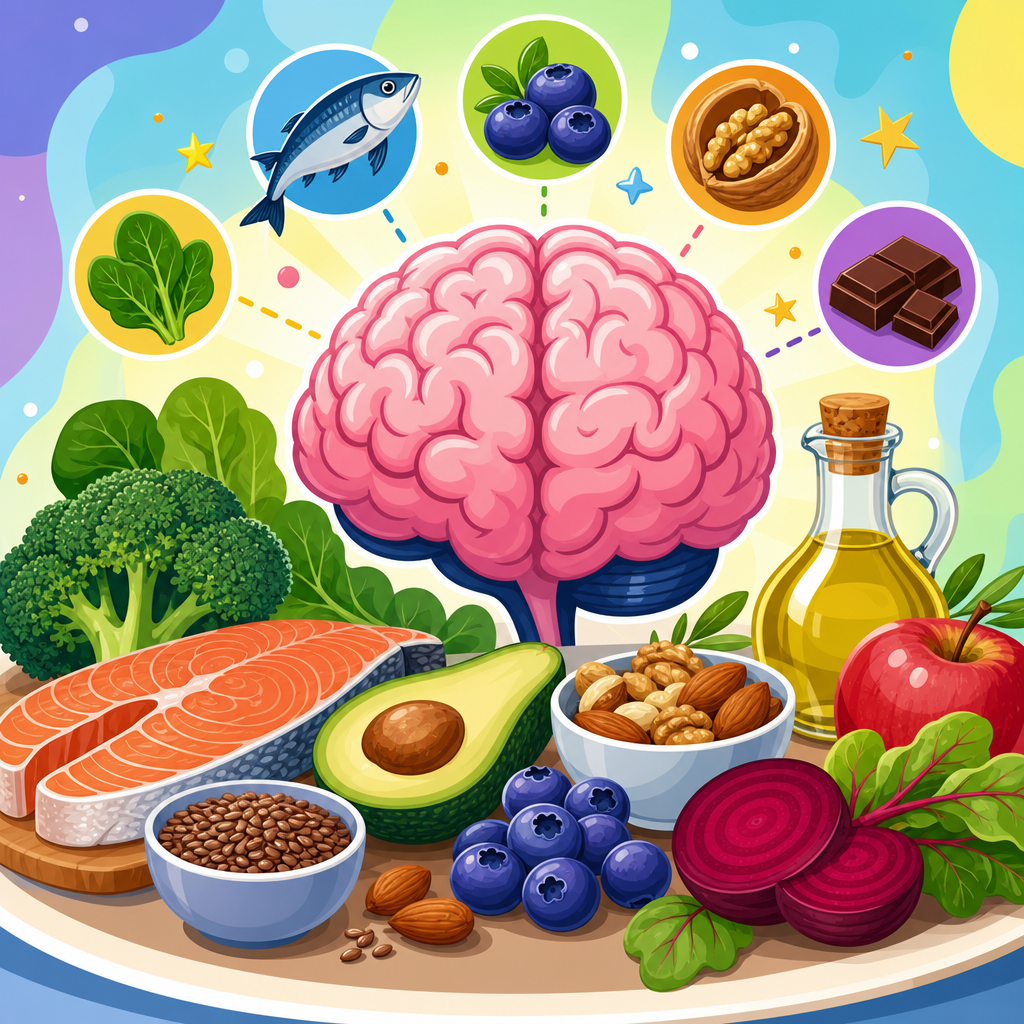
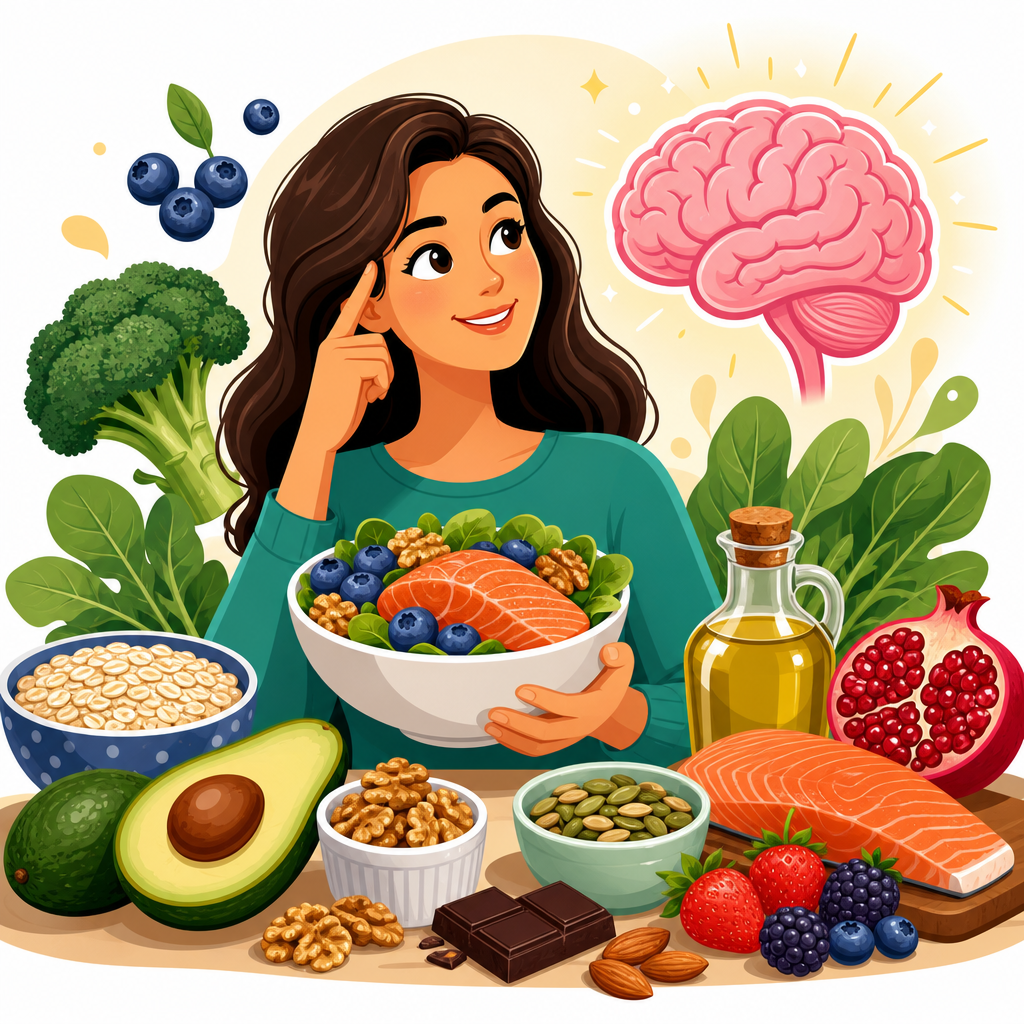
The best foods for strong bones and joints are nutrient-dense staples eaten consistently, not expensive powders or trendy cleanses. Dairy products such as yogurt, kefir, and milk provide calcium, protein, phosphorus, and often vitamin D when fortified. Canned salmon and sardines deliver calcium from edible bones plus protein and omega-3 fats. Fortified soy milk can be an excellent alternative when it provides calcium and vitamin D in amounts similar to cow’s milk. Tofu made with calcium sulfate, tempeh, beans, lentils, almonds, chia seeds, tahini, and dark leafy greens help diversify intake. For vitamin C and collagen support, berries, citrus, kiwi, bell peppers, broccoli, and tomatoes are practical choices. For magnesium and potassium, include legumes, nuts, seeds, potatoes, bananas, and leafy greens.
Patterns matter as much as individual foods. The Mediterranean-style pattern is consistently associated with lower inflammation and better overall health, and it translates well to bone and joint support because it emphasizes vegetables, fruit, legumes, olive oil, fish, nuts, seeds, and moderate dairy. Highly processed diets heavy in sodium, refined grains, sugary drinks, and excess alcohol can crowd out useful nutrients and worsen cardiometabolic health, which indirectly affects mobility. Below is a practical snapshot of food categories and the specific benefits they offer.
| Food group | Examples | Main nutrients | Bone and joint benefit |
|---|---|---|---|
| Dairy and fortified alternatives | Milk, yogurt, kefir, fortified soy milk | Calcium, protein, vitamin D, phosphorus | Supports bone mineralization and muscle function |
| Fish with bones and fatty fish | Sardines, canned salmon, trout | Calcium, vitamin D, protein, omega-3 fats | Helps bone density and may reduce inflammatory stress |
| Legumes and soy foods | Beans, lentils, tofu, tempeh | Protein, magnesium, potassium | Provides building blocks for connective tissue and bone matrix |
| Fruits and vegetables | Berries, citrus, peppers, broccoli, greens | Vitamin C, potassium, vitamin K, antioxidants | Supports collagen formation and mineral balance |
| Nuts, seeds, and whole grains | Almonds, chia, sesame, oats, quinoa | Magnesium, trace minerals, healthy fats | Supports bone structure and overall dietary quality |
Supplements, Special Diets, and Common Mistakes
Supplements can help, but they should fill gaps rather than replace food. Calcium supplements are most useful when dietary intake is clearly insufficient; taking more than needed is not better. Many guidelines suggest dividing doses because absorption drops with large amounts at one time. Vitamin D supplementation is common and often appropriate when blood levels are low or sun exposure is limited. Magnesium may help if intake is poor, though food sources are usually preferable. Collagen peptides are widely marketed for joints. The evidence is promising but modest: some studies show small improvements in joint discomfort or function, especially when paired with exercise, but collagen is not a substitute for an adequate total protein intake. Glucosamine and chondroitin have mixed research results. Some individuals report benefit, yet large reviews do not show dramatic, universal effects.
Special diets require planning. Vegan diets can support strong bones and joints when they include fortified foods, adequate protein, calcium-rich plant foods, and reliable vitamin D and B12 sources. Low-carb diets can also work if they retain nonstarchy vegetables, fish, dairy or fortified alternatives, nuts, and seeds. The bigger problems come from extremes: chronic undereating, eliminating entire food groups without replacement, and relying on social media advice over established guidance. Another common mistake is ignoring sodium and soft drink intake. Very high sodium increases urinary calcium loss, and cola-heavy diets may displace milk or fortified alternatives in younger people. Finally, people often underestimate the role of energy availability. Athletes, especially women in sports emphasizing leanness, can develop low energy availability that disrupts hormones, impairs bone formation, and raises stress fracture risk. Nutrition for strong bones and joints must always include enough calories to support training, recovery, and normal physiology.
Age, Activity Level, and Health Conditions Change the Strategy
Children and teenagers need consistent calcium, protein, and vitamin D because they are building peak bone mass. This is the period when habits produce the greatest long-term return. Adults in their twenties through forties should think in terms of maintenance and resilience: enough protein distributed across meals, regular intake of calcium-rich foods, strength training, and avoidance of smoking. During pregnancy and breastfeeding, maternal nutrition becomes even more important because calcium regulation, vitamin D status, and protein needs affect both parent and child. Older adults face additional challenges, including reduced appetite, lower stomach acid, less sun exposure, medication interactions, and decreased muscle mass. In this group, combining resistance training with higher-quality protein and monitored vitamin D intake is especially valuable.
Certain medical conditions also shift priorities. People with celiac disease, inflammatory bowel disease, kidney disease, hyperparathyroidism, lactose intolerance, or long-term corticosteroid use need more individualized planning because absorption, metabolism, or bone turnover may be altered. Osteoarthritis often benefits from weight management and anti-inflammatory eating patterns, while rheumatoid arthritis may require closer attention to overall protein needs during flares and medication monitoring. If someone has osteoporosis, osteopenia, recurrent fractures, or chronic joint pain, nutrition should be coordinated with medical care rather than treated as a stand-alone fix. A DEXA scan, serum 25-hydroxyvitamin D test, and medication review can reveal issues diet alone cannot explain. That is why this topic serves well as a hub: it connects daily food choices with larger questions about exercise, prevention, screening, and condition-specific care.
Nutrition for strong bones and joints is most effective when you stop chasing single superfoods and start building a repeatable pattern. Prioritize calcium-rich foods, adequate protein, vitamin D, colorful produce, and healthy fats. Use supplements strategically, not casually. Match your plan to your age, activity level, and medical history, and remember that resistance training and movement multiply the benefits of good nutrition. If you want better mobility years from now, the best time to support your bones and joints is today. Review your current diet, identify the obvious gaps, and make one practical upgrade this week, such as adding fortified yogurt, canned salmon, tofu, or a daily serving of leafy greens.
Frequently Asked Questions
1. What nutrients are most important for strong bones and healthy joints?
The most important nutrients for bones and joints work together rather than in isolation. Calcium is the best-known bone mineral because it helps build and maintain bone structure, but it cannot do its job properly without enough vitamin D, which improves calcium absorption and supports bone remodeling. Vitamin K also matters because it helps direct calcium into bones where it belongs. Magnesium contributes to bone structure and supports the enzymes involved in vitamin D metabolism, while phosphorus is another key mineral found in bone tissue itself.
For joints, the focus expands beyond minerals. Protein is essential because the body uses amino acids to maintain cartilage, tendons, ligaments, and muscle that helps stabilize joints. Vitamin C is especially important for collagen production, and collagen is a major structural component in cartilage and connective tissue. Omega-3 fatty acids can support joint comfort by helping manage inflammatory processes, which is useful because chronic inflammation can contribute to stiffness and tissue breakdown over time. Trace minerals such as zinc, copper, and manganese also play supporting roles in connective tissue repair and antioxidant defense.
In practical terms, a bone- and joint-supportive diet usually includes dairy foods or fortified alternatives, leafy greens, beans, nuts, seeds, fish, eggs, fruits, vegetables, and quality protein sources. The real goal is not to chase a single “super nutrient,” but to build a consistent eating pattern that supplies enough minerals, vitamins, protein, and healthy fats to support the constant repair and renewal happening in the musculoskeletal system.
2. How does diet affect bone density and joint health over time?
Diet affects bone density and joint health every day because bones are living tissue and joints rely on a steady supply of nutrients to maintain their structure and function. Bone is constantly being broken down and rebuilt in a process called remodeling. If the body does not receive enough calcium, vitamin D, protein, magnesium, and other supportive nutrients, bone rebuilding may not keep pace with bone breakdown. Over time, that can contribute to lower bone density and a greater risk of fractures.
Joints are influenced by diet in a slightly different way. Cartilage does not have a direct blood supply like many other tissues, so preserving it depends heavily on overall metabolic health, movement, hydration, and adequate nutrient intake. Diets high in ultra-processed foods, excess added sugar, and unhealthy fats may promote inflammation and weight gain, both of which can increase stress on the joints. In contrast, a dietary pattern rich in fruits, vegetables, legumes, fish, nuts, seeds, and minimally processed protein sources can help support collagen formation, tissue repair, and a healthier inflammatory balance.
Body weight is another major factor. Carrying excess weight places additional mechanical stress on weight-bearing joints such as the knees, hips, and lower back. Even modest, sustainable improvements in eating habits can support healthier body composition, which may reduce strain on joints and improve mobility. Over the long term, nutrition is not just about preventing deficiency. It helps create the internal environment needed for stronger bones, more resilient connective tissue, and more comfortable movement as the years go on.
3. Can you support bones and joints through food alone, or are supplements necessary?
Many people can support bone and joint health primarily through food, but whether supplements are necessary depends on the individual. A well-planned diet can provide a large share of the nutrients the musculoskeletal system needs, especially if it regularly includes calcium-rich foods, protein, produce, fatty fish, nuts, seeds, and fortified foods when appropriate. Food has an advantage because it delivers nutrients in combinations that naturally work together. For example, dairy products provide calcium, protein, and often phosphorus, while leafy greens and legumes contribute magnesium, vitamin K, and other helpful compounds.
That said, supplements can be useful when dietary intake is not enough or when lifestyle factors increase risk of deficiency. Vitamin D is a common example, since many people do not get enough from sunlight exposure or food alone. Calcium supplements may help those who consistently fall short, although they are generally best used to fill a gap rather than replace food entirely. Some people may also consider omega-3s or collagen supplements, but these are usually most effective as part of a broader nutrition and lifestyle strategy rather than as standalone solutions.
The key point is that supplements should match an actual need. Too much of certain nutrients can be unhelpful or even harmful, and not every bone or joint symptom is caused by a nutrient deficiency. Age, medical history, digestive issues, medications, hormonal changes, and dietary restrictions all influence what is appropriate. For that reason, the most reliable approach is to start with food quality and then use supplements strategically, ideally with guidance from a healthcare professional if there are concerns about osteoporosis risk, chronic joint pain, or known nutrient deficiencies.
4. What foods should you eat regularly to help keep bones strong and joints flexible?
A strong foundation starts with foods that supply calcium, vitamin D, protein, magnesium, potassium, vitamin C, and anti-inflammatory fats. Dairy products such as milk, yogurt, and cheese are classic choices for bone support because they provide readily absorbed calcium and protein. If dairy is not a good fit, fortified plant milks, fortified yogurt alternatives, calcium-set tofu, canned salmon or sardines with bones, and certain leafy greens can help fill the gap. Eggs and fatty fish such as salmon, trout, and mackerel are especially useful because they contribute protein and may provide vitamin D, which is critical for calcium use.
For joint support, prioritize a colorful variety of fruits and vegetables. Citrus fruits, berries, kiwi, bell peppers, broccoli, and tomatoes provide vitamin C and antioxidants that support collagen production and help protect tissues from oxidative stress. Nuts, seeds, beans, and whole grains contribute magnesium and trace minerals, while olive oil, walnuts, flaxseeds, chia seeds, and fatty fish can support a healthier inflammatory response. Lean poultry, fish, Greek yogurt, tofu, tempeh, beans, and lentils help meet protein needs for connective tissue maintenance and muscle support around the joints.
Consistency matters more than any single item. A practical way to think about it is to build meals around protein, add a calcium source, include produce at most meals, and choose healthy fats regularly. Hydration also deserves attention because water supports overall tissue function and joint comfort. While no food can guarantee perfect bones or pain-free joints, a balanced, nutrient-dense eating pattern repeated over months and years can meaningfully support bone density, cartilage integrity, and easier movement.
5. Are there foods or habits that weaken bones and make joint problems worse?
Yes. Several dietary and lifestyle habits can work against bone and joint health, especially when they become long-term patterns. One of the biggest issues is consistently low intake of calcium, vitamin D, protein, and other essential nutrients. If the body does not get the raw materials it needs, it may struggle to maintain bone density and repair connective tissues efficiently. Highly restrictive diets can sometimes create this problem if they eliminate major food groups without thoughtful replacements.
Excessive intake of ultra-processed foods, added sugars, and heavily fried foods may contribute to inflammation and poorer overall diet quality, which can indirectly affect joint comfort and tissue resilience. Too much sodium may increase calcium loss in some people, particularly when overall calcium intake is already low. Heavy alcohol intake can also interfere with bone health and balance, while smoking is strongly associated with poorer bone quality and impaired healing. Low physical activity is another major factor, because bones respond to mechanical loading and joints benefit from movement that supports circulation, muscle strength, and stability.
Another common problem is focusing only on supplements while ignoring the basics. Strong bones and healthier joints depend on an overall pattern that includes nutritious food, regular strength- and weight-bearing activity, enough sleep, and management of chronic inflammation. If joint pain or loss of mobility is already present, it is worth looking at the full picture, including body weight, exercise habits, medication use, and underlying medical conditions. Nutrition can make a significant difference, but it works best when paired with the daily habits that help the skeletal and connective tissues stay strong, supported, and functional.