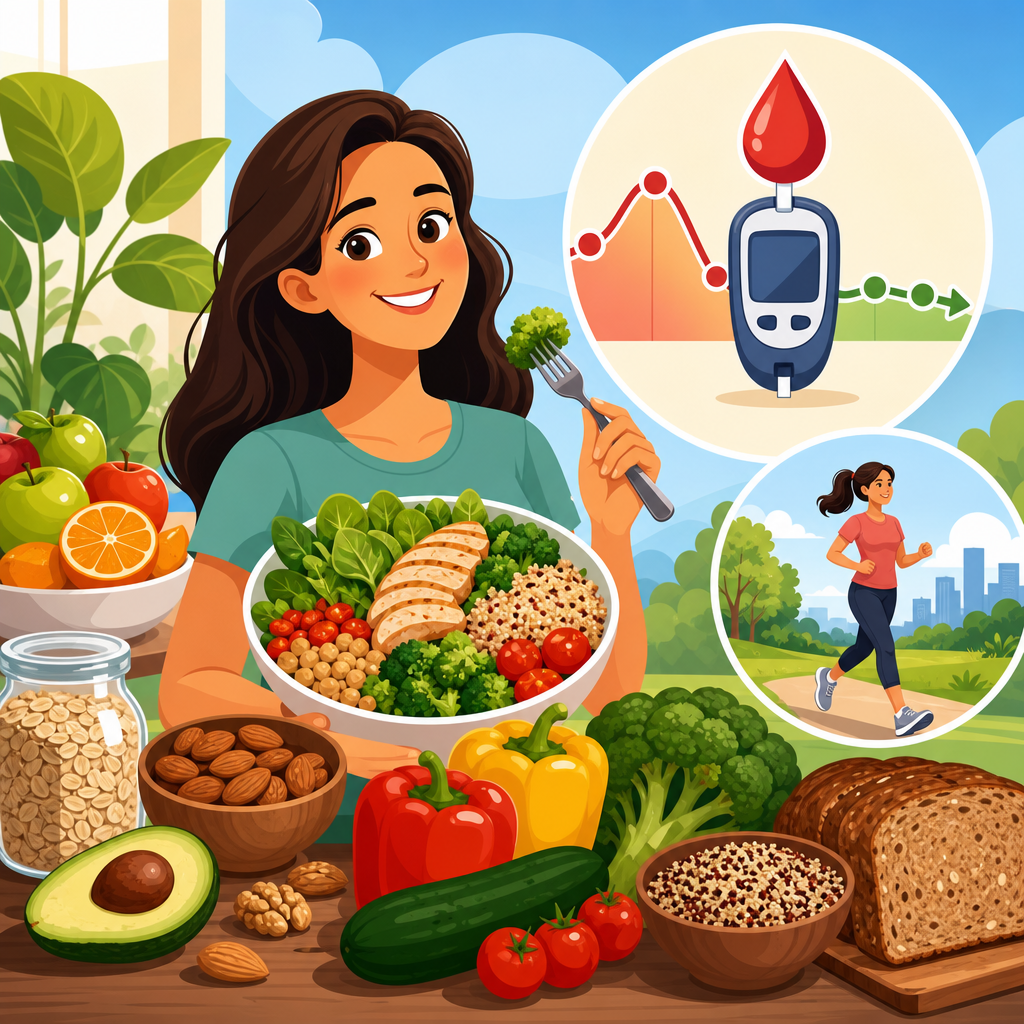
Managing blood sugar with diet is essential for a balanced diet because glucose regulation affects energy, appetite, mood, metabolic health, and long-term disease risk. Blood sugar, or blood glucose, is the amount of sugar circulating in the bloodstream, largely influenced by the carbohydrates you eat, how quickly they digest, and how effectively insulin moves glucose into cells. A balanced diet is not only about getting enough protein, healthy fats, vitamins, and minerals; it is also about creating meals that keep blood sugar within a healthy range throughout the day. When I help people improve eating patterns, blood sugar stability is often the missing link that explains afternoon crashes, constant cravings, and inconsistent progress.
Managing blood sugar with diet matters for people with diabetes and prediabetes, but it also matters for anyone who wants steady energy, better satiety, and a lower risk of cardiometabolic disease. Repeated spikes and dips can increase hunger, impair concentration, and over time contribute to insulin resistance. Insulin resistance occurs when cells respond less effectively to insulin, forcing the pancreas to produce more of it to keep glucose controlled. The Centers for Disease Control and Prevention estimates that more than one in three U.S. adults has prediabetes, and many do not know it. That makes everyday food choices more important than most people realize.
Diet influences blood sugar through several mechanisms. Carbohydrate amount is the most direct factor, but fiber content, food structure, cooking method, fat, protein, meal timing, sleep, stress, and physical activity all change the glucose response. Two meals with the same grams of carbohydrate can have very different effects. For example, a bowl of sugary cereal with juice digests quickly and can produce a sharp rise, while plain Greek yogurt with berries, oats, chia seeds, and walnuts typically leads to a slower, more manageable curve. The goal is not to fear carbohydrates. The goal is to choose and combine foods in ways that improve glycemic control while preserving nutritional quality and enjoyment.
This hub article explains how managing blood sugar with diet works, why it supports a balanced diet, and which practical strategies make the biggest difference. It covers meal composition, carbohydrate quality, fiber, protein, fats, timing, and common pitfalls, serving as a foundation for deeper articles on glycemic index, smart snacks, diabetes-friendly meal planning, and reading food labels.
What blood sugar balance means in everyday eating
Blood sugar balance means avoiding extreme highs and lows by matching food intake with the body’s ability to process glucose efficiently. After eating carbohydrates, digestion breaks them into glucose, which enters the bloodstream. The pancreas releases insulin so cells can use that glucose for energy or store it for later. In a healthy system, blood sugar rises moderately after meals and returns toward baseline without dramatic swings. In practice, balanced blood sugar usually feels like steady energy between meals, fewer intense cravings, better focus, and less irritability.
Many people assume only sugar causes problems, but all digestible carbohydrates affect blood glucose to some extent. White bread, crackers, pastries, sweetened coffee drinks, fruit juice, and large portions of white rice can all raise blood sugar quickly because they are low in fiber or rapidly digested. By contrast, lentils, steel-cut oats, intact whole grains, beans, vegetables, and whole fruit usually produce a slower response because they contain fiber, water, and denser food structure. This is why the source of carbohydrate matters as much as the total amount.
Balanced eating also means understanding symptoms. A meal high in refined carbohydrates may create a rapid rise followed by a drop that leaves someone tired and hungry two hours later. I see this pattern often with breakfast choices like muffins, flavored lattes, or toast without protein. Replacing that meal with eggs, avocado, fruit, and high-fiber toast, or with cottage cheese, berries, and nuts, often improves appetite control for the rest of the day. Stable blood sugar is not a niche nutrition concept; it is a practical marker of how well a diet is working.
Why blood sugar control is central to a balanced diet
A balanced diet supports immediate needs and long-term health at the same time. Managing blood sugar with diet helps on both fronts. In the short term, it improves satiety, reduces energy crashes, and makes it easier to maintain consistent eating habits. In the long term, it lowers strain on insulin-producing cells, supports healthier triglycerides, and helps reduce the risk of type 2 diabetes, nonalcoholic fatty liver disease, and cardiovascular disease. Blood sugar management is not separate from balanced nutrition; it is one of the clearest signs that a diet is metabolically sound.
It also influences body composition. Chronically elevated insulin is not the sole cause of weight gain, but a diet that regularly drives overeating through poor satiety and rapid glucose swings makes weight management harder. Meals built around lean protein, high-fiber carbohydrates, and unsaturated fats generally keep people fuller for longer. That matters because sustainable calorie control rarely comes from willpower alone. It comes from eating patterns that naturally moderate hunger. This is one reason dietary approaches such as the Mediterranean pattern consistently perform well in research: they improve nutrient density and glycemic response without extreme restriction.
Another important point is flexibility. Blood sugar management does not require a single rigid diet. People can eat omnivorous, vegetarian, higher-carbohydrate, or moderately lower-carbohydrate patterns and still maintain good control if they prioritize whole foods, portion awareness, and meal balance. The best plan is one that supports adherence, cultural preferences, budget, and health status. A balanced diet should be realistic enough to repeat every day.
The food factors that shape blood sugar response
Several nutrition variables determine how strongly a meal affects blood glucose. Carbohydrate quantity matters first. A larger carbohydrate load generally produces a larger rise, especially when eaten alone. Carbohydrate quality matters next. Foods rich in fiber, minimally processed grains, legumes, and whole fruit digest more slowly than refined starches and added sugars. The glycemic index can offer useful context, but it should not be used in isolation because real meals contain mixed nutrients and portions vary. Glycemic load is often more practical because it considers both quality and quantity.
Protein and fat also change the response. Adding chicken to rice, peanut butter to apple slices, or tofu to noodles slows gastric emptying and reduces how quickly glucose reaches the bloodstream. Soluble fiber is particularly helpful. Oats, beans, barley, chia seeds, flaxseed, apples, and citrus can form a viscous gel in the digestive tract that slows absorption. Food form matters too. Whole fruit usually has a gentler effect than juice, and intact grains tend to outperform finely milled flours. Even cooking and cooling can matter; cooled potatoes or rice develop more resistant starch, which may modestly lower the glucose impact compared with the same foods eaten freshly cooked.
| Food choice | Typical blood sugar effect | Why it differs |
|---|---|---|
| Orange juice | Rapid rise | Little fiber, liquid form, fast absorption |
| Whole orange | Slower rise | Fiber, chewing, intact cell structure |
| White toast with jam | Sharp rise | Refined flour plus added sugar, low protein |
| Whole-grain toast with eggs | More moderate rise | Fiber, protein, and fat slow digestion |
| Instant oatmeal packet | Faster rise | More processed oats, often sweetened |
| Steel-cut oats with nuts | Steadier rise | Less processing, more fiber and fat |
Individual variability is real. Age, muscle mass, sleep quality, medications, gut health, and activity level all influence post-meal glucose. Continuous glucose monitors have made this more visible, although they are not necessary for everyone. The broader lesson remains consistent: meals centered on fiber-rich carbohydrates and balanced with protein and healthy fat are more predictable and easier to sustain.
How to build meals that support stable glucose
The simplest way to manage blood sugar with diet is to build plates deliberately. Start with nonstarchy vegetables such as leafy greens, broccoli, peppers, mushrooms, tomatoes, or cauliflower. Add a meaningful protein source, including fish, eggs, Greek yogurt, tofu, tempeh, beans, lentils, chicken, or lean beef. Then include a high-quality carbohydrate such as beans, quinoa, berries, sweet potato, brown rice, or whole-grain bread, and finish with a healthy fat like olive oil, nuts, seeds, or avocado. This combination improves fullness and slows glucose absorption without making meals feel restrictive.
Portioning matters, especially for highly starchy foods. I often recommend visual balance rather than obsessive tracking: roughly half the plate from nonstarchy vegetables, one quarter from protein, and one quarter from carbohydrate-rich foods, adjusted for energy needs and activity. Athletes or highly active adults may need more carbohydrate, while sedentary adults with insulin resistance may do better with slightly less at a meal. Snacks should follow the same principle. Pairing carbohydrates with protein or fat works better than eating carbohydrates alone. Examples include hummus with vegetables, apple with peanut butter, cheese with whole-grain crackers, or edamame with fruit.
Beverages deserve attention because they can deliver large amounts of rapidly absorbed sugar with very little satiety. Regular soda, sweet tea, sports drinks, energy drinks, and flavored coffee beverages are common drivers of glucose spikes. Water, unsweetened tea, black coffee, or milk in sensible portions are generally better choices. For dessert, keeping portions moderate and eating sweets after a balanced meal instead of on an empty stomach can help reduce the glucose impact.
Common mistakes, special cases, and sustainable habits
One common mistake is focusing only on sugar while ignoring refined starch. Bagels, white rice bowls, pretzels, and low-fat snack foods can disrupt glucose control just as easily as obvious sweets. Another mistake is skipping meals, then overeating later. Long gaps can increase hunger and lead to large, unbalanced meals that are harder to process. Consistent meal timing helps many people, especially when breakfast contains protein and fiber. Sleep and stress also matter. Poor sleep and chronic stress can raise cortisol, worsen insulin sensitivity, and increase cravings for high-calorie foods, so nutrition works best alongside basic lifestyle support.
Special cases require nuance. People using insulin or glucose-lowering medication may need individualized carbohydrate targets to prevent hypoglycemia. Pregnant women with gestational diabetes benefit from structured meal spacing and carbohydrate distribution guided by a clinician. Endurance athletes often require higher carbohydrate intake, but timing around training helps direct glucose toward working muscle. For some people, a lower-carbohydrate approach improves control; for others, a Mediterranean or DASH-style pattern works very well. There is no universal carbohydrate number, but there are universal principles: prioritize quality, distribute intake sensibly, and balance meals.
As a hub topic within nutrition for health and wellness, managing blood sugar with diet connects to meal planning, weight management, heart health, digestive health, label reading, and healthy aging. The strongest habits are simple enough to repeat: choose minimally processed carbohydrates, eat more fiber, include protein at meals, limit sugary drinks, watch portions of refined starch, and stay active after eating when possible. Even a ten to fifteen minute walk after a meal can improve postprandial glucose by helping muscles use circulating sugar.
Managing blood sugar with diet is essential for a balanced diet because it turns abstract nutrition advice into measurable daily benefits: steadier energy, better appetite control, improved metabolic health, and lower long-term risk. The most effective approach is not extreme restriction. It is consistent meal construction, smarter carbohydrate choices, and attention to fiber, protein, and portion size. When those basics are in place, people usually feel the difference quickly, from fewer cravings to more reliable concentration and stamina.
The key takeaway is that blood sugar management supports nearly every major nutrition goal. It helps make healthy eating more satisfying, supports weight management, protects cardiovascular health, and reduces the likelihood that prediabetes progresses to diabetes. It also gives structure to food decisions without forcing unnecessary rules. If you want a more balanced diet, start by reviewing one day of meals and ask a practical question: where can you replace a refined, fast-digesting choice with a more balanced one?
Begin with one meal this week. Add protein to breakfast, swap juice for whole fruit, trade refined grains for beans or intact whole grains, or build your dinner plate with more vegetables and a sensible carbohydrate portion. Small, repeatable changes are how blood sugar improves, and they are how a balanced diet becomes sustainable for life.
Frequently Asked Questions
Why is managing blood sugar so important for a balanced diet?
Managing blood sugar is a core part of a balanced diet because it directly affects how your body produces energy, handles hunger, supports mental focus, and protects long-term health. When blood sugar rises and falls too quickly, it can lead to energy crashes, stronger cravings, irritability, difficulty concentrating, and a tendency to overeat later in the day. A truly balanced diet does more than provide protein, healthy fats, fiber, vitamins, and minerals. It also helps your body process carbohydrates at a steady pace so glucose can be used efficiently rather than causing repeated spikes and drops.
Blood glucose is strongly influenced by the type of carbohydrate you eat, how refined or processed it is, whether it is paired with protein or fat, and how much fiber the meal contains. Foods that digest quickly, such as sugary drinks, sweets, and many refined grains, can cause rapid increases in blood sugar. In contrast, meals built around vegetables, beans, intact whole grains, lean proteins, and healthy fats usually create a slower, more stable response. Over time, that stability can support better appetite regulation, more consistent energy, improved metabolic health, and a lower risk of insulin resistance, type 2 diabetes, and cardiovascular issues.
What kinds of foods help keep blood sugar more stable throughout the day?
Foods that help stabilize blood sugar are generally those that digest more slowly and provide a mix of nutrients rather than a large dose of rapidly absorbed carbohydrate by itself. High-fiber vegetables, legumes, whole fruits, nuts, seeds, plain yogurt, eggs, fish, poultry, tofu, and minimally processed whole grains are all strong choices. These foods either contain less concentrated sugar, slow digestion through fiber, or add protein and fat that reduce how fast glucose enters the bloodstream. This does not mean carbohydrates are bad. It means the form and context of the carbohydrate matter.
For example, oatmeal topped with nuts and berries is usually more blood-sugar-friendly than a sugary pastry eaten alone. Brown rice served with salmon and vegetables tends to be more balanced than a large bowl of white rice with little else. An apple with peanut butter often creates a steadier response than fruit juice because the whole fruit contains fiber and the nut butter adds fat and protein. In practical terms, building meals around nonstarchy vegetables, including a protein source, choosing fiber-rich carbohydrates, and adding healthy fats can make a significant difference. This pattern helps support slower digestion, improved fullness, and fewer dramatic swings in blood sugar between meals.
Can blood sugar swings affect appetite, mood, and energy levels?
Yes, blood sugar swings can have a noticeable effect on how you feel physically and mentally. When blood sugar rises rapidly after eating a highly refined or sugary meal, the body responds by releasing insulin to move glucose into cells. If that rise is sharp, the following drop can also feel pronounced. Many people experience this as fatigue, shakiness, irritability, brain fog, headaches, or intense hunger a few hours after eating. These changes can make it harder to stay satisfied, maintain focus, and make balanced food choices later in the day.
Steadier blood sugar helps create more reliable energy and better appetite control because your body is receiving fuel at a more consistent rate. Instead of chasing quick fixes like sweets or caffeine after a crash, a balanced eating pattern can reduce the cycle of spike, drop, and craving. This matters for mood as well. While food is not the only factor influencing emotional well-being, unstable blood sugar can contribute to feeling edgy, tired, or unfocused. Choosing meals and snacks that combine fiber, protein, and healthy fats can help smooth out these fluctuations and support a more even sense of energy and satisfaction from morning to evening.
Do you need to avoid all carbohydrates to manage blood sugar well?
No, managing blood sugar does not require eliminating all carbohydrates. Carbohydrates are a normal and important source of energy, especially for the brain and muscles. The goal is not to remove them completely but to choose higher-quality carbohydrate sources and eat them in a way that supports better glucose control. Whole fruits, beans, lentils, vegetables, and intact whole grains can absolutely fit into a blood-sugar-conscious diet because they also provide fiber, antioxidants, vitamins, and minerals that support overall health.
The bigger concern is usually the amount and type of carbohydrate, along with what it is eaten with. Large portions of refined carbs eaten alone, such as white bread, candy, sweet cereals, or sugary beverages, are more likely to cause rapid blood sugar spikes. By contrast, moderate portions of fiber-rich carbs paired with protein and fat are typically much easier for the body to manage. This is why balanced meals are so effective. Rather than labeling all carbs as harmful, it is more useful to focus on quality, portion awareness, and meal composition. For most people, that approach is more sustainable and nutritionally complete than extreme restriction.
What are some simple daily strategies for managing blood sugar with diet?
Some of the most effective strategies are also the most practical. Start by avoiding meals that are built mostly around refined carbohydrates. Instead, aim to include protein, fiber, and healthy fat at each meal. A simple formula is to fill part of your plate with nonstarchy vegetables, add a satisfying protein source, include a sensible portion of high-fiber carbohydrate, and round it out with healthy fats such as olive oil, avocado, nuts, or seeds. Eating regularly can also help, since long gaps without food may increase the chance of overeating or reaching for quick sugar later.
Other helpful habits include choosing whole fruit instead of juice, limiting sugary drinks, paying attention to portion sizes of starches and sweets, and selecting minimally processed foods more often. Breakfast is especially important for many people, because starting the day with a high-sugar meal can set the tone for cravings and energy dips later on. A breakfast with eggs, Greek yogurt, oats, chia seeds, or nut butter tends to be more stabilizing than one built around pastries or sweetened cereals. It can also help to notice your own patterns. Some people feel best with smaller, balanced meals spaced evenly through the day, while others do well with three solid meals and fewer snacks. The best approach is one that keeps energy steady, appetite manageable, and overall nutrition strong over time.