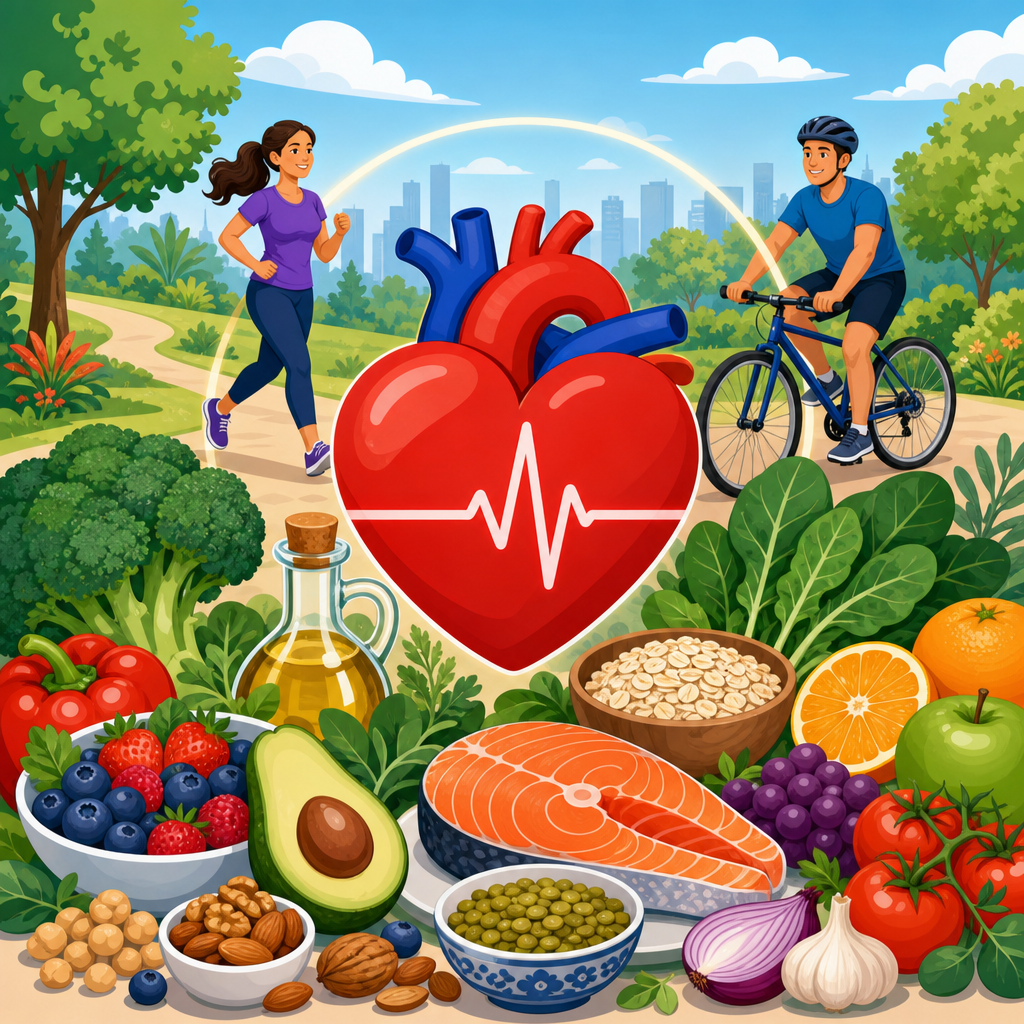
Managing Blood Sugar with Diet starts with understanding that food choices shape how quickly glucose enters the bloodstream, how much insulin the body must release, and how steady energy, appetite, and mood remain across the day. Blood sugar, or blood glucose, is the amount of sugar circulating in the blood for immediate fuel. Diet is one of the most effective tools for influencing it because carbohydrates break down into glucose, while protein, fat, and fiber can slow digestion and blunt sharp rises. In practice, managing blood sugar with diet means choosing foods, meal patterns, and portions that reduce extreme spikes and crashes rather than chasing perfection at every meal.
This matters far beyond diabetes. Repeated blood sugar swings can contribute to fatigue, cravings, irritability, overeating, and difficulty concentrating. Over time, poor glycemic control is associated with insulin resistance, prediabetes, type 2 diabetes, cardiovascular disease, and metabolic dysfunction. I have seen the biggest improvements come not from eliminating all carbohydrates, but from teaching people how to build meals that work with physiology. A bowl of sweetened cereal eaten alone behaves very differently from steel-cut oats topped with Greek yogurt, chia seeds, walnuts, and berries. The total carbohydrate load, fiber content, protein, fat, and eating context all change the blood sugar response.
Key terms help make the subject practical. Glycemic index ranks carbohydrate foods by how quickly they raise blood glucose compared with a reference food, but it does not account for typical serving size. Glycemic load improves on that by considering both quality and quantity of carbohydrate. Insulin sensitivity describes how effectively cells respond to insulin. Fiber, especially soluble and viscous fiber, slows gastric emptying and carbohydrate absorption. Resistant starch, found in foods like cooled potatoes, legumes, and some whole grains, escapes digestion in the small intestine and supports a gentler glucose response. When you understand these concepts, you can make smarter decisions without relying on rigid food rules.
Because this is a hub for managing blood sugar with diet, the goal is comprehensive guidance you can apply daily and use as a foundation for deeper reading on carbohydrates, fiber, meal timing, snacks, beverages, and diabetes-friendly cooking. The central principle is simple: build meals that digest more slowly, distribute carbohydrates more evenly, and align with your body’s activity and medication needs. That principle works for prevention, for people with prediabetes, and for many people already monitoring blood glucose. It is not a substitute for medical advice, especially if you use insulin or glucose-lowering medication, but it is the dietary framework that consistently produces better numbers and better quality of life.
Build meals that balance carbohydrate, protein, fat, and fiber
The most reliable way to incorporate more blood-sugar-friendly eating into your diet is to change how meals are assembled. Carbohydrates are not the enemy, but eating them alone or in large amounts often creates the steepest rise in glucose. Pairing carbohydrate with protein, unsaturated fat, and fiber slows digestion and reduces the speed of absorption. A practical plate often includes nonstarchy vegetables, a protein source, a moderate portion of high-quality carbohydrate, and a healthy fat. Think salmon, roasted broccoli, quinoa, and olive oil; or tofu stir-fry with mixed vegetables and brown rice. The structure matters more than whether a food is trendy.
In my experience, breakfast is where people benefit fastest from this approach because many common breakfasts are heavily refined and low in protein. Toast, juice, pastries, and sugary cereal can produce a midmorning crash that drives more snacking. Swap them for eggs with whole-grain toast and avocado, plain yogurt with nuts and berries, or oatmeal with peanut butter and flax. These meals usually feel more satisfying, which helps with calorie control too. The same rule applies at lunch and dinner: if a meal is mostly starch, add protein and vegetables before assuming you need to remove the starch entirely.
Portion awareness is equally important. Even nutrient-dense carbohydrates such as brown rice, fruit, beans, and sweet potatoes can raise blood sugar significantly when portions become oversized. Measuring servings for a week can reset your eye. Many people discover that their “one cup” of rice is actually two. If you use the plate method, fill half the plate with nonstarchy vegetables, one quarter with protein, and one quarter with carbohydrate-rich foods. That visual framework is simple, evidence-based, and easier to sustain than counting every gram forever.
Choose carbohydrates with a lower glycemic impact
Not all carbohydrates affect blood sugar the same way. Whole, minimally processed carbohydrates generally produce a steadier response than refined grains and concentrated sugars because they contain more fiber, water, intact structure, and micronutrients. Beans, lentils, chickpeas, steel-cut oats, intact barley, quinoa, berries, apples, pears, and sweet potatoes with the skin are dependable staples. Refined bread, white rice, sugary drinks, candy, pastries, and many packaged snack foods digest faster and usually require more insulin. This does not mean every refined item is forbidden, but it does mean your default choices should support stability rather than volatility.
Food form also matters. A whole apple typically has a gentler effect than apple juice. Intact oats usually perform better than instant oats. Al dente pasta often raises glucose more slowly than overcooked pasta because starch structure changes with cooking. Cooling cooked rice or potatoes can increase resistant starch modestly, which may lower their glycemic effect when eaten later in a salad or reheated dish. These are useful details because they show that blood sugar management is not just about the ingredient list. Preparation, processing, and meal composition all influence the outcome.
Use this comparison as a practical guide when upgrading everyday choices.
| Common choice | Better for steadier blood sugar | Why it helps |
|---|---|---|
| Sweetened cereal | Steel-cut oats with nuts and berries | More fiber, protein pairing, slower digestion |
| White bread sandwich | Whole-grain or sprouted grain sandwich | Higher fiber and less rapid glucose rise |
| Juice | Whole fruit with yogurt or nuts | Fiber and protein reduce absorption speed |
| Chips | Roasted chickpeas or nuts | More protein, fiber, and satiety |
| White rice bowl | Brown rice or lentil grain bowl | More fiber, minerals, and lower glycemic load |
Labels can support better choices if you know where to look. Start with total carbohydrate, dietary fiber, added sugars, and serving size. A product marketed as “multigrain” is not automatically helpful if the first ingredient is refined flour and it contains several teaspoons of added sugar per serving. For many people, aiming for foods with meaningful fiber and modest added sugar produces better results than relying on front-of-package claims. Whole-food carbohydrates usually make this easier because they come with fewer hidden variables.
Increase fiber strategically and use protein to improve satiety
Fiber is one of the most effective nutritional tools for managing blood sugar with diet because it slows the movement of food through the digestive tract and reduces the speed at which glucose enters the bloodstream. Soluble fiber in oats, barley, beans, lentils, chia, flax, apples, and citrus forms a gel-like consistency that supports a steadier response. Insoluble fiber from vegetables, whole grains, nuts, and seeds adds bulk and supports gut health and regularity. Adults often fall short of recommended fiber intake, so simply bringing intake closer to target can improve glycemic control and fullness.
The best way to increase fiber is gradually and consistently. Add beans to soups, swap refined grains for intact whole grains, include berries with breakfast, snack on vegetables with hummus, and top meals with seeds. Sudden large increases can cause bloating, especially if fluid intake is low, so pace matters. I usually recommend adding one fiber-rich habit at a time and keeping it for a week before stacking another. That approach leads to better adherence than trying to overhaul every meal at once.
Protein complements fiber by slowing gastric emptying and helping people stay satisfied between meals. Greek yogurt, eggs, cottage cheese, fish, chicken, tofu, tempeh, edamame, lentils, and beans are especially useful because they fit easily into routine meals. A snack of crackers alone tends to disappear quickly and may leave you hungry; crackers with tuna, cheese, or hummus usually hold you longer and produce a steadier glucose pattern. Protein needs vary by age, size, activity, and health status, but distributing it across meals is often more effective than eating most of it at dinner.
Use meal timing, snacks, and beverages to avoid spikes and crashes
What you eat matters most, but when and how often you eat also affect blood sugar. Large gaps between meals can lead to intense hunger, rushed choices, and oversized portions, while constant grazing can keep glucose elevated in some people. A consistent pattern of meals, with snacks used intentionally rather than automatically, works well for many adults. If you regularly go five or six hours without eating and then overdo carbohydrates at the next meal, a planned snack containing protein and fiber can help. Examples include an apple with peanut butter, plain yogurt with cinnamon, or a small handful of nuts with berries.
Beverages are an overlooked source of blood sugar spikes because liquid carbohydrates digest rapidly and provide limited satiety. Soda, sweet tea, energy drinks, flavored coffee beverages, juice, and even smoothies can deliver a high sugar load quickly. Water, sparkling water, unsweetened tea, black coffee, and milk in sensible portions are usually easier on glucose control. If you enjoy smoothies, build them like meals rather than desserts: unsweetened milk or yogurt, protein, berries, greens, chia, and a moderate fruit portion. That formula is very different from a large smoothie made with juice, frozen yogurt, and syrups.
Late-night eating deserves attention as well. People often consume their most refined, largest portions at night when fatigue lowers decision quality. For some, this pattern worsens fasting glucose the next morning. Setting a simple kitchen cutoff, planning a balanced dinner, and keeping high-sugar snacks out of easy reach can make a measurable difference. If you need an evening snack, choose something modest with protein, such as cottage cheese, nuts, or yogurt, rather than ice cream or cereal.
Personalize your plan and monitor what actually works
Managing blood sugar with diet is highly individual. The same meal can affect two people differently based on sleep, stress, activity, muscle mass, gut microbiome, medications, and insulin sensitivity. That is why personalization matters. Some people tolerate oats well but see a stronger response to rice; others handle fruit easily but react to refined bread. If you have access to a glucometer or continuous glucose monitor, use it to learn rather than to obsess. Test patterns around common meals and look for repeatable lessons. Data is most useful when paired with context: portion size, time of day, movement after eating, and how the meal was combined.
Activity is one of the strongest partners to diet. A 10 to 20 minute walk after meals can improve post-meal glucose because contracting muscles take up glucose independent of insulin. Resistance training improves insulin sensitivity over time by increasing muscle mass, which gives the body a larger sink for glucose disposal. Sleep and stress management matter too. Poor sleep can worsen insulin resistance the next day, and chronic stress hormones can keep glucose elevated even when diet is reasonable. The best blood sugar plan is never just a food list; it is a routine that supports metabolic health from multiple angles.
Special situations require extra caution. If you use insulin, sulfonylureas, or other glucose-lowering medication, changing carbohydrate intake can alter medication needs and raise the risk of hypoglycemia if not supervised. Pregnancy, kidney disease, eating disorder history, and high-performance training all change the nutrition equation. In those cases, individualized care from a registered dietitian or physician is the responsible next step. For everyone else, the fundamentals remain the same: favor minimally processed carbohydrates, combine them with protein and healthy fat, increase fiber, be mindful of portions, and learn from your own responses.
The most effective way to incorporate more managing blood sugar with diet into your diet is to make repeatable upgrades, not dramatic restrictions. Start by building balanced meals, choosing carbohydrates with lower glycemic impact, and using fiber and protein to slow digestion and improve satiety. Watch liquid sugars, be intentional with snacks, and avoid the common pattern of under-eating early and over-eating late. These steps support steadier energy, fewer cravings, better appetite control, and healthier long-term metabolic markers.
As the central resource in a broader Nutrition for Health & Wellness library, this hub gives you the framework that ties every subtopic together. Whether you are focused on prediabetes prevention, diabetes-friendly meal planning, healthier grocery shopping, or smarter breakfast ideas, the same core principles apply. Blood sugar management is not about fear of food. It is about understanding how food works in the body and using that knowledge to build meals you can enjoy consistently.
Begin with one change this week: replace a refined, high-sugar meal or snack with a balanced option built around fiber, protein, and minimally processed carbohydrates. Track how you feel for several days, then add the next habit. Small adjustments, repeated daily, are what create stable blood sugar and lasting health.
Frequently Asked Questions
What foods help support healthy blood sugar levels the most?
The most helpful foods for supporting healthy blood sugar are usually the ones that digest more slowly and create a steadier rise in glucose rather than a sharp spike. In practical terms, that means building meals around high-fiber vegetables, beans and lentils, whole grains in sensible portions, nuts and seeds, plain dairy or unsweetened yogurt, eggs, fish, and other lean proteins. These foods tend to provide a combination of fiber, protein, and healthy fats, which can slow the absorption of carbohydrates and reduce how hard the body has to work to manage blood sugar after eating.
Non-starchy vegetables such as leafy greens, broccoli, cauliflower, peppers, zucchini, and cucumbers are especially useful because they offer volume, nutrients, and fiber with relatively little effect on blood glucose. Legumes like black beans, chickpeas, and lentils are another strong choice because they contain both carbohydrate and fiber, which often makes them more blood sugar friendly than refined starches. Whole grains such as oats, quinoa, barley, and brown rice can also fit well, especially when paired with protein and vegetables instead of eaten alone.
It also helps to limit foods that are rapidly digested, including sugary drinks, sweets, white bread, refined cereals, and large portions of processed snack foods. These items can send glucose into the bloodstream quickly and may be followed by energy crashes and increased hunger. The goal is not perfection or eliminating every carbohydrate, but choosing carbohydrate sources that are less processed and combining them with other nutrients that help keep blood sugar more stable.
How can I add more blood sugar-friendly foods to my diet without feeling overwhelmed?
The easiest way to make this change sustainable is to focus on simple upgrades instead of a complete diet overhaul. Start by changing one meal at a time. For example, if breakfast is usually a pastry or sweetened cereal, switch to oatmeal with nuts and berries, plain Greek yogurt with chia seeds, or eggs with whole grain toast and vegetables. If lunch tends to be low in protein and fiber, add a source of lean protein and a larger serving of non-starchy vegetables. Small improvements repeated consistently are far more effective than extreme short-term changes.
A practical strategy is to use a balanced plate approach. Fill about half your plate with non-starchy vegetables, one quarter with protein such as chicken, fish, tofu, eggs, or beans, and one quarter with a higher-fiber carbohydrate like brown rice, sweet potato, or quinoa. This structure naturally lowers the overall glycemic impact of the meal while still keeping it satisfying. It also removes much of the guesswork around portion balance.
You can also make your current meals more blood sugar supportive by adding rather than only removing. Add avocado, nuts, seeds, or a side salad to meals. Stir beans into soups, swap white rice for a smaller portion of quinoa or brown rice, and choose fruit with nut butter instead of eating a sweet snack by itself. Planning ahead helps too. Keeping staples like hard-boiled eggs, cut vegetables, hummus, canned beans, plain yogurt, and frozen vegetables on hand makes it easier to choose foods that support steadier blood sugar even on busy days.
Do I have to cut out carbohydrates to manage blood sugar with diet?
No, most people do not need to eliminate carbohydrates entirely to support healthy blood sugar. Carbohydrates are the body’s main source of readily available energy, and many carbohydrate-containing foods also provide important fiber, vitamins, minerals, and plant compounds. The key is to pay attention to the type of carbohydrate, the portion size, and what you eat with it. Highly refined carbohydrates and sugary foods are more likely to raise blood glucose quickly, while fiber-rich carbohydrates are usually digested more gradually.
For example, there is a big difference between drinking a sugary soda and eating a bowl of lentils, even though both contain carbohydrates. Soda delivers sugar rapidly with little to slow absorption, while lentils come packaged with fiber and some protein. The same principle applies to choosing steel-cut oats over sugary cereal, or a piece of whole fruit over fruit juice. Whole and minimally processed carbohydrate sources tend to be better options because they support steadier energy and improved fullness.
It is also important to combine carbohydrates with protein, fat, and fiber whenever possible. An apple by itself may raise blood sugar more quickly than an apple paired with peanut butter. Rice eaten with vegetables and salmon may affect blood sugar differently than a large bowl of rice alone. Rather than fearing carbohydrates, think in terms of building smarter meals. That mindset is typically more realistic, more nutritious, and easier to maintain long term.
What is the best meal pattern for keeping blood sugar stable throughout the day?
The best meal pattern is usually one that helps you avoid long periods of extreme hunger and prevents repeated large spikes from highly refined foods. For many people, that means eating balanced meals at regular intervals and including protein, fiber, and healthy fat each time they eat. Skipping meals can sometimes lead to overeating later or choosing quick, high-sugar foods when energy drops, which may create a more dramatic blood sugar response.
A strong daily pattern often starts with a balanced breakfast, followed by a lunch and dinner that each include vegetables, protein, and a moderate portion of high-fiber carbohydrates. Some people also benefit from a planned snack between meals, especially if there are long gaps between eating occasions. Good snack options include nuts, plain yogurt, cottage cheese, vegetables with hummus, or fruit paired with cheese or nut butter. These combinations tend to provide steadier energy than snacks made mostly of refined starch or sugar.
Consistency matters, but flexibility matters too. There is no single timing schedule that works for everyone. Activity level, medications, sleep, stress, and health conditions all influence blood sugar response. What matters most is noticing how your body responds and creating a pattern that helps you feel energized, satisfied, and mentally clear. If you have diabetes, prediabetes, or take glucose-lowering medication, personalized guidance from a doctor or registered dietitian can be especially valuable when deciding on meal timing and carbohydrate distribution.
Can diet alone improve blood sugar, or do other habits matter too?
Diet is one of the most powerful tools for managing blood sugar, but it works best as part of a broader lifestyle approach. Physical activity, sleep quality, stress management, hydration, and body weight can all influence how the body uses glucose and responds to insulin. Even a well-planned diet may be less effective if someone is chronically sleep deprived, highly stressed, or inactive for most of the day.
Movement is especially important because muscles use glucose for energy. A walk after meals, regular strength training, and consistent daily activity can all support better blood sugar control. Sleep matters because poor sleep can disrupt hormones related to hunger, cravings, and insulin sensitivity. Stress matters as well, since stress hormones can raise blood sugar and make healthy choices harder to maintain. This is one reason blood sugar management is not only about what is on the plate, but also about what is happening in daily routines.
That said, food remains a highly practical place to start because it is something you can influence multiple times a day. Choosing more fiber-rich foods, balancing carbohydrates with protein and fat, reducing sugary beverages, and planning satisfying meals can produce meaningful benefits over time. When these dietary steps are combined with regular activity and supportive lifestyle habits, the results are often stronger and more sustainable. If blood sugar is a medical concern, ongoing monitoring and professional guidance can help ensure those changes are both safe and effective.