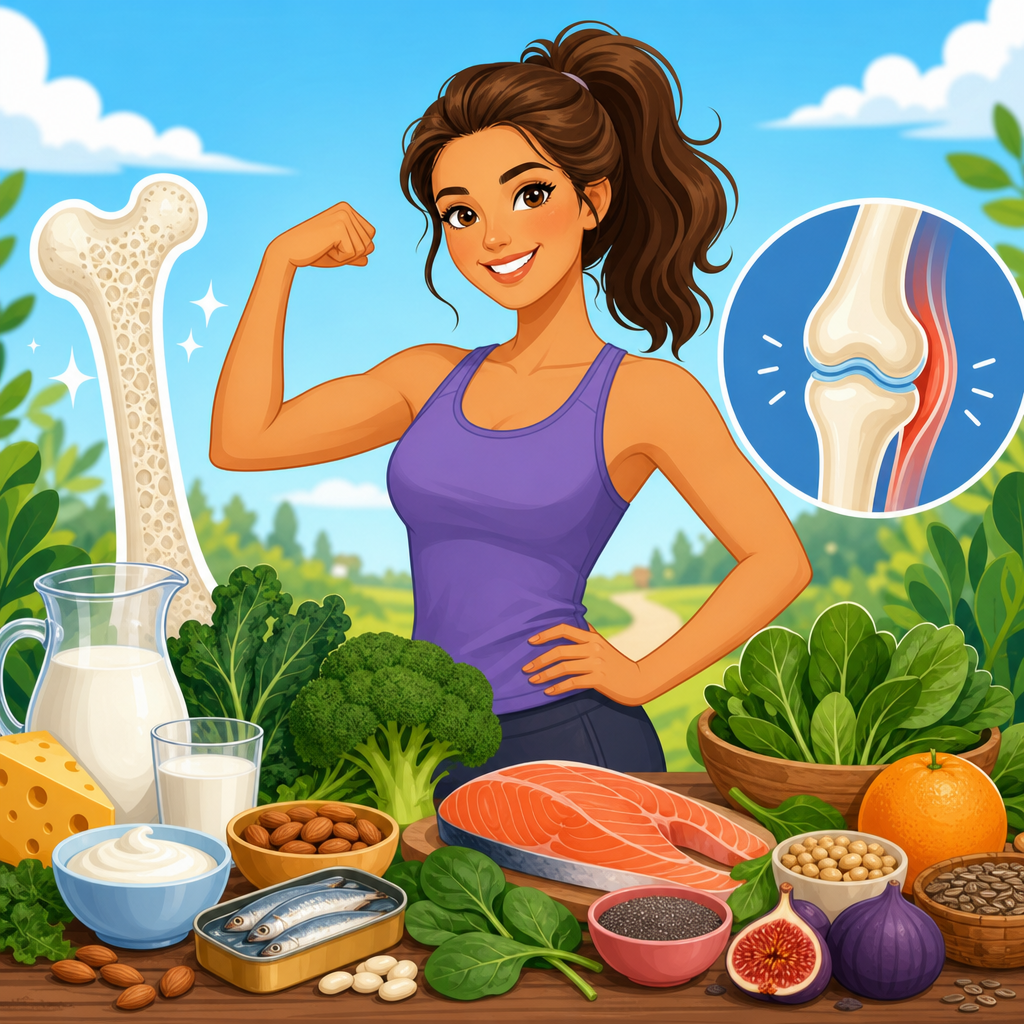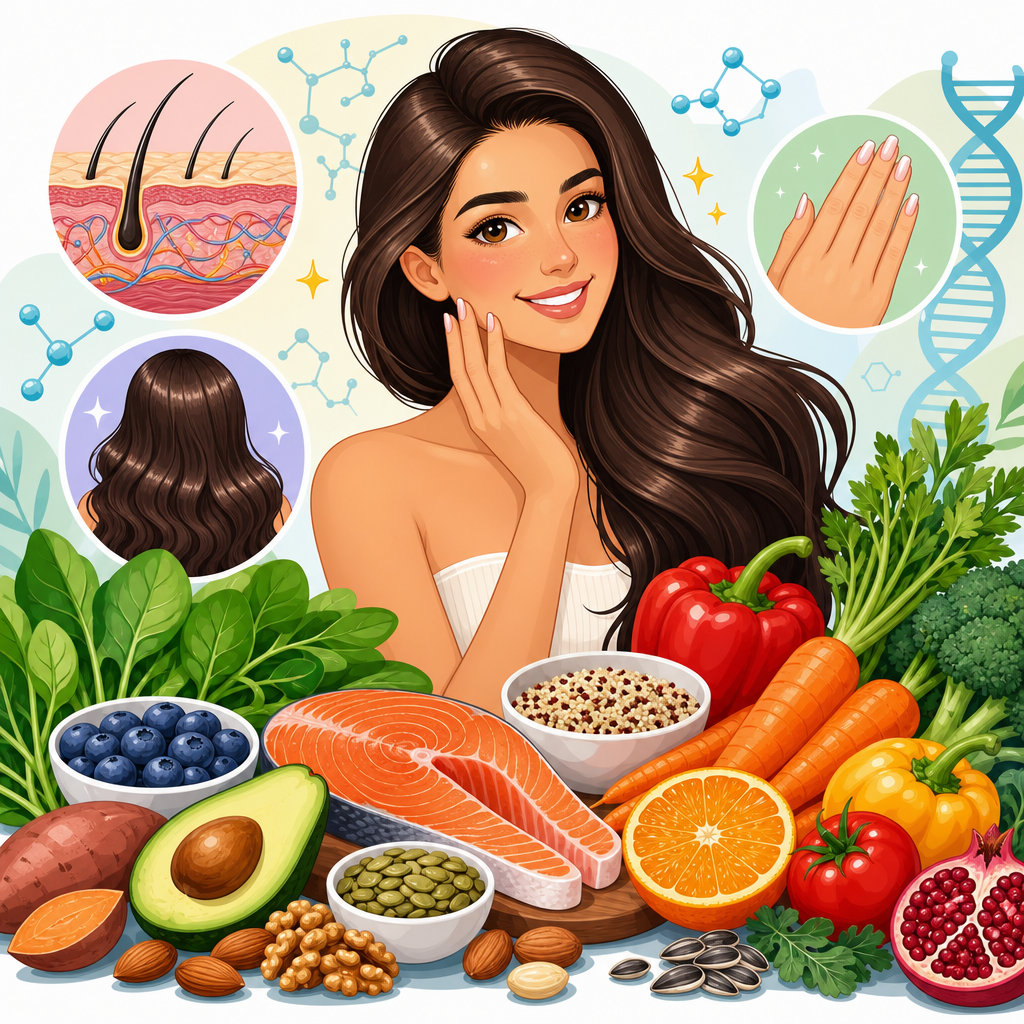
Foods for skin, hair, and nail health are nutrient-dense ingredients that supply the proteins, fats, vitamins, minerals, and protective plant compounds your body uses to build and maintain visible tissues. Skin is the body’s largest organ, hair is largely made of keratin, and nails are compact layers of hardened keratin, so what you eat directly influences texture, strength, growth, hydration, and resilience. In practice, this means nutrition affects whether skin holds moisture well, whether hair fibers resist breakage, and whether nails remain smooth instead of brittle or peeling.
I have worked with nutrition content and dietary pattern reviews long enough to see a consistent truth: people often search for a single “beauty food,” yet healthy skin, hair, and nails depend on dietary patterns more than miracle ingredients. A balanced eating plan gives the body amino acids for collagen and keratin, essential fatty acids for barrier function, vitamin C for collagen synthesis, zinc for repair, iron for oxygen transport, and antioxidants that help limit oxidative stress from sun exposure, pollution, smoking, and metabolic strain. When intake is poor, these tissues often show it early because they turn over constantly and are sensitive to nutrient gaps.
This topic matters for more than appearance. The same foods that support glow, elasticity, scalp health, and nail strength are usually the foods linked with broader wellness: lower cardiometabolic risk, steadier energy, better immune function, and healthier aging. Oily fish, eggs, yogurt, beans, berries, leafy greens, nuts, seeds, and colorful vegetables help visible tissues, but they also support the heart, gut, brain, muscles, and bones. That is why foods for skin, hair, and nail health fit naturally within a larger nutrition for health and wellness strategy rather than sitting in a cosmetic corner by themselves.
It is also important to define what food can and cannot do. Nutrition can meaningfully support collagen formation, hydration, skin barrier function, wound healing, scalp condition, and resistance to brittle nails, but it cannot fully override genetics, hormones, age, sleep deprivation, chronic stress, aggressive styling, smoking, ultraviolet damage, or medical conditions such as eczema, psoriasis, thyroid disease, iron-deficiency anemia, and androgenetic hair loss. The most reliable approach combines nutrient-rich meals with sun protection, adequate sleep, hydration, appropriate hair and skin care, and medical evaluation when symptoms are sudden, severe, or persistent.
How nutrition shapes skin, hair, and nails
Skin, hair, and nails are biologically active tissues with specific structural needs. Skin depends on collagen, elastin, ceramides, cholesterol, fatty acids, and water to stay elastic and intact. Hair follicles require steady energy, protein, iron, zinc, selenium, B vitamins, and essential fats to sustain the growth cycle. Nails need protein, iron, zinc, magnesium, and enough overall calories to form dense, smooth plates. If calorie intake is too low, protein is inconsistent, or nutrient absorption is impaired, the body prioritizes essential organs first, and visible tissues may become dry, thin, slow-growing, or fragile.
The skin barrier offers a clear example. The outermost layer, the stratum corneum, holds corneocytes together with lipids that reduce water loss and block irritants. Diets that include omega-3 fats, monounsaturated fats, and micronutrients such as vitamin E and zinc help maintain this barrier. Deficiencies or highly restrictive diets can contribute to roughness and sensitivity. Hair follows a growth cycle of anagen, catagen, and telogen; when the body faces stress, illness, or undernourishment, more follicles can shift into shedding. Nails grow slowly, so nutritional changes may take months to become visible, but they are often a useful long-term signal of dietary adequacy.
Protein, collagen support, and healthy fats
Protein is the first nutritional priority because hair and nails are built from keratin, while skin structure depends heavily on collagen. Good protein sources include eggs, Greek yogurt, cottage cheese, fish, chicken, tofu, tempeh, lentils, beans, and lean meat. In practical meal planning, aiming for a meaningful protein source at each meal supports tissue repair and growth. Very low-protein diets, crash dieting, and prolonged undereating commonly show up as hair shedding, poor wound healing, or weaker nails. Animal and plant proteins can both work well when total intake is adequate and amino acid variety is strong.
Collagen itself is a structural protein, but the body also needs vitamin C, copper, zinc, and enough total energy to synthesize it efficiently. Bone broth is often marketed for this purpose, yet evidence more consistently supports overall protein adequacy plus vitamin C-rich produce such as citrus, kiwi, strawberries, bell peppers, and broccoli. Healthy fats matter just as much. Salmon, sardines, trout, walnuts, chia seeds, flaxseed, avocado, and extra-virgin olive oil provide fats that support membrane integrity and help reduce inflammatory signaling. In clinic-oriented nutrition discussions, people with dry skin often improve more from correcting low fat intake than from adding another supplement.
Key vitamins and minerals that make a visible difference
Several micronutrients stand out because their roles are direct and well established. Vitamin C is required for collagen synthesis and also acts as an antioxidant. Vitamin A supports cell turnover and immune defense, though excess supplemental vitamin A can contribute to hair loss, making food sources such as carrots, sweet potatoes, spinach, eggs, and dairy safer for routine use. Vitamin E helps protect cell membranes from oxidative damage. Biotin is involved in energy metabolism and keratin infrastructure, but true deficiency is uncommon; many people benefit more from correcting broad dietary gaps than from taking isolated high-dose biotin products.
Iron is one of the most important minerals for hair health because it supports oxygen delivery. Low iron status, especially with heavy menstrual losses or restrictive diets, is a common contributor to diffuse hair shedding. Zinc helps with protein synthesis, repair, and immune function; deficiency can impair wound healing and affect hair and nails. Selenium supports antioxidant enzymes, but more is not better, since excessive intake can actually trigger hair loss and brittle nails. Copper contributes to connective tissue formation. B vitamins, especially B12 and folate, support cell division. Vitamin D is also relevant because low status has been associated with certain hair and skin concerns, though causes are often multifactorial.
Best foods for skin, hair, and nail health
The most effective strategy is to build meals around foods that deliver several useful nutrients at once. Oily fish provide protein, omega-3 fats, selenium, vitamin D, and astaxanthin in some species. Eggs offer protein, biotin, selenium, iodine, and lutein. Greek yogurt supplies protein plus riboflavin and often calcium. Beans and lentils add protein, iron, zinc, and fiber that supports the gut. Berries and citrus contribute vitamin C and polyphenols. Leafy greens add folate, carotenoids, vitamin C, and magnesium. Nuts and seeds provide vitamin E, healthy fats, zinc, and selenium, depending on the variety.
| Food | Main nutrients | Visible tissue benefit | Wider health benefit |
|---|---|---|---|
| Salmon | Protein, omega-3s, selenium, vitamin D | Supports barrier function and scalp health | Helps heart and brain health |
| Eggs | Protein, biotin, selenium, iodine | Supports keratin production | Aids satiety and muscle maintenance |
| Greek yogurt | Protein, riboflavin, calcium | Supports repair and growth | Supports bones and balanced meals |
| Lentils | Protein, iron, zinc, folate | May help reduce deficiency-related shedding | Improves fiber intake and metabolic health |
| Kiwi | Vitamin C, polyphenols | Supports collagen synthesis | Supports immunity and digestion |
| Almonds | Vitamin E, healthy fats, magnesium | Helps protect skin lipids | Supports cardiometabolic health |
Tomatoes deserve mention because they supply lycopene, a carotenoid studied for its role in protecting skin from oxidative stress related to sun exposure. Orange and dark green vegetables provide beta-carotene and other carotenoids that support normal skin function. Oysters are exceptionally rich in zinc, while pumpkin seeds are a practical plant option for zinc and magnesium. Avocado contributes monounsaturated fat and vitamin E. Sweet potatoes, red peppers, edamame, tofu, sardines, and mushrooms also fit well in a hub-level list because they help people build varied meals instead of relying on one category. Variety matters because no single food covers every nutrient target.
Gut health, hydration, and inflammation
What happens in the gut often shows up on the skin. Fiber-rich foods such as oats, beans, lentils, fruit, vegetables, nuts, and seeds help feed beneficial gut microbes that produce short-chain fatty acids and support immune regulation. Fermented foods like yogurt, kefir, kimchi, and sauerkraut may complement this pattern, although tolerance varies. In my experience, people focusing only on topical products often overlook constipation, low fiber intake, or highly processed diets that leave overall nutrient density poor. While the microbiome is complex and still evolving as a research field, a fiber-rich eating pattern is consistently associated with better metabolic and inflammatory control.
Hydration is equally practical. Water does not erase wrinkles, but chronic low fluid intake can make skin feel less supple and can worsen the appearance of dryness, especially when paired with high alcohol intake or excessive sodium from heavily processed foods. Hydrating foods such as cucumbers, oranges, melon, yogurt, soups, and vegetables can help. Inflammation also matters. Diets high in refined carbohydrates, sugary drinks, trans fats, and frequent ultra-processed snack foods may worsen inflammatory pathways and glycation, a process in which excess sugar byproducts can damage collagen and elastin over time. Whole-food patterns with fish, legumes, vegetables, fruit, and olive oil generally work better.
Common deficiencies, restrictive diets, and supplement pitfalls
When skin, hair, or nails change suddenly, nutrition is only one possible cause, but deficiencies are common enough to warrant attention. Low iron, inadequate protein, low zinc, poor essential fat intake, and insufficient calories are recurrent issues in people following highly restrictive diets. I have repeatedly seen hair shedding after rapid weight-loss plans that sharply cut calories and protein. Vegan diets can fully support healthy skin and hair, but they require planning around protein quality, iron, zinc, vitamin B12, iodine, omega-3 fats, and sometimes vitamin D. The answer is not abandoning plant-based eating; it is designing it properly.
Supplements have a role, but they are often oversold. Biotin is the classic example. It is popular, yet true deficiency is rare, and high-dose biotin can interfere with certain laboratory tests, including some thyroid and cardiac markers. Iron should not be taken casually without confirming need because excess iron carries risk. Selenium is helpful in tiny amounts but harmful in excess. Collagen peptides may support skin hydration and elasticity in some studies, but they work best as an addition to, not a replacement for, adequate total protein and a nutrient-rich diet. If symptoms include patchy hair loss, severe acne, rashes, spoon nails, or unexplained fatigue, medical assessment is more important than another beauty supplement.
How to build a daily eating pattern that supports visible and whole-body health
A practical routine is simple. Start with a protein source at breakfast, lunch, and dinner. Add colorful produce at least twice daily, including one vitamin C-rich choice. Include healthy fats every day from fish, olive oil, avocado, nuts, or seeds. Use legumes several times a week for iron, zinc, fiber, and steady energy. Choose minimally processed carbohydrates such as oats, potatoes, fruit, brown rice, or whole grains instead of relying on sweets and refined snacks. If you eat little seafood, include omega-3-rich plant foods and discuss whether a supplement is appropriate. These basic moves support skin, hair, and nail health while improving the quality of the entire diet.
For example, a day could include Greek yogurt with berries and chia seeds at breakfast, a lentil and spinach salad with olive oil and bell peppers at lunch, almonds and a kiwi as a snack, and salmon with sweet potato and broccoli at dinner. That menu covers protein, vitamin C, carotenoids, iron, zinc, healthy fats, and fiber without feeling extreme. Results are gradual, not instant. Skin barrier improvements may be noticed within weeks, while hair and nails often require several months because their growth cycles are slower. Consistency matters far more than perfection.
Foods for skin, hair, and nail health work because they supply the raw materials and protective compounds these tissues need every day: protein for keratin and collagen, healthy fats for barrier integrity, vitamins and minerals for growth and repair, antioxidants for defense, and fiber-rich whole foods that support gut and metabolic health. The strongest evidence does not point to a single superfood. It points to a consistent pattern built from fish or other quality proteins, eggs or fortified alternatives, legumes, nuts, seeds, dairy or equivalent options, fruits, and colorful vegetables.
The larger benefit is that this way of eating supports far more than appearance. It promotes heart health, immune function, energy balance, healthier aging, and better recovery from everyday stressors. It also creates a useful framework for exploring related topics such as collagen-supporting nutrients, omega-3-rich foods, iron for hair shedding, zinc and nail strength, hydration, gut-skin connections, and anti-inflammatory meal planning. If you want healthier-looking skin, stronger hair, and more resilient nails, start by improving your meals this week and build from there with steady, evidence-based choices.
Frequently Asked Questions
What nutrients matter most for healthy skin, hair, and nails?
The most important nutrients are the ones your body uses to build tissue, protect cells, and support normal growth and repair. Protein is foundational because hair and nails are made largely of keratin, a structural protein, and skin also relies on protein for strength and healing. Healthy fats, especially omega-3 fatty acids, help support the skin barrier, which is essential for retaining moisture and reducing dryness. Vitamins such as vitamin A, vitamin C, vitamin D, and vitamin E each play distinct roles in skin and hair health. Vitamin A supports normal skin cell turnover, vitamin C is necessary for collagen production, vitamin D is involved in hair follicle function and immune balance, and vitamin E acts as an antioxidant that helps protect cells from oxidative stress.
Minerals are equally important. Zinc supports wound healing, oil gland function, and hair tissue growth, while iron helps deliver oxygen to cells, including those involved in hair growth. Selenium contributes to antioxidant defense, and biotin, though often overemphasized, plays a legitimate role in keratin production when deficiency is present. Other B vitamins also help convert food into energy that rapidly growing tissues need. In addition, colorful fruits, vegetables, nuts, seeds, legumes, eggs, fish, and dairy provide protective compounds such as polyphenols and carotenoids, which can help reduce cellular damage from inflammation and environmental stressors. Rather than relying on a single “beauty food,” the real science points to a balanced, nutrient-dense eating pattern that consistently supplies these building blocks.
How does food actually affect the appearance and strength of skin, hair, and nails?
Food affects these tissues because they are constantly being renewed, repaired, and rebuilt from the raw materials your diet provides. Skin depends on amino acids to produce collagen and elastin, fats to maintain a healthy barrier, and vitamins and minerals to regulate repair and defense. When your diet is rich in quality nutrients, skin is better able to hold moisture, recover from everyday wear, and maintain a smoother, more resilient appearance. Hair follicles are among the most metabolically active structures in the body, so they are especially sensitive to low calorie intake, low protein intake, iron deficiency, and other nutritional gaps. Nails grow more slowly, but they still reflect overall nutrition, especially when the body lacks enough protein, iron, zinc, or certain B vitamins.
Nutrition also influences oxidative stress and inflammation, two major factors in visible aging and tissue quality. Antioxidant-rich foods such as berries, leafy greens, tomatoes, beans, nuts, seeds, and fatty fish can help limit damage caused by free radicals, ultraviolet exposure, pollution, and normal metabolism. At the same time, a dietary pattern high in heavily processed foods, excess added sugar, and low-quality fats may work against tissue health by promoting inflammation and glycation, a process that can weaken collagen over time. In simple terms, your diet does not just “show” on the outside in a vague sense; it directly affects the materials, signals, and protective systems that determine hydration, elasticity, growth, thickness, and strength.
Which foods are best to include regularly for skin, hair, and nail health?
The best foods are those that combine high nutritional value with the specific building blocks these tissues require. Eggs are a strong choice because they provide high-quality protein, biotin, selenium, and other B vitamins. Fatty fish such as salmon, sardines, and trout supply protein plus omega-3 fatty acids, which help support skin hydration and may help calm inflammation. Greek yogurt, cottage cheese, and other dairy foods can contribute protein, vitamin B12, iodine, and calcium. Lean meats and shellfish, especially oysters, are notable for iron and zinc, both of which are important for hair growth and skin repair.
Plant foods also play a major role. Citrus fruits, strawberries, kiwi, bell peppers, and broccoli are rich in vitamin C, which your body needs to make collagen. Sweet potatoes, carrots, spinach, kale, and other deeply colored produce provide carotenoids that support skin health. Avocados, nuts, and seeds offer vitamin E and healthy fats, while beans and lentils contribute plant protein, iron, and zinc. Whole grains help supply B vitamins and energy for rapidly renewing tissues. A practical way to think about it is to build meals around a protein source, add colorful produce, include a healthy fat, and stay well hydrated. This pattern gives your body the widest range of nutrients it needs for skin softness, hair resilience, and nail strength.
Can improving your diet help with dry skin, brittle nails, or hair thinning?
It can help, especially when those issues are linked to inadequate nutrient intake, dehydration, or an overall imbalanced diet. Dry skin may improve when you consistently consume enough fluids, healthy fats, and foods rich in vitamins A, C, and E. Brittle nails sometimes improve when protein intake is optimized and iron, zinc, or biotin deficiencies are corrected. Hair thinning can be more complex, but nutrition is one important piece of the puzzle. Low protein intake, iron deficiency, low zinc status, crash dieting, and insufficient calorie intake can all disrupt the normal hair growth cycle and contribute to shedding or weaker strands.
That said, food is not a cure-all. Skin dryness can also be affected by climate, skin care habits, aging, and medical conditions. Hair thinning may be related to genetics, hormonal changes, thyroid disorders, stress, certain medications, or autoimmune conditions. Nail problems can stem from frequent water exposure, chemicals, trauma, or illness. The best approach is to view diet as a powerful support system rather than an instant fix. Consistent improvements in eating habits often take weeks to months to show visible changes because hair and nails grow slowly and skin renews gradually. If symptoms are severe, sudden, or persistent, it is wise to speak with a healthcare professional to rule out underlying causes and identify whether targeted nutrition changes are needed.
Are supplements necessary, or can most people get what they need from food?
Most people can get the majority of the nutrients needed for skin, hair, and nail health from a well-planned diet. Whole foods offer a package of protein, essential fats, vitamins, minerals, fiber, and phytonutrients that work together in ways supplements cannot fully replicate. For example, eating fish provides protein and omega-3s together, while fruits and vegetables deliver vitamin C alongside flavonoids and other protective compounds. This food-first approach is generally the most effective and sustainable for long-term tissue health and overall wellness.
Supplements may be useful in specific situations, such as diagnosed deficiencies, restrictive diets, poor appetite, increased needs, or medical conditions that affect nutrient absorption. Iron, vitamin D, zinc, omega-3s, or biotin may be appropriate for some individuals, but they should not be taken casually in high doses. More is not always better, and excess supplementation can sometimes cause side effects or even worsen problems. For instance, too much vitamin A can be harmful, and excessive intake of some minerals can interfere with the absorption of others. If someone is concerned about slow hair growth, brittle nails, or dull skin despite eating well, testing and professional guidance can help determine whether a true deficiency exists. In most cases, the strongest strategy is a nutrient-dense eating pattern supported by supplements only when there is a clear reason.