Chronic inflammation sits at the center of many modern health problems, and anti-inflammatory diets offer a practical way to reduce that burden through everyday food choices. In clinical nutrition, inflammation refers to the immune system’s response to injury, infection, or irritation; acute inflammation is protective, but chronic low-grade inflammation can persist for years and quietly damage tissues. I have seen this pattern repeatedly when reviewing food records and lab markers: patients often focus on calories or single nutrients, while the larger inflammatory pattern of the diet goes unaddressed. That pattern matters because chronic inflammation is strongly associated with cardiovascular disease, type 2 diabetes, obesity, arthritis, fatty liver disease, some cancers, and neurodegenerative decline.
An anti-inflammatory diet is not a branded meal plan or a short detox. It is a long-term eating pattern built around foods shown to lower inflammatory signaling, improve metabolic health, and support the gut, vascular system, and immune response. Core features include vegetables, fruit, legumes, whole grains, nuts, seeds, fatty fish, olive oil, herbs, and minimally processed proteins. It also limits ultra-processed foods, refined carbohydrates, excess alcohol, trans fats, and processed meats, all of which can amplify inflammatory pathways in susceptible people. This topic matters because diet is one of the few daily inputs that affects inflammation at multiple biological levels at once.
For readers exploring anti-inflammatory diets and chronic disease, the key question is simple: can food meaningfully change disease risk and symptoms? The answer is yes, but the mechanism is broader than many headlines suggest. Foods influence cytokine production, oxidative stress, insulin sensitivity, endothelial function, lipid metabolism, and the composition of the gut microbiome. They also affect body weight, sleep quality, and post-meal glucose responses, each of which feeds back into inflammation. The strongest evidence supports dietary patterns such as the Mediterranean diet, DASH-style eating, and whole-food plant-forward approaches rather than isolated superfoods. Understanding the science behind anti-inflammatory diets helps people make decisions that are realistic, measurable, and tied to better long-term health outcomes.
How inflammation becomes chronic and why diet matters
Inflammation becomes harmful when the body’s defense system stays activated after the original trigger has passed. This may happen because of excess visceral fat, high blood sugar, smoking, poor sleep, chronic stress, environmental exposures, periodontal disease, or a diet dominated by ultra-processed foods. At the molecular level, researchers track inflammatory activity through markers such as C-reactive protein, interleukin-6, tumor necrosis factor-alpha, and adhesion molecules involved in vascular injury. In practice, no single meal switches these markers on or off permanently. What matters is the repeated pattern of eating over weeks, months, and years.
Diet matters because it can either calm or intensify several processes linked to chronic disease. Meals high in refined starch, added sugar, and industrially processed fats can produce larger glucose spikes, worsen insulin resistance, and increase oxidative stress. By contrast, meals rich in fiber, unsaturated fats, and polyphenols tend to slow digestion, improve satiety, and support microbial fermentation in the colon, which produces short-chain fatty acids such as butyrate. Butyrate helps maintain the gut barrier and may reduce inflammatory signaling. I often explain this to clients as a chain reaction: better food quality improves gut health and metabolic control, and those improvements lower inflammatory pressure across the body.
Body fat distribution is another important piece. Adipose tissue is not just storage; it is metabolically active and releases inflammatory compounds, especially when concentrated around abdominal organs. This is one reason anti-inflammatory diets and chronic disease prevention overlap so strongly with weight management, although weight loss is not the only goal. Even before significant weight changes occur, dietary improvements can lower blood pressure, reduce triglycerides, improve LDL particle behavior, and stabilize energy intake. In other words, the diet itself has effects independent of the scale, which is why clinicians increasingly emphasize dietary pattern quality instead of narrow calorie math alone.
What foods define an anti-inflammatory diet
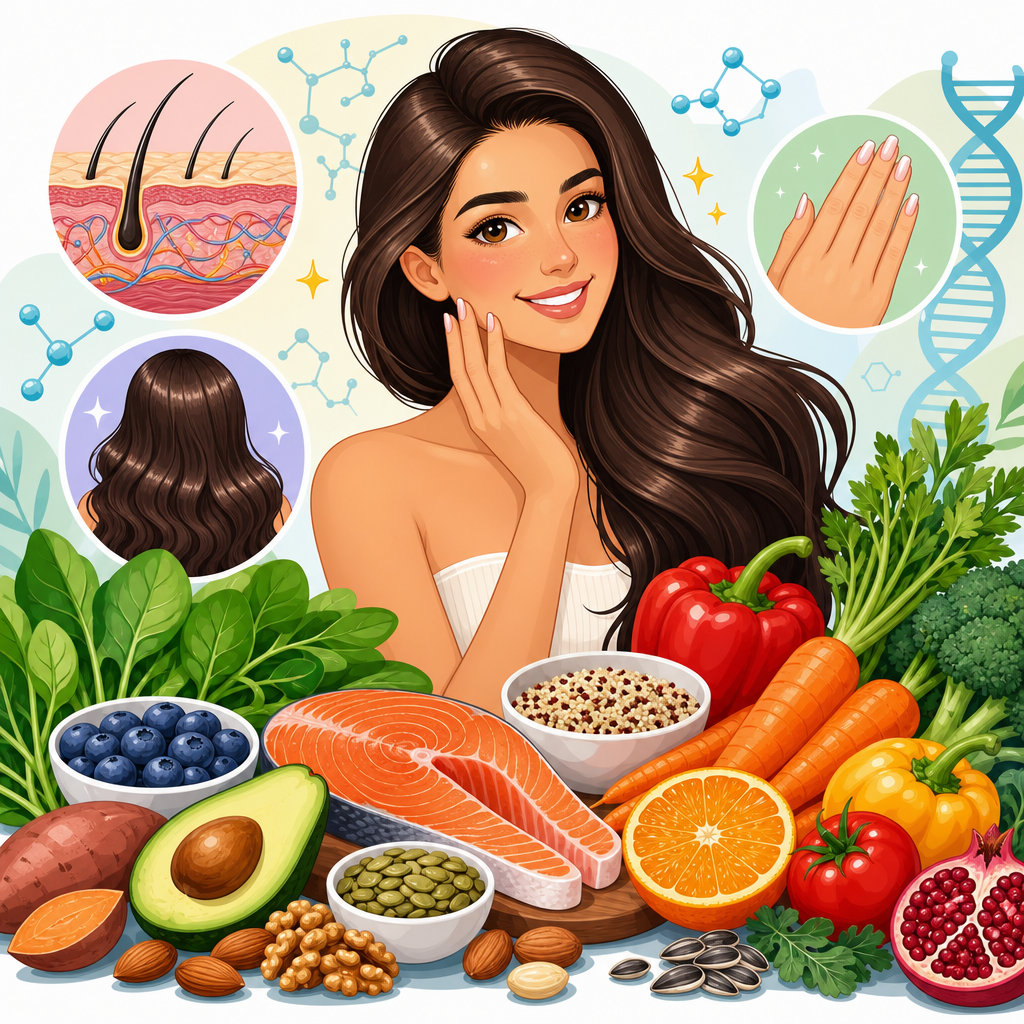
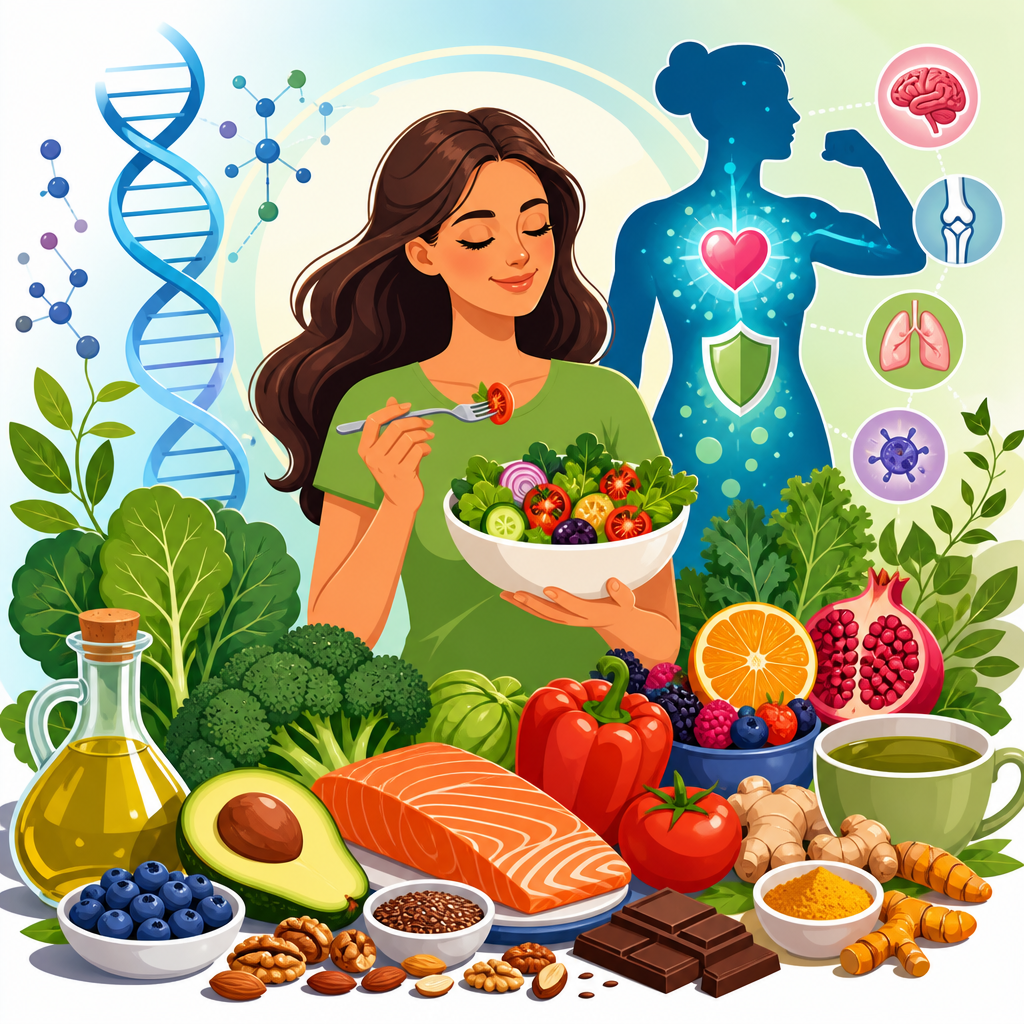
The most evidence-based anti-inflammatory diet centers on whole and minimally processed foods. Vegetables and fruits provide vitamin C, carotenoids, flavonoids, and other polyphenols that help counter oxidative stress. Legumes and intact whole grains add fiber, magnesium, and slower-digesting carbohydrates that support glycemic control. Extra-virgin olive oil supplies monounsaturated fat and phenolic compounds, while nuts and seeds contribute alpha-linolenic acid, minerals, and plant sterols. Fatty fish such as salmon, sardines, trout, and mackerel provide EPA and DHA, omega-3 fatty acids that influence eicosanoid balance and may reduce inflammatory mediator production.
Herbs, spices, tea, coffee, fermented foods, and cocoa can also contribute. Turmeric contains curcuminoids, ginger provides gingerols, garlic contains sulfur compounds, and green tea is rich in catechins. These foods are useful additions, but they work best inside an already strong dietary pattern. In my experience, people often overvalue a supplement or trendy ingredient and undervalue the daily impact of replacing sugary breakfast foods, processed snacks, and takeout meals with high-fiber, home-prepared options. The foundational swap is more powerful than the add-on.
| Food group | Helpful choices | Why they support lower inflammation |
|---|---|---|
| Fats | Extra-virgin olive oil, walnuts, almonds, chia, flax, salmon | Provide monounsaturated and omega-3 fats that support vascular and immune balance |
| Carbohydrates | Oats, barley, beans, lentils, quinoa, berries, apples | Deliver fiber and slower glucose absorption, reducing metabolic stress |
| Proteins | Fish, yogurt, kefir, tofu, tempeh, beans, eggs, poultry | Offer nutrient density with less inflammatory load than heavily processed meats |
| Flavorings | Turmeric, ginger, garlic, rosemary, cinnamon, green tea | Contain bioactive compounds linked to antioxidant and anti-inflammatory effects |
| Foods to limit | Sugary drinks, refined snacks, processed meats, trans fats, excess alcohol | Commonly associated with higher inflammatory markers and poorer cardiometabolic health |
No single list fits everyone. Food allergies, celiac disease, inflammatory bowel disease, kidney disease, medication interactions, and cultural eating patterns all shape what an anti-inflammatory diet should look like. The best version is one a person can sustain, afford, enjoy, and prepare consistently. That is why successful planning usually starts with a pantry review, a grocery strategy, and a small number of high-impact substitutions rather than a complete dietary overhaul overnight.
Anti-inflammatory diets and cardiovascular disease
Cardiovascular disease is one of the clearest areas where anti-inflammatory eating shows measurable benefit. Atherosclerosis is not only a cholesterol problem; it is an inflammatory process involving endothelial dysfunction, immune cell recruitment, plaque formation, and plaque instability. Diets rich in vegetables, olive oil, nuts, legumes, and fish help by improving lipid profiles, reducing blood pressure, and lowering oxidative stress. The PREDIMED trial, a landmark study in Spain, found that a Mediterranean dietary pattern supplemented with extra-virgin olive oil or nuts reduced major cardiovascular events in high-risk adults compared with a lower-fat control approach.
From a practical standpoint, replacing processed meats with beans or fish, switching butter-heavy meals to olive oil-based cooking, and increasing potassium-rich produce can create a meaningful cardiovascular shift. Soluble fiber from oats, barley, and legumes helps lower LDL cholesterol. Omega-3 fats may reduce triglycerides. Polyphenol-rich foods such as berries, cocoa, and olive oil appear to support endothelial function, which affects how blood vessels dilate and respond to stress. These are not abstract effects; they show up in blood pressure readings, lipid panels, and long-term event rates.
There are tradeoffs worth noting. Some packaged foods marketed as heart healthy are still high in sodium or added sugars. Fish is beneficial, but species choice matters because larger predatory fish can contain more mercury. And while red wine is often discussed in Mediterranean eating, alcohol is not required for anti-inflammatory benefit and can worsen risk for some people. The strongest takeaway is that a consistent whole-food dietary pattern offers far more protection than a narrow focus on one nutrient, one oil, or one beverage.
Effects on type 2 diabetes, obesity, and metabolic syndrome
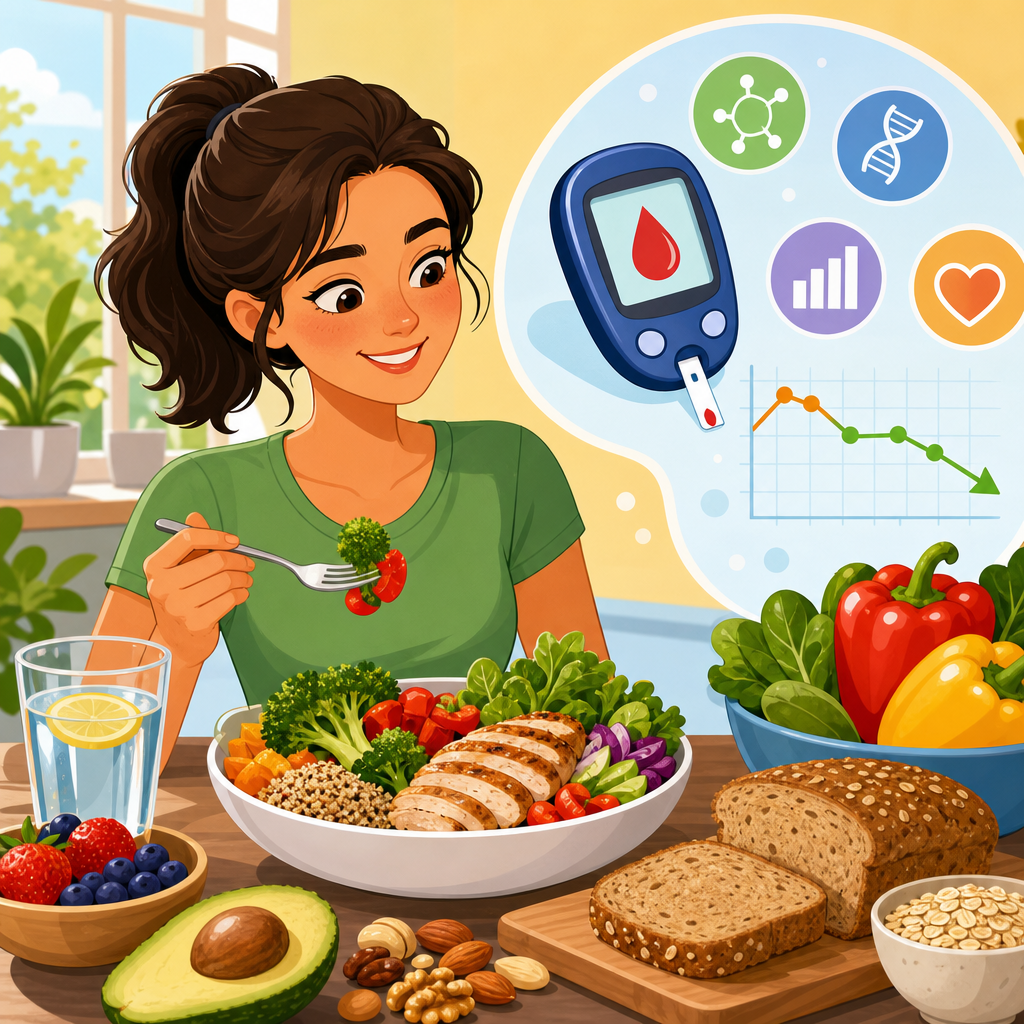
Anti-inflammatory diets and chronic disease management are especially relevant in type 2 diabetes and metabolic syndrome because inflammation and insulin resistance reinforce each other. When cells respond poorly to insulin, the pancreas compensates by producing more, blood sugar control worsens, and inflammatory signaling tends to rise. Excess abdominal fat deepens the problem. In clinical work, I have found that many patients improve fastest when they stop treating carbohydrates as the only issue and start improving carbohydrate quality, meal composition, and eating regularity.
High-fiber foods blunt post-meal glucose surges and improve satiety, which can reduce total energy intake without rigid restriction. Protein and healthy fats help further by slowing gastric emptying and supporting appetite control. Legumes are particularly useful because they combine fiber, plant protein, magnesium, and a relatively modest glycemic effect. Fermented dairy such as plain yogurt or kefir may help some people through protein content and microbiome support, though tolerance varies. These changes often lead to lower fasting glucose, reduced triglycerides, improved HbA1c, and less day-to-day hunger.
Weight loss can amplify these benefits, but it is not the sole indicator of success. Better sleep, fewer cravings, lower blood pressure, improved waist circumference, and steadier glucose readings are important outcomes as well. For some people, the first visible improvement is reduced afternoon fatigue or fewer nighttime awakenings after cutting back on refined snacks and sugary beverages. Those functional gains make adherence easier, which is crucial because the anti-inflammatory effect of a diet depends on repetition, not perfection. Sustainable metabolic improvement almost always beats aggressive short-term dieting.
Links to arthritis, gut health, brain health, and cancer risk
The benefits of anti-inflammatory diets extend beyond heart and metabolic health. In osteoarthritis and rheumatoid arthritis, dietary changes cannot replace medical treatment, but they can reduce symptom burden by supporting weight control, lowering inflammatory load, and improving overall nutrient intake. Patients with joint pain often notice that ultra-processed foods, heavy alcohol use, and high-sugar eating patterns worsen stiffness and energy levels, while Mediterranean-style eating supports better daily function. Omega-3-rich fish has the strongest evidence among food-based strategies for inflammatory joint conditions.
Gut health is another major pathway. The intestinal barrier, microbiome diversity, and fermentation of dietary fiber all influence immune activity. Diets low in fiber and high in emulsifiers, refined foods, and excess saturated fat may contribute to dysbiosis in some individuals. In contrast, beans, vegetables, fruit, oats, nuts, and fermented foods help feed beneficial microbes and increase production of short-chain fatty acids. When the gut ecosystem is healthier, inflammatory signaling often becomes less intense. This helps explain why anti-inflammatory diets can influence seemingly unrelated symptoms, from bloating to skin issues to energy stability.
Emerging evidence also connects dietary inflammation with cognitive decline, depression, and some cancers. The mechanisms include oxidative stress, vascular injury, insulin resistance, hormonal effects, and altered cell signaling. No diet can guarantee prevention, and genetics, age, and environment still matter. However, populations eating more whole plant foods, seafood, olive oil, and fewer ultra-processed products generally show lower rates of several chronic illnesses. The practical implication is clear: anti-inflammatory eating is not a niche strategy for one diagnosis. It is a broad risk-reduction framework that supports multiple organ systems at the same time.
How to build an anti-inflammatory eating pattern that lasts
The most effective anti-inflammatory diet is the one that survives normal life. Start with a plate structure that is easy to repeat: half vegetables or fruit, one quarter protein, one quarter high-fiber starch or legumes, plus a healthy fat such as olive oil, avocado, or nuts. Build breakfast around protein and fiber instead of refined grains alone. Keep frozen vegetables, canned beans, plain yogurt, oats, tinned fish, nuts, and olive oil at home so better choices are convenient. Read labels for added sugar, sodium, and long ingredient lists that signal heavy processing.
Measure progress with outcomes that matter. Those may include blood pressure, HbA1c, fasting triglycerides, LDL cholesterol, waist circumference, bowel regularity, or symptom frequency. If inflammation is a medical concern, discuss lab monitoring with a clinician rather than guessing from internet lists. Also remember that diet works alongside sleep, exercise, stress management, smoking cessation, and appropriate medications. Chronic disease rarely improves from one intervention alone.
Anti-inflammatory diets and chronic disease prevention come down to consistency, not dietary ideology. Emphasize whole foods, fiber, unsaturated fats, and minimally processed meals. Limit products that drive glucose swings, excess calorie intake, and poor gut health. Over time, this pattern supports lower inflammatory stress, better metabolic function, and more durable health. Use this article as your hub, then apply one change this week: upgrade one daily meal into a clearly anti-inflammatory one and repeat it until it becomes routine.
Frequently Asked Questions
What is an anti-inflammatory diet, and how does it actually work in the body?
An anti-inflammatory diet is an eating pattern built around foods that help regulate the body’s immune response, reduce oxidative stress, support a healthy gut microbiome, and improve metabolic function. Inflammation itself is not always harmful. Acute inflammation is a normal, protective response to infection or injury. The problem develops when low-grade inflammation becomes chronic and continues in the background for months or years. That ongoing immune activation can contribute to tissue damage and is strongly associated with conditions such as cardiovascular disease, type 2 diabetes, arthritis, fatty liver disease, and some neurodegenerative disorders.
The diet works through several overlapping mechanisms. Foods rich in fiber, polyphenols, omega-3 fats, vitamins, minerals, and antioxidants can help lower inflammatory signaling pathways in the body. Vegetables, fruits, legumes, nuts, seeds, olive oil, fatty fish, herbs, and minimally processed whole grains provide compounds that may reduce inflammatory markers and improve cellular resilience. At the same time, limiting ultra-processed foods, excess added sugar, refined carbohydrates, trans fats, and heavily processed meats can reduce triggers that tend to promote inflammation, insulin resistance, and oxidative stress.
Another major piece is gut health. A fiber-rich anti-inflammatory eating pattern helps feed beneficial gut bacteria, which then produce short-chain fatty acids and other metabolites that support the intestinal barrier and immune balance. When the gut barrier is healthier, the immune system is less likely to stay in a chronically activated state. In practical terms, an anti-inflammatory diet is less about a single “superfood” and more about the overall dietary pattern repeated consistently over time.
Which chronic diseases are most closely linked to chronic inflammation?
Chronic inflammation is now recognized as a common underlying factor in many of the most prevalent long-term health conditions. Cardiovascular disease is one of the clearest examples. Persistent inflammation can damage blood vessels, contribute to plaque formation, and increase the risk of heart attack and stroke. In type 2 diabetes, inflammatory processes are closely tied to insulin resistance, impaired glucose regulation, and complications affecting the kidneys, nerves, and blood vessels.
Inflammation also plays an important role in obesity, especially when excess visceral fat is present. Fat tissue is biologically active and can release inflammatory compounds that worsen metabolic dysfunction. In joint disorders such as rheumatoid arthritis and osteoarthritis, inflammation contributes directly to pain, stiffness, and progressive tissue damage. Inflammatory bowel conditions, fatty liver disease, and some skin disorders such as psoriasis also have a strong inflammatory component.
Researchers are also studying the connection between chronic inflammation and brain health. There is increasing interest in how inflammation may influence depression, cognitive decline, and diseases such as Alzheimer’s. While diet alone is not a cure, it can be a powerful part of a broader prevention and management strategy. The reason anti-inflammatory diets matter so much is that they target a shared biological process that affects multiple body systems at once, rather than addressing symptoms in isolation.
What foods should be included most often in an anti-inflammatory diet?
The most effective anti-inflammatory diets emphasize whole, minimally processed foods eaten regularly and in balance. Vegetables should form the foundation, especially leafy greens, cruciferous vegetables, tomatoes, peppers, onions, and deeply colored produce that provides a wide range of phytonutrients. Fruits such as berries, cherries, citrus, apples, and pomegranate are especially valued for their antioxidant and polyphenol content. Legumes, including beans, lentils, and chickpeas, offer fiber, plant protein, and minerals that support both metabolic and gut health.
Healthy fats are another key feature. Extra-virgin olive oil is one of the most studied anti-inflammatory staples because it contains monounsaturated fats and phenolic compounds linked with cardiovascular benefits. Fatty fish such as salmon, sardines, trout, and mackerel provide omega-3 fatty acids, which may help lower inflammatory activity. Nuts and seeds, including walnuts, almonds, chia seeds, flaxseeds, and pumpkin seeds, add beneficial fats, fiber, and micronutrients.
Whole grains such as oats, quinoa, brown rice, barley, and farro can fit well when tolerated, particularly when they replace refined grains. Fermented foods like yogurt with live cultures, kefir, sauerkraut, kimchi, and miso may also support gut health in some people. Herbs, spices, tea, cocoa, and coffee can contribute additional anti-inflammatory compounds as well. The core idea is variety. A diverse diet tends to deliver a broader range of protective nutrients than relying on a short list of trendy ingredients.
What foods and habits tend to increase inflammation and should be limited?
Foods most commonly associated with a more inflammatory dietary pattern are ultra-processed products high in added sugars, refined starches, industrial seed-oil-heavy fried foods, trans fats, and excess sodium. Sugary beverages, candy, pastries, white bread, heavily processed snack foods, and fast food meals can drive blood sugar spikes, worsen insulin resistance, and increase oxidative stress. Processed meats such as bacon, sausage, deli meats, and hot dogs are also often linked with poorer inflammatory and cardiometabolic outcomes when eaten frequently.
It is also important to look beyond single foods and consider the broader pattern of eating. Constant grazing on highly refined snack foods, eating very few vegetables or fiber-rich foods, and relying heavily on restaurant or packaged meals can all shift the diet in a pro-inflammatory direction. Excess alcohol intake may also increase inflammation, strain the liver, and negatively affect sleep and recovery. In some individuals, consistently overeating, especially in the setting of low physical activity, can further amplify inflammatory pathways.
Lifestyle habits matter just as much as food choices. Poor sleep, chronic stress, smoking, and a sedentary routine can all raise inflammation independently of diet. That is why the most successful anti-inflammatory approach is comprehensive: more whole foods, fewer ultra-processed foods, better sleep, regular movement, stress management, and sustainable habits rather than strict short-term restriction. This broader perspective is what often leads to more meaningful long-term health improvements.
How long does it take to see health benefits from an anti-inflammatory diet?
The timeline varies depending on the person’s baseline health, the degree of dietary change, and which outcomes are being measured. Some people notice early benefits within a few weeks, including steadier energy, less bloating, improved digestion, and fewer swings in hunger or cravings. Individuals with joint discomfort or fatigue may sometimes report symptom improvements within the first month when they shift away from highly processed foods and toward a more nutrient-dense pattern.
Changes in lab markers and chronic disease risk usually take longer. Improvements in blood sugar control, triglycerides, blood pressure, and certain inflammatory markers may emerge over several weeks to a few months, especially when the diet is paired with weight loss where appropriate, exercise, and better sleep. Cardiovascular and metabolic benefits tend to build over time through repeated daily choices rather than dramatic short-term interventions. The same is true for gut health and microbiome changes, which often respond gradually to regular fiber intake and dietary consistency.
The most important point is that anti-inflammatory eating is not a quick fix. It is a long-term pattern that works best when it is realistic, enjoyable, and sustainable. Rather than aiming for perfection, it is more effective to focus on steady progress: adding more vegetables, replacing refined foods with whole foods, choosing healthier fats, and building meals that are balanced and satisfying. Over months and years, those habits can meaningfully reduce the chronic inflammatory burden that contributes to disease risk and day-to-day symptoms alike.