Why anti-inflammatory diets and chronic disease belong in the same conversation becomes obvious once you look at how many long-term health problems are driven or worsened by persistent, low-grade inflammation. In clinical nutrition work, I have seen people focus only on calories, carbohydrate grams, or supplements while overlooking the inflammatory load of their overall eating pattern. An anti-inflammatory diet is not a trendy menu or a rigid detox plan. It is a way of eating built around foods, cooking methods, and meal structure that help regulate the body’s immune response instead of constantly provoking it.
Inflammation itself is not inherently bad. Acute inflammation is a protective response that helps the body heal after injury or infection. Chronic inflammation is different. It is a prolonged, dysregulated immune reaction that can quietly damage blood vessels, joints, insulin signaling, the gut lining, and even brain tissue over time. Researchers have linked chronic inflammation with cardiovascular disease, type 2 diabetes, arthritis, nonalcoholic fatty liver disease, certain cancers, autoimmune conditions, and depression. Markers such as C-reactive protein, interleukin-6, and tumor necrosis factor-alpha are often elevated when this process is active.
A balanced diet matters here because diet is one of the most consistent daily exposures affecting inflammatory pathways. Meals rich in ultra-processed foods, refined grains, added sugars, trans fats, and excessive alcohol can increase oxidative stress and metabolic strain. By contrast, diets centered on vegetables, fruit, legumes, whole grains, nuts, seeds, olive oil, herbs, spices, and omega-3-rich seafood tend to support healthier inflammatory regulation. This article serves as a hub for understanding anti-inflammatory diets and chronic disease, including the science, the food patterns, the practical meal-building approach, and the limitations people should know before changing how they eat.
How Chronic Inflammation Contributes to Disease
Chronic inflammation develops when the immune system remains activated beyond its useful purpose. The triggers are often cumulative: excess visceral fat, smoking, sleep deprivation, poor glycemic control, chronic stress, sedentary behavior, environmental exposures, and a dietary pattern that repeatedly spikes blood glucose and lipids. In practice, I often explain it to clients as background immune noise. You may not feel it directly every day, but tissues experience it over years. That ongoing stress can alter endothelial function, insulin receptor signaling, mitochondrial efficiency, and cell repair mechanisms.
Cardiovascular disease is one of the clearest examples. Inflammation contributes to plaque formation and plaque instability in arteries, which is why inflammatory biomarkers help predict risk beyond cholesterol alone. Type 2 diabetes also has a strong inflammatory component. As adipose tissue expands, especially around the abdomen, immune cells infiltrate fat tissue and release inflammatory cytokines that worsen insulin resistance. In rheumatoid arthritis and inflammatory bowel disease, immune signaling becomes even more dysregulated, and food choices can influence symptom burden even when diet is not the root cause of the illness.
Neuroinflammation is another area receiving serious attention. Diets low in polyphenols and omega-3 fats and high in ultra-processed foods have been associated with poorer cognitive outcomes and greater depressive symptoms. While food is not a stand-alone treatment for mental or neurological disease, it is part of the terrain. This is why anti-inflammatory diets matter for prevention as well as management. They address one of the few chronic disease risk factors people can improve several times a day through ordinary meals.
What an Anti-Inflammatory Diet Actually Includes
The most effective anti-inflammatory diet is not a single branded plan. It is a dietary pattern with consistent characteristics supported by research across Mediterranean-style eating, DASH principles, plant-forward diets, and traditional whole-food patterns. The emphasis is on nutrient density, fiber, unsaturated fats, phytochemicals, and stable blood sugar response. In real life, that means meals built from minimally processed foods rather than products engineered for shelf life and hyper-palatability.
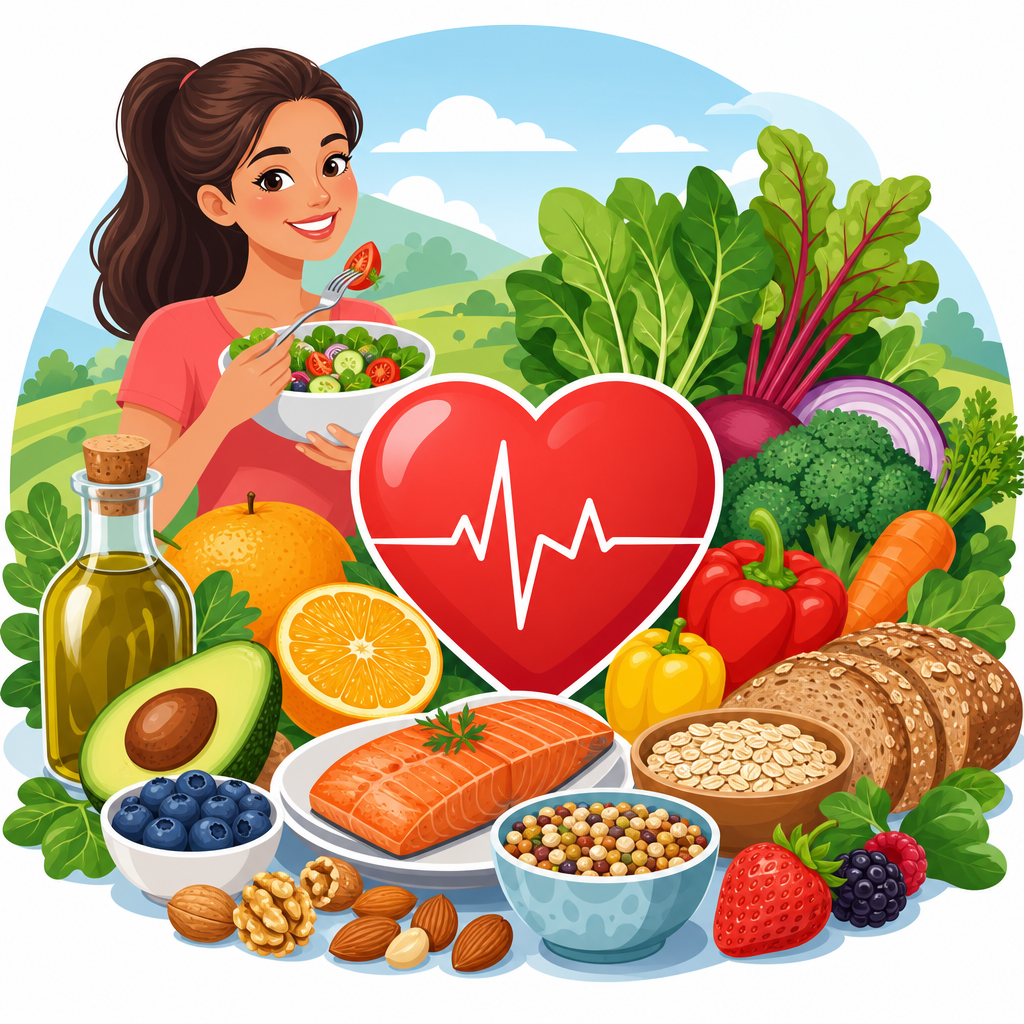
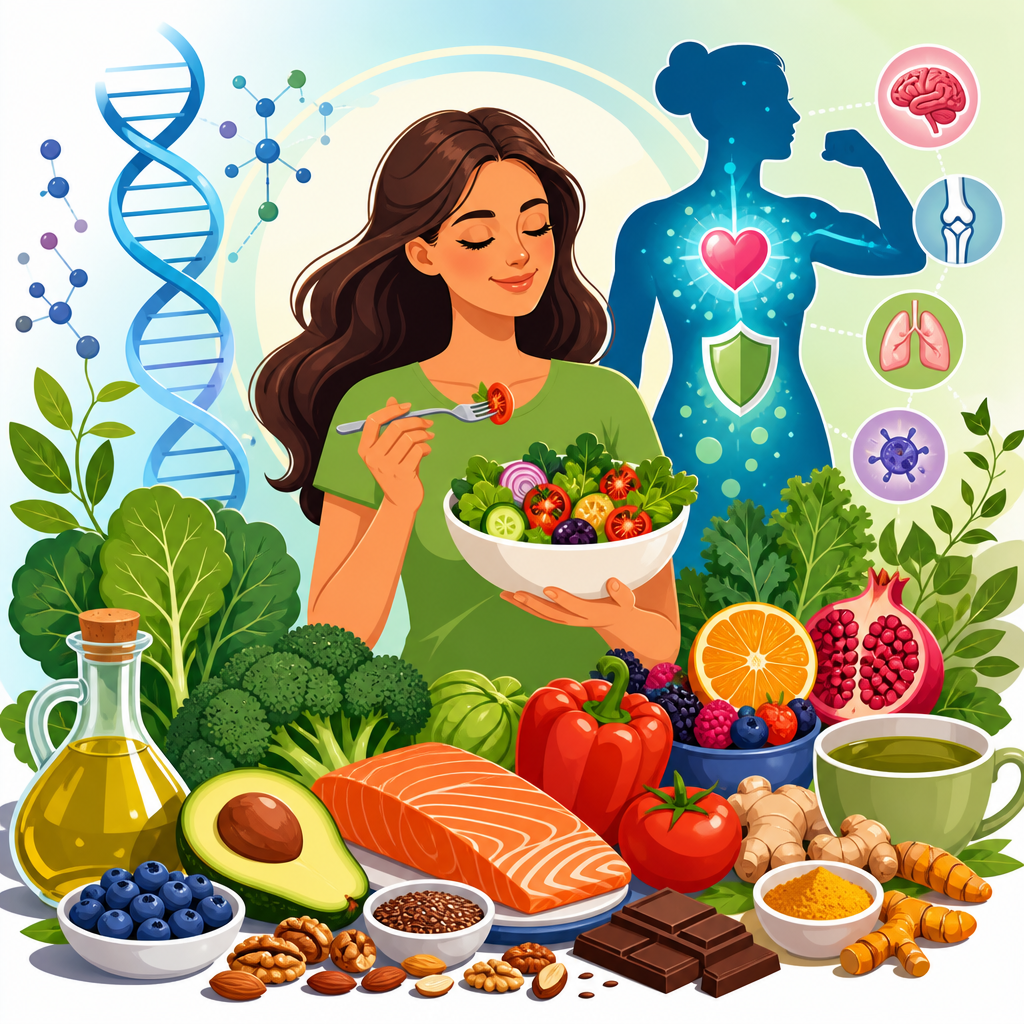
Vegetables and fruit provide vitamin C, carotenoids, flavonoids, and hundreds of polyphenolic compounds that help modulate oxidative stress and inflammatory signaling. Legumes add fiber, magnesium, potassium, and plant protein while supporting the gut microbiome. Whole grains such as oats, barley, quinoa, brown rice, and farro offer fiber and slower digestion than refined grains. Extra-virgin olive oil supplies monounsaturated fat and phenolic compounds. Fatty fish like salmon, sardines, trout, and mackerel provide EPA and DHA, omega-3 fatty acids with well-documented effects on inflammatory mediators.
Herbs, spices, tea, coffee, nuts, seeds, and fermented foods also matter. Turmeric, ginger, garlic, cinnamon, rosemary, and oregano contribute bioactive compounds. Walnuts, almonds, chia seeds, flaxseed, and pumpkin seeds offer healthy fats, minerals, and in some cases alpha-linolenic acid. Yogurt with live cultures, kefir, kimchi, and sauerkraut may support gut ecology, which is closely tied to immune regulation. The point is variety. No single superfood cancels out an otherwise inflammatory pattern, but a consistent whole-food approach can shift the balance meaningfully.
Foods and Habits That Commonly Increase Inflammatory Burden
People often ask which foods are inflammatory. The more accurate question is which dietary patterns repeatedly push the body toward glycemic instability, excess energy intake, poor lipid metabolism, and microbiome disruption. Sugar-sweetened beverages are a major contributor because they deliver rapid carbohydrate loads with minimal satiety. Refined snacks and desserts can do the same, especially when paired with saturated fat and low fiber. Frequent intake of processed meats has been associated with higher chronic disease risk, likely through a combination of sodium, preservatives, heme iron, and overall dietary context.
Ultra-processed foods deserve special attention. These products often combine refined starches, isolated sugars, industrial seed oils, flavor enhancers, and additives in ways that encourage overconsumption. Not every packaged item is harmful, but when ultra-processed food crowds out beans, greens, fruit, fish, and whole grains, inflammatory risk rises. Deep-fried foods, heavy alcohol intake, and patterns built around fast food also contribute to endothelial stress and poor metabolic health. Even meal timing can matter if someone is grazing on low-quality foods all day and never reaching adequate protein, fiber, or micronutrient intake.
| Diet factor | Common examples | Why it matters for chronic disease |
|---|---|---|
| Protective foods | Leafy greens, berries, beans, oats, salmon, olive oil, nuts | Supply fiber, unsaturated fats, antioxidants, and compounds linked with lower inflammatory signaling |
| Higher-risk foods | Soda, pastries, processed meats, fried fast food, heavily refined snacks | Can worsen blood sugar swings, oxidative stress, excess calorie intake, and poor lipid metabolism |
| Supportive habits | Home cooking, balanced plates, regular meal timing, hydration | Improve diet quality, portion awareness, and long-term adherence |
| Aggravating habits | Skipping meals then overeating, heavy alcohol use, late-night junk food patterns | Increase metabolic strain and make anti-inflammatory eating harder to sustain |
Chronic Diseases Most Affected by Anti-Inflammatory Eating
Heart disease is typically the first condition discussed because the evidence is broad and practical. Diets rich in olive oil, legumes, vegetables, nuts, and fish are associated with lower cardiovascular events and improved blood pressure and lipid profiles. The PREDIMED trial is often cited because it showed that a Mediterranean dietary pattern supplemented with extra-virgin olive oil or nuts reduced major cardiovascular events in high-risk adults. The mechanism is not one nutrient alone. It is the combined effect of better fats, more fiber, more antioxidants, and lower reliance on ultra-processed foods.
Type 2 diabetes and prediabetes also respond well to anti-inflammatory dietary changes. When meals contain protein, fiber, and healthy fat, post-meal glucose excursions are usually lower than with refined carbohydrate-heavy meals. Weight loss can reduce inflammation, but even before major weight change, food quality can improve insulin sensitivity. For patients with nonalcoholic fatty liver disease, reducing added sugars and refined carbohydrates while increasing whole foods often improves liver enzymes and metabolic markers. In osteoarthritis and rheumatoid arthritis, some people report less stiffness and pain when they improve dietary quality, although effects vary and medication remains important.
Gastrointestinal disorders deserve mention because the gut is a major immune interface. A fiber-rich, diverse diet can support short-chain fatty acid production by beneficial bacteria, which in turn helps maintain gut barrier function. In some cases, however, people with active inflammatory bowel disease, IBS, or severe reflux need tailored modifications. Raw vegetables, high-fiber foods, or fermented foods may need adjustment during flares. An anti-inflammatory diet should therefore be personalized rather than treated as a universal food list.
How to Build a Balanced Anti-Inflammatory Plate
A balanced anti-inflammatory diet is easiest to follow when translated into plate design. I usually recommend starting with half the plate as nonstarchy vegetables, a quarter as protein, and a quarter as high-fiber carbohydrate, then adding a source of healthy fat. For example, grilled salmon with roasted broccoli, farro, and olive oil vinaigrette checks multiple boxes at once. A vegetarian version might be lentil stew with spinach, tomatoes, and brown rice topped with pumpkin seeds and parsley.
Breakfast is often the meal where inflammatory patterns begin, especially if it relies on sugary cereal, pastries, or coffee alone. Better options include plain Greek yogurt with berries and walnuts, steel-cut oats with chia seeds and cinnamon, or eggs with sautéed vegetables and whole-grain toast. Lunch can be a bean and quinoa salad with olive oil and lemon, or a chicken and hummus wrap with greens. Dinner does not need to be elaborate. A sheet-pan meal of salmon, Brussels sprouts, and sweet potatoes is realistic for busy households and offers a better nutrient profile than takeout most nights.
Snacks should stabilize energy, not simply fill time. Pairing fruit with nuts, vegetables with hummus, or kefir with ground flaxseed usually works better than crackers or candy. Hydration matters too. Replacing sugar-sweetened drinks with water, mineral water, or unsweetened tea reduces unnecessary sugar load. This meal structure supports fullness, blood sugar control, and nutrient adequacy, which is why it is more sustainable than elimination-style eating.
Common Myths, Limitations, and Practical Considerations
One myth is that anti-inflammatory eating requires expensive specialty products. In reality, some of the most effective foods are affordable: beans, oats, frozen vegetables, canned sardines, plain yogurt, brown rice, onions, cabbage, and seasonal fruit. Another myth is that all inflammation can be fixed with food. That is false. Autoimmune diseases, advanced metabolic disease, and genetic risk factors often require medication, physical activity, sleep support, and medical monitoring. Diet is powerful, but it is one part of a larger treatment framework.
Another limitation is that people can become overly restrictive. They cut entire food groups, fear normal social meals, and replace balanced eating with supplement stacks. I have seen this backfire, especially when people chase isolated ingredients instead of overall patterns. Turmeric capsules cannot compensate for a diet built around soda and fast food. Likewise, a gluten-free or dairy-free diet is not automatically anti-inflammatory unless it improves food quality and matches a genuine need. Medical conditions, culture, food access, and cooking skill all shape what is realistic.
The most effective approach is consistent, personalized, and measurable. Track blood pressure, A1C, lipids, weight trend, waist circumference, symptoms, or energy levels with a clinician when possible. Use objective markers instead of guesswork. If you are building your nutrition for health and wellness strategy, start with one week of honest meal observation, then upgrade one meal at a time. Anti-inflammatory diets and chronic disease are deeply connected, and improving that relationship is one of the most practical steps you can take toward a balanced diet that protects long-term health.
Frequently Asked Questions
What is an anti-inflammatory diet, and how does it support a balanced diet?
An anti-inflammatory diet is a long-term eating pattern centered on whole, nutrient-dense foods that help reduce persistent, low-grade inflammation in the body. Rather than focusing only on calorie restriction, cutting out one nutrient, or following a temporary cleanse, this approach emphasizes overall dietary quality. In practice, that usually means eating more vegetables, fruits, legumes, nuts, seeds, whole grains, herbs, spices, and healthy fats such as olive oil, while regularly including quality protein sources like fish, beans, yogurt, eggs, or minimally processed poultry. At the same time, it limits foods that tend to promote inflammation when eaten in excess, including ultra-processed snacks, sugary drinks, refined carbohydrates, heavily processed meats, and trans fats.
This way of eating supports a balanced diet because it naturally improves both nutrient intake and meal structure. It provides fiber for digestive and metabolic health, antioxidants that help protect cells from oxidative stress, and fats that support hormones, the brain, and the cardiovascular system. It also encourages variety, which is a key feature of balance. A truly balanced diet is not just about hitting macronutrient numbers. It should also help regulate blood sugar, support immune function, maintain energy, and reduce unnecessary physiological stress. Anti-inflammatory eating aligns with all of those goals, which is why it belongs at the center of conversations about sustainable, balanced nutrition.
Why are anti-inflammatory diets and chronic disease so closely connected?
Anti-inflammatory diets and chronic disease are closely linked because chronic inflammation plays a major role in the development, progression, or worsening of many long-term health conditions. Low-grade inflammation is not always obvious the way acute inflammation is. It does not necessarily cause immediate pain or swelling, but over time it can contribute to tissue damage, insulin resistance, blood vessel dysfunction, and disruptions in normal immune signaling. This is one reason inflammation is often discussed in relation to heart disease, type 2 diabetes, obesity, fatty liver disease, arthritis, and even some cognitive and digestive disorders.
Food choices influence this process every day. A dietary pattern built around highly processed foods, excess added sugar, low fiber intake, and poor fat quality can intensify inflammatory pathways, especially when paired with chronic stress, poor sleep, and low physical activity. On the other hand, a diet rich in plant foods, omega-3 fats, and minimally processed ingredients can help calm those pathways and improve the body’s ability to regulate itself. This does not mean food alone can cure chronic disease, but it does mean nutrition can either add to the inflammatory burden or help reduce it. That is why anti-inflammatory eating is considered an essential foundation in prevention and management, not just a wellness trend.
Which foods are considered anti-inflammatory, and which ones should be limited?
Foods commonly considered anti-inflammatory are those that provide a strong mix of fiber, phytonutrients, healthy fats, vitamins, and minerals without a high degree of industrial processing. Excellent examples include leafy greens, berries, tomatoes, broccoli, peppers, beans, lentils, oats, quinoa, nuts, seeds, avocados, extra-virgin olive oil, and fatty fish such as salmon, sardines, and trout. Fermented foods like yogurt, kefir, kimchi, and sauerkraut may also be helpful for some people by supporting gut health, which is closely tied to inflammation and immune regulation. Herbs and spices such as turmeric, ginger, garlic, cinnamon, and rosemary can add both flavor and beneficial plant compounds.
Foods that are often best limited include sugar-sweetened beverages, candy, pastries, heavily refined grains, fast food, fried foods, and processed meats like bacon, sausage, and deli meats. It is also wise to be cautious with foods high in trans fats and to moderate excess alcohol intake. The goal is not perfection or fear around eating. It is to make the overall pattern work in your favor. Someone does not need to eliminate every indulgence to benefit. In most cases, the biggest improvements come from what is eaten consistently day after day. Building meals around anti-inflammatory staples most of the time has a far greater impact than chasing occasional “superfoods” while ignoring the quality of the rest of the diet.
Can an anti-inflammatory diet help manage chronic conditions such as diabetes, heart disease, or arthritis?
Yes, an anti-inflammatory diet can be very helpful in the management of several chronic conditions, especially when it is part of a broader care plan that includes medical guidance, movement, sleep, and stress management. For people with type 2 diabetes or insulin resistance, anti-inflammatory eating often improves blood sugar control because it tends to be higher in fiber and lower in rapidly absorbed, highly processed carbohydrates. For cardiovascular health, it can support healthier cholesterol levels, blood pressure, blood vessel function, and triglycerides, particularly when saturated fats from processed foods are replaced with unsaturated fats from sources like olive oil, nuts, seeds, and fish.
For inflammatory conditions such as arthritis, the benefit may come from reducing the compounds and metabolic stressors that can intensify joint symptoms over time. Some people notice improvements in stiffness, swelling, or day-to-day comfort when they reduce ultra-processed foods and increase foods rich in antioxidants and omega-3 fatty acids. Results vary by person and by condition, and nutrition is not a substitute for prescribed treatment. Still, the evidence is strong that dietary pattern matters. In clinical practice, one of the most useful shifts is helping people stop thinking only in terms of “what to avoid” and instead build meals that actively support healing, stability, and symptom management.
How can someone start following an anti-inflammatory diet without making it overly restrictive?
The most effective way to start is by making practical, sustainable upgrades rather than trying to overhaul everything overnight. Begin with a few high-impact habits: fill half the plate with vegetables more often, choose fruit or nuts instead of packaged snacks, swap refined grains for higher-fiber options such as oats, brown rice, or quinoa, and use olive oil in place of more heavily processed fats when appropriate. Add anti-inflammatory foods before worrying about perfection. For example, include beans in soups or salads, eat fish once or twice a week if you enjoy it, and keep simple staples on hand like frozen vegetables, plain yogurt, berries, hummus, eggs, and lentils.
It also helps to think in terms of meal patterns instead of individual ingredients. A balanced anti-inflammatory meal might include a vegetable, a quality protein, a fiber-rich carbohydrate, and a healthy fat. That structure supports fullness, blood sugar control, and nutritional adequacy while keeping meals realistic. Just as important, avoid turning this approach into another restrictive rulebook. An anti-inflammatory diet should be flexible, culturally adaptable, and enjoyable enough to maintain. Consistency matters more than intensity. If someone can improve breakfast, cook a few more meals at home, reduce sugary drinks, and increase plant variety each week, they are already moving in the right direction in a way that supports both chronic disease prevention and a truly balanced diet.