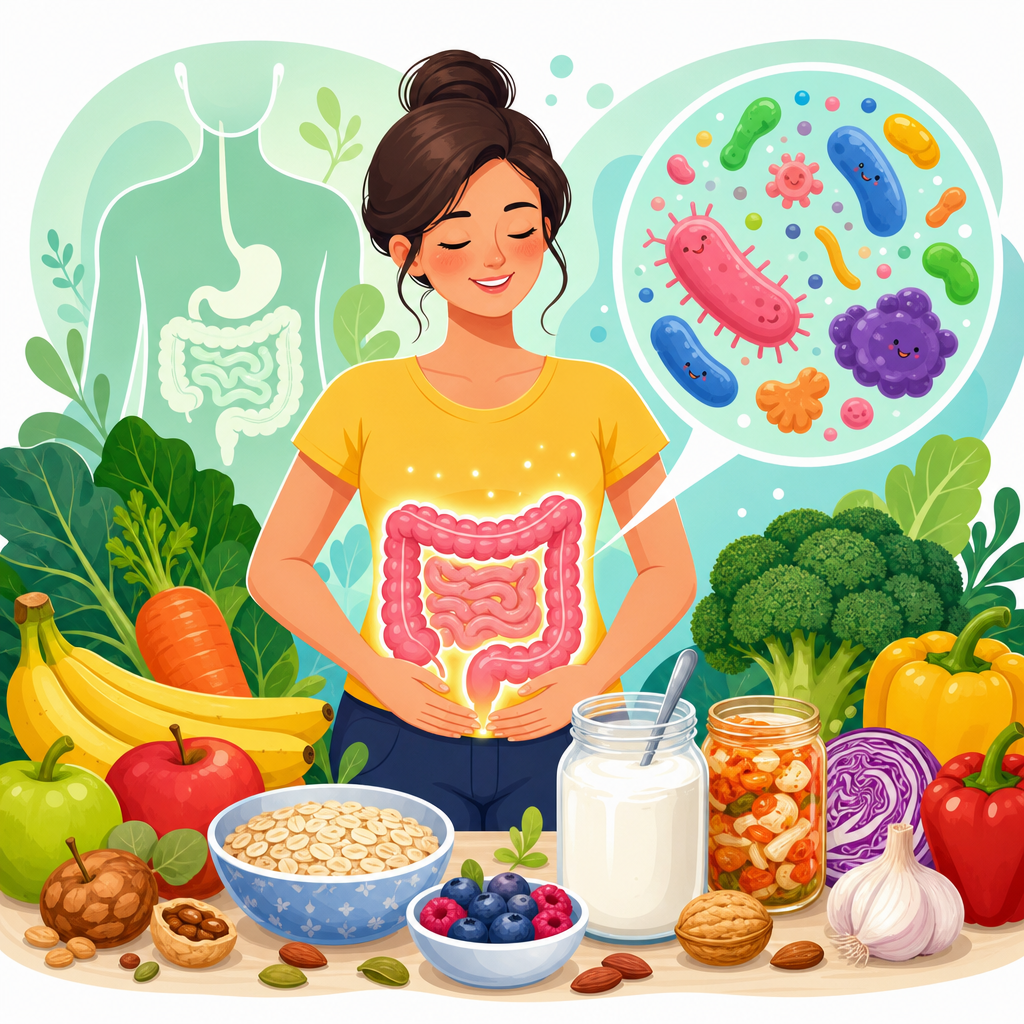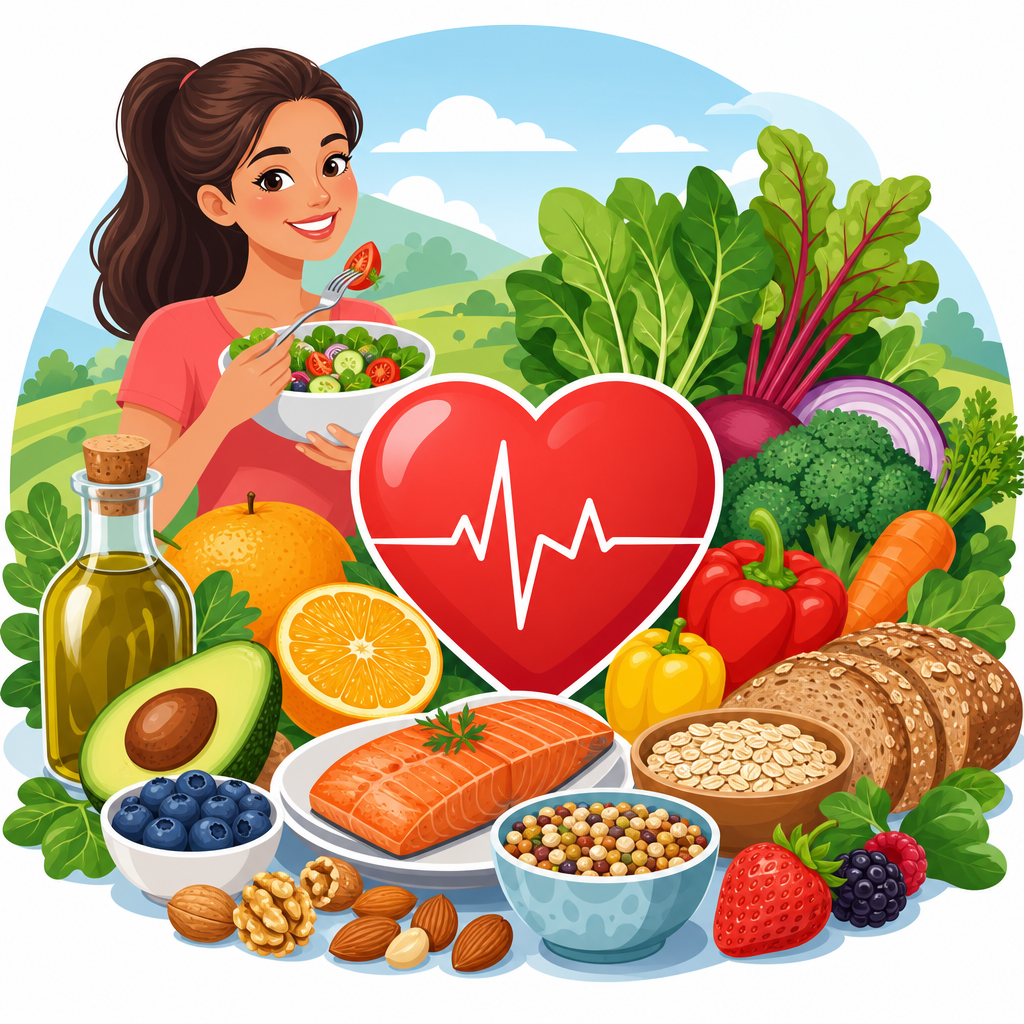
Heart health is shaped every day by food choices, because the nutrients people eat directly influence blood pressure, cholesterol levels, inflammation, blood sugar control, and body weight. Nutrition for heart health means using a healthy diet to support the structure and function of the cardiovascular system, including the heart muscle, blood vessels, and the processes that regulate circulation. In practice, that means favoring foods linked with lower cardiovascular risk and limiting foods associated with hypertension, atherosclerosis, and metabolic disease. As a hub topic within nutrition for health and wellness, heart nutrition brings together several connected themes: fats, fiber, sodium, potassium, added sugar, alcohol, meal patterns, weight management, and overall dietary quality. Each of these factors affects the others, which is why isolated nutrition tips often fail while a consistent eating pattern works.
In clinical guidance, the most established heart-supportive dietary patterns include the Mediterranean diet, the DASH diet, and plant-forward eating plans built around minimally processed foods. These approaches consistently emphasize vegetables, fruits, legumes, whole grains, nuts, seeds, and unsaturated fats, while reducing excess sodium, refined carbohydrates, processed meats, and trans fats. I have seen the difference this makes when reviewing food logs with clients: the biggest improvements rarely come from exotic superfoods. They come from practical changes such as replacing deli meat lunches with bean bowls, switching from butter-heavy cooking to olive oil, and building breakfast around oats, yogurt, fruit, and seeds instead of pastries. Those swaps improve nutrient density and move several cardiovascular markers in the right direction at once. That is why nutrition matters so much for prevention, daily energy, and long-term heart function.
Heart disease remains a leading cause of death worldwide, yet diet is one of the most modifiable risk factors. The American Heart Association, World Health Organization, and major cardiology societies all point to dietary quality as a central part of cardiovascular prevention. A heart-healthy diet does not require perfection, but it does require a pattern. People often ask whether they should focus first on cholesterol, blood pressure, triglycerides, weight loss, or inflammation. The answer is usually the same: start with a dietary pattern that improves all of them together. When this page serves as your hub for nutrition for heart health, the goal is to give you that framework clearly, so you can understand what matters most, why it matters, and how to apply it in real life with confidence.
How nutrition affects the cardiovascular system
The heart and blood vessels respond continuously to what enters the bloodstream after meals. Saturated fat can raise low-density lipoprotein cholesterol in many people, especially when it displaces unsaturated fat. Soluble fiber helps reduce LDL cholesterol by binding bile acids and increasing their excretion. Excess sodium contributes to higher blood pressure by increasing fluid retention and altering vascular tone, while potassium helps balance sodium’s effects and supports normal blood pressure regulation. Added sugars and highly refined carbohydrates can worsen triglycerides, insulin resistance, and energy intake, particularly when they come from sugary drinks and ultra-processed snacks. Alcohol can raise blood pressure and triglycerides when intake is high, even though messaging around moderate intake has often been oversimplified.
Inflammation and endothelial function also matter. Endothelium is the thin inner lining of blood vessels, and it plays a major role in circulation, clotting, and vessel relaxation. Diets rich in polyphenols, omega-3 fats, legumes, nuts, and colorful produce tend to support endothelial health, while patterns heavy in processed meats, fried foods, and industrial trans fats are associated with worse cardiovascular outcomes. After years of reading lab trends alongside diet histories, one pattern stands out: people improve fastest when they stop chasing single nutrients and instead improve the overall food environment around each meal. Better ingredients create better biomarkers.
Core foods that support heart health
A healthy diet for the heart starts with foods that repeatedly show benefits across large population studies and intervention trials. Vegetables and fruits provide fiber, potassium, folate, polyphenols, and vitamin C. Whole grains such as oats, barley, brown rice, and whole wheat supply fiber and help with satiety and glycemic control. Legumes including lentils, black beans, chickpeas, and soy foods offer plant protein, minerals, and soluble fiber with very little saturated fat. Nuts and seeds provide unsaturated fats, plant sterols, magnesium, and texture that makes meals more satisfying. Fish, especially salmon, sardines, trout, and mackerel, contributes omega-3 fatty acids that can help reduce triglycerides and support overall cardiovascular function.
Healthy fats deserve special attention because fat quality matters more than simplistic low-fat messaging. Replacing saturated fat from fatty cuts of meat, butter, cream, and many commercial baked goods with monounsaturated and polyunsaturated fats from olive oil, avocado, nuts, seeds, and seafood is a proven strategy. Fermented dairy such as yogurt and kefir can fit a heart-healthy pattern, especially when unsweetened, but portions and overall saturated fat intake still matter. For beverages, water should be the default. Unsweetened tea and coffee can fit for most adults, while sugar-sweetened beverages are among the clearest items to limit because they add calories quickly and provide little nutritional value.
What to limit, and why those limits matter
Heart-healthy eating is not only about what to add. It also requires clear limits on foods strongly associated with cardiovascular risk. Sodium is one of the most important, especially for people with hypertension, kidney disease, or salt sensitivity. Most sodium intake comes from packaged foods, restaurant meals, breads, sauces, soups, deli meats, pizza, and savory snacks rather than the salt shaker. Processed meats such as bacon, sausage, salami, and hot dogs are linked with higher cardiovascular risk because they combine sodium, preservatives, and often saturated fat. Foods containing partially hydrogenated oils should be avoided completely, although trans fat regulation has reduced their presence in many countries.
Added sugar is another major issue. It commonly appears in soda, sweet coffee drinks, desserts, breakfast cereals, flavored yogurt, and sauces. Excess intake can raise triglycerides and contribute to weight gain. Refined grains are not toxic, but when they dominate the diet they often displace fiber-rich foods that better support cardiometabolic health. Red meat can fit occasionally in small amounts, yet frequent intake of heavily processed or fatty cuts is harder to justify in a truly heart-centered diet. The practical question is not whether you can ever eat these foods. It is whether they are routine. If they are routine, risk climbs.
| Food category | Heart-supportive choice | Option to limit | Reason |
|---|---|---|---|
| Breakfast | Oatmeal with berries and walnuts | Pastry and sweetened latte | More fiber, less added sugar, better satiety |
| Lunch protein | Lentils, grilled fish, or tofu | Deli meats | Less sodium and saturated fat |
| Cooking fat | Extra-virgin olive oil | Butter or shortening | Improved fat profile |
| Snack | Fruit and unsalted nuts | Chips or candy | Higher nutrient density |
| Beverage | Water or unsweetened tea | Soda | Lower sugar and calorie load |
Dietary patterns with the strongest evidence
The most effective nutrition strategy for heart health is not a single food but a repeatable pattern. The Mediterranean diet is widely studied and centers on vegetables, legumes, whole grains, olive oil, nuts, herbs, seafood, and moderate dairy, with limited red meat and sweets. Its benefits likely come from the combination of unsaturated fats, fiber, antioxidant compounds, and lower reliance on ultra-processed foods. The DASH diet, designed to help lower blood pressure, emphasizes fruits, vegetables, low-fat dairy, beans, nuts, and whole grains while limiting sodium, sweets, and high-saturated-fat foods. It is especially useful for people with hypertension or prehypertension.
Plant-forward diets can be excellent for cardiovascular health when they are well planned. That does not require everyone to be vegan. It means making plant foods the center of most meals and treating animal foods as supporting players rather than the default main event. In real meal planning, this could look like chili built from beans and vegetables, grain bowls with roasted vegetables and tahini, or salmon served with farro and greens instead of fries. The common denominator across successful patterns is high intake of minimally processed plants, strategic use of healthy fats, and low intake of sodium-heavy, sugar-heavy, and heavily processed foods.
Key nutrients and biomarkers to watch
Several nutrients deserve closer attention because they connect directly to common heart-related lab values and clinical targets. Soluble fiber, found in oats, barley, beans, lentils, apples, and psyllium, can help lower LDL cholesterol. Omega-3 fatty acids from fatty fish support triglyceride management and are particularly relevant for people with elevated triglycerides. Potassium from beans, potatoes, leafy greens, bananas, yogurt, and fruit supports blood pressure regulation, although people with kidney disease need individualized guidance. Magnesium, found in nuts, seeds, legumes, and whole grains, supports vascular and metabolic health.
When assessing whether a diet is helping, the most useful markers often include blood pressure, LDL cholesterol, non-HDL cholesterol, triglycerides, A1C or fasting glucose, waist circumference, and body weight trend. Apolipoprotein B and lipoprotein(a) can provide additional insight in higher-risk cases. I encourage people to connect food changes with these markers over time. For example, reducing takeout, increasing legumes to four meals per week, and replacing sugary beverages often lowers both blood pressure and triglycerides within months. Nutrition becomes far easier to sustain when people can see objective improvement.
How to build a heart-healthy plate in daily life
Daily execution matters more than nutrition theory. A useful framework is to fill half the plate with vegetables and fruit, one quarter with high-fiber carbohydrates such as beans or whole grains, and one quarter with protein from fish, legumes, tofu, yogurt, or lean poultry. Then add a modest portion of healthy fat, usually olive oil, avocado, nuts, or seeds. This approach naturally improves fiber, potassium, and unsaturated fat intake while controlling sodium and excess calories. It also works across cuisines. A Mediterranean plate might feature grilled fish, tomato salad, lentils, and olive oil. A Latin-inspired version could include black beans, brown rice, roasted peppers, avocado, and salsa. An Asian-style meal might pair tofu, bok choy, edamame, brown rice, and sesame.
Meal preparation helps because convenience strongly drives food choices. Keep canned no-salt-added beans, frozen vegetables, plain yogurt, oats, whole grains, nuts, fruit, and canned fish on hand. Read labels for sodium, added sugar, and saturated fat, especially on bread, cereal, soups, sauces, and snack foods. If eating out often, choose grilled proteins, request sauces on the side, and prioritize vegetable-based sides. Progress is usually strongest when the home environment changes first, because repeated exposure shapes habits more reliably than motivation alone.
Special considerations, common mistakes, and the next step
Nutrition for heart health is powerful, but it is not one-size-fits-all. Someone with heart failure may need closer attention to sodium and fluid balance. A person on warfarin needs consistent vitamin K intake rather than avoidance. People with diabetes, chronic kidney disease, familial hypercholesterolemia, or very high triglycerides often need more individualized planning and medication support alongside diet. Supplements can help in selected cases, but they are not substitutes for dietary quality. Fish oil may be appropriate for some patients, psyllium can support cholesterol reduction, and plant sterols may help, yet whole-food patterns remain the foundation. Another common mistake is overestimating healthy packaged foods. Granola bars, veggie chips, flavored oatmeal, and bottled smoothies can still carry large amounts of sugar or sodium.
The main takeaway is straightforward: a heart-healthy diet is built on vegetables, fruits, legumes, whole grains, nuts, seeds, seafood, and unsaturated fats, while limiting sodium, added sugar, processed meats, and heavily processed foods. That pattern improves major cardiovascular risk factors together instead of forcing you to chase one number at a time. As the hub for nutrition for heart health, this topic connects naturally to deeper guidance on cholesterol-lowering foods, blood pressure nutrition, meal planning, label reading, weight management, and anti-inflammatory eating. Start with one durable change this week, such as replacing one processed meal each day with a fiber-rich whole-food option, and build from there. Consistency protects the heart better than intensity.
Frequently Asked Questions
Why is nutrition so important for heart health?
Nutrition plays a central role in heart health because the foods you eat affect nearly every major cardiovascular risk factor. A healthy diet can help regulate blood pressure, improve cholesterol balance, reduce chronic inflammation, support healthy blood sugar levels, and make it easier to maintain a healthy body weight. These factors matter because the heart and blood vessels depend on a stable internal environment to function efficiently over time. When a person regularly eats foods high in excess sodium, added sugars, refined carbohydrates, and unhealthy fats, the body is more likely to experience changes that increase strain on the cardiovascular system.
By contrast, a heart-supportive eating pattern provides nutrients that help protect blood vessels, support circulation, and reduce wear and tear on the heart. Fiber can help lower LDL cholesterol, potassium can support healthy blood pressure, and unsaturated fats can improve lipid profiles when they replace saturated and trans fats. Nutrient-dense foods such as vegetables, fruits, whole grains, legumes, nuts, seeds, and fish also provide antioxidants and plant compounds that may help reduce oxidative stress and inflammation. In practical terms, nutrition for heart health is not about one “superfood” but about repeated daily choices that work together to support long-term cardiovascular function.
What foods are best to include in a heart-healthy diet?
A heart-healthy diet is built around minimally processed, nutrient-rich foods that support healthy cholesterol levels, blood pressure, blood sugar control, and body weight. Vegetables and fruits should be included often because they provide fiber, vitamins, minerals, and antioxidants with relatively few calories. Whole grains such as oats, brown rice, quinoa, barley, and whole wheat can help support steady energy and improve fiber intake, which is especially helpful for cholesterol management. Legumes like beans, lentils, and chickpeas are also excellent because they offer fiber and plant-based protein without the saturated fat found in many processed meats.
Healthy fat sources are another major part of a strong heart-focused eating pattern. Foods such as olive oil, avocados, nuts, seeds, and fatty fish like salmon, sardines, trout, and mackerel provide unsaturated fats that can support cardiovascular health. Fish rich in omega-3 fatty acids may be particularly beneficial for supporting normal heart rhythm and lowering certain types of inflammation. Low-fat or unsweetened dairy options can also fit, depending on individual needs and preferences. Overall, the best foods for heart health are those that provide lasting nutritional value while helping limit excess sodium, added sugars, and unhealthy fats. A simple way to think about it is to center meals around plants, choose quality proteins, and use healthier fats in place of more heavily processed options.
Which foods and nutrients should be limited to protect heart health?
Several dietary factors are consistently linked with increased cardiovascular risk when consumed in excess. Sodium is one of the most important, because too much sodium can contribute to high blood pressure, which places added strain on the heart and arteries over time. Processed meats, packaged snacks, canned soups, fast food, frozen convenience meals, and restaurant foods are often significant sources of hidden sodium. Saturated fat should also be moderated, especially when it comes from heavily processed meats, high-fat cuts of red meat, full-fat dairy in large amounts, and certain commercial baked goods. Trans fats, when present, should be avoided as much as possible because they can raise LDL cholesterol and lower HDL cholesterol.
Added sugars and refined carbohydrates are also worth limiting. Sugary beverages, desserts, sweetened cereals, and many ultra-processed snack foods can contribute to excess calorie intake, weight gain, and poor blood sugar control, all of which affect cardiovascular health. In addition, highly processed foods often combine sodium, added sugars, and unhealthy fats in ways that can make them especially problematic when eaten frequently. This does not mean a person must eat perfectly or eliminate all favorite foods forever. Instead, the goal is to make these items occasional rather than routine, while emphasizing whole, satisfying foods that better support the heart. Reading labels, cooking more meals at home, and being mindful of portion sizes can make a meaningful difference.
Can a healthy diet really improve cholesterol and blood pressure?
Yes, a healthy diet can make a measurable difference in both cholesterol levels and blood pressure, especially when it is followed consistently over time. For cholesterol, one of the most effective dietary strategies is increasing soluble fiber from foods like oats, beans, lentils, apples, citrus fruits, and barley. Soluble fiber helps reduce LDL cholesterol by binding with certain substances in the digestive system and helping remove them from the body. Replacing saturated fats with unsaturated fats from foods such as olive oil, nuts, seeds, and fish can also improve cholesterol patterns. In many cases, these dietary changes work even better when they happen as part of an overall eating pattern focused on whole foods rather than isolated nutrient targets.
For blood pressure, reducing sodium and increasing intake of potassium-rich foods can be especially helpful. Potassium is found in foods like bananas, potatoes, beans, leafy greens, tomatoes, yogurt, and oranges, and it helps balance sodium’s effects in the body. Diets rich in vegetables, fruits, whole grains, and lean proteins have been shown to support healthier blood pressure levels. Weight management also matters, and nutrition plays a major role there as well. Even modest improvements in eating habits can support better cardiovascular markers. While some people may also need medication or additional medical care, diet remains one of the most powerful and accessible tools for improving these heart-related risk factors.
What does a practical heart-healthy eating pattern look like day to day?
A practical heart-healthy eating pattern is one that is balanced, realistic, and sustainable. Instead of focusing on strict rules, it helps to build meals with a simple structure: fill a large portion of the plate with vegetables and fruits, include a source of lean or plant-based protein, choose a high-fiber carbohydrate, and use healthy fats in moderate amounts. For breakfast, that might mean oatmeal topped with berries and walnuts, or plain yogurt with fruit and seeds. Lunch could be a salad with beans, olive oil, and whole-grain bread, or a grain bowl with vegetables and grilled fish. Dinner might include roasted vegetables, brown rice, and baked salmon, or lentil soup with a side of leafy greens.
Snacks can also support heart health when chosen thoughtfully. Options like fruit, unsalted nuts, hummus with vegetables, or whole-grain crackers can be more supportive than highly processed snack foods. Beverage choices matter too, especially because sugary drinks can add a large amount of excess sugar without helping satiety. Water, sparkling water, and unsweetened beverages are often better everyday options. The key is consistency, not perfection. A heart-healthy diet should be flexible enough to work with cultural preferences, budget, schedule, and personal taste. When healthy choices become the default more often than not, they can provide meaningful long-term support for the heart and the entire cardiovascular system.